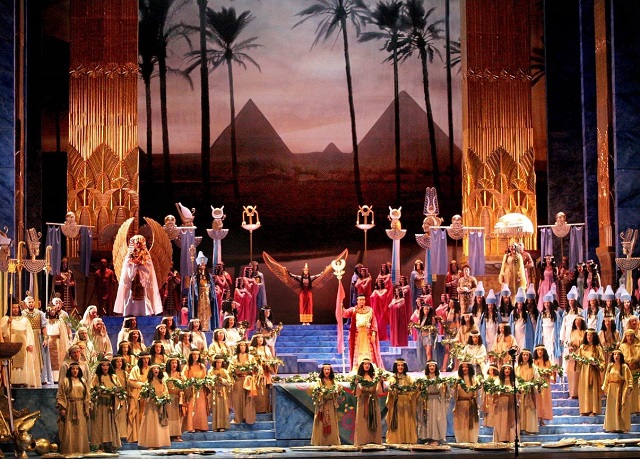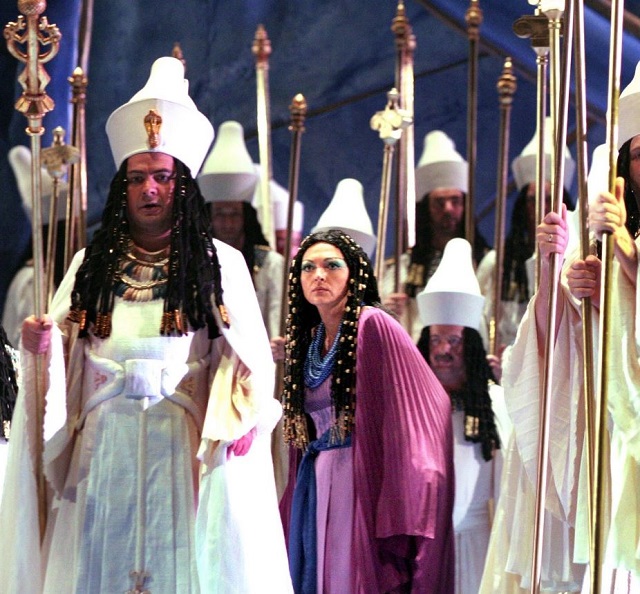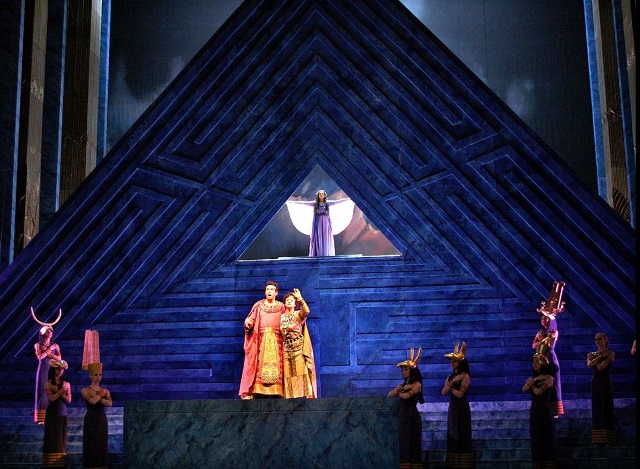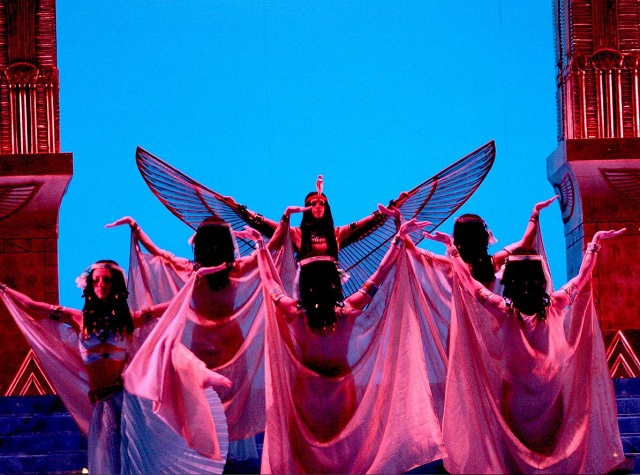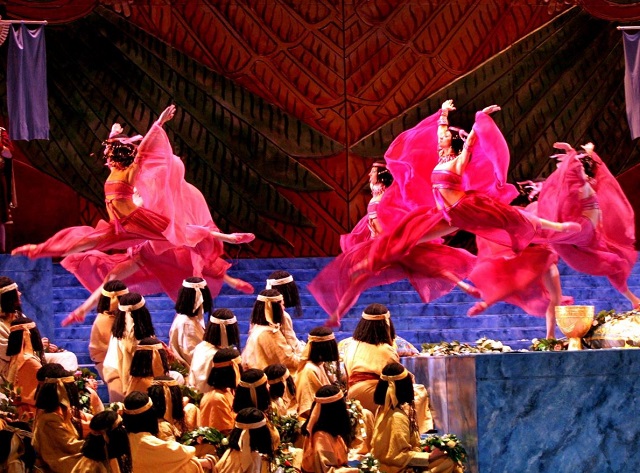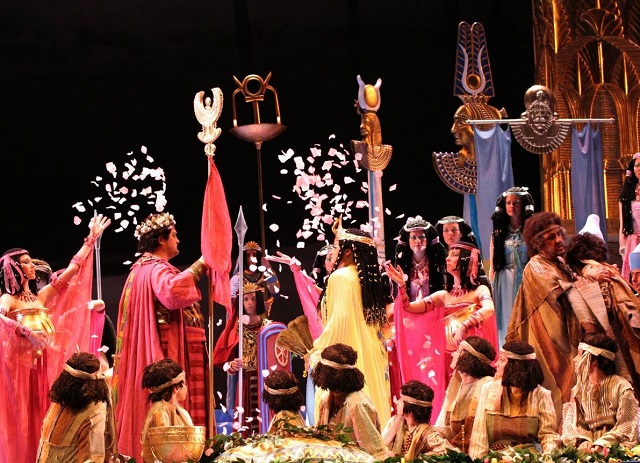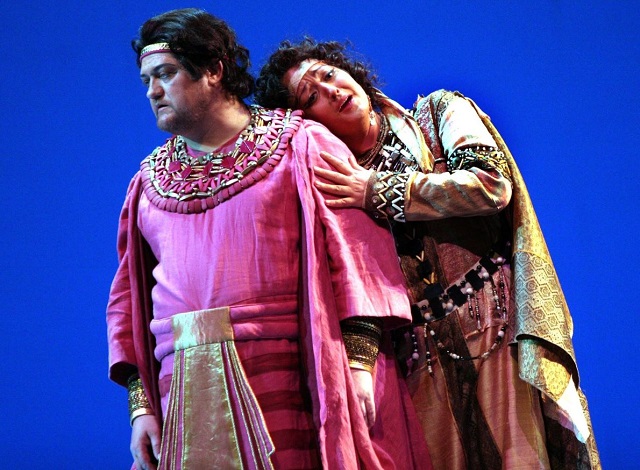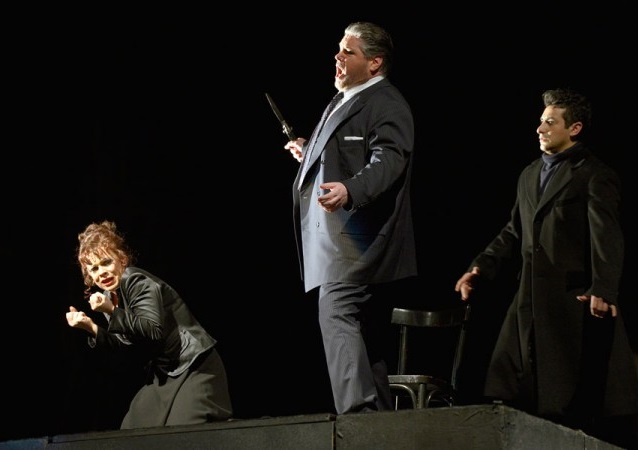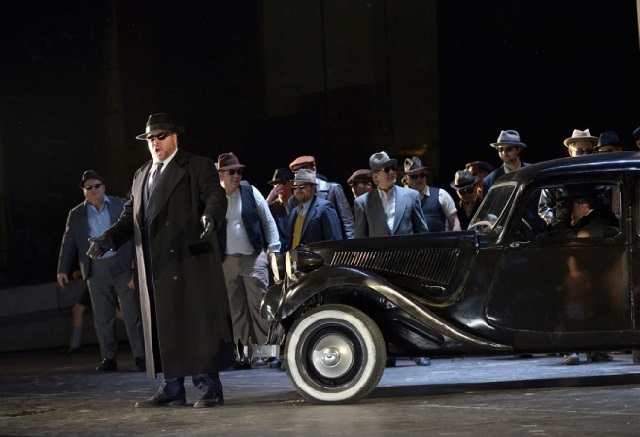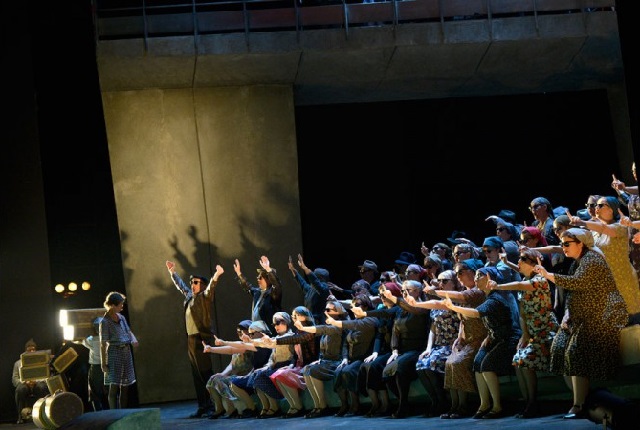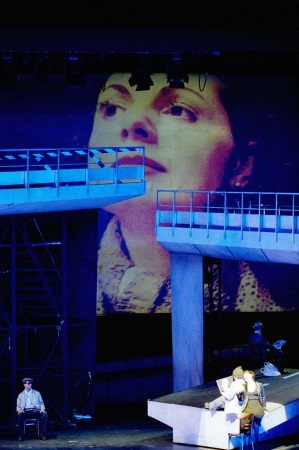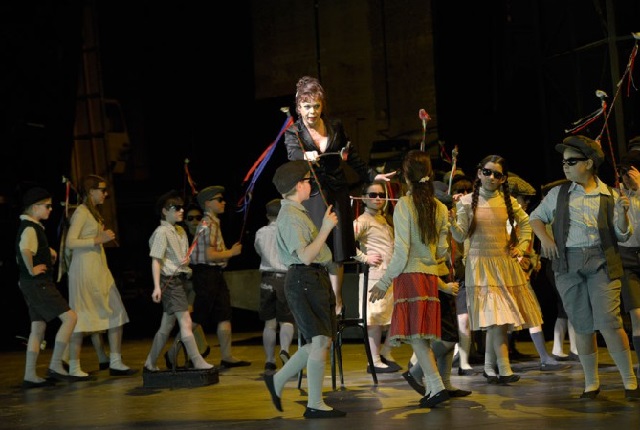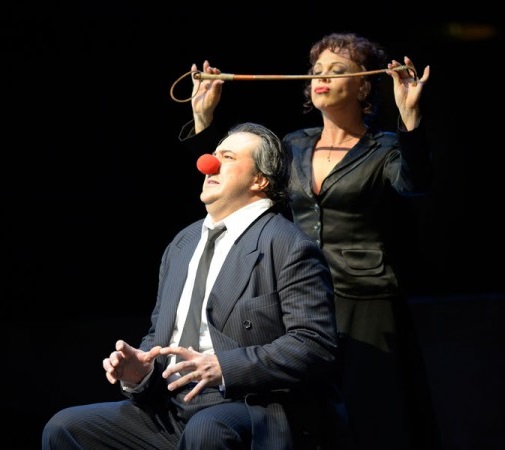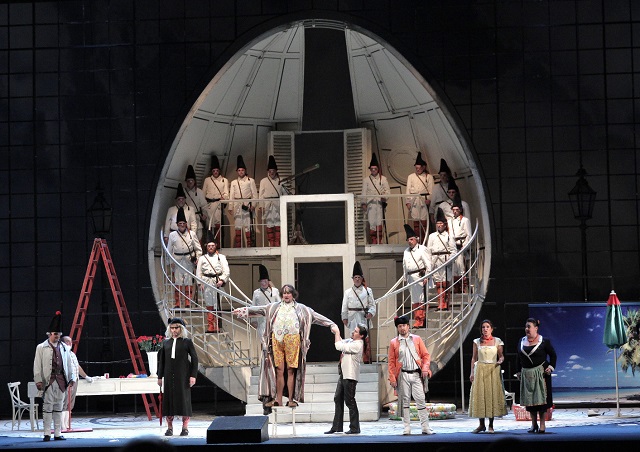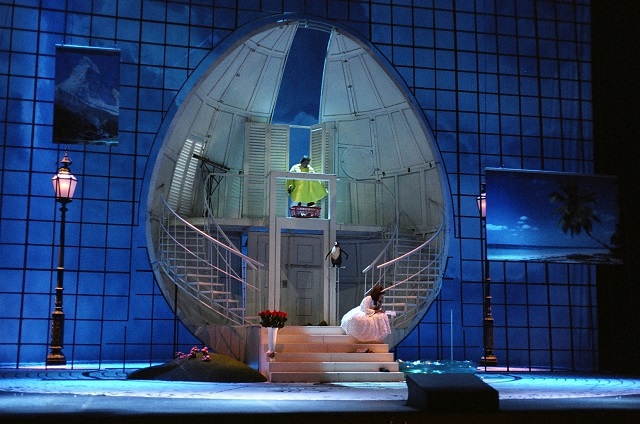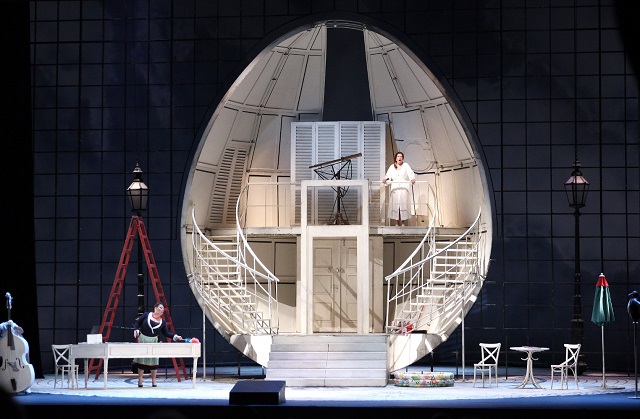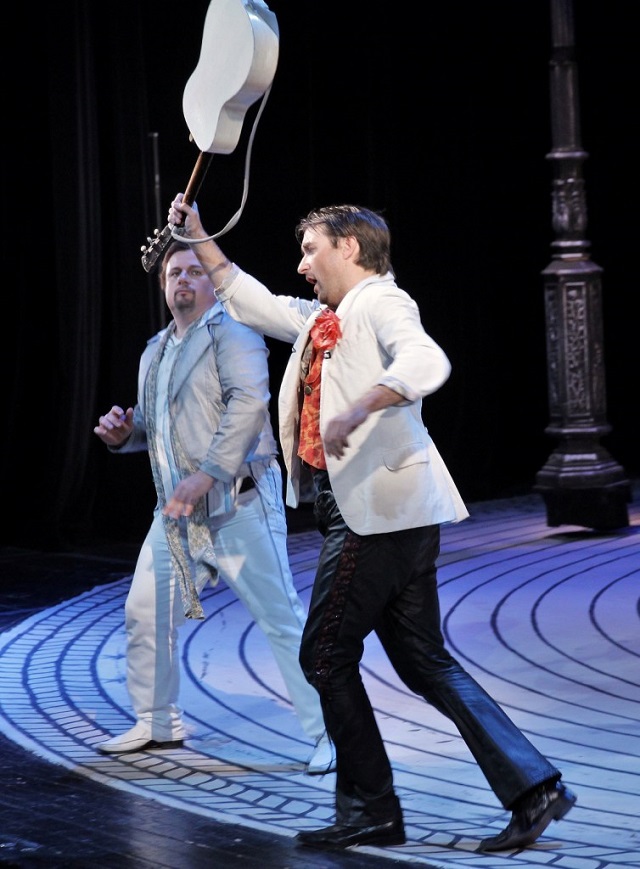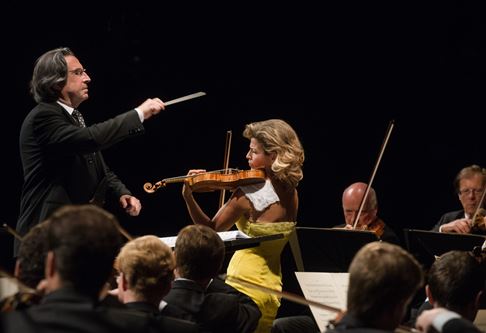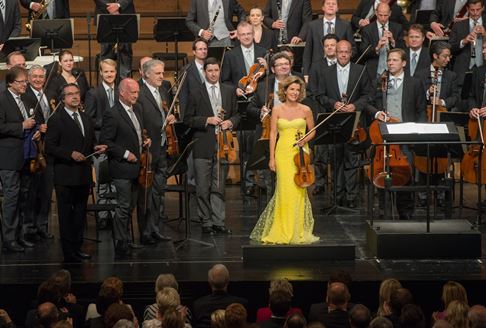

The Salzburg Festival continues with Riccardo Muti and Ernani

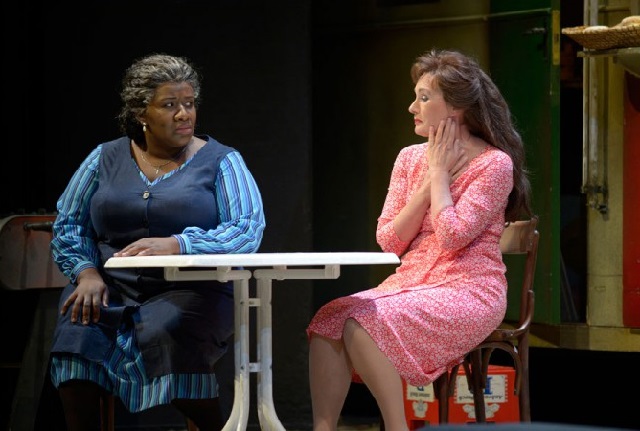
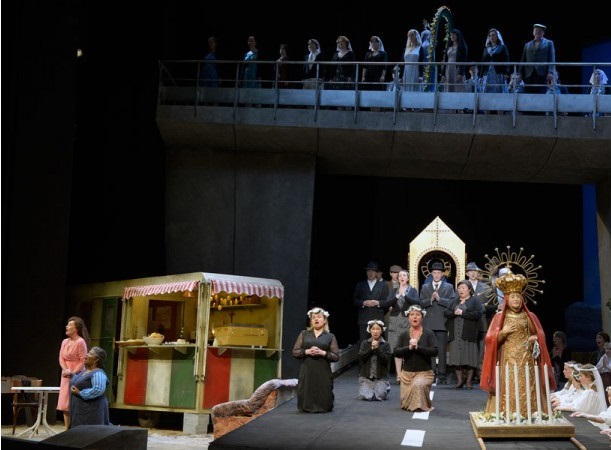
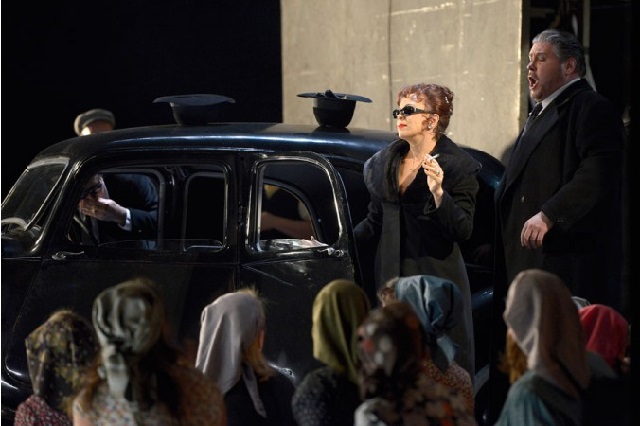
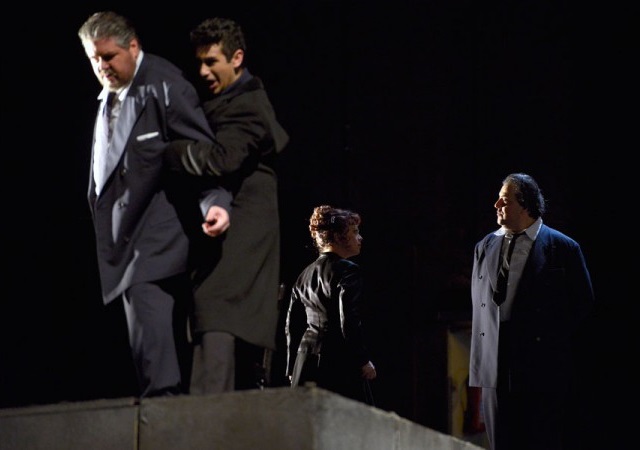
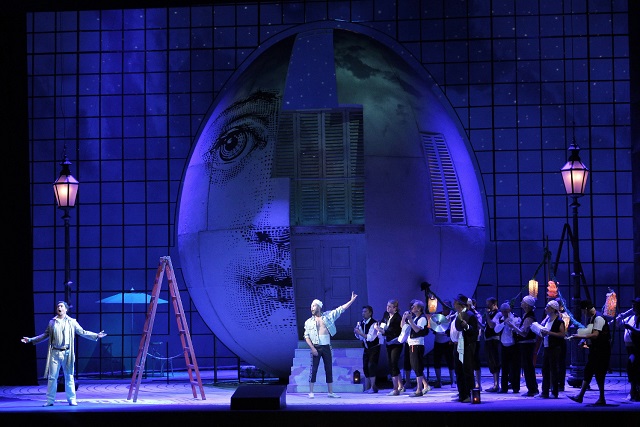
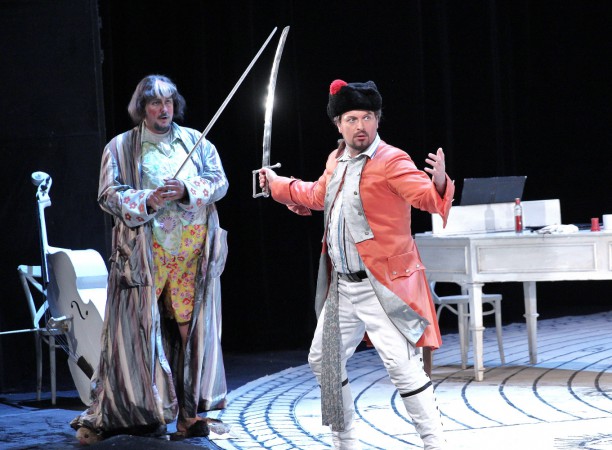
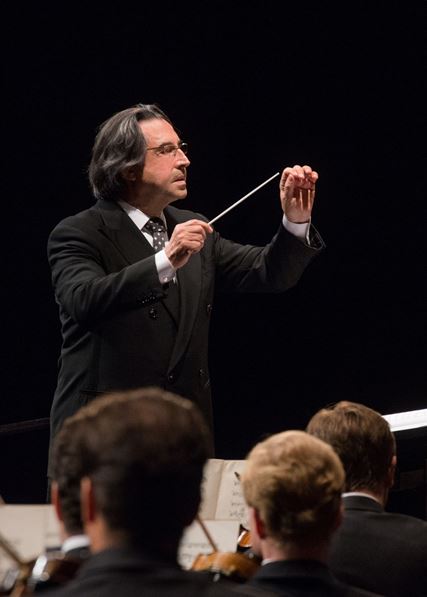
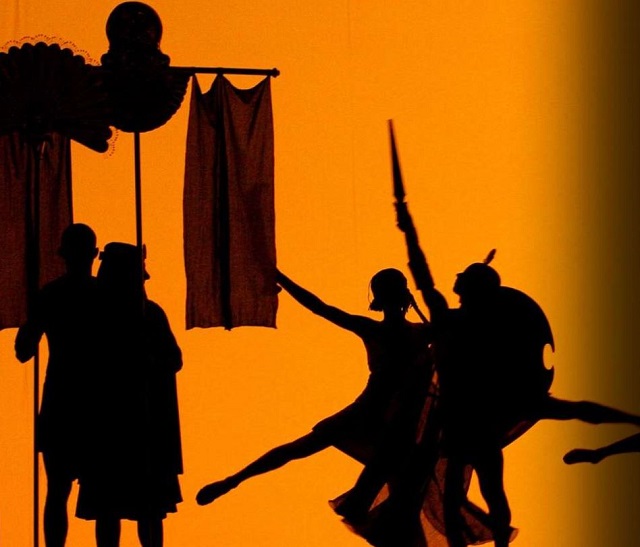
Motive Ernani, © Salzburger Festspiele / Luigi Caputo

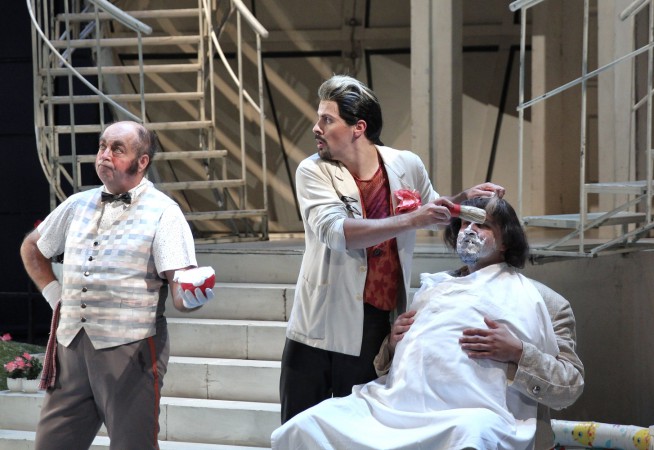
Motive Ernani, © Salzburger Festspiele / Luigi Caputo

After directing the Vienna Philharmonic at the Salzburg Festival on August 14, 15 and 16:
PYOTR I. TCHAIKOVSKY • Concert for Violin and Orchestra in D, Op. 35
JOHANNES BRAHMS • Symphony No. 2 in D, Op. 73

Riccardo Muti directs the Orchestra Giovanile Luigi Cherubini on August 27 and 29 at the same Festival in:
Giuseppe Verdi • Ernani

Dramma lirico in four acts by Giuseppe Verdi (1813–1901)
Libretto by Francesco Maria Piave (1810–1876) after Victor Hugo’s play Hernani, ou L’Honneur castillan (1830)

Concert performance
With German and English surtitels

Duration of the opera approx. 2 hours and 50 minutes.

This will be th 45th year of uninterrupted collaboration between the Maestro Riccardo Muti and the Salzburg Festspiele, and he will have stepped on the Salzburg podium 248 times, as of August 29!

logo_plus_en_2016

 At The Grosses Festspielhaus

Riccardo Muti, Conductor
Ernst Raffelsberger, Chorus Master
Giuseppe Montanari, Conductor Stage Music
Performers: Francesco Meli, Vittoria Yeo, Luca Salsi, Ildar Abdrazakov, Antonello Ceron, Gianfranco Montresor, Simge Büyükedes
Concert Association of the Vienna State Opera Chorus
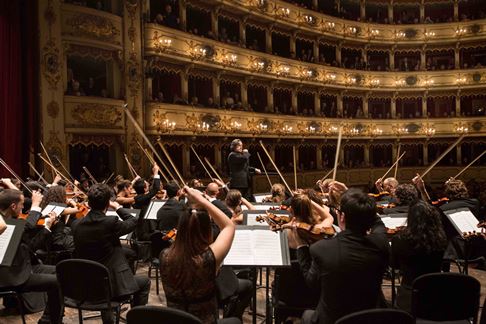
Orchestra Giovanile Luigi Cherubini
Members of the Mozarteum Orchestra Salzburg

Salzburger_Festspiele_Marco_Borrelli4

web-Cherubini_c_Silvia_Lelli

Orchestra Giovanile Luigi Cherubini. Photo copyright Silvia Lelli

Orchestra Giovanile Luigi Cherubini

Founded by Riccardo Muti in 2004, the Luigi Cherubini Youth Orchestra was named after one of the leading Italian-born composers of all time who lived and worked throughout Europe. Like him, the orchestra combines a strong national identity with a natural inclination towards a European vision of music and culture. The youth orchestra forms a privileged link between the academic and professional worlds and has set up its residence in Piacenza, with the Ravenna Festival as its summer home. The Cherubini Youth Orchestra is an ensemble of young musicians under 30 coming from all over Italy. The members are selected by audition by a committee of leading players from prestigious European orchestras headed by Riccardo Muti. Dynamism and continuous renewal are the distinctive features of the orchestra and it is in this perspective that members are only appointed for a period of three years, which may lead them to a major professional orchestra.
In recent years, under Riccardo Muti, the orchestra has tackled a repertoire ranging from the Baroque to 20th-century music, giving concerts in several Italian cities, as well as important tours to Vienna, Paris, Moscow, Salzburg, Cologne, St Petersburg, Madrid, Barcelona, Buenos Aires and elsewhere. Besides intense activity under its founder’s baton, the orchestra has collaborated with artists such as Claudio Abbado, John Axelrod, Rudolf Barshai, Dennis Russell Davies, Gérard Depardieu, Michele Campanella, Kevin Farrell, Patrick Fournillier, Herbie Hancock, Leonidas Kavakos, Lang Lang, Ute Lemper, Alexander Lonquich, Wayne Marshall, Kurt Masur, Anne-Sophie Mutter, Kent Nagano, Krzysztof Penderecki, Donato Renzetti, Vadim Repin, Giovanni Sollima, Yuri Temirkanov, Alexander Toradze and Pinchas Zukerman.
The debut of Cimarosa’s Il ritorno di Don Calandrino at the 2007 Salzburg Whitsun Festival marked the first step of a five-year project undertaken by the Salzburg Festival and the Ravenna Festival with a view to rediscovering and reviving the legacy of the Neapolitan school of music of the 18th century. As orchestra in residence, the Cherubini Youth Orchestra was the protagonist in this project. The triumphal welcome of the Viennese audience at the Golden Hall of the Musikverein was followed, in 2008, by the prestigious Abbiati Award for best music project, for ‘the outstanding achievements which made [the Cherubini Youth Orchestra] an excellent ensemble, appreciated at home and abroad’.
The Cherubini Orchestra also lead such challenging projects as the ‘trilogies’ that the Ravenna Festival staged to celebrate the bicentenary of Verdi’s birth. The six operas, arranged in two trilogies, were conducted by Nicola Paszkowski and directed by Cristina Mazzavillani Muti at the Teatro Alighieri in Ravenna. 2012 saw Rigoletto, Il trovatore and La traviata on the same stage on three consecutive days and then on an extensive tour, culminating in Manama, the capital of Bahrain, for the grand opening of the local opera house. 2013 was the year of the Shakespearean trilogy: Macbeth, Otello and Falstaff, once again staged in the same theatre on three consecutive days. Also within the programme of the Ravenna Festival, the Cherubini Orchestra and Riccardo Muti have been the protagonists of a series of Le vie dell’amicizia concerts, the latest of which, in 2014, marking the centenary of World War I, took place at the Redipuglia military memorial, involving musicians from orchestras from all over the world.
The management of the orchestra is entrusted to the Cherubini Foundation, established by the municipalities of Piacenza and Ravenna, the Toscanini Foundation and Ravenna Manifestazioni. The orchestra’s activity is supported by the Ministry for Arts and Culture with the contributions of the Chamber of Commerce of Piacenza, the Piacenza and Vigevano Foundation, the Italian Manufacturers’ Association (Piacenza) and the Friends of the Luigi Cherubini Youth Orchestra Association.
http://www.orchestracherubini.it

Motive Vienna Philharmonic Salzburger Festspiele Luigi Caputo

Motive Vienna Philharmonic Salzburger Festspiele Luigi Caputo

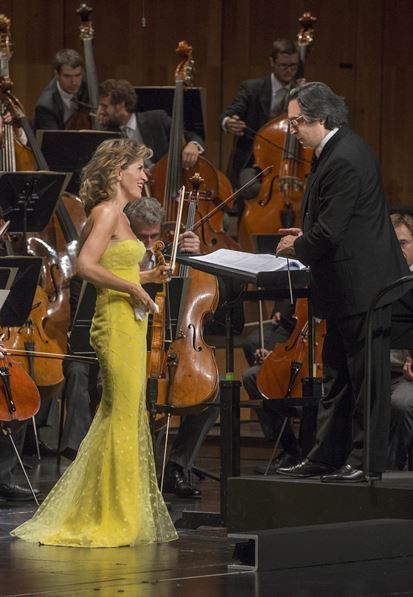
Photos from concert with the Vienna Philarmonic are Copyright of Salzburger Festspiele, Marco Borrelli

PERFORMERS of the August 14, 15 1nd 16 concert:

Riccardo Muti, Conductor
Anne-Sophie Mutter, Violin
Vienna Philharmonic


Salzburger_Festspiele_Marco_Borrelli7

Salzburger_Festspiele_Marco_Borrelli3Salzburger_Festspiele_Marco_Borrelli2Salzburger_Festspiele_Marco_Borrelli5Salzburger_Festspiele_Marco_Borrelli1


Posted in Music | Tagged | Leave a comment

Vincenzo Bellini: a true Sicilian

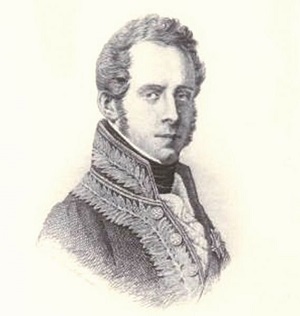
francescodi-bartolo-ritrattodibellini

Francesco Di Bartolo: portrait of Vincenzo Bellini, acquaforte.

As a true Sicilian man, I would like to explain the personality of Vincenzo Bellini (1801 – 1835) in a different point of view from the routine of music and historical criticism that you are used to read in magazines. To date, in fact, when you read something about this composer, only the vicissitudes of his life are told or only comments about his works. But Vincenzo Bellini, Sicilian, was not an ordinary person, in the sense that the personality of a Sicilian is a set of alchemy that arise and are rooted in the same ground.

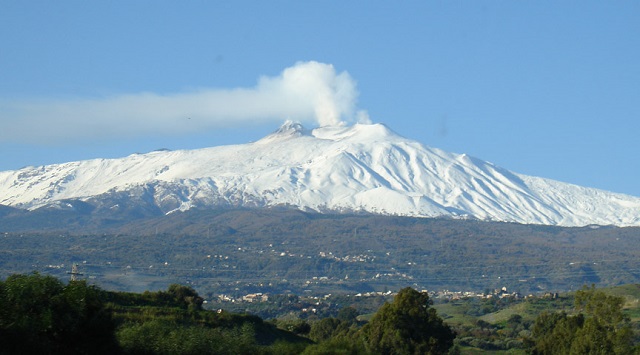
etna_myloveLand of sea, sun, wind and fire, elements of nature that are found everywhere, or almost, Sicily has them in a different way than in other parts of Italy.

To be born in Sicily means having the fire in the veins, a fire that burns inside, that destabilizes every day, a fire that gives joy and pain at the same time, virility and transience. Fire that comes from “a muntagna” (Etna), as the natives of Catania call it, that is the same towards which every day they look back north to understand how it will behave … if it has the steaming plume or it is quite.

So Bellini took inspiration for his compositions from that fire inside, that water from the crystalline sea, the breeze that caresses continually the city of Catania, the scents that intoxicate the senses, from the wild broom sticking with arrogance from the lava rocks of Etna.

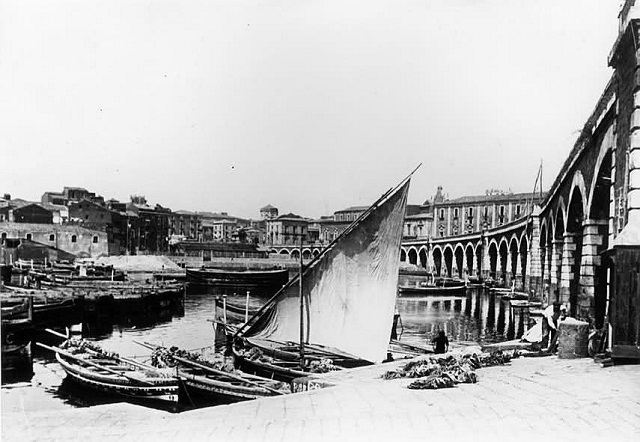
Catania, archi della marina; porto

Catania, archi della marina; porto

Catania, Archie della marina, porto.

Catania, Archie della marina, porto.

Yet, to date, rare were the performances of his works in which the elements of nature that inspired the Swan of Catania are concerned; more lyrical than dramatic art, that of Bellini, the melodic line pure and clear, stripped of extrinsic complexity, where the harmonies, counterpoints and instrumental effects have value only in relation to the song. Song that he loved and knew how to put in music in a recognizable way among many, unique, single and unrepeatable, but not sugary, which instead is found in modern performances.

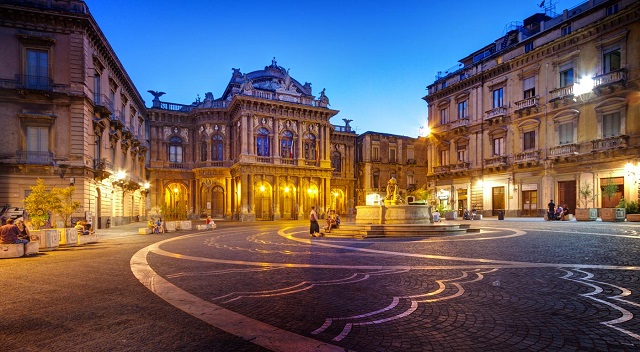
Bellini Theater in Catania

Bellini Theater in Catania

Catania; cathedral

Catania; cathedral

Bellini loved to walk in his city, in the streets of the old town: Via Etnea, Piazza Duomo, Via Crociferi, Piazza Stesicoro, all related to his childhood. Vincenzo loved also the sea, in fact, he was often at the “marina” (the port), close to breathe the sea air and watch the slow movement and undulating, who inspired him in his singable.

But being Sicilian also means having full awareness of death, a world with which it faces life in parallel, with fatality, just think of his Lyric Chamber, such as “Dolente immagine di Fille mia” (Sad image of my Phyllis) or “Bella Nice, che d’amore” (Beautiful Nice, that of love), which tell of death, or as “Il Pirata” (The Pirate), Sicilian subject drama and full of pathetic situations.

Portrait of Bellini by catanese artist Francesco Di Bartolo (1826-1913).

Portrait of Bellini by catanese artist Francesco Di Bartolo (1826-1913).

Perhaps all this has led the perpetrators of today to distort his personality even in those works, which are performed languidly, slowly, subdued, when in fact it is here that should emerge that fire that burns within, like lava, glowing, hatching inside “a muntagna”. Based on this assumption, in this writer’s opinion, the literature of Bellini’s music should be reviewed, full of mettle yet fatality.

Nowadays, in the birthplace of Bellini you can find the Bellini Museum, full of memorabilia, instruments and scores of the composer who deserve to be seen, not so much by tourists, but by musicians playing his music. Perhaps you will begin to get what the writer here wants you to understand: breathing that wonderful and sublime stale air of those rooms would lead to reflect not a little! Only then we would witness true music masterpieces.

© Salvatore Margarone

Translation by Ilenia Carraro

Posted in Article, Music | Tagged | Leave a comment

Verdi’s Requiem in Adelaide

adelaidelogo

requiem

requiem1Verdi Requiem

Presented by State Opera of South Australia

7:30pm: 26, 28 August 2015

Verdi’s mighty Requiem stands as one of the greatest choral masterpieces in the repertoire – part oratorio, part opera, and dramatic from beginning to end. It’s a one-hundred minute journey through some of the most exciting and sublime music Verdi ever wrote. From the soaring Sanctus to the pounding opening of the Dies Irae, with the massive bass drum heralding the explosive entry of the chorus, this is music of gut-wrenching force.

With the fabulous State Opera Chorus in its element, and the wonderful Adelaide Symphony Orchestra bringing Verdi’s superb orchestral writing to life, this is a stunning inclusion in State Opera SA’s 2015 season, to be performed during the season of Gounod’s Faust. Once heard, never forgotten.

CONDUCTOR Timothy Sexton
SOPRANO Teresa La Rocca
ALTO Elizabeth Campbell
TENOR Diego Torre
BASS Douglas McNicol

STATE OPERA CHORUS
ADELAIDE SYMPHONY ORCHESTRA

Sung in Latin

Posted in Music | Tagged , , , , , , | Leave a comment

THE MUNICH VERSION OF THE STABAT MATER BY TOMMASO TRAETTA

THE VOCAL SCORE OF THE MUNICH VERSION OF THE STABAT MATER BY TOMMASO TRAETTA IS NOW AVAILABLE!!!

StabatMaterVocalCOVERART-512x658

Tommaso Traetta (Bitonto 1727 – Venezia 1779)

The Munich version of the Stabat Mater by Tommaso Traetta (1767) was found in Munich (Germany) in 1994 and performed the following year in the first modern day’s performance in the seventeenth century’s Chiesa del Carmine, at Bitonto’s Maria Cristina Institute. Compared to the Naples version of the Stabat Mater, which was composed ten years earlier, and that has been defined by Damerini as “a valuable page of sacred music of the eighteenth century”, this version exudes a radical religiosity that shakes the soul and becomes a reason for meditation and asceticism in line with the Lauda by Jacopone da Todi. Music and lyrics reach a suffered and humane intensity in the more mature Traetta, in a perfect parallel between the approach to Golgotha and the transition from earthly life to eternal life of the blessed admitted to contemplating the face of God.

The vocal score, published by Ideapress, is now available for sale on AMAZON.COM and Barnes and Noble.

Commentary on the classical composition is in four languages (English, Italian, German and Japanese).

stabat_retro

Posted in Books | Tagged , , , | Leave a comment

Free Streaming of Rossini’s Stabat Mater on August 22nd

logofestivalRossiniYou are not in Pesaro? Do not worry, you can still stream the Stabat Mater for FREE, live from Pesaro’s Teatro Rossini. Saturday August 22nd, at 20.30 (8:30 in the evening local time, 2:30 pm NYC time) Streaming from the site of the Rossini Opera Festival

If you have problems to visualize the Stabat Mater from their site, try their youtube channel.

 The true Rossini, in Rossini’s city and now in the whole world!

22agosto

Posted in Music | Tagged , , , | Leave a comment

Faust in Adelaide

adelaidelogofaust

faust1Faust

Presented by State Opera of South Australia

7:30pm: 22, 25, 27, 29 August 2015

Faust, disillusioned with a life of study, laments the life and love that has passed him by. In vain, he tries to end it, but in frustration, strikes an infernal deal whereby he buys the services of Mephistopheles while on earth in exchange for his soul, which will belong to the Devil after death. Mephistopheles shows Faust a vision of the beautiful and chaste Marguerite. Through trickery and deception, Faust wins the heart of Marguerite, diverting her from young and honest suitors with gifts and jewels procured as part of his demonic contract. Having won her, she becomes pregnant to him and he abandons her, sending her on a spiral to oblivion. Meanwhile, Mephistopheles promises Faust the love of the most beautiful women in history, but it is Marguerite’s face that Faust sees. They are reunited briefly but Marguerite places her fate in the hands of God, whereupon she dies and is drawn up to heaven. Faust repents and Mephistopheles realises he’s been cheated of his prize – Faust’s soul.

James Egglestone sings the title role, with Teddy Tahu Rhodes brilliantly portraying the role of Mephistopheles. France-based Adelaide-born soprano Kate Ladner returns to round out a perfect operatic triumvirate, with a stellar supporting cast, the State Opera Chorus, a ballet troupe and the Adelaide Symphony Orchestra conducted by Kynan Johns.

CONDUCTOR Kynan Johns
ORIGINAL DIRECTOR Sir David McVicar
REVIVAL DIRECTOR Bruno Ravella
SET DESIGNER Charles Edwards
COSTUME DESIGNER Brigitte Reiffenstuel
LIGHTING DESIGNER Paule Constable

FAUST James Egglestone
MEPHISTOPHELES Teddy Tahu Rhodes (sponsored by Peter & Pamela McKee)
MARGUERITE Kate Ladner
WAGNER Joshua Rowe
VALENTIN Michael Honeyman
SIEBEL Cherie Boogaart
MARTHA Desiree Frahn

STATE OPERA CHORUS
ADELAIDE SYMPHONY ORCHESTRA

Sung in French with English surtitles (sponsored by James & Diana Ramsay Foundation)

An Opera Conference Production from the Royal Opera House, Covent Garden

Posted in OPera | Tagged , , , , | Leave a comment

Presentation of the Rossini Opera Festival 2015

rossinifestival

The XXXVI edition of the Rossini Opera Festival, which will be held in Pesaro from the 10th to the 22nd August 2015, was presented publicly today at the Alexander Museum Palace Hotel. Four operas are on the bill: La gazza ladra, La gazzetta, L’inganno felice and Il viaggio a Reims, as well as the Messa di Gloria, the Stabat Mater, two evenings of Rossinimania, and the Bel Canto concerts. The speakers included the General Administrator Gianfranco Mariotti, the Artistic Director Alberto Zedda and the Mayor of Pesaro (and president of the Rof) Matteo Ricci. The balance sheet for the 2014 Festival was delivered, and the principal works to be performed in 2016, from the 8th to the 20th August, were announced: La donna del lago, Il Turco in Italia and Ciro in Babilonia.

Program of the Festival.

Posted in OPera | Leave a comment

La Traviata at the Gran Teatre de Liceu in Barcelona

liceulogo

traviata

La traviata is unique in Verdi’s output. Unlike Aida or Nabucco, it is remarkable for its realistic portrayal of the tale of Violetta who, on her deathbed, recalls her life as a courtesan in flashback form. In it Verdi made a head-on attack on the hypocritical society that censured his relationship with Giuseppina Strepponi. He also exalted human life and virtues such as generosity, compassion and selflessness, which are negated by the implacable judgement of a class-dominated society. In this adaptation of the novel by Alexander Dumas son, La dame aux camélias, he made subversive references to topics that were outlawed at the time (syphilis and tuberculosis). This, and his moral stance, aroused a storm of fury at the opera’s first showing. Now David McVicar’s masterly version, featuring his usual dramatic and highly-charged mise en scene, offers a contemporary re-reading. A grandiose melodrama in a period setting.4586-_033_-_R__A_Bofill_02 4586-_085_-_R__A_Bofill_02 4586-_106_-_R__A_Bofill_024586-_087_-_R__A_Bofill_02


La traviata

Opera in three acts. Libretto by Francesco Maria Piave based on La dame aux camélias by Alexandre Dumas Fils. Music by Verdi. Premiered on 6 March 1853 at the Teatro La Fenice. First Liceu performance on 25 October 1855. Last staged at the Liceu on 16 January 2002.

Conductor
Evelino Pidò

Stage Direction
David McVicar

Scenography and Costumes
Tanya MacCallin

Lighting
Jennifer Tipton

Choregraphy
Andrew George

New co-production
Gran Teatre del Liceu, Scottish Opera (Glasgow) and Welsh National Opera (Cardiff)

Symphony Orchestra and Chorus of the Gran Teatre del Liceu

 4586-_209_-_R__A_Bofill_02 4586-_229_-_R__A_Bofill_02 4587-124_-_R__A_Bofill_02 4587-180_-_R__A_Bofill_02
CAST
OCTOBER 2014
Violetta Valery Patrizia Ciofi 14, 17, 20, 23, 26 and 29 Oct
Elena Mosuc 15, 18, 21, 24 and 28 Oct
Alfredo Germont Charles Castronovo 14, 17, 20, 23, 26 and 29 Oct
Leonardo Capalbo 15, 18, 21 and 24 Oct
Leonardo Capalbo * 28 Oct
Giorgio Germont Vladimir Stoyanov 14, 17, 20, 23, 26 and 29 Oct
Àngel Òdena 15, 18, 21, 24 and 28 Oct
Flora Bervoix Gemma Coma-Alabert
Gastone Jorge Rodríguez-Norton
Barone Duphol Toni Marsol
Marchese D’Obigny Marc Canturri
Annina Miren Urbieta Vega
Dottor Grenvil Iosu Yeregui
Giuseppe,Violetta’s servant Josep Lluis Moreno
Flora’s servant Miquel Rosales
Comissioner Gabriel Diap
JULY 2015
Violetta Valery Elena Mosuc 8, 11, 14 and 17 Jul
Ailyn Pérez 9, 12, 15 and 18 Jul
Alfredo Germont Francesco Demuro 8, 11, 14 and 17 Jul
Ismael Jordi 9, 12, 15 and 18 Jul
Giorgio Germont Gabriele Viviani 8, 11, 14 and 17 Jul
Leo Nucci 9, 12, 15 and 18 Jul
Flora Bervoix Gemma Coma-Alabert
Gastone Jorge Rodríguez-Norton
Barone Duphol Toni Marsol
Marchese D’Obigny Marc Canturri
Annina Miren Urbieta Vega
Dottor Grenvil Fernando Radó

* The tenor Leonardo Capalbo will sing the role of Alfredo Germont on 28 October, replacing Ismael Jordi.

Leonardo Capalbo

He started his career at the Opera North. Recently he has sung Candide (Berlin and Rome), Macbeth (Chicago), La Traviata (Dresden and Geneva), Il postino (Teatro Real), Poppea e Nerone (Montpellier), Roberto Devereux (Canadian Opera and Welsh National Opera), Les contes d’Hoffmann (on tour throughout Japan) and The Rake’s Progress (Torino).

4587-227_-_R__A_Bofill_02 4587-349_-_R__A_Bofill_02


David McVicar, Stage Director

La Traviata takes pace in bedrooms and salons, not in palaces! As we researched this production, the de- signer and I visited whatever locations still existed of the original Dumas novel and we were struck by the intimate scale of the world Alphonsine Plessis moved in. The over-blown proportions which have become traditional to stagings of La traviata bear little rela- tionship to the reality of the Parisian demimonde of the 19th Century. Violetta’s party in Act One (no-one should forget, held with the precise purpose of cel- ebrating the triumph over yet another close call with death and, in a sense to display her still seductive wares to the public) happens in a small, four roomed apartment. Luxurious certainly, but no palatial salon.

The women onstage are not contessas and duch- esses but courtesans, actresses, dancers and the women who service them; milliners, dressmakers, maids, pimps. No respectable woman could possibly be seen at one of Violetta’s parties. The men present are, naturally of a higher class than the women. The purpose of the demimonde was to provide the en- tertainment, relaxation, excitement and (for a young man like Alfredo) sexual tuition to men of certain status and financial means. The enigmatic figure of Dr Grenvil, too can only be really understood in this context. His real-life 19th century counterpart was a certain Dr Koreff, struck-off and eking out a living as an abortionist and physician of venereal disease to the courtesans and their clients.

This production seeks deliberately to strip La traviata of extraneous decorative detail, setting the piece in period but within a dark sequence of small, suffocat- ing spaces. Like her short life, Violetta’s options are few and contained. The inevitability of her death is already etched across the floor of the set in the stark letters of the epitaph on her tomb.

Posted in OPera | Tagged , , , , , , , | Leave a comment

I Puritani in Melbourne

melbournelogo

puritani

I Puritani

Music by Vincenzo Bellini

The art of bel canto is given new life by Victorian Opera in this rare concert performance.

Thursday 2 July 2015, 7:30pm

In Italian with English surtitles
Hamer Hall

Bellini’s masterpiece, set against the English Civil War, tells the story of two lovers; a Puritan and a Royalist who must choose between love and loyalty.

Following her critically acclaimed performance in La traviata (2014) Australia’s own Jessica Pratt, ‘a prima donna assoluta’, returns for this gala concert performance of Bellini’s masterpiece, famed for its breathtaking vocal artistry. Joining her is one of the world’s greatest bel canto tenors, Celso Albelo.

This Gala Concert will feature a star studded cast, the Victorian Opera Chorus and Orchestra Victoria conducted by Richard Mills.

Posted in OPera | Tagged , , , , , , , | Leave a comment

Fidelio in Geneva

fidelio1

theatregenevelogo

FIDELIO

Opera in 2 acts by Ludwig van Beethoven
Libretto by Joseph Sonnleithner, revised by Stephan von Breuning & Georg Friedrich Treitschke, based on Léonore ou l’Amour conjugal by Jean-Nicolas Bouilly.
First performed after two previous versions at Theater am Kärntertor in Vienna on 23 Mai 1814.

New production
At the Grand Théâtre de Genève

June 10-June 25, 2015

Sung in German with English and French surtitles

Imprisonment, the thirst for liberty and the blind determination of a passionate love: Leonore is ready to do anything to save her husband Florestan, held prisoner by the cruel governor Don Pizarro whose evil actions he had denounced. From the dark depths of his dungeon, she will bring Florestan back to the light of day. Beethoven’s one and only opera, Fidelio, has an aura of which very few works of the lyric repertory can boast. As in the Ninth Symphony, Beethoven’s idealism radiates throughout the work, which he spent ten years composing. A hymn to universal values, Fidelio’s message is a powerful reminder that, even when subject to the most cruel tyrants, human beings must never give up hope, as it is their only way to achieve liberty. Making use of elements drawn from oratorio, Singspiel and rescue opera, Fidelio goes beyond the usual categories of genre to constitute a magnificent work of art and a fine example of our world’s cultural heritage.

Musical Director Pinchas Steinberg
Stage Director Matthias Hartmann
Set Designer Raimund Orfeo Voigt
Costume Designer Tina Kloempken
Lighting Designer Tamás Bányai
Don Fernando Günes Gürle
Don Pizarro Detlef Roth
Florestan Christian Elsner
Leonore Elena Pankratova
Rocco Albert Dohmen
Marzelline Siobhan Stagg
Jaquino Manuel Günther
First Prisoner José Pazos
Second Prisoner Romaric Braun

Grand Théâtre Opera Chorus
Director Alan Woodbridge
Orchestre de la Suisse Romande


Posted in OPera | Tagged , , , , , , , | Leave a comment