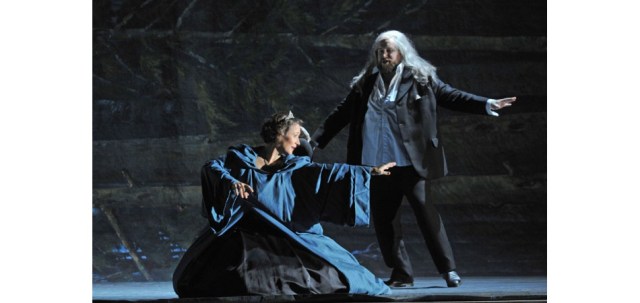
November 29.–January 17

Peer Gynt
Performed in Norwegian
- Music and libretto : Jüri Reinvere
- Conductor : John Helmer Fiore
- Direction : Sigrid Strøm Reibo
- Set design and costumes : Katrin Nottrodt
- Choreography : Oleg Glushkov
- Lighting design : Rainer Casper
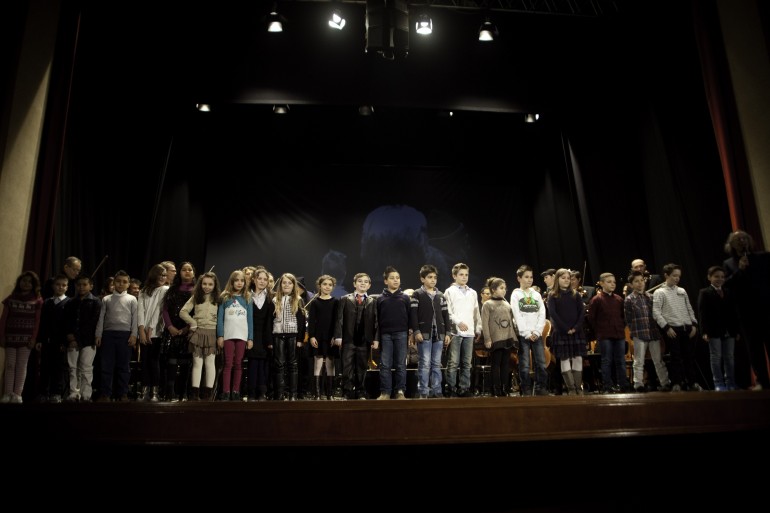
- Cast : The Children’s Chorus, The Opera Chorus, The Opera Orchestra
- Translation from German: Tor Tveite
3 hours
Photographs credit: Erik Berg
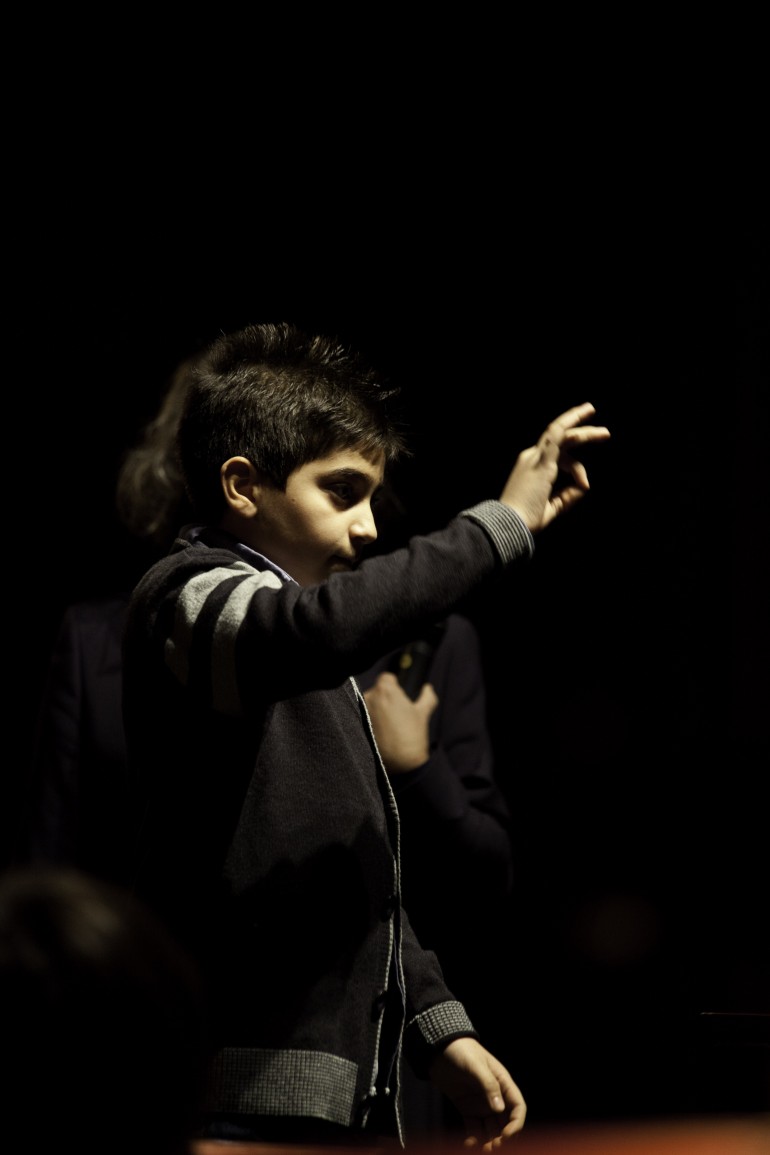
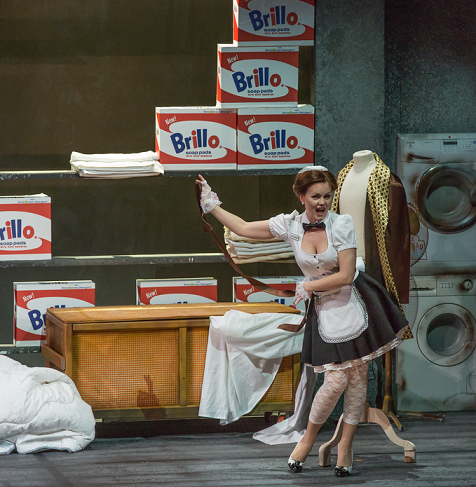
«Who are you?» That is the question Peer Gynt asks the Bøyg, the Mountain King and the Sphinx, receiving only the answer, «Myself». But who is that, and who is Peer Gynt? What does it mean to be Norwegian in 2014, 200 years after we gained our first written constitution? What or where is the core, the seed? Is there one at all?
Few works have so embodied what it means to be Norwegian as Ibsen’s Peer Gynt. Not only is it a key work in the Norwegian literary canon, it is also one of Ibsen’s most frequently performed plays on the international theatrical scene. Grieg’s setting of Ibsen’s text is still Norway’s best known dramatic music. But what does this legacy mean for us today?

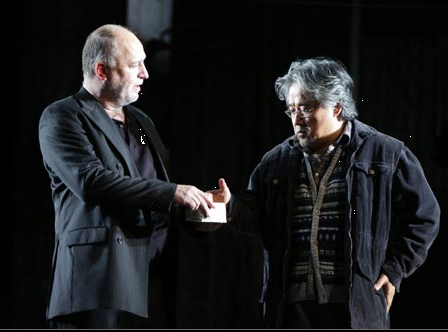
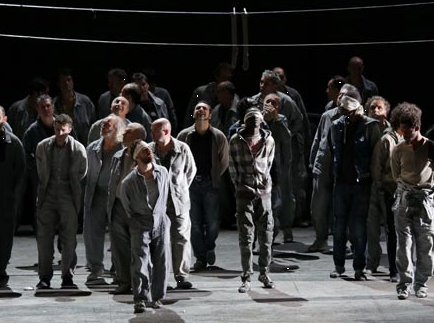
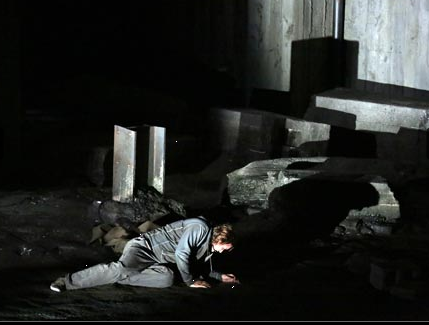
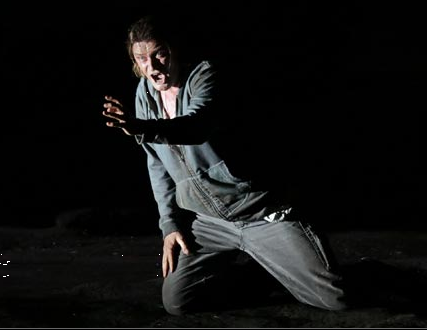
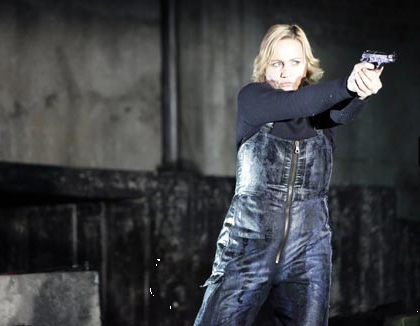
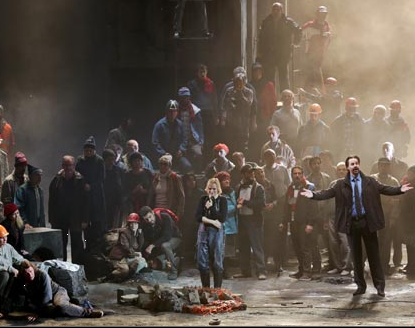
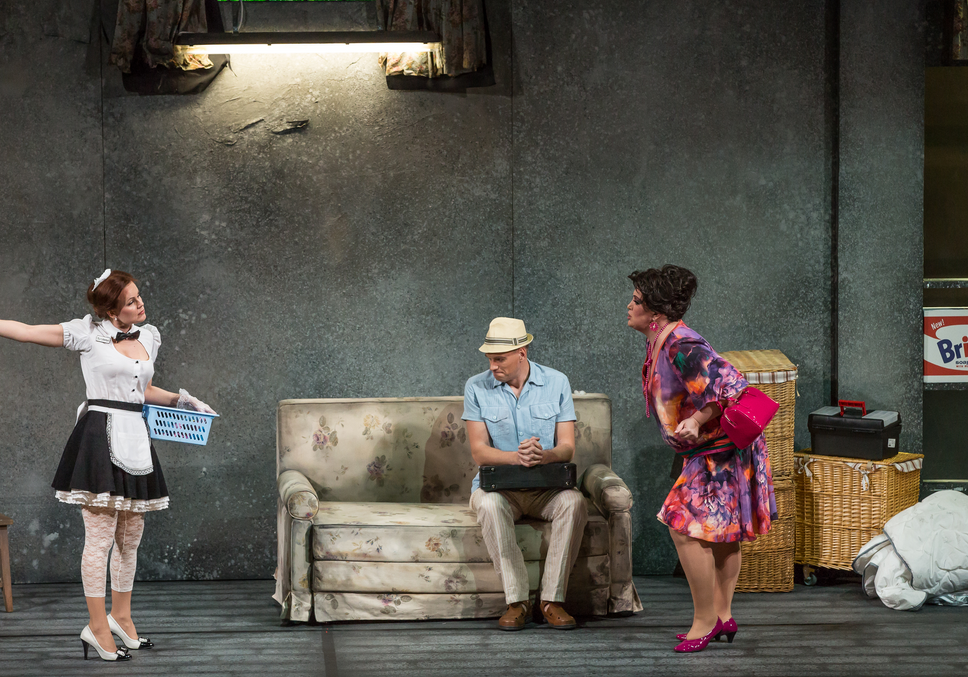
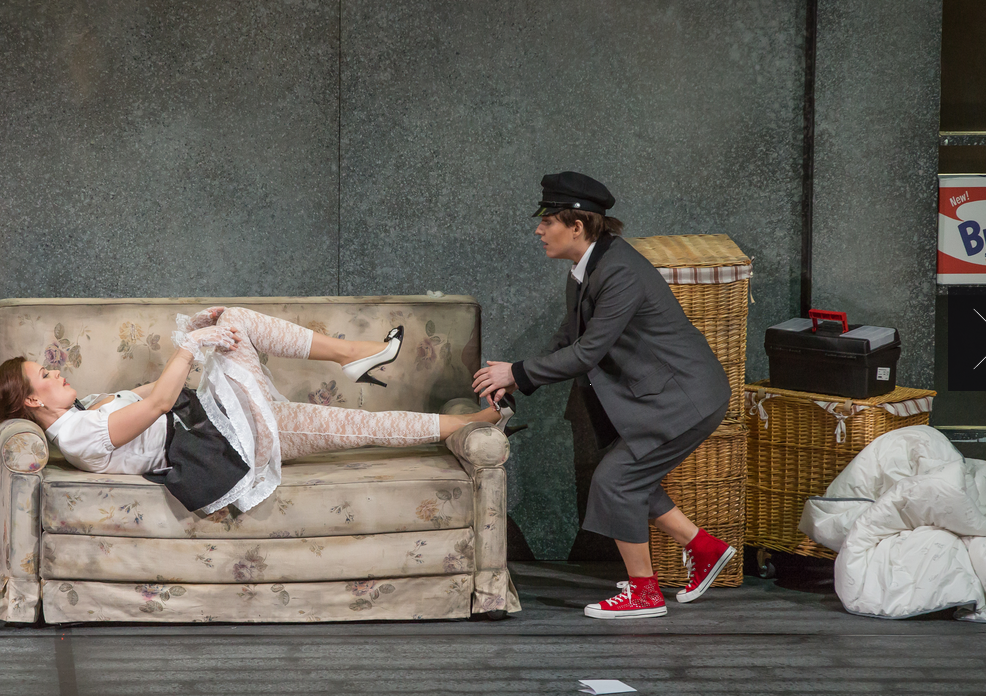
Estonian composer Jüri Reinvere explores this question in a completely new Peer Gynt. This is not an operatic version of Ibsen’s dramatic verse play, but a new interpretation, with Reinvere providing both the music and libretto. In his Peer Gynt, Ibsen’s characters have different encounters and travel to new places. The famous verse play meets elements from other Ibsen pieces – as well as lines from the Edda and Shakespeare’s Hamlet.
This work is a commentary on the position of the Peer Gynt phenomenon as a national and international Norwegian symbol. It is the story of the search for an identity that constantly escapes us. Our past and our memories, on the other hand, we carry with us whether we want to or not. The story of the evasive Peer Gynt shows that we have to face them in order to better understand ourselves. With Reinvere’s work, staged by young Norwegian director Sigrid Strøm Reibo, we confront the Peer Gynt legacy in Norway today.
Premiere discussion one week before the premiere / Fiore Lecture Show / free introduction one hour before the performance
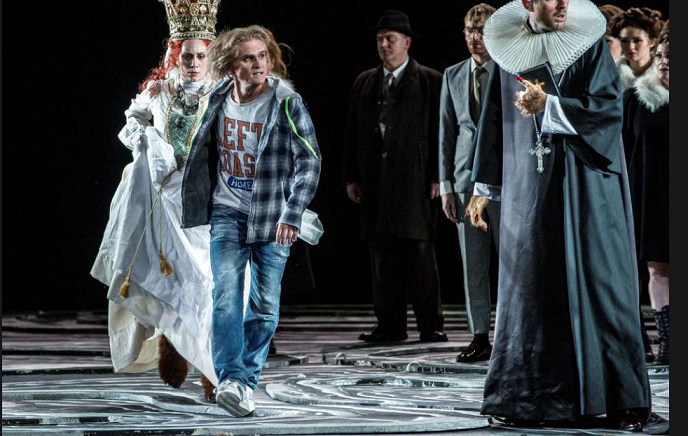
CAST
 Nils Harald Sødal as Peer Gynt
TENOR
Following a busy freelance career, Nils Harald Sødal joined the Norwegian National Opera ensemble in 2012. Sødal has appeared on many European opera stages and has received complimentary critiques in international publications such as Opernwelt and Opernglas.
His 2012 debut at the world famous Semperoper in Dresden was received with enthusiasm, and when the Norwegian National Opera performed Peter Grimes at the Savonlinna Opera Festival that same year, Sødal impressed the Finnish press in the title role:
«From start to finish he convinces and gives us an insight into Peter Grimes’ inner life and conflicts.»
His major roles with the Norwegian National Opera include the title roles in Peter Grimesand Robin Hood, Rosillon in The Merry Widow, Alfred and Eisenstein in Die Fledermaus, Alfredo in La traviata, Don José in Carmen, David in The Fourth Watch of the Night, and Godpa in the new opera Khairos. This season, Sødal gives us an insight into the inner life and conflicts of Erik in The Flying Dutchman. As well as being an opera singer, Sødal is also a critically acclaimed author.
 Marita Sølberg as Unge Solveig
SOPRANO
«Norwegian soprano Marita Sølberg is an unforgettable Mimì of the highest international standard.» This was how Opera Now’s critic described her debut in the role in Stefan Herheim’s La Bohème, for which she also received the Critics’ Award. In spring 2014 she made her debut in the role of Donna Elvira in Don Giovanni, and returned to the stage as Mimì in La Bohème.
A former winner of the Queen Sonja International Music Competition, Sølberg worked with the Opera in Stuttgart for two years before becoming a soloist with the Norwegian National Opera in 2008. Sølberg has starred in roles like Pamina in The Magic Flute, Giulietta in a concert production of I Capuleti e i Montecchi, Kathrine Sigismund in The Fourth Watch of the Night, Female Chorus in The Rape of Lucretia and Nedda in Pagliacci.
In autumn 2013 she sang the Countess in The Marriage of Figaro, a reprisal of her role in the autumn 2010 production, which she also performed for the first time last year at La Fenice in Venice. She has also sung at major opera festivals in Salzburg and Glyndebourne, and has toured in many countries as Solveig in Peer Gynt. This fall she will sing a whole new Solveig in Jüri Reinvere’s Peer Gynt. In addition, she will perform Antonia in The Tales of Hoffmann.
 Ingebjørg Kosmo as Mor Åse/Gamle Solveig
Mezzo Soprano
From the fiery title role in Bizet’s Carmen to the careful Suzuki in Puccini’s Madama Butterfly, from children’s songs to the Berlin Philharmonic – Ingebjørg Kosmo’s range is extensive.
The Norwegian National Opera has been pleased to have Kosmo as a soloist since 1997. Her long, rich history with the ensemble includes roles as Octavian in Der Rosenkavalier, the Composer in Ariadne auf Naxos, Idamante in Idomeneo, Donna Elvira in Don Giovanni, Dorabella in Così fan tutte, Sylva Varescu in Die Csárdásfürstin, Gudrun Skjeggesdatter in Søderlind’s Olav Tryggvason, Charlotte in Werther, Sextus in Julius Cæsar, Eboli in Don Carlo and Ellida in Søderlind’s opera The Lady from the Sea. With her solid experience, in 2013 she played the roles of Marcellina in The Marriage of Figaro and Bianca in The Rape of Lucretia. This season, she plays Antonia’s mother in The Tales of Hoffmann, Mor Åse/Gamle Solveig in Peer Gynt and Suzuki in Madama Butterfly.
Kosmo is a sought-after concert singer, and has performed as guest soloist in prestigious settings such as the Salzburg festivals and with the Berlin Philharmonic Orchestra. Her lyrical mezzo gives voice to Anitra in the recording of Peer Gynt with Bergen Philharmonic Orchestra. She also performs in Tveitt’s The Turtle with Stavanger Symphony Orchestra.
In 2013 she released a CD of children’s songs, Mamma synger – Sanger som går i arv, together with three fellow singers. A new solo release is coming in 2014.
 Kari Ulfsnes Kleiven as Ingrid/Den grønnkledde/Anitra
SOPRANO
Kari Ulfsnes Kleiven comes from Melhus in the Sør-Trøndelag area of Norway, and is a soloist with the Norwegian National Opera starting in the 2014/2015 season, when she performed Barbarina in The Marriage of Figaro and Amor in Orfeo ed Euridice.
Ulfsnes Kleiven is trained at the Norwegian Academy of Music and the National Academy of Operatic Art in Oslo. During her studies, she sang the roles of Despina in Così fan tutte, Adele in Die Fledermaus, Serpetta in La finta giardiniera, Erisbe in L’Ormindo and Sister Genovieffa in Suor Angelica. She has received various scholarships, including scholarships from the Ruud-Wallenberg Fund.
 David Hansen as Bøygen/Cheshirekatten/
Knappestøperen
 Thor Inge Falch as Smed/Herr Trumpetstråle/Huhu
TENOR
This spring Thor Inge Falch had great success with Eli Kristin Hanssveen, Hege Schøyen og Øivind Blunck in Hege og Øivind går til Operaen. Last autumn he the audience and the press as Piet The Pot in Le Grand Macabre. Aftenposten described the way he brought mortal fear to life: «with lots of vibrato and a tone that switches between warm and cold.»
Originally from Ballangen in the Nordland area of Norway, Falch has been a soloist with the Norwegian National Opera since 2007. His roles here include Eisenstein and Alfred in Die Fledermaus, Count Boni in Die Csárdásfürstin, Canio in Pagliacci, Robert Boles in Peter Grimes, Jon Bisp in Olav Trygvason, Passepartout in the premiere of Around the World in 80 Days, Prince John in Robin Hood and Herod in Salome.
Falch has also sung the title role in the opera Life with an Idiot at Malmö Opera and the Royal Danish Opera in Copenhagen, as well as the title role in Kejsar Jones at Göteborg Opera and at Ultima Contemporary Music Festival in Oslo. He has sung Cavaradossi in Tosca at Oscarsborg Fortress, and Calàf in Turandot and Manrico in Il Trovatore at Fredriksten Fortress.
Thor Inge Falch trained at Østlandet Music Conservatory, the National Academy of Operatic Art in Oslo and with Professor André Orlowitz in Copenhagen.
 Johannes Weisser as Prest/Slakter/Hussein
TENOR
Johannes Weisser was born in 1980 in Norway. He studied at the Music Conservatory in Copenhagen and at the Royal Danish Academy of Opera in Copenhagen with Susanna Eken.
In the spring of 2004, at the age of 23, he made his debut at the Norwegian National Opera as well as at the Komische Oper Berlin, in both houses as Masetto in Don Giovanni. Since then he has established himself as one of the most exciting Scandinavian singers of his generation.
Engagements have brought him to Salzburg Festival, Staatsoper Berlin, Theater an der Wien, Théâtre de La Monnaie in Brussels, Théâtre des Champs-Elysées, Opéra national du Rhin Strasbourg, Opéra de Dijon, Opera Bilbao, Megaron Athens, Festspielhaus Baden-Baden, Komische Oper Berlin, Norwegian National Opera, Royal Danish Opera, Edinburgh International Festival, Innsbrucker Festwochen der alten Musik and Flanders Festival Bruges with roles such as the title role and Leporello in Don Giovanni, Guglielmo in Così fan tutte, Papageno in Die Zauberflöte, Schaunard in La Bohème, Malatesta in Don Pasquale, Mr. Flint in Billy Bud, Agamemnon in Gluck’s Iphigénie en Aulide, Giove in Cavalli’s La Calisto, Ramiro in Ravel’s L’heure espagnole, Plutone and Pastore 4 in Monteverdi’s L’Orfeo, King Theseus in Britten’s A Midsummer Night’s Dream, Valens in Handel’s Theodora and Achilla in Giulio Cesare.
Johannes Weisser is a much sought after concert, oratorio and singer and he regularly appears in concert venues and festivals throughout Europe. He has a considerable repertoire that spans music from the early 17th Century works of Monteverdi up to 20th Century works of Weill and Britten. He is an exceptionally communicative “Lied”-singer. His concerts have attracted much attention and have been highly praised, notably the concerts with the pianist Leif Ove Andsnes.
He has worked with conductors such as Rinaldo Alessandrini, Alfredo Bernardini, Fabio Biondi, Francesco Corti, Alan Curtis, Ottavio Dantone, Thomas Dausgaard, Stéphane Denève, Laurence Equilbey, Olari Elts, Adam Fischer, Patrick Fournillier, Eivind Gullberg Jensen, Philippe Herreweghe, J. David Jackson, René Jacobs, Tõnu Kaljuste, Fredrik Malmbrg, Michael McCarty, Juanjo Mena, Ingo Metzmacher, Marc Minkowski, Lars Ulrik Mortensen, Andris Nelsons, Andrew Parrott, Kirill Petrenko, Vasily Petrenko, George Petrou, Trevor Pinnock, Daniel Reuss, Christophe Rousset, Kwame Ryan, Andreas Spering, Christoph Spering, and Lothar Zagrosek.
Engagements in 2011 included Garzia in Attilio Ariosti’s La Fede nei tradimenti in Vienna, Siena and Montpellier, Arsitobolo in Handel’s Berenice at Theater an der Wien, Agamemnon in Gluck’s Iphigénie en Aulide in Athens, Achilla in Giulio Cesare at Theater an der Wien as well as at Théâtre des Champs-Elysées, Paris, Ramiro in Ravel’s L’heure espagnole with Birmingham Symphony Orchestra, Haydn’s Die Schöpfung in Verona, arias by Mozart with the Norwegian Chamber Orchestra, Bach’s St Matthew Passion with Oslo Philharmonic Orchestra, Mahler’s Kindertotenlieder in Hasselt (Belgium), Bach’s Mass in B minor in Leipzig and Zürich, Bach’s Actus Tragicus in Tromsoe and Handel’s Messiah in Oslo as well as in Trondheim.
Johannes has recorded the title role in Don Giovanni, Telemann’s Brockes Passion, Haydn’s Die Schöpfung and Bach’s St Matthew Passion – all with René Jacobs, Haydn’s Applausus with Andreas Spering, Achilla in Giulio Cesare and Licaone in Handel’s Giove in Argo with Alan Curtis, David in Staale Kleiberg’s David and Bathsheba and a highly acclaimed CD with songs by Grieg.
 Ketil Hugaas as Dovregubben/Eberkopf/
Begriffenfeldt/Kirkegårdsvakt
BASS
Opera singer, composer and musical arranger. Ketil Hugaas has great musical range and drive. He has been part of the soloists ensemble at the Norwegian National Opera since 2008, starring in the title role in Don Pasquale, as Sarastro in The Magic Flute, Dr. Bartolo in The Barber of Seville, Ol-Kanelesa in The Fourth Watch of the Night, Atlantis in Khairos and Schigolch in Lulu. The latter performance led to a guest engagement at the Semperoper in Dresden, where he reprised the role. He did a critically acclaimed Nekrotzar in Le Grand Macabre at the Norwegian Opera & Ballet in 2013 – a role he also gave at The Royal Danish Theatre the spring 2014.
Between 2000 and 2008 he was a soloist with the Royal Swedish Opera in Stockholm, and sang leading bass rolls in Don Giovanni, Lohengrin, Tannhäuser, Das Rheingold, Die Walküre, Boris Godunov and Wozzeck.
Ketil Hugaas has written two musical plays about his home town of Sulitjelma in Nordland. He has been the organizer of the Soloists Christmas Concert here at the Oslo Opera House, and the CD Mamma synger. He also has extensive experience as a concert singer, with a repertoire including classical and contemporary music and jazz.
In the 2013/2014 season he made his debut in the role of Nekrotzar in Le Grand Macabre; in spring 2014 he can be seen as Daland in The Flying Dutchman.
 SYNOPSIS
Act I
Scene 1: The wedding
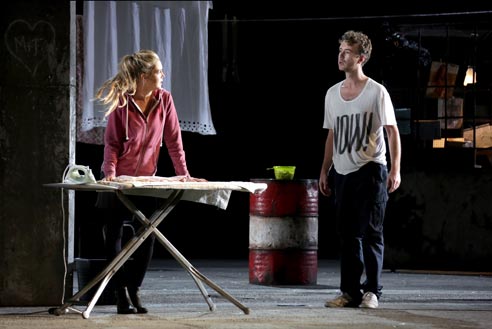
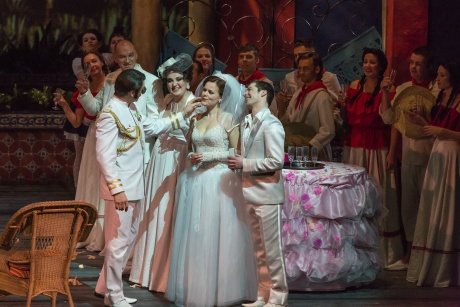
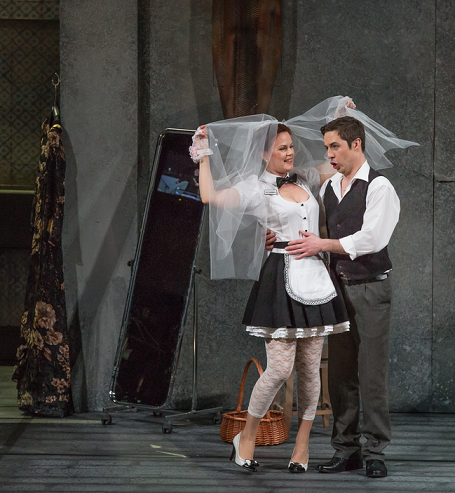
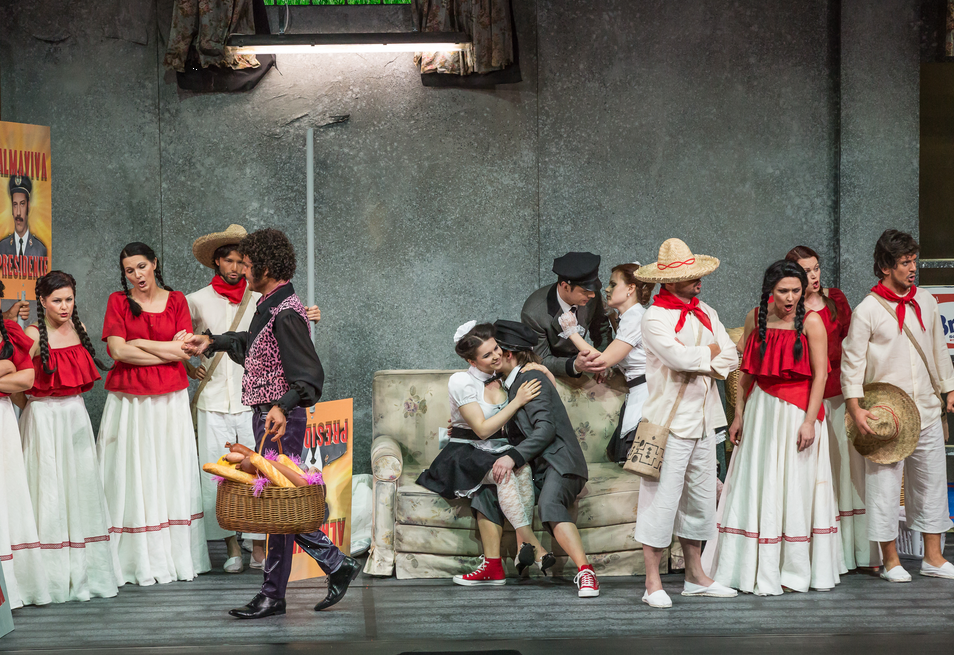
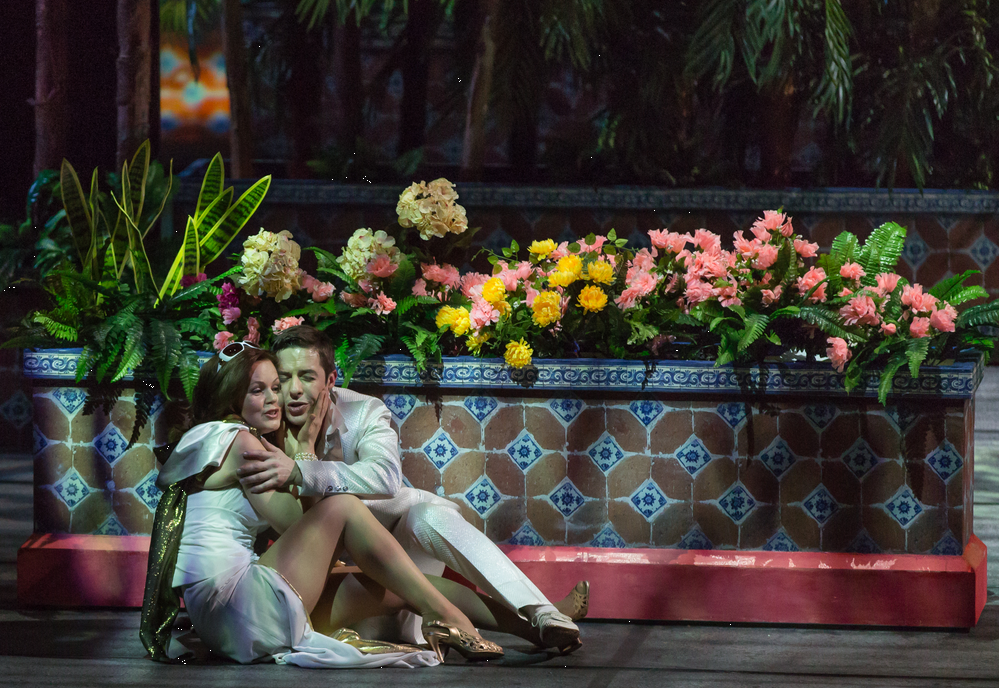
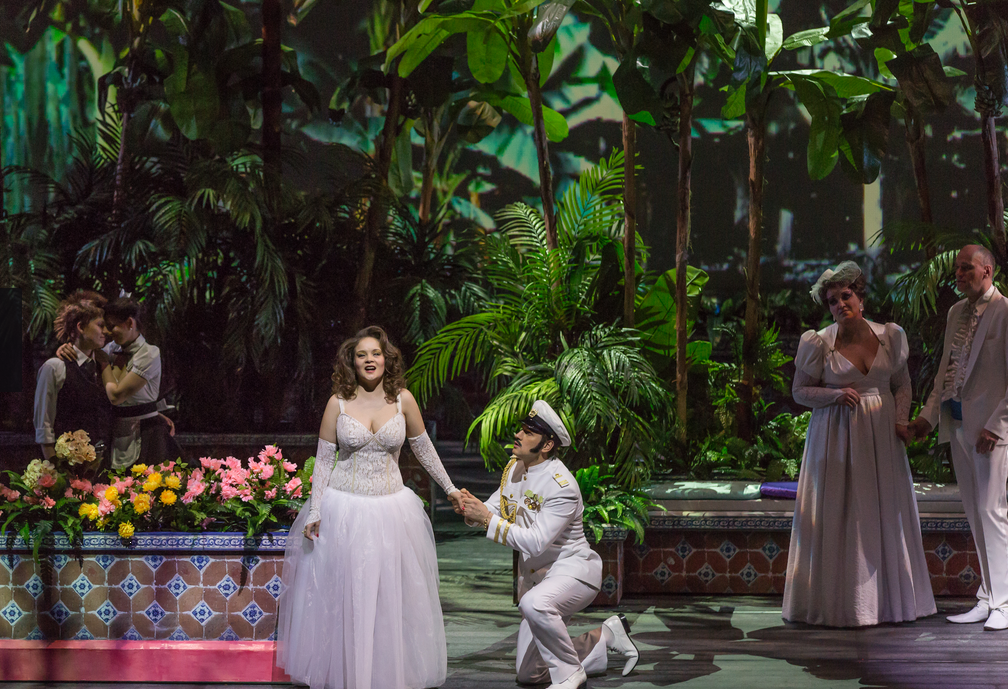
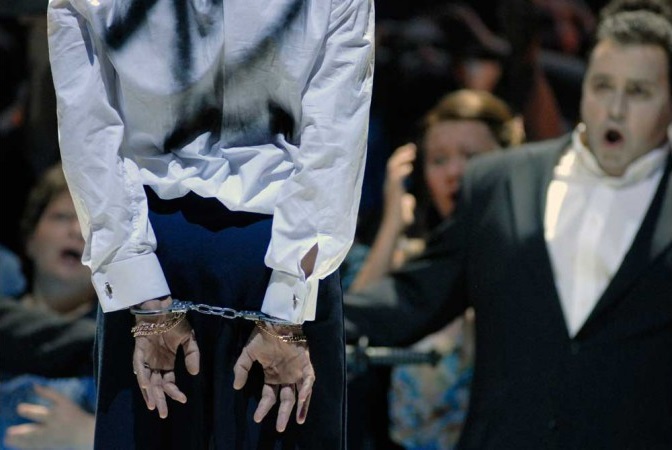
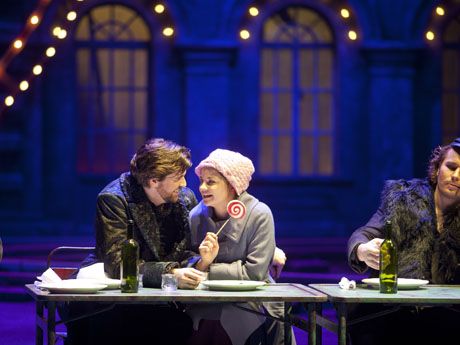
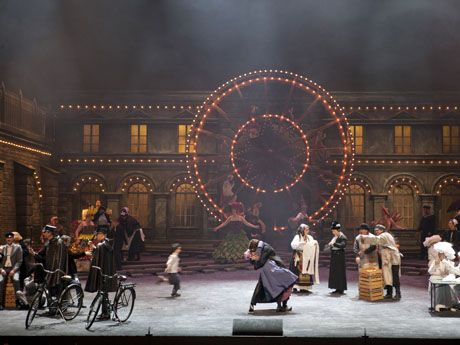
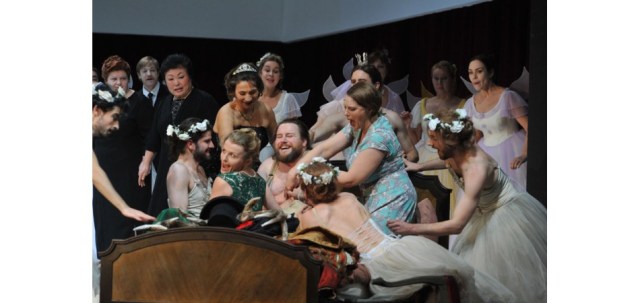
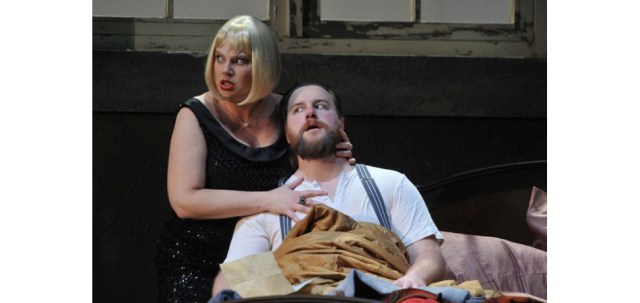
Peer Gynt arrives uninvited at the wedding of Ingrid and Mads Moen. His mother, Åse, accompanies him, and wants them to leave as soon as possible. Peer wants to find out whether Ingrid still has feelings for him, but when she tells him that she is still bleeding after undergoing an abortion, Peer loses interest. Solveig arrives with her sister and their father. Peer and Solveig seem to hit it off, and Solveig tells him about herself. The conversation is interrupted by Solveig’s father, who has found out that she is chatting with Peer Gynt; the troublemaker. Afterwards, Peer tries to pick up where they left off, but Solveig is reluctant. Some girls start flirting with Peer, and upset by Solveig’s rejection, he demonstratively joins their game. But the girls bully and humiliate Peer in front of the entire wedding party. To take his revenge, Peer runs away from the wedding with the bride, a willing Ingrid.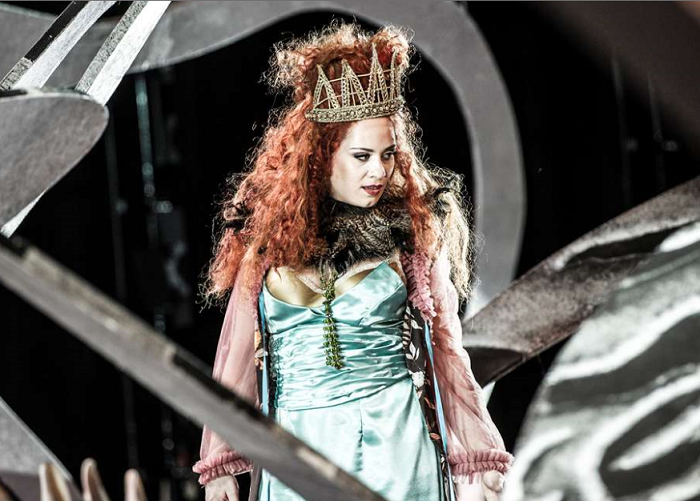
Scene 2: The Enchanted Forest
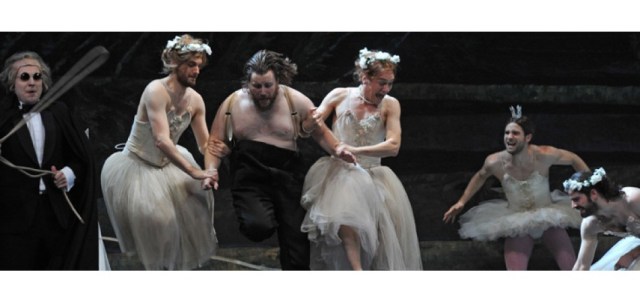
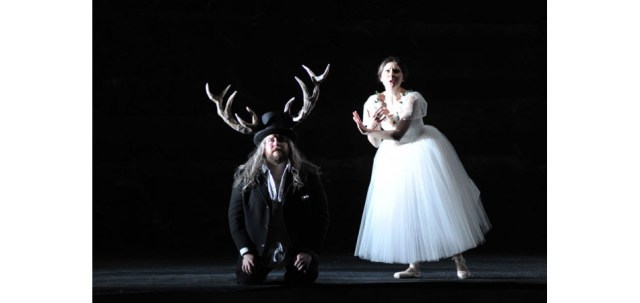
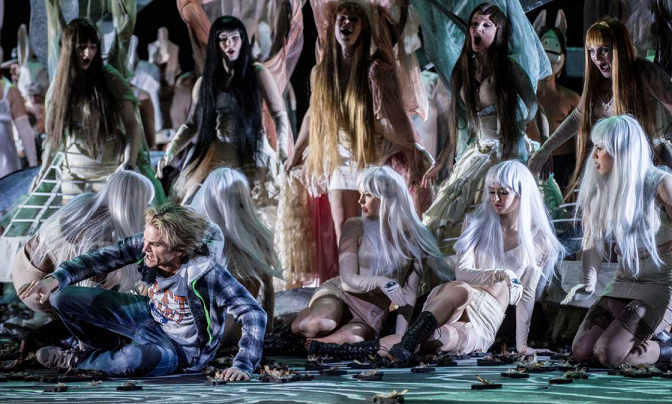
Ingrid and Peer are in the forest. Peer wants Ingrid there and then, but she would rather they return and prepare for marriage. Peer has no plans to be tied down and pushes her away. In the meantime strange beings have started to gather around them. Only Peer can see them, and Ingrid runs away, disappointed. The beings come closer and closer, it rains nightingales and suddenly the Green-Clad Woman is facing Peer. When he asks her who she is, she responds: “I’m your wife”. The Green-Clad Woman and her fairies tease and play with Peer. Suddenly the Green-Clad Woman is pregnant with Peer’s child. While the flirt of the fairies with Peer becomes more and more aggressive, the Green-Clad Woman goes into the forest to give birth. Peer attempts to escape, but is prevented by the Old Man of Dovre, who arrives with Peer’s new-born baby in his arms.
Peer tries to understand what is happening to him, saying that life is too short to be tied down, and that everyone has a skeleton or two in the closet. His ambitions conquer his sense of responsibility, his plan is clear: He decides to leave and follow his dream to become an Emperor.
Åse and Solveig are looking for Peer in the forest, but he does not dare show himself. As they disappear, the Old Man of Dovre and the Green-Clad Woman are waiting for him with the child. They want Peer to pledge allegiance to the Enchanted Forest, and surrender to lies, deceit and lust. Peer is interested, but balks when they ask him to pledge. He flees. Escaping from the Old Man of Dovre, he encounters the Boyg, who insists that Peer must make a choice; go home to the village and to Solveig. Peer resists, choosing freedom.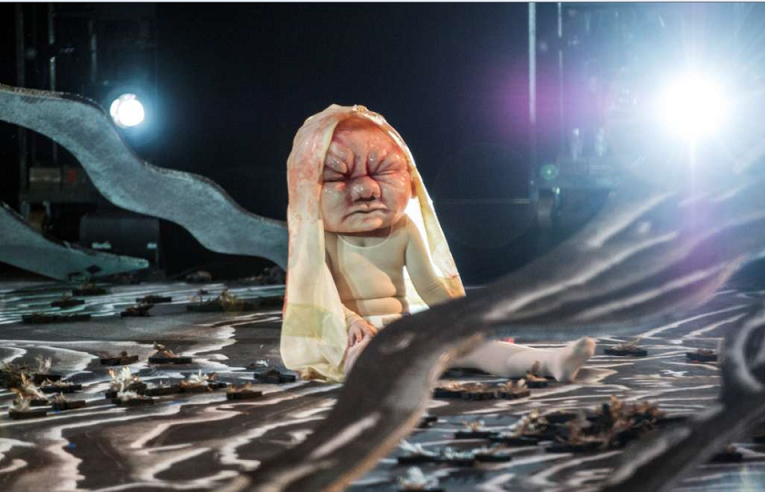
Scene 3: A cabin in the forest
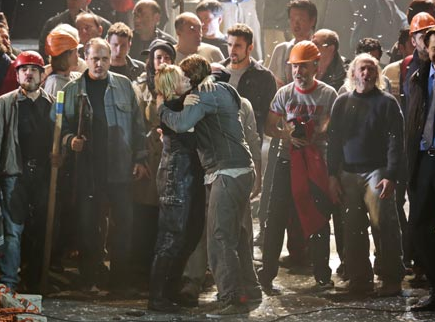
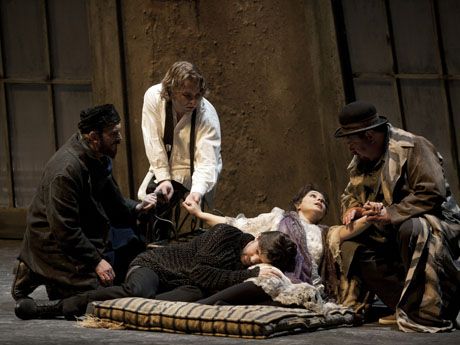
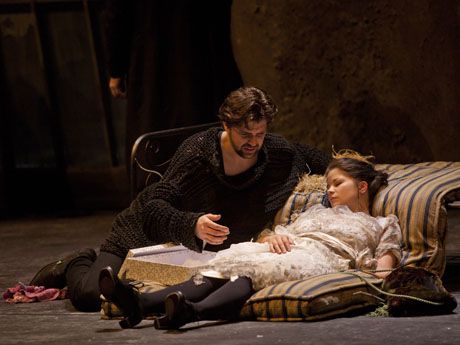
Peer goes to his mother’s to collect his things and prepare his journey into the world. At home he finds Åse on her deathbed. He tells her one last fairy tale and then says his goodbyes. Solveig arrives; she has left her family to be with him. For a moment Peer feels that everything is right, everything is as it should be. But his peace of mind is shattered when the Green-Clad Woman, with the child in tow, breaks upon the scene. Peer’s fear returns and he leaves them both.
Act II
Scene 1: Morocco
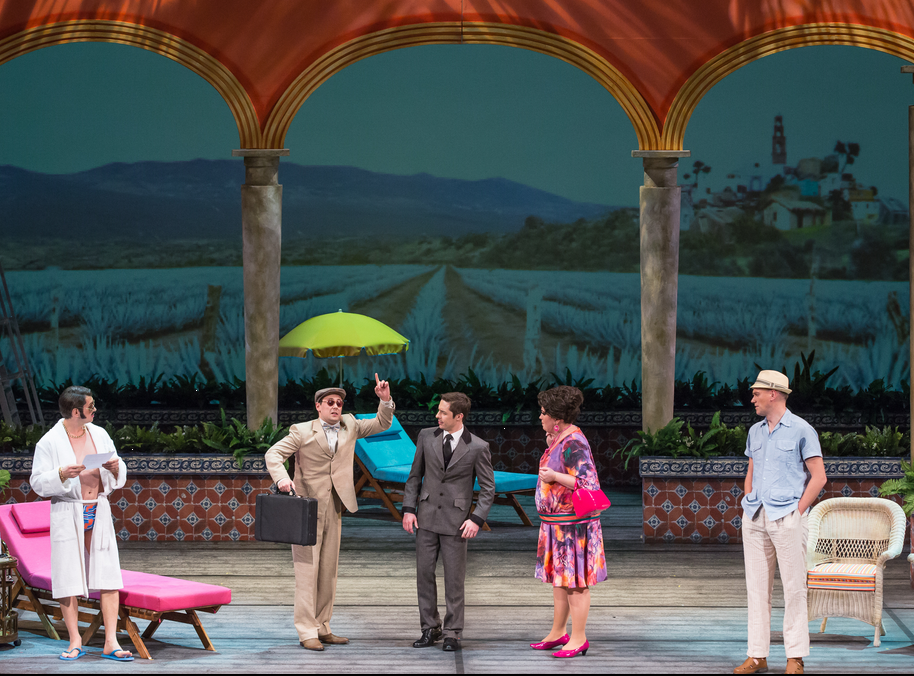
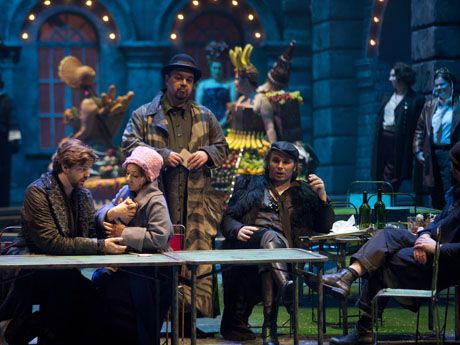
Peer has made his fortune and is now well of, with an entourage of sycophantic friends. In a discussion about what happiness is von Eberkopf tells a story about a slaughterhouse in Rome which is for sale. This abattoir holds all humanity’s dreams. Whoever has control of the slaughterhouse in Rome will thus own them and have power over everyone on earth. The hitch is that on arrival in the slaughterhouse people are shown their innermost desires and after seeing them most people immediately wish to die, which the slaughterhouse can help them with.
Peer is very interested in this story, but hides this from his friends. Anitra and her retinue arrive, joking that Peer should buy the abattoir and become the new Messiah. Peer replies that he would hardly want to be a Messiah. He is disappointed in mankind and even more in God, whom he feels is absent. He sees the world as a meaningless desert and people are hopeless fools because they need something to believe in to live.
To lift him out of these thoughts, Peer asks Anitra to sing for them. While she is singing, a gang of robbers enters. They steal Peer’s suitcase with all his money. It appears that Peer’s “friends” are behind the plot. With the rest of his valuables Peer decides to take Anitra with him to Rome to buy the slaughterhouse that would give him power over all mankind.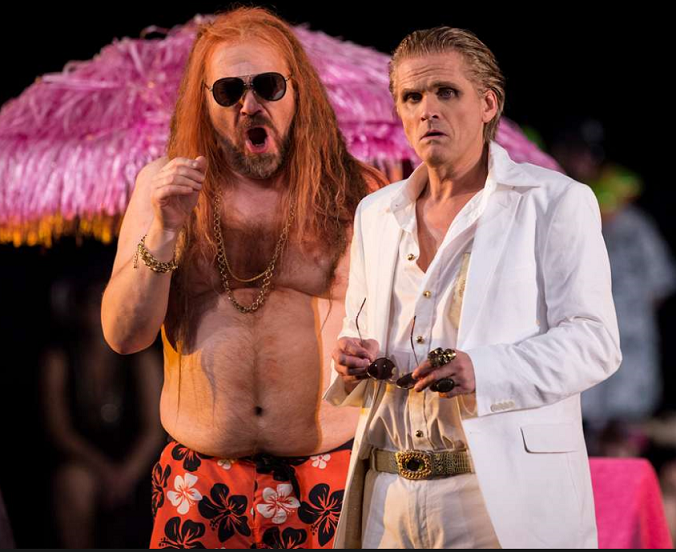
Scene 2: Rome – in a slaughterhouse
In the slaughterhouse Anitra is appalled that Peer wants to own such a place. Peer, on the other hand, loves it; this is where weak people come to die. Anitra is frightened by the change in Peer and she flees from him. Peer is furious, all his hate against people pours out of him, and he is shown his dream, his innermost desire: to kill everybody and everything around him! Amid all the victims he suddenly sees Solveig. Peer is reminded of his human compassion and stops shooting. He collapses.
Scene 3: Cairo – in a madhouse
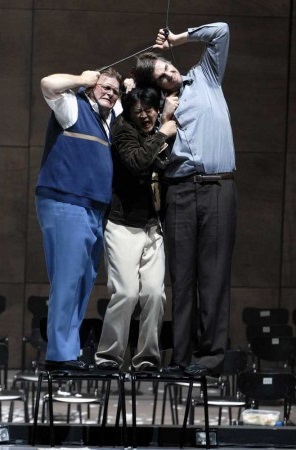
Peer wakes up in a vacuum. He cannot discern between truth and dream. He does not understand who he is or how he became what he is. In this state Peer learns that “To be yourself is to sacrifice your self”. But how do you do that? Peer leaves the madhouse as confused as he was, and a Cheshire cat approaches him. This creature, able to look right through him, tells him that he is suffering and needs to go home. Peer obeys, and sets course for home.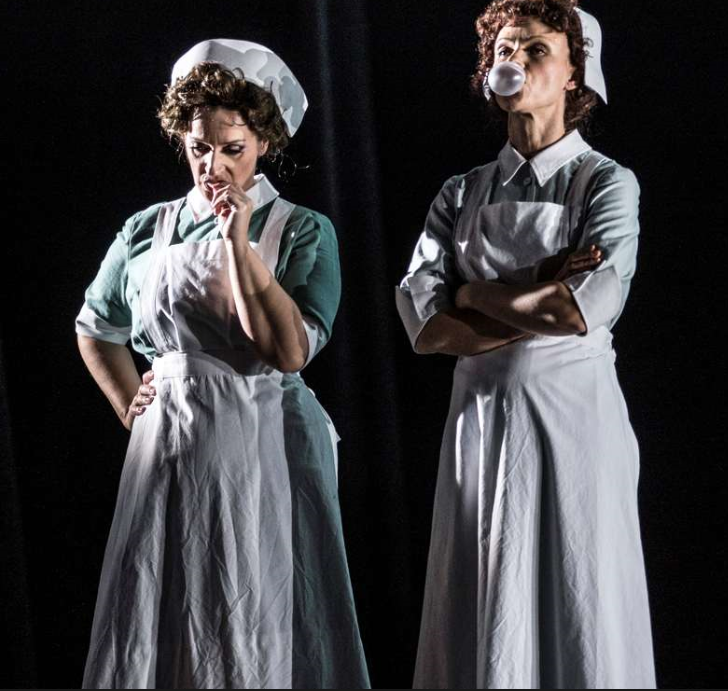
Scene 4: Homecoming
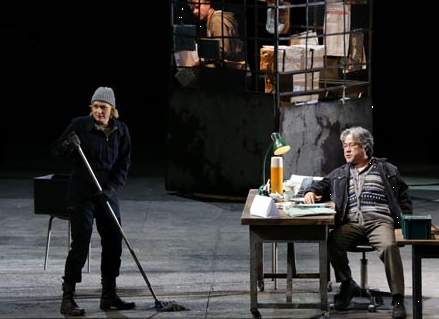
After arriving home, Peer comes upon a nocturnal funeral. Talking with a groundskeeper, Peer desperately wants to know how to live without regret. The groundskeeper tells him this is done by being true to oneself and by seizing what is true in the moment. The groundskeeper then tells a story about someone who was so busy living and experiencing everything in life for himself that he travelled through life without ever understanding what or who he lived for. He did not live truly because he only lived for himself.
Peer figures out that this story is about him; his entire life has been meaningless, he has been selfish. Some of the mourners recognize him and old acquaintances come up to him to say hello. Peer sees that these simple people who he has despised all his life have had meaningful lives; they have lived loving each other.
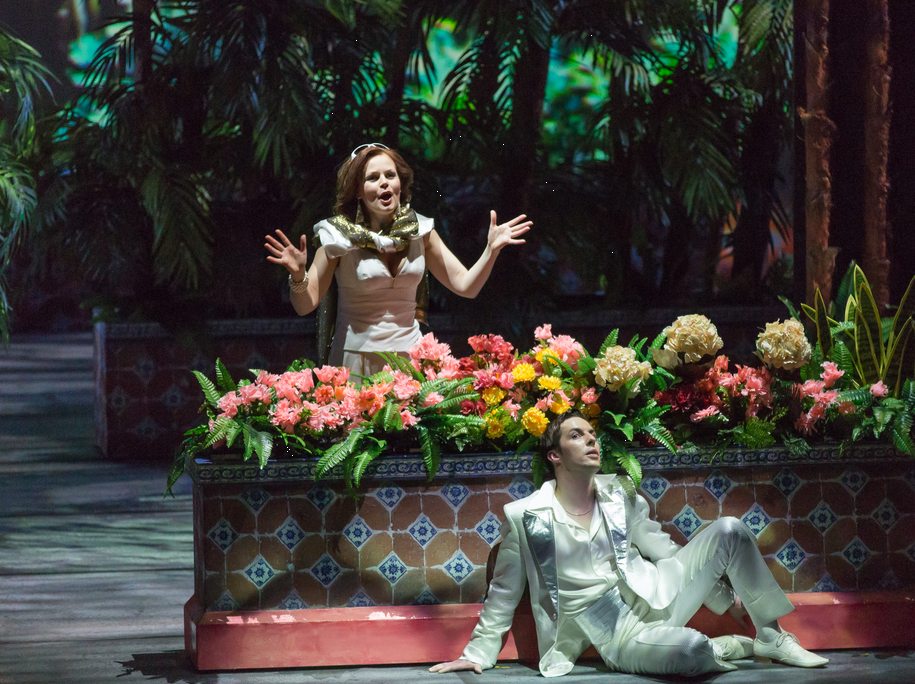
Suddenly Young Solveig is there, as in a mirage. She has always been waiting for him. He has made her life meaningful. In her love he has been whole. Peer asks forgiveness, and Solveig forgives him, saying that now everything is the way it should be.
When they come to the cabin, Old Solveig meets them in the doorway. Young Solveig’s forgiveness could only have occurred in the past, it turns out. Peer came home too late. Old Solveig has forgiven him a long time ago and has lived her life sharing love with everyone around her. No one has the right to demand forgiveness from another person, forgiveness starts with oneself, she insists. For Young Solveig it hurts to discover Peer’s cheating, but her older self comforts her and encourages her; she will have a meaningful life. The happiness she felt in the infatuation of her youth will be valuable through all her life.
Peer understands that his cheating has been difficult for Solveig. He understands that the great forgiveness he is longing for will be an arduous task he must assume responsibility for himself. Young Solveig leaves the old couple, who are left mourning over a lost life together.