CINDERELLA in Omaha

OPERA OMAHA PRESENTS:

CINDERELLA

GIOACHINO ROSSINI

Friday April 25, 2014
Sunday April 27, 2014
Orpheum Theater

ABOUT THE PRODUCTION

AbouttheProduction

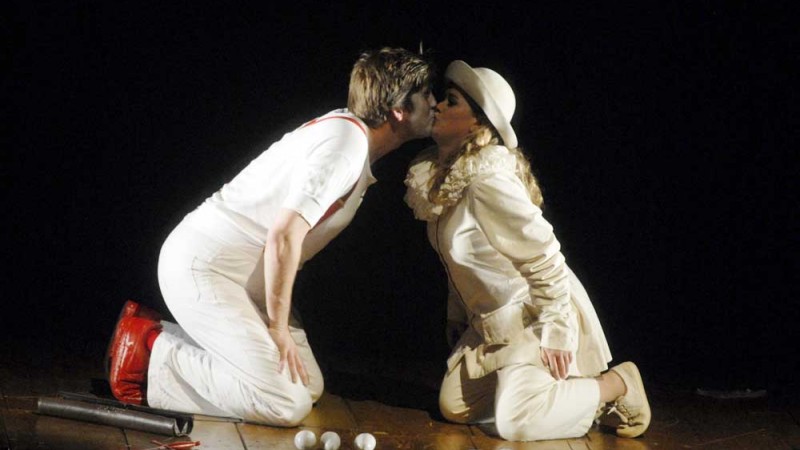
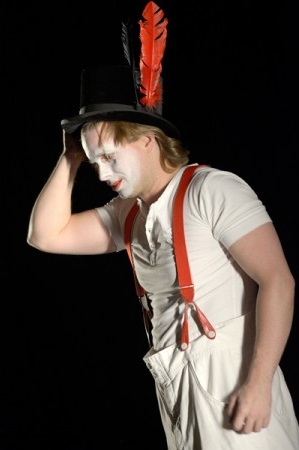
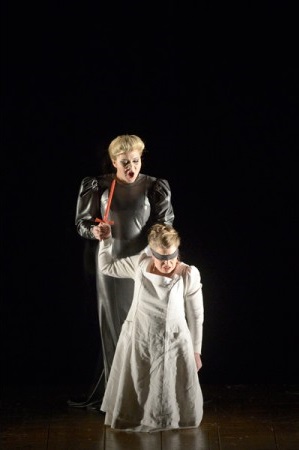
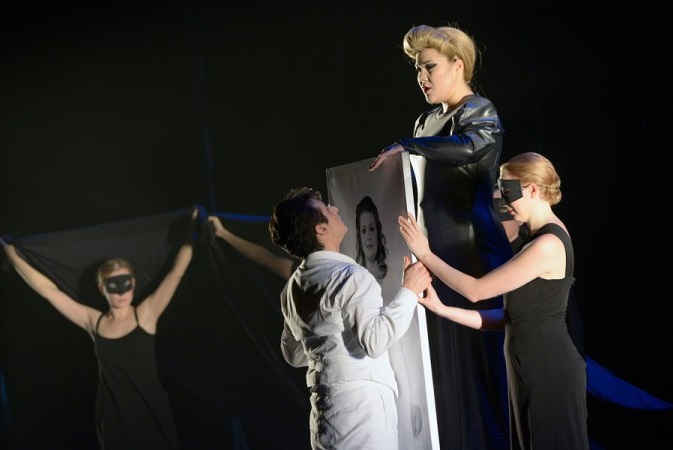
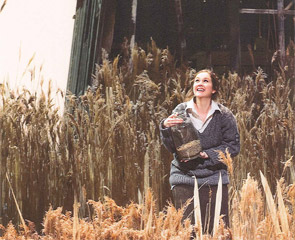
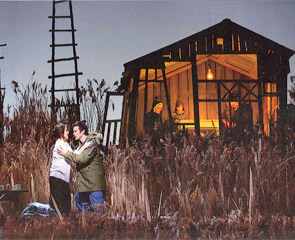
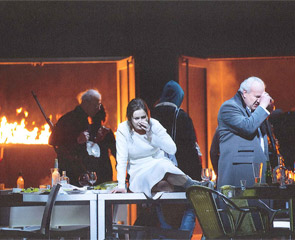
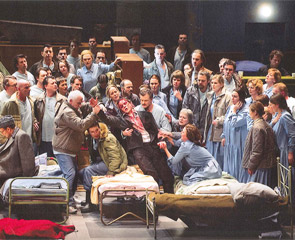
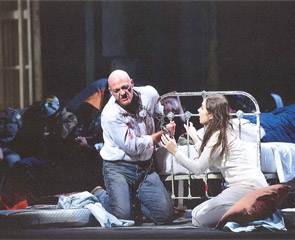
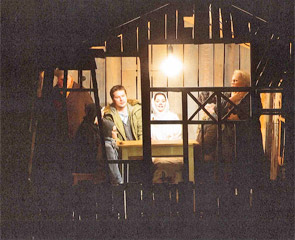
Bring the entire family to relive the cherished fairy tale of an impoverished girl tormented by two stepsisters in her stepfather’s dilapidated house. Mistaken identities and a glamorous ball give the kindhearted Cinderella the opportunity to transform her life. This story, full of humor and love, is told through some of Rossini’s finest writing and a colorful, whimsical production.

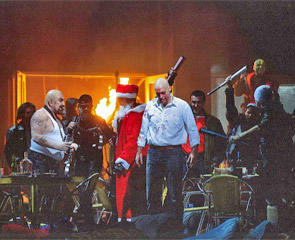
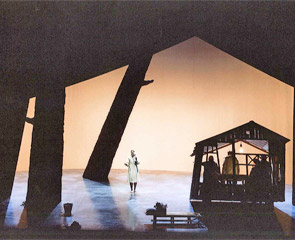
Led by a world-renowned international creative team, this colorful and comedic production of Cinderella has graced some of the world’s finest opera stages including Houston, Los Angeles, Seattle, and Toronto. Praised by critics and loved by audiences of all ages, this is your opportunity to see several returning Opera Omaha audience favorites in a phenomenal cast, in a larger-than-life production.

Approximate run time is 3 hours with one intermission.

CAST

Posted in Music, OPera | Tagged , , , , , , , | Leave a comment

SEATTLE OPERA PRESENTS: International Wagner Competition

wagner5SEATTLE OPERA PRESENTS: International Wagner Competition

A Special One-Night Only Event Returns at McCaw Hall

Thu, Aug 7, 2014 7:00 PM

The world will be watching as an elite group of up-and-coming Wagnerians take the stage for our third International Wagner Competition. Accompanied by full orchestra, each finalist will perform two selections from the Wagner canon. In addition to awards for orchestra and audience favorites, finalists will compete for a total of $50,000 in cash prizes, awarded by a distinguished panel of judges.

Seating is limited to Orchestra and Dress Circle levels for this exciting one-night-only event.

Performance at: McCaw Hall, 321 Mercer Street, Seattle, WA 98109

Finalists

Helena Dix

Helena Dix
Soprano

Australian-born Helena Dix recently won the Wagner Society’s 2012 Bursary Competition and has since performed in the 2012 Bayreuth Stipendiatenkonzert at the Festspielhaus and in Karlsruhe as part of the International Wagner prize. In 2005, Dix represented Australia in the 2005 BBC Cardiff Singer of the World competition. Her operatic repertoire includes Elettra in Idomeneo for Theater Lübeck; the title role in La Gioconda in Valladoliad; the Flowermaiden in Parsifal for English National Opera; Rosalinde in Die Fledermaus and Hanna Glawari in The Merry Widow for Scottish Opera; Fiordiligi in Così fan tutte, Donna Anna in Don Giovanni, and Nella in Gianni Schicchi for The Opera Project; Li-Li in Greed for the Glyndebourne Young Artist Project; and Musetta in La bohème for Opera Novella. Other roles include Felice inSchool for Fathers, Erste Dame in Die Zauberflöte, the title role of Thaïs, Cio-Cio-San in Madama Butterfly, Elvira in Ernani, Violetta La traviata, and Noémie in Massenet’sCendrillon.


Ric Furman

Ric Furman
Tenor

Ric Furman made his Seattle Opera debut as Florestan in Fidelio in 2012. He has performed Tito in La clemenza di Tito at Opera Company of Brooklyn, Don José inCarmen at Springfield Regional Opera, Dancaïre in Carmen at Cincinnati Opera, and Rinuccio in Gianni Schicchi at Pittsburgh Opera. For Cincinnati Opera he sang Augustin Moser in Die Meistersinger von Nürnberg. He has also appeared at Dayton Opera, Dicapo Opera, Indianapolis Opera, and Opera Omaha. Past roles include Rodolfo in La bohème, Alfredo in La traviata, the Duke in Rigoletto, both Roméo and Tybalt in Roméo et Juliette, Detlef in The Student Prince, Beppe in Pagliacci, and roles in AidaDon CarloAinadamarCarmenSalomeSamson et DalilaIl viaggio a ReimsLe nozze di FigaroGianni SchicchiDer Kaiser von AtlantisCosì fan tutte,The Tender Land, and Die Zauberflöte. He is a former Young Artist with Cincinnati Opera and Opera Omaha.

Suzanne Hendrix

Suzanne Hendrix
Soprano

Suzanne Hendrix made her Seattle Opera debut as Waltraute in Die Walküre in 2013. Other Wagner roles include Schwertleite in Die Walküre at San Francisco Opera and Mary in Der Fliegende Holländer at Lyric Opera of Kansas City. She recently performed the Fortune Teller in Arabella at Santa Fe Opera, Bianca in The Rape of Lucretia at Opera Memphis, and Azucena in Il trovatore at Wichita Grand Opera. Other roles include Suzuki in Madama Butterfly, Ma in The Tender Land, Zita in Gianni Schicchi, the Princess in Suor Angelica, and Florence Pike in Albert Herring. She is a former apprentice artist with Des Moines Metro Opera, Merola Opera Program, and the Santa Fe Opera. She won first prize in the 2012 George London Competition.


Roman Ialcic

Roman Ialcic
Bass

German bass Roman Ialcic covered the roles of Fafner and Hunding for Seattle Opera’s 2013 Der Ring des Nibelungen. His roles include Konchak in Prince Igor, Boris in Boris Godunov, Gremin in Eugene Onegin, and Fiesco in Simon Boccanegra. He also performed Sarastro in Die Zauberflöte at the Open Air Opera Festival in Isny. In 2006, he reached the final round of Plácido Domingo’s Operalia, and since September 2007 has been engaged as a soloist at the St. Gallen Theater, Switzerland, where his roles have included Escamillo in Carmen, Cascada in The Merry Widow, Lamoral in Arabella, Tomski in The Queen of Spades, Talbot in Giovanna d’Arco, Marchese d’Obigny in La traviata, and Kaspar in Der Freischütz.


Kevin Ray

Kevin Ray
Tenor

As a second year member in the Houston Grand Opera Studio, Kevin Ray’s roles have included Eisenstein in Die Fledermaus, the Third SS Officer in Weinberg’s The Passenger, scenes of Captain Ahab in Heggie’s Moby-Dick, Froh and Loge in Das Rheingold, and Don José in Carmen. Last season, he sang his first performances of the title role of Peter Grimes with Chautauqua Opera as well as Don José at the Lyrique-en-Mer/Festival de Belle-Île. His previous roles at Houston Grand Opera include Melot in Tristan und Isolde, the Messenger in Il trovatore, and Parpignol in La bohème. At Santa Fe Opera, he created the role of the Second Clubman in the world premiere of Moravec’s The Letter and has performed the role of the Poet in Menotti’s The Last Savage. He is a former member of the Santa Fe Apprentice Singer Program and the Merola Opera Program of San Francisco Opera.


Tamara Mancini

Tamara Mancini
Soprano

Tamara Mancini made her Seattle Opera debut as Ortlinde in Die Walküre in 2013. A former San Francisco Opera Adler Fellow, she performed in their mainstage productions as Freia in Das Rheingold and Helmwige in Die Walküre. She recently performed the title role in Turandot at Royal Opera Stockholm; Palácio de Bellas Artes, Mexico City; and Teatro Comunale di Bologna. Other roles include Amelia in Un ballo in maschera, Leonora in La forza del destino, Maddalena di Coigny in Andrea Chénier, Santuzza in Cavalleria rusticana, and the title role in Tosca, which she performed in her Vancouver Opera debut earlier this season. She has won the Giulio Gari Competition, the Licia Albanese Puccini Competition, and the Opera Index Competition.


Issacha Savage

Issacha Savage
Tenor

Grand prize winner of the 2012 Marcello Giordani International Competition, Issacha Savage has received awards and career grants from the Wagner Societies of New York, Washington, D.C., and Northern California, and two first place prizes in the Liederkranz Foundation competition. Savage has performed in the world premiere of Wynton Marsalis’s All Rise and Mark Antony in the world premiere of Leslie Savoy Burrs’ Egypt’s Nights at Philadelphia’s Opera North, and he has performed Radames inAida at Opera North Carolina and Houston Grand Opera. He has also participated in the Merola Opera Program at San Francisco Opera, the Evelyn Lear and Thomas Steward Emerging Singers Program, Dolora Zajick’s Institute for Young Dramatic Voices, and ACMA’s Wagner Theater program, where he performed scenes from Die Walküre,Parsifal, and Samson et Delilah.


Marcy Stonikas

Marcy Stonikas
Soprano

During Seattle Opera’s 2012/13 season, Marcy Stonikas debuted the title roles in productions of Turandot and Fidelio, and she returns to Seattle Opera in 2014 to sing Magda Sorel in The Consul. She recently performed Donna Anna in Don Giovanni at Wolf Trap Opera Company, the title role of at Utah Opera, and the title role of at Opera Santa Barbara. Upcoming engagements include Leonora at Volksoper Vienna and a performance in concert with the West Australian Symphony Orchestra. A graduate of the Young Artists Program at Seattle Opera, she performed the roles of Donna Anna,Fiordiligi in Così fan tutte, and the title role in Ariadne auf Naxos while a member of the program. She is a winner of the 2013 George London Foundation Vocal Competition and First Prize winner in the Wagner Division of the 2013 Gerda Lissner Foundational Vocal Competition.

Posted in OPera | Tagged , , , , , , , , , | Leave a comment

TOSCA at Florida Grand Opera

header image

Main Image

TOSCA

Music by Giacomo Puccini
Libretto by Giuseppe Giacosa and Luigi Illica

“Poetry and again poetry; tenderness mixed with pain; sensuality; a drama surprising and burning; and a rocketing finale.”
―Giacomo Puccini

The passionate and beautiful singer, Floria Tosca, is in love with a handsome young artist, Cavaradossi, but the lustful chief of police, Scarpia, has other plans. He makes a lecherous offer, allowing Tosca to save her lover. At first, she strikes an unholy bargain with the evil Scarpia, but her hatred for him gives her second thoughts. The results are bloody, deadly, and shocking.

Come see what Tosca means when she says, “This is Tosca’s kiss.” Tosca includes some of the most inspired and memorable music in all of opera. When it debuted in 1900, it was an immediate hit, and it has been an opera fan favorite for 113 years.

CAST

cast image

Conductor
Ramón Tebar

Stage Director
José Maria Condemi

Chorus Master
Michael Sakir

Production
Seattle Opera

Florida Grand Opera General Director and CEO Susan Danis calls this double cast of Tosca her “Dream Casts.”
footer image

Sung in Italian with English and Spanish projected titles.
Pre-opera lecture one hour before every performance.
Post-opera talk back following every performance.

The performance will last approximately two and a half hours.

Photo © by Richard Termine for Sarasota Opera

Performances
Saturday, Mar 29, 2014, 7:00PM, Miami
Sunday, Mar 30, 2014, 2:00PM, Miami
Tuesday, Apr 1, 2014, 8:00PM, Miami
Wednesday, Apr 2, 2014, 8:00PM, Miami
Friday, Apr 4, 2014, 8:00PM, Miami
Saturday, Apr 5, 2014, 8:00PM, Miami
Thursday, Apr 10, 2014, 7:30PM, Ft. Lauderdale
Saturday, Apr 12, 2014, 7:30PM, Ft. Lauderdale

Miami performances are at the Sanford and Dolores Ziff Ballet Opera House at the Adrienne Arsht Center for the Performing Arts of Miami-Dade County, 1300 Biscayne Boulevard, Miami.

Fort Lauderdale performances are at the Au-Rene Theater at the Broward Center for the Performing Arts, 201 SW 5th Avenue, Fort Lauderdale.

main art

A tale of love and treachery that will keep you on the edge of your seat from start to finish…

And what a finish! One of opera’s most famous! Don’t miss Puccini’s TOSCA. It’s in a class of its own, with riveting drama and thrilling music. Many people say it’s the perfect first opera, so bring your friends! They’ll be amazed and forever grateful!

Synopsis of the Opera

Act I
The Church of Sant’Andrea della Valle

Angelotti, an escaped political prisoner, takes refuge in a chapel of the church of Sant’Andrea della Valle in Rome. An elderly sacristan comes to tidy up, followed by Cavaradossi, who is painting a portrait of the Madonna. Cavaradossi compares his Madonna’s blonde-haired, blue-eyed charm with the dark beauty of his lover, the singer Floria Tosca.

Angelotti emerges to find Cavaradossi, his political ally, who promises to help him escape from Rome. Angelotti hides again at the sound of Tosca’s voice. Tosca jealously demands to know why the door was locked. Cavaradossi reassures her, and they join in a passionate duet.

Once Tosca has gone, Angelotti reappears, and he and Cavaradossi plan his flight. A cannon shot announces the discovery of Angelotti’s escape. They exit. The sacristan enters followed by clerics and choir boys excited by the rumors of Bonaparte’s defeat. Baron Scarpia, the chief of police, arrives with his henchman Spoletta in search of the escaped prisoner.

Tosca returns, and Scarpia plays upon her jealousy in hopes of discovering Angelotti’s whereabouts. When she leaves, Scarpia has her followed. As the crowd intones the “Te Deum,” Scarpia vows to bring Cavaradossi to the gallows and Tosca into his arms.

Act II
Scarpia’s study in the Palazzo Farnese; that evening

Alone at dinner, Scarpia reviews his plot. Spoletta reports that he and his men trailed Tosca to the villa and found no trace of Angelotti, but placed Cavaradossi under arrest. Cavaradossi is brought in and questioned. Scarpia has sent for Tosca, and she enters as Cavaradossi is taken away to be tortured. Upon hearing his cries, Tosca reveals Angelotti’s hiding place. Cavaradossi is dragged into the study. His anger at Tosca’s betrayal turns to joy when Sciarrone announces that Bonaparte has actually defeated Melas at Marengo. The enraged Scarpia sends Cavaradossi back to his cell.

Tosca asks the price of her lover’s freedom. Scarpia will accept only Tosca’s submission. Tosca sobs to herself: She has devoted her life to music and piety; why does God repay her with misery? Spoletta enters with the news that Angelotti has killed himself rather than be arrested. Ashamed, Tosca signals that she will give in to the Baron, on condition that Cavaradossi be set free. Scarpia explains that he cannot grant a pardon; he can only release Cavaradossi by faking his death in a mock execution. Tosca demands a note of safe passage for herself and Cavaradossi. While he is writing, Tosca catches sight of a knife on his dinner table and, unnoticed, takes it. Scarpia seals the note, then turns to embrace the diva. “This is Tosca’s kiss!” she cries, plunging the knife deep into his heart. Scarpia cries out for help as Tosca curses him. She takes the safe-conduct pass and slips out of the room.

Act III
The Castel Sant’Angelo; dawn of the following day

Soldiers bring Cavaradossi to the ramparts of the fortress. He reflects on his love for Tosca. Tosca rushes in with the note of safe passage and the story of Scarpia’s violent death. Cavaradossi praises her courage, saying that her gentle hands were not meant for murder. Tosca tells him of the plan of the feigned execution: after the gunshots he is to lie still until she gives him a signal. Tosca is filled with anxiety as her lover is led before the soldiers. They fire and Cavaradossi falls to the ground. Tosca whispers to him to remain motionless until everyone has gone. At last she tells him it is safe, but he does not respond. With a piercing scream, Tosca realizes Scarpia’s final deceit. She weeps over Cavaradossi’s body as Spoletta and Sciarrone, having found the Baron murdered, burst in to arrest her. Too quick for them, she runs to a parapet, shouts “Oh, Scarpia, we shall meet before God!” and hurls herself to her death.

Main Art

Posted in OPera | Tagged , , , , , , | Leave a comment

To Sing with Nature: Piotr Beczała at San Diego Opera

To Sing with Nature:

Piotr Beczała at San Diego Opera

By Erica Miner (Used by permission)

Gracious, charming, highly intelligent and perceptive, Polish-born artist Piotr Beczała (dubbed “Piotr the Great” in San Francisco), first graced the San Diego Opera stage in his 2010 Bohème debut, triumphed these past weeks in Verdi’s A Masked Ball, and will complete his “March madness” with Verdi’s monumentalRequiem. Acclaimed for both the beauty of his voice and for his ardent commitment to each character he portrays,  he is also an avid golfer, and loves being here in San Diego.

EM: What a pleasure it has been to welcome you back to SDO. It is such an honor to hear you sing, to be here talking to you.

PB: It is my honor to be here with this company.

EM: I really appreciate your coming in on your day off.

PB: No problem. I have until four o’clock tee time. I mean tee time golf. It’s the last possibility, actually, we can play golf, because tomorrow we start already with the orchestra rehearsal for the Requiem and it’s done. When I am singing I try to avoid too much sun, too much wind. I’m not very delicate, but you know, I have to be careful. It’s too serious. At a time when I did some small roles I could do everything, but it’s a long, long time ago. Sometimes we are somewhere and we have a good company, nice colleagues. But I’m not really social in that case because I have to say, “No thank you, I can’t go with you.” Of course people understand but it’s a little bit sad.

EM: But there’s so much other happiness to replace it, all these wonderful roles you’re singing.

PB: And I’m happy with that.

EM: How has your experience been here this time?

PB: It has been so harmonious, such a fantastic group to work with. Everyone contributes to create a wonderful experience on stage. They are always there for me, whatever I need, with costume, or anything. I don’t even have to ask. At La Scala… you may have heard about that.

EM: Yes, of course. That must have been so unpleasant for you.

PB: Not only the audience reaction, but also the experience as a whole. It is so much different at La Scala, the attitude of the people working there, from the States. Here, everyone cooperates to create a beautiful opera. At La Scala, they are not feeling a part of the whole process, they are more interested each one in themselves. They look at their watches, waiting for the rehearsal to be over. It’s not about making music. But here in San Diego, the group all works together harmoniously.

EM: And we have the privilege and honor of hearing you.

PB: I have the privilege to sing these kinds of roles. Sometimes when I speak with my colleagues they are more in German directions, more Strauss operas. It’s not really for me. It will be not challenging or fun enough to sing a Kaiser in Frau Ohne Schatten for example, or Bacchus, though I hope to do Lohengrin someday. But those Strauss roles, in my opinion, don’t fill the evening as a tenor. It’s hard singing, but fifteen minutes actually. It’s not enough.

EM: Plus you don’t have the opportunity to expand into the role, the way you’re so brilliant at doing. Your voice is glorious, of course, but also you infuse your characters so beautifully.

PB: If it’s so short, you can’t develop in the operas. Well, of course, they like it, too, to do this kind of music.

EM: À chacun son goût. Do you speak French?

PB: No, just un petit peu. All my French is Werther, Faust, des Grieux and Roméo. That’s all. But it’s old French and I can’t use it (laughs). I’m such a long time in America now, three and a half months. I will be now in Paris for three and a half weeks, for Bohème. I hope to have possibility to practice a little bit.

EM: I’m curious about your early background. You were born in… How do you pronounce it?
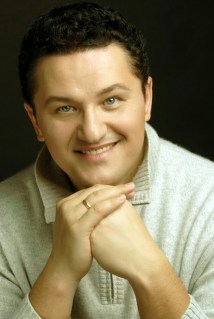
PB: Czechowice-Dziedzice. The difference between “Cze”, “Dze,” it’s really difficult for people out of Poland.

EM: Well, I have it on tape now so I can practice. But I wanted to ask you about the origin of the name. Is the first part named Czechowice because of the proximity to the Czech Republic and Slovakia, or is that coincidental?

PB: A lot of villages or towns in Poland are split by the river, for example, like Buda and Pest in Hungary. We had also a river but it was not the reason for the double name; it was the old part of the town and the new one. Dziedzice was the name of the aristocrat who owned the land. Czechowice was the town, and it comes together, Czechowice and Dziedzice.

EM: That makes perfect sense, if only I could pronounce it. What was your second language after Polish?

PB: In those days when I was a child it had to be Russian. But actually I consider German my second language.

EM: When did you leave Czechowice-Dziedzice?

PB: I was going away to study in Katowice.

EM: Which is about how far?

PB: Fifty kilometers. But I was living in Katowice, I wasn’t traveling. I had an opportunity, I got a stipendium and it was possible to have a room in the college dormitory.

EM: How old were you then?

PB: I was nineteen, nineteen and a half. Almost twenty.

EM: So really grown up enough to be on your own.

PB: Yes. I started, it was late, because for an opera singer, a musician, to start to do something with music seriously at nineteen is actually too late, because if you don’t have a possibility as a child to play an instrument, to do something with music, to read the music… you have to understand the language of music. It was very difficult for me to explore this kind of territory. It is better to have an education, to start a study in Poland, to be an opera singer. To be violinist, you have to make all the steps: grammar school, Conservatory, middle school, and then the study. As a tenor, the exam was pretty complicated, because you have also theory and history of music. I had to learn it all in couple of months so I could do the exam. Also reading the notes, the music, and solfeggio, it was really horrible because it was completely new for me. I was already almost a year in a chorus and it was some approach of the music. But I had to read the music. I had to learn somehow how it worked. In effect when I started to be a student, though the exam was positive, I realized I was the only one who really has no background in music. Everybody has three years violin, five years piano, as a child, then it’s much easier to manage what we have to learn.

EM: And all you had was chorus.

PB: Yes. It was tough. Actually, I realize two things. First, I really don’t have to play piano as a tenor. It was a big music academy, every instrument, and we also had pianists, who had to make the exam in accompaniment. And I was so nice to be ready when they asked me, “Could you sing the five songs for me with the exam?” and I said, “No problem.” I did it, and that way I had the song repertory through the years. I realized, okay, so many fantastic pianists, in any moment of my singer’s life I will find somebody who plays for me, I don’t have to play myself. But it would be easier, of course, if I could play on some level.

EM: But the most important instrument for you is just that glorious voice. I’m sure it was recognized, even if you didn’t start until you were nineteen. With voice, you still have to be very careful not to start too early, to push too early.

PB: That’s true. Your body has to be adult to sing opera seriously. When I hear now people, fourteen or fifteen, because the parents are so excited, they’re thinking, “Maybe he has a voice.” Of course maybe he or she has a voice, but the wait is so long to be opera singer. Especially in America, the young people have two semesters in college of vocal training and they think they are already opera singers.

EM: Speaking of young singers, was there a tenor who inspired you when you first started out?

PB: Fritz Wunderlich. When I came to study in Weimar I first heard his recordings. Not only the voice but how he sang with it, so much with Nature, not artificial or against Nature. Other singers, like Fischer-Dieskau, Peter Schreier, were such great artists, but everything was so precise. With Wunderlich everything was so natural. But we lost him too soon. So sad. He never reached his potential, and we’ll never know what it might have been.

EM: How would you describe the influence of your voice teachers, Pavel Lisitsian and Sena Jurinac, when you started singing seriously?

PB: They both were tremendous to me. Lisitsian was one of the greatest singing teachers of all time. He taught Pavarotti. His teaching technique was not to show but to explain how to sing, to make it your own, because each voice is different, unique, with its own qualities. After that, Jurinac invited me to study with her. She of course had so many years singing opera on the stage. She guided me to Mozart, to start with Tamino, and with Don Ottavio, which is by far the most difficult to sing. Then I was invited to my first year at Salzburg. I had the opportunity to watch and listen to all the great tenors of the time: Pavarotti, Domingo, Carreras, Alfredo Kraus, Araiza, all of them together. I learned so much of value at that time. After that I went to Linz for first major engagement and to Zurich, which is an international opera city. And I have been lucky to work with great conductors. Muti, Nello Santi. Santi taught me bel canto. And he knows so well how to sing Verdi, for example, the dotted rhythms. Verdi uses those as a guide for placing the voice, not just to be precise and staccato (sings).

EM: Since then your repertoire has included so many of the most popular romantic opera roles: Alfredo, Duca di Mantova, Riccardo, Werther, Faust, Roméo, Lensky, Tamino, Don Ottavio, the Italian Singer (Rosenkavalier). How would you compare those to the lesser-performed works you’ve sung in, such asRusalka, Iolanta, The Bartered Bride, Beatrice di Tenda? Which do you feel most comfortable in?

PB: Werther, Faust, Roméo, des Grieux, these are the favorite roles for me, my “meat” for my voice. Of course I love the Verdi, but the French composers, Gounod, Massenet, they knew how to write for the voice, to show off its best qualities. The line just goes to the best range and knows how long to stay there. Nothing feels better for me. With Verdi, one thinks Traviata and Trovatore. I haven’t sung Trovatore yet, but it’s actually Traviatathat’s heavier, deeper. Trovatore is a musician. He accompanies himself with his instrument (mimes playing, sings), much lighter than Traviata, except three and a half minutes “Di Quella Pirra” (sings). Next will come Aida and the later, heavier roles, and eventually maybe Otello. But that one is a long way off, even if I can do it.

EM: And Puccini?

PB: For Puccini, one has to sing differently. You can’t do Verdi and suddenly switch to Cavaradossi. You must prepare. It’s much heavier. A different kind of singing.

EM: Now that you’ve done des Grieux in Massenet’s Manon will you also sing des Grieux in Manon Lescaut? Is that also a different kind of singing from the Massenet?

PB: Totally different, but doable. And yes, I hope to sing it one day. But I canceledHoffmann in Vienna. It is a role that doesn’t give opportunity for character development. There is no transformation. With each act, he goes further and further down. I spoke with Neil Shicoff about it. As much as he did the role, he said it was difficult to deal with the character. So I decided not to do it now. But I won’t replace it with another engagement. I will do some charity concerts instead.

EM: How did you feel about the contemporary Rigoletto at the Met?

PB: I loved it. Fantastic. I thought the “Rat Pack” production really worked. When (Director) Michael Mayers first told me about it, he said it would be very different from the traditional. But I love those guys, you know, Sinatra, Dean Martin, Sammy Davis Junior. This “Las Vegas” Duke of Mantova is such a combination of all of their personalities. And it really worked.

EM: What about that translation?

PB: That was not so good. There are things going on when I am at the back of the stage, very serious things, with Rigoletto and Sparafucile. When I first heard the audience laugh I wondered why. Then I looked at the translation and understood that the language, the slang, was not appropriate for that moment. It was just too much. But I loved the concept of the production, and it was so much fun to do.

EM: Now, after your huge success with Ballo you have the Verdi Requiem. How would you compare performing this masterpiece with Verdi’s operas? Would you call it a religious experience?

PB: It is a great masterpiece, of course. What Verdi wrote was so much from his operas, parts of AidaOtello and others. There is of course the quartet, but not so much individual voices as all contributing to the whole, and so beautifully written. Each voice integrates perfectly with the others. Verdi was not so much a religious or pious man. And the Requiem is not part of the Mass, not prayer or being in church. It is its own piece, much more intimate than opera, but one’s own intimacy shared with something outside of oneself – with a Supreme Being.

EM: What is coming up for you in performances and recordings?

PB: After Paris Bohème I go to Prague for Tauber Heart’s Delight, which I do also in Salzburg and Vienna, then Faust in Vienna.

EM: But first we are to witness you in the magnificent Verdi Requiem this week. And what a pleasure it has been to spend time with you. Every moment has been precious. Thank you so much.

PB: Thank you.

—ooo—
 
Photos used by permission of San Diego Opera
Erica Miner can be contacted at emwriter@earthlink.net
Posted in Article | Tagged , , , , , , , , , , , , , , , , , , , | Leave a comment

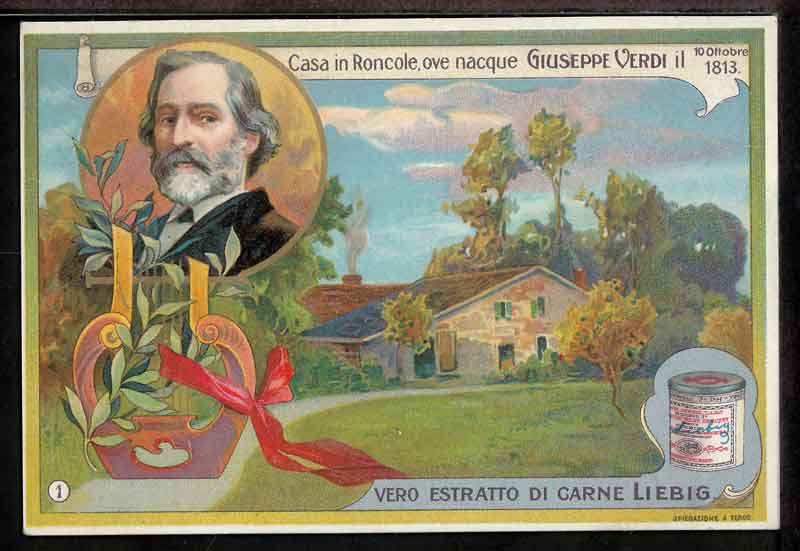
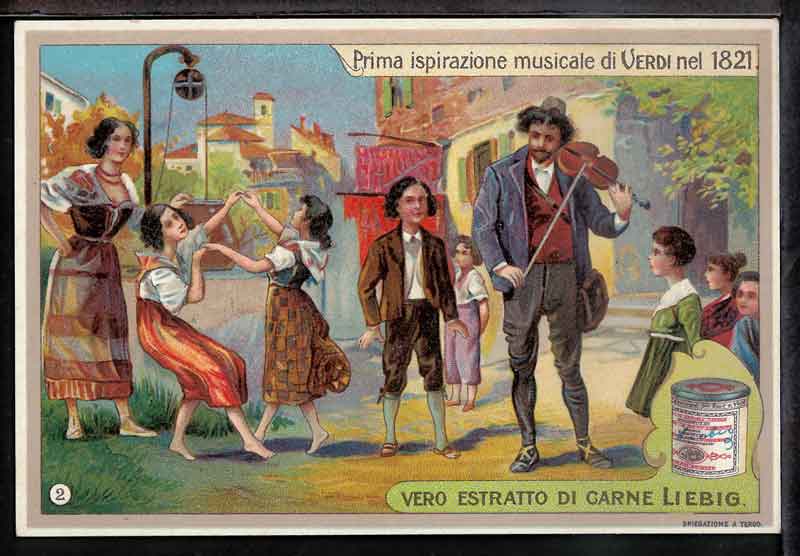
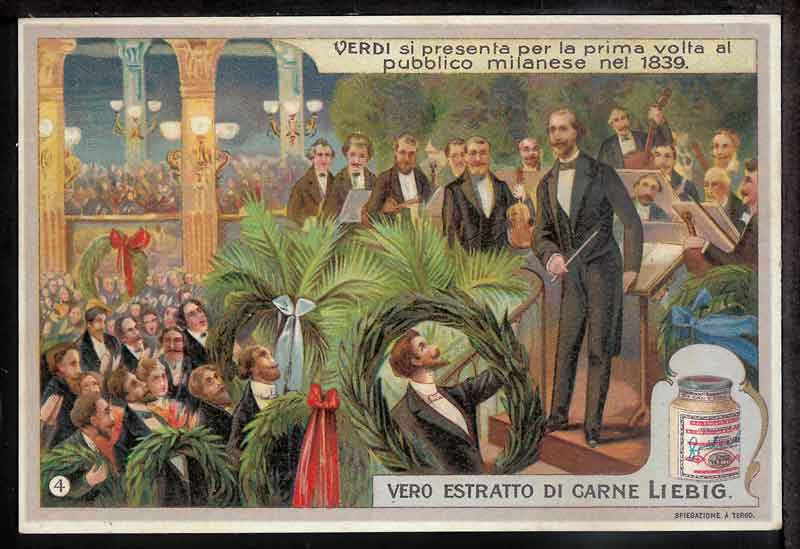
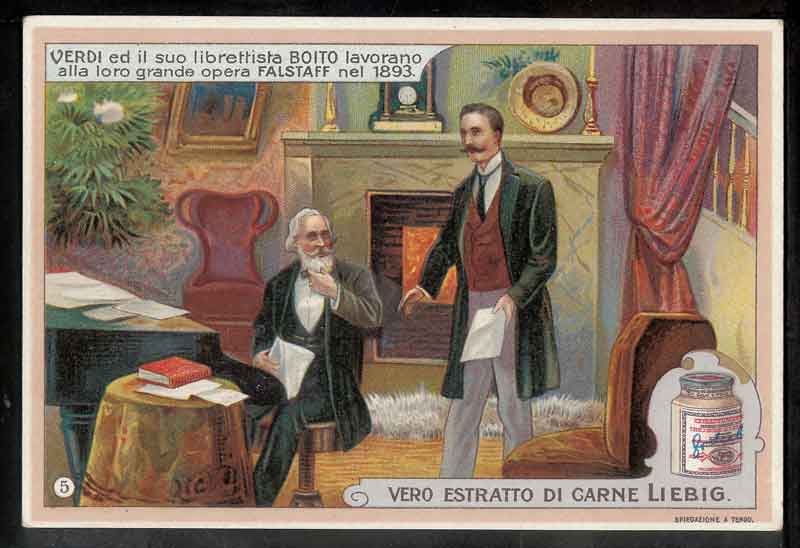
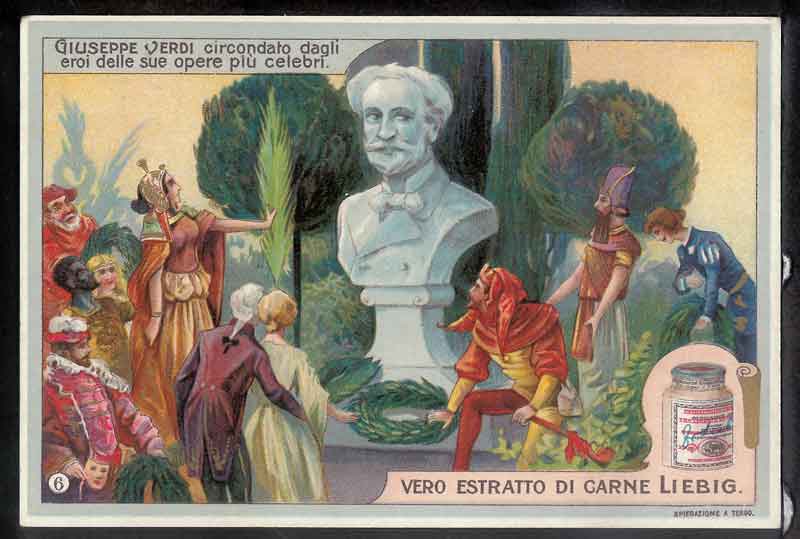
Verdi and his operas: Picture Cards

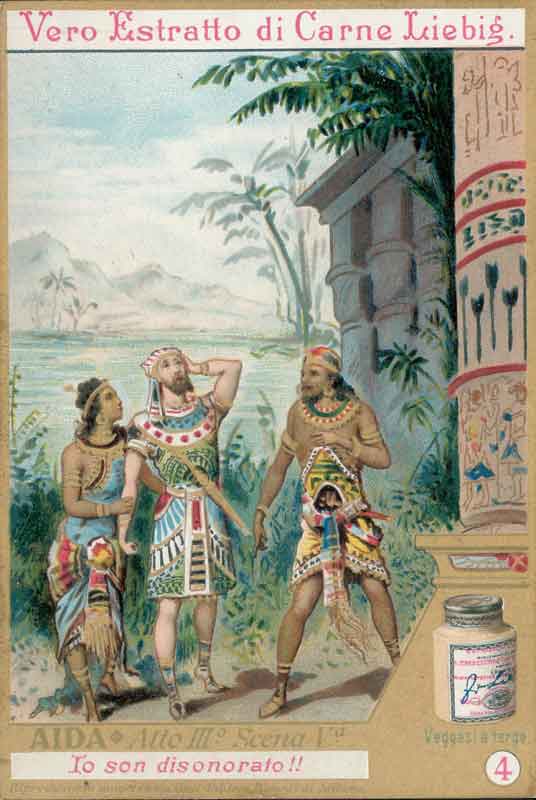
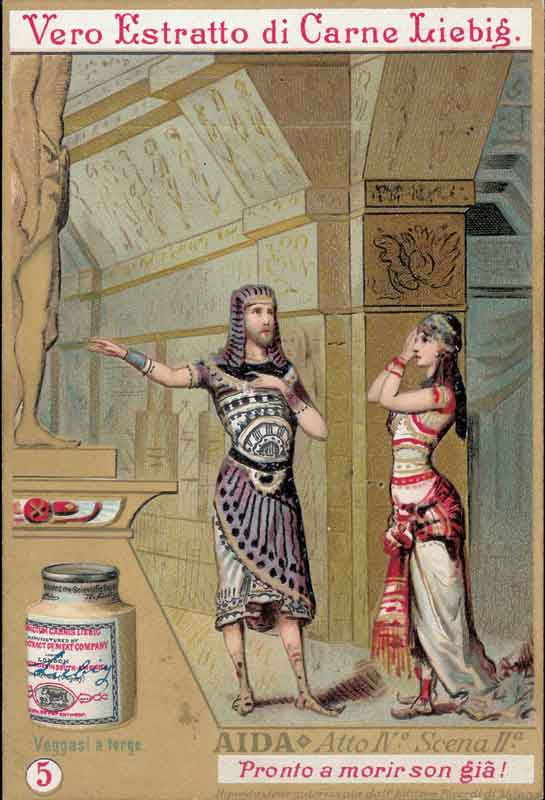
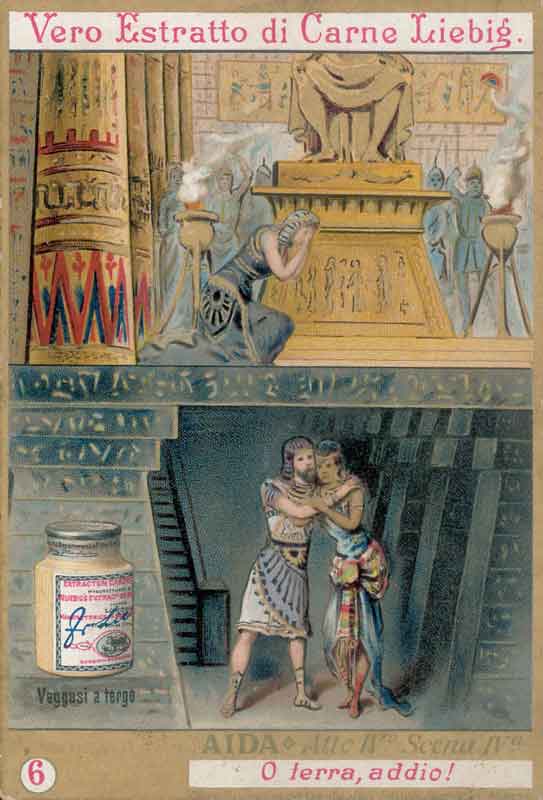
PICTURE CARDS: Aida, 1891

Based on drawings by Florence Edel (1871-1944)

Typography: Gebrüder Klingenberg; Detmold Liebig advertisement, London. Series of 6 picture cards

Museo della Figurina, Modena

02)-Aida,-1891           03)-Aida,-1891
Atto I Scena V                                      Atto II Scena I

04)-Aida,-1891            05)-Aida,-1891
Atto II Scena IV                                    Atto III Scena V

06)-Aida,-1891            01)-Aida,-1891
Atto IV Scena II                                    Atto IV Scena VI

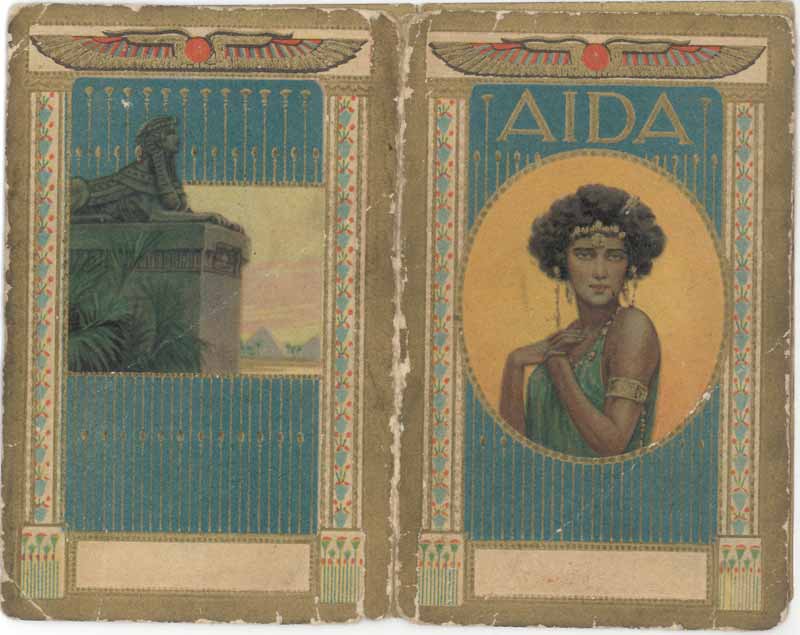
Aida, 1933

Pocket calendar Museo della Figurina, Modena

23)-Aida,-1933

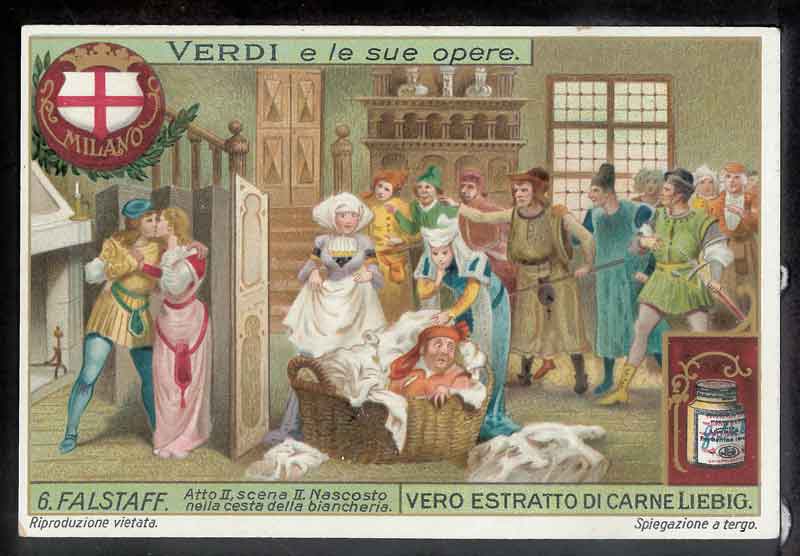
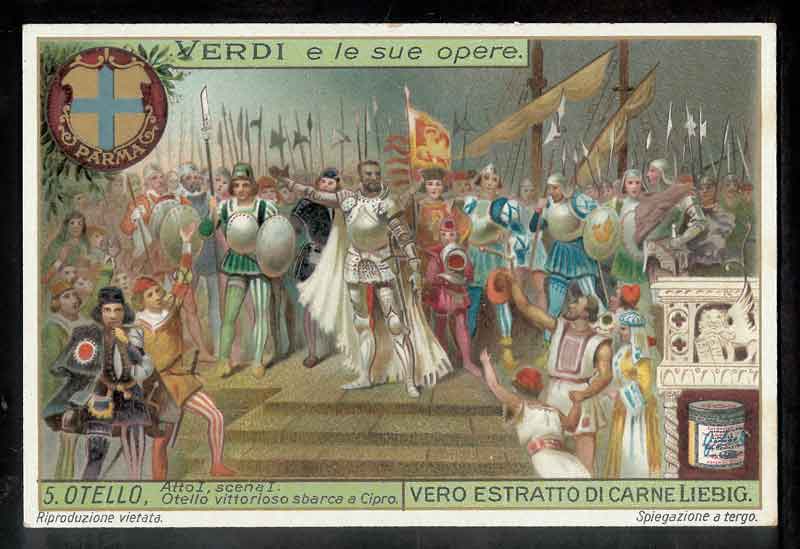
Verdi e le sue opere, 1913 (Verdi and his operas)

Based on drawings by Florence Edel (1871-1944) Typography: Fritz Schneller & Co., Norimberga. Liebig advertisement, London. Series of 6 picture cards. Museo della Figurina, Modena

4-Aida 6-Falstaff5-Otello

3-La-Traviata 2-Il-Trovatore 1-Il-Rigoletto

Centenario della nascita di Giuseppe Verdi, 1913

(1st Centennial of Giuseppe Verdi’s birth, 1913)

Borsari & C. advertisement , Parma Pocket calendar.

Museo della Figurina, Modena

1-18)-Centenario-della-nascita-di-Giuseppe-Verdi,-1913 2-18)-Centenario-della-nascita-di-Giuseppe-Verdi,-1913 3-18)-Centenario-della-nascita-di-Giuseppe-Verdi,-1913

Giuseppe Verdi, 1898

Suchard advertisement , Neuchâtel Picture card from the series Grands compositeurs. Museo della Figurina, Modena

15)-Giuseppe-Verdi,-1898---

Giuseppe Verdi, 1902

Typography: Fritz Schneller & Co., Nuremberg Liebig advertisement, London. Series of 6 picture cards. Museo della Figurina, Modena

1 2 3 4 5 6

Posted in Exhibits | Tagged , , , | Leave a comment

“Le dernier jour d’un condamné”: Interview with Frédérico Alagna

(USA) “Le dernier jour d’un condamné”Interview with Frédérico Alagna

by Natalia DiBartolo. Translated from the original Italian text by Natalia DiBartolo.

As appeared on L’Idea Magazine, March 19, 2014 (www.lideamagazine.com)

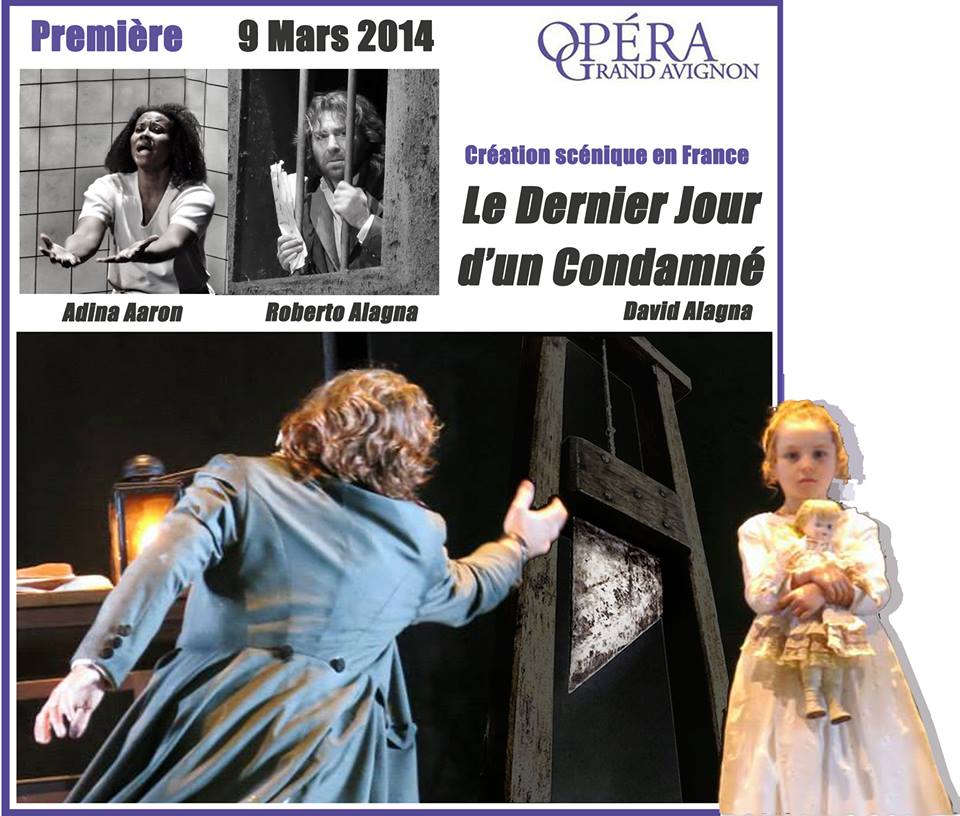
ALAGNO 13 Standing Ovation at the Opéra Grand Avignon on Sunday, March 9, 2014. An extraordinary success for an extraordinary event: the first French staging of the Opera “Le dernier jour d’un condamné” by the Alagna Brothers: Roberto’s brainchild, libretto by Frédérico, and music by David, based upon the famous novel by Victor Hugo: three brothers united in life and in art have given an extraordinary Work to the scenes, from a French Literature masterpiece.

In the role of Condamné, Roberto Alagna, indisputable and undisputed star, flanked by the beautiful Adina Aaron, his feminine alter ego in the Opera, and many other excellent performers. Orchestre Régional Avignon – Provence, directed by Maestro Balàzs Kocsar, the choir of the Opéra Grand Avignon l’Opéra de Tours directed by Aurore Marchand,  stage directed by Nadine Duffaut, with Emmanuelle Favre’s scenography, costumes by Katia Duflot, and lighting by Philippe Grosperrin.

ALAGNa-10-208x300Written in 1828, Hugo’s novel is a milestone in the history of literature that relates to the fight against the death penalty, more than ever in the modern theme, even today. It was an extraordinary idea to turn such a great novel into Opera; it came from a very strong inner and heartfelt urge, making it extremely engaging.

I have the privilege to talk about it, especially from the literary point of view, with Frédérico Alagna, sculptor, painter and graphic artist, poet and musician, name of art Fra Delrico, author of the libretto and present in the audience in the Avignon’s parterre as well as on the stage for the countless calls of the public at the end of the lyric performance.

L’IDEA: Fréderico, I saw you smiling and satisfied. I am glad and I congratulate you and your extraordinary brothers. How and when did you have the idea to compose this work?
Frédérico Alagna: Thank you for your interest: I had not yet had the opportunity to give my personal point of view, because I’ve been busy away from Avignon for my work, since they started the rehearsal until the premiere, which was, therefore, a nice surprise even for me, because I “discovered” the show directly “with” and “just like” the public.
To answer your question, we three brothers have always had the desire to create an Opera, because it is an art form that has given us so much: we three wanted to give something to Opera. Now it is done and we are happy.

L’IDEA: What prompted you to get so involved in this job?
Frédérico Alagna: With Roberto and David, but especially with David, we talk about everything since when we were kids. I have always worked together with him and it was natural to create this work in literature and music, as well as many other works that we have carved, painted or written together, always in the family home. We found the Condamné’s subject so important that we started working with heart and soul in the project.

L’IDEA: It is truly a family made of artists yours! How have you managed the project, along with your brothers and made it a reality?
ALAGNa-8Frédérico Alagna: Little by little, one by one, we found our role. Rob gave us the idea, I have made the most from the novel by Hugo, without changing a word written by him, and David began to write the music. We thought that we would write music together as always (we have written several songs and lieder together before the Condamné), but David felt so identified with the work that we decided that he alone would have been the composer. I therefore dedicated myself to write the libretto; meanwhile I was continuing to work on paintings and sculptures.

L’IDEA: According to what dramaturgical criteria did you turn the novel into a libretto? Why did you choose to keep unchanged the prose of Hugo?
Frédérico Alagna: Like everything else, it was a choice of all three of us, because we had an almost religious respect for Hugo at the time (we are talking about 15 years ago, almost); but even now it would not be any different.

L’IDEA: The work of Hugo is a literary masterpiece, also made up of shades and chiaroscuro, memories, descriptions and stories. Why was it trimmed and changed into a work in strong colors, in which all that is external to the cell and the microcosm of the convicted person has been excluded?
Frédérico Alagna: Nothing essential has been ruled out; we removed only the scenes a bit too ” melodramatic ” that were not helpful to the unfolding of the drama or that did not correspond to our musical or dramaturgical taste.

L’IDEA: What prompted you to give this libretto such cutting introspective, choosing what you did and removing what was not used?
Frédérico Alagna: This exclusion was decided by David: I have taken everything from the text that you could use for a play from a book. I wanted to give David the maximum, so that he, according to his musical inspiration or necessity, could remove and choose what he liked. With my full libretto, the work would last 4 hours!

ALAGNO 15L’IDEA: Was it your idea to introduce the African-American woman, doubling up the condemned? Why did you decide this step, which is central to the distribution of the parts from one character to two, settled in two different eras?
Frédérico Alagna: No, the idea was not mine, but it was a great idea by David. The main reasons are threefold.
First, a singer just could not sing the part of condamné: too ponderous. Second, with this female character, the musical score becomes richer and more colorful, with new shades. Third, this character is transmitted with a current message, because many countries have not yet ceased to condemn humans.

ALAGNO-11L’IDEA: How is the religious element, represented by the presence of Ministers and prayer, seen and why?
Frédérico Alagna: This is a part a bit special in Hugo’s novel: here the author wants to make clear that, sometimes, even the men in the service of God are just like other men, with the same weaknesses in which we can identify all us sinners. The spirit of the novel was also here absolutely respected.

L’IDEA: Are you still satisfied with your work and the overall result of the Opera? How are you feeling today about that experience? Would you write again as you have written or would you change anything? And if so, what?
ALAGNO-12-300x300Frédérico Alagna: Yes, I’m happy with what I have achieved and I can also say that I would not change anything about the job that I gave David to make his own choices. I still think that to keep all the book in the words of Hugo was the right option.

L’IDEA: What were your projects when you completed the Work? Representing it and then …maybe record it? Your projects have materialized?
Frédérico Alagna: Yes … and everything today has materialized. We are very happy, because we are all three self-taught. We wanted and we want our work to be considered like all the other works that we love in the operatic repertoire, from Monteverdi to contemporary composers. The future will tell if our work has deserved and got this result.

L’IDEA: What do you like most in this latest production at the Opéra Grand Avignon ?
Frédérico Alagna: The director Nadine Duffaut and her team have done an excellent job, in the spirit of the work, as we want. I especially loved the idea of making the final passage of each condemned in the time period of the other one. So the differences of time and mentality against the death penalty are annulled.

L’IDEA: It’s true: we all loved it; and the future? Maybe a project of direction of the Opera with Roberto and David ?
Frédérico Alagna: Who knows…

 L’IDEA: So, are you planning to repeat the musical experience in the future or do you prefer to dedicate yourself to the visual arts? Among other things, you’re the author of the beautiful poster of the Opera on stage in Avignon, with a painting from your own series “Omertà .”
Frédérico Alagna: Yes, it was the Opera Grand Avignon to choose one of my paintings from the series entitled “Omertà” (conspiracy of silence). I also created the original artwork for the Opera in Paris, given in the form of concert, and also one for the CD recorded for Deutsche Grammophon. I feel first a painter – sculptor – composer , I do not know if I’ll do other operatic jobs. Today I love the abstract: telling a story is not the thing I love the most; a picture says so much without telling anything at times, and it is the path that I follow. But we’ll see … I have so many ideas that I do not want to stop at a single style.

L’IDEA: Any personal projects of Frédérico as an artist?
Frédérico Alagna: Many, many projects, even those … Well, to have a clearer idea, better do another interview to Fra Delrico, won’t you? Thank you for your questions.

ALAGNO 16L’IDEA: We’ll interview you again with much joy ! Thank you, Frédérico, for your answers, but above all for your valuable work for the Condamné and the Art of the Opera.

…Unforgettable moments that remain on the scene in time, but above all in the mind and heart of the spectators.

Posted in Interview | Tagged , , , , | Leave a comment

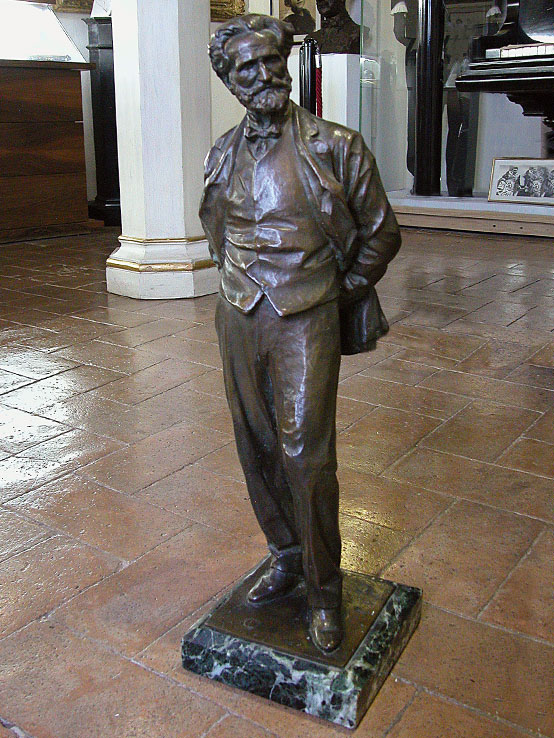
Statues and Monuments Dedicated to Giuseppe Verdi

Statues and Monuments  Dedicated to

Giuseppe Verdi

From: Verdi200 (http://www.giuseppeverdi.it)

verdi1Bust, Vincenzo Gemito, Villa S.Agata, Villanova d’Arda, Italy

verdi2Monument to Verdi, Busseto, Italy

verdi3Monument to Verdi, Cagliari, Italy

verdi4Monument to Verdi, Milano, Italy

verdi5Monument to Verdi, New York, USA

verdi6Monument to Verdi, Palermo, Italy

verdi7 Monument to Verdi, Parma, Italy

verdi8Monument to Verdi, Roncole Verdi, Italy

verdi9 Monument to Verdi, San Francisco, USA

verdi10Monument to Verdi, San Paolo, Brazil

verdi11 Monument to Verdi, Trieste, Italy

verdi12 Statue of Rigoletto, Mantova, Italy

verdi13 Statue, Native House of Toscanini, Parma, Italy

verdi14 Statue, Teatro alla Scala, Milano, Italy

verdi15 Statua, Villa S.Agata, Italy

verdi16Bust, Fonderia Marinelli (Firenze), Los Angeles Opera, USA

verdi17Bust and Sala Verdi, Montevideo, Uruguay verdi18

Mold of Giuseppe Verdi’s hands, taken the day of his death, January 27, 1901, in Milan, and donated to the Municipal Theater of Piacenza,; held at the Archives of the Municipal Theater, by the Municipal Library Passerini-Landi in Piacenza


verdi19Aerial view of the Verdi monument  in Parma; property of the historical archives of the City of Parma


verdi20


Vincenzo Gemito, Bronze busto of Giuseppe Verdi, 1873; Casa Verdi, Retirement Home for Musicians, Milan, Italy

Posted in Uncategorized | Tagged , , | Leave a comment

THE MAGIC FLUTE AT THE DEUTSCHE OPER IN BERLIN

Deutsche Oper Berlin Presents

MagicFlute4The Magic Flute

Wolfgang Amadeus Mozart (1756 – 1791)

Opera in two acts; Libretto by Emanuel Schikaneder; First performed on 30. September, 1791 in Vienna; Premiered at the Deutsche Oper Berlin on 24. September, 1991

In German with German surtitles

Sun 16. March 2014 18:00h
Fri 11. April 2014 19:30h
Fri  2. May 2014 19:30h  last performance this season

3 hrs / 1 interval

MagicFlute1 MagicFlute2 MagicFlute3

Cast

Conductor Moritz Gnann
Director Günter Krämer
Stage-design, Costume-design Andreas Reinhardt
Choir Conductor Thomas Richter
Sarastro Tobias Kehrer
Tamino Yosep Kang
Speaker Stephen Bronk
1st priest Stephen Barchi
2nd priest Jörg Schörner
Queen of the Night Hulkar Sabirova
Pamina Siobhan Stagg
1st lady Martina Welschenbach
2nd lady Christina Sidak
3rd lady Ronnita Miller
Papagena Alexandra Hutton
Papageno Simon Pauly
Monostatos Gideon Poppe
1st armoured man Matthew Newlin
2nd armoured man Andrew Harris
Three boys Solisten des Tölzer Knabenchores
Chorus Chor der Deutschen Oper Berlin
Orchestra Orchester der Deutschen Oper Berlin

MagicFlute5 MagicFlute6 MagicFlute7

Information

Prince Tamino is menaced by a wild dragon. At the last moment he is saved by three mysterious women, who have been sent by the Queen of the Night. When the bird catcher Papageno appears and boasts of his heroic deed as dragon slayer, the three ladies punish him. They present the Prince with a picture of Pamina, the Queen’s daughter, who has been imprisoned by Sarastro, Regent of the Sun Temple. Tamino falls in love with her. The Queen appears in person and orders him to join forces with Papageno to save Pamina. They give Tamino a magic flute for protection and the reluctant Pagageno receives a glockenspiel of magical chimes. Led by three boys, the two heroes begin their journey to Sarastro’s castle. Tamino is twice prevented from entering by the gatekeepers. At the third attempt they inform him that Sarastro is nothing like the cruel tyrant that the Queen of the Night has made him out to be. Papageno finds Pamina and tries to escape with her. He is able to stall her guard Monostatos with the help of the chimes, but the appearance of Sarastro puts an end to all attempts to flee. Papageno, Pamina and Tamino are compelled to stay in Sarastro’s temple and submit to a series of life-threatening trials. First of all they have to learn to be silent, which is especially difficult for Papageno. When an old woman passes, Papageno cannot restrain himself and asks her what her name is. She disappears in a clap of thunder. Papageno consoles himself with the food that is so miraculously served to them. Tamino keeps silent, playing on his flute. Pamina appears, in deep despair that Tamino is no longer talking to her. Her mother has already entreated her in vain to murder Sarastro. When she decides to end her life the three boys seize her dagger and lead her to Tamino. Protected by the flute, both of them pass the ordeals of fire and water, and have now successfully completed all the trials. Meanwhile Papageno, in his great loneliness, conjures up the old woman again and promises to marry her, »if there’s nothing better to be had«. All of a sudden she is transformed into a beautiful young girl, but their time has not yet come and she is taken from him again. In his despair he decides to end his life, but the three boys remind him of the magic chimes. Their tinkling brings back Papagena, and the reunion sets them both dreaming of a happy future together. The other pair is happy, too: Tamino and Pamina are inducted into the Society of the Enlightened, which celebrates the ideals of Nature, Wisdom and Reason. Only for the Queen of the Night does the story take a turn for the worse: when she attempts to enter the temple along with her entourage she is devoured by the spirits of darkness.
Mozart’s MAGIC FLUTE is the most frequently performed opera in the German-speaking world. This variegated masterpiece straddling Viennese popular theatre, fairytale, myth and the mystery of freemasonry is a puzzle even today: did Mozart and his librettist Schikaneder switch horses in mid-stream, changing allegiance from the Queen of the Night to Sarastro? Should one not distrust the holier-than-thou world of the priests and an ideology that divides the world into good and evil? Are there not traces, even, of discrepancies between text and music, as many a Mozart expert has suggested? Whatever the facts of the matter, it is the music that smooths the contradictions of the plot, elevating them to a worldly realism. The music does not denounce the characters but rather confers on the conflicts an existential dimension. Without this dimension the opera would come over as an irrational fairytale.

Supported by Förderkreis der Deutschen Oper Berlin e.V. and Deutschen Philips Unternehmen

MagicFlute8 MagicFlute9 MagicFlute10 MagicFlute11

Posted in OPera | Tagged , , , , | Leave a comment

Nikolai Rimski-Kórsakov’s “The legend of the invisible city of Kitezh” in Barcelona

logoliceu

Presents:

Kitege1_02The legend of the invisible city of Kitezh

Nikolai Rimski-Kórsakov

13, 16, 22, 26 and 30 April 2014

The eternal dream of the Slavic soul

An innocent country girl named Fevroniya saves her town from a Tartar attack: she makes a wish, the wish comes true, and Kitezh becomes invisible.  But there is a secret gate into the city… Rimsky-Korsakov composed a veritable musical monument to the Slavic soul dreamed of by Tolstoy. In the eternal debate between West and East, he opted clearly for the latter, complete with its mysteries and its ancestral legends.  The score, which has Wagnerian ambitions, draws on the heritage of the Russian musical tradition, both popular and religious, and the true leading role belongs to the people (the chorus). Somewhat surprisingly, the opera has close links with the Liceu: the first production outside Russia was staged here and for a whole decade (1926-36) it was by far the Barcelona audience’s favourite work. 


Four-act opera. Libretto by Vladimir Ivanovich Belsky based on I. S. Meledin’s Kitezh Chronicle, the novel In the forests by Pavel Ivanovich Melnikov, songs and epic poems collected by Kirsha Danilov, and various popular tales. Music by Nikolay Rimsky-Korsakov. Premiered on 20 February 1907 at the Mariinski Theatre in Saint Petersburg. First performance at  the Gran Teatre del Liceu on 2 January 1926. Most recent performance  at the Gran Teatre del Liceu on 25 January 1970.

Kitege9_02

Award for the staging of “The Legend of the Invisible City of Kitezh”

The staging of The Legend of the Invisible City of Kitezh, which won the award for best production of the year 

The jury of the International Opera Awards 2013 considered that the Gran Teatre del Liceu, Nederlandse Opera and the La Scala of Milan co-production of the opera The Legend of the Invisible City of Kitezh was the year’s best staging of an opera. The production premièred in Amsterdam last year and will be performed at the Liceu in April 2014. Dmitri Tcherniakov, stage director of the production, also won for best stage director. The winners were revealed on Monday at a ceremony held at London’s Hilton Hotel on Park Lane which was attended by stars including Dame Janet Baker, Dame Anne Evans and tenor Jonas Kaufmann, who won for best male singer. The award for best female singer went to Nina Stemme. 

Other winners included the musical director of the Royal Opera House, Antonio Pappano, set designer Anthony McDonald, wardrobe designer Buji Shiff, lighting designer Paule Constable, the orchestra of the New York Metropolitan Opera, the chorus of the Cape Town Opera, the Salzburg Festival, the Frankfurt Opera, the opera Written on Skin by George Benjamin, Sir Peter Moores, Sir George Christie and the arrangements of Handel’s “Alessandro” conducted by George Petrou, the “Romantic Arias” by Christian Gerhaher and the DVD of “Il Trittico” by the Royal Opera House.  

The first edition of the International Opera Awards was organised by Harry Hyman and the jury was chaired by John Allison, editor of the Opera journal. Jury members were David Gockley, director of the San Francisco Opera; Joan Matabosch, artistic director at the Gran Teatre del Liceu; Peter Alward, director of the Salzburg Easter Festival; Guus Mostart, director of the Enschede Opera; Nicholas Payne, director of Opera Europa; sopranos Anne Evans and Katherine Harris; and critics Hugh Canning (Sunday Times), Rupert Christiansen (Daily Telegraph) and Andrew Clements (The Guardian).

Conductor
Josep Pons

Stage direction and Scenography
Dmitri Tcherniakov

Costume
Elena Zaitseva and Dmitri Tcherniakov

Lighting
Gleb Filshtinsky

New Co-production
Gran Teatre del Liceu / De Nederlandse Opera (Amsterdam) / Teatro alla Scala (Milan)

Cast 
Svetlana Ignatovitx, Maksim Aksenov, Eric Halfvarson, Dimitris Tiliakos, Vladimir Ognovenko, Margarita Nekrasova, Jennifer Check, Mayram Sokolova, Guennadi Bezubenkov, Josep Fadó, Albert Casals and others 

Symphony Orchestra and Chorus of the Gran Teatre del Liceu

Kitege20_02  Kitege2_02 Kitege3_02 Kitege4_02 Kitege6_02 Kitege8_02  Kitege10_02 Kitege12_02 Kitege13_02 Kitege15_02 Kitege17_02 Kitege19_02

Posted in Music, OPera | Tagged , , , , , , , , , , , , , , , | Leave a comment

L’ITALIANA IN ALGERI at the “Palau des Arts Reina Sofia” in Spain

italiana

logo_palauL’ITALIANA IN ALGERI

Gioachino Rossini

23rd, 26th February 2014 · 1st, 11th, 13th, 15th March 2014 – The performances start at 8:00 pm. Sundays and holidays, at 7:00 pm

Sala Principal

Approximate Duration:  2 h 50 min

L’italiana in Algeri

CAST

Mustafà Burak Bilgili (23rd, 26th February; 1st March); Simón Orfila (11th, 13th March); Ricardo Seguel (15th March)

Elvira Anabel Pérez Real *

Zulma Cristina Alunno *

Haly Germán Olvera *

Lindoro Antonino Siragusa

Isabella Silvia Tro Santafé

Taddeo Giulio Mastrototaro

Dancers and extras Yester Mulens (Tiger), Alejandro Amores, Gianluca Battaglia, Laura Bruña, Joan Crespo, Diana Huertas, Jonathan López, Cristina Reolid, Marine Sánchez, Fatima Sanlés, Liza Taberner, Marta Toledo, Ismael Turel

Extras: Víctor Montesinos, Javier Romero

* Centre de Perfeccionament Plácido Domingo

PRODUCTION TEAM

Conductor Ottavio Dantone

Stage Director Joan Font (Comediants)

Set Designer and Costume Designer Joan Guillén

Lighting Designer Albert Faura

Choreography Xevi Dorca

Co-production Teatro Real/Maggio Musicale Fiorentino /Houston Grand Opera /Grand Théâtre de Bordeaux/Ballet de la Generalitat

Inmaculada Gil-Lázaro, director

Cor de la Generalitat Valenciana

Francesc Perales, chorus master

Orquestra de la Comunitat Valenciana

SYNOPSIS

L’italiana in Algeri

Act I

Palace of the bey Mustafà in Algiers. Elvira complains that her husband Mustafà no longer loves her. Tired of her and the women in his harem, he has asked Haly, his captain, to find him an Italian woman. Anxious to get rid of his current wife as soon as possible, Mustafà intends for her to marry Lindoro, a young Italian who was captured by his pirates and since then has been a slave at the palace. Lindoro, who longs to return to his country some day to meet his sweetheart Isabella again, sees the bey’s proposal as the only chance for him to be free, even though he has to take Elvira with him to Italy.

Meanwhile, there is a shipwreck very near the coast. Haly and his men don’t take long in making off with the plunder and capturing the survivors. Amongst the survivors is Isabella, a brave young woman with a strong character who is travelling the seas in search of her fiancé Lindoro. She is accompanied by old Taddeo, a friend in love with her whom the pirates want to sell as a slave. To avoid this fate, and following a quarrel caused by Taddeo’s jealousy when he sees she does not feel the same for him, Taddeo and Isabella agree to say that they are an Italian uncle and niece.

This is a relief for Haly, as he has now found an Italian woman as the bey asked of him. At the palace, Mustafà tells Lindoro that he has prepared a ship for him and Elvira to set sail for Italy as soon as possible. Despite her husband’s contempt, Elvira still loves him and does not want to lose him. When Haly bursts in with the news that he has already found a beautiful Italian woman, Mustafà enthusiastically leaves to get ready to meet her. Lindoro consoles the unhappy Elvira and tries to make her see that it is best for her to leave her heartless husband. In the main hall of the palace, a ceremony is being prepared to welcome Isabella. When introduced to the bey as “the Italian woman”, she has to stop herself from bursting out laughing when she sees such a ridiculous person, and she has a feeling that it won’t be too difficult to manipulate him and take control of the situation. Elvira and Lindoro interrupt the reception to say goodbye to the tyrant before they leave for Italy. At that moment Isabella and Lindoro recognise each other, although they decide not to show it. Taking advantage of the fact that Mustafà is enraptured by her, Isabella asks him not to banish Elvira and let Lindoro be her personal servant.

Act II

Surprised by how easy and quick it has been for “the Italian woman” to make Mustafà submissive, Elvira harbours some hope of regaining her husband’s love. The bey orders a hall to be prepared for him to have coffee alone with Isabella. Isabella meets up with Lindoro and reproaches him for trying to marry Elvira. But he explains to her that that was his only chance to be free from Mustafà, and he promises her that he will think of a plan for them to run away together. Mustafà offers Taddeo the title of Kaimakan (the equivalent of deputy), which Taddeo feels he has no choice but to accept so as not to annoy Mustafà. Furthermore, the bey agrees with him that he will sneeze as a sign for Taddeo to leave him alone with Isabella. The time of their meeting arrives and Mustafà introduces Taddeo as his Kaimakan to win the young woman’s affection. After a short time he sneezes, but his Kaimakan pretends not to understand and does not leave. To top it all, Isabella has also invited Elvira for coffee, which infuriates the bey. Alone with Taddeo, Lindoro explains his escape plan. Taddeo then confesses he is not Isabella’s uncle, but her lover. Lindoro stops himself from laughing, as he needs Taddeo’s help to trick Mustafà, who bursts in that moment, still annoyed by what happened when having coffee. Lindoro explains to the bey that Isabella wants to show him how much she cares for him by calling him her pappataci (eat and be quiet). When Mustafà asks them about such an honour,

Taddeo and Lindoro tell him that it is a position given to Italian husbands, meaning that they caneat, drink and sleep as much as they want, and not take any notice of what occurs around them. The bey is delighted to receive such an honour. Isabel prepares the investiture ceremony of Mustafà as a pappataci, which all the Italian slaves in the palace attend. The bey sits down to eat. Isabella flirts with Lindoro to Mustafà’s annoyance, but Taddeo reminds him he must ignore what is going on: he must only eat and keep quiet. The bey obeys, convinced he is doing the right thing, as he understands perfectly that this forms part of the ceremony. A ship is being prepared outside and all the Italian slaves embark, followed by Isabella and Lindoro. Taddeo, realises he is also being tricked and warns the bey that they are about to escape, but Mustafà, like a good pappataci, pays no attention and continues eating in silence. When he finally responds it is too late to stop them. Mustafà has learnt his lesson and goes back to his wife Elvira. Everyone is happy and they praise the virtues of the resourceful Italian woman who managed to dominate Mustafà.

BIOGRAPHIES: click on link below

litaliana_in_algeri_biographies

Posted in OPera | Tagged , , , , , | Leave a comment