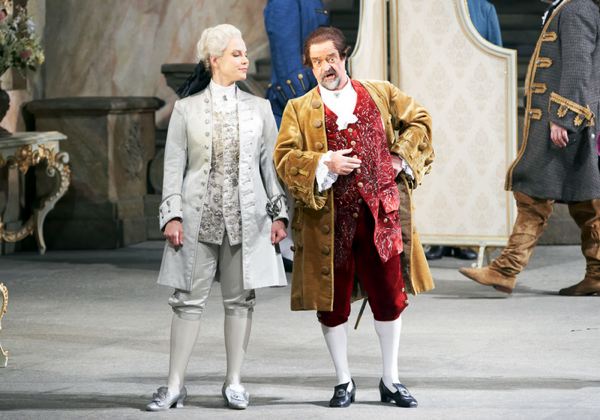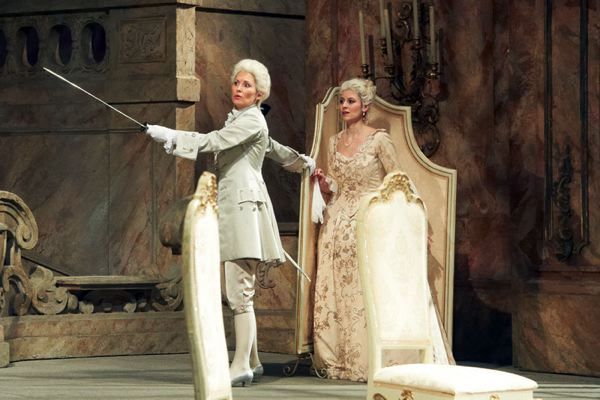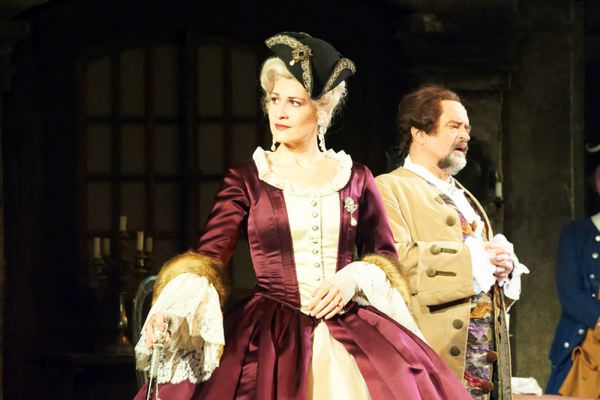
Tannhäuser in Estonia

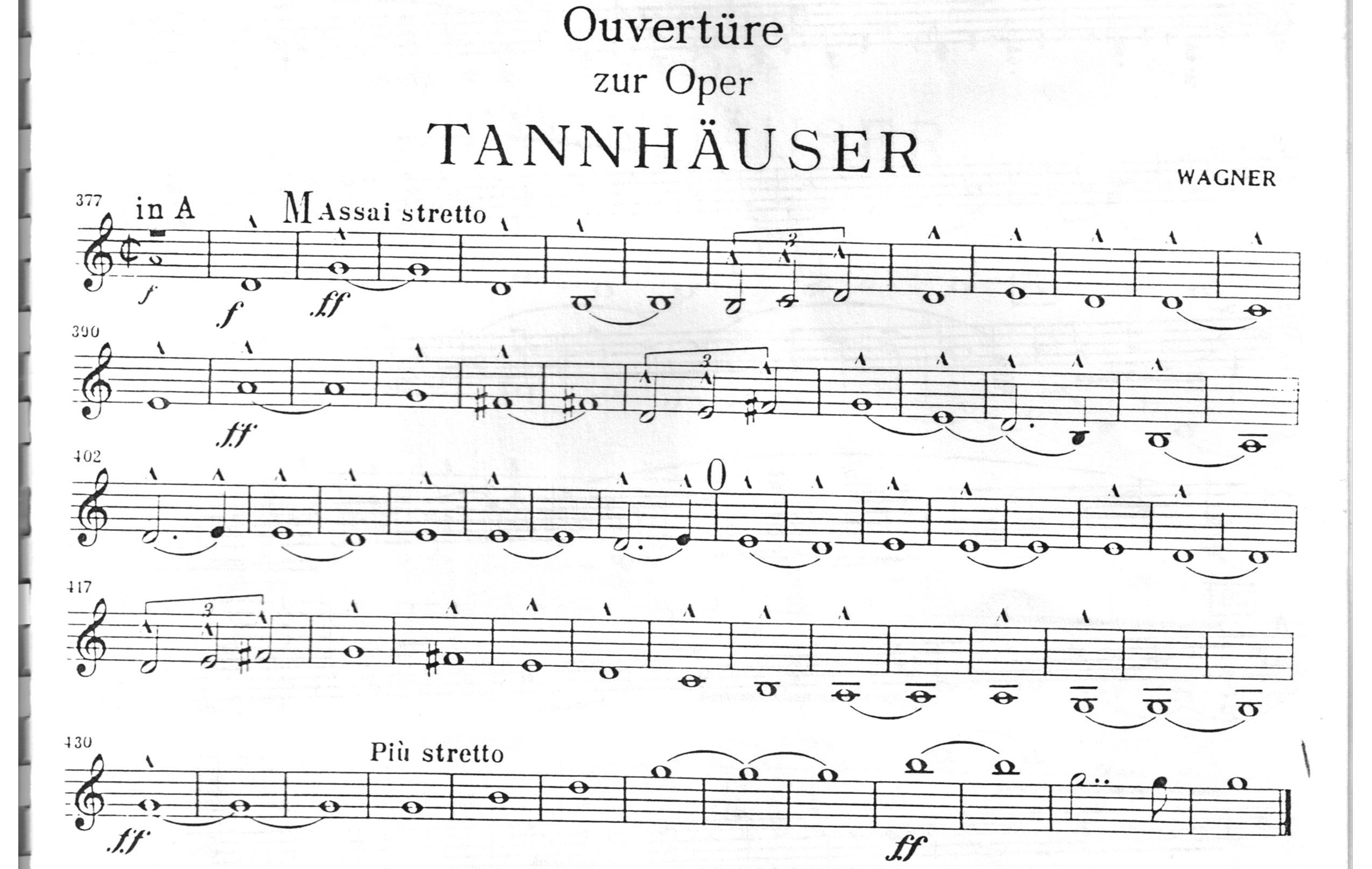
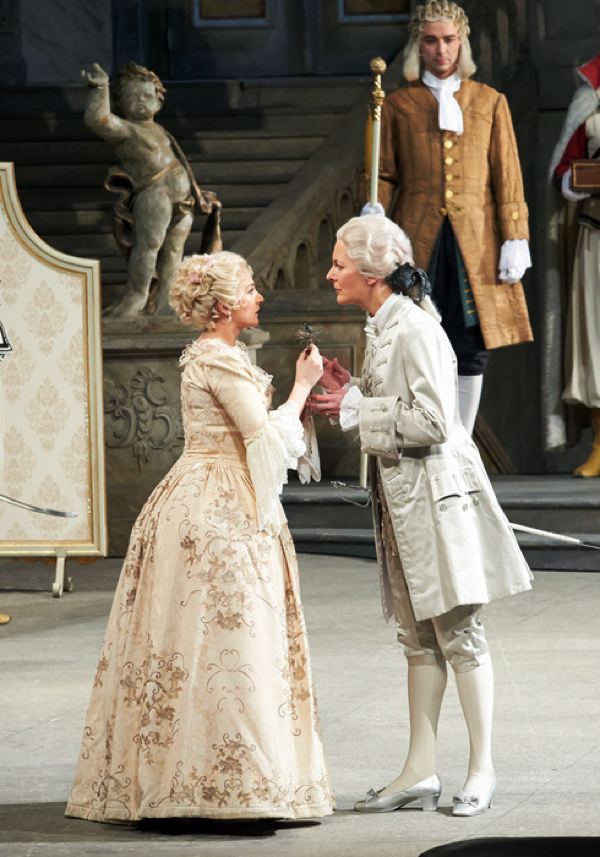
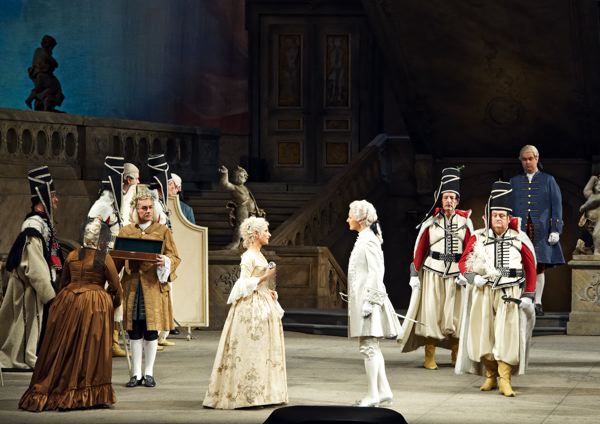
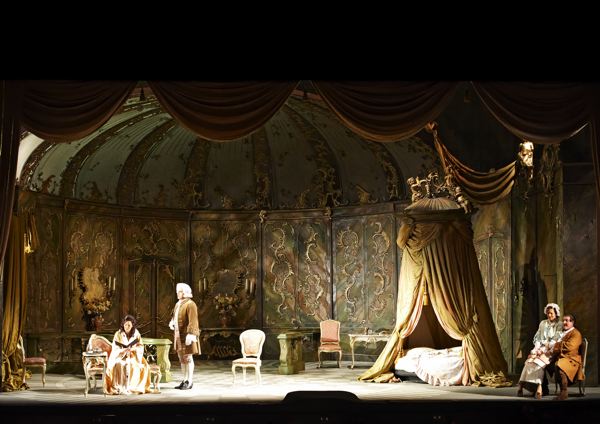
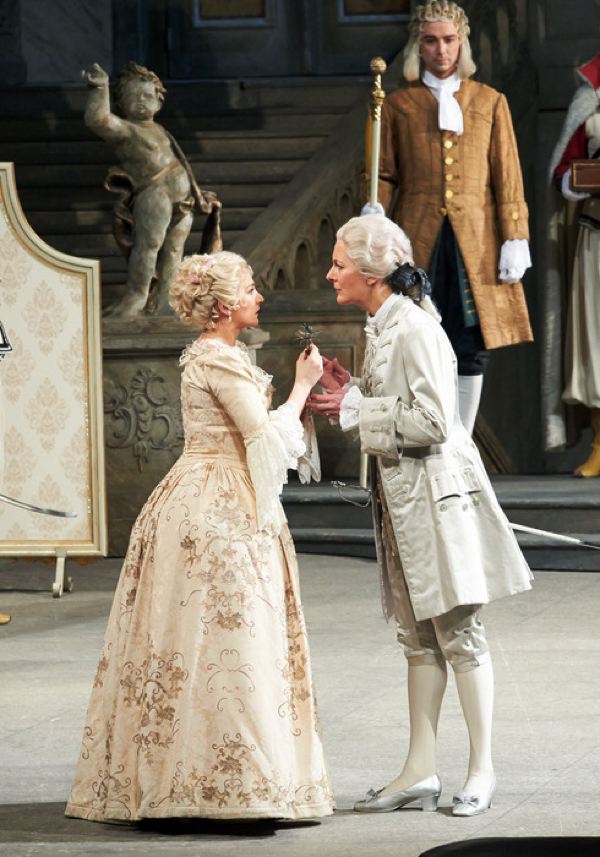
Tannhaeuser_1Tannhäuser

Thursday, November 14 2013, 19:00
Estonian National Opera, Estonian Avenue 4, Tallinn

PROGRAM

Wagner, Richard
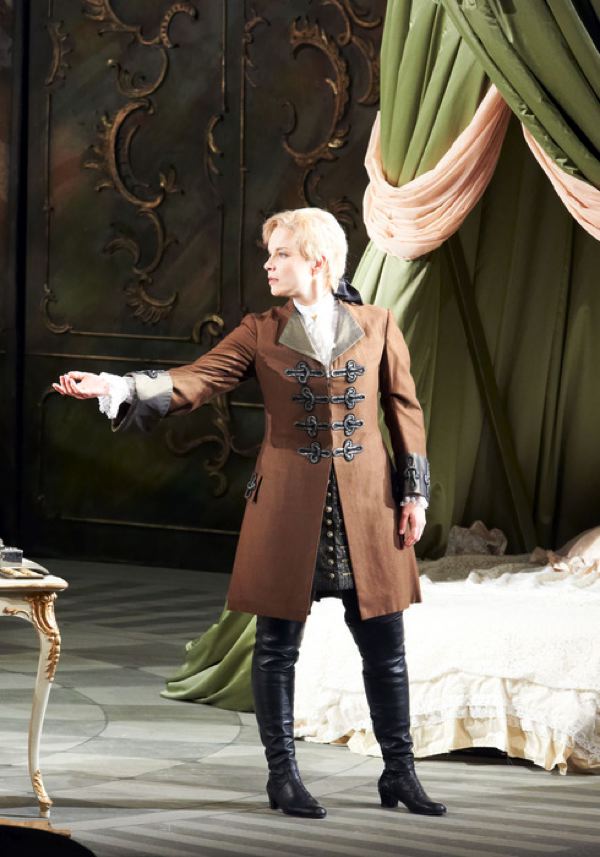
Tannhäuser – Romantic opera in three acts by Richard Wagner, World premiere in Dresden Hoftheater on October 19, 1845, Premiere at the Estonian National Opera on March 14, 2013

Program is subject to change
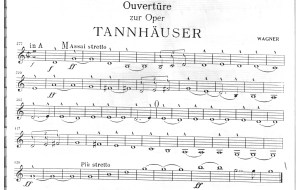
wagner-tannhauser-overtureABOUT THE EVENT

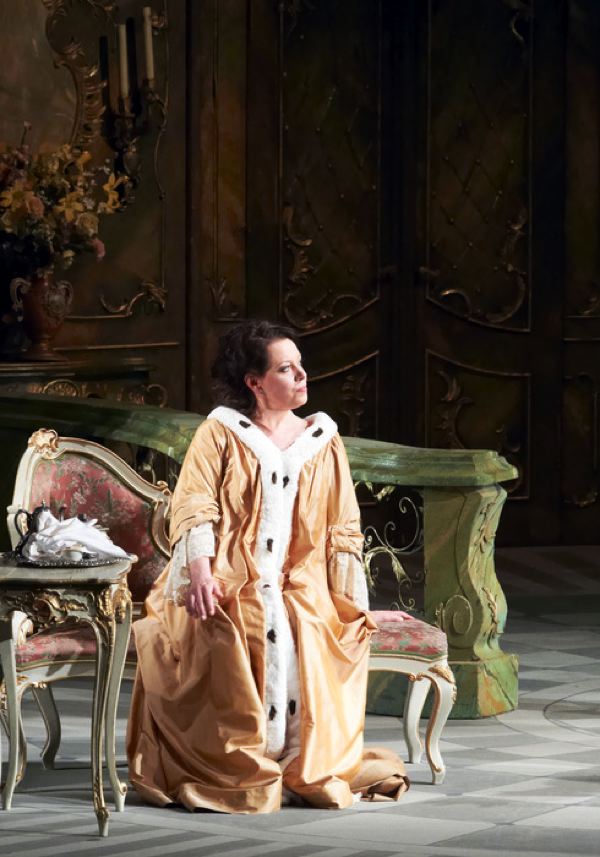
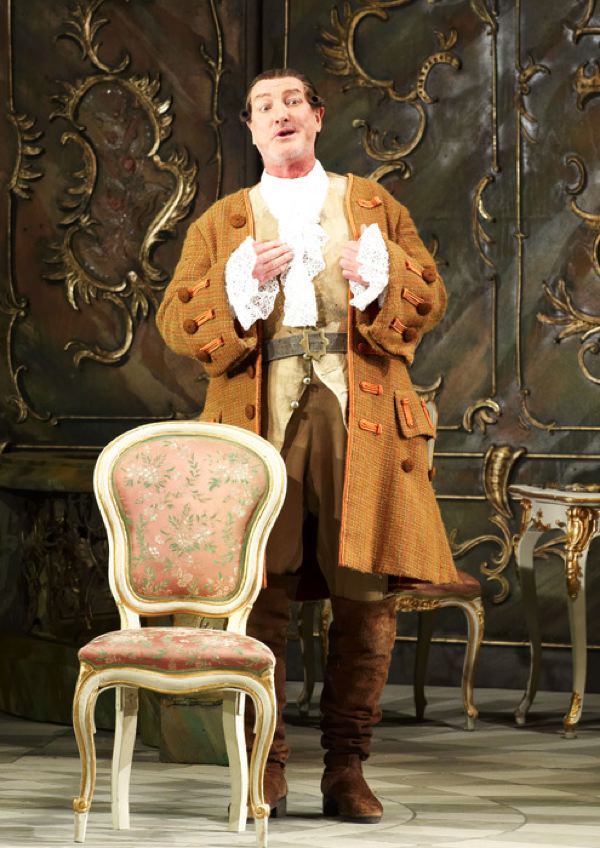
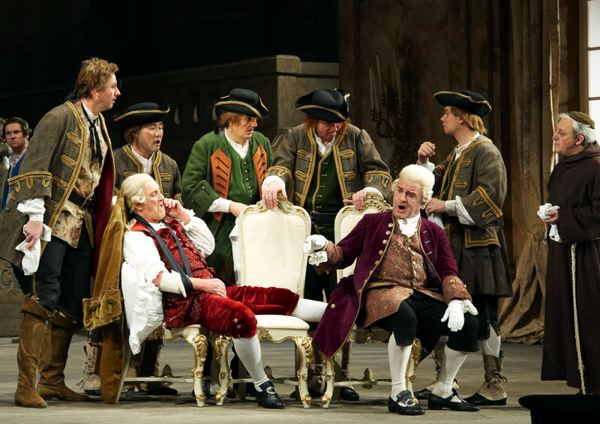
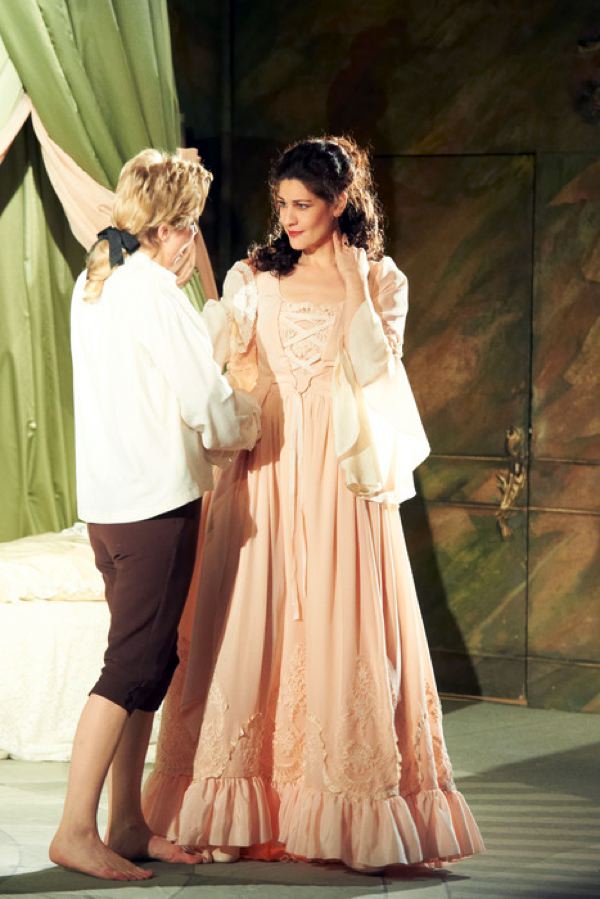
In 2013 all the world will celebrate the 200th anniversary of Richard Wagner’s birth. For this occasion, “Tannhäuser” will be staged at the Estonian National Opera by an internationally renowned stage director Daniel Slater, who debuted at Opera North with Smetana’s opera “The Bartered Bride” (1998).

Slater’s productions are known for their originality, humanity, intelligence and modernity. His award-winning productions have been successfully staged in Great Britain, Germany, France, Switzerland, Sweden, Norway, Spain, USA and New Zealand.

Synopsis
Having left the Castle of Wartburg in Thuringia with a quarrel, the knight and Minnesinger Tannhäuser has fallen for the charms of Venus and lives with the goddess on Venusberg. After a year, he grows tired of heavenly pleasures and asks Venus to release him. The goddess curses Tannhäuser and foretells that he will return to her on the hour of utmost despair. Tannhäuser finds himself near the Wartburg Castle, where he meets his old friends, who remind him of Elisabeth, the Landgrave Hermann’s niece who was once in love with him. Tannhäuser is moved by the news, joins the court again and begs for Elisabeth’s forgiveness. The Landgrave announces a song contest in which the winner will be crowned by Elisabeth. Tannhäuser’s best friend Wolfram, who is secretly in love with Elisabeth, praises the purity of true love. Angered Tannhäuser interrupts him, saying that real love is not pure but passionate and breaks into a hymn in praise of Venus. The court realises that during his absence, Tannhäuser was in Venusberg and they want to attack him for his shameful behaviour, but Elisabeth asks them for mercy. The Landgrave sends Tannhäuser together with other pilgrims to the Pope in order to ask the Pope to pardon him. After half a year, other pilgrims return to Wartburg, but Tannhäuser is not among them. Elisabeth prays to the Virgin Mary to be allowed to die and, through her death, to redeem Tannhäuser. Wolfram, wandering in the woods, meets the weary Tannhäuser, who tells him that the Pope refused to pardon him, saying “You can find no more forgiveness than the Pope’s staff could blossom”. In great despair, Tannhäuser returns to Venusberg. Wolfram tries to prevent him from yielding to the charms of Venus, reminding him of Elisabeth who still loves him. A procession passes that announces the death of Elisabeth. Grief-stricken Tannhäuser cries out Elisabeth’s name and Venus vanishes. Tannhäuser collapses dead with the cry “Holy Elisabeth, pray for me!” The pilgrims and the crowd announce that a miracle has happened: the Pope’s staff has blossomed! Tannhäuser’s soul is saved.

Staging team
Conductor: Vello Pähn
Stage Director: Daniel Slater (UK)
Designer: Leslie Travers (UK)
Choreographer: Kati Kivitar
Lighting Designer: Anton Kulagin


EVENT DATES

 
Thursday 14 November 2013 19:00  
Saturday 16 November 2013 19:00  
Saturday 07 December 2013 19:00  
Wednesday 29 January 2014 19:00
Posted in Music, OPera | Tagged , , , | Leave a comment

Das Rheingold in Leipzig

Rheingold1

Das Rheingold


Sunday, November 10 2013, 18:00

Oper Leipzig, Augustusplatz 12, Leipzig, Germany

PROGRAM

Wagner, Richard
Das Rheingold
Program is subject to change


Rheingold-2ABOUT THE EVENT


Wagner’s opera ‘Das Rheingold’ will be performed at the Oper Leipzig.

In his Ring Cycle, Wagner describes the story of the contradiction between love and power, based on the old Germanic myths.

The opera offers a taste of Wagner’s work. In 2013, Wagner’s home town, Leipzig, has planned to celebrate the 200th birthday of the great composer with various concerts and operas. 

Conductor Ulf Schirmer 
Director Rosamund Gilmore 

Cast

Wotan, Tuomas Pursio
Donner, Jürgen Kurth
Loge, Thomas Mohr
Froh, Randall Bills
Fafner, James Moellenhoff
Fasolt, Stephan Klemm
Alberich, Jürgen Linn
Mime, Dan Karlström
Freia, Sandra Trattnigg
Erda, Nicole Piccolomini
Woglinde, Eun Yee You
Wellgunde, Kathrin Göring
Floßhilde, Sandra Janke

Gewandhausorchester

Posted in OPera | Tagged , , , , , | Leave a comment

Nikolai Rimsky-Korsakov’s “The Golden Cockerel” at The Bolshoi in Moskow

bolshoiNikolai Rimsky-Korsakov’s

“The Golden Cockerel”

Opera in three acts

Premiered on June 19, 2011.

golden-cockerel-smLibretto by Vladimir Belsky based on Alexander Pushkin’s fairy-tale

October 31, 2013      19:00
November 1, 2013    19:00
November 2, 2013    12:00

Music Director: Vassily Sinaisky
Stage Director: Kirill Serebrennikov
Set and Costume Designers: Kirill Serebrennikov, Galya Solodovnikova
Lighting Designer: Damir Ismagilov
Chorus Master: Valery Borisov
Video mapping — Russian Visual Artists

CAST
 
Conductor: Alexander Soloviev
Tsar Dodon: Vladimir Matorin
Tsarevitch Gvidon: Boris Rudak
Tsarevitch Afron: Mikhail Diyakov
Polkan, voivode: Nikolai Kazansky
Amelfa, the royal housekeeper: Tatiana Erastova
The Astrologer: Mikhail Seryshev
The Tsaritsa of Shemakha: Venera Gimadieva
The Golden Cockerel’s Voice: Anna Khvostenko

Synopsis

Act I

In the palace preparations are underway for a ’session’ of the boyars’ Duma.
They are waiting for the Tsar.
The Astrologer appears and addresses those present:

I’m a wizard. I’m endowed by
occult knowledge with rare gifts — to
call up shades and fill anew a
lifeless breast with magic being.

Here before you, comic masks will
bring to life an ancient fable.
Though a tale, the moral’s true —
Good young people, mark it well.

A hubbub breaks out. The Astrologer disappears. Enter the Tsar.
The Tsar appeals to his boyars for advice on how to keep his kingdom safe from attack. His eldest son suggests bringing the army back from the frontier and posting it round the capital. Many support this idea. General Polkan, however, disapproves of the plan. The Tsar’s youngest son suggests the army should be disbanded altogether and only mobilized again at the appearance of the enemy. Dodon is delighted at the idea! But Polkan turns this suggestion down too. The Duma is at a loss to know what to do. They suggest that beans or kvas grains should be consulted.
Enter the Astrologer. He presents Dodon with a magic Golden Cockerel who will always give warning of danger. The Tsar promises the Astrologer any reward he likes to name:

Your first wish I will fulfill
Like it were my very own.

Exit the Astrologer. His fears allayed, Dodon goes to sleep. He has a sweet dream.
The Cockerel starts to crow:

Cock-a-doodle-doodle-doo!
Be alert! Be on your guard!

Noise and bustle. The Tsar mobilizes two armies which march off to the scene of war led by his sons. He then goes back to sleep. Dodon’s terrible dream. Again the Cockerel warns of danger. Having gathered together a force, Dodon now goes off to war himself accompanied by General Polkan.

Act II

Tsar Dodon, accompanied by his army, sees the bodies of his two dead sons. A horrified Dodon mourns his children. Suddenly a mysterious tent appears before him. A beautiful woman steps out of the tent and sings a hymn to the rising sun. It is the Tsaritsa of Shemakha. Dodon is bewitched by her beauty and her singing. By guile and artifice, the cunning Tsaritsa seduces Dodon who offers her his hand in marriage. His offer is accepted. The Tsaritsa of Shemakha and Dodon set off for the capital.

Act III

The populace are awaiting the return of their Tsar. Dodon and the Tsaritsa of Shemakha appear to the sound of trumpets. The populace greet them. The Astrologer makes his way through the crowd. He reminds the Tsar of his promise and asks for the Tsaritsa of Shemakha. Dodon tries to make the old astrologer see sense, offering him at least half his kingdom, but the latter is adamant. Loosing his temper, Dodon rough-handles the old man and chases him off. The Astrologer dies. The Golden Cockerel flies down off the tower and pecks Dodon on the forehead. Dodon dies. The Tsaritsa of Shemakha and the Cockerel vanish. The people are totally disorientated:

Oh what will the new dawn bring?
How’ll we live without our Tsar?

Epilogue

The Astrologer appears from the crowd. He now concludes his tale:

That is how the story ends.
But the bloody denouement,
though distressing it may be,
really should not worry you.
Only I and the Tsaritsa
were the real live people here. The
others were delirium — a
dream, a pale specter, a void…

Posted in Music, OPera | Tagged , , , , , , , | Leave a comment

TACONIC OPERA DEBUTS THE WORLD’S MOST FAMOUS OPERA, “NORMA”

165625_189298904428432_4323742_aTACONIC OPERA DEBUTS THE WORLD’S MOST FAMOUS OPERA, “NORMA”

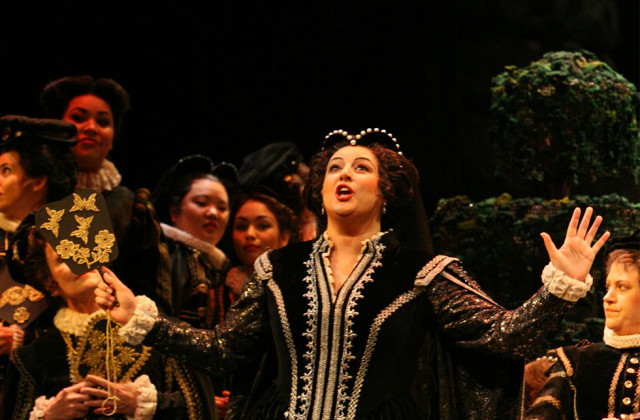
Opening its sixteenth season in Westchester, Taconic Opera will debut Bellini’s famous masterpiece, Norma, in Yorktown and White Plains. No other opera has received as much attention and acclaim as the story of the Druid princess. The title role has been sung by almost every famous soprano in the world during the past 180 years. Perhaps none have made the role more famous than Maria Callas, who performed the role eighty-nine times on stage, in addition to her seminal recordings.

“Every opera lover has an opinion about Norma. Callas has a cult following as do many others who have portrayed the great heroine,” says Dan Montez, General Director of Taconic Opera. “All you have to do is go to Amazon.com and read the comments from the recent release of Cecilia Bartoli’s Norma, and you will find hundreds of intellectually vitriolic reactions to the recording. These strong opinions make opera companies want to shy away from performing the work, but we won’t.”

In an unusual turn, the company will feature only one cast in both locations. Starring in the lead role is a soprano whom Dan Montez describes as “one of the best sopranos in the world.” Francesca Mondanaro, now singing leading roles in top opera houses, returns to sing this role after making her debuts with Taconic Opera in Macbeth and Nabucco.” This is what musicalcriticism.com has to say about her: “[Mondanaro’s] could well be the best interpretation of Abigaille I have ever heard live or on record, one that compares favorably with Maria Callas’s and Marisa Galvany’s, to name two….Mondanaro’s voice conjures up shades of a kind of Verdi soprano that has seemingly all but vanished. The voice itself is unforgettable – voluminous, lush, and beautiful, with a contralto-like darkness and an attractive vibrato. Chest notes were powerful and incisive, and the role’s perilous leaps were nailed without the smallest hesitancy or misstep in intonation. The voice sliced cleanly through the most voluminous ensembles like a hot knife through butter.”

Tickets to the event can be obtained online atwww.taconicopera.org or by calling their toll-free number at 1-855-88-OPERA (6-7372). Prices are posted on the website, with generous reductions for seniors and students. Performances will be held at the Yorktown Stage, 1974 Commerce St., Yorktown Heights, NY on Sunday, October 20 at 2:00 pm, and in White Plains, NY at the theater at Archbishop Stepinac High School on Saturday, October 26, at 7:30 pm.


Home Page
http://www.taconicopera.org

Posted in Music, OPera | Tagged , , , | Leave a comment

“The Barber of Seville” in Cape Town, South Africa

IL BARBIERE DI SIVIGLIA (Barber of Seville) Presented by Cape Town Opera in collaboration with the UCT Opera School

THE 2013 SEASON COMES TO A HIGH-SPIRITED CONCLUSION WITH ROSSINI’S EVERGREEN COMIC CLASSIC

“I’m gentle, respectful, obedient, sweet and loving – but push me too far and I’ll become a viper!”

The nimblest barber in Seville, Figaro is the go-to man for a close shave. And there will be close shaves a-plenty when Figaro helps the lovestruck Count Almaviva abduct his sweetheart Rosina from her nasty guardian Don Bartolo in this hilarious opera buffa, our hair-raising contribution to the month of ‘Movember’.

The Barber of Seville combines knockabout humour with music of great virtuosity and brilliance, from its cheeky overture to showstopping arias including ‘Largo al factotum’ and ‘Una voce poco fa’. Following her warm-hearted and witty stagings of L’elisir d’amore and Die Entführung aus dem Serail for CTO and UCT, Christine Crouse helms a whimsical new production of this sparkling. With the “Cape Town Festival Orchestra”.


Conductor: Kamal Khan
Director: Christine Crouse

Posted in Music, OPera | Tagged , , , , , | Leave a comment

VERDI’S 200th ANNIVERSARY: “Rigoletto” at the Metropolitan Opera.

metlogo

RIGOLETTO.

Approximate running time 3 hrs. 2 min.

Dmitri Hvorostovsky sings the title role of Verdi’s tragic masterpiece for the first time at the Met in Michael Mayer’s dazzling production set in Las Vegas—the neon-bedecked hit of the 2012–13 season. Aleksandra Kurzak is the beautiful Gilda, in thrall to Matthew Polenzani’s womanizing Duke.

SYNOPSIS

Las Vegas 1960
Act I
At his casino, the Duke boasts of his way with women. He dances with the Countess Ceprano, while Rigoletto, the Duke’s hunchbacked sidekick and sometime comedian, mocks the countess’s enraged but helpless husband, Count Ceprano. Marullo, one of the Duke’s entourage, bursts in with the latest gossip: Rigoletto is suspected of keeping a young mistress at his place. Rigoletto, unaware of the news, continues to taunt Ceprano, who plots with the others to punish him. Monterone, an Arab tycoon, forces his way into the crowd to denounce the Duke for seducing his daughter and is viciously ridiculed by Rigoletto. Monterone is arrested and curses Rigoletto.

Rigoletto is disturbed by Monterone’s curse. He encounters Sparafucile, a hitman, who offers his services. Rigoletto reflects that his own tongue is as sharp as the murderer’s knife. Arriving at home he warmly greets his daughter, Gilda. Afraid for the girl’s safety, he warns the housekeeper, Giovanna, not to let anyone into the apartment. When Rigoletto leaves, the Duke appears and bribes Giovanna, who lets him in. He declares his love for Gilda, who has secretly admired him at church, and tells her he is a poor student. After he has left, Gilda tenderly thinks of her newfound love before going to bed. The Duke’s entourage gathers, intending to abduct Rigoletto’s “mistress.” Rigoletto appears and they quickly change their story, telling him they are abducting the Countess Ceprano, and enlist his aid in their scheme. But they have deceived him and it is Gilda they carry off, with Rigoletto’s unwitting assistance. He rushes in to discover that his daughter is gone and collapses as he remembers Monterone’s curse.

Act II
At the casino, the Duke is distraught about the abduction of Gilda. When his entourage returns and tells him the story of how they took the girl from Rigoletto’s apartment and left her in the Duke’s rooms, he hurries off to her. Rigoletto enters, looking for Gilda. The entourage is astonished to find out that she is his daughter rather than his mistress, but they prevent him from storming into the Duke’s apartment. Rigoletto violently denounces them for their cruelty, then asks for compassion. Gilda appears and runs in shame to her father, who orders the others to leave. Alone with Rigoletto, Gilda tells him of the Duke’s courtship, of her abduction, and her seduction by the Duke. Monterone is brought in as he is being taken away by the Duke’s men, and Rigoletto swears that both he and the old man will be avenged. Gilda begs her father to forgive the Duke.

Act III
Rigoletto and Gilda arrive at a seedy club on the outskirts of town where Sparafucile and his sister Maddalena live. Inside, the Duke laughs at the fickleness of women. Gilda and Rigoletto watch through the window as the Duke amuses himself with Maddalena. Rigoletto tells Gilda to leave town disguised as a man and pays Sparafucile to murder the Duke. Gilda returns to overhear Maddalena urge her brother to spare the handsome stranger and kill the hunchback instead. Sparafucile refuses to murder Rigoletto but agrees to kill the next person who arrives at the club, so that he will be able to produce a dead body. Gilda decides to sacrifice herself for the Duke. She knocks, enters the club, and is stabbed. Rigoletto returns and Sparafucile presents him with the body, which is wrapped in a trenchcoat with its face covered. Assuming it is the Duke’s, Rigoletto gloats over the body, when he hears his supposed victim singing in the distance. Frantically pulling the covering aside, he finds his daughter, who dies asking his forgiveness. Horrified, Rigoletto remembers Monterone’s curse.

Metropolitan Opera NYC

Metropolitan Opera NYC

Metropolitan Opera NYC

Metropolitan Opera NYC

Metropolitan Opera NYC

Metropolitan Opera NYC

Metropolitan Opera NYC

Posted in OPera | Leave a comment

“DER ROSENKAVALIER” in livestreaming on October 27 from the Vienna Opera House

logo_Vienna The Vienna State Opera Presents

OCT. 27, 2013 – 4 P.M. (UTC)

“DER ROSENKAVALIER”

MUSIC: RICHARD STRAUSS | LIBRETTO: HUGO VON HOFMANNSTHAL

……LIVESTREAMING……

Rosenkavalier_10The more mature Marschallin is the only person in this story who realizes the true nature of love in all its facets. By making sacrifices herself, she manages to smooth the way for the young couple Octavian and Sophie despite the intentions of the avaricious and lustful Baron Ochs von Lerchenau.

ARTISTIC TEAM:

CAST:

SYNOPSIS

Rosenkavalier_01It is early one morning. The field marshal’s wife, neglected by her husband, has spent a night of rapturous passion with her lover Octavian. Without any warning, her cousin bursts in: the lecherous Baron Ochs von Lerchenau. Ochs is due to marry Sophie Faninal, the daughter of a rich parvenu, and is looking for a suitable Rosenkavalier (or Knight of the Rose) to present a ceremonial rose to his future bride. However, he takes an immediate liking to the ‘chambermaid’ that he finds with the field marshal’s wife, and makes certain unambiguous propositions to her. The field marshal’s wife recommends Octavian as a suitable rose-bearer, showing Ochs a portrait of him in a locket; Ochs is greatly surprised at the striking ‘resemblance’ of the portrait to the ‘chambermaid’, but accepts the recommendation.

Rosenkavalier_02When Octavian first meets Sophie in his role as Knight of the Rose, the two young people instantly fall in love. Ochs, who is only interested in the girl’s dowry, continues to act in a very coarse and leering manner, and Sophie no longer has any intention of marrying him. When Ochs tries to force her to sign the marriage contract, Octavian draws a sword, challenges him to a duel and inflicts a minor wound to his arm. The general chaos that follows prevents the marriage from being legally concluded. To undermine the proposed marriage once and for all, a trap is also set for Ochs. In a letter, the ‘chambermaid’ invites him to an assignation at an inn on the outskirts of town…

Rosenkavalier_05Ochs accepts the ‘chambermaid’s’ offer with enthusiasm and meets her at the inn as agreed. Just as he is about to lay hands on ‘her’, various figures force their way into the room, and a chaotic masquerade ensues. Finally, Faninal, Sophie, a police commissioner and the field marshal’s wife also arrive. Ochs is forced to admit that he is no longer a suitable groom for Sophie. Octavian and Sophie remain sheepishly behind with the field marshal’s wife. Once she is sure where Octavian’s affections now lie, she relinquishes him – in complete control of the scene – to the younger Sophie, and leaves the young couple to their fate.


Rosenkavalier_03   Rosenkavalier_15 (1)   Rosenkavlier_11   Rosenkavalier_08


Rosenkavlier_12   Rosenkavalier_06     

Rosenkavlier_13   Rosenkavalier_10

For more information, visit the Vienna State Opera’s web site: http://www.staatsoperlive.com/en/

Posted in Music, OPera | Tagged , , , , , , | Leave a comment

VERDI’S 200th ANNIVERSARY CELEBRATION: “Aida” in Vienna

logo_Vienna The Vienna State Opera  Presents:

Aida_teaser

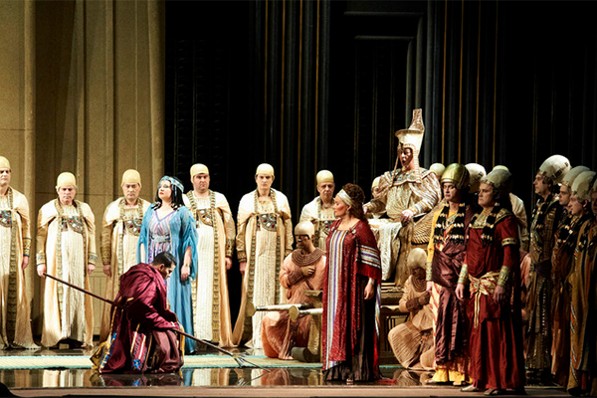
AIDA

Giuseppe Verdi

Performance Dates:

Oct. 15, 2013 | 19.00
Oct. 18, 2013 | 19.00

ARTISTIC TEAM:

Dan Ettinger | Conductor
Nicolas Joel | Artistic Director
Carlo Tommasi | Scenographer
Jan Stripling | Choreographer

CAST

Olga Borodina | Amneris
Kristin Lewis | Aida, Ethiopian slave
Marcello Giordani | Radames, Commmander
Markus Marquardt | Amonasro, Aida’s Father, King of Ethiopia

On their website there is an interesting video of the performance….
Click here to visit their web page…

Posted in Music, OPera | Tagged , , , | Leave a comment

VERDI’S 200th ANNIVERSARY: Don Carlo in Austin, Texas

austin-logo        

Austin Lyric Opera

doncarloaustin

Verdi’s Don Carlo

Nov. 16 – Nov. 24

Politics, love and family loyalties are tested in this epic battle of wills involving a tyrannical king, a despairing prince and an innocent young woman. Verdi’s tour de force tells the tale of powerful people who must accept their role as pawns in a tragic destiny. Austin Lyric Opera is presenting Don Carlo for the first time on the Austin stage, in celebration of the bicentennial of Verdi’s birth.

The Long Center is conveniently located at 701 W. Riverside Drive, at the corner of South 1st Street and West Riverside Drive, in Austin (Texas). If you have questions or comments, please call ALO Patron Services at 512.610.7684.

Posted in OPera | Leave a comment

“VIVA VERDI” presentation at the Italian Heritage Month’s celebration in Brooklyn.

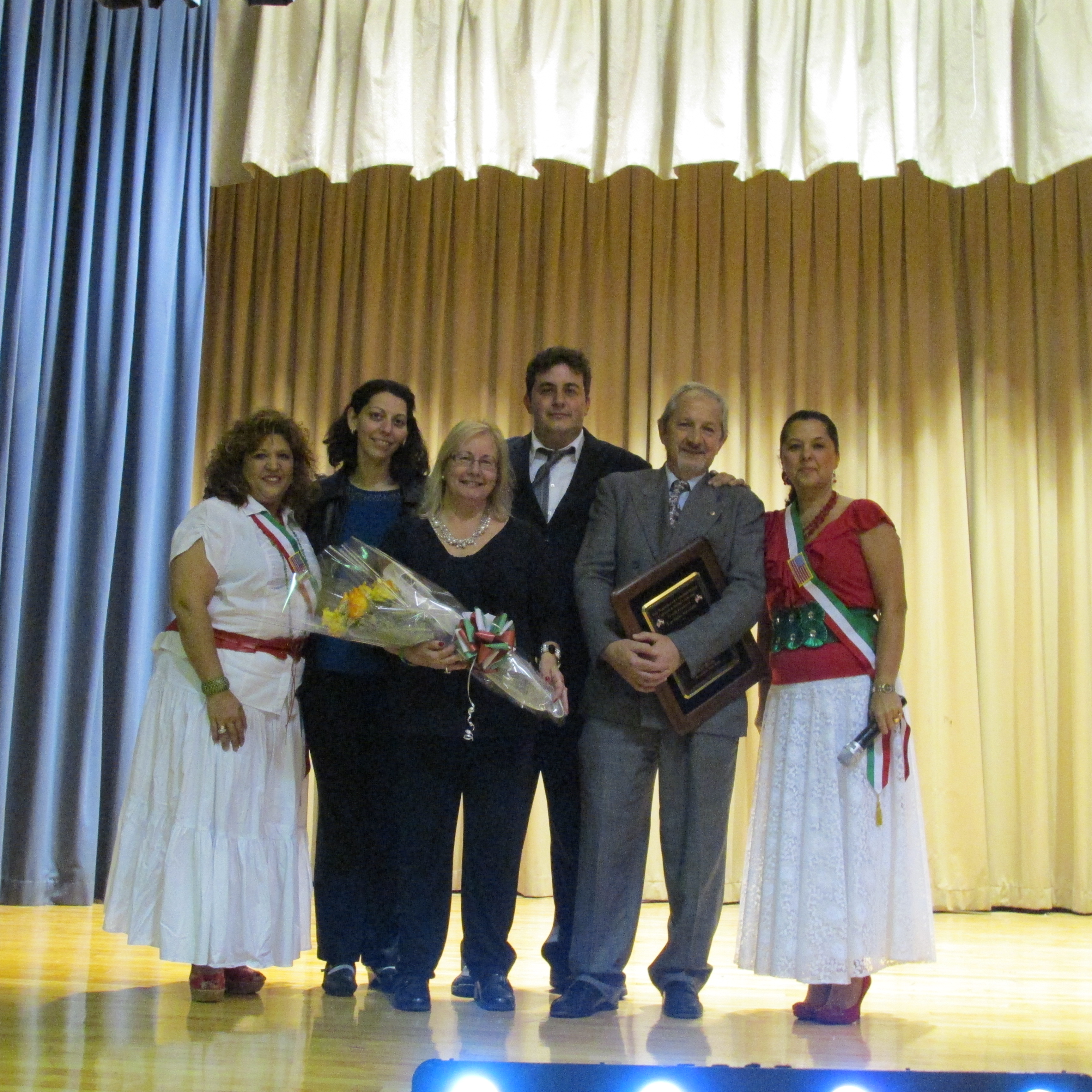
IMG_1061“VIVA VERDI” presentation at the Italian Heritage Month’s celebration in  Brooklyn.

Tiziano Thomas Dossena, Editorial Director of L’Idea Magazine, gave a presentation titled “Viva Verdi” at the celebrations of the Italian Heritage Month, in the auditorium of St. Athanasius Church in Brooklyn. The presentation proved to the large audience there is a common, everyday knowledge of Verdi’s works by the average American. With this interesting twist, Mr. Dossena, who in the course of the evening was awarded the “Italian American Personality of the Year” by the Associazione Culturale Pugliese Maria SS Addolorata, found a way to reclaim Verdi’s fame even in the eyes of whoever did not think opera was a likable entertainment.

IMG_1083Mr. Dossena showed that TV and movies are ripe with Verdi’s music and that everyone in the audience knew some of his arias, most often without realizing that it was from an opera. A brief biography of the composer complemented the presentation main theme, offering a chance to learn bits of this great man’s life story.


Below you can find some of the slides from the Presentation….

VIVA VERDI   VIVA VERDI2

VIVA VERDI4
Please click on VIVA VERDI to see all the images (pdf) from the presentation…

Posted in Lectures, Music, OPera | Tagged , , , , | Leave a comment