Rusalka at the Minnesota Opera


rusalka_minnesota

minnesota_logo

Performances

  • Sat. Jan. 23, 2016 at 7:30pm
  • Thurs. Jan. 28, 2016 at 7:30pm
  • Sat. Jan. 30, 2016 at 7:30pm
  • Sun. Jan. 31, 2016 at 2pm

rusalka1

Rusalka

Dvorak’s Most Lyrical Music

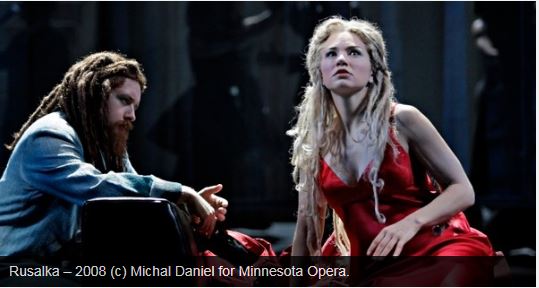
Rusalka, a beautiful water nymph, falls in love with a prince, sacrificing her voice in return for entry into his human world. But betrayal condemns her to eternal solitude. Dvorak juxtaposes the mortal and the mythical with beautiful folk melodies and luminous arias, including Rusalka’s heartbreaking “Song to the Moon.” Kelly Kaduce returns to the stage in a reprisal of Minnesota Opera’s critically acclaimed production.Preliminary run time of 3 hours and 1 minute, including two intermissions.Sung in Czech with English translations projected above the stage.

GALLERY

This slideshow requires JavaScript.


cast_minnesota

creative_minnesota

DvorakAntonín Dvořák

b Nelahozeves (Bohemia), September 8, 1841

d Prague, May 1, 1904

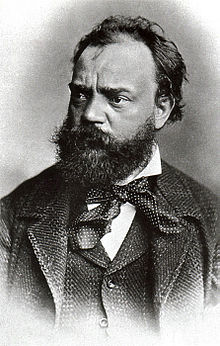
Mostly known for his symphonies, concerti and chamber works, Antonín Dvořák composed 10 operas, an art form he once declared to be his preferred genre. Born to humble peasant stock, Dvořák barely escaped oblivion when he was sent to live with his aunt and uncle at the age of 12. There he fostered an interest in music, becoming adept on a number of instruments and graduating from Prague’s School of Organ in 1859. He joined a band of local players, which eventually became the pit orchestra of the city’s new Provisional Theater three years later. In 1863, he had the opportunity to play a concert of Wagner’s music, with the great composer himself conducting, and was influenced as a result. A violist for almost a decade, Dvořák would be exposed to a wide variety of operatic styles during this period, including works by Gioachino Rossini, Giuseppe Verdi, Giacomo Meyerbeer, Charles Gounod, Jacques Offenbach and Carl Maria von Weber.

At that time, the notion of opera in the Czech language was in its infancy (as the transitory word “provisional” in the theater’s title would seem to indicate). Then part of the Austrian Empire, Bohemia was required to use German as its official language. Only by the middle of the century were major works being performed in Czech. The leader of the movement was the theater’s director, Bedřich Smetana, whose operas began to define a national style. Other composers of note included Karel Šebor, Karel Bendl, Richard Rozkšný, Voitěch Hřimalý, Zdenděk Fibich, Karel Kovařovic, Otakar Ostrčil, Vítězslav Novák, Josef Bohuslav Foerster, and most notably, Leoš Janáček.

Not willing to succumb to this patriotic fervor, Dvořák was strangely out-of-pace with his contemporaries, often choosing subjects and locales far from his native lands. His first opera, Alfred (1870/1938; set to German text) tells the struggle between England’s Alfred the Great and the invading Danes. Vanda (1876), written in the style of French Grand Opera, is set among Polish royalty, and the equally epic Dimitrij (1882) plays out in the Russian court, a sort of sequel to Boris Godunov. Jakobin (1889), though taking place in Bohemia, has its undercurrents in the rhetoric of the French Revolution and the tried-and-true theme of Armida (1904) is set during the Medieval Crusades. Even Rusalka’s wispy milieu is indeterminate. Coupled with charges of excessive Wagnerism, Dvořák was one to step to his own tune.

Written by a composer with a rich musical palette underlying problematic texts (unfortunately, he was not a strong dramatist), Dvořák’s operas were met with mixed reviews and are seldom produced beyond the Czech border. His fame chiefly rests on his orchestral works, which after a few false starts, he began to tour around Europe. In 1891, he was invited by Jeanette Thurber (founder of the ill-fated American Opera Company, a brief rival to the newly opened Metropolitan Opera) to become the director of the National Conservatory of Music, a three-year commitment with generous summer breaks. Rather than returning to Prague, Dvořák spent his first vacation in Czech-populated Spillville, Iowa. A great lover of trains, the composer took many short trips around the Upper Midwest, including one to Minneapolis for a visit to Minnehaha Falls while considering a setting of Henry Wadsworth Longfellow’s Song of Hiawatha. From this period comes one of his most popular works, the Symphony No. 9 “From the New World” as well as several other regionally-inspired pieces, such as the two string quartets (in f and e-flat), both called the “American,” and the famous Cello Concerto in b minor.

Toward the end of his life, Dvořák turned away from “abstract” music to more programmatic works. Rusalka dates from this period as does Armida, his final opera. Sadly, the composer died within months of its controversial premiere, unable to defend its merits or revise accordingly

Posted in OPera | Tagged , , | Leave a comment

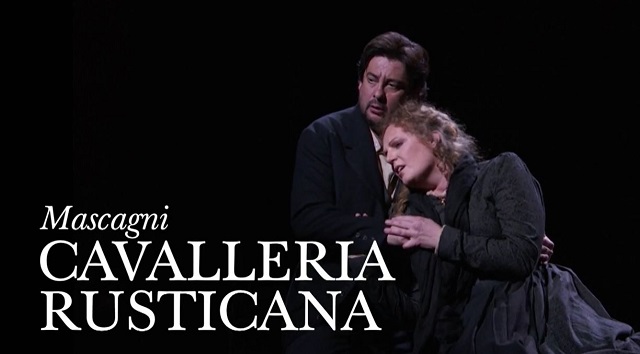
Cavalleria Rusticana/Pagliacci at the Metropolitan Opera in NYC

cavalleriatitlepagliaccititle
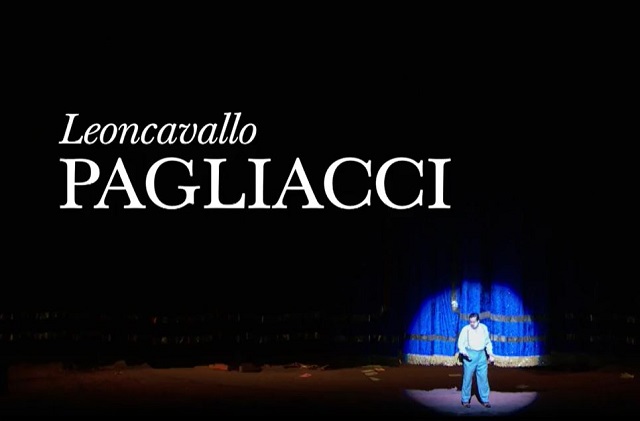
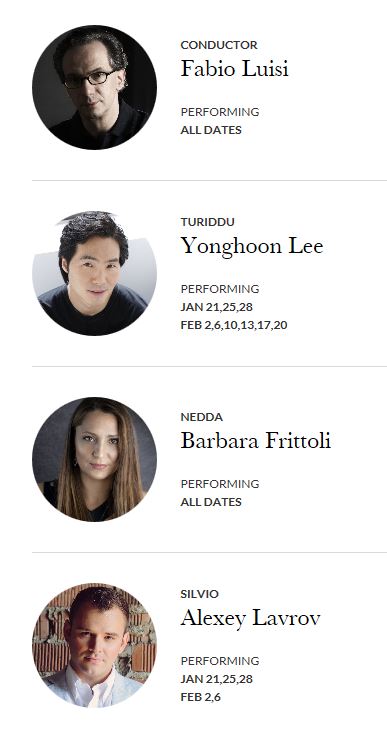
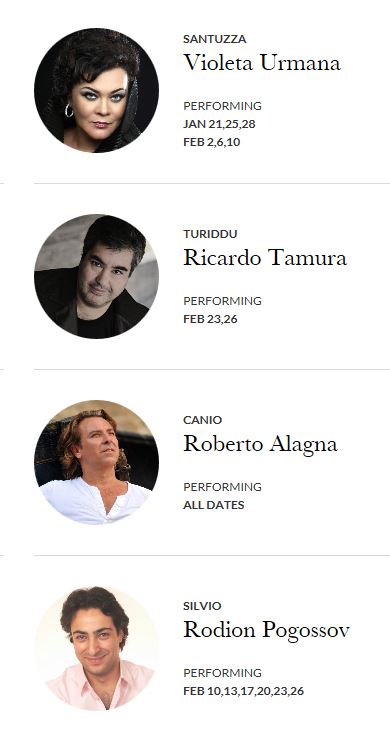
metlogoOpera’s indomitable double bill returns in Sir David McVicar’s searing production from the 2014–15 season. Tenor Yonghoon Lee and mezzo-soprano Violeta Urmana star in Cavalleria Rusticana, the tragedy of ancient codes and illicit love, Sicilian style. In the second half of the pair of verismo potboilers, tenor Roberto Alagna is the murderous clown Canio and soprano Barbara Frittoli is his philandering wife. Met Principal Conductor Fabio Luisi is on the podium.

Jan 21 – Feb 26 2016

cavalleria2

Cavalleria Rusticana, World premiere: Teatro Costanzi, Rome, 1890. Met company premiere: Chicago (on tour), December 4, 1891.

Pagliacci, World premiere: Teatro dal Verme, Milan, 1892. Met premiere: December 11, 1893.

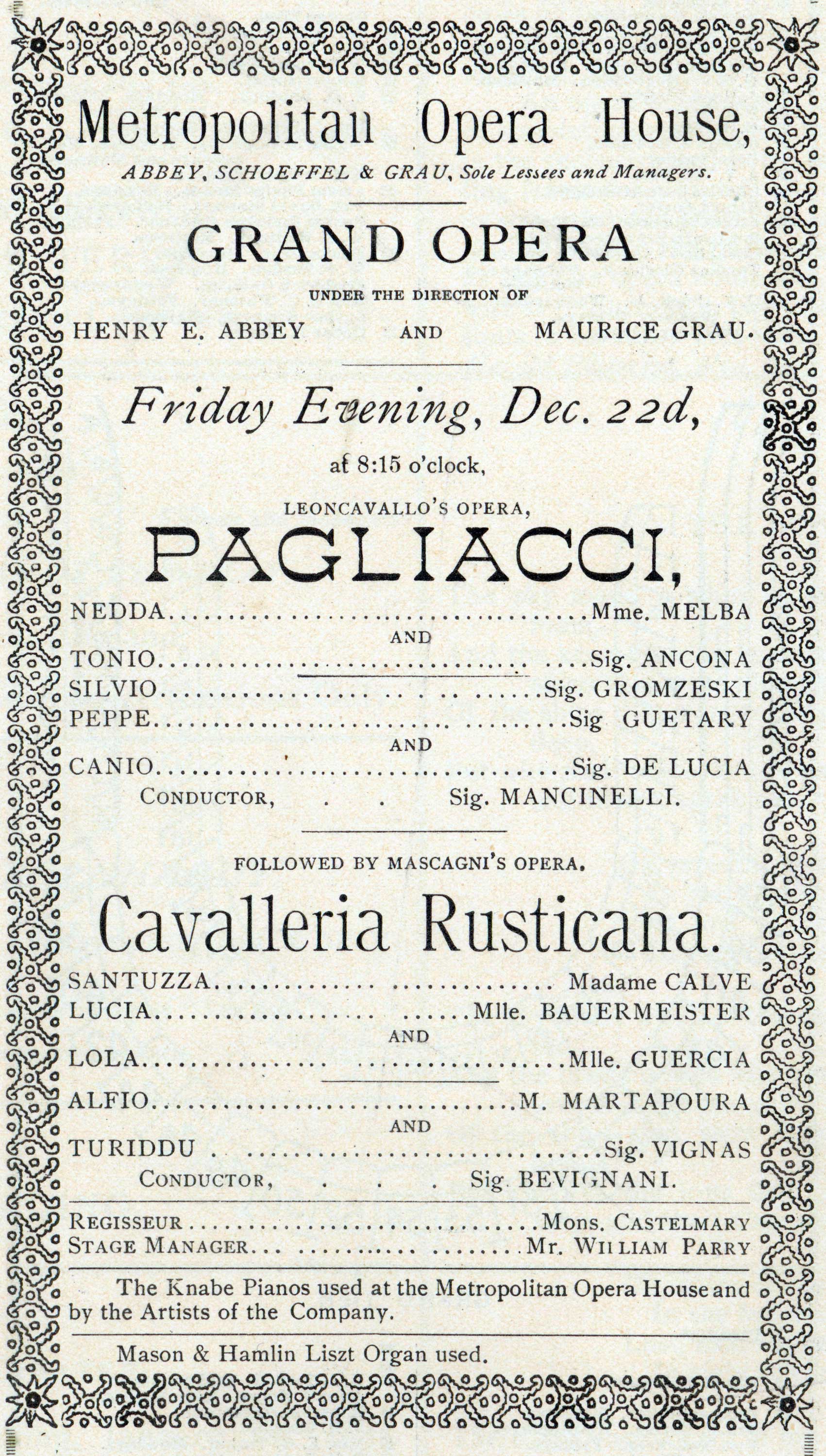
Metropolitan opera poster from the 1983 premiere

Metropolitan opera poster from the 1983 premiere

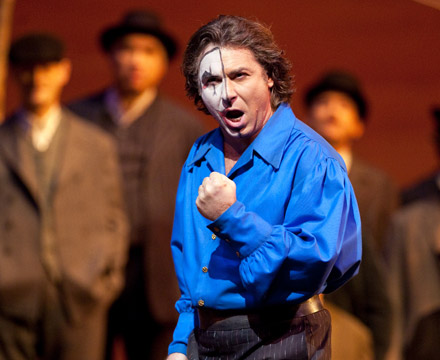
Roberto Alagna as Canio

Roberto Alagna as Canio

Two tales of passion, jealousy, and death set in southern Italy, Cav/Pag have been all but inseparable on the opera stages of the world since the Met first presented them as a double bill in 1893. The overwhelming success of Cavalleria was crucial in launching the verismo movement, inspiring other composers (including Leoncavallo) to turn to stories and characters from real life, and often from society’s grungier elements.

CAST

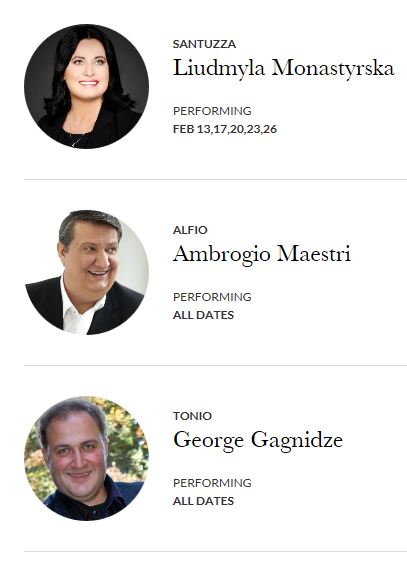
cavalleriacast1 cavalleriacast2 Cavalleriacast3

The Setting

pagliacci7p

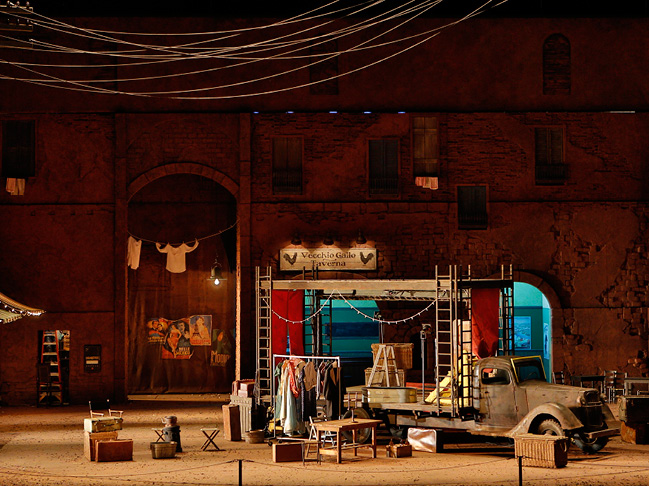
The setting of Cavalleria Rusticana in a Sicilian village is not merely picturesque. The village is, in a sense, a character in the opera—a crude place, untouched by modernity, close to nature’s cycles of life and death and the primitive human rituals associated with them. Pagliacci is originally set in Calabria, the Italian mainland region closest to Sicily. In the Met’s production, the action takes place in the same village across two generations, with Cavalleria set in 1900 and Pagliacci set in 1949.

GALLERY (Click to enlarge)

Cavalleria Rusticana

Pagliacci

Posted in OPera | Tagged , , , , , | Leave a comment

Turandot at the Metropolitan opera

turandottitlemetlogoNina Stemme takes on the title role of the proud princess of ancient China, whose riddles doom every suitor who seeks her hand, opposite Marco Berti as Calàf, the brave prince who sings “Nessun dorma” and wins her love. Anita Hartig and Leah Crocetto share the role of Liù, the faithful slave girl. Franco Zeffirelli’s golden production is conducted by Paolo Carignani.

January 11, 15, 18, 22,26, 30, 2016

turandotbottom

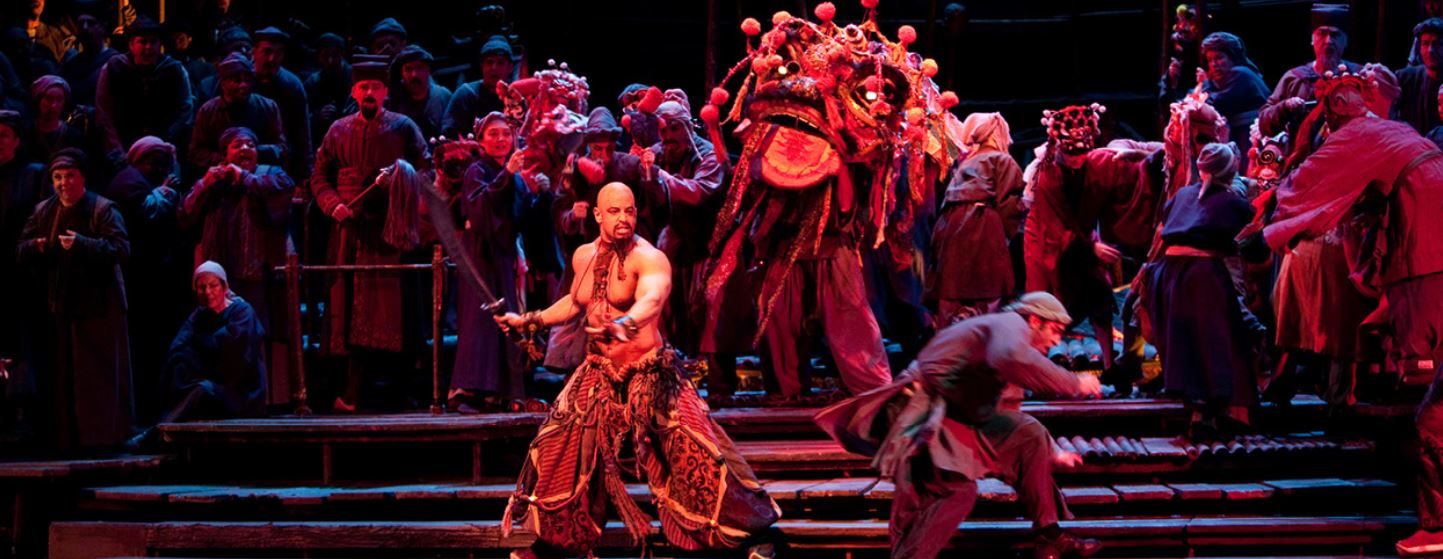
World premiere: Teatro alla Scala, Milan, April 1926. Met and U.S. premiere: November 16, 1926. Puccini’s final opera is an epic fairy tale set in a China of legend, loosely based on a play by 18th-century Italian dramatist Carlo Gozzi. Featuring a most unusual score with an astounding and innovative use of chorus and orchestra, it is still recognizably Puccini, bursting with instantly appealing melody. The unenviable task of completing the opera’s final scene upon Puccini’s sudden death was left to the composer Franco Alfano. Conductor Arturo Toscanini oversaw Alfano’s contribution and led the world premiere.

Production Franco Zeffirelli

Set Designer Franco Zeffirelli

Costume Designers Dada Saligeri

Costume Designers Anna Anni

Lighting Designer Gil Wechsler

Choreographer Chiang Ching

CAST  AND ARTISTIC TEAM

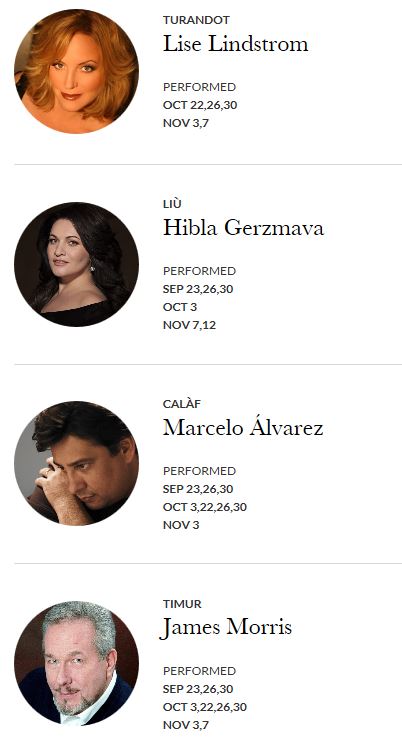
turandotcast1 turandotcast2 turandotcast3 turandotcast4 turandotcast5

In Gozzi’s play, the original commedia dell’arte characters wandered from Italy to China and were members of the Imperial court. Their comments satirized Venetian politics and mores of the times. Puccini and his librettists dispensed with any such relevance. The China of this opera, set in “legendary times,” is a mythical land where the clash of the sexes is drawn in high relief.

GALLERY

Posted in OPera | Tagged , , | Leave a comment

Stiffelio in Venice

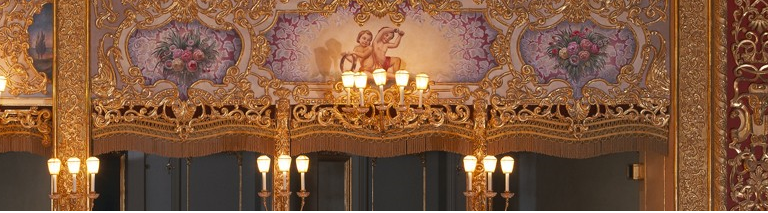
fenice

verdi_Stifelio logofeniceSTIFFELIO

Music by Giuseppe Verdi

Venice: La Fenice Opera House

Conductor: Daniele Rustioni

Director: Johannes Weigand

Sets & Lights Designer: Guido Petzold

Costumes: Judith Fischer

NEXT show:2016-01-22

LAST show:2016-02-03

Stiffelio2 Cast

Stiffelio ⎮ Stefano Secco
Lina ⎮ Julianna Di Giacomo
Stankar ⎮ Dimitri Platanias
Raffaele ⎮ Carlo Bosi
Jorg ⎮ Simon Lim
Dorotea ⎮ Elisabetta Martorana

Conductor ⎮ Daniele Rustioni
Director ⎮ Johannes Weigand
Sets & Lights Designer ⎮Guido Petzold
Costumes ⎮Judith Fischer

La Fenice Orchestra & Choir

Chorus Master ⎮ Claudio Marino Moretti

La Fenice Opera House new production

Locandina1850Stiffelio is an opera in three acts by Giuseppe Verdi, from an Italian libretto by Francesco Maria Piave, based on the French play Le pasteur, ou L’évangile et le foyer by Émile Souvestre and Eugène Bourgeois, which had been translated into Italian by Gaetano Vestri as Stifellius.
Verdi’s experience in Naples for Luisa Miller had not been a good one and he returned home to Busseto to consider the subject for his next opera. The idea for Stiffelio came from his librettist and, entering into a contract with his publisher, Ricordi, he agreed to proceed, leaving the decision as to the location of the premiere to Ricordi. This became the Teatro Grande (now the Teatro Comunale Giuseppe Verdi) in Trieste and, in spite of difficulties with the censors which resulted in cuts and changes, the opera – Verdi’s 16th – was first performed on 16 November 1850.

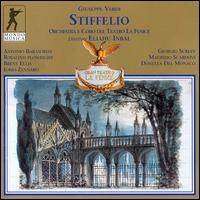
Stiffelio_Inbal SYNOPSIS 

Act 1

Scene 1: Hall within Count Stankar’s castle

Stifellio, who is a minister, is expected to arrive from a mission at any moment. Lina his wife and Stankar her father, as well as cousins Federico and Dorotea, eagerly await. Raffaele, Lina’s lover, also waits. Stiffelio arrives then talks about how his boatman had told of a couple escaping from a castle window. The boatman said that the couple dropped a packet of letters and he holds these letters in his hand. He refuses to open the letters and burns them. Lina and Raffaele are secretly relieved. The latter tells Lina that they can meet next, and the location, when he leaves instructions inside a locked book in their library. After the greetings are over, Stiffelio and Lina are left to themselves. He sings “She has no word for me, not a glance…” He talks about the sins he’s witnessed and sings “Everywhere I saw virtue groan beneath the oppressor’s yoke…” He notices that Lina’s wedding ring is not on her finger. He sings, angrily, “Ah, clearly written on your brow is the shame that wages war in your heart…” Stankar arrives to escort Stiffelio to some celebrations being arranged for him. Lina is alone and remorseful and she sings “Let my sighs and tears ascend to thee, O merciful God…”

graveyard  Act 2

Setting: Graveyard near castle

Lia visits her mother’s grave and prays, and she sings “Ah, from among the ethereal thrones, where, blessed, you take your seat…” Raffaele joins her. She asks him to leave and he is sad. He sings “Lina, then you wish to destroy this unhappy, betrayed wretch…” He refuses to leave and sings “I stay…” Stankar arrives, tells his daughter to leave and challenges Raffaele to duel with him. Stiffelio arrives and tells them that they can’t fight in a cemetery. He tries to reconcile the pair by joining both of the men’s hands together in a peaceful gesture. Stankar tells Stiffelio that he’s now touched the hand of the man who betrayed him. Stiffelio doesn’t understand and wants the mystery explained further. Lina returns and demands forgiveness from Stiffelio and then the latter starts to understand the situation. He sings “It cannot be! Tell me at least that it is a lie!” He wants more explanation and challenges Raffaelo as he is poised to strike the younger man. Jorg arrives on the scene because he wants the priest to go to the church, as he points out the congregation waiting and singing for him. Stiffelio is conflicted and he drops his sword and ask for inspiration from God so he can give a good sermon. At the same time, he curses his wife.

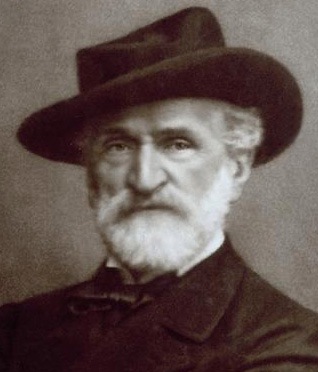
 GiuseppeVerdi Act 3

Scene 1: Room – Count Stankar’s Castle

As he’s alone in his room, Stankar looks at a letter which says that Raffaele has fled and asked Lina to join him. He’s in despair and distraught over his daughter’s behavior, and sings “Lina, I thought that in you an angel brought me heavenly bliss”. He thinks about committing suicide and starts to write a letter to Stiffelio. Jorg enters the scene and says he’s tracked down Raffaele and that the latter will be returning to the castle. Stankar is joyous and sings “Oh, the inexpressible joy that floods this heart of mine!” He sees sweet revenge within reach and leaves.


Posted in OPera | Tagged , , , , | Leave a comment

Werther at the Opera Bastille in Paris

Photo © Maria Letizia Piantoni

Photo © Maria Letizia Piantoni


Logo_OnPOpéra Bastille from 20 January to 04 February 2016
Opening night Wednesday 20 January 2016
3h25 with 2 intervals


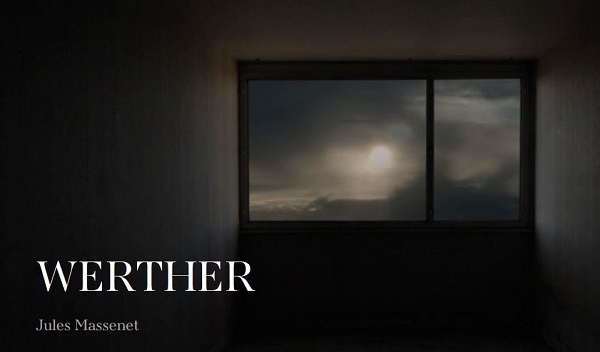
Werther

Drame lyrique in four acts and five scenes (1892)

MUSIC Jules Massenet
Libretto Edouard Blau Paul Milliet Georges Hartmann

After Johann Wolfgang von Goethe
In French

Conductor
Michel Plasson
Director
Benoît Jacquot
Werther
Piotr Beczala
Albert
Stéphane Degout
La Bailli
Paul Gay
Schmidt
Rodolphe Briand
Johann
Lionel Lhote
Charlotte
Elīna Garanča
Sophie
Elena Tsallagova
Brühlmann
Arto Sarkissian
Kätchen
Pauline Texier
Set design
Charles Edwards
Costume design
Christian Gasc
Lighting design
André Diot
After
Charles Edwards

Paris Opera Orchestra
Maîtrise des Hauts-de-Seine / Paris Opera Children’s Chorus
Original production from the Royal Opera House, Covent Garden London

French and English surtitles

werther8

WertherQuote

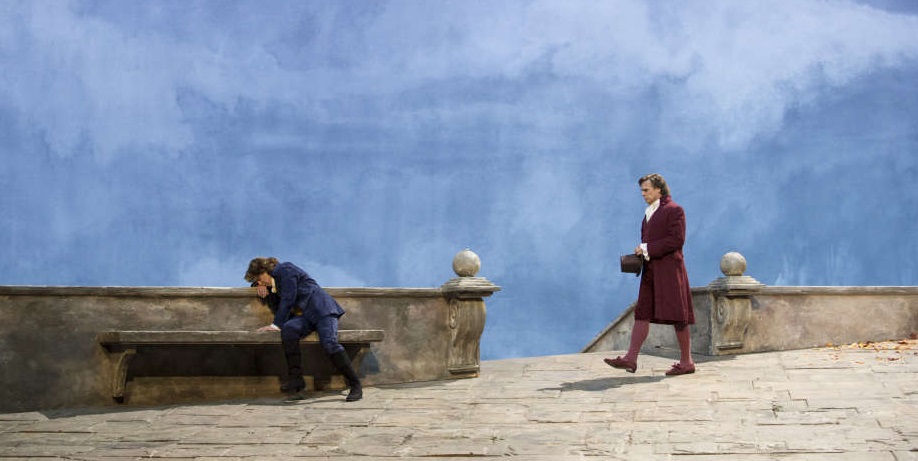
werther13“Nothing is more moving than this combination of pain and meditation, introspection and delirium portraying the unfortunate man contemplating himself in thought and succumbing to pain; directing his imagination towards himself; strong enough to watch himself suffer and yet incapable of bringing any relief to his tormented soul.” So wrote Madame de Staël in 1800. Fourteen years later, in De l’Allemagne, she restated her admiration for Werther and “all that Goethe’s genius could produce when he was passionate.”

wertherDvd Even though more than a century separates the publication of the novel from the creation of Massenet’s operatic drama, the composer remains faithful to Goethe’s truly personal literary model and captures the palpable signs of nascent romanticism – that Sturm und Drang whose turmoil would liberate all that was intimate.

In a discreet Clair de lune, the orchestra murmurs the silent empathy of two people holding each other by the arm for fear that their hands or their hearts might touch, until finally, in a febrile outburst of fervour, the tears of Charlotte, embodied by ElĪna Garanča, release the impassioned lyricism of inevitably doomed love.

Posted in OPera | Tagged , , , | Leave a comment

The Mikado at the English National Opera in London

mikado2

eno1

  • Running time: 2hr 40mins
  • Language: Sung in English, with lyrics projected above the stage
  • Signed Performance: 3 February 2016

mikado_perf


The Mikado cast and creative team

Conductor   Fergus Macleod

Director   Jonathan Miller

Revival Director    Elaine Tyler-Hall

Set Designer    Stefanos Lazaridis

Costume Designer   Sue Blane

Lighting Designer   Davy Cunningham

Choreographer    Anthony van Laast

Ko-Ko  Richard Suart

Nanki-Poo  Anthony Gregory

Yum-Yum  Mary Bevan

Pooh-Bah  Graeme Danby

Katisha  Yvonne Howard

The Mikado of Japan  Robert Lloyd

Pish-Tush  George Humphreys

Peep-Bo  Fiona Canfield

Pitti-Sing  Rachael Lloyd

Co-production with Houston Grand Opera and Los Angeles Music Center Opera

Supported by the van Steenis family in memory of Jhr Dr Dick van Steenis

Audio clips: © p1986 JAY Productions Ltd.  Used with permission and under license from JAY Productions Ltd.

Nanki-Poo loves Yum-Yum. Just one snag. She’s betrothed to Ko-Ko, the new Lord High Executioner. And Ko-Ko needs to find someone to execute – chop chop! Otherwise, it’s his own neck on the block. Maybe Ko-Ko and Nanki-Poo can come to some arrangement… without anyone losing their head?

‘Irresistible… a brilliant comic performance.’ ★★★★ The Stage

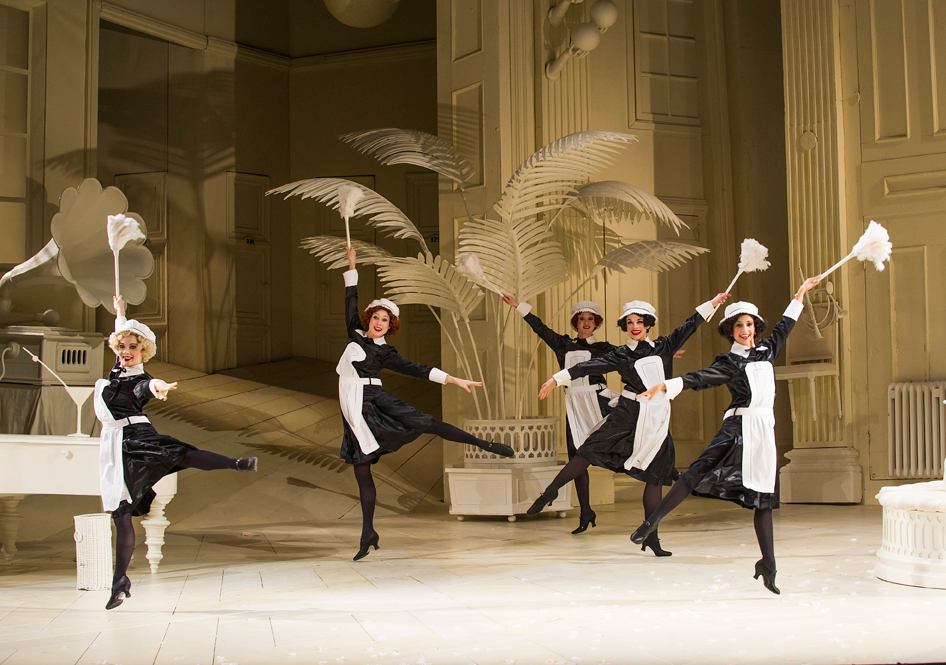
Set in an ever-so English 1930s seaside hotel, Jonathan Miller’s Marx Brothers-inspired song-and-dance Mikado is a popular hit with audiences of all ages. The combination of Gilbert’s virtuosic wit, Sullivan’s memorable melodies and Miller’s hilarious antics is irresistible.

‘Riotous production hits the funny bone once again’ ★★★★ What’sOnStage

Distinguished bass Robert Lloyd sings the genial Mikado for the first time, 46 years after making his ENO debut, while Richard Suart, the acknowledged master of the Lord High Executioner’s pathological ‘little list’, returns as Ko-Ko. ENO Harewood Artists Mary Bevan and Anthony Gregory play the lovers Yum-Yum and Nanki-Poo, while ENO Mackerras Conducting Fellow Fergus Macleod makes his company debut.

‘Feels as fresh as paint… this fine cast make the evening hum’ ★★★★The Guardian

mikado200

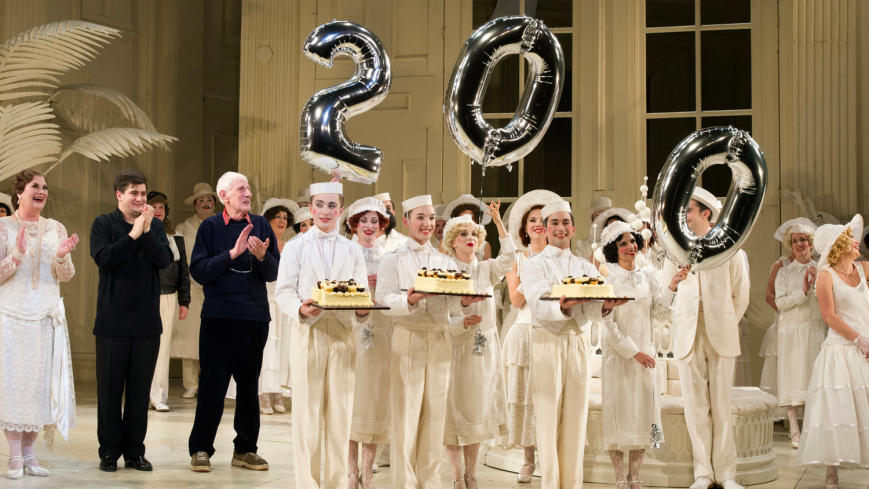
On Sunday 6 December 2015, Jonathan Miller’s production of The Mikado celebrated its 200th performance. Originally opening in September 1986, it has delighted audiences (and ENO staff) for almost 30 years. We’ve been looking back at some of our favourite memories.

Posted in OPera | Tagged , | Leave a comment

Il trovatore in Israel

logoisraelioperaIL TROVATORE

Saturday 02/01/2016  20:00
Monday  04/01/2016  20:00
Tuesday  05/01/2016  20:00
Thursday  07/01/2016  20:00
Friday  08/01/2016  13:00
Saturday  09/01/2016  20:00
Monday  11/01/2016  20:00
Tuesday  12/01/2016  20:00
Wednesday  13/01/2016  20:00
Friday  15/01/2016  13:00
Saturday  16/01/2016  20:00
Thursday  14/01/2016  20:00

trovatore3

Libretto Salvadore Cammarano
Conductor Daniel Oren
Director Michal Znaniecki
Video Artist Michal Rovner
Set Designer Luigi Scoglio
Costume Designer Giusi Giustino
Lighting Designer Bogumil Palewicz

Among the soloists:

Manrico Gustavo Porta 31.12, 2.1, 5.1, 8.1, 11.1, 13.1, 16.1
Alfred Kim 1.1, 4.1, 7.1, 9.1, 12.1 ,14.1, 15.1
Leonora Svetla Vassileva  2.1, 5.1, 7.1, 9.1, 13.1, 16.1
Dinara Alieva 31.12, 4.1, 8.1, 12.1, 15.1
Ira Bertman 1.1, 11.1, 14.1
  Azucena  Marianne Cornetti 31.12, 1.1, 2.1, 4.1
 Enkelejda Shkosa 5.1, 7.1, 8.1., 9.1, 11.1, 13.1, 16.1
 Svetlana Sandler 12.1, 14.1, 15.1
Di Luna              George Petean 31.12, 2.1,4.1, 5.1
Ionut Pascu 1.1, 7.1, 8.1, 9.1, 11.1, 12.1, 13.1, 14.1, 15.1, 16.1
Ferrando Carlo Striuli
Inez Alla Vasilevitsky 31.12, 1.1, 2.1, 5.1, 12.1, 13.1, 15.1
Anat Czarny  4.1, 7.1, 8.1, 9.1, 11.1, 14.1, 16.1
Ruiz Eitan Drori
Old Gypsy Vakhtang Megrelidze
Delivery person Liran Kopel

trovatore4The Israeli Opera Chorus
Chorus Master: Ethan Schmeisser

The Opera Orchestra – The Israel Symphony Orchestra Rishon LeZion

English & Hebrew Surtitles
Translation: Israel Ouval

SYNOPSIS

Act I: The Duel

Scene I 

Ferrando, the captain of the guard, and his men are standing by the door. The men are on guard by order of Count di Luna, who wishes to capture a troubadour (a minstrel knight) who has been heard on several occasions serenading the duchess Leonora, for whom the Count has a deep but unrequited love. At the men’s request Ferrando tells the story of Garzia, the Count’s brother. When still a baby, Garzia was found with an old gipsy hag at his cradle. She was driven off, but the boy’s health failed and it was believed that the gipsy had bewitched him. She was captured and burnt at the stake. Her daughter, Azucena, swore revenge on her mother’s death: on the day of her execution young Garzia disappeared and the burned remains of a baby were found in the ashes of the old gypsy’s funeral pyre. The old Count later died, and nothing was heard since of Azucena, although her mother’s spirit is said to have roamed the skies at night. The tale is interrupted by the chiming bells.

Scene II

trovatore5Leonora and her maid Inez are in the garden. Leonora tells her how she met a mysterious knight at a tournament and fell in love with him. The knight vanished when civil war broke out. At night she has heard her troubadour singing below her window. Inez suggests that Leonora forget her lover, but the latter says she would rather die than lose him. The Count enters, declaring his burning passion for Leonora. He is about to enter her apartment when he hears a distant serenade: it is Manrico, the troubadour, who has come to woo his love. Leonora hurries to greet her lover, but mistakenly addresses the Count, and is accused of treachery by Manrico.

Act II: The Gypsy

Scene I: An encampment of gypsies

Azucena relates the story of her mother’s death and the tragic events at the pyre. Manrico asks her whether he is really her son, and she hastens to reassure him. Manrico then tells of the duel between him and the Count and how he spared his life, for he was sure he had heard a voice from heaven which bid him do this. Ruiz, a messenger from the Prince of Biscay, enters with orders for Manrico to take command of the forces defending the fortress of Castellor, and at the same time bears the news that Leonora is about to enter a convent, thinking Manrico is dead.

trovatore

Scene II

The Count plans to carry Leonora off before she takes her vows. Nuns are heard from afar as Leonora and Inez enter. Just before the Count is about to seize Leonora, Manrico stands between them and his men surround the Count. Astonished, Leonora rushes into Manrico’s arms.

Act III: The Gypsy’s Son

Scene I: The camp of Count di Luna

The Count’s men are getting ready to attack Castellor. The Count himself is paining over his loss of Leonora, when Ferrando brings Azucena, who was captured while wandering near the encampment. She tries to divert attention from herself in a song, but Ferrando recognizes her as the gipsy who threw the brother of the Count into the fire. She further enrages the Count by calling for her rescue by her son Manrico, and he sentences her to be burned at the stake.

Scene II: A room adjoining the chapel at Castellor

Leonora is preparing for her wedding to Manrico. Just as they are about to enter the altar of the chapel, Ruiz enters with news of Azucena’s capture by the Count, and of her death sentence. Manrico drops Leonora’s hand and draws his sword, leading his men to the rescue of Azucena.

trovatore1

Act IV: The Execution

Scene I

Manrico’s rescue plan has failed. His men have retreated, and he has been thrown into a dungeon in the palace. Leonora arrives to try and save him, wearing a ring that conceals poison. Cries of Miserere are heard from within the castle serving as a background to the heart-broken lament of Leonora. Manrico is in despair as he cannot save Leonora. The Count enters and Leonora promises to wed him if he frees Manrico. The Count consents, not knowing that she is planning to take the poison.

trovatore2

Scene II A prison

Manrico and Azucena are awaiting their death in the tower. Azucena has a frightening vision of the death that awaits her. Manrico tries to calm her, and she finally falls asleep. Leonora hurries to tell Manrico that he is free. Manrico, suspecting her bargain with the Count, accuses her of betrayal. The poison which she has already drunk begins to take effect and she slowly sinks to her death. Count di Luna enters only to find Leonora dead in her lover’s arms. He orders the immediate death of Manrico, and summons Azucena to witness her son’s execution. As the fatal blow falls, she tells the Count that he has just killed his own brother, and finally her mother’s death has been avenged.

Posted in OPera | Tagged , , , , , , | Leave a comment

Nabucco at the Lyric opera in Chicago

Lyricopera_logoNabucco

Opera by Giuseppe Verdi

In Italian with projected English titles

January 2016
Saturday 01/23/16 7:30 PM
Wednesday 01/27/16 7:30 PM
Sunday 01/31/16 2:00 PM

February 2016
Wednesday02/03/16 2:00 PM
Saturday 02/06/16 7:30 PM
Tuesday 02/09/16 7:30 PM
Friday 02/12/16 7:30 PM

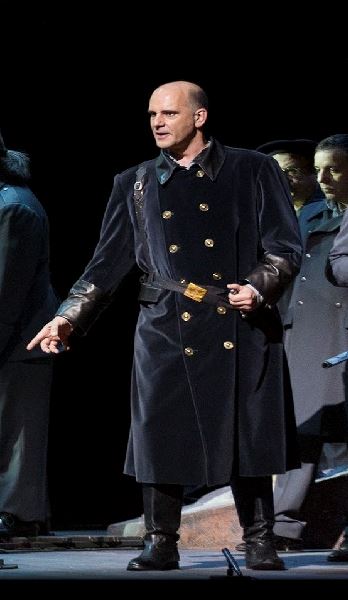
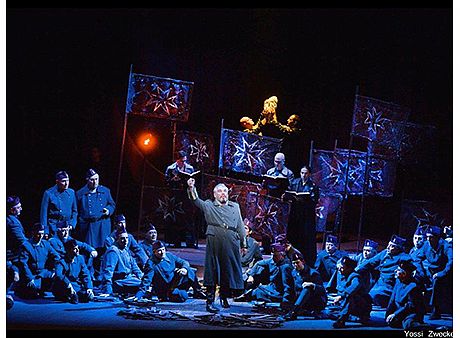
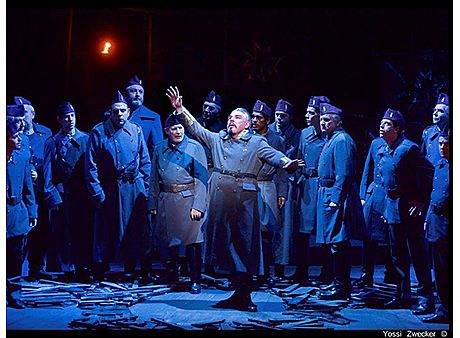
Politics. Religion. A dangerous love triangle. Plus two killer roles and some of the greatest choral music ever written, including the soul-stirring “Va, pensiero” chorus. The ensembles are as thrilling as the arias in the opera that made Verdi a star!

On one side, the fiery Hebrew priest Zaccaria, battling to lead his people from oppression. On the other, Nabucco, the tyrannical Babylonian king and his adopted daughter Abigaille, who will stop at nothing to get her father’s throne and her sister’s lover.

Photo: Cory Weaver (San Diego Opera)

Photo: Cory Weaver (San Diego Opera)

Željko Lučić (Lyric’s riveting Rigoletto in 2013) is Nabucco, a role compared to Shakespeare’s King Lear in its majestic sweep. This is Verdi’s first great role for baritone! Experience Nabucco’s journey from despised despot to self-proclaimed god — and then from paranoid madman to grateful father redeemed by faith.

And watch as dramatic-soprano phenom Tatiana Serjan eats up the stage as the warrior princess Abigaille, worthy sister to Lady Macbeth in her lust for power. There’s no leading lady in opera more formidable than Abigaille, who sails up to blockbusting high Cs at the slightest provocation!

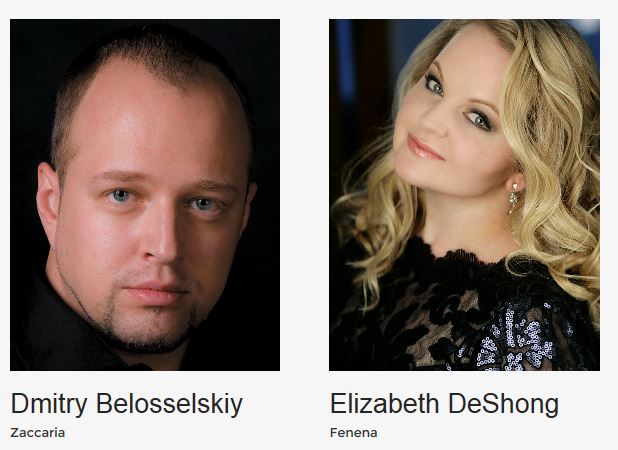
Russian’s mighty Dmitry Belosselskiy is Zaccaria, one of Verdi’s few roles for a truly virtuoso bass. And velvet-voiced Elizabeth DeShong is Nabucco’s gentle daughter Fenena, whose sweet, soulful music is the perfect contrast to the fiery Abigaille!

Performance running time: 2 hours 38 minutes including 1 intermission

Elizabeth Morse Genius Charitable Trust, The Elizabeth Morse Charitable Trust, the Harris Family Foundation, and Katherine A. Abelson and Robert J. Cornell are the generous sponsors of Lyric’s presentation of Verdi’s Nabucco. Lyric Opera production originally made possible by the Gramma Fisher Foundation of Marshalltown, Iowa.

Please note that this production is different from the one originally announced in January 2015.

CAST

nabuccocast1

nabuccocast2nabuccocast3nabuccocast5ARTISTIC TEAM

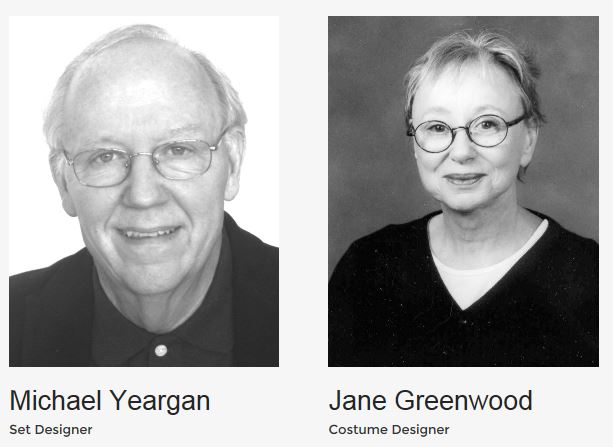
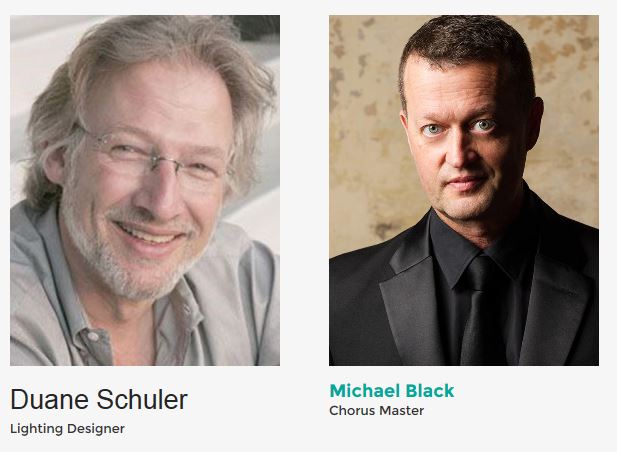
nabuccocast4nabuccoteam1nabuccoteam2

Posted in OPera | Tagged , , , , | Leave a comment

La Boheme at the Metropolitan Opera

bohememettitle
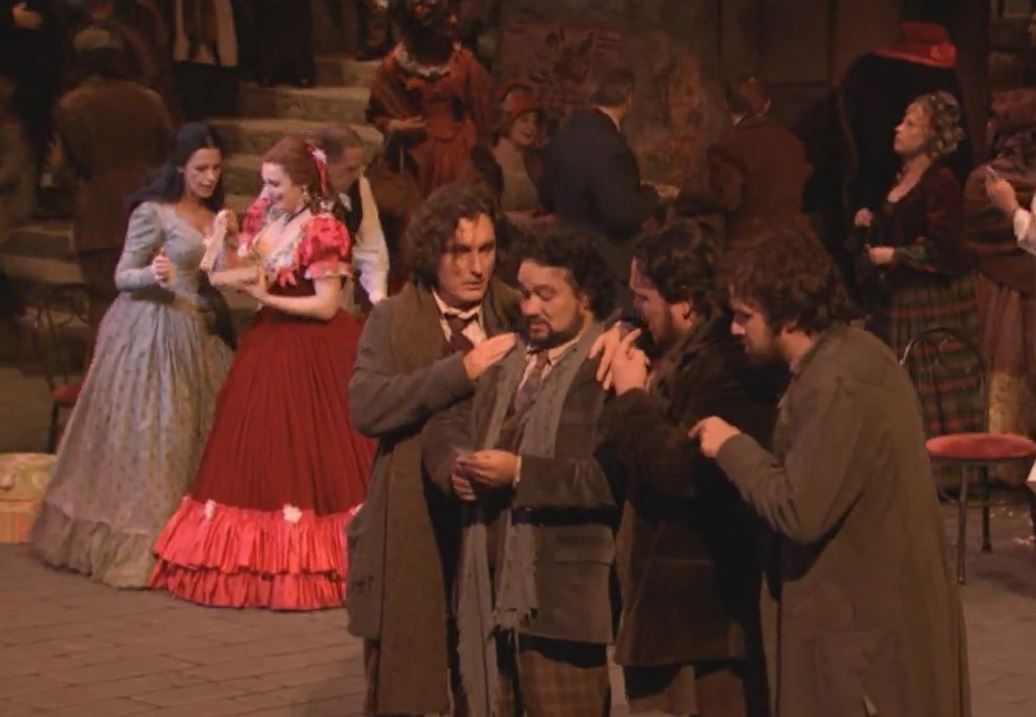
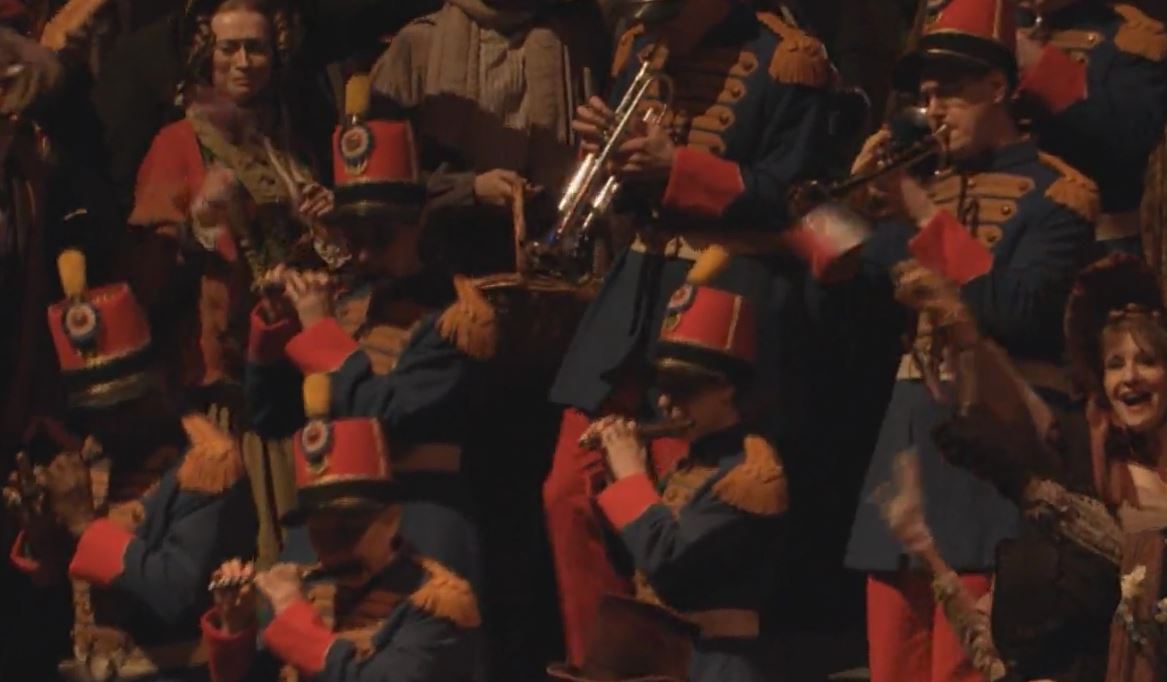
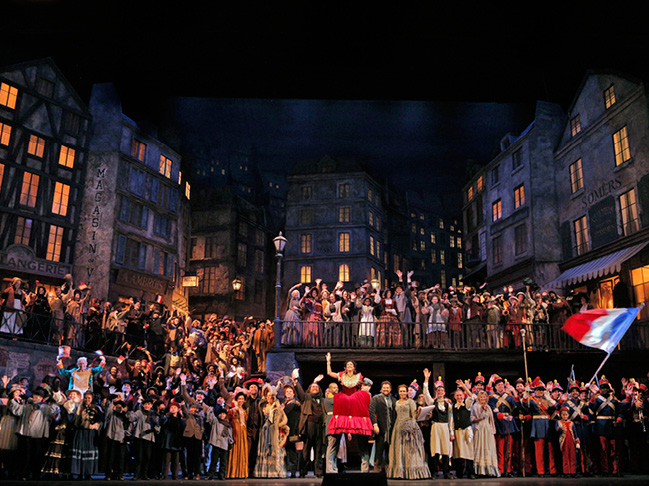
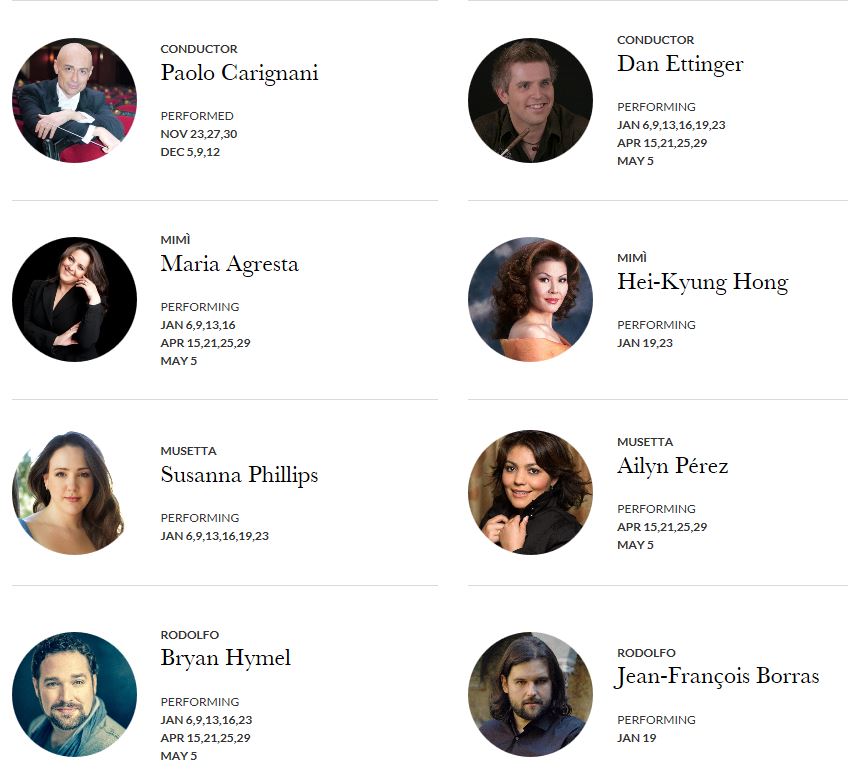
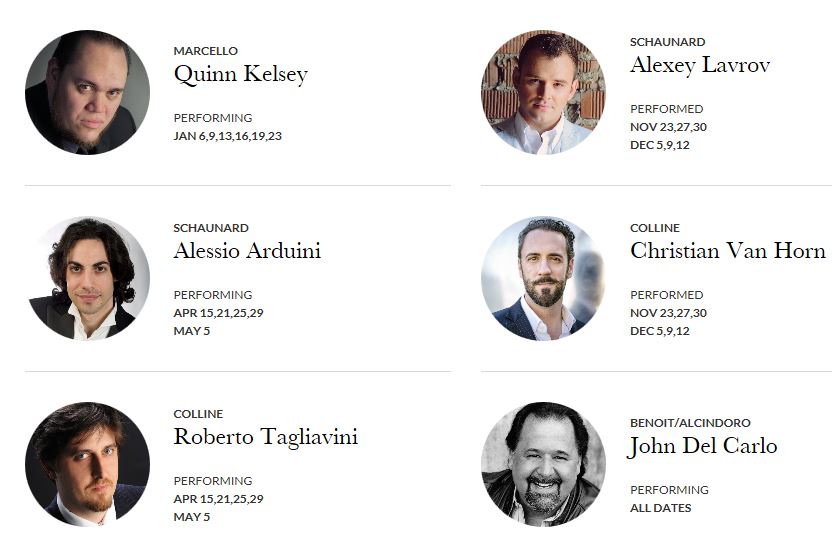
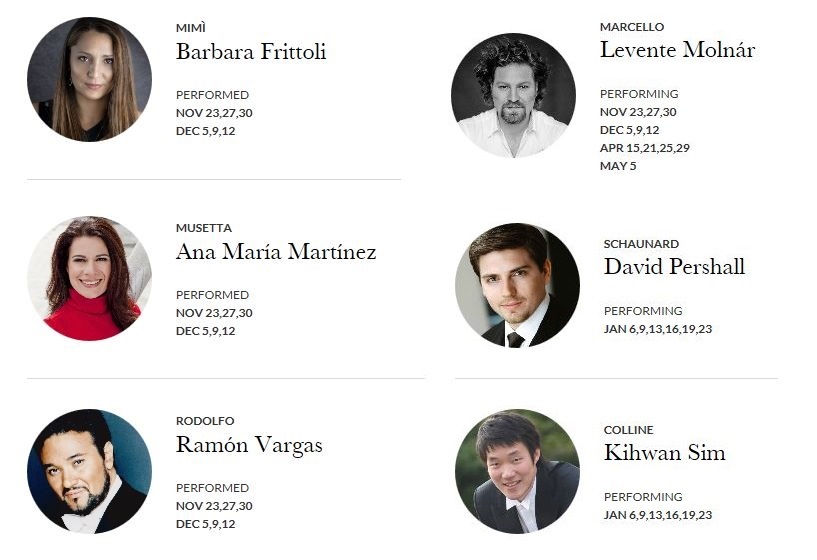
metlogoPuccini’s unforgettable tale of love, youth, and tragic loss returns in Franco Zeffirelli’s classic production, perhaps his most beloved staging of all. Barbara Frittoli, Maria Agresta, Ramón Vargas, and Bryan Hymel are among the artists appearing as the young Parisian lovers in the bohemian setting that brings the Latin Quarter to life on the stage of the Met. Paolo Carignani and Dan Ettinger conduct.

bohememet3

World premiere: Teatro Regio, Turin, 1896. Met company premiere: Los Angeles (on tour), November 9, 1900. La Bohème, the passionate, timeless, and indelible story of love among young artists in Paris, can stake its claim as the world’s most popular opera. It has a marvelous ability to make a powerful first impression and to reveal unsuspected treasures after dozens of hearings. At first glance, La Bohème is the definitive depiction of the joys and sorrows of love and loss; on closer inspection, it reveals the deep emotional significance hidden in the trivial things—a bonnet, an old overcoat, a chance meeting with a neighbor—that make up our everyday lives.

bohememet6

Lyrical and touchingly beautiful, the score of La Bohème exerts an immediate emotional pull. Many of its most memorable melodies are built incrementally, with small intervals between the notes that carry the listener with them on their lyrical path. This is a distinct contrast to the grand leaps and dives that earlier operas often depended on for emotional effect. La Bohème’s melodic structure perfectly captures the “small people” (as Puccini called them) of the drama and the details of everyday life.

 SETTING

bohememet9p

The libretto sets the action in Paris, circa 1830. This is not a random setting, but rather reflects the issues and concerns of a particular time when, following the upheavals of revolution and war, French artists had lost their traditional support base of aristocracy and church. The story centers on self-conscious youth at odds with mainstream society—a Bohemian ambience that is clearly recognizable in any modern urban center. La Bohème captures this ethos in its earliest days.
For a review of the 2014 performance, please click here ****

CASTbohememetcast1 bohememetcast2
bohememetcast3b
GALLERY

Posted in OPera | Leave a comment

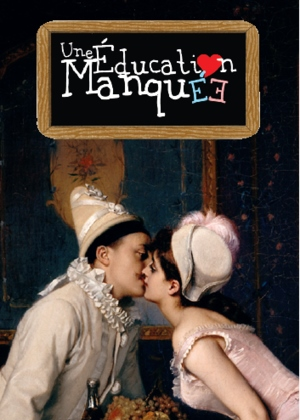
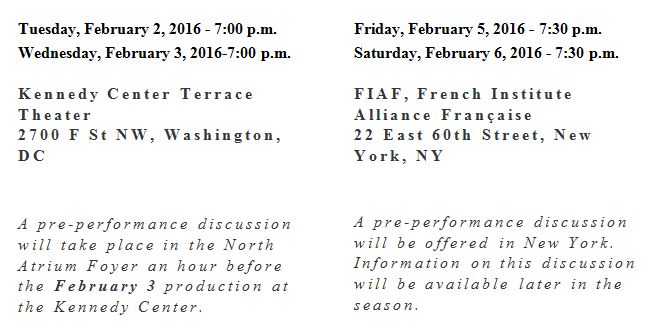
Une Éducation Manquée in Washington and New York City!

education_manquee_title

(An Incomplete Education)

OperaLafayette_logoPresented in partnership with the French Institute Alliance Française
Music by Emmanuel Chabrier
Libretto by Eugène Letterier and Albert Vanloo
Opera sung in French with English supertitles

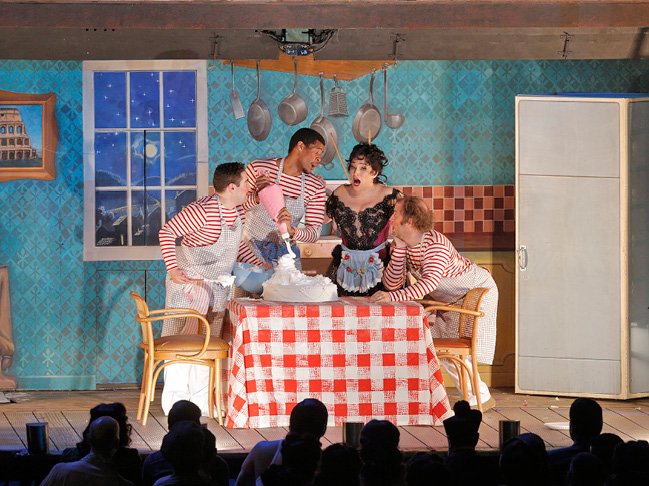
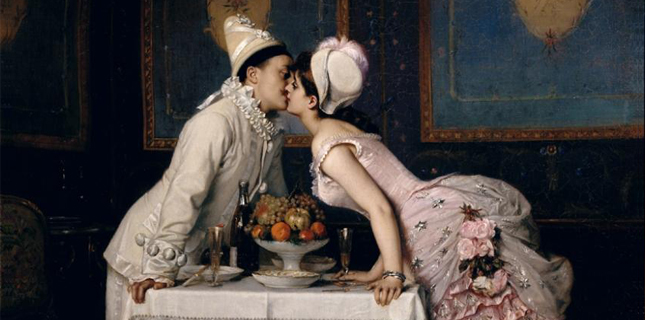
Count Gontran, a young teen, is well-versed in Greek and metaphysics, but he is woefully unprepared for his wedding night. He and his bride turn to relatives and mentors in frantic search of a coup de foudre to spark their romance in this opéra-comique by composer Emmanuel Chabrier.

This charming 19th-century opéra – comique invites the audience back to the carefree days of adolescent love, when life’s greatest challenge was how to ignite a romance. Highlighting the return of Bernard Deletré, director of 2013’s Lalla Roukh (“graceful and witty,” The New York Times), and costumes by Bessie-nominated designer Patricia Forelle, this production features a mesmerizing cast and the addition of rarely performed songs by Chabrier.

educationmanquee


Music by Emmanuel Chabrier

Libretto by Eugène Letterier and Albert Vanloo
In French with English supertitles

FIAF is delighted to welcome 18th-century French opera specialists Opera Lafayette back to Florence Gould Hall with this charming production featuring period costumes and a superlative cast.


Pre-performance discussion at 6:30pm in Tinker auditorium

CAST
Amel Brahim Djelloul, Gontran
Sophie Junker, Hélène
Dominique Cote, Pausanias
Jeffery Watson, Piano
Bernard Deletré, Director
Patricia Forelle, Costumes

2016-02-05-opera-s

PERFORMANCES IN WASHINGTON AND NEW YORK CITY!!

francaise


Posted in OPera | Leave a comment