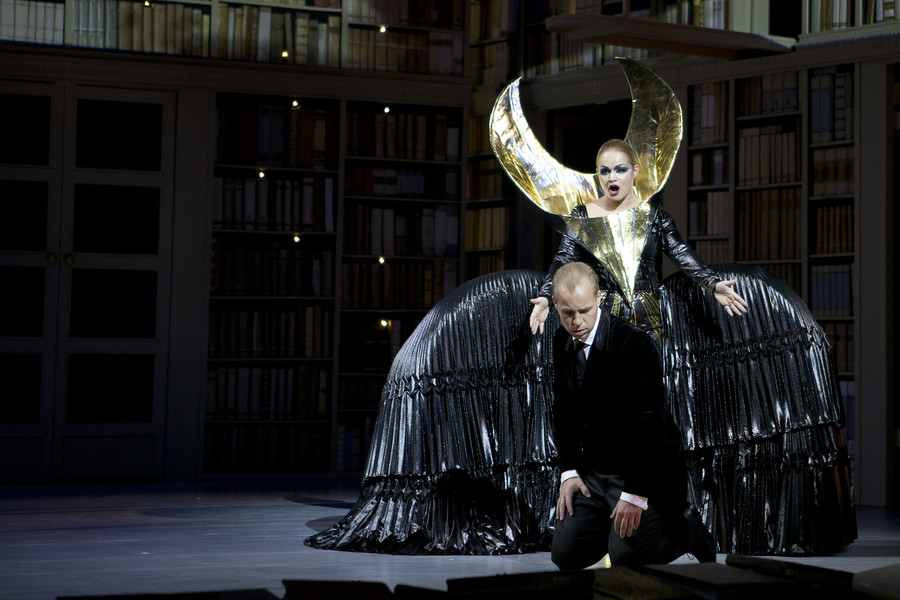
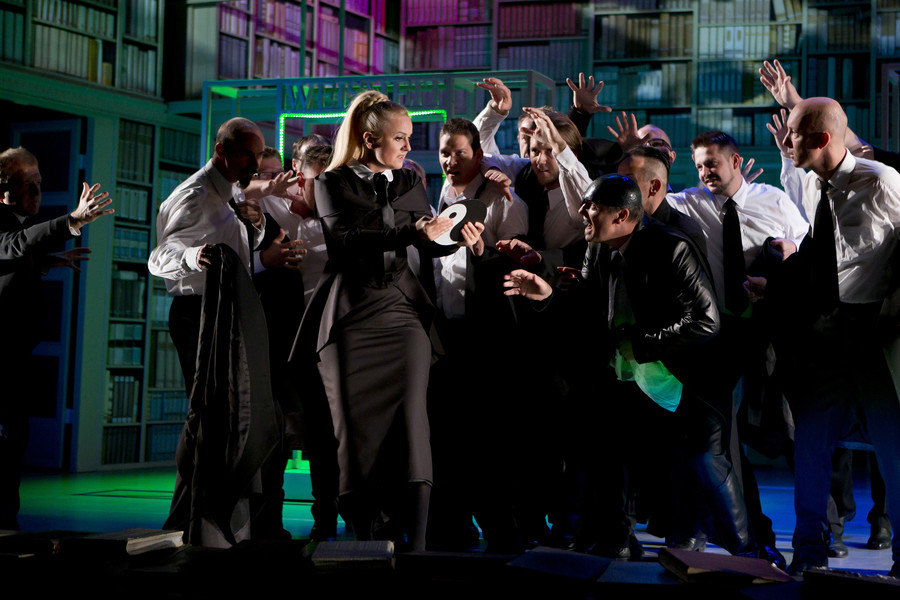
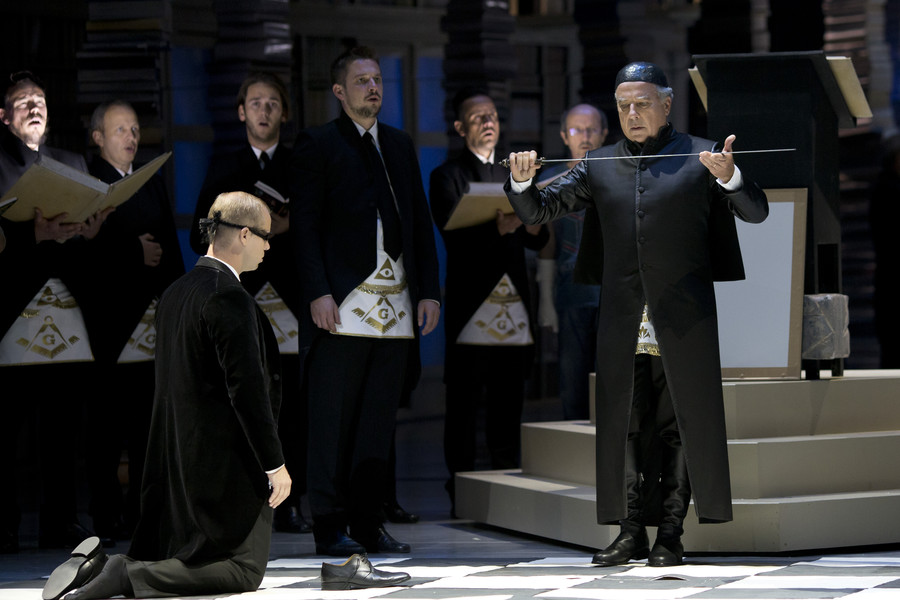
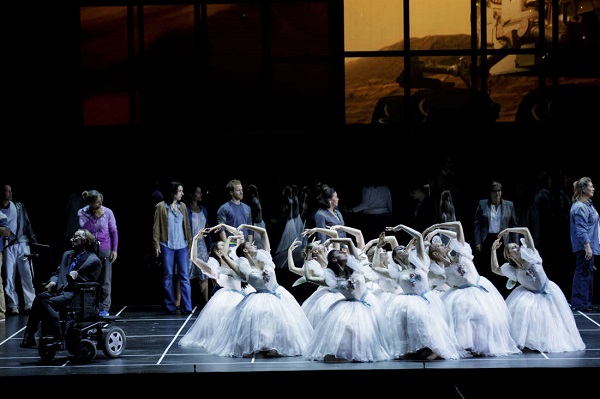
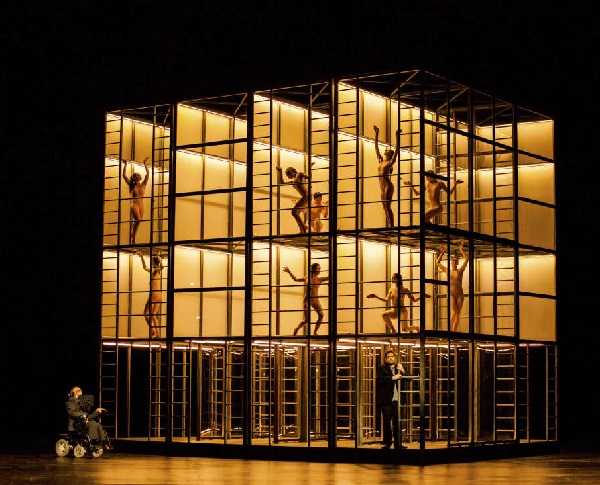
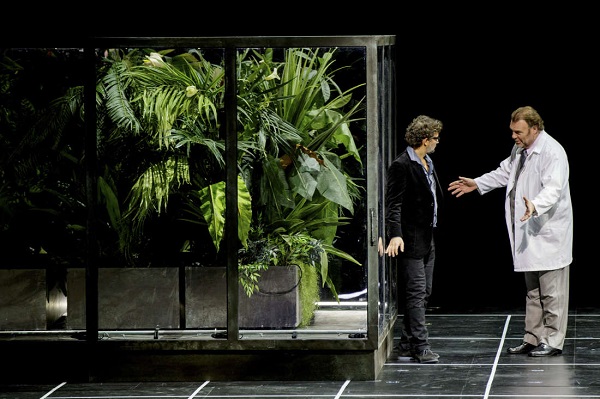
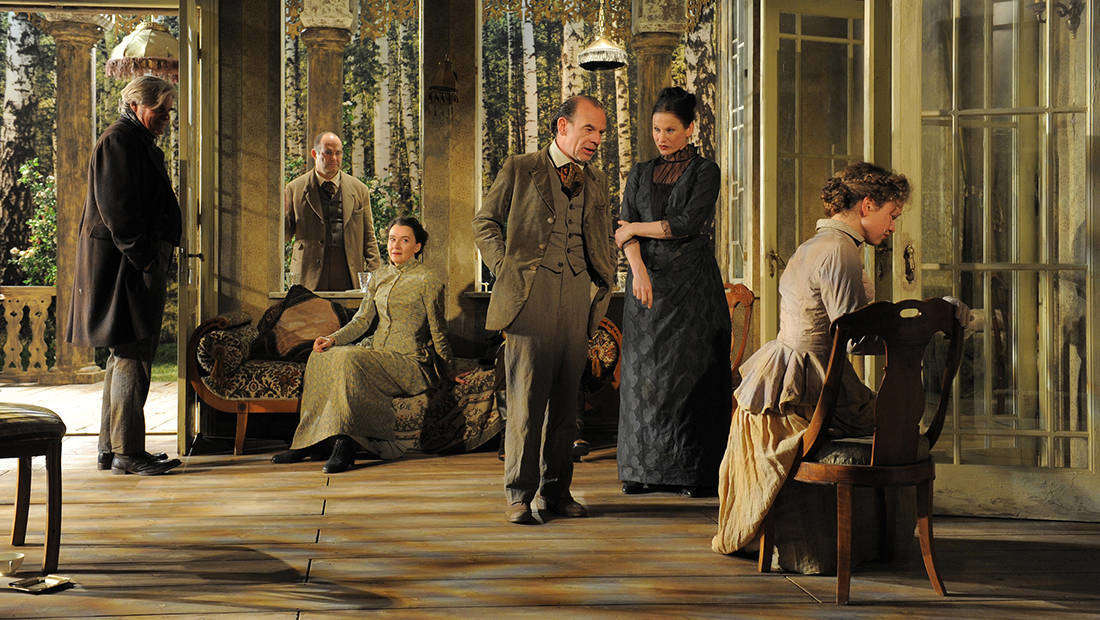
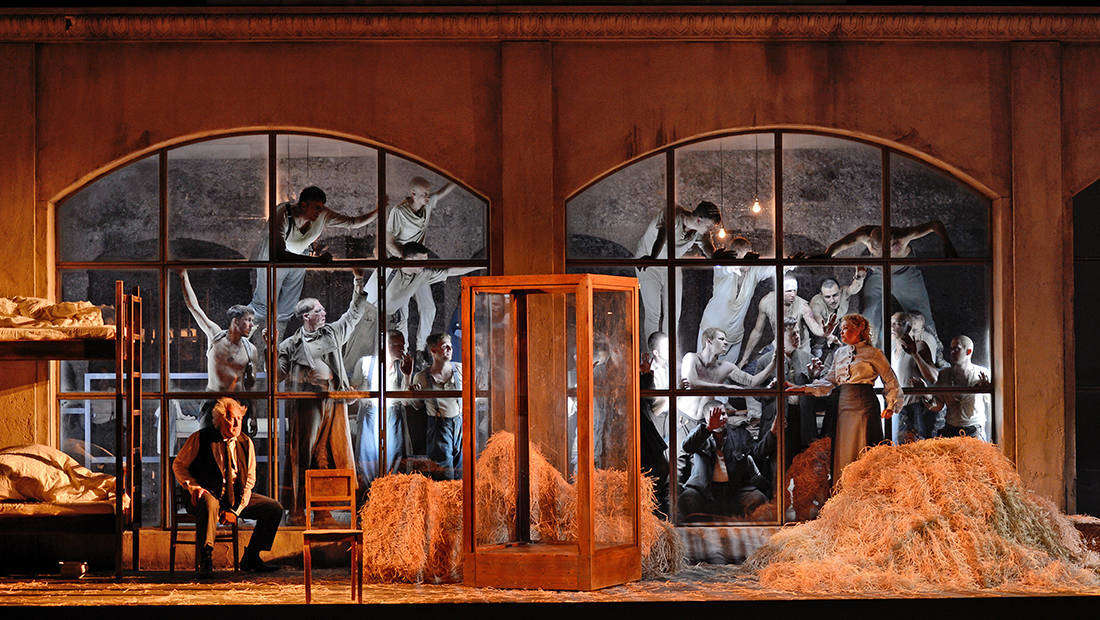
“La Damnation de Faust” by Berlioz at the Opéra Bastille in Paris

Logo_OnP Opéra Bastille from 05 to 29 December 2015
Avant-première Sat. 5 Dec. (under-28s)

Opening night Tue. 8 Dec.

La Damnation de Faust

Légende dramatique in four parts (1846)

Music
Hector Berlioz
Libretto
Hector Berlioz
Almire Gandonnière
damnationdefaust

© David Uzochukwu

CAST
Conductor Philippe Jordan
Director Alvis Hermanis
Marguerite Sophie Koch
Faust Jonas Kaufmann 5-20 déc. Bryan Hymel 23-29 déc.
Méphistophélè  Bryn Terfel
Brander  Edwin Crossley-Mercer
Voix celest Sophie Claisse
Rôle muet et dans Dominique Mercy
Set design Alvis Hermanis
Costume design Christine Neumeister
Lighting design Gleb Filshtinsky
Video Katrina Neiburga
Choreography Alla Sigalova
Dramaturgy Christian Longchamp
Chorus master José Luis Basso

Paris Opera Orchestra and Chorus
Maîtrise des Hauts-de-Seine / Paris Opera Children’s Chorus

French and English surtitles
Conception of speech synthesis by Greg Beller

This production will be recorded for television.
A coproduction by the Paris Opera, Telmondis and Mezzo with support from the CNC and directed by Louise Narboni.
Broadcast live in cinemas on 17 December and as of 19 December on Culture Box.
Broadcast on France 3 and France Musique at a later date

faust1

© Felipe Sanguinetti


“Who are you, you whose burning look penetrates like the flash of a dagger and who, flame-like, burns and devours the soul?”

– La Damnation de Faust, Part II, scene 5

Podcast La Damnation de Faust

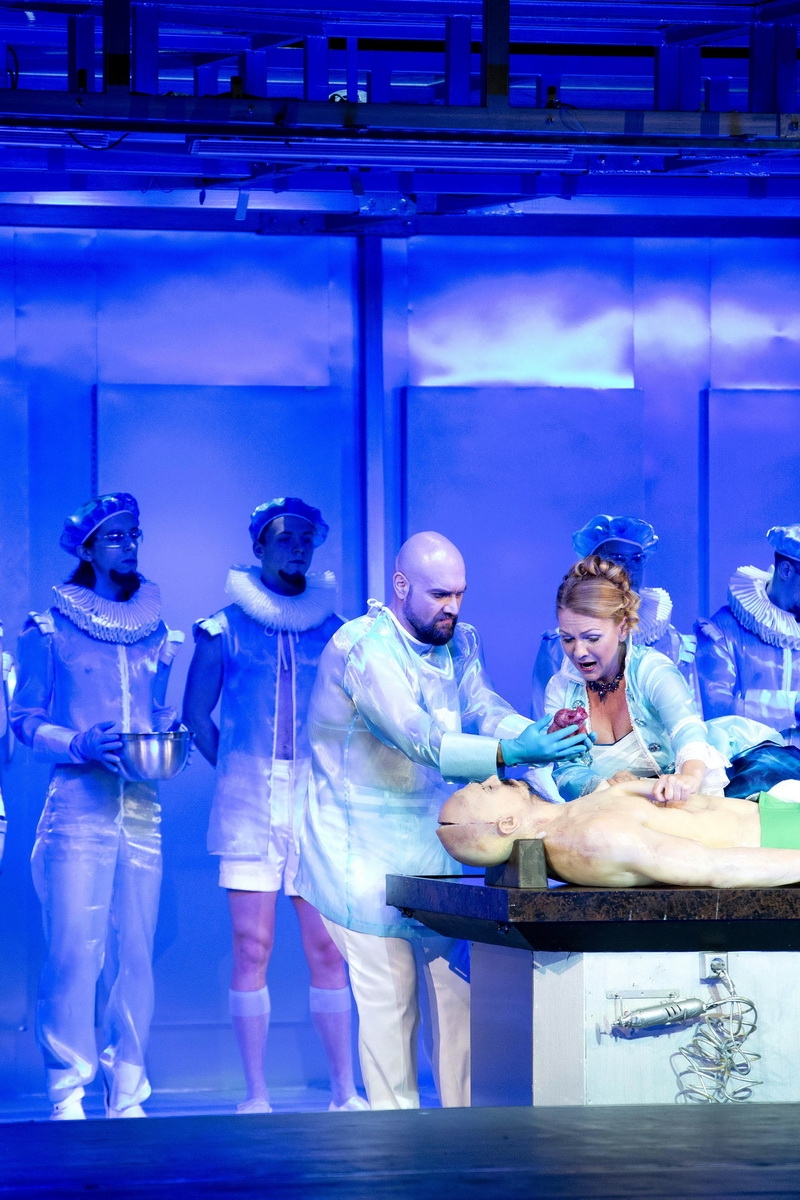
“This marvelous book fascinated me from the very beginning. I could not put it down. I read it incessantly, during meals, in the theatre, in the street, everywhere.” And so it was, following the composer’s discovery of Faust Part One in 1828 that Goethe joined Virgil and Shakespeare to form Berlioz’s trinity. Without taking the time to catch his breath, he set the verse passages of Gérard de Nerval’s translation to music and published them under the title Huit scènes de Faust. Eighteen years later, during his travels “in Austria, Hungary, Bohemia and Silesia” he decided to revise and develop the material into La Damnation de Faust, whereupon the same feverish urge took hold of him.

faust2

© Felipe Sanguinetti

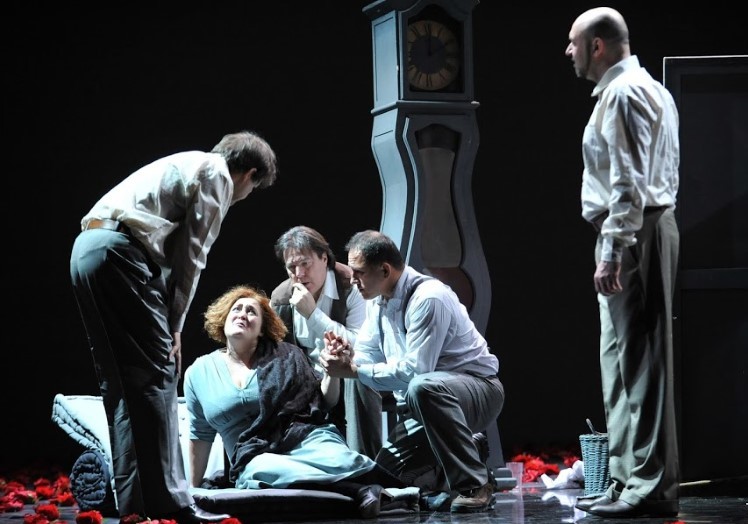
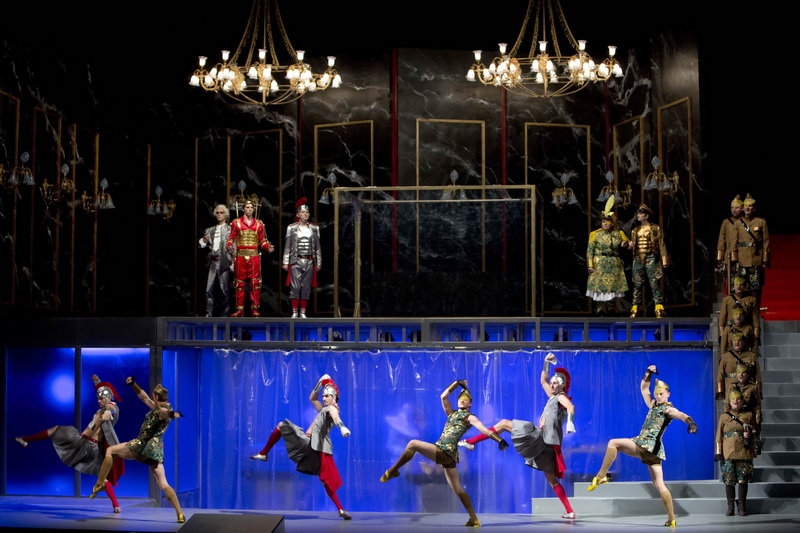
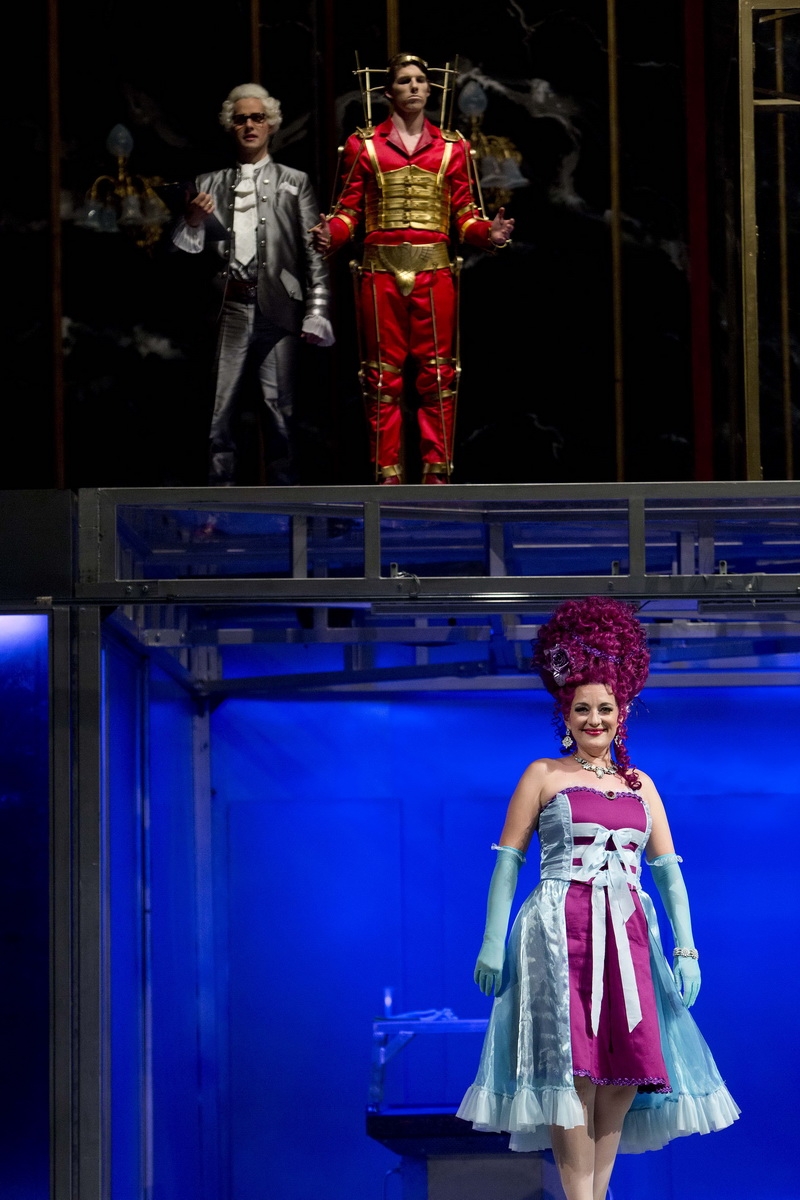
“Once underway, I wrote the missing verses as the musical ideas came to me. I composed the score when and where I could – in the carriage, on the train, on steam boats”. As if swept away by “the longing of too vast a heart, and a soul thirsting for elusive happiness”, Berlioz became one with his creation. The voice that invokes “immense, impenetrable and proud nature” is entirely his own, its extraordinary breadth transcending traditional forms to become a symphonic and operatic dream. Bringing out the dramatic force of this légende dramatique is a constant challenge that stage director Alvis Hermanis has willingly accepted. Philippe Jordan conducts the first installment of a Berlioz cycle which is to continue over several seasons. It also marks the return of Jonas Kaufmann and Bryn Terfel to the Paris Opera.

faust4

© Felipe Sanguinetti

Posted in OPera | Tagged , | Leave a comment

La Boheme in Sweden

logooperan boheme_title

A young woman knocking on the door of a loft in the Old Town …

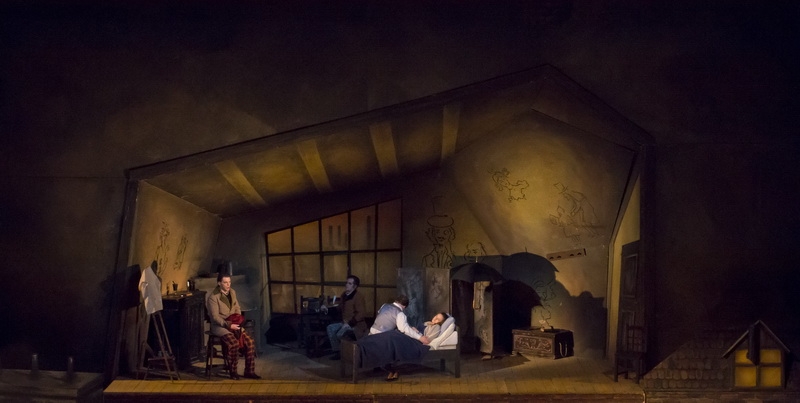
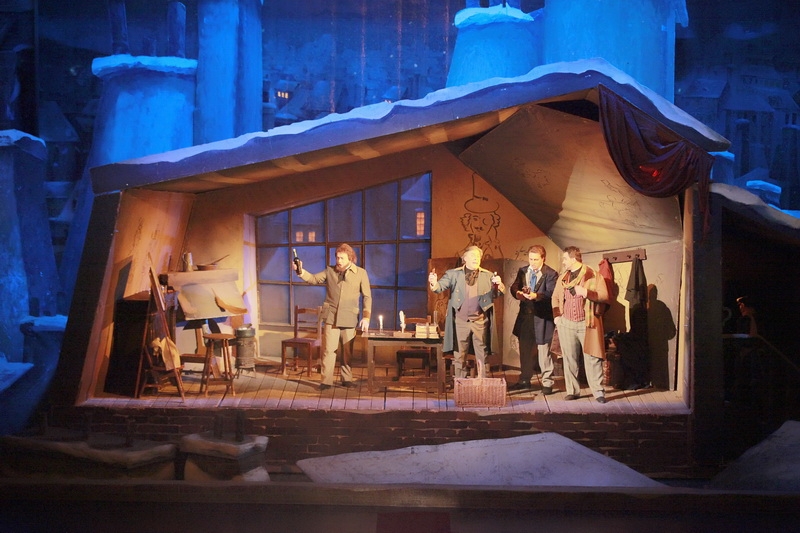
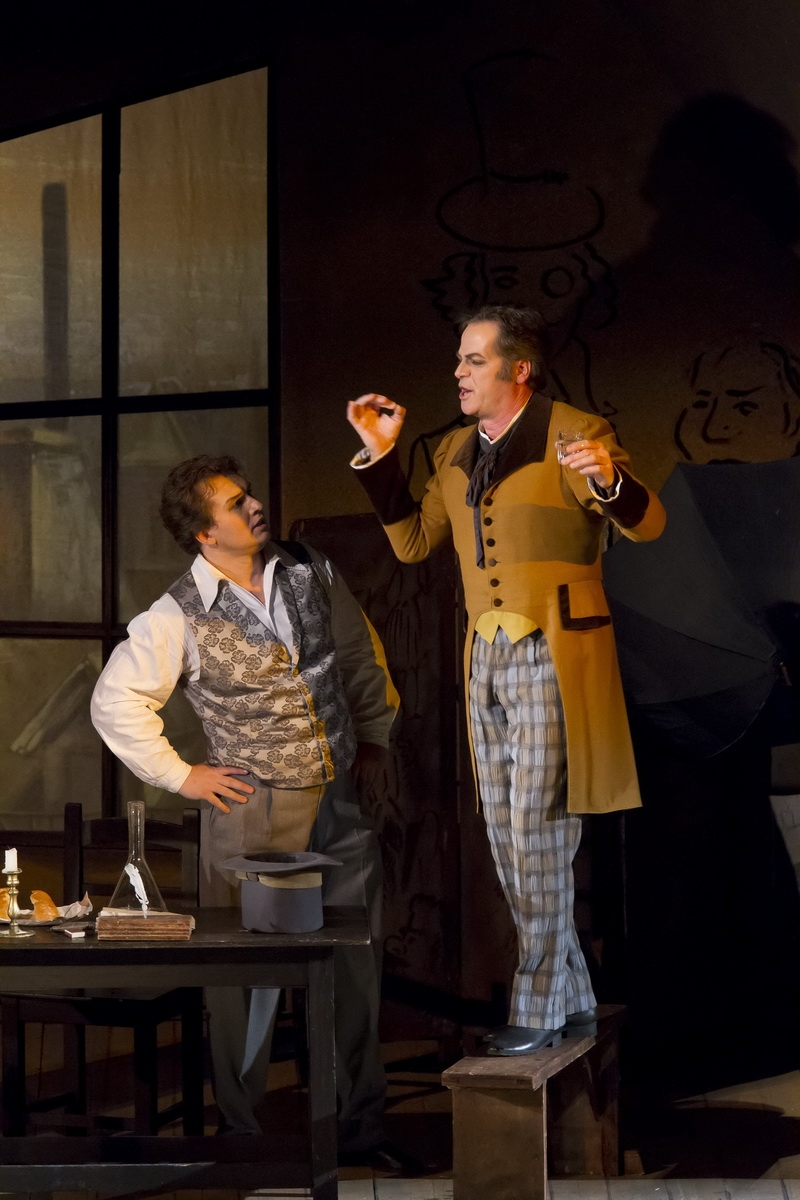
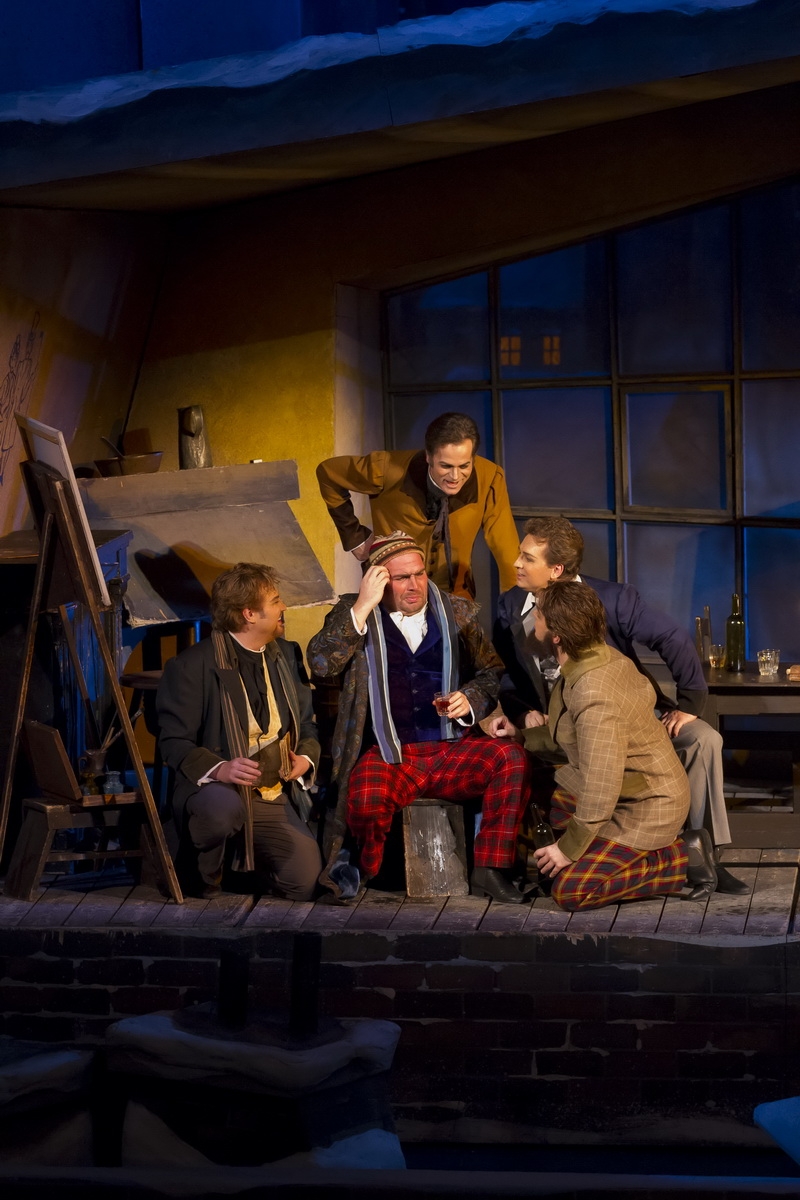
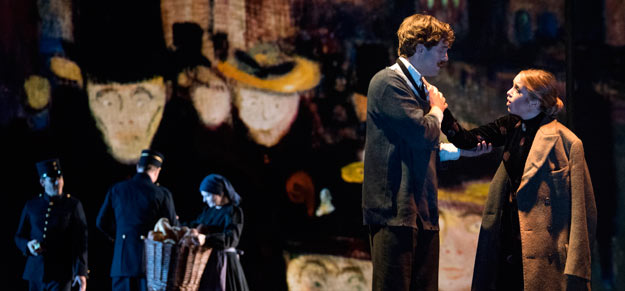
… And a young writer opens. Inspired by Edvard Munch’s colorful paintings, Hans Jaeger’s depiction of Christiania Bohemian and August Strindberg’s novel The Red Room sounds the famous tenor, director and conductor José Cura a Nordic light shine on Puccini’s masterpiece and moves La Bohème Paris to a fictitious Stockholm. The author Rodolfo will be August Strindberg, the painter Marcello gets Edvard Munch, the philosopher Colline becomes Søren Kierkegaard, composer Schaunard will Edvard Grieg and cabaret singer Musetta gets Tulla Larsen. Well acquainted with the music and the libretto in this poignant, tragicomic drama creates José Cura is now a full-fledged Scandinavian Bohème for the Royal Opera.

Taking inspiration from her own time as a poor student portrays Giacomo Puccini with heat and passion some young dreamer’s life, bohemians in the 1800s Paris. But the timeless story could take place anywhere.

boheme_fst

Music Giacomo Puccini

Text G. Giacosa / L. Illica

Director, scenery, costumes and light José Cura

Dramaturg Katarina Aronsson

Performed in Italian with Swedish text on surtitles

boheme_fst0

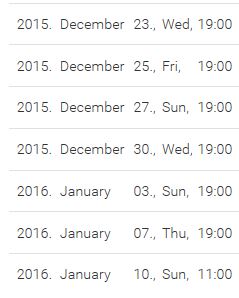
Saturday, December 27, 15:00
Monday, December 28 19:00
Wednesday, December 30 18:00
Friday, January 8 19:00
Monday, January 11 19:00
Thursday, January 14 19:00
Saturday, January 16 15:00
Monday, January 18 19:00
Wednesday, January 20 19:00
Wednesday, January 27 19:00
Saturday, January 30 15:00
Thursday, February 4 19:00
Saturday, February 6th 15:00
Thursday, February 11 19:00
Monday, February 22 19:00
Sunday, February 28 15:00
Wednesday, April 13 19:00
Thursday, June 9 19:00
Saturday, June 11 15:00
Tuesday, June 14 19:00

CAST
Mimì Yana Kleyn
Musetta (Tulla Larsen) Sanna Gibbs
Rodolfo (August Strindberg) Daniel Johansson, Atalla Ayan, Jonas Degerfeldt
Marcello (Edvard Munch) Linus Börjesson
Schaunard (Edvard Grieg) Persson
Coline (Soren Kierkegaard) John Erik Eleby
Benoit Niklas Björling Rygert
Alcindore Thomas Bergström Anders Nyström
Parpignol (Julbocken) Jon Nilsson Olof Lilja
Conductor Daniele Callegari Benjamin Shwartz Tobias Ringborg

Royal Opera Choir
Children’s Choir from Adolf Fredrik’s Music School
Royal Orchestra


Press Quotes

“Seldom has Puccini sounded so soft and precise at the Royal Opera.” Aftonbladet

“And then to flee from the worldly worries for a while in a strong performance, yes, there is a TERRIFIC pleasant experience” Eskilstuna courier

“La Bohème in Scandinavian version is beautiful, good looking, touching, professional” Kulturbloggen

“Nordic bohemians convinces with voice splendor.” SvD

“… imaginative, with good humor and much charm” SvD

“… an elegant transfer from kvarterer in Paris to the Old Town … and it sounds fantastic on Puccini’s opera under the direction of Daniele Callegari” Expressen

“… A roaring success”, Financial Times
boheme_fst3

SYNOPSIS

First Act

Christmas Eve. It’s freezing in the attic where a young writer, August Strindberg and his friend, the painter Edvard Munch, live. At the piano sits a promising young composer, Edvard Grieg, and composes. Munch struggling with the last details in a painting. His model is becoming impatient and demanding payment. But Munch has not a penny. August and Edward complains about the cold when suddenly the philosopher Colline, avid supporters of Søren Kierkegaard, appears. The trio discusses the life and the weather when Grieg returns with food and drink. He has just been paid for private lessons to the son of a millionaire. When they lift their glasses to a bowl enters the landlord in and require them to rent. The four young men manage to talk themselves out of the precarious situation. Colline / Søren, Grieg and Edvard leaves the wind to enjoy a little Christmas cheer in the city, August stops
to finish an article. But the author does not find the right inspiration. A light knock at the door distracts him, and a young woman he had never seen before appears.

Second Act

Christmas Eve in the town square. Edward has just revealed its latest painting Old Town at sunset. The shops bulging with people, families crowd into the alleys and vendors cry. Munch observe them, they all were created from him, taken from his paintings, and he is very touched by seeing them alive. His friend, the writer Hans Jaeger, accompany him and praising his painting.

At Berns succeed Edward’s friends get a table. Tulla arrives with a wealthy banker, Alcindoro. She has just quarreled with Edward and her plan is to make him insanely jealous. It works. She embarrass rich banker and reunited with Edward in a passionate kiss. Friends march out and leave it to the banker to pay off the bill.

boheme_fst4
Third Act

A year has passed. Edward and Tulla working for brothel owners. He paints portraits and she entertains the guests. Edvard Munch sketch of the painting Ash with Tulla and his sleeping friend August as models. Mimì arrives, she does not understand why August rejects her and she asks if Edward’s advice. When Edward pushes his friend August admit him to his love Mimì more than anything else on earth – but she is deathly ill and he is too poor to help her. Mimì hear August’s confession from a hiding place. She confronts August and suggests they go their separate ways so that he can continue to live his life, but the August fall grieved together. As they bid farewell to each other resumes Edward and Tulla their bickering.

Fourth act

In the attic, several months later, put Edward’s new painting The Scream atmosphere. Edward mourning her Tulla and August its Mimì. While the painter portrays the author steps Grieg and Søren in, carrying a piece of bread and a herring. To cope with the desperation they play a little comedy, a feigned meal with the class they so often criticize, but in reality they would like to be a part of. The comedy is changed to mock tragedy when one of them, offended by a comment, challenges to a duel. As the quarrel escalates rushing Tulla in. Mimì is seriously ill and can not get up the stairs. The friends are forced to brutally back to reality and realize that they can not help the terminally ill young woman


Posted in OPera | Leave a comment

JACQUES OFFENBACH’s “La Vie parisienne” in Marseille

operamarseillelogo

La Vie parisienne

JACQUES OFFENBACH

Tuesday December 29th, 2015 > 8:00PM
Thursday December 31st, 2015 > 8:00PM
Sunday January 3rd, 2016 > 2:30PM
Tuesday January 5th, 2016 > 8:00PM
Thursday January 7th, 2016 > 8:00PM

Returning to a by-gone era of dubious, but sophisticated mores, with characters, lyrics and music that are simply delightful, spirited and elegant…

Visu-lavie_parisienne


LA VIE PARISIENNE

Opera-bouffe in 5 acts
Libretto by Henri MEILHAC and Ludovic HALÉVY
First performed in Paris, Théâtre du Palais-Royal, on October 31th, 1866
Last performed at Marseille opera, on January 1st, 1989
Coproduction Opéra de Marseille / Opéra d’Avignon / Opéra de Reims / Opéra Théâtre de Saint-Étienne / Opéra de Toulon / Théâtre du Capitole de Toulouse

Conductor Dominique TROTTEIN
Director Nadine DUFFAUT
Scenic Designer Emmanuelle FAVRE
Costume Designer Gérard AUDIER
Lighting Designer Philippe GROSPERRIN
Choreography Julien LESTEL

CAST

Gabrielle Clémence BARRABÉ
Metella Marie-Ange TODOROVITCH
Pauline Ludivine GOMBERT
Baroness Gondremarck Laurence JANOT

Baron Gondremarck Olivier GRAND
Bobinet Christophe GAY
Raoul de Gardefeu Armando NOGUERA
Frick Dominique DESMONS
Brazilian Bernard IMBERT
Alfred / Urbain Patrick DELCOUR
Prosper Jacques LEMAIRE

Marseille Opera Orchestra and Chorus
Julien Lestel Company

Posted in OPera | Tagged , , | Leave a comment

La Bohème on New Year’s Eve in Sidney

NYE_La_boheme

31 December 2015

Venue: Joan Sutherland Theatre
Presented by: Opera Australia

Gale Edwards’ glittering production provides a perfect setting for New Year’s Eve: in the bohemian streets of 1930s Berlin, in the color and chaos of street fairs and burlesque bars, fairy lights and fishnet stockings.

la-boheme-5

Description

A painter, a musician, a philosopher and a poet are having a night on the town. Café Momus is too pricey for them — they’ve nothing to weigh down those moth-eaten pockets. But why worry? The landlord is sorted, the bar tab can wait. They’re young and their lofty ideals will keep body and soul together.

And then there’s love. Ah, love. That tingle of electricity as two hands meet. The fire in the eyes of the girl you want so badly. Love will keep us warm, won’t it?

Nearly 120 years after Puccini wrote his smash-hit La bohème, this story of first love still tops the list of most performed operas around the world.

Perhaps the tale of four friends living for their art reminds us of a person we weren’t brave enough to become. Perhaps Puccini’s talent for capturing emotion in music takes us back to the first time we felt love stir in our hearts.

Perhaps it’s just that La bohème is a story we understand. It’s about friendship and falling in love.
It’s about sacrifice and never giving up, even if it means parting with your lover — or your favorite coat.

Gale Edwards’ glittering production provides a perfect setting for these utterly human emotions: in the bohemian streets of 1930s Berlin, in the color and chaos of street fairs and burlesque bars, fairy lights and fishnet stockings.

la-boheme-1

NEW YEAR’S EVE AT SYDNEY OPERA HOUSE

A painter, a musician, a philosopher and a poet are having a night on the town. Café Momus is too pricey for them — they’ve nothing to weigh down those moth-eaten pockets. But why worry? The landlord is sorted, the bar tab can wait. They’re young and their lofty ideals will keep body and soul together.

And then there’s love. Ah, love. That tingle of electricity as two hands meet. The fire in the eyes of the girl you want so badly. Love will keep us warm, won’t it?

Nearly 120 years after Puccini wrote his smash-hit La bohème, this story of first love still tops the list of most performed operas around the world.

Perhaps the tale of four friends living for their art reminds us of a person we weren’t brave enough to become. Perhaps Puccini’s talent for capturing emotion in music takes us back to the first time we felt love stir in our hearts.

Perhaps it’s just that La bohème is a story we understand. It’s about friendship and falling in love.
It’s about sacrifice and never giving up, even if it means parting with your lover — or your favorite coat.
Gale Edwards’ glittering production provides a perfect setting for these utterly human emotions: in the bohemian streets of 1930s Berlin, in the color and chaos of street fairs and burlesque bars, fairy lights and fishnet stockings.

la-boheme-2

NEW YEAR’S EVE AT SYDNEY OPERA HOUSE
New Year’s Eve is the night when Sydney puts on the bling, kicks up its heels and shows the world what a gorgeous thing it is, as a festival of fire explodes across the midnight sky.

Ringside seats to the greatest show on earth are hard to come by, but we’ve saved some great ones, and you’re invited.

Leave the crowds behind as you enter the Sydney Opera House.

Choose to settle back for an evening with Rodolfo, Mimi, Marcello and Musetta in Puccini’s La bohème.
Then, with a heart full of song, watch the fireworks the whole world watches. Interval is timed for the 9pm fireworks and the Sydney Opera House stays open well past the midnight fireworks.

There’s nowhere in the world like Sydney on New Year’s Eve and there’s nowhere closer to the action than Sydney Opera House. Make this your most glamorous and memorable New Year ever.

It’s guaranteed to end with a bang!

la-boheme-3 la-boheme-4
Posted in OPera | Leave a comment

La bohème at the Estonian National opera

bohemetitle

La bohème

Opera by Giacomo Puccini in four acts

Libretto by Luigi Illica and Giuseppe Giacosa based on Henri Murger’s novel Scènes de la vie de bohème
World premiere February 1, 1896 Teatro Regio (Turin)
Premiere at the Estonian National Opera on October 29, 2010

S, January 9, 2016 / 19:00
F, January 15, 2016 / 19:00
W, February 17, 2016 / 19:00
F, March 4, 2016 / 19:00

  • Sung in Italian with subtitles in Estonian and English
  • Approx. running time 2 h 30 min, one intermission
  • estonia_Boheme1


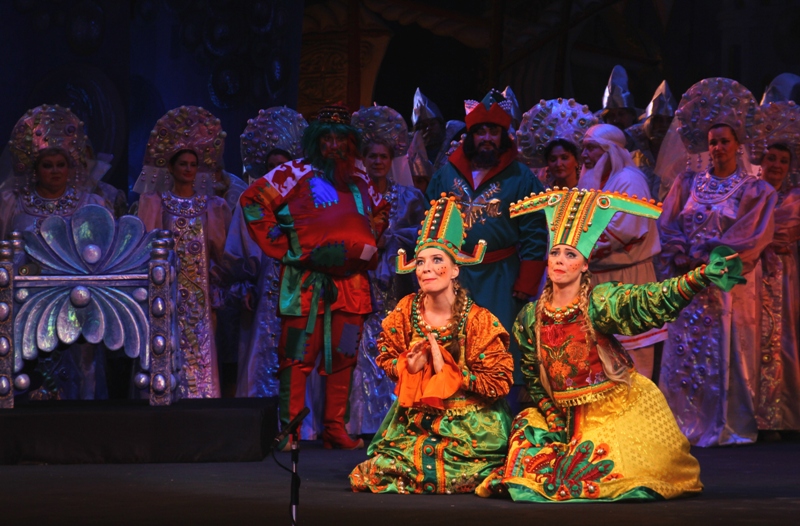
Young, cheerful, careless and passionate bohemians enjoy life and its intricate turns sparkled with love, hope, despair and wild Parisian life-rhythm to the fullest. Stage Director Ran Arthur Braun: “Bohemians are presented on stage with humour and tear as they exist together. There is no reason to ignore youth and its vivid charm as if we already knew how it is going to end!”

estonia_Boheme2

As one of the greatest 20th century melody masters, Puccini has created colourful and enticing musical portraits for his characters and has depicted a beautiful and romantic image of Paris, employing memorable melodies and bold orchestral colours. Claude Debussy has said: “No one has described the Paris of these days as aptly as Puccini in his La bohème.”

estonia_Boheme3

estonia_Boheme8

Rodolfo, the poet, and Marcello, the painter, are trying to work in their cold Latin Quarter garret. They are without money to relieve their hunger, without fuel for heating their flat and without money to pay their rent. Colline, the philosopher has tried and failed to pawn some books. The musician Schaunard has been more fortunate – he arrives with food, money firewood and cigarettes. Rodolfo wants to work and his friends depart for Café Momus to celebrate their good fortune. Rodolfo’s work is interrupted by a beautiful young woman living next door, who is searching for a means to light her candle. On her way to her room she realises that she has dropped her key in Rodolfo’s room. She returns but her candle is extinguished in the draft. Rodolfo falls in love with Mimi who is hopelessly ill but two months later he deserts her, unable to look helplessly on while Mimi’s illness worsens in his poor, cold hovel. Six months later Mimi is brought back to the poet’s lodgings, as it is her dying wish to be with her friends again…

estonia_Boheme4 estonia_Boheme5

Staging team

  • Music Director and Conductor: Arvo Volmer
  • Conductors: Risto Joost
  • Stage Director: Ran Arthur Braun (Israel)
  • Set Designers: Ran Arthur Braun and Riccardo Gallino (Italy)
  • Costumes Designer: Elo Soode
  • Lighting Designer: Neeme Jõe

estonia_Boheme6 estonia_Boheme7

Posted in OPera | Tagged , , | Leave a comment

Elizabeth Blancke-Biggs a perfect Elektra in Bologna

elektra_prova

logobolognaDuring the week of November 15-22 2015, the opera ELEKTRA by Richard Strauss was performed in Bologna, Italy. The opera was a great success, in particular because of the great performance by the soprano Elizabeth Blancke-Biggs, who has appeared previously on our magazine. We insert some of the raving critical comments on her performance…

WATCH A VIDEO OF ELEKTRA WITH ELIZABETH BLANCKE-BIGGS

elizabeth

Elizabeth Blancke-Biggs

liricamente

“Elektra could be defined as a “one woman show”, and Elizabeth Blancke-Biggs truly succeeds in drawing the spectator to her with a charisma that makes one want her monologues and scenes to never end. Her interpretation is breath-takingly fascinating, based on a declamation and use of text that would make a Shakespearian actor jealous. Her lirico-spinto voice, warm and convincing, fits the role perfectly, and the great professional knows how to keep her sound bright and smooth in the center of her voice, and in the beautiful high register, and then to obtain the maximum dramatic effect to darken the low, and medium low parts without taking away the musicality in this difficult role rich in quasi spoken, whispered, and loud passages, heading almost to screams.”

elektra2

WWW.TEATRO.IT:  “Elizabeth Blanke-Biggs is an Elektra who is well suited in every way to take on the difficulties of the part: the voice has the proper volume, the color shows a beautiful old style darkness appropriate for the role, the high notes are solid and brilliant, and the character is vividly and intricately drawn in its lucid madness cloaked by a fury that is more interior than exterior.”

operaworld

…an optimal cast made this show great, not only vocally, but theatrically. Elizabeth Blancke-Biggs was superb in the title role. Her Elektra was expressively strong, thanks also to her voice which leaned toward the dark, but was well projected; her performance was sublime, perfectly illustrating the character, knowing how to show her tragic and mad side, and also her passionate and romantic one.”

elektra1.jpg

Follows the cast for the performances:

Elektra

Elena Nebera (15,18,21)
Elizabeth Blancke-Biggs

Klytämnestra

Natascha Petrinsky

Chrysothemis

Anna Gabler (15,18,21)
Sabina von Walther

Aegisth

Jan Vacik

Orest

Thomas Hall

Pfleger des Orest (Precettore di Oreste) / Ein alter Diener

Luca Gallo

Die Vertraute (La confidente) / Zweite Magd

Alena Sautier

Die Schleppträgerin (Ancella dello strascico) / Vierte Magd

Eleonora Contucci

Ein junger Diener (Giovane servo)

Carlo Putelli

Die Aufseherin (La sorvegliante)

Paola Francesca Natale

Erste Magd

Constance Heller

Dritte Magd

Daniela Denschlag

Fünfte Magd

Eva Oltiványi

Conductor

Lothar Zagrosek

Director

Guy Joosten

Scenography and choreography

Patrick Kinmonth

Lights

Manfred Voss

Assistant to the director

Wolfgang Gruber

Chorus Master

Andrea Faidutti

Set up by Teatro Comunale di Bologna
from Théâtre de La Monnaie / De Munt Bruxelles
and Gran Teatro de Liceu Barcelona

Orchestra, Chorus e Technicians from Teatro Comunale di Bologna

Posted in OPera | Tagged , | Leave a comment

Opera Australia presents THE MAGIC FLUTE

Magic1

30 December 2015– 16 January 2016

Venue: Joan Sutherland Theatre, Sidney
Presented by: Opera Australia

Princes and magic and bears, oh my!

Description

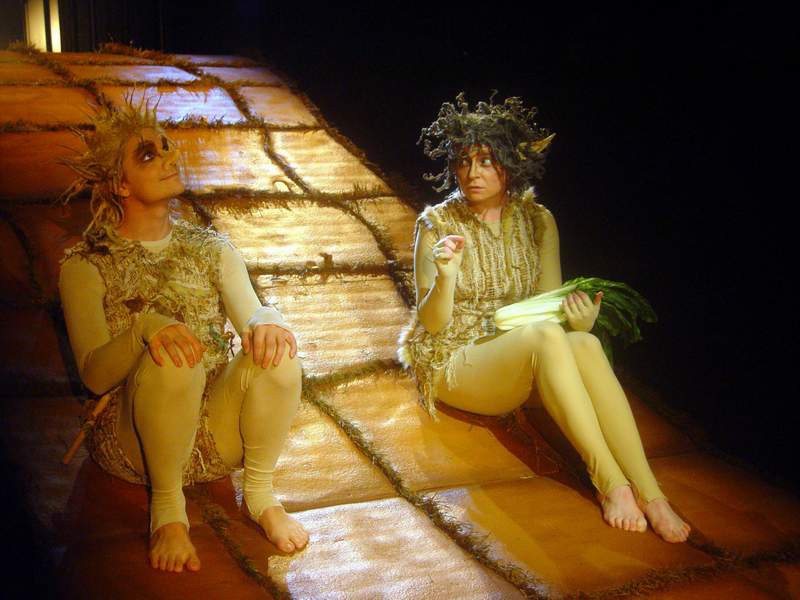
If you go down to the woods today, you might find a pure-hearted prince and his feathered sidekick en route to rescue a damsel in distress, a queen atop her starry throne; mysterious temples, dancing bears and a levitating picnic. If in danger, just follow the sound of the flute.

magic2

In today’s technology-soaked world, it’s rare that anything off-screen entrances a child for more than a few minutes. But look around at a performance of Julie Taymor’s production of  The Magic Flute, and you’ll see children captivated. Utterly still, utterly silent (this is, when they’re not chortling with laughter or gasping with surprise).  That’s because The Magic Flute is like nothing they’ve ever seen before. The stage is alive with colour and movement, the music is enchanting, the movement is magical.

magic3

From Monostatos’ grotesque nose to the Queen of the Night’s shimmering wings, everyone and everything that appears on stage is larger than life.

magic7

As in a Pixar film, this production brilliantly balances visual stimulation with amusing dialogue in a charming English translation. The result is a pantomime of brilliant color, set to Mozart’s timeless music.

Perhaps all you need to fire a child’s imagination is a little old-fashioned theatrical magic.

Artist Information

Conductor Rory Macdonald (until 12 Jan)
Tahu Matheson
Director Matthew Barclay
Original direction by Julie Taymor
Set designer George Tsypin
Costume designer Julie Taymor
Puppetry designers Julie Taymor
& Michael Curry
Lighting designer Gary Marder
Original lighting design Donald Holder
Choreographer Matthew Barclay
Original choreography Mark Dendy
Translation by JD McClatchy
Pamina Taryn Fiebig
Tamino John Longmuir
Papageno Samuel Dundas
Queen of the night Hannah Dahlenburg
Sarastro Daniel Sumegi
1st lady Jane Ede
2nd lady Sian Pendry
3rd lady Anna Yun
Papagena Katherine Wiles
Monostatos Kanen Breen (until 7 January)
Benjamin Rasheed
Speaker Adrian Tamburini
1st priest Malcolm Ede
2nd priest Jonathan McCauley
1st armoured man Dean Bassett
2nd armoured man Clifford Plumpton

Performance Dates

Performed in English with surtitles.

Running Time: Approximately 2 hours including one 20 minute interval

Flute-3-570x320

SCHEDULE

December
Wed 30 Dec 15 7:30pm

January
Sat 02 Jan 16 1:00pm
Thu 07 Jan 16 11:00am
Thu 07 Jan 16 7:30pm
Sat 09 Jan 16 1:00pm
Sat 09 Jan 16 7:30pm
Tue 12 Jan 16 7:30pm
Thu 14 Jan 16 7:30pm
Sat 16 Jan 16 1:00pm

Flute-4-570x320 Flute-5-570x320

Posted in OPera | Tagged , | Leave a comment

NYC OPERA returns with the original 1900 Tosca’s costumes and sets and Lev Pugliese as Stage Director

Posted by Francesco FornarelliNYCOperaTOSCA NYCO 2016To honor the legacy of the New York City Opera, NYCO Renaissance presents the opera that launched City Opera’s 1944 inaugural season, Giacomo Puccini’s TOSCA. NYCO Renaissance has obtained from Archivio Storico Ricordi the exclusive North American rights to re-create and present Adolf Hohenstein’s original sets and costumes from Tosca’s premiere in 1900. For the first time in America, this masterpiece of Belle Époque design will be reunited with the timeless opera that inspired it.

toscaNyco2
tosca1

TOSCA will be performed at the ROSE Theater at Lincoln Center.

toscaNyco4

Rose theater

Rose Theater

Lev Pugliese

Lev Pugliese

CONGRATULATIONS TO LEV PUGLIESE WHO IS MAKING HIS AMERICAN DEBUT WITH TOSCA!


Posted in OPera | Tagged , , , , | Leave a comment

L’elisir d’amore in Berlin


deutschelogo

L’elisir d’amore

[The Elixir of Love]

Gaetano Donizetti (1797 – 1848)

Melodramma giocoso in two acts
Libretto by Felice Romani, based on Eugène Scribes „Le Philtre“
First performance on 12. May, 1832 at the Teatro della Cannobiana in Milan
Premiered at the Deutsche Oper Berlin on 25 April, 2014

In Italian with German and English surtitles

elixir1

elixir3

Cast

Conductor Nicholas Carter
Director Irina Brook
Set Design Noëlle Ginefri
Costume Design Sylvie Martin-Hyszka
Light Design Arnaud Jung
Chorus Master Thomas Richter
Choreographer Martin Buczkó
Dulcamara Seth Carico
Noel Bouley (04.03.2016 | 06.03.2016)
Belcore Thomas Lehman
Simon Pauly (20.05.2016 | 27.05.2016)
Nemorino Paolo Fanale
Alessandro Scotto di Luzio (04.03.2016 | 06.03.2016)
N. N. (20.05.2016 | 27.05.2016)
Adina Ailyn Pérez
Elena Tsallagova (04.03.2016 | 06.03.2016)
Heidi Stober (20.05.2016 | 27.05.2016)
Giannetta Alexandra Hutton
Elbenita Kajtazi (20.05.2016 | 27.05.2016)
Ricky Björn Struck
Chorus Chor der Deutschen Oper Berlin
Orchestra Orchester der Deutschen Oper Berlin

elixir4

elixir2 Information

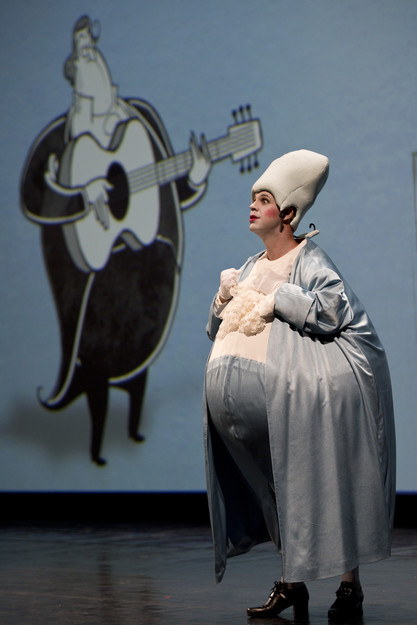
Gaetano Donizetti himself described his ELIXIR OF LOVE, which premiered in 1832, as an “opera buffa”, yet there is little to laugh about in this supposedly comic opera. No different from his DON PASQUALE, composed a decade later, ELIXIR OF LOVE is a work whose mirth is rooted in gentle melancholy. Despite the happy end, the chance that things might have taken a turn for the worse is ever-present, as is the threat that the misunderstandings and coincidences that pepper the narrative of ELIXIR OF LOVE do not always turn out all right in real life.

elixir6 The story recounted by Donizetti and his librettist Felice Romani is a simple one: Adina and Nemorino are in love, yet neither can pluck up the courage to confess their love for the other person. Not until he recalls a single tear in Adina’s eye, the famous “furtiva lagrima”, does Nemorino realise that his love is requited, triggering one of the most famous tenor arias in the history of opera.

elixir7This production of ELIXIR OF LOVE at the Deutsche Oper Berlin is in the capable hands of a director who has repeatedly served notice of her proficiency in mounting operatic and theatrical works based on more lightweight material. Irina Brook has staged works such as Rossini’s LA CENERENTOLA and Händel’s GIULIO CESARE for the Théâtre des Champs-Elysées in Paris and was recently contracted for the Salzburg Festival with a new production of Ibsen’s “Peer Gynt” and Shakespeare’s “The Tempest”.


elixir5 elixir8elisir9 elisir10 elisir11elisir13 elisir14

Posted in OPera | Tagged , , | Leave a comment

The Marriage of Figaro at the Seattle Opera

seattlelogomarriagetitle

By Wolfgang Amadeus Mozart

WATCH THE TRAILER!!

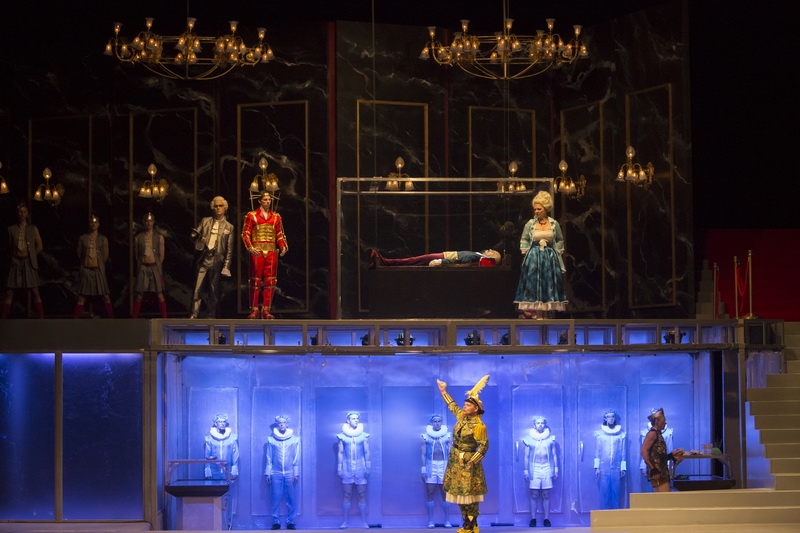
KINETIC COMEDY WITH HEARTFELT HUMANITY. Charming, lighthearted, and endlessly enjoyable, Mozart’s most popular opera sparkles with genius. There’s never a dull moment for a lascivious Count and his entourage as they navigate the ups and downs of “the crazy day” preparing a wedding – or two! General Director Aidan Lang brings an “engrossing, astute, and unmissable” (The New Zealand Herald) production to McCaw Hall for his Seattle Opera directorial debut. Genuinely touching, often hilarious, ever sublime, Mozart’s miraculous marriage of music to comedy delights like no other.
01_figaro_gallery
In Italian with English subtitles | at McCaw Hall
Approximate Running Time: 3 hours, 20 minutes with 1 intermission

marriagenonpiuLISTEN TO: MARRIAGE OF FIGARO: “Non più andrai”

marriageCast1marriageCast2

06_figaro_gallery

MarriageletterseattleLISTEN TO: MARRIAGE OF FIGARO: Letter Duet

Synopsis

A castle–the home of the Count and Countess Almaviva–near Seville, in the late 1700s

Act 1

Figaro and Susanna, the valet and maid of Count and Countess Almaviva, are to marry today. Susanna tells Figaro that the Count has been trying to seduce her, and Figaro vows to teach the Count a lesson. Meanwhile, Dr. Bartolo, still seeking vengeance on Figaro for the events of The Barber of Seville, consults with his former servant, Marcellina. She is determined to collect on an old loan made to Figaro. According to the terms, Figaro must either pay her back or marry her. Marcellina fights with her younger rival, Susanna. The teenage page Cherubino wants Susanna to plead on his behalf with the Countess to reinstate him in the Count’s good graces—the Count has banished Cherubino from the castle after finding him with the gardener Antonio’s daughter, Barbarina. They hear the Count approaching, and Cherubino hides. The Count attempts to arrange an assignation with Susanna, and he, too, hides when Don Basilio, the music teacher, arrives. When Basilio gossips about Cherubino’s crush on the Countess, the jealous Count steps forward. He is telling the story of how he found Cherubino with Barbarina when he discovers Cherubino in yet another compromising situation. Figaro enters and tries to force the Count to marry him to Susanna on the spot. But the Count delays the wedding and orders Cherubino to enlist in his personal regiment in the army.

03_figaro_gallery

MARRIAGE OF FIGARO_Quartet of DeceitLISTEN TO: MARRIAGE OF FIGARO: Quartet of Deceit

Act 2

The Countess is heartbroken by her husband’s philandering. Susanna sympathizes with her. Figaro enters and divulges his schemes. He has sent the Count an anonymous note telling him that the Countess is expecting a lover while the Count is out hunting. Figaro hopes to keep the Count embroiled in this ruse to deflect his attention from Marcellina’s troublesome claim. Figaro also asks Susanna to arrange a rendezvous with the Count later on that evening in the garden; Cherubino, dressed as a girl, will go in Susanna’s place. The Count will be caught in the act and forced to mend his ways. The Countess and Susanna begin to disguise Cherubino. Susanna steps out for a moment. The Count arrives in a jealous fury, having read the anonymous note. He knocks on the bedroom door and finds it locked. The Countess, terrified, hides Cherubino in the closet and then lets the Count in. Susanna re-enters, unnoticed. The Countess refuses to unlock the closet, so the Count leaves, taking the Countess with him, in search of tools to break the lock. Susanna helps the boy escape through the window, and then she hides in the closet, surprising both the Count and Countess when they find her there. Figaro arrives and tries to get everyone to come to the wedding festivities. When the gardener enters and claims someone has jumped out of the window, Figaro takes the blame. Marcellina bursts in with Bartolo and Basilio and demands her case against Figaro be heard.

04_figaro_gallery

Act 3

The Countess alters Figaro’s plan: Susanna will ask the Count to meet her in the garden that evening, but instead of Cherubino the Countess will go in her place. The Count eagerly agrees to meet Susanna, but he hears her tell Figaro that they have already “won the case” and he is once again filled with suspicion. Don Curzio, chosen by the Count to hear Marcellina’s case, judges that Figaro must either pay off the debt or marry Marcellina. Figaro claims that, as the son of an aristocrat, he cannot marry without the consent of his parents, and since he was a foundling, he doesn’t expect to be able to find them. Hearing the story of his childhood abduction, Marcellina realizes that she is Figaro’s mother and that his father is Dr. Bartolo. Susanna re-enters with money the Countess has given her to pay off Figaro’s debt. Enraged at first at seeing Figaro embrace Marcellina, she calms down when she understands the true situation. The Countess remembers her love for the Count when they first met, and still cares enough to brave danger to win him back. She dictates a note for Susanna to give to the Count, specifying the location of their supposed rendezvous later that evening in the garden. During the double wedding (of Figaro to Susanna and Bartolo to Marcellina), Susanna slips this note to the Count. The Count is to return a pin used to seal the note as an acknowledgment that he will meet her. He gives the pin to Barbarina to give to Susanna.

05_figaro_gallery

Act 4

Barbarina is looking both for Cherubino and for the pin the Count gave her. She tells Figaro about Susanna’s pin, and he jumps to the conclusion that Susanna really is planning to betray him. Crushed, he hides in the garden and plans his revenge. Susanna and the Countess arrive and switch cloaks to disguise themselves as each other. Their scheme to fool the Count is disrupted by the inopportune arrival of Cherubino. Figaro eventually realizes what is going on and gets even with Susanna by wooing her in her Countess disguise. Mistaking Susanna for his wife, the Count attempts to “expose” her, but when the real Countess appears, the Count is the one who must ask for forgiveness.

02_figaro_gallery


Posted in OPera | Tagged , , | Leave a comment