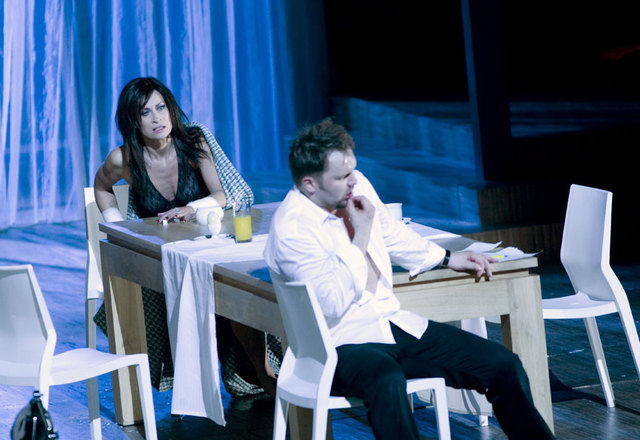
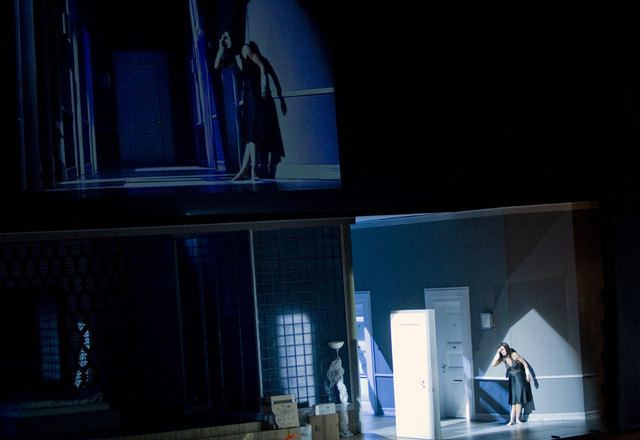
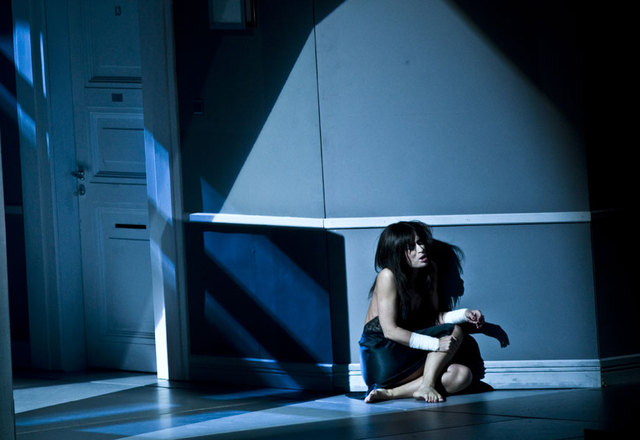
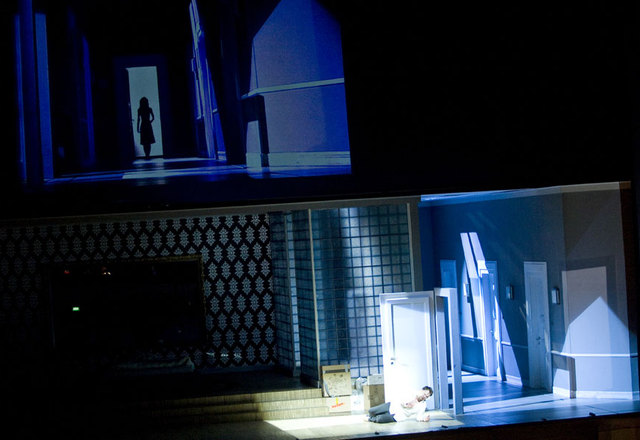
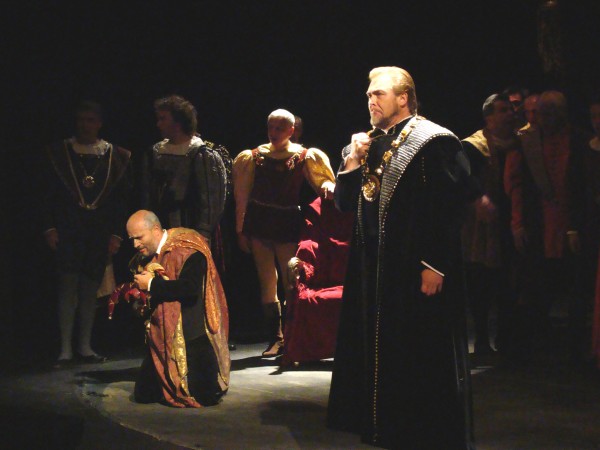
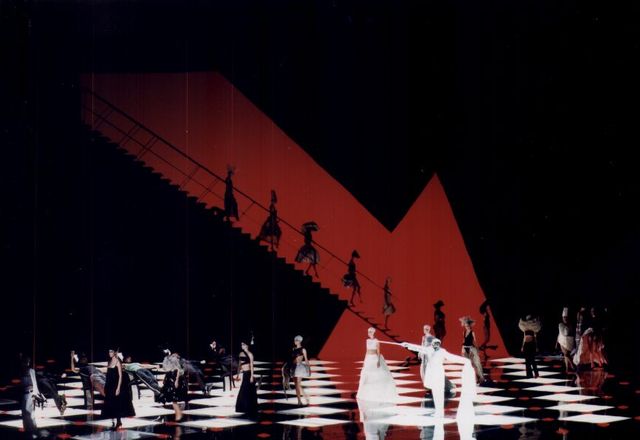
Die Fledermaus in Tokyo

mainmenuTokyoDie Fledermaus

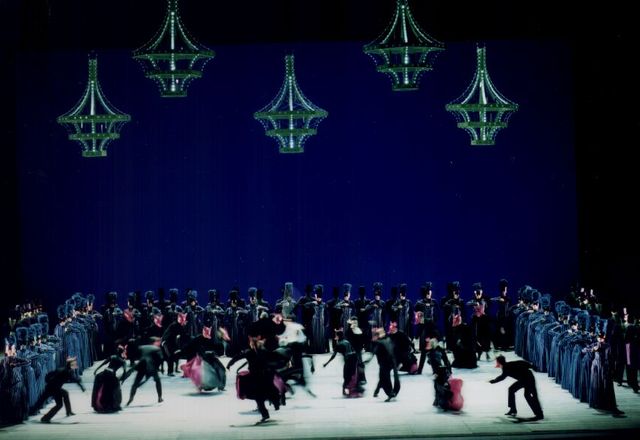
Music by Johann STRAUSS II
Opera in 3 acts
Sung in German with Japanese surtitles
Opera Palace

January 29, February 1,4,8  2:00 PM
February 6,  7:00 PM

die fledermaus

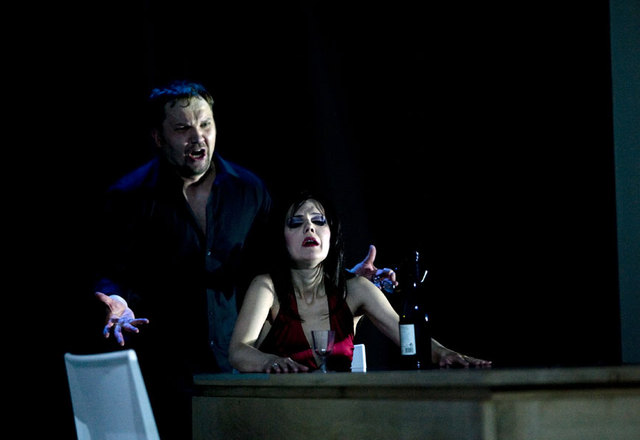
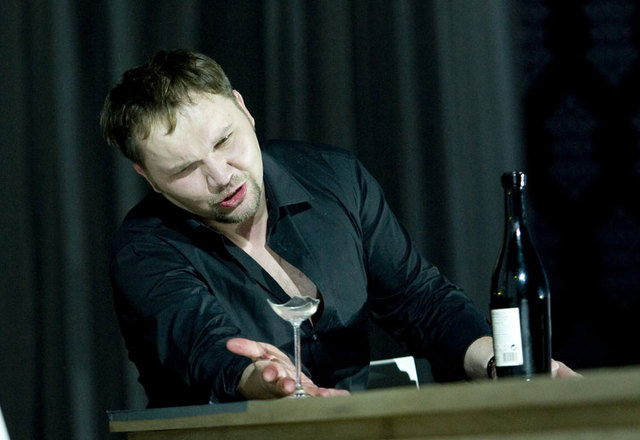
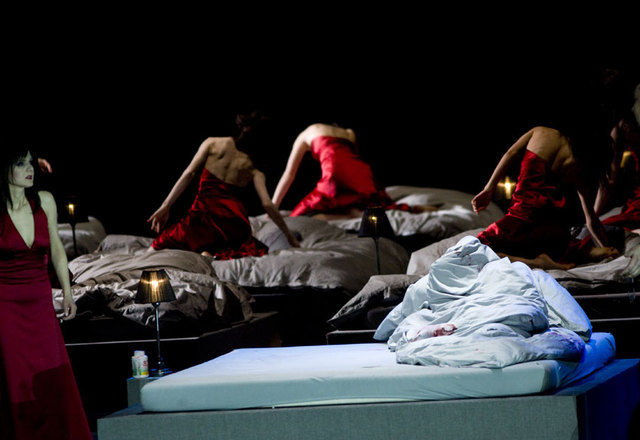
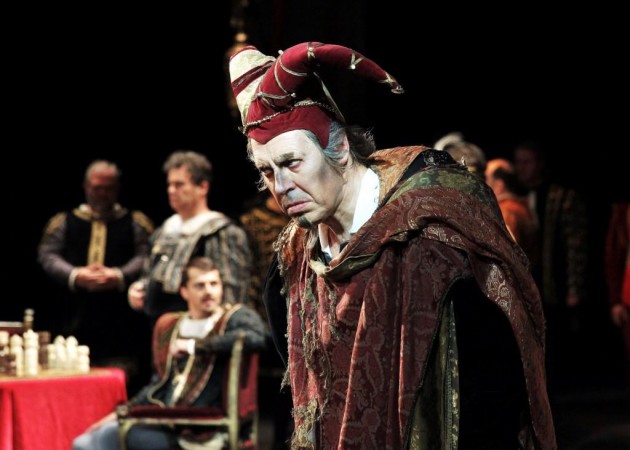
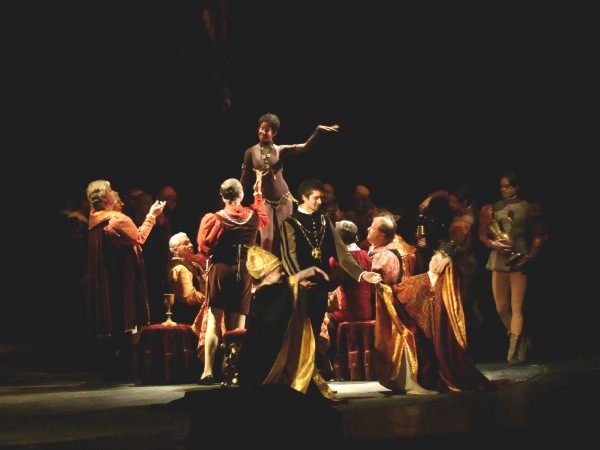
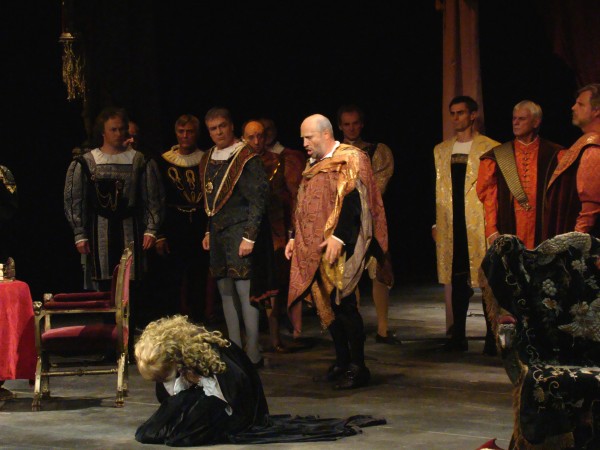
Johann STRAUSS II, the “Waltz King”, composed this crowning work of the operetta genre, Die Fledermaus. The stage production is by Heinz ZEDNIK, a renowned tenor who also holds the title of Kammersänger. His stylish and elegant staging comes from his thorough familiarity with the Viennese temperament and deep understanding of this work.
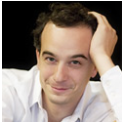
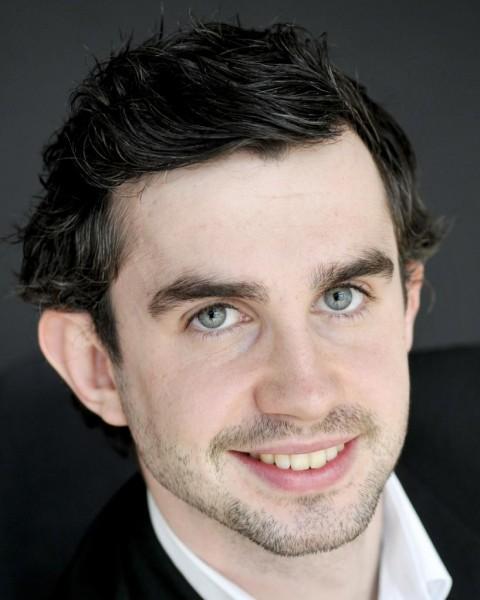
Adrian ERÖD will sing as Eisenstein. He appeared in the same role at the NNTT in 2011. He will also appear in the title role in Don Giovanni this 2014/2015 season. The other singers are mostly from either the Vienna State Opera or the Vienna Volksoper, making for a cast thoroughly dyed in the Viennese way.

Staff

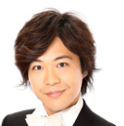
Alfred ESCHWÉConductor Alfred ESCHWÉ


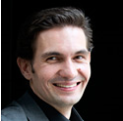
Heinz ZEDNIKProduction Heinz ZEDNIK


Scenery & Costume Design Olaf ZOMBECK

Choreographer Maria Luise JASKA

Lighting Design TATSUTA Yuji

Cast

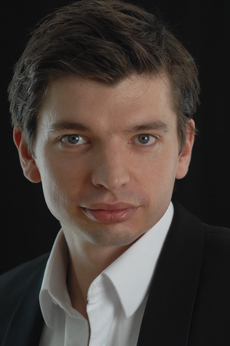
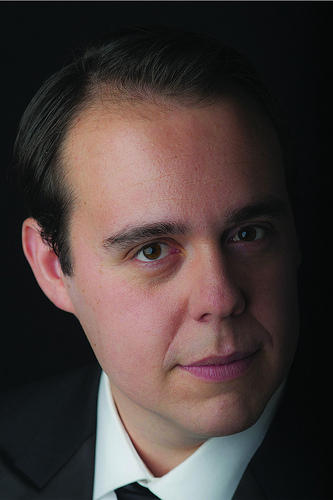
Adrian ERÖDGabriel von Eisenstein Adrian ERÖD


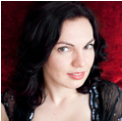
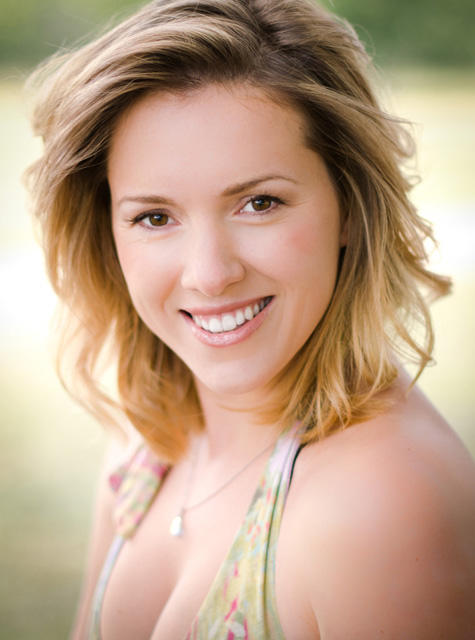
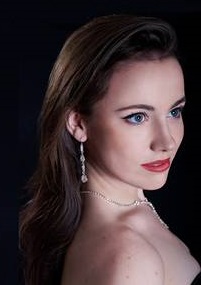
Alexandra REINPRECHTRosalinde Alexandra REINPRECHT


Horst LAMNEKFrank Horst LAMNEK


Manuela LEONHARTSBERGERPrinz Orlofsky Manuela LEONHARTSBERGER


MURAKAMI KotaAlfred MURAKAMI Kota


Klemens SANDERDr. Falke Klemens SANDER


Jennifer O'LOUGHLINAdele Jennifer O’LOUGHLIN


Dr. Blind OKUBO Mitsuya

Frosch Boris EDER

Ida WASHIO Mai

Chorus New National Theatre Chorus

Orchestra Tokyo Symphony Orchestra

Posted in OPera | Tagged , | Leave a comment

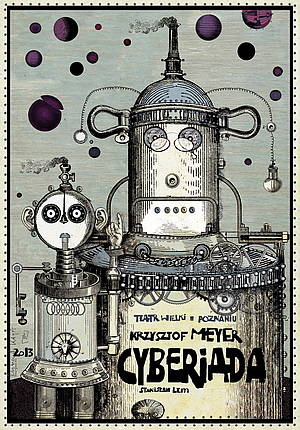
KRZYSZTOF MEYER’s fantastic comic opera CYBERIADA (THE CYBERIAD) at the Teatr Wielki

polandlogoSun 6:00pm January 18, 2015

Moniuszko Auditorium

CyberiadePosterCYBERIADA (THE CYBERIAD)

 POZNAŃ OPERA THEATRE

KRZYSZTOF MEYER

Fantastic comic opera in three acts
Libretto – composer, based on the cycle of Stanisław Lem’s short stories
Premiere: 25/05/2013

Duration: 2 hrs. 30 min., including one intermission

Artistic Team:

Conductor: Krzysztof Słowiński
Director and Choreographer: Ran Arthur Braun
Set Designer: Justin C. Arienti
Lighting Designer: Marek Rydian
Chorus Master: Mariusz Otto

c1Cast:

The Stranger – Piotr Friebe
Constructor Trull / An Old Man / Trull’s Ghost – Adam Palka
The Ring – Barbara Gutaj-Monowid
Queen Genius – Roma Jakubowska-Handke
King Mandrillion the Greatest – Marek Szymański
Multitudian the Postman – Magdalena Wilczyńska-Goś
Subtillion – Tomasz Mazur
King Zipperupus – Karol Bochański
Polymeric Winidur – Rafał Korpik
An Old Cyberwitch – Vera Baniewicz
Automatthew – Jaromir Trafankowski
Alfred 1 – Natalia Puczniewska
Alfred 2 – Magdalena Wilczyńska-Goś
The Shop Owner – Michał Marzec
Three Storytelling Machines –
1. Janusz Andrzejewski
2. Barbara Gutaj-Monowid
3. Andrzej Ogórkiewicz
Konsulent – Bartłomiej Szczeszek
Juris Konsulent – Rafał Korpik
Perfect Adviser – Janusz Andrzejewski

c2

Aerialists: Peeter Gross, Maciej Astramowicz, Roksana Kostyra
Dancers: Zuzanna Perszewska, Aleksandra Brzezowska

Chorus and Orchestra of the Poznań Opera Theatre

The cast is subject to change

The project is financed from a designated subsidy of the Ministry of Culture and National Heritage

Photo: Katarzyna Zalewska
Poster for the production designed by Ryszard Kaja

c3 c5 c6 c8 c9 c4 c7


Posted in OPera | Tagged , , , , | Leave a comment

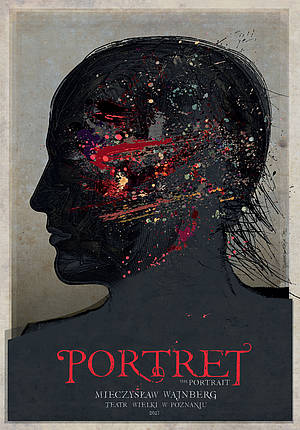
Weinberg’s THE PORTRAIT in Warsaw

polandlogoFri 7:00pm January 16, 2015
Moniuszko Auditorium

THE PORTRAIT – THE POZNAŃ OPERA THEATRE

portraitPosterMIECZYSŁAW WEINBERG

Opera in three acts
Libretto by Alexander Medvedev based on Nikolai Gogol’s short story
Sung in Russian with Polish surtitles
Co-production with the Opera North Production, U.K.
Polish premiere: 6/12/2013

Duration: 2 hrs 40 min., including one intermission

Artistic Team:

Conductor: Gabriel Chmura
Direction: David Pountney
Set Designer: Dan Potra
Lighting Designer: Linus Fellbom
Revival: Anelia Kadieva

p1Cast:

Czartkov – Jacek Laszczkowski
Nikita – Jaromir Trafankowski
Art Dealer / Landlady / Journalist / Professor / Earl
– Stanisław Kuflyuk
Lamplighter / Nobleman – Piotr Friebe
District Chief / General / Dignitary – Rafał Korpik
Female Seller / Lady-in-Writing – Monika Mych-Nowicka
Ist Seller / Ist Waiter / Turk – Marek Szymański
IInd Seller – Karol Bochański
IInd Waiter / Cavalry Officer – Kornel Maciejowski
IIIrd Seller / Dignitary – Andrzej Ogórkiewicz
Noble Woman – Olga Maroszek
Lisa – Galina Kuklina
Psyche – Maria Marcinkiewicz-Górna
Blind Flautist – Sebastian Łukaszewski

Orchestra of Poznań Opera Theatre

The project is financed from a designated subsidy of the Ministry of Culture and National Heritage.

p2p3

According to many experts of new music in the Soviet Union, after Sergei Prokofiev’s death, it was Mieczysław Weinberg who could be considered the most interesting composer after Dmitri Shostakovich. Apart from Alexandre Tansman and Andrzej Panufnik, Weinberg was one of the few Polish composers who, living in exile, managed to interest the most outstanding performers in his music. His compositions include several dozen symphonies, concerts, choral pieces, chamber pieces and movie scores (including for The Cranes Are Flying). In terms of the opera, he is the author of as many as seven pieces – The Passenger, to the libretto based on a short story by Zofia Posmysz, D’Artagnan in love with the libretto drawing on Alexandre Dumas’ novel, Well done! with the text inspired by a short story by Sholem Aleichem, and other pieces based on the works of Bernard Shaw, Fyodor Dostoyevsky or Nikolai Gogol.p4
It was actually Nikolai Gogol who wrote the story that inspired the libretto to The Portrait. The first performance of this opera was held in 1983 at the National Theatre in Brno. Other adaptations had not been attempted before the Bregenzer Festspiele (2010) directed by John Fulljames and the performances at the Nancy Opera and the North Theatre in Leeds directed by David Pountney – the same director who will now present his take on The Portrait in Poznań.

p5

Musically, Opera North’s Weinberg revival is subtle and tautly sung. Independent on Sunday

Gripping, sometimes frustrating but enthralling and, all in all, required viewing. Classical Source

David Pountney’s stimulating production was nothing less than an eye-opener. The York Press

Opera North have done Weinberg proud. Opera Britannia

Photo: Katarzyna Zalewska
Poster for the production designed by Ryszard Kaja

p6 p7 p9

p8

Posted in OPera | Tagged , , , , | Leave a comment

Tõnu Kõrvits’ Butterfly in Estonia

butterflytitle

Butterfly

Opera by Tõnu Kõrvits in two acts

Libretto by Maria Lee Liivak and Lauri Kaldoja, based on Andrus Kivirähk’s eponymous novel
World premiere on September 13, 2013 at the Estonian National Opera

  • Approx. running time 2 h 5 min
  • Performed in Estonian, subtitles in Estonian and English

F, 16 January 2015 / 19:00

F, 6 February 2015 / 19:00

butterfly1

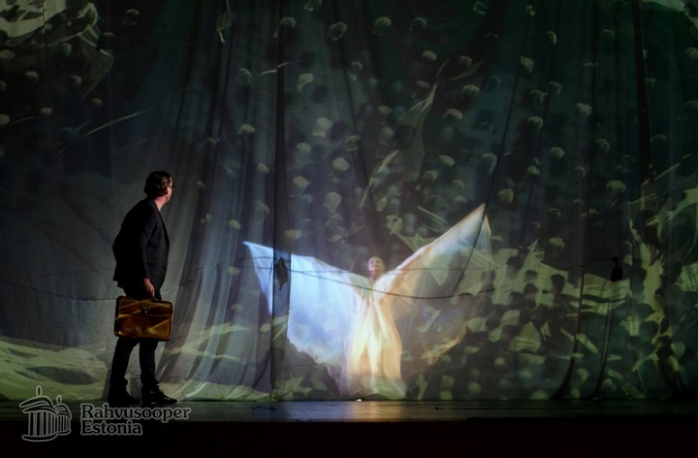
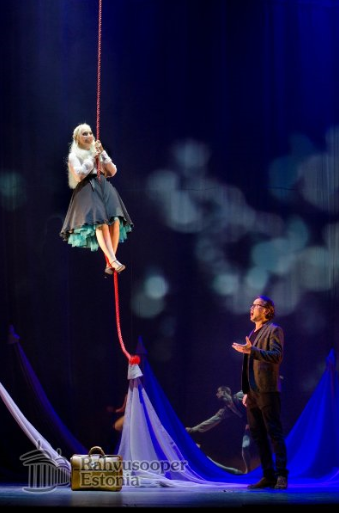
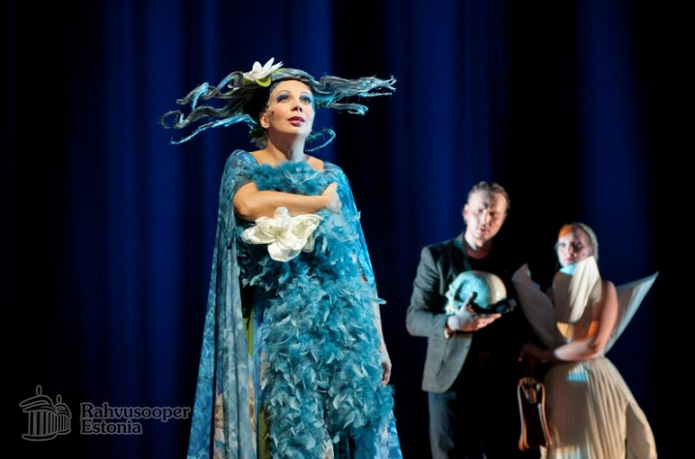
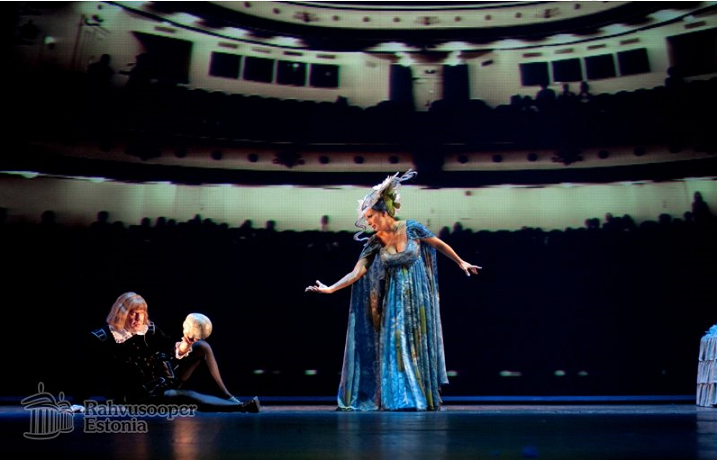
“Butterfly” by Tõnu Kõrvits is a dream-like opera, merging life, theatre and fairy-tale. The heroine Erika is a mysterious bird-woman, who is employed by the theatre by chance and dances like a butterfly. She is fickle, sensitive and unpredictable. Her descent from birds makes her choose between leaving with them on the brink of winter or staying at the theatre, where her heart and her beloved August is.butterfly2

“Butterfly” is commissioned for the 100th anniversary of the house of the Estonia Theatre and Concert House on September 6, 2013. The opera recounts the beginning years of the theatre and people who worked there at the time (dancer Erika Tetzky, actor August Michelson). The historical opening performance of the house, “Hamlet”, will be portrayed by the characters of the legendary actors Erna Villmer and Theodor Altermann. Ophelia portrayed by Villmer will become a parallel to the fate of Erika.butterfly3

Staging team
Conductors Vello Pähn, Risto Joost
Stage Director Peeter Jalakas (Von Krahl Theatre)
Designer Liisi Eelmaa
Ligting Designer Anton Kulagin
Choreographer: Kati Kivitar
Video Designer Emer Värk (Von Krahl Theatre)
Technical Consultant Enar Tarmo (Von Krahl Theatre)butterfly4butterfly5

CAST

risto_joost
Risto Joost Conductor
Rauno_Elp
Rauno Elp
oliver_kuusik
Oliver Kuusik
helen_lokuta
Helen Lokuta
Kadri_Kipper

butterfly6butterfly7

Posted in OPera | Tagged , , , , , | Leave a comment

OWEN WINGRAVE at the Oper Frankfurt

frankfurtlogo

OWEN WINGRAVE

Benjamin Britten 1913 – 1976

Opera in two acts
Libretto by Myfanwy Piper, after the story by the same name (1893) by Henry James
First broadcast May 16th 1971 BBC Television, London
First performance May 10th 1973 Royal Opera House Covent Garden, London
Sung in English with German surtitles

Saturday 10.01.2015

Further performances:
16.01.2015 |23.01.2015 |25.01.2015 |30.01.20151Owen

Cast


Conductor
Yuval Zorn
Director
Walter Sutcliffe
Revival rehearsed by
Tobias Heyder
Stage and Costume Designer
Kaspar Glarner
Lighting Designer
Frank Keller
Dramaturge
Agnes Eggers

2Owen

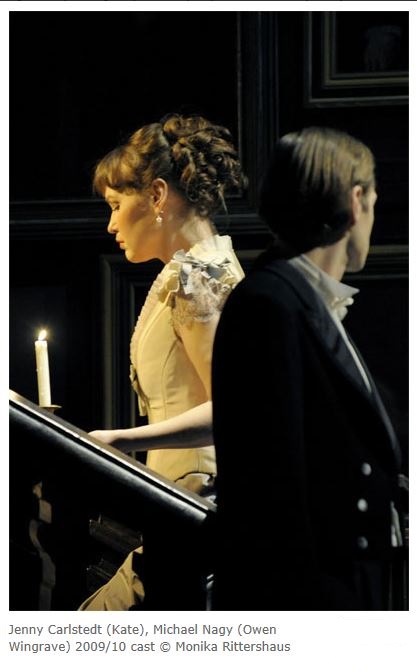
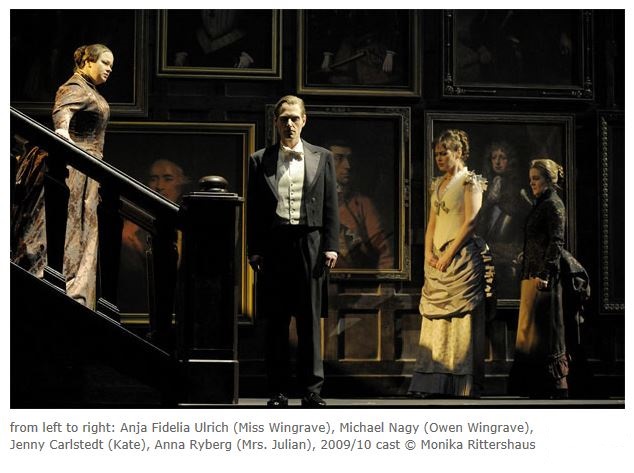
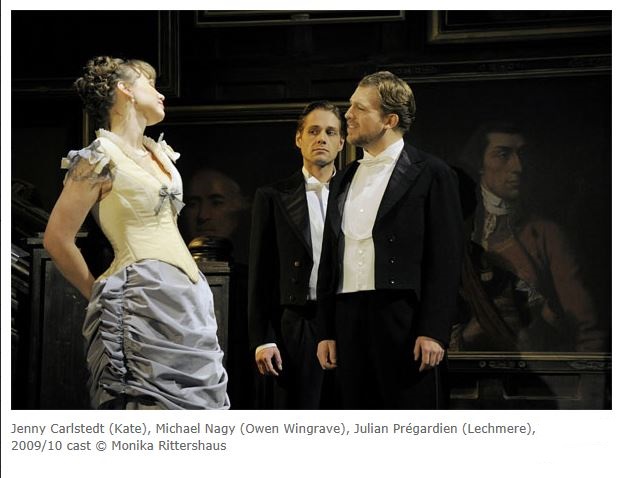
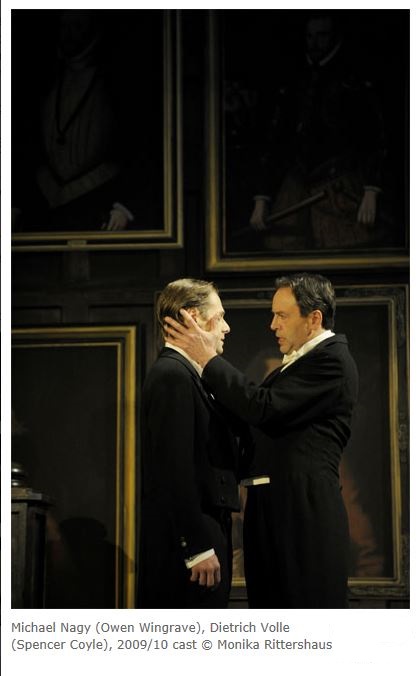
Owen Wingrave, the last of the Wingraves
Björn Bürger
Spencer Coyle
Dietrich Volle
Lechmere
Simon Bode
Narrator / Ballad Singer
Beau Gibson
Miss Wingrave, Owen’s aunt
Britta Stallmeister
Mrs Coyle
Barbara Zechmeister
Mrs Julian, a widow
Karen Vuong
Kate, her daughter
Nina Tarandek
General Sir Philip Wingrave, Owen’s grandfather
Michael McCown

Oper Frankfurt’s Orchestra3Owen

About the Piece


Owen Wingrave, based on Henry James’ story, is about how an isolated, honourable individual clashes with an officially sanc
Owen Wingrave, based on Henry James’ story, is about how an isolated, honourable individual clashes with an officially sanctioned spirit of militarism. Owen comes from a 300 year old officer dynasty. The central character reflects Britten’s own experience in war time, when he gave vent to his pacifistic views to an administrative commission.
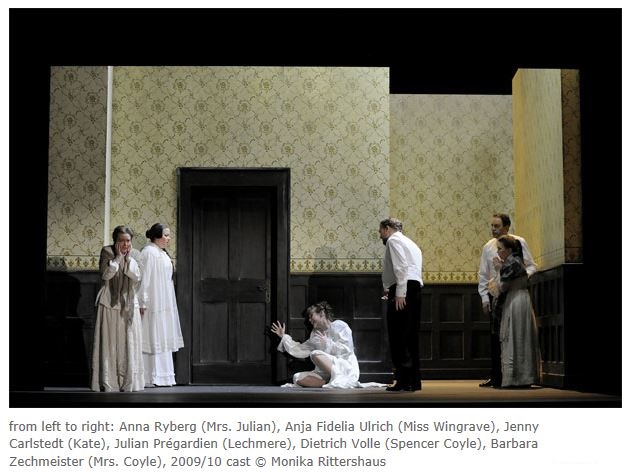
4OwenWar was raging in Vietnam when Britten began composing the opera in 1969. Protests against war were escalating all over the world. Right from the beginning the musical characterisation of the family portraits conjure up sabre rattling and clinking sporrans. Walter Sutcliffe’s treatment of this unusual chamber opera keeps close to the work’s origins in television. The stage design allows the scenes to change in almost film-like format. This production was such a success when it first opened at the Bockenheimer Depot that is now being revived for the first time, in the Opera House.5Owen

Synopsis


Owen confesses to Coyle, his teacher, that he intends to reject the military career expected of him. Coyle is unable to persuade Owen otherwise and unwillingly agrees to break the news to Owen’s aunt. She orders that Owen be sent to Paramore, the family home. Owen, meanwhile, reflects on his decision and his desire to follow the path of peace. Owen arrives home, resolved to face his living family and the ghosts of his ancestors. The family spend a week reminding him of his duty, his heritage. The Coyles join the family for a dinner, the purpose of which is to humiliate and undermine Owen, and make him see sense. Owen tells Coyle a ghost story, showing him the actual room it relates to. Owen is summoned by his grandfather. 6Owen

The Coyles try to convince Kate, Owen’s betrothed, to show Owen some sympathy. Owen announces that he is being disinherited. All retire to bed, except Owen, who reflects on what he is losing, what he is gaining and on the peace he has found. He is visited by the ancestral ghosts but summons the courage to reject them. Kate appears. Owen asks Kate to come with him but she refuses. They argue, and Kate denounces Owen as a coward. The only way to prove her wrong is to face his deepest fear and spend the night in Paramore’s haunted room…..7Owen 8Owen


Posted in OPera | Tagged , , , , | Leave a comment

Gluck’s Orfeo ed Euridice in Warsaw

polandlogoORFEO ED EURIDICE

Christoph Willibald Gluck
Sun  6:00pm  January 25, 2015
Moniuszko Auditorium

orfeo13

orfeusposterOpera in three acts (Vienna version)
Libretto: Ranieri de’ Calzabigi
World premiere: Vienna, 5/10/1762
Polish premiere: Warsaw, 1776
Bratislava premiere: 5/12/2008
Premiere of this production: 23/05/2009
Co-production with the Slovak National Theatre in Bratislava
Original language version with Polish surtitles

Running time: 1 hour 20 min

orfeo1

Conductor: Łukasz Borowicz
Direction: Mariusz Treliński
Set Design: Boris Kudlička
Costumes: Magdalena Musiał
Choreography: Tomasz Wygoda
Chorus Master: Bogdan Gola
Lighting Design: Marc Heinz
Literary Consultancy: Piotr Gruszczyński
Video: Bartek Macias

Chorus and Orchestra of the Polish National Opera, Polish National Ballet

orfeo2

Photo: Krzysztof Bieliński
Poster for the production, designed by Adam Żebrowski

Cast:

Orfeo – Wojtek Gierlach
Euridice – Olga Pasiecznik
Amor – Bożena Bujnicka

orfeo4

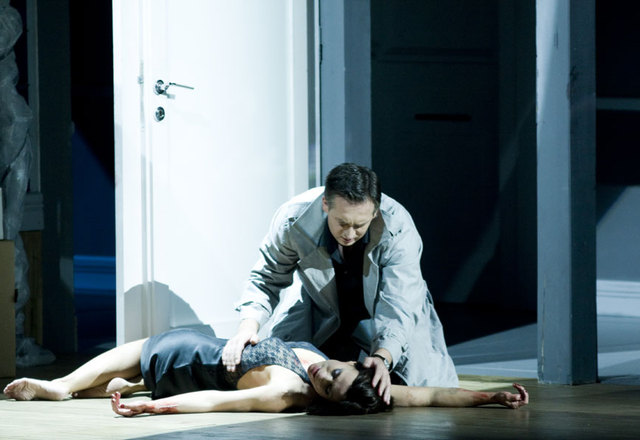
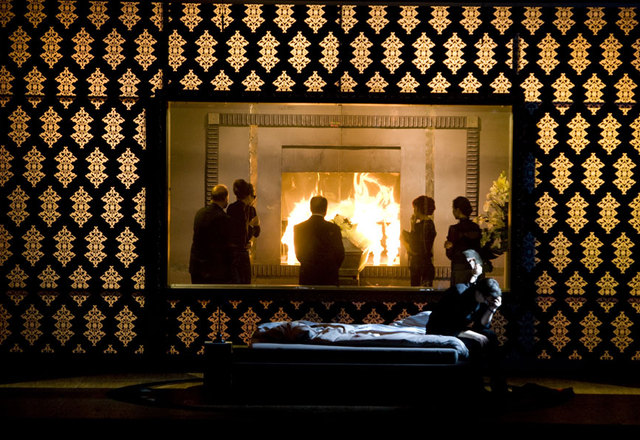
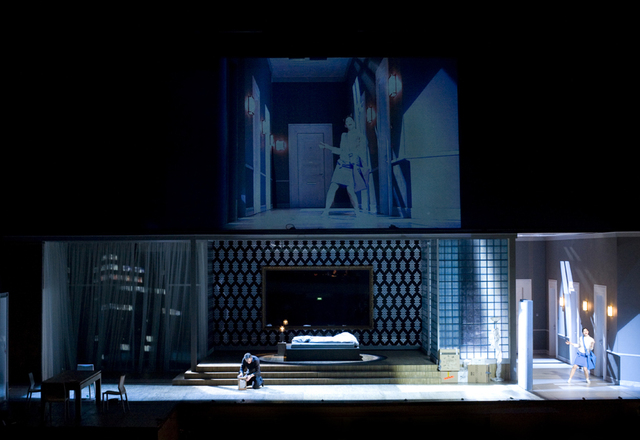
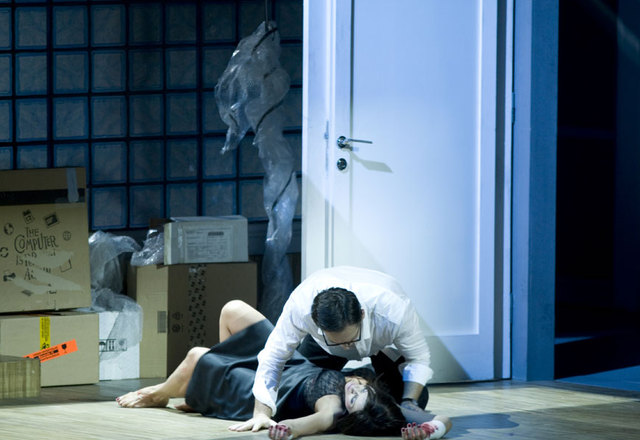
This is the oldest work that Mariusz Treliński has taken on in his 15 years as an opera director. He chose the Viennese version of Gluck’s opera, performed in Italian and with a baritone Orfeo. Treliński’s Orfeo is a piece that grew from the music and the cultural background, but apparently was also inspired by some hard times he personally experienced. His confrontation with the great tale of Mediterranean culture and also the founding myth of the whole opera genre resulted in a completely contemporary form: real, “ours”, almost palpable, just like in Czesław Miłosz’s poem Orpheus and Eurydice.

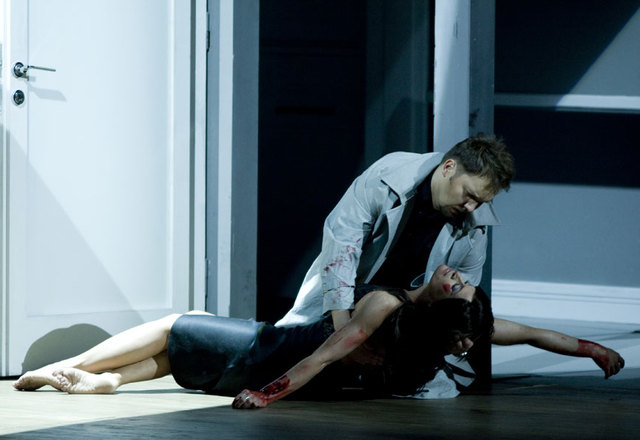
orfeo6The director left out Gluck’s conventional lieto fine, a relic of the Enlightenment worldview – a form of interference Treliński had never before allowed himself and never has since. In such a personal production the major chords of the ending would have simply been an inappropriate dissonance. Treliński’s Euridice commits suicide only to literally haunt her still living lover after her death, practically not leaving the stage even for a moment. What an accumulation, in the performance’s two hours, of shocking images that it is impossible to shake off upon leaving the theatre! Let us mention just one, perhaps the most powerful – when Euridice’s coffin is about to be consumed by the crematorium furnace…

orfeo7

orfeo8 orfeo9 orfeo10 orfeo12 orfeo13 orfeo14 orfeo15 orfeo16 orfeo17 orfeo18 orfeo19 orfeo20 orfeo21 orfeo22

Posted in OPera | Tagged , , , , | Leave a comment

Rusalka at the Oper Frankfurt

frankfurtlogoRUSALKA

Antonin Dvorak 1841 – 1904
Lyric Fairy Tale in three acts
Libretto by Jaroslav Kvapil based on: Udine, by Friedrich de la Motte Fougué, The Little Mermaid by Hans Christian Andersen and Die Versunkene Glocke/The Sunken Bell by Gerhart Hauptmann
World premiere: March 31st 1901, National Theatre, Prague

A production from the Opéra national de Lorraine
Sung in Czech with German surtitles
Duration: c. 3 1/2 hrs. with two intervals

Thursday 05.02.2015
Further performances:
13.02.2015 |15.02.2015 |21.02.2015 |27.02.2015

Cast

Conductor
Christian Arming
Director and Stage Designer
Jim Lucassen
Revival rehearsed by
Tobias Heyder
Costume Designer
Amélie Sator
Lighting Designer
Andreas Grüter
Dramaturge
Ton Boorsma
Chorus Master
Tilman Michael

Rusalka
Olesya Golovneva
Prince
A.J. Glueckert
Fremde Fürstin
Claudia Mahnke
Wassermann
Andreas Bauer
Ježibaba, die Hexe
Katharina Magiera
Heger / Jäger
Sebastian Geyer
Küchenjunge
Maria Pantiukhova *
1. Waldelfe
Katharina Ruckgaber*
2. Waldelfe
Elizabeth Reiter
3. Waldelfe
Marta Herman

Oper Frankfurt’s Orchestra and Chorus

* Member of the Opera Studio

1RusalkaGermany

About the piece


Director and Stage Designer Jim Lucassen set Dvořák’s fairy tale opera in a national history museum, a paradigmatic space where di
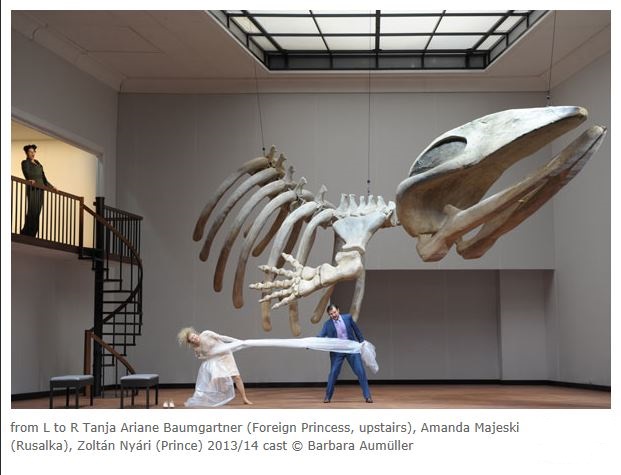
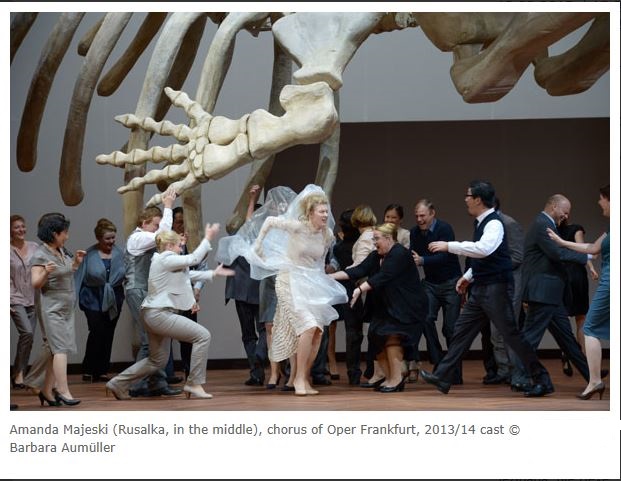
Director and Stage Designer Jim Lucassen set Dvořák’s fairy tale opera in a national history museum, a paradigmatic space where different worlds and times converge. Rusalka’s home, an inanimate exhibit during the day, comes to life at night. When the water nymph enters the hostile civilisation at the Prince’s court she finds that only a withered skeleton of nature has survived. Lucassen’s clear and sensitive production was highly praised when it was first performed in Nancy in 2010 and revived in Montpellier in 2011. 2RusalkaGermany

The first performances of this production, in September 2013, were the first time that this important Czech opera had been performed in Frankfurt for 24 years. Although Antonìn Dvořák wrote 10 operas the only one that enjoyed lasting success was Rusalka. One of the reasons was that this time he had a really first class libretto to work on, written by the author Jaroslav Kvapil. Kvapil wove European versions of old sagas about water nymphs and sprites into the Slavonic myth of the Rusalki and the Water Sprite, a well known figure in Czechoslovakia. Dvořák made hardly any changes to the libretto when setting it to music. His love of nature, in which he imersed himself whenever possible at his holiday home in the countryside outside Prague, is evident throughout the score.3RusalkaGermany

Synopsis


Rusalka, a water nymph, daughter of the Water Man, falls in love with a prince. Her father warns her about the human world but s
Rusalka, a water nymph, daughter of the Water Man, falls in love with a prince. Her father warns her about the human world but she is so determined that he refers her to Jezibaba, a witch. Jezibaba mocks Rusalka and points out the consequences her decision will have: if she loses the Prince’s love she will be doomed for eternity, and so will he. Jezibaba gives her human legs but makes it impossible for her to speak in human company. 4RusalkaGermany

The Prince meets Rusalka, falls in love. Preparations are put in motion for their wedding. His subjects are suspicious of his strange intended bride. The Prince reproaches Rusalka for her lack of passion. He then proves easy prey for a warm blooded, flirty foreign Princess. Rusalka tries to win him back, but he rejects her. Hopeless and dejected, Rusalka returns to her place of origin. Jezibaba tells her that the only way she can regain her former existence is if she kills the Prince. She, of course, cannot bring herself to do this and so is fated to wander, forever, between the worlds as a will-o’-the-wisp. The Prince, full of remorse, eventually finds her again but the kiss she begs her to give him kills him. Rusalka asks God to take pity on his soul.

5RusalkaGermany6RusalkaGermany 7RusalkaGermany 8RusalkaGermany

Posted in OPera | Tagged , , | Leave a comment

Monteverdi’s Orfeo in London

orfeoOrfeo

The Roundhouse
13-24 January 2015

Michael Boyd directs a new production of Monteverdi’s masterpiece in a collaboration between The Royal Opera and the Roundhouse in Camden.

The Story

On her wedding day Euridice is bitten by a snake and dies. Her husband, the great musician Orfeo, pursues her spirit down into the underworld.
Orfeo’s exquisite music enchants Proserpina, the Queen of Hades, who pleads with her consort Pluto for clemency. Pluto allows Orfeo to lead Euridice into the land of the living, provided he doesn’t look back at his wife. Orfeo cannot resist, and loses her.

Background

The history of great opera begins with the premiere of Claudio Monteverdi’s Orfeo on 24 February 1607 in the ducal palace in Mantua. It was Monteverdi’s first opera, produced as courtly entertainment for the carnival season. For this ‘favola in musica’ (story in music) he incorporated existing musical forms, such as madrigals and the newly developed recitative (singing with speech-like rhythms and minimal accompaniment). But the result was revolutionary, possessing a powerful emotional truth that had never been seen before in musical dramas. Orfeo is rightly acclaimed as the first operatic work of art.
A new collaboration between the Roundhouse and The Royal Opera, Orfeo follows on from L’Ormindo at the Sam Wanamaker Playhouse, Shakespeare’s Globe, in spring 2014. Former artistic director of the Royal Shakespeare Company Michael Boyd directs in his operatic debut, with a production that features post-graduate students of the Guildhall School of Music and Drama and participants of East London Dance.

Language

Sung in English

Credits

Director
Michael Boyd
Set designs
Tom Piper
Lighting design
Jean Kalman

curnyn_christianChristian Curnyn

Conductor

Scottish conductor Christian Curnyn made his Royal Opera debut in 2009 conducting The Beggar’s Opera in the Linbury Studio Theatre. In 2014 he conducted The Royal Opera’s production of L’Ormindo at the Sam Wanamaker Playhouse, Shakespeare’s Globe, which he returns to conduct in the 2014/15 Season.

Curnyn was born in Glasgow. He read music at York and studied harpsichord at the Guildhall School of Music and Drama and has gone on to become one of the leading baroque opera conductors working in the UK. He founded the Early Opera Company in 1994. The company’s notable performances since have included Agrippina (New York), Orlando (South Bank Early Music Festival), Partenope (Buxton and Aldeburgh festivals) and tours of Flavio and Susanna. Curnyn made his English National Opera debut in 2008 conducting Partenope and has since returned to conduct After Dido, Castor and Pollux, Julius Caesar and Medea. Opera engagements elsewhere have included Semele and Tamerlano for Scottish Opera, Saul for Opera North, Le nozze di Figaro and Eliogabalo for Grange Park Opera, Così fan tutte for New York City Opera, Tolomeo for Glimmerglass Opera, Platée for Stuttgart Opera and La Calisto and Gluck’s Ezio for Frankfurt Opera.

On the concert platform Curnyn has worked with orchestras including the Hallé, Ulster Orchestra, English Concert, Irish Baroque Orchestra and Scottish Chamber Orchestra. He has made award-winning recordings of Semele and Partenope for Chandos, for whom he has also recorded Eccles’s The Judgement of Paris and Handel’s Serse.

CAST

orfeo1Gyula Orendt (Orfeo)

Baritone

Hungarian-Romanian baritone Gyula Orendt made his Royal Opera debut in 2012 as Gamekeeper (Rusalka). He returns in the 2014/15 Season to sing the title role in Orfeo at the Roundhouse.

Orendt was born in Trannsylvania and studied at the Transylvania University of Brasov and the Franz Liszt Conservatory, Budapest. Early in his career he sang the title role in Handel’s Saul under Helmut Rilling, Colas (Bastien und Bastienne) in Györ and Schumann’s Liederkreis op.24 at the Bad Kissingen Festival. He started his career as a member of the Vienna Volksoper 2010–11 before becoming a member of the Opera Studio of Berlin State Opera 2011–13, singing such roles as Papageno (Die Zauberflöte), Keeper of the Madhouse (The Rake’s Progress, directed by Krzysztof Warlikowski) and Fiorello (Il barbiere di Siviglia) under Daniel Barenboim. In 2013 he became a member of the Berlin State Opera, where his roles include Papageno, Figaro (Il barbiere di Siviglia), Tempo/Consiglio (Rappresentatione di anima et di corpo) under René Jacobs, the title role in Der Kaiser von Atlantis, Belcore (L’elisir d’amore) and Silvano (Un ballo in maschera). Engagements elsewhere include Roberto/Nardo (La finta giardiniera) for Glyndebourne Festival, also broadcast on BBC Radio 3, Guglielmo (Così fan tutte) and Orfeo for Opéra national de Lorraine, Nancy, and Guglielmo for Bavarian State Opera.

In concert Orendt has sung Ein deutsches Requiem with the Barcelona Symphony Orchestra. His discography includes Rappresentatione di Anima, et di Corpo under Jacobs for Harmonia Mundi. Orendt is a triple prizewinner of the Francisco Viñas Competition.
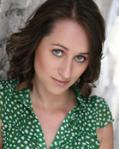
susanna-hurrell_jpgSusanna Hurrell (Euridice/Echo)

Soprano

English soprano Susanna Hurrell made her Royal Opera debut in 2014, singing Music/Erisbe in The Royal Opera’s production of L’Ormindo at the Sam Wanamaker Playhouse, Shakespeare’s Globe. In the 2014/15 Season she returns to sing Music/Erisbe and Euridice/Echo (Orfeo) for The Royal Opera at the Roundhouse.

Hurrell was born in London and trained at the Royal College of Music with Patricia Rozario and at the National Opera Studio with Jeffrey Talbot. For the London Handel Festival she has sung roles including Rodelinda, Rossane (Alessandro) and Amarilli (Il pastor fido). Other roles have included Rose Maurrant (Street Scene) with The Opera Group, Maid (The Crocodile) for Grimeborn Festival and Serpetta (La finta giardiniera) for Opera de Baugé.

Hurrell sings regularly in concert, her engagements including Messiah with the English Chamber Orchestra, Pergolesi’s Stabat Mater with the Orchestra of the Age of Enlightenment, Haydn’s Nelson Mass with Oxford Philomusica and the world premiere of Oppenheimer’s Deborah with the Southbank Sinfonia.

bevanMary Bevan (Music/Nymph)

Soprano

British soprano Mary Bevan made her Royal Opera House debut singing Lila (The Firework-Maker’s Daughter, world premiere) in the Linbury Studio Theatre in 2013 with Mahogany Opera Group. She returned the following Season to sing Barbarina (Le nozze di Figaro) for The Royal Opera on the main stage.

Bevan studied Anglo-Saxon, Norse and Celtic at Cambridge University and trained at the Royal Academy of Music. She sings regularly at English National Opera, where her roles have included Rebecca (Two Boys, world premiere), Yum-Yum (The Mikado), and Barbarina. Her other roles have included Galatea (Acis and Galatea) for Iford Arts, Pamina (The Magic Flute) at Garsington Opera and Kate (Yeomen of the Guard) at the BBC Proms. She regularly appears in concert, performances including the St Matthew Passion and Israel in Egypt with the Hanover Band, Les Illuminations with the English Chamber Orchestra and Rutter’s Requiem at the Royal Albert Hall.

Bevan is the sister of soprano Sophie Bevan and daughter of David Bevan, Director of Music at Our Most Holy Redeemer and St Thomas More, Chelsea.

kellyRachel Kelly (Persephone)

Jette Parker Young Artist

Irish mezzo-soprano Rachel Kelly joined The Royal Opera’s Jette Parker Young Artist Programme in the 2013/14 Season and has since sung Second Esquire (Parsifal), Mercédès (Carmen), Javotte (Manon) on the main stage, Cat (El gato con botas) in the Linbury Studio Theatre in Meet the Young Artists Week and Mirinda (L’Ormindo) with The Royal Opera at the Sam Wanamaker Playhouse, Shakespeare’s Globe. In the 2014/15 Season she sings Pisana (I due Foscari), Zaida (Il turco in Italia) and Flora Bervoix (La traviata) on the main stage, Proserpina (Orfeo) at the Roundhouse and Mirinda at the Sam Wanamaker Playhouse.

Kelly was born in Ireland and studied at the Royal Academy of Music and the National Opera Studio. She continues to study with Janice Chapman. She is a Samling Scholar and a Solti Accademia Young Artist, and won the Bernadette Greevy Competition. Her operatic appearances with Royal Academy Opera included Béatrice (Béatrice et Bénédict), Wu (Maxwell Davies’s Kommilitonen!, world premiere) and Fanny Price (Dove’s Mansfield Park).

As a recitalist Kelly has performed at venues including the Carnegie Hall, St Petersburg Academy of Arts, Wexford Festival Opera House and the National Concert Hall, Dublin. She has sung with the National Symphony Orchestra of Ireland and recorded with New World Records.

Callum Thorpethorpe (Pluto)
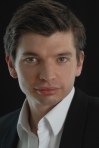
Bass-Baritone

English bass-baritone Callum Thorpe makes his Royal Opera debut in the 2014/15 Season singing Pluto (Orfeo) at the Roundhouse.

Thorpe sang as a chorister at Coventry Cathedral. He obtained a PhD in immunology at Imperial College London before studying singing at the Royal Academy of Music. He sings regularly with Les Arts Florissants, his engagements including The Fairy Queen under William Christie on tour in Paris, Caen and New York, The Indian Queen under Paul Agnew, the international concert series Le Jardin de Monsieur Lully, Phobétor (Atys), Pluto (La Descente d’Orphée aux enfers) and Adonis (Venus and Adonis). Other operatic engagements include Masetto (Don Giovanni) for Glyndebourne on Tour, Garsington Opera and at the Birgitta Festival, Loudspeaker (Der Kaiser von Atlantis) for English Touring Opera, Pluto for Silent Opera, Third Fate (Hippolyte et Aricie) for Glyndebourne Festival, Billy Jackrabbit (La fanciulla del West) for Opera North and Noye (Noye’s Fludde) at the Two Moors Festival.

Thorpe’s many concert appearances include the St Matthew Passion with the Philharmonie Zuidnederland under Paul Goodwin, Israel in Egypt at the Tel Aviv Opera House with the Jerusalem Symphony Orchestra under Laurence Cummings, Polyphemus (Acis and Galatea) at the Festival de Thiré under Christie and Esther and Acis and Galatea at the London Handel Festival. Thorpe’s other concert repertory includes the St John Passion, Verdi’s Requiem, Mozart’s Requiem, Messiah, The Creation and Rossini’s Petite Messe solennelle.

James Plattplatt (Charon)
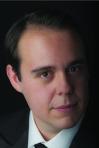
Jette Parker Young Artist

British bass James Platt joined The Royal Opera’s Jette Parker Young Artists Programme at the start of the 2014/15 Season. In his first Season his roles include Tom (Un ballo in maschera), Second Man in Armour (Die Zauberflöte) and Doctor Grenvil (La traviata) on the main stage, Blansac (La scala di seta, Meet the Young Artists Week) in the Linbury Studio Theatre and Charon (Orfeo) at the Roundhouse.

Platt studied at Chetham’s School of Music, the Royal Academy of Music and on the Opera Course of the Guildhall School of Music and Drama. He currently learns with Janice Chapman, and has also studied with Brindley Sherratt and John Tomlinson. Platt was a finalist in the GSMD’s Gold Medal Competition and was awarded the Silver Medal by the Worshipful Company of Musicians. He is also the recipient of a Samling scholarship, a Richard Van Allan Award and an Independent Opera Scholarship. In 2013 he was a Jerwood Young Artist at Glyndebourne Festival, where he sang Notary (Don Pasquale) and covered the role of Mr Flint (Billy Budd). In summer 2014 he made his debut with Welsh National Opera as High Priest of Baal (Nabucco).

Platt has appeared in concert in Glyndebourne’s Ebert Room Recital Series and the Brighton Festival, and in venues including the Bridgewater Hall, the Royal Festival Hall, Christ Church Spitalfields and the Barbican. He has sung with such leading conductors as Laurence Cummings, Andrew Davis, Colin Davis, Mark Elder, Valery Gergiev, Charles Mackerras and Paul McCreesh.

susan-bickleySusan Bickley (Messenger)

Mezzo-Soprano

British mezzo-soprano Susan Bickley made her Royal Opera debut in 1991 as Fyodor (Boris Godunov) and has since sung Aksinya (Lady Macbeth of Mtsensk), Lyudmila (The Bartered Bride), Mrs Peacham (The Beggar’s Opera), Babulenka (The Gambler) and Virgie (Anna Nicole, world premiere), as well as in George Benjamin’s Into the Little Hill in the Linbury Studio Theatre. In the 2014/15 Season she returns to sing Virgie and Messenger (Orfeo).

Bickley studied at City University and the Guildhall School of Music and Drama. She has a long association with English National Opera, where she has sung roles including Eduige (Rodelinda), Jocasta (Thebans), Cassandra (The Trojans), Kabanicha (Kát’a Kabanová), Sidonie von Grasenabb (The Bitter Tears of Petra von Kant), Mescalina (Le Grande Macabre) and D.I. Anne Strawson (Two Boys). Other notable appearances include Kostelnicka (Jenůfa) for Welsh National Opera and Glyndebourne, Cassandra for Opera North, Baba the Turk (The Rake’s Progress) and Mrs Grose (The Turn of the Screw) for Glyndebourne, Ghost (The Last Supper) for Berlin State Opera, Ortrud (Lohengrin) and Brangäne (Tristan und Isolde) for WNO, Herodias (Salome) in San Francisco and Dallas and Countess Geschwitz (Lulu) for Vlaamse Opera. Her role creations include a role in Andriessen’s Writing to Vermeer (Netherlands Opera).

Bickley’s concert repertory ranges from Baroque works to contemporary music. From 2011 to 2013 she sang in the Hallé’s concert performances of Der Ring des Nibelungen, as Fricka (Das Rheingold and Die Walküre) and Waltraute (Götterdämmerung). She has recorded for several leading labels.
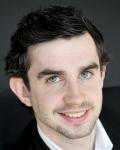
gregoryAnthony Gregory (First sheperd)

Tenor

English tenor Anthony Gregory makes his Royal Opera debut in the 2014/15 Season, singing First Shepherd (Orfeo) at the Roundhouse.

Gregory was born in Hereford and sang as a chorister with Hereford Cathedral Choir. He studied at the Royal College of Music, where his awards included the Ian Fleming Award and the Lies Askonas Prize, and the National Opera Studio. He was a Jerwood Young Artist at the Glyndebourne Festival in 2010. His engagements since have included Young Sailor (Julietta), First Armed Man (The Magic Flute), Borsa (Rigoletto) and Haemon (Thebans) for English National Opera, Prologue/Peter Quint (The Turn of the Screw) for Glyndbourne on Tour, Ferrando (Così fan tutte) and roles in The Fairy Queen for English Touring Opera, Tamino (The Magic Flute) for Northern Ireland Opera and Nevill Holt Opera, Edward Milfort (Il cambiale matrimonio) at the Academy of the Aix-en-Provence Festival, Roderigo (Otello), Agenore (Il re pastore) and Beethoven’s Choral Fantasy in concert at the Verbier Festival and Lucius (Lucio Silla in concert) for the Classical Opera Company.

Gregory’s concert performances include Messiah with Royal Scottish National Orchestra at Cadogan Hall and Wells Cathedral, music by Handel with the Choir of King’s College, Cambridge, at the Royal Albert Hall, Schubert’s Rosamunde with the BBC Philharmonic Orchestra, St Nicolas for St Luke’s Music Society, St John Passion in Hereford Cathedral, Acis and Galatea and Judas Maccabaeus with Epsom Choral Society, Monteverdi’s Vespers with the Armonico Consort and Rossini’s Stabat Mater with the Bath Bach Choir.

amuchhala1Amar Muchhala (Second Shepherd/Apollo)

Tenor

Indian tenor Amar Muchhala made his Royal Opera House debut in 2013 with The Opera Group, singing Chulak (The Firework-Maker’s Daughter, world premiere) in the Linbury Studio Theatre. In the 2014/15 Season he returns to The Royal Opera to sing Alex in (Glare, world premiere) in the Linbury Studio Theatre and Apollo and Shepherd (Orfeo) at the Roundhouse.

Muchhala was born in Bombay and studied business management and French literature at Franklin and Marshall College, Pennsylvania, and singing at the Guildhall School of Music and Drama. His operatic engagements include Mo (Barbur in London) for The Opera Group, Ferrando (Così fan tutte) for Hamburg University of Music and Theatre, Frederik (Mignon) at the Buxton Opera House, The Opera Show, directed by Mitch Sebastian, at Kilworth House Theatre, Georg (Die weisse Dame) at the Kammeroper Schloss Rheinsberg, Tamino (The Magic Flute) for British Youth Opera and Beppe (Pagliacci) for Haddo Opera House.

Muchhala’s concert engagements include Carmina burana at the National Centre of Performing Arts, Bombay, and performances of The Creation, Mozart’s Requiem, Messiah, Serenade to Music and George Dyson’s The Canterbury Pilgrims.

christopherlowreyChristopher Lowrey (Third Shepherd/Hope)

Countertenor

American countertenor Christopher Lowrey makes his Royal Opera debut in the 2014/15 Season, singing Hope and Shepherd in Orfeo at the Roundhouse.

Lowrey studied at Brown University, St John’s College, Cambridge, and the Royal College of Music. He was a 2014 Metropolitan Opera National Council Finalist and his awards include the 2013–14 Sullivan Foundation Award. He has sung for such conductors as Paul Agnew, Laurence Cummings, Christian Curnyn, Richard Egarr, Leonardo García-Alarcón, Martin Pearlman and Masaaki Suzuki. His engagements include Gernando (Faramondo) at the Göttingen Festival, L’humana fragilità (Il ritorno d’Ulisse in patria) with Boston Baroque, Discordia/Euripilo/Polluce (Cavalli’s Elena) at the Aix-en-Provence Festival, Joacim (Susanna) for the Iford Festival, Creonte (world premiere of Almeida’s L’Ippolito) at the Casa da Musica, Hercules (The Choice of Hercules) for Bampton Festival Opera and Alessandro, Mirtillo (Il pastor fido) and Bertarido (Rodelinda) for the London Handel Festival.

Lowrey performs widely in concert, appearances including Bach’s B Minor Mass with the Melbourne Symphony Orchestra, St John Passion with the Auckland Philharmonia Orchestra, Christmas Oratorio at the Cadogan Hall and in Denmark, Messiah with the Royal National Scottish Orchestra, Disinganno (Il trionfo del tempo e del disinganno) with La Nuova Musica and solo recitals with the Croatian Baroque Orchestra and the Providence Museum Orchestra. His recordings include Il ritorna d’Ulisse in patria with Boston Baroque and an album of arias by Handel for the EMI Emerging Artists Series.


Posted in OPera | Tagged , , | Leave a comment

Rigoletto at the Czech National Theatre

nationaltheatreRigoletto

rigoletto-r-haanLibretto: Francesco Maria Piave
Conductor: Richard Hein
Stage director: Karel Jernek
Sets: Zbyněk Kolář
Costumes: Olga Filipi
Chorus master: Adolf Melichar
Choreography: Daniel Wiesner

State Opera Orchestra

State Opera Chorus

Premiere: January 14, 1988

rigoletto-3

Together with La traviata and Il trovatore, Rigoletto (1851) is an opera that made Verdi famous worldwide. Its theme, taken over from Victor Hugo’s drama Le roi s’amuse, is the tragic story of the court jester Rigoletto and his beautiful daughter Gilda, who falls victim to her father’s promiscuous master, the Duke of Mantua. The genesis of the work, written for the Teatro La Fenice, was quite dramatic in itself. The Venice police intervened and subjected the original version to censorship, claiming that the theme was “tastelessly immoral” and “offensive to His Royal Majesty”.rigoletto-4

The librettist Francesco Maria Piave carried out acceptable revisions, replaced the character of the King with the Duke, omitted the hunchback personage and the motif of curse, and changed the working title La maledizione to Il duco di Vendôme. Yet Verdi insisted that the main story line be preserved and that Triboletto (as the hunchback was originally called) remain an outcast living on the edge of society. Ultimately, a compromise was reached and the opera was given a new title, the one we know it by today – Rigoletto. The world premiere on 11 March 1851 in Venice was a triumph and the Duke’s cynical song “La donna e mobile” (The woman is fickle) was sung by people in the streets the very next day. Verdi’s splendid melodies and the masterful depiction of the lead characters still enchant opera-lovers around the world.rigoletto-7

The opera is staged in Italian original version and Czech and English surtitles are used in the performance.

Duration of the performance: 2 hours and 30 minutes, 2 intermissions

PERFORMANCES
Friday January 16, 2015
Friday february 27, 2015
Friday April 17, 2015

rigoletto-10

CAST

ludhaludovitDuke of Mantua Ľudovít Ludha


cavalcantiRigoletto Miguelangelo Cavalcanti


aturova-simona2Gilda Simona Houda-Šaturová


vele-ludekSparafucile Luděk Vele


rigoletto-13

sykorova-janaMaddalena Jana Sýkorová


jarkovska-erika-1Giovanna Erika Vocelová Jarkovská


miloshorakMonterone Miloš Horák


brueckler-jiriMarullo Jiří Brückler


Count Ceprano Roman Vocel

Countess Ceprano Lubomíra Popova Alabozova

A page Petra Břicháčová

rigoletto-web1jpg

Posted in OPera | Tagged , , , | Leave a comment

Onegin in Poland

polandlogoonegin1ONEGIN

Pyotr Tchaikovsky
Wed 7:00pm January 15, 2015
Moniuszko Auditorium

onegin2 onegin3

Lyrical scenes in three acts and seven scenes
Libretto by Pyotr Tchaikovsky and Konstantin Shilovsky after Alexander Pushkin
World premiere: Maly Theatre, Moscow, 29 March 1879
Polish premiere: Teatr Wielki, Warsaw, 4 May 1899
Premiere of this production: 5 April 2002
Original language version with Polish surtitles

Duration: 3 hours 15 min., including 2 breaks

onegin4

Conductor: Andriy Yurkevych
Direction: Mariusz Treliński
Set Design: Boris Kudlička
Costumes: Joanna Klimas
Choreography: Emil Wesołowski
Chorus Master: Bogdan Gola
Lights: Felice Ross

Soloists, Chorus and Orchestra of Teatr Wielki – Polish National Opera, Polish National Ballet, Mimes and Modelsonegin5

Photo: Juliusz Multarzyński, Stefan Okołowicz

Cast:

Larina – Ewa Marciniec
Tatiana – Irina Mataeva
Olga – Karolina Sikora
Filippevna, Tatiana’s nurse – Joanna Cortes
Eugene Onegin – Artur Ruciński
Lensky – Pavlo Tolstoy
Prince Gremin – Aleksander Teliga
A captain – Czesław Gałka
Zaretsky – Robert Dymowski
Triquet – Tomasz Piluchowski

onegin6

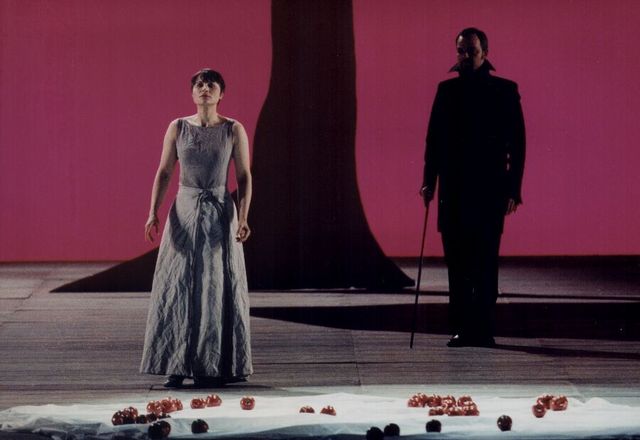
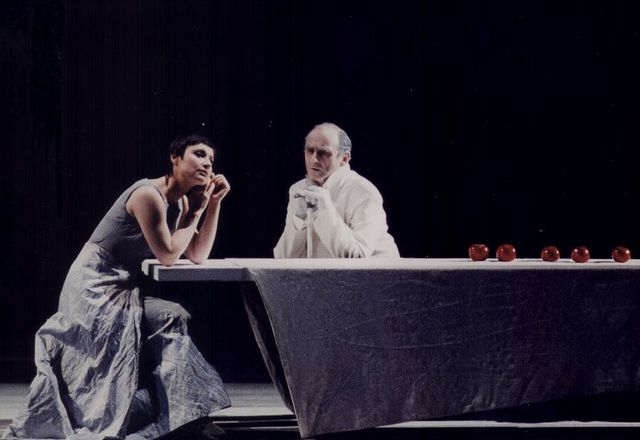
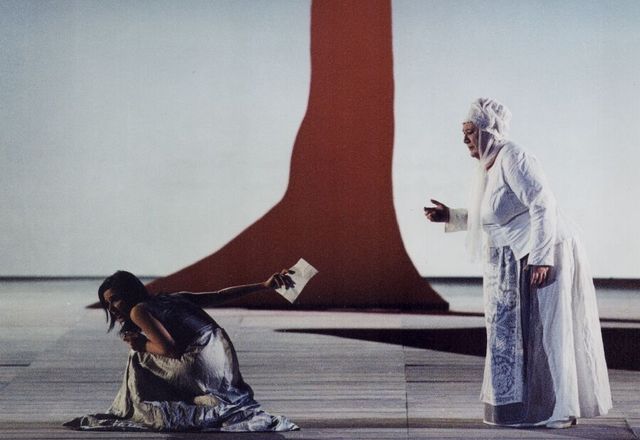
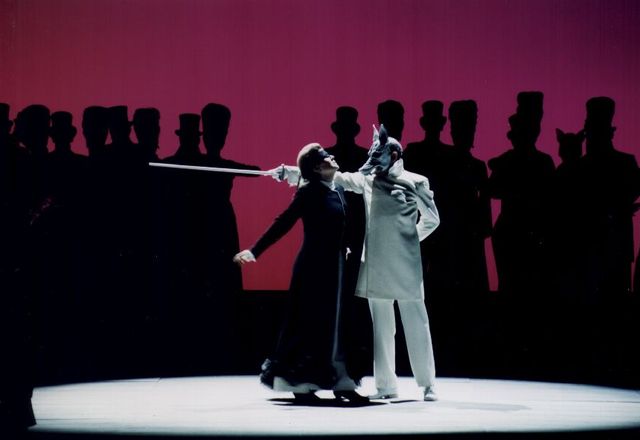
This show is a culmination of Treliński’s long-time fascination with the “superfluous man” character, a hero of 19th-century Russian literature whom Treliński found in both his films and his operas – to mention Mozart’s Don Giovanni and Szymanowski’s King Roger. Tackling the adaptation of Pushkin’s masterpiece, aware of Tchaikovsky’s substantial divergence from the poetic original (the digressive poem’s keen irony was almost completely erased, with psychological truth gaining the upper hand), Treliński introduced the mimed character of an old man in white with a walking stick.

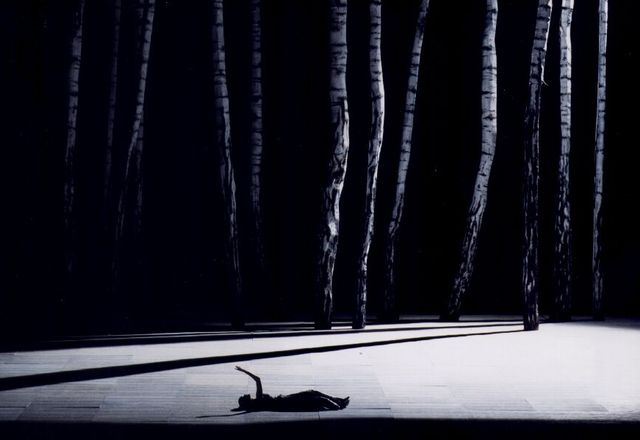
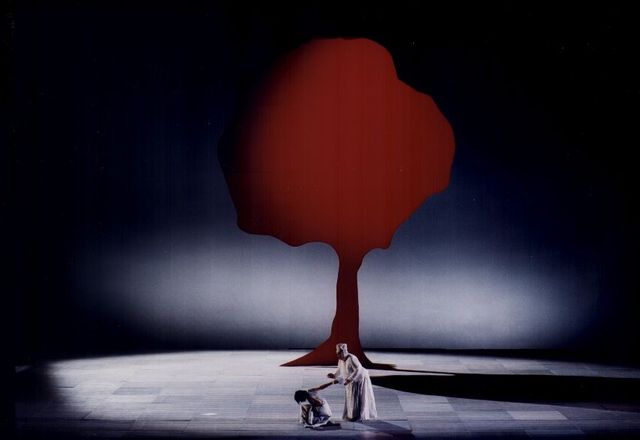
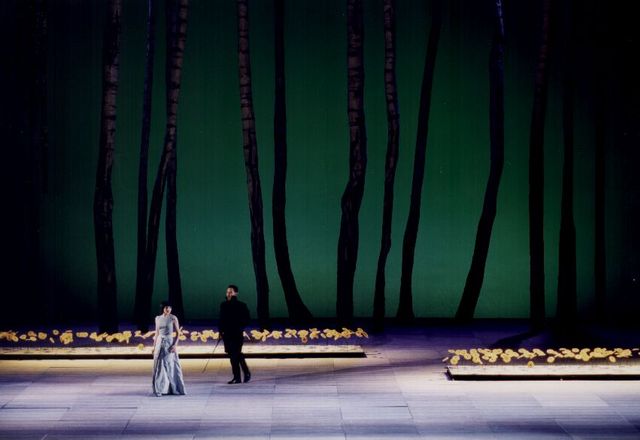
onegin7He is Onegin summing up his wasted life, seemingly watching helpless as the events of his past unfold but still controlling them. How many images from this production, which as usual is strongly inspired by Kudlička’s stage imagination, become embedded in the memory! Tatyana writing her letter under the watchful eye of the unconcerned, creepy fop who hovers over the trembling girl like a vulture, the parade of attractive ghost models m ving “out of step” with the walking beat of the magnificent polonaise, or the “Russian” birches gradually freezing in the distant, cold background during the two friends’ mindless duel, a landscape that speaks volumes as a symbol of Lensky fading away before our eyes and of Onegin’s spiritual death. A masterpiece!onegin8

onegin10 onegin11 onegin12

Posted in OPera | Tagged , , , | Leave a comment