BELLINI “I CAPULETI E I MONTECCHI” at La Fenice Theater in Venice

BELLINI “I CAPULETI E I MONTECCHI”

fenice

Venice: La Fenice Opera House

Director Arnaud Bernard

Director Arnaud Bernard

Conductor: Omer Meir Wellber

Director: Arnaud Bernard

Sets: Alessandro Camera

Costumes: Maria Carla Ricotti


CAST

jessica Pratt

Jessica Pratt

Cappelio
Rubén Amoretti

Giulietta
Jessica Pratt (14, 16, 18, 20)
Mihaela Marcu (15, 17)

sonia-ganassi-favorite

Sonia Ganassi

Romeo
Sonia Ganassi (14, 16, 18, 20)
Paola Gardina (15, 17)

Tebaldo
Shalva Mukeria (14, 16, 18, 20)
Francesco Marsiglia (15, 17)

Lorenzo
Luca Dall’Amico

La Fenice Opera House Orchestra and Chorus
Chorus Master Claudio Marino Moretti

new production La Fenice Opera House
co-production Arena di Verona and Greek National Opera

Day  Date            Time

Wed 2015-01-14 19:00

Thu 2015-01-15  19:00

Fri  2015-01-16   19:00

Sat  2015-01-17   15:30

Sun 2015-01-18  15:30

Tue 2015-01-20  19:00

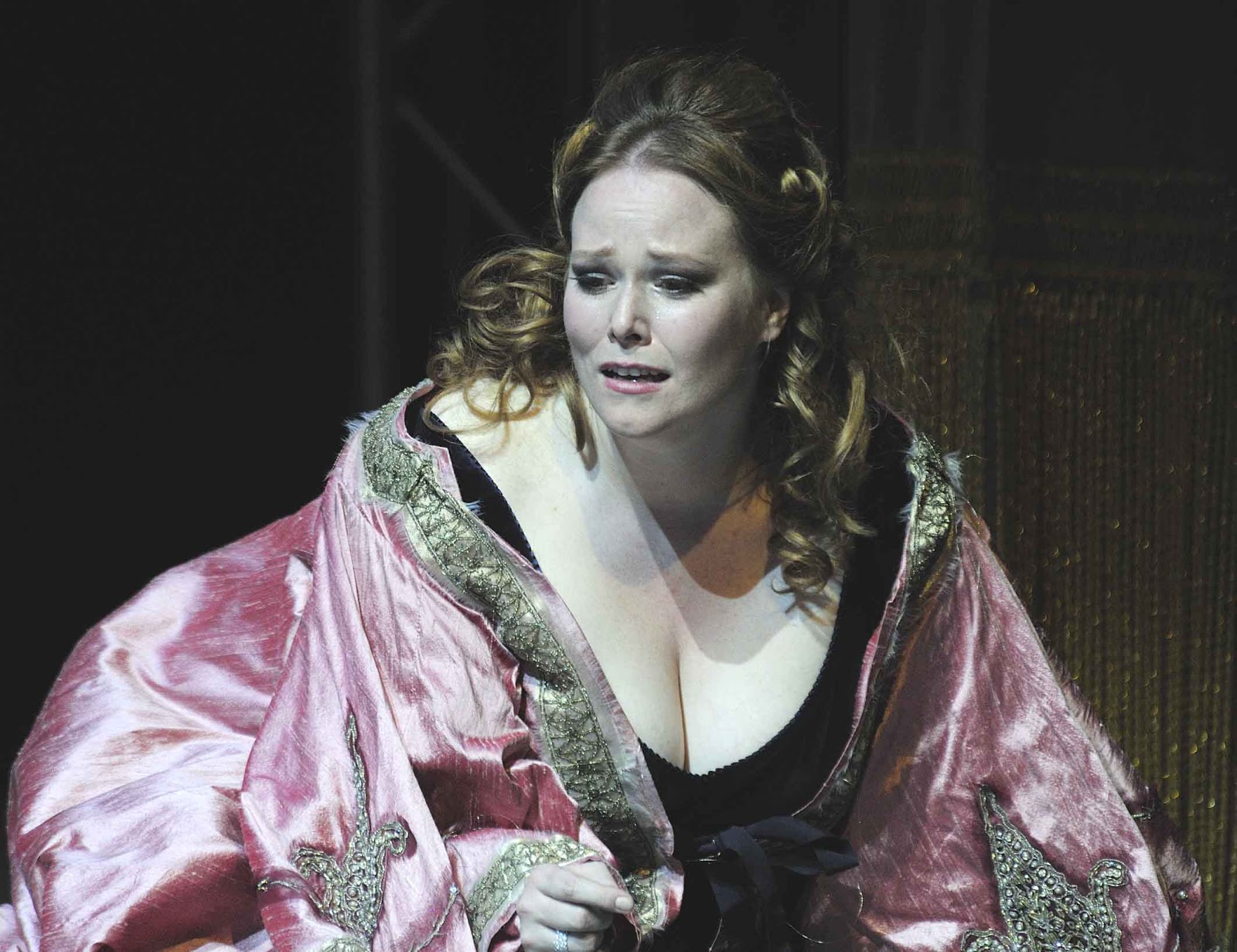
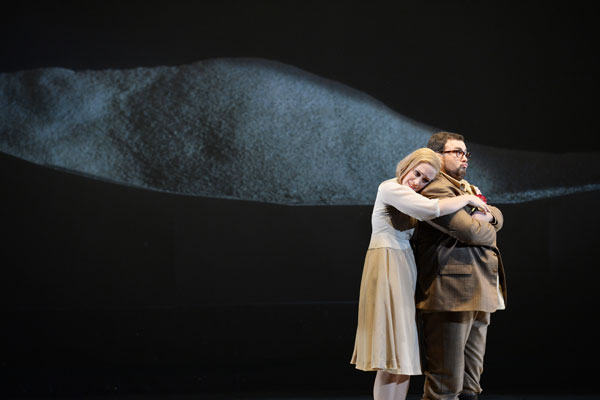
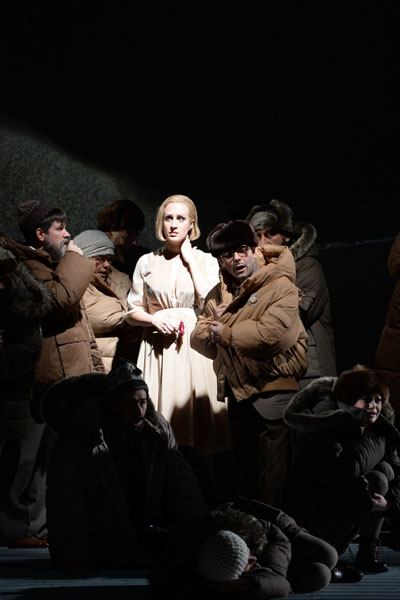
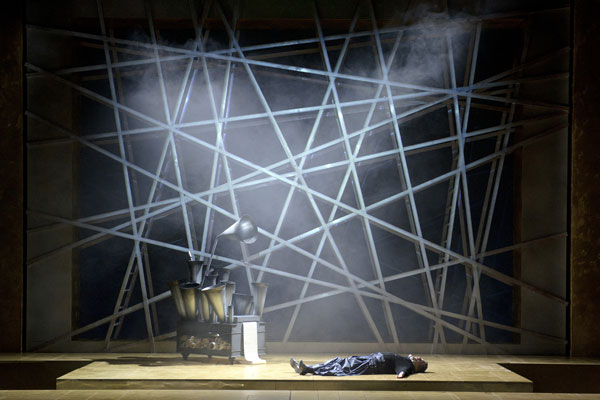
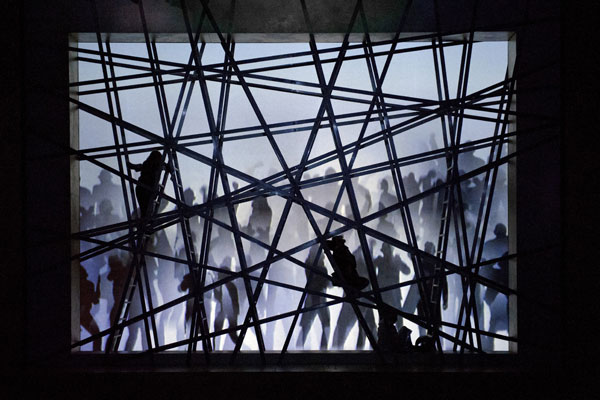
I Capuleti e i Montecchi- Fondazione Arena di Verona - photo Ennevi

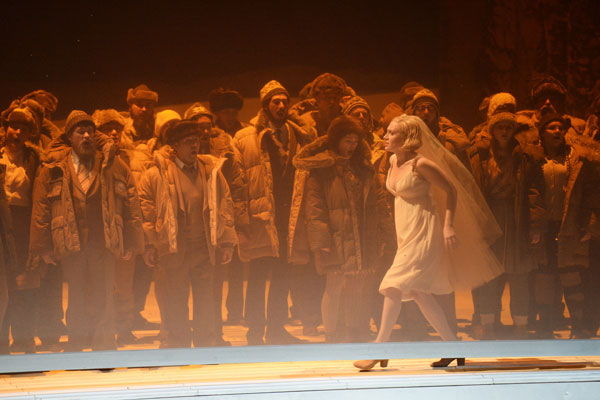
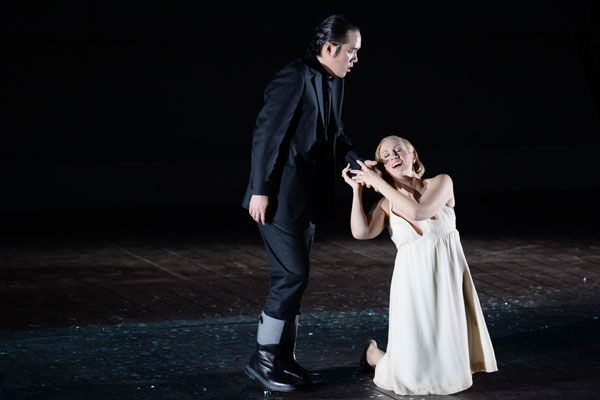
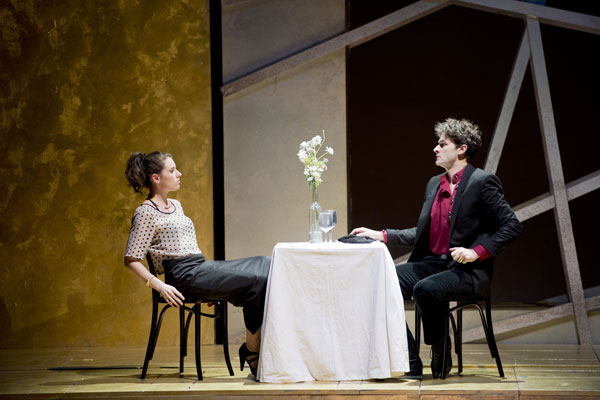
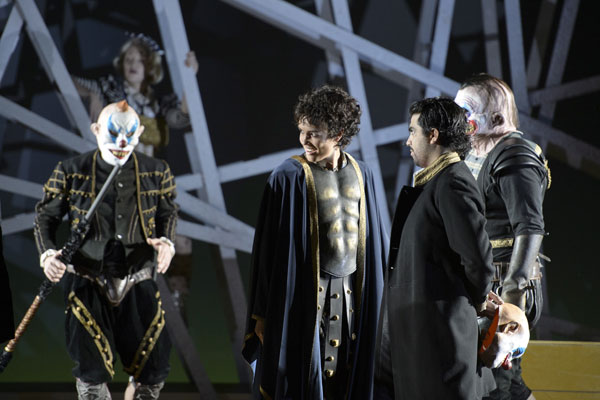
I Capuleti e i Montecchi- Fondazione Arena di Verona – photo Ennevi

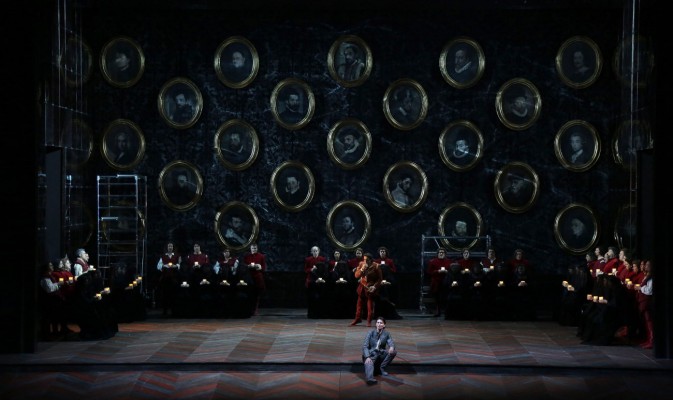
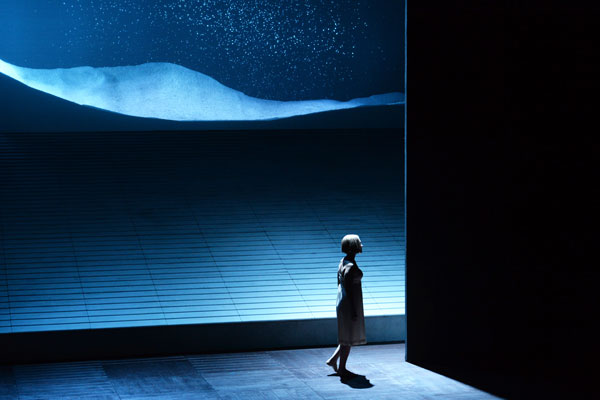
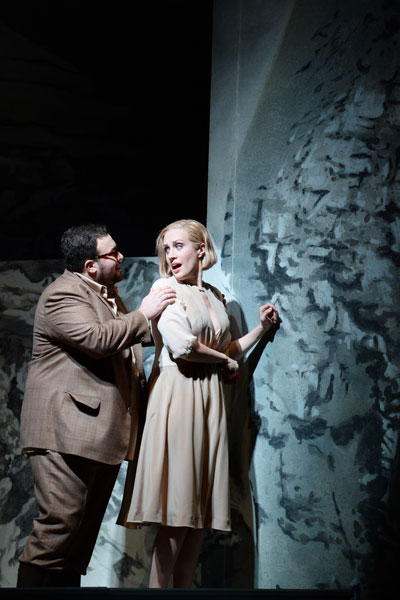
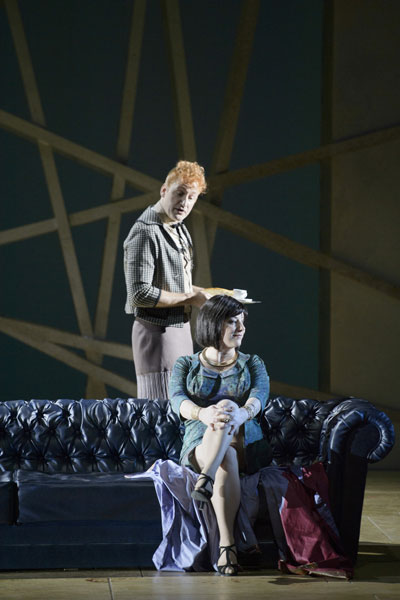
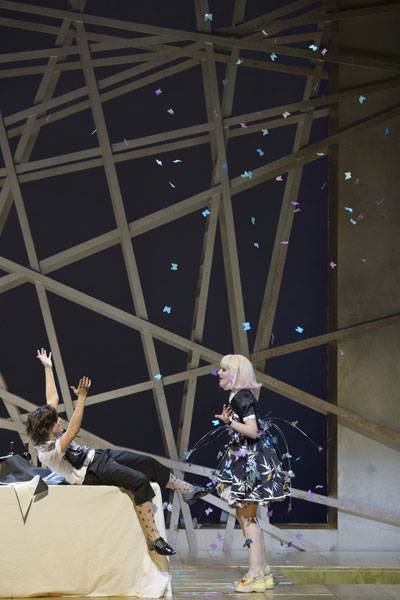
Vincenzo Bellini wrote two tragic operas for Teatro La Fenice: I Capuleti e i Montecchi and Beatrice di Tenda. The first, composed in 1830 and to the story of Romeo and Juliet but not based on Shakespeare but rather on an early nineteenth-century tragedy by Luigi Scevola in a new production by Arnaud Bernard (direction), Alessandro Camera (sets) and Maria Carla Ricotti (costumes), co-produced with Fondazione Arena di Verona (where it was presented at the Teatro Filarmonico in November 2013) and with the Greek National Opera of Athens. The cast includes Jessica Pratt and Mihaela Marcu as Giulietta; Sonia Ganassi and Paola Gardina as Romeo; Shalva Mukeria and Francesco Marsiglia as Tebaldo; Rubén Amoretti as Capellio; and Luca Dall’Amico as Lorenzo, conducted by Omer Meir Wellber.

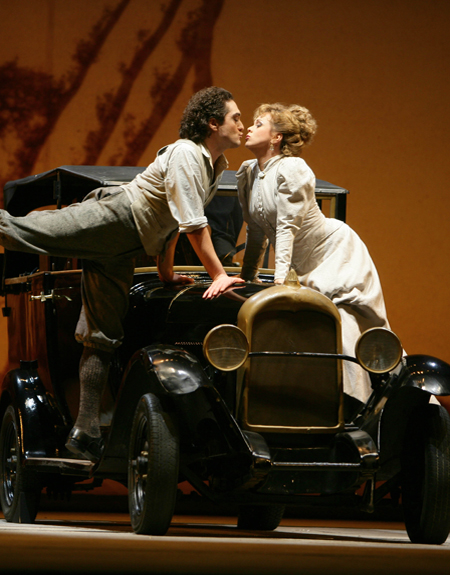
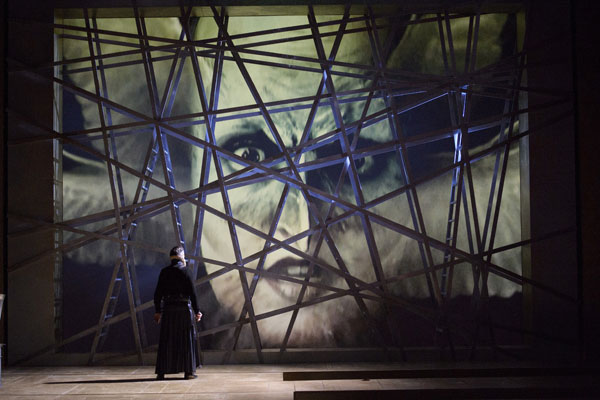
The most famous and ill-starred love story of all times, and made immortal by Shakespeare’s play of the same name, Romeo and Juliet has often been put to music. One of the most popular versions is the two-act opera I Capuleti e i Montecchi, which Teatro La Fenice commissioned Vincenzo Bellini with for the 1830 Carnival, and it debuted on 11 March. Felice Romani was the author of the libretto, as well as of the later Sonnambula and Norma, and he based the subject on Italian literary tradition, and in particular on a novella by the Renaissance author Matteo Bandello and an early nineteenth-century tragedy by Luigi Scevola. As in the earlier Zaira, once again the protagonists’ voices are female and Romeo is a mezzo soprano en travesti.

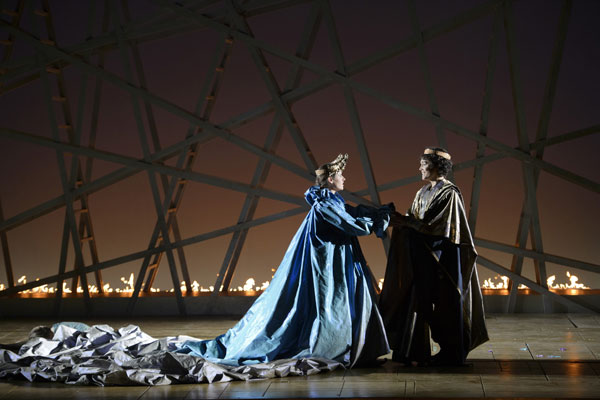
I Capuleti e i Montecchi- Fondazione Arena di Verona - photo Ennevi

I Capuleti e i Montecchi- Fondazione Arena di Verona – photo Ennevi

Synopsis

PART ONE

Act I, Scene 1: A gallery in the Capuleti palace.

The city of Verona is torn apart by civil strife. The followers of the Capuleti family (the “Guelfi”) oppose the followers of the Montecchi family (the “Ghibellini”). Fearing an attack, Capellio has called his people to exhort them to continue the struggle. He informs them that Romeo, the head of the Montecchi, is sending an envoy with peace proposals. Capellio hates Romeo, who recently killed his son. Lorenzo counsels them to hear the proposals. Tebaldo, however, promises vengeance with the blood of Romeo. Capellio thereupon offers Tebaldo his daughter, Giulietta; and they are to be married that evening. Knowing of the secret bond between Romeo and Giulietta, Lorenzo advises against the marriage because Giulietta is ill. Romeo, who is known by the Capuleti only by name, arrives to discuss peace. He proposes that the peace be sealed by the marriage of Romeo and Giulietta. Capellio refuses and promises future bloodshed. Romeo is informed of Giulietta’s betrothal to Tebaldo.

Act I, Scene 2: A room in Giulietta’s apartment.

Giulietta learns of her father’s decision. She sadly calls out to her beloved Romeo. Lorenzo arrives with Romeo through a secret door to Giulietta’s room. Romeo embraces Giulietta and urges her to run away with him. She refuses because of her duty to obey her father.

PART TWO

Act I, Scene 3: A courtyard in Capellio’s palace.

The Guelfi celebrate the imminent wedding of Giulietta and Tebaldo. Romeo, disguised as a Guelfi, confides to Lorenzo that there are a thousand armed Ghibellini outside the city preparing to attack. Lorenzo urges him to abandon his plans, all to no avail. The attack begins. During the commotion, Romeo races to join his men. Giulietta enters in her wedding dress. Romeo reaches her and urges her to follow him. Capellio and Tebaldo arrive leading the Guelfi. They recognize Romeo as the envoy. Romeo identifies himself and escapes with the assistance of the Ghibellini.

PART THREE

Act II, Scene 1: An apartment in Capellio’s palace.

Giulietta is anxious. Lorenzo tells her that Romeo is safe; however, the wedding will take place the next day. Lorenzo devises a stratagem. He advises her to take a potion that will produce a deathlike condition. Giulietta immediately grasps the potion and drinks it. Capellio enters and instructs her to retire and to prepare for the wedding. Giulietta implores him to embrace her. Disturbed, Capellio begins to feel remorse. Harboring suspicions of Lorenzo, he sends for Tebaldo and orders him to guard Lorenzo.

Act II, Scene 2: A deserted place near Capellio’s palace.

Alarmed by the lack of news, Romeo searches for Lorenzo. He comes upon Tebaldo who challenges him to a duel. Just as they are about to engage in combat, they are taken aback by funeral music. It is a funeral procession to Giulietta’s tomb. Both overwhelmed with grief, Romeo and Tebaldo disengage.

PART FOUR

Act II, Scene 3: At the tombs of the Capuleti.

Led by Romeo, the Ghibellini arrive to mourn. He orders her tomb to be opened and bids farewell to Giulietta. He then takes poison. Giulietta awakens and calls out to Romeo. She sees him at the foot of the sepulcher, thinking that he is there at Lorenzo’s instructions. She soon realizes the truth when Romeo tells her he has taken poison. They embrace. Romeo dies and Giuletta falls dead upon his body. The Guelfi and Ghibellini rush in and observe the tragic scene. Capellio blames himself for the consequences of the hatred between the two factions.


Posted in OPera | Tagged , , | 1 Comment

Richard Strauss’ ARIADNE AUF NAXOS at the Oper Frankfurt

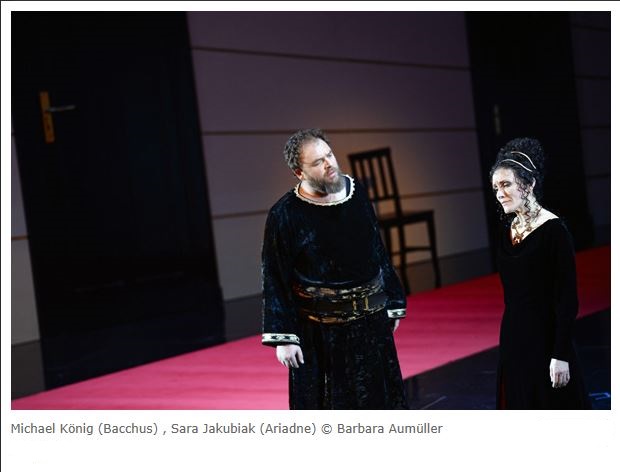
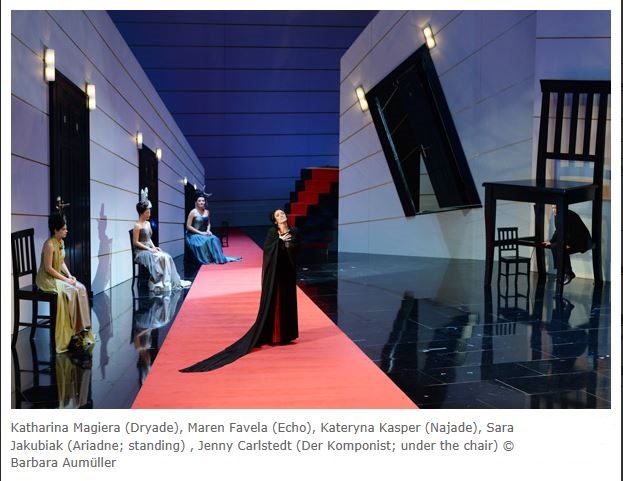
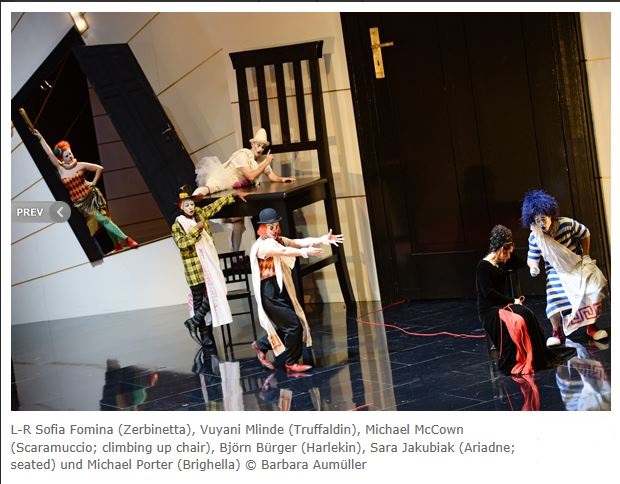
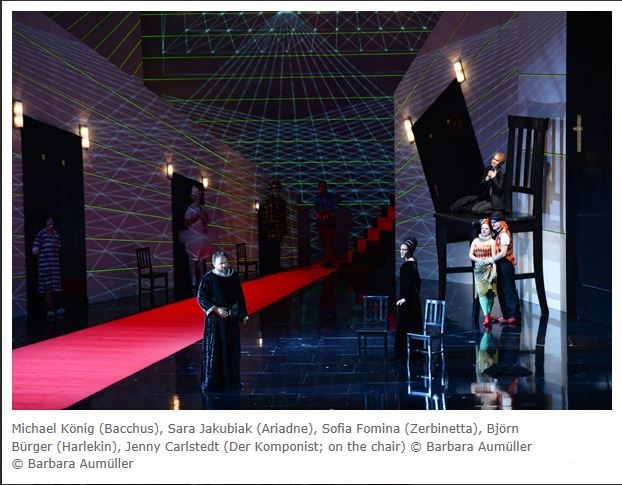
operfrakfurtAriadneARIADNE AUF NAXOS

Richard Strauss 1864 – 1949
Opera in one act, with a scenic prelude
Libretto by Hugo von Hofmannsthal
World premiere of 2nd edition: October 4th 1916, Royal Court Opera, Vienna
Sung in German with German surtitles
Duration: 2 3/4 hours with one interval

Sunday 07.12.2014

Further performances:
12.12.2014 |17.12.2014 |21.12.2014 |27.12.2014 |18.01.2015 |24.01.2015 |31.01.20151ariadne

Cast

——————————————————————————–
Conductor
Patrick Lange / Hartmut Keil / Hartmut Keil
Director
Brigitte Fassbaender
Revival rehearsed by
Corinna Tetzel
Stage and Costume Designer
Johannes Leiacker
Lighting Designer
Joachim Klein
Dramaturge
Mareike Wink

2ariadne

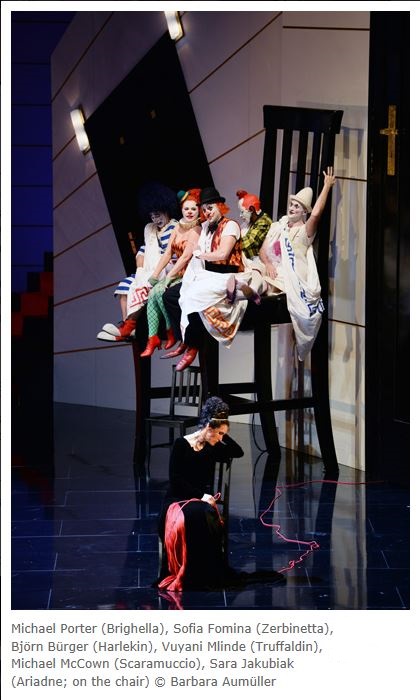
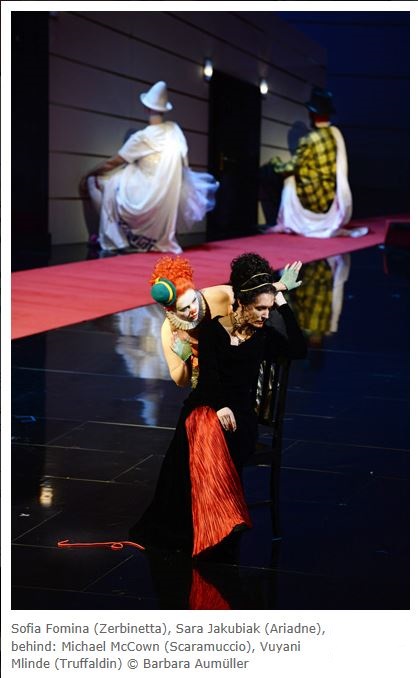
Prima donna /Ariadne
Sara Jakubiak
Zerbinetta
Sofia Fomina / Kathleen Kim
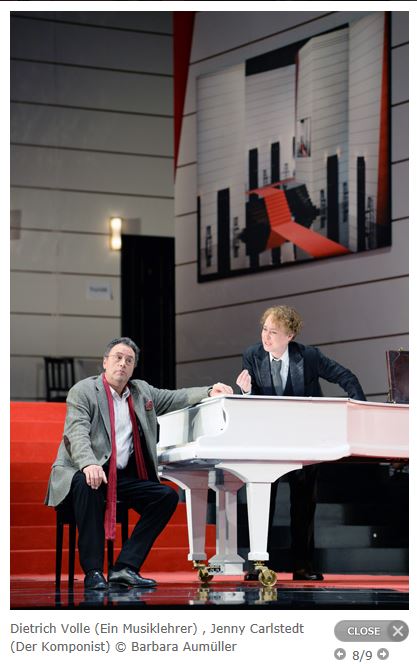
The Composer
Jenny Carlstedt / Claudia Mahnke
Tenor / Bacchus
Michael König / Roberto Saccà
Harlekin
Björn Bürger / Daniel Schmutzhard
Scaramuccio
Michael McCown
Truffaldin
Vuyani Mlinde / Alfred Reiter
Brighella
Michael Porter *
Najade
Kateryna Kasper / Elizabeth Reiter3ariadne
Dryade
Katharina Magiera / Stine Marie Fischer / Judita Nagyová
Echo
Maren Favela
Ein Tanzmeister
Peter Marsh
Ein Musiklehrer
Dietrich Volle
Ein Lakai
Franz Mayer
Ein Perückenmacher
Thomas Faulkner*
Ein Offizier
Riccardo Iturra
Der Haushofmeister
William Relton

Oper Frankfurt’s Orchestra4ariadne

About the piece


Richard Strauss’ Ariadne auf Naxos is an opera in an opera, an hermaphrodite in which tragedy, comedy, myth and irony becom
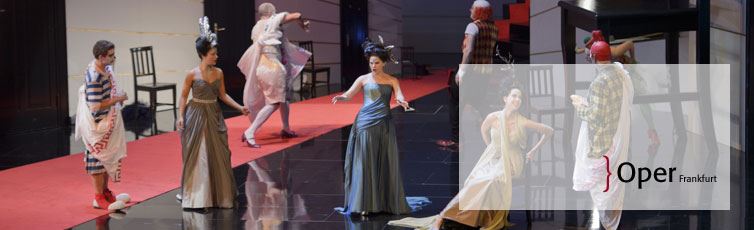
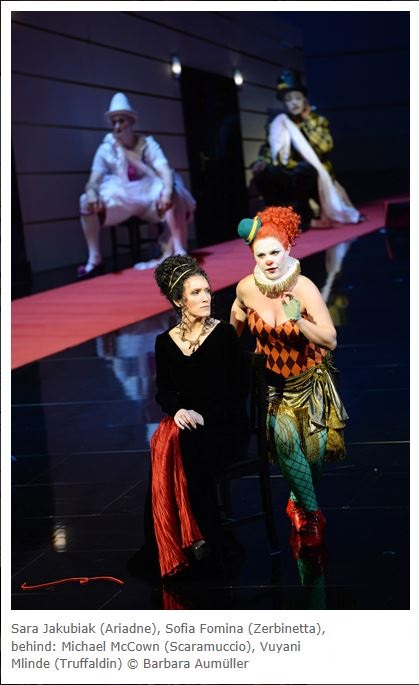
Richard Strauss’ Ariadne auf Naxos is an opera in an opera, an hermaphrodite in which tragedy, comedy, myth and irony become blurred. Strauss/Hofmannsthal were a perfect example of fruitful collaboration between two artists from different fields. Ariadne auf Naxos was their third joint project. The first performance of this, the second version of Ariadne auf Naxos, was an enormous success.5ariadne

Synopsis


Zerbinetta and her buffo chums have been engaged to dance and sing after a performance of a tragic opera, Ariadne auf Naxos
Zerbinetta and her buffo chums have been engaged to dance and sing after a performance of a tragic opera, Ariadne auf Naxos. Preparations for the evening are in full flow when it is announced that both forms of entertainment will have to be performed at the same time so that they are over in time for a fire-work display to begin. They have no option but to quickly try and improvise – but it is not so easy – Zerbinetta’s saucy game with her four lovers is worlds away from Ariadne, deserted by Theseus on the island of Naxos, falling in love with the young God Bacchus…

7ariadne8ariadne 9ariadne

Posted in OPera | Tagged , , , | Leave a comment

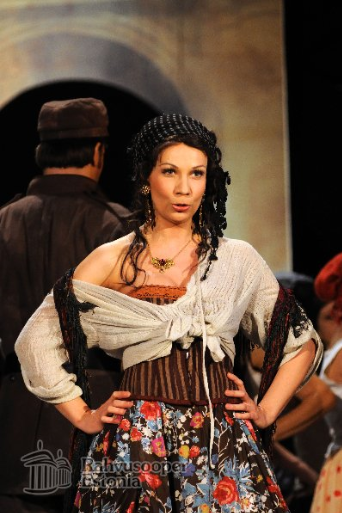
Carmen in Estonia

CarmenEstoniacarmenestonia7Carmen

Georges Bizet’s opera to Henri Meilhac’s and Ludovic Halévy’s libretto, based on the eponymous novelette by Prosper Mérimée

World premiere: March 3rd, 1875 at Parise Opéra Comique
Premiere on May 26th, 2011 in the Estonian National Opera

S, 10 January 2015 / 19:00

T, 29 January 2015 / 19:00

When Carmen was first staged in France (1875), it received negative feedback: its plot was considered immoral and characters vulgar. Bizet shocked the audience by portraying ordinary people on stage – villagers, factory workers, gypsies, smugglers, and by showing the death of the main character on stage. At the premiere, the actors were booed off and the performance was denounced by the critics. Pyotr Tchaikovsky understood the greatness of this piece and predicted a brilliant future for the opera: “Ten years from now it will be the most popular opera in the world”. And he was right, because Carmen bursts with life, passion, liberty and dynamics.carmenestonia1

Bizet died only three months after the premiere never knowing that „Carmen“ would become one of the most popular operas in such a short time, being performed in the opera theatres all over the world, and that the toreador’s song and main character’s habanera would be the symbols of opera music for many generations. In the Estonian National Opera, Carmen will be staged by Walter Sutcliffe whose fanciful staging of Così fan tutte was extremely successful last season.carmenestonia2

Sutcliffe considers Carmen multifaceted. “Bizet’s Carmen has many faces. It mixes tense psychological drama and melodrama, documentary and dark comedy, working in formats ranging from the panoramic to the close up, using styles that range from grand opera to intimate spoken theatre to the overtly showy popular musical. Our production will explore these differences, while allowing the documentary style elements of the narrative to put us firmly in the world of Jose and Carmen – to observe their story as it plays out in 19th century Sevilla.”carmenestonia3

Staging team

  • Music Director and Conductor: Arvo Volmer
  • Conductors: Risto Joost, Jüri Alperten
  • Stage Director: Walter Sutcliffe (England)
  • Designer: Liina Keevallik
  • Lighting Designer: Maldar-Mikk Kuusk
  • Choreographer: Claudia Lenaerts (Shevtshenko)
  • Fight Choreographer: Hellar Bergmann

carmenestonia4carmenestonia5carmenestonia6CAST

vello_pähn_kodukale

Vello Pähn

Conductor

Posted in OPera | Tagged , , , | Leave a comment

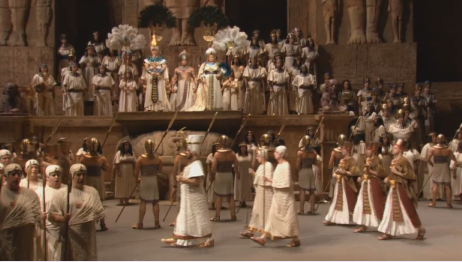
Immersed in Ancient Times; the performance of Aida at the Metropolitan Opera. A review.

Review by Tiziano Thomas Dossena
Aida7Imagine being immersed in an ancient world, with colossal stone columns, palaces and images of deities, a marvelous music surrounding you and, thank God, no cellular phones ringing: what else can one wish for? Well, how about some great arias and choruses? Done. Yes, that is exactly what experiencing “Aida” at the Metropolitan Opera is.
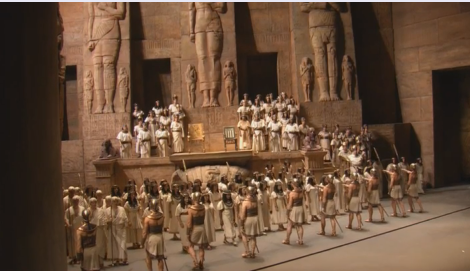
Based on a 1988 production by Sonja Frisell, with a set designed by the inventive Gianni Quaranta reflecting the original libretto’s descriptions to a T, but with his own flair, this opera offers a plethora of costumes that would impress anyone (Dada Saligeri proved that it could be done again and again). The famous return from the battle of Radames, with abundance of troops marching in various colorful and authentic looking costumes, and with horses, a carriage and a group of slaves, perfectly matched the grandiosity of Verdi’s “Triumphant March,” which made even more of an impact on the spectators than usual because of this visual effect. There was even a comic relief (do not expect a repeat, though) with one of the wonderful looking white horses that pulled the carriage showing an unexpected jumpiness, thumping its right hoof gracefully to show his unwillingness to be on stage and at times attempting to bite the hand of the phlegmatic attendant, arousing the laughter of the public.Aida3
Apart from these wonderful setting, this opera has so much value of its own and the singers offered such a valiant performance that I would rate this production a 4 and a half stars. The missing half star is due to the fact that somehow the First Act showed a slight tedium maybe due to an inadequate study of the performers’ movements on stage or maybe to the unfortunate temperature control in the theater, which was duly adjusted for the following acts. Maybe it was both, but when a valiant Se quel guerrier io fossi! … Celeste Aida did not improve the mood of the willing public it was certainly not because of any inadequacy by the wonderful Italian tenor Marcello Giordani, who performed flawlessly the whole evening, so I have to presume that something in that act was missing out. If we exclude the music and the singers, we can only assume that a combination of excessive warmth in the theater and the staticity of the stage actions contributed to this unfortunate sensation of sleepiness that may have assaulted a few spectators. Exception to that was the scene in which they performed the quintet aria Alta cagion v’aduna that was so well balanced vocally and visually to have the effect of waking up any heavy-eyed spectator once and for all.
Thankfully, the Second Act was so thrilling it made up for that shortcoming and more, bringing back the opera to the expected and deserved all-around excellence that the Metropolitan got us used to.
The soprano Tamara Wilson, on her debut at the Met, was a tremendous Aida, finding tonalities that created a spectacular premise for the duets with the truly gifted mezzosoprano Violeta Urmana, who offered a convincing and full-bodied performance as Amneris. Her Fu la sorte dell’armi a’ tuoi funesta was so perfectly calibrated, both vocally and expressively, that Aida’s voice entered seamlessly and in an ideal singing duet, bringing joy to the adept listener as well as to the general audience.
The two basses were to say the least impressive. Dmitry Belosselskiy brought to life the high priest Ramfis forcefully and persuasively, and his voice was powerful while retaining a warmth in his vocal expression that was remarkably pleasant. Solomon Howard, as the Pharaoh of Egypt, was splendid, not so much for any particular acting, which was limited by the circumstances of his appearances, but because his superb voice had a booming but solid output while retaining a wonderful diction, which most often fades in the low notes of other basses’ performances.
To complete the wonderful performance of these singers was George Gagnidze as Amonasro, a baritone who has both the experience and the vocal capacity to carry this role. A delightful Rivedrai le foreste imbalsamate brought to life the ambiguity of the character who is more concerned with his revenge than with his daughter’s happiness.

The tenor Marcello Giordani

The tenor Marcello Giordani

Memorables the arias Qui Radamès verra .. O patria mia, sung in Act Three with heart and purity of voice by Tamara Wilson, and Morir! Si pura e bella, sung by Marcello Giordani with a touching but firm quality of voice at the end of Act Four.
It is without saying that the singers’ extraordinary performances were possible because of the outstanding work by the orchestra, conducted by a bold Marco Armiliato, and the chorus, directed by Donald Palumbo; their sensitive musical construction weaved a masterful background for the singers. Additionally, I found not without merit the dances, choreographed mightily by Alexei Ratmansky, which somehow lightened up a bit the gloomy tone of this unforgettable story.

Posted in Reviews | Tagged , , , , , , , , | Leave a comment

The contemporary opera “Mimi after Paris” in Zagreb

croatianLogo

On Wednesday, January 7, 2015 the Zagreb opening night of the contemporary opera Mimi shall take place. This free adaptation of Giacomo Puccini’s La Bohème is a co-production of the Parisian theatre Bouffes du Nord and the Croatian National Theatre in Zagreb. The Parisian opening night was held on November 18, 2014. The authors are: composer Frédéric Verrières, librettist Bastien Gallet, stage director Guillame Vincent and conductor Jean Deroyer. The dramaturge is Marion Stoufflet, the set designer James Brandily, the costume designer Fanny Broust, the light designer Sébastien Michaud and Robin Meier / Ircam receives credit for his computerised design of music.

mimi-slide2

The performances held on January 7, 8 and 9, 2015 are casted with guest singers who are accompanied by musicians of the CNT Orchestra, ten in total, according to the music score. The following singers are in the main roles: Jeanne Cherhal (Alcindoro / Count Geschwitz), Judit Fa (Mimi 2), Christophe Gay (Marcelo, visual artist), Christian Helmer (Rodolfo, composer and musician), Camelia Jordana (Mimi 1), Marie-Eve Munger (Musette, Marcelo’s friend). In the planned performances of opera Mimi in the season 2015/16 soloists of the Zagreb Opera accompanied by the same musicians of the Orchestra shall interpret the main roles.

This is not a mere adaptation of Puccini’s great opera La Bohème. This is not about transferring the plot into the present time. It is about making sense; about the search for the right angle, the right distance, in short, it is about our emotions here and now and with which we approach the eternal secret of opera La Bohème. It is about telling a new story through which we are guided by Mimi, the main heroine of Puccini’s Boheme, far and foreign, but still close and known, dreamlike and real, duplicated and hallucinatory; a Mimi who loves, suffers, but also runs away and tears her love apart; a Mimi who is close to us and vulnerable like we are ourselves.

Posted in OPera | Tagged , , , | Leave a comment

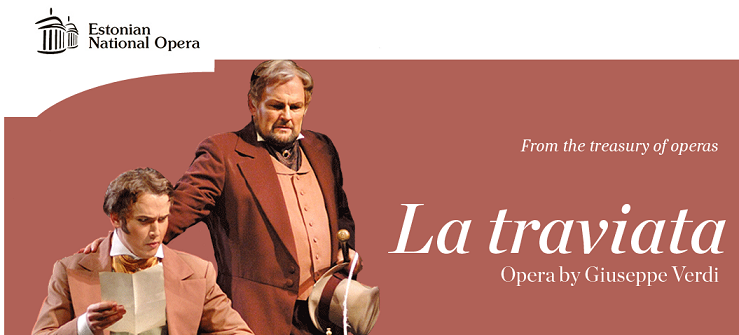
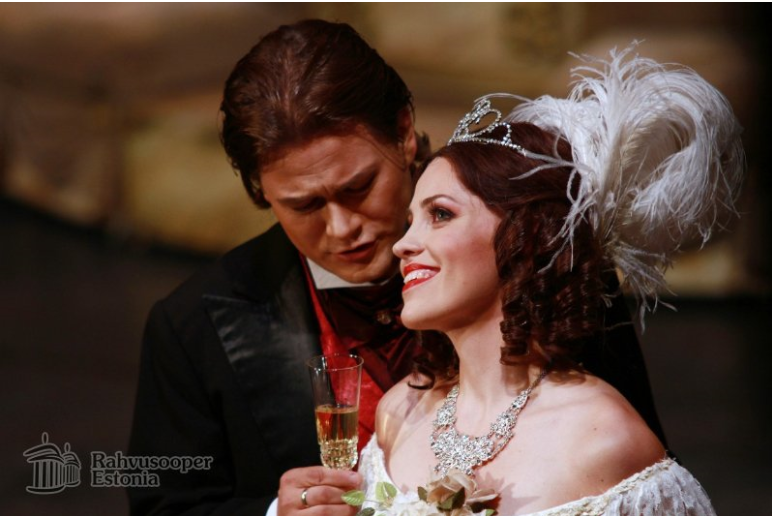
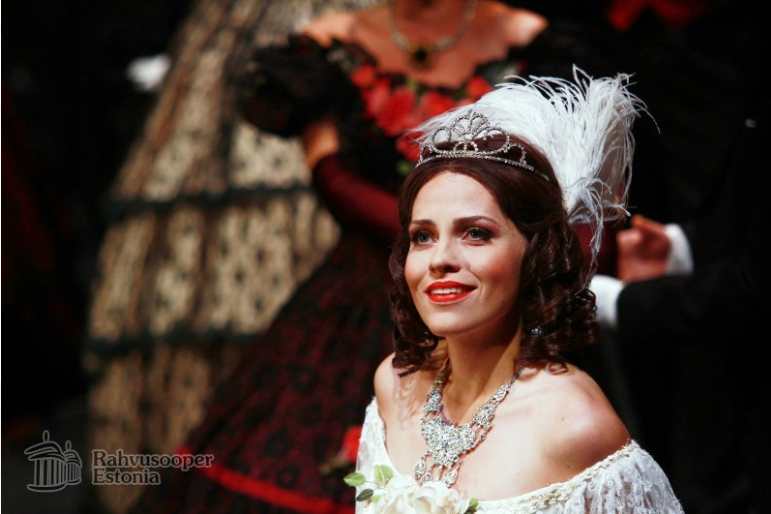
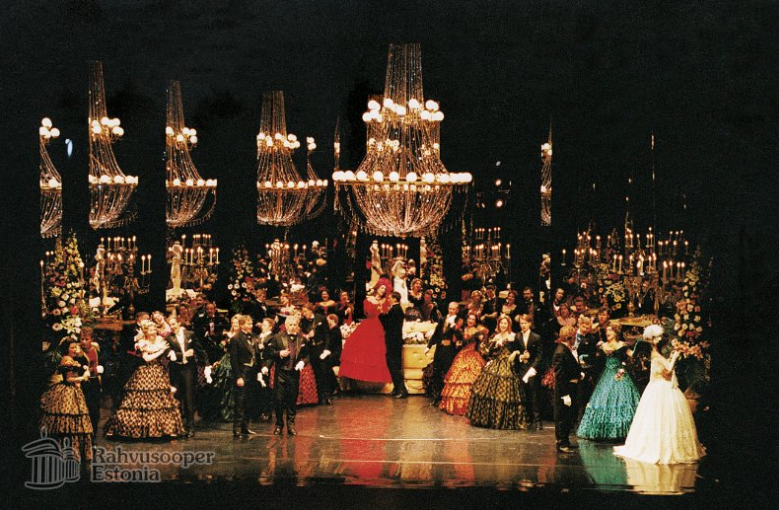
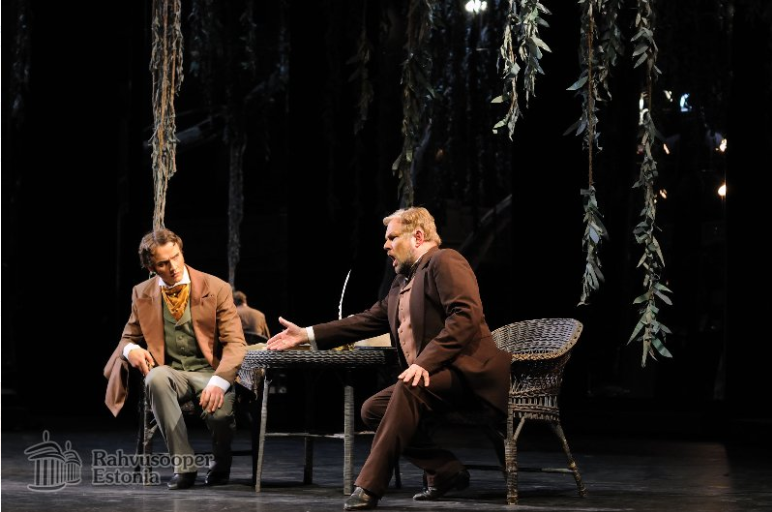
La Traviata in Estonia

traviataEstonia

La traviata

An opera by Giuseppe Verdi

Libretto by Francesco Maria Piave, based on the play by Alexandre Dumas fils La dame aux camélias
T, 8 January 2015 / 19:00

S, 18 January 2015 / 17:00

trEstonia1

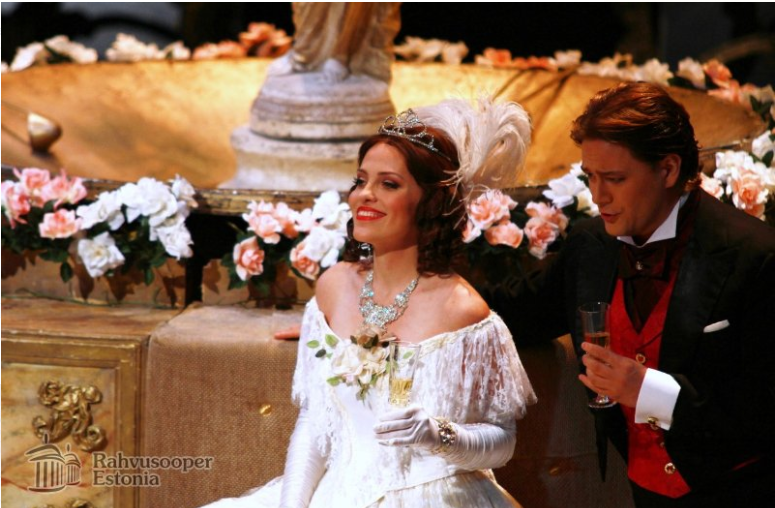
The timeless opera classics La traviata has become one of the most beloved operas in the whole world. It is also one of the most frequently performed operas at the Estonian National Opera to which the audience has applauded in seven premieres within nearly a hundred years.trEstonia2

The play by Dumas fils was published in 1849 and staged in 1852. Giuseppe Verdi, who attended the premiere, was so fascinated by the play that he based his opera La traviata on it. La traviata premiered the next year. It is a moving love story haunted by the morality of society and Violetta’s past. Ephemeral happiness ends in tragedy.trEstonia3

Staging team

Conductors: Vello Pähn, Eri Klas, Arvo Volmer, Jüri Alperten, Risto Joost
Stage Director: Neeme Kuningas
Designer: Anna Kontek (Finland)
Lighting Designer: Esko Suhonen (Finland)

Sung in Italian with subtitles in Estonian and English
Approx. running time 3 h, two intermissions

trEstonia4

CAST

Violetta Kristel Pärtna

Alfredo Oliver Kuusik

Giorgio Germont Rauno Elp

Flora Triin Ella

Annina Juuli Lill

 Mart Madiste

 Väino Puura

 Mart Laur

trEstonia5

Posted in OPera | Tagged , , , , | Leave a comment

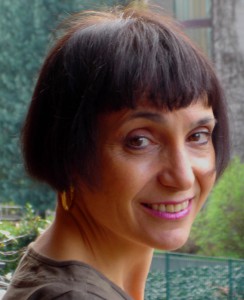
From the production of short theatrical plays to the design of sets, from painting to sculpture, and finally to the direction of operas… An exclusive interview with Director Eleonora Firenze.

Eleonora-Firenze-244x300Eleonora Firenze, undisputed talent and boundless energy, returned to prominence in recent days with the official presentation made at Palazzo Marino, Sala Franco Brigida, City of Milan, on November 24, 2014 of the show she directed, Stazioni di Transito, which will performed at the Teatro Rosetum in Milan on 7th and 8th of February 2015.

rosetum-300x88
Consisting of two interesting works, as different in composition as in the historical period in which they were written, “Stazioni di Transito” is her idea and a challenge to the public, perhaps a little addicted, not to say it has become lazy, in a choice of operas in a very limited range. The Emperor of Atlantis by Viktor Ullmann is one of two works that make up this magnificent spectacle designed by the friendly Milanese director (Leccese by birth). Written in the concentration camp of Terezin with a libretto by Peter Kien, who was also detained there (both the composer and the librettist were sent to the gas chambers of Auschwitz with almost all other prisoners of the camp), this work has never been performed in Terezin. It was first performed in Amsterdam in 1975.
The other work, very well-known and represented, is one of the first operas in absolute: “The Lament of Arianna,” by the composer Claudio Monteverdi. Eleonora has kindly agreed to an interview before the premiere of the show.

scenaincortoEleonora, in 2008 you won the national competition for new authors “Scena in corto” with your stage show, Vita in “Gioco.” Would you tell us something about it?
The experience of writing Vita in “Gioco” was born from the desire to try my hand in a form of expression that took into account some lessons of aesthetics that I was following in that period in college, especially the Aesthetics of the Ugly by Karl Rosenkranz. I wanted to be able to represent a dramatic situation in essence, coming to the sensitivity of the reader and the viewer, using a method based on the contrast; not on the drama, for example, but on its comical outlook, sentence by sentence, situation to situation, deliberately, to obtain a desired effect. I lived it in that period as an exercise and also as a game. It was March 2007; after a few months I made my daughter Martina Galletta, then a student of the School of Dramatic Arts Paolo Grassi in Milan, read the script and I got her positive judgment. This gave me courage to make the director Mina Mezzadri also read it. I was interviewing her at that time for a book I published later on. The original title of the play was Scherzo. Usually so severe and categorical in her judgments, she said: “you have named it Scherzo (Joke), but the things you say are very serious.” This made me happy. She added that the sense of the text came loud and clear and it had theatrical strength.
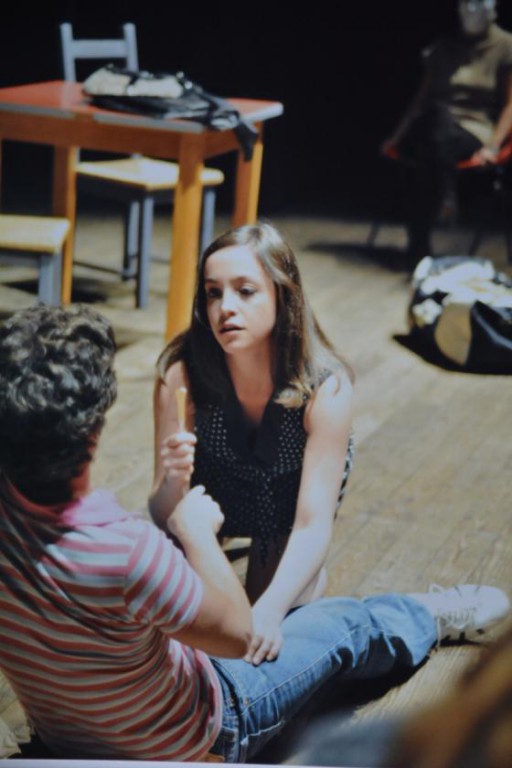
Martina Galletta and Valerio Napoli in Vita in "Gioco"

Martina Galletta and Valerio Napoli in Vita in “Gioco”

The coincidence would have it that, surfing the web, I came across an ad for a national competition for new authors organized by the Teatro Nuovo in Varese, “Scena in Corto,” with the sponsorship of various cultural and social associations in Lombardy, as well as the University of Insubria. I decided to send my text with the title Vita in “Gioco” (Life at “Play”). After a few months I got a call from the direction of the contest informing me of the selection of my work, along with that of other eight authors, for the production of a show to be staged at the Teatro Nuovo in Varese in May 2008.
I was very happy about that, but also worried by the need to create a company in a short time and give the start to the entire production process. I started with the cast, involving actresses (Martina Galletta, Elisa Langone, Giovanardi and Rosa Eleonora Sarti) and actors (Federico Valerio Manfredi and Naples) of the School of Dramatic Arts Paolo Grassi in Milan. I dealt directly with the ideation and recovery of all the scenic elements, albeit reduced to essentials, as well as the payment of all the members of the cast, though with a low budget. I asked the company I worked for to take a vacation in the most intensive rehearsal period, and used evenings and holidays for the initial rehearsals. Thanks to the Paolo Grassi School I could make use of their rehearsal rooms. Incidentally I also had available an assistant director of that School, now director of media at La Scala in Milan, Stefano Pintor.
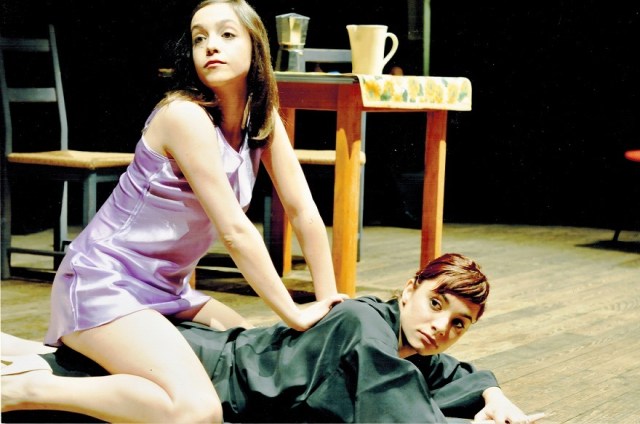
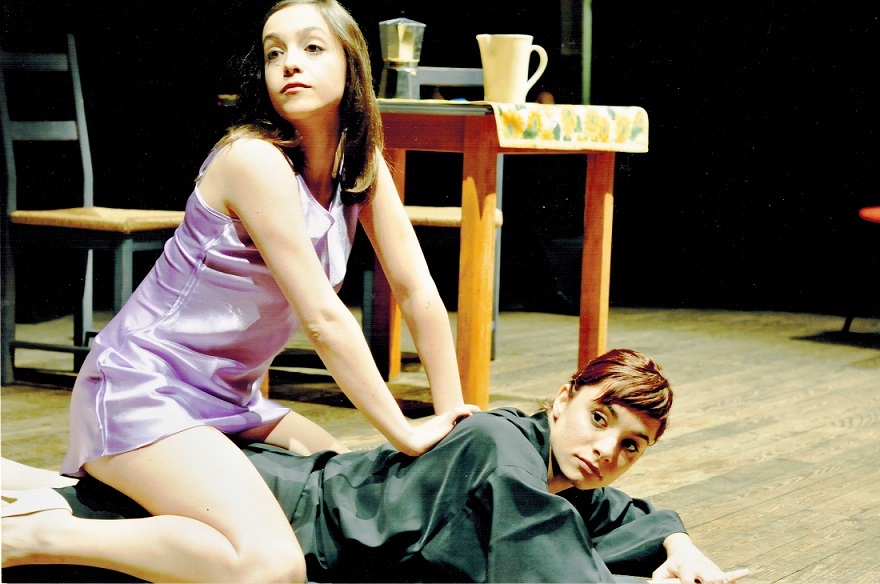
Vita in "Gioco". Martina Galletta and Elisa Langone

Vita in “Gioco”. Martina Galletta and Elisa Langone

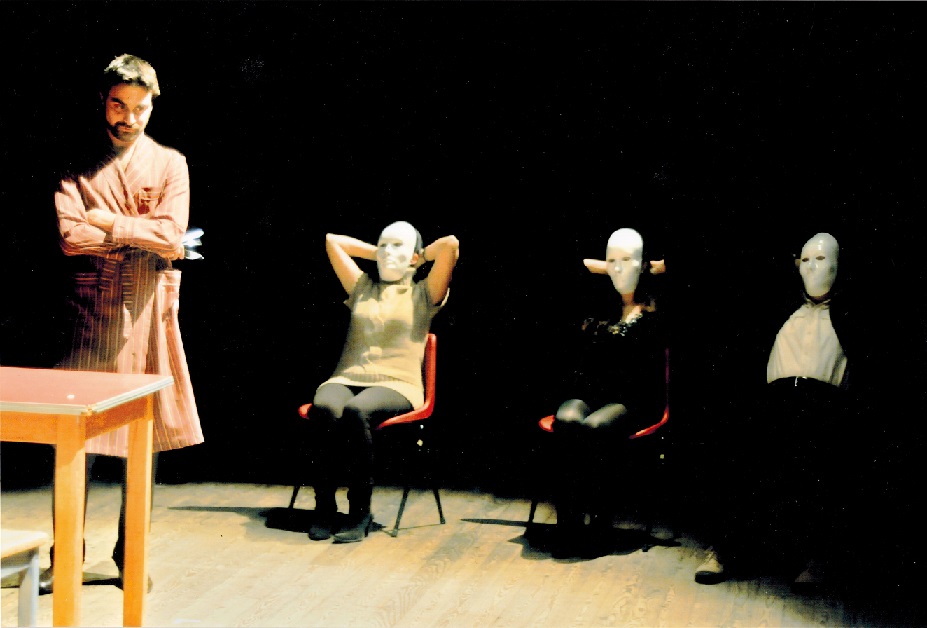
The play is divided into ten scenes and a closure in the form of dance, on the music of Strange I’ve seen your face before (Libertango) sung by Grace Jones. In the background, a pendulum beats time with its movement and its sound. On stage, the characters: father, mother and teenage daughter and her boyfriend; two prostitutes, their neighbors. To observe, on the stage, six figures with a neutral mask, like mannequins without expression that repeated mechanical gestures simultaneously. This is a representation which has the rhythm of camera frames on sequences of much characterized imagery. The goal is to return the path of change, both individual and in a relationship within a family, through the eyes of some different realities where the values have an illuminating depth and they are the harbinger of questions about the meaning of life and the quality of their relationships, but not only so. You also want to think about reality and image, of reality and fiction, of assets and liabilities in relation to the input and the oppression of the media dimension in our lives.
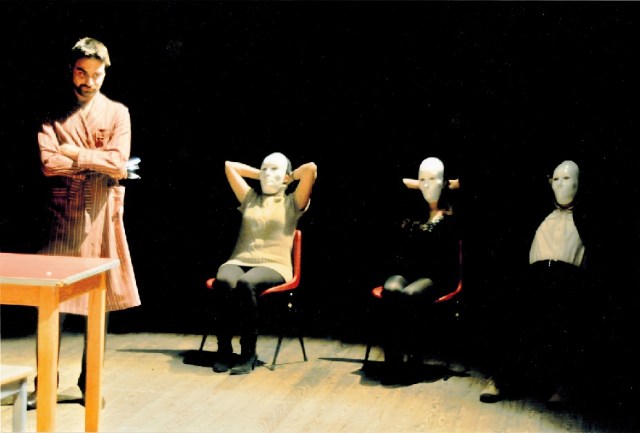
Vita in "Gioco." Federico Manfredi.

Vita in “Gioco.” Federico Manfredi and cother mambers of the cast.

This was the synopsis: “Different people that, in a few glimpses of daily life, lay bare their weaknesses and their desires. The smile is the medium that takes the audience on this family and social tour, but it is a bitter smile. A sort of grotesque reality, where there are the characters, with their history and their path to a change towards a new identity, but there is also an audience, on the stage, watching them. So viewers in the audience are seen in a strange mirror, where suddenly there is a new reality, the media, with which to compare and reflect. Meanwhile, time passes for those who want it to pass and stops for those who want to live it. ”
On this text I then made a special operation in 2011, turning it into an opera libretto in rhyme, with seven- and eleven-syllable. I asked a young English composer if he would compose music to make a small opera buffa in ten scenes of this text. The composer accepted; he is David William Jackson, and the work is called Silvia. It will be staged at the Teatro Rosetum of Milan in the next June 2015.

In 2009 you published the book Mina Mezzadri. The secret of an elsewhere – The directing of a free woman. Woman and director interesting and certainly at the forefront, Mezzadri has been the first director of the Italian theater. What made you decide to write this book and how was it received?
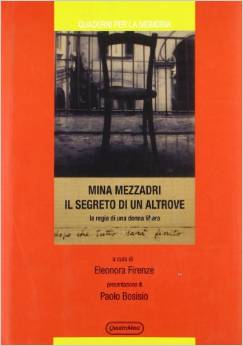
bookYes, Mina Mezzadri was our (Italian) first woman director. In those years, I had just graduated with a degree in Cultural Assets and I was reading a book discovered by chance while in search of news of Gordon Craig, a great set designer of the twentieth century: The first woman director. Edith Craig, between revolution of the scene and culture of women. This book, written by Roberta Gandolfi, spoke of Edith Craig, sister of Gordon, precisely, but less known and remembered. Gandolfi’s research emphasized the important changes introduced by Edith Craig in theater production in the early years of the twentieth century. I do not want to go into the merits, leaving the reader the pleasure of discovering this great forerunner of the capacity of women in a directing role as well as a creative one. My curiosity moved on to Italian reality in the world of filmmaking and I wanted to study the personality of our first woman director, Mina Mezzadri. I would have really liked to write about her and her work. I managed to miraculously find a contact to ask an appointment at her home in Brescia. It was a wonderful meeting where I asked Mina if she was available to the many meetings necessary to collect her experience and write a book. I prepared an initial set up of the chapters already with titles.
For a year and a half we met on weekends. I recorded the meetings. She gave me many addresses of her actors and collaborators, and many reviews, drawings, sketches and photographs of the scenes. Besides her, I met several of her actors, actresses and set designers, including Enrico Job, and her dearest friends, including Lina Wertmuller. To all, I asked to tell me about their experience with Mina; interviews that make up the third part of the book. The first section tells of the first phase of the life of Mina Mezzadri, the most personal and intimate. In the second, instead, I confront all her directions, with the story of her intentions, and an overview of the theater critique of various Italian and European newspapers.
Integral parts of the book are the four photographic sections, divided between references to personal life and professional life; photographs selected and digitized by me. The serious illness of Mina took her away in August 2008. She could only see the first draft of the first part of the book. She had no desire to talk about herself. The pain changed her, but the time spent with her, I remember it with much pleasure. Despite the opinions of many people who saw her as too radical, I became rather fond of her. When she trusted someone, she opened up and made herself amiable; it was impossible not to care for her.
The book was presented in the foyer of the Teatro Grande in Brescia and at the Castello Sforzesco in Milan, with the presence of important representatives of the world of culture, such as the professors of theater history Sisto Dalla Palma and Paolo Bosisio, of the community, such as the Councilor for Culture of the Municipality of Milan Massimiliano Finazzer Flory and the Honorable Sandro Fontana. There were also representatives of the Arts, such as Franco Sangermano, a gorgeous actor who worked with her on several important shows by Strindberg, and Renato Borsoni, actor and set designer from Brescia, her primary collaborator since the time of the Loggia. But to enjoy such a magical path, you have to read her story; it’s worth it. The book is on sale in bookstores, starting with Feltrinelli, or by order via Internet. It has garnered success and it is in major national libraries as well as in universities. I wanted to highlight the fact that Mina Mezzadri was the first female leader in the nascent Italian theatrical direction.
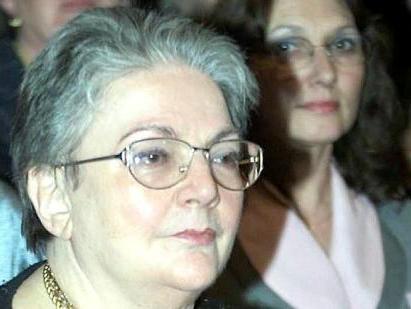
Mina Mezzadri

Mina Mezzadri

She was a director who had also as a fundamental characteristic the experimentation of new theatrical languages as well as a desire to re-read the classical and modern texts in light of the comparison with the contemporary, cutting down the conformism and challenging, with the never useless provocation, respectability, hypocrisy, preconceptions and stereotypes. Also a playwright, her plays have caused quite a stir. One for all: “Obedience is no longer a virtue” for which she was accused of insulting the Armed Forces and of incitement to conscientious objection. Her particular character, her personality never willing to compromise and never interested in the success for itself, have meant that Mina Mezzadri has not registered as much notoriety as other colleagues of hers and above all she has not occupied roles in the theater that she would have surely deserved and would have performed with equal competence. She was a free woman. One day, speaking of her students, she said to me: “I hope I do not ever see them integrate; hope to die first.”

From your resume, one can deduce that you are a person interested in various aspects of show business. You feel attracted equally to all these facets of the theater or do you prefer one in particular?
I am very attracted and intrigued by all forms of expression of man and life. Thus, since the theater often encloses many in a single event, be it prose or lyric, there I go with the desire to express myself and to see the work done and the artists. But I must say that every expression of art totally catches me, fascinates me and stimulates me in turn to an artistic production, even if purely at the amateur level. Of course I have to deal with my skills or lack of them in some fields, not allowing it to bring me down, though, because after all, a problem or a deficiency can also turn into an opportunity, especially when the desire is too strong to remain trapped by the chains of fear or of being judged by others. My attempts in the various disciplines are many. From the production of short plays, the conception of sets, from painting to sculpture, even more to the production of objects on the basis of the discovery of materials that stimulate my imagination.
A few months ago I made an object that could be considered contemporary art in wood and 22 karats gold  on a platform of an experimental material not yet on the market. I called it “Life”. I’d like to display it at the next show “Stazioni di Transito” in a small showcase of the theater; it’s not for sale.

In the course of your various studies (Eleonora Firenze has earned three degrees) you had the opportunity to meet many important directors. Who is the director who most impressed you and why?
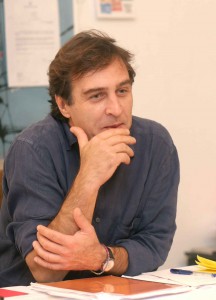
Daniele Abbado

Daniele Abbado

The most significant director for me, in terms of depth of thought, coherence and ability to synthesize and staging was Mina Mezzadri. I followed some live rehearsals of major directors, such as Daniele Abbado at La Scala in Milan or Damiano Michieletto at La Fenice in Venice. I really appreciated the quality of their directing management, although it was very different between the two. Then I could also hear the experiences of Gianfranco De Bosio, a great director of Italian opera; he was one of my teachers, along with Quirino Principe, one of the most respected Italian musicologists. An important aspect for me is mainly to detect the differences and appreciate the similarities between the different directors. This allows me to get to the essence of directing management, while leaving open the possibility of expression.

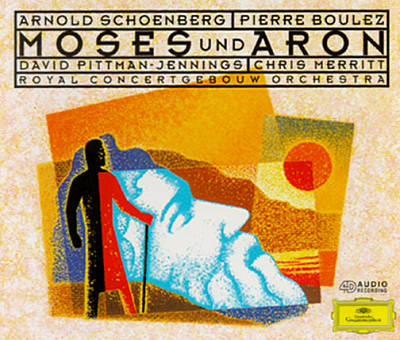
For your Master, you prepared a draft of direction and set design, with a full scale model of the scene, for Arnold Schoenberg’s opera Moses und Aron, which was then presented by your direction teacher, Maestro Gianfranco De Bosio, at the Accademia di Belle Arti Cignaroli in Verona. Have you pursued on other occasions this interest in the set design, or was it a purely learning experience?
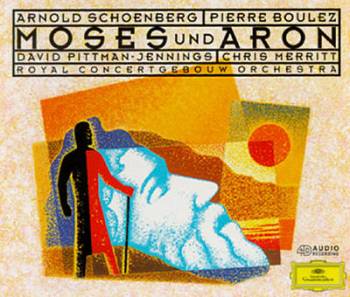
mosesThe set design is closely linked to the idea of directing; it is often difficult to be able to split the roles. The director at the end borders on the role of designer, more often than vice versa, unless you are talking about very special set designers, the big ones, one for all my experience Enrico Job.
Even now that I’m working on directing operas, my main concern is to render with the scene what I mean, even before than with the actors. The agreement with a designer, if it happens at this stage, means that it is successful and very rewarding. Otherwise it means that, after deciding that scene to do, I need a designer to take care of the technical and operational parts. About my project for Moses und Aron, I am thoroughly convinced that I chose a very interesting scene; definitely not neutral, just to follow the teachings of Mina Mezzadri. I wonder if I will ever find some theater interested in producing it. My project, complete with all the directing and scenic description, including the lighting system, was for the theater in Berlin, although another site would be even better in my mind, but it’s a secret for now.

The coupling of an opera by Monteverdi (Il lamento di Arianna) with one by Viktor Ullmann (The Emperor of Atlantis) in your show “Transit Stations” (Stazioni di Transito) is very challenging for you and exciting for the audience. Would you talk a little about the reasons of this your choice?The show, which I gave the title “Transit Stations” includes these two works, very far apart chronologically and musically. My intention is to have a look on different themes, with a thread that is change, metamorphosis, the path of men in search of a landing, through the passions, the pain and the strength of life, but not detached from social changes and the musical communicative modality continually evolving, with a perennial search of the expression of their feelings. The path is built by countless transit stations, often painful, where we express our dismay and where we gather forces for a new path.
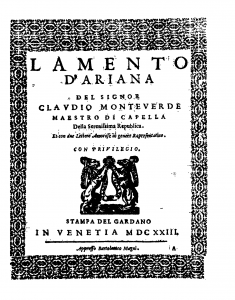
lamento-235x300My Arianna is Muslim and wears a headscarf. I imagined a scene occupied by a multitude of faces, mounted on metal rods; the works are by Giorgio Guidi. These are the men who leave their country to despair and facing the Mediterranean Sea to reach our own, with the hope of a better life. These faces increasingly lose their identity. These men leave their women, who remain for the most alone and widows. Those who manage to reach their men are in a different reality. Their landscapes are far away. The need to integrate conflicts with the one to remain attached to their origins and these veils do not know whether to stay on their heads or to fly away. Men who reach Italy do not find what they had hoped, but inhuman camps, labor camps where they are exploited and treated like animals, urban suburbs where they are isolated, delinquency that involves them, politicians who exploit the needs. So we are not so far away from the concentration camps as thought. Men grouped, isolated, not respected, without identity.
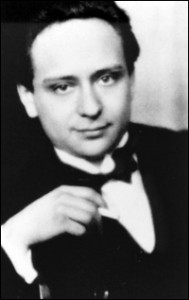
Viktor Ullmann

Viktor Ullmann

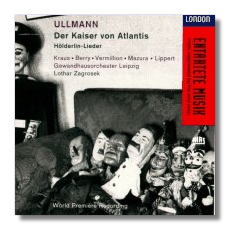
This is the link to The Emperor of Atlantis, the story of the revenge of Death of those who wanted to rob its place. It refuses to kill people, unless first dies the Emperor. A surreal story, very allusive to the context in which Terezin was written by Viktor Ullmann and Peter Kien, a young painter, poet and librettist. The tone is grotesque and the intention is to win with the music and the art upon the tragedy of the Holocaust.
The show ends with a brief revival of The Lament of Arianna, however, interpreted by a countertenor, instead of by a soprano. To represent again the changes, the loss, the search for a landing, this Arianna enter into a work of Davide Dall’Osso, a sculpture of a woman created with a blend of polycarbonate, then carved. Once again, the reference is to Ovid’s Metamorphoses, where passions have always had as a result a change, a transformation, but in an animal or a rock or a tree. As if to say that for everything there is a price to pay.atlantide1
For this show, you’ve also designed the costumes. Have taken a choice linked to an historical representation or to an artistic stylization?
I wanted to work primarily on contrasts. I imagined then a surreal scene where objects are deformed and wrapped, showing bumps and improbable colors alluding to an amusement park as to what regards the scenes in which there is the Emperor of Atlantis, to avenge and return to him the role that wanted to be of the artists of Terezin. The costumes, instead, are realistic, original military uniforms. The effect is that of a surreal situation, precisely, where the message passes through the interaction between the actors and the scenes themselves.

What difference did you find in directing these two works, so distant in time and in their conception? Any difficulties?
More than finding difficulty I found the pleasure to appreciate the differences and highlight them. The important thing for me is to highlight the progression, the changes, and the evolution of music and of individual and collective, social cases. These two operas allowed me to do just that.

Posted in Interview | Tagged , , , , , , , , , | Leave a comment

Bellini’s LA SONNAMBULA in Frankfurt

frankfurtlogoLA SONNAMBULA

Vincenzo Bellini 1801 – 1835


Melodrama in two acts
Libretto by Felice Romani after the libretto by Eugène Scribe for the ballet La Somnambule ou L’Arrivée d’un nouveau Seigneur (1827) by Jean-Pierre Aumer
First performed March 6th 1831, Teatro Carcano, Milan
Sung in Italian with German surtitles
First ever performances in Frankfurt

Duration: 2 hours 45 min. with one interval

sonnambula_01

Stefan Pop (Elvino), Brenda Rae (Amina) © Barbara Aumüller


PERFORMANCES
26.12.2014 |03.01.2015 |
08.01.2015 |11.01.2015 |
17.01.2015
Brenda Rae (Amina) © Barbara Aumüller

Brenda Rae (Amina) © Barbara Aumüller

Artistic Team
Conductor
Eun Sun Kim
Director
Tina Lanik
Stage Designer
Herbert Murauer
Costume Designer
Stefan Hageneier
Lighting Designer
Olaf Winter
Dramaturgy
Mareike Wink
Chorus Master
Tilman Michael
Brenda Rae (Amina) © Barbara Aumüller

Brenda Rae (Amina) © Barbara Aumüller

CAST

Amina
Brenda Rae
Elvino
Stefan Pop / Luciano Botelho
Rodolfo
Kihwan Sim
Lisa
Louise Alder / Nina Minasyan
Teresa
Fredrika Brillembourg
Alessio
Vuyani Mlinde
Ein Notar (a notary)
Simon Bode

Oper Frankfurt’s Orchestra and Chorus

Brenda Rae (Amina) © Barbara Aumüller

Brenda Rae (Amina) © Barbara Aumüller

Brenda Rae (Amina), Stefan Pop (Elvino) © Barbara Aumüller

Brenda Rae (Amina), Stefan Pop (Elvino) © Barbara Aumüller

About the work
The story of the beautiful sleepwalker Amina unfolds in seemingly endless, flowing arcs of melody. Bellini’s score rolls out like a loving carpet for bel canto. The ambiguousity in the music only becomes clear when interpreted precisely by the soloists, chorus and orchestra. This challenge is made clear by explicit instructions the composer wrote in the score. Uncertainty, reflected in the mixed genre of opera semi seria, and portrayal of the fragility of human existence corresponds to a heightened awareness of being alive prevalent at a time marked by radical political change and uncertainty. Changes were also underway in Italian music. After Rossini stopped composing Bellini and Donizetti were now Italy’s leading operatic composers. Bellini’s Il pirata (1827) was the foundation stone for Italian romantic opera. La Sonnambula was a great success when it first opened on March 6th 1831.

Brenda Rae (Amina) © Barbara Aumüller

Brenda Rae (Amina) © Barbara Aumüller

Brenda Rae (Amina) © Barbara Aumüller

Brenda Rae (Amina) © Barbara Aumüller


Synopsis

Everyone is thrilled about Elvino and Amina’s imminent wedding, except Lisa, Elvino’s former lover, who gives good hearted Alessio
Everyone is thrilled about Elvino and Amina’s imminent wedding, except Lisa, Elvino’s former lover, who gives good hearted Alessio’s attentions the cold shoulder. Amina’s step-mother Teresa guards the secret of her sleepwalking. Elvino arrives late – he had been praying at his mother’s grave for her blessing. The notary asks what they will bring to their marriage Elvino: „My farm, house, name, all I possess. Amina has „only her heart“ to give. He puts his mother’s ring on her finger, they are engaged. A stranger, Rodolfo, appears, making hints about the return of the dead Count’s lost son. He and Amina share a mutual fascination. Dusk: the villagers are uneasy and – egged on by Teresa, because this „explanation“ is useful – say that a ghost is seen every night. Rodolfo just laughs, and takes a room in Lisa’s hotel.
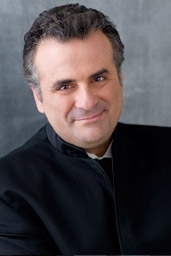
Stefan Pop (Elvino), Brenda Rae (Amina) © Barbara Aumüller

Stefan Pop (Elvino), Brenda Rae (Amina) © Barbara Aumüller

When Lisa checks to see if he needs anything, they start getting to know one another better. Amina appears, sleepwalking. Lisa flees Rodolfo’s embrace and room, forgetting her scarf. Amina talks of her beloved Elvino, treats Rodolfo tenderly before withdrawing again. The villagers, having heard that Rodolfo is the dead Count’s lost son, arrive. When Amina awakes she finds herself surrounded by them. Elvino breaks off their engagement. Teresa finds Lisa’s scarf.
INTERVAL

Brenda Rae (Amina) © Barbara Aumüller

Brenda Rae (Amina) © Barbara Aumüller

The villagers want the new Count to explain the situation. Amina cannot convince Elvino of her innocence. He pulls the ring from her finger. The story takes another unexpected turn: Elvino has decided to marry Lisa. On the way to church they meet Rodolfo, who vouches for Amina’s fidelity. He explains the phenomenon of sleepwalking. Nobody believes him. Teresa, the scarf as evidence, disproves what Lisa maintains, that she, unlike Amina, has never been alone at night in a strange man’s room. Lisa is now the outcast. Amina appears, sleepwalking, dangerously high above the ground. She speaks of her deep love for Elvino and pain she feels at the loss of his love. Elvino wants her back. The village rejoices.

Brenda Rae (Amina) and Ensemble © Barbara Aumüller

Brenda Rae (Amina) and Ensemble © Barbara Aumüller

Oper Frankfurt's Chorus © Barbara Aumüller

Oper Frankfurt’s Chorus © Barbara Aumüller

Kihwan Sim (Rodolfo), Brenda Rae (Amina) © Barbara Aumüller

Kihwan Sim (Rodolfo), Brenda Rae (Amina) © Barbara Aumüller

Posted in OPera | Tagged , , , | Leave a comment

L’Elisir d’Amore in Marseille

operamarseillelogo

L’Elisir d’Amore

Gaetano Donizetti

Saturday December 27th, 2014 > 8:00PM
Wednesday December 31st, 2014 > 8:00PM
Friday January 2nd, 2015 > 8:00PM
Sunday January 4th, 2015 > 2:30PM

Vice and virtue coexist happily throughout this bittersweet comedy, whose brilliant score reveals one of the most beautiful tenor arias ever written

DURATION : 2H30 (including intermission)

Elisir-d'amore

L’Elisir d’Amore
Opera in 2 acts
Libretto by Felice ROMANI
First performed in Milan, Teatro della Canobbiana, on May 12th, 1832
Last performed at Marseille Opera, on January 24th, 1999
Production Théâtre du Capitole

Artistic Team:
Conductor Roberto RIZZI BRIGNOLI
Director Arnaud BERNARD
Scenic Designer/Costume Designer William ORLANDI
Lighting Designer Patrick MÉEÜS

CAST
Adina Inva MULA
Giannetta Jennifer MICHEL

Nemorino Paolo FANALE
Belcore Armando NOGUERA
Dulcamara Paolo BORDOGNA
Dulcamara’s assistant Alessandro MOR

Marseille Opera Orchestra and Chorus

Posted in OPera | Tagged , , , , | Leave a comment

Monteverdi’s L’INCORONAZIONE DI POPPEA in Germany

frankfurtlogo

L’INCORONAZIONE DI POPPEA

(The Coronation of Poppea)
Claudio Monteverdi 1567 – 1643

Opera in three acts with a prologue
Libretto by Giovanni Francesco Busenello
First performed in 1642, in Venice
Sung in Italian with German surtitles

Duration: 3 1/2 hours incl. one interval

© Monika Rittershaus

© Monika Rittershaus

PERFORMANCES

25.12.2014 |
26.12.2014 |28.12.2014 |
31.12.2014 |01.01.2015 |
03.01.2015

Alfred Reiter (Seneca) © Monika Rittershaus

Alfred Reiter (Seneca) © Monika Rittershaus

ARTISTIC TEAM

Conductor
Simone Di Felice
Director
Ute M. Engelhardt
Stage Designer
Julia Müer
Costume Designer
Katharina Tasch
Lighting Designer
Joachim Klein
Video
Bibi Abel
Dramaturge
Zsolt Horpácsy

Gaëlle Arquez (Nerone), Naomi O'Connell (Poppea) © Monika Rittershaus

Gaëlle Arquez (Nerone), Naomi O’Connell (Poppea) © Monika Rittershaus

Alfred Reiter (Seneca) © Monika Rittershaus

Alfred Reiter (Seneca) © Monika Rittershaus


CAST

Nerone
Gaëlle Arquez
Ottavia
Claudia Mahnke
Poppea
Naomi O’Connell
Ottone
William Towers
Seneca
Alfred Reiter
Arnalta
Hans-Jürgen Lazar
Valletto, Amore
Elizabeth Reiter
Damigella, Fortuna
Nora Friedrichs *
Drusilla
Anna Ryberg
Nutrice
Martin Wölfel
Virtù / Pallade
Jessica Strong*
Liberto / Lucano / Littore
Francisco Brito
Mercurio / Famigliare 3 / Tribune
Iurii Samoilov
Soldat 1 / Console
Aljoscha Lennert
Soldat 2 / Famigliare 2
Julian Habermann

Oper Frankfurt’s Orchestra

Hans-Jürgen Lazar (Arnalta), Naomi O'Connell (Poppea) © Monika Rittershaus

Hans-Jürgen Lazar (Arnalta), Naomi O’Connell (Poppea) © Monika Rittershaus


About the work

Nero ruled half the world from his throne in Rome. The only one more powerful than the tyrant was Amor, God of Love, who sets in motion a terrible game of desire and jealousy to prove it. 74 year old Claudio Monteverdi was not at all coy when it came to depicting the characters and intrigue in a story set in ancient Rome, creating a spectacle full of twists and turns. In one of the first works to be performed in a public opera house and not at court, Monteverdi decided to move away from the more usual mythical themes and focussed instead on the young tyrant Nero: the Roman Emperor, married to Ottavia, has fallen hopelessly and passionately in love with Poppea, General Ottone’s unscrupulous wife. Seneca tries to make him see sense – but Nero would rather drive his old teacher to commit suicide than forget about Poppea.

Naomi O'Connell (Poppea), William Towers (Ottone) © Monika Rittershaus

Naomi O’Connell (Poppea), William Towers (Ottone) © Monika Rittershaus

Claudia Mahnke (Ottavia) © Monika Rittershaus

Claudia Mahnke (Ottavia) © Monika Rittershaus

When Ottavia and Ottone are caught trying to kill Poppea in her sleep all obstacles are scattered to the wind: Nero sends his wife and general into exile and crowns Poppea Empress of Rome. So… »goodness« is not victorious: the inconsiderate win, people prepared to let nothing get in the way of their passions and goals. The work is full of amusing scenes which have nothing to do with main story at all but, apparently, give us an idea of what made Venetians laugh in those days.

Martin Wölfel (Nutrice/Famigliare 3), Claudia Mahnke (Ottavia) © Monika Rittershaus

Martin Wölfel (Nutrice/Famigliare 3), Claudia Mahnke (Ottavia) © Monika Rittershaus

A young pair of lovers, two nurses and Fortuna and Virtù complete the picture: in the prologue the goddesses of pleasure and virtue argue about which of them will best be able to steer the course of events. But, in the end, it is Amor, the laughing third, who boasted that he »could change the entire world on a whim«, who wins.

Gaëlle Arquez (Nerone) , Nora Friedrichs (Damigella) © Monika Rittershaus

Gaëlle Arquez (Nerone) , Nora Friedrichs (Damigella) © Monika Rittershaus

Ensemble © Monika Rittershaus

Ensemble © Monika Rittershaus

Gaëlle Arquez (Nerone) und Francisco Brito (Lucano), Ensemble © Monika Rittershaus

Gaëlle Arquez (Nerone) und Francisco Brito (Lucano), Ensemble © Monika Rittershaus

Naomi O'Connell (Poppea), Gaëlle Arquez (Nerone) © Monika Rittershaus

Naomi O’Connell (Poppea), Gaëlle Arquez (Nerone) © Monika Rittershaus

Posted in OPera | Tagged , , , , | Leave a comment