Opera on the Beach in Australia: Mozart’s “The Magic Flute”

Opera on the Beach

Opera on the Beach

Greenmount Beach, Coolangatta May 9 – 11, 2014

Presented by Opera Australia
in partnership with Bleach* Festival, City of The Gold Coast and Tourism & Events Queensland

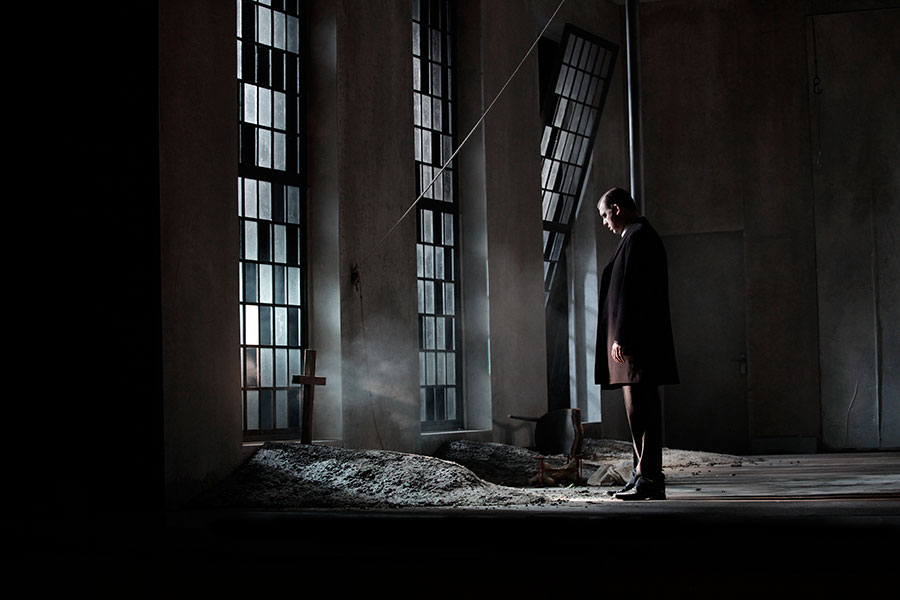
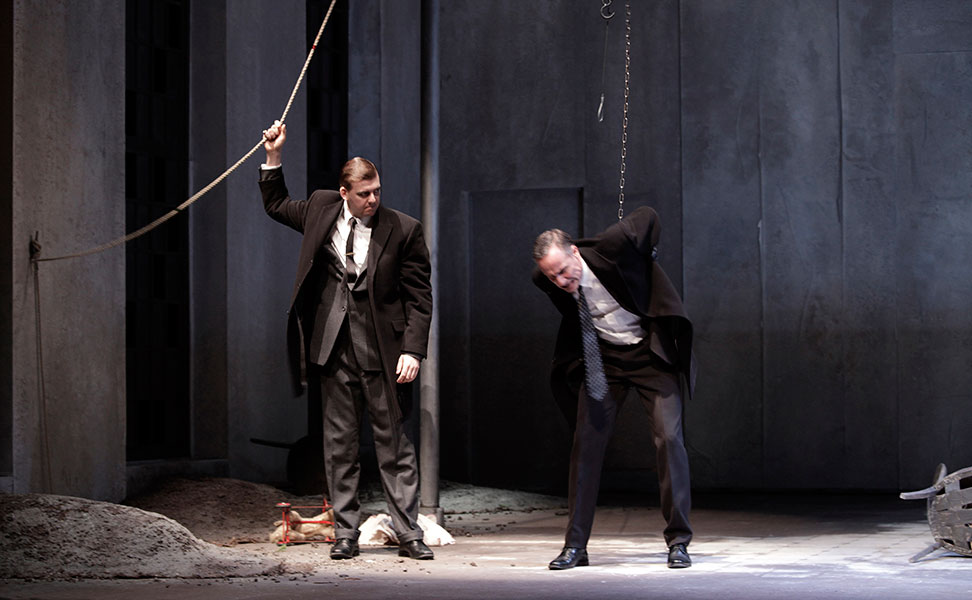
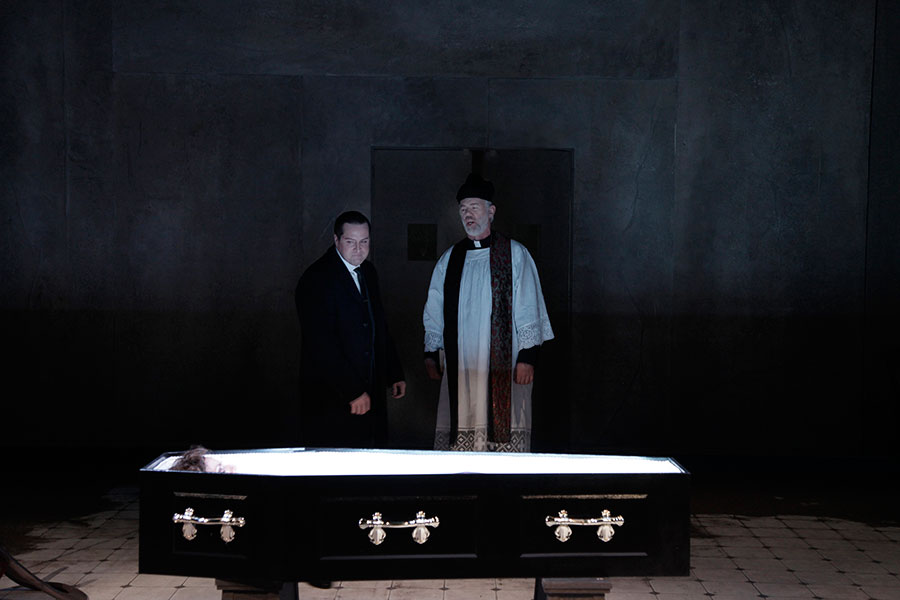
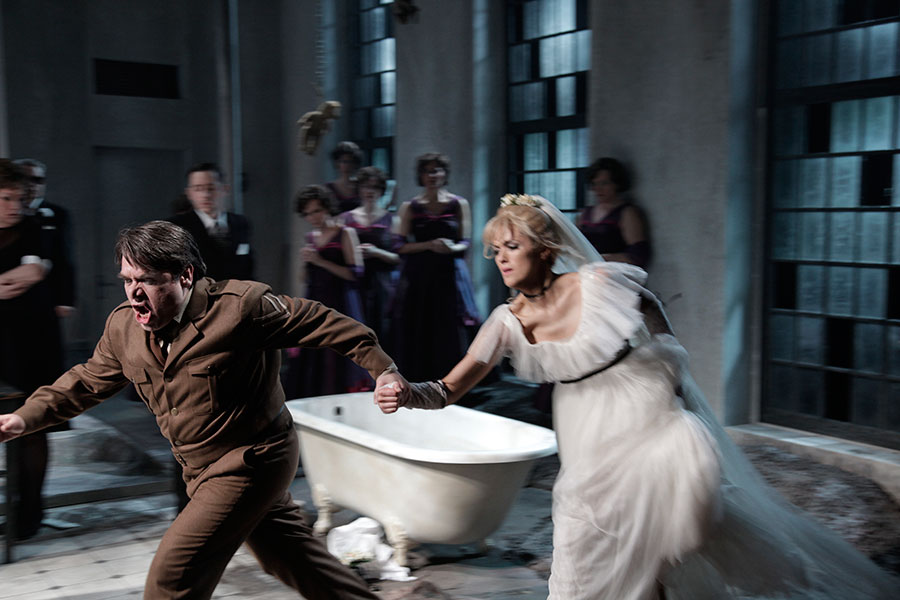
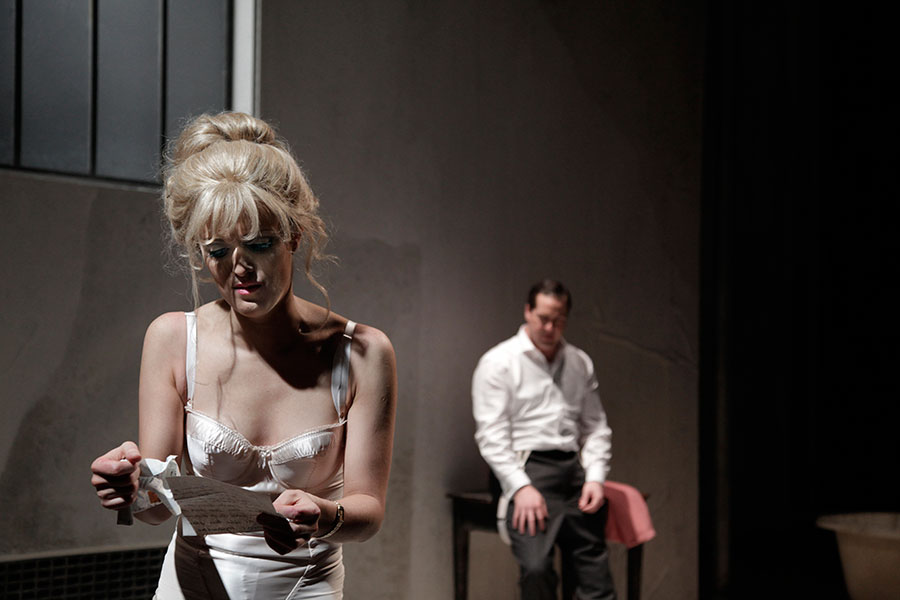
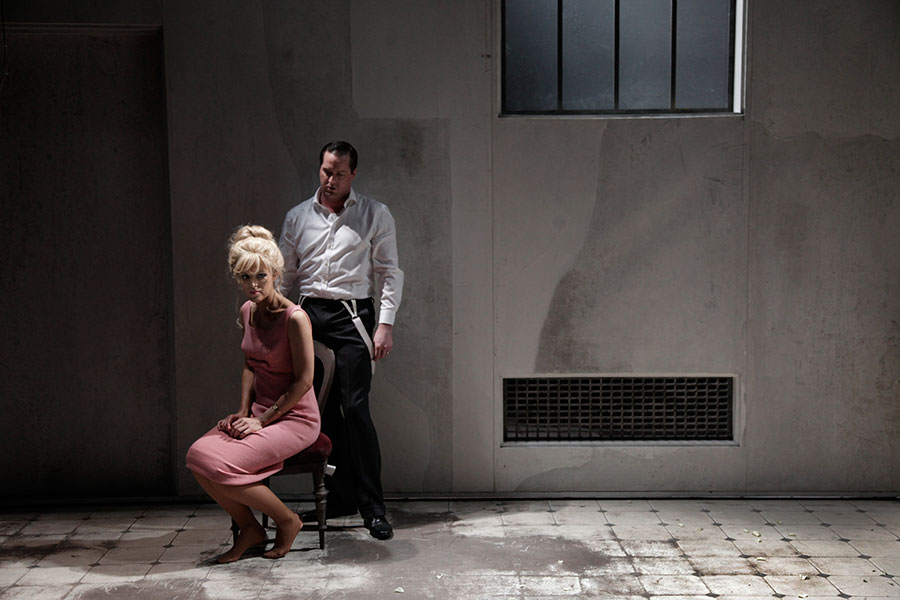
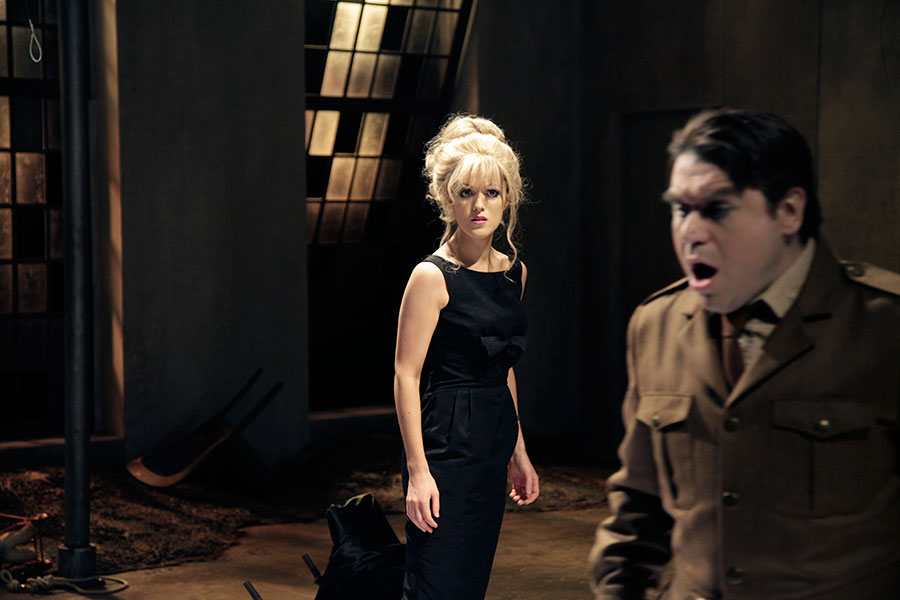
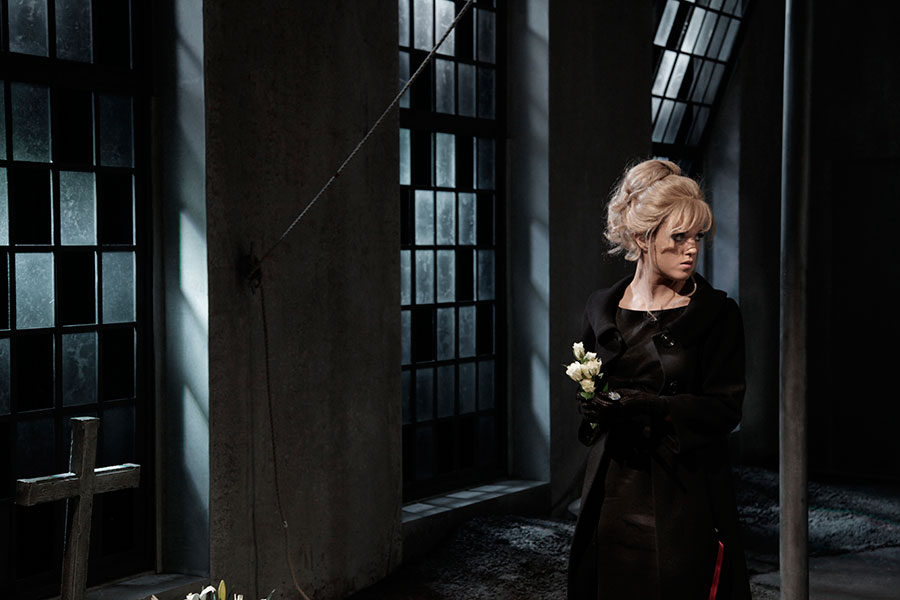
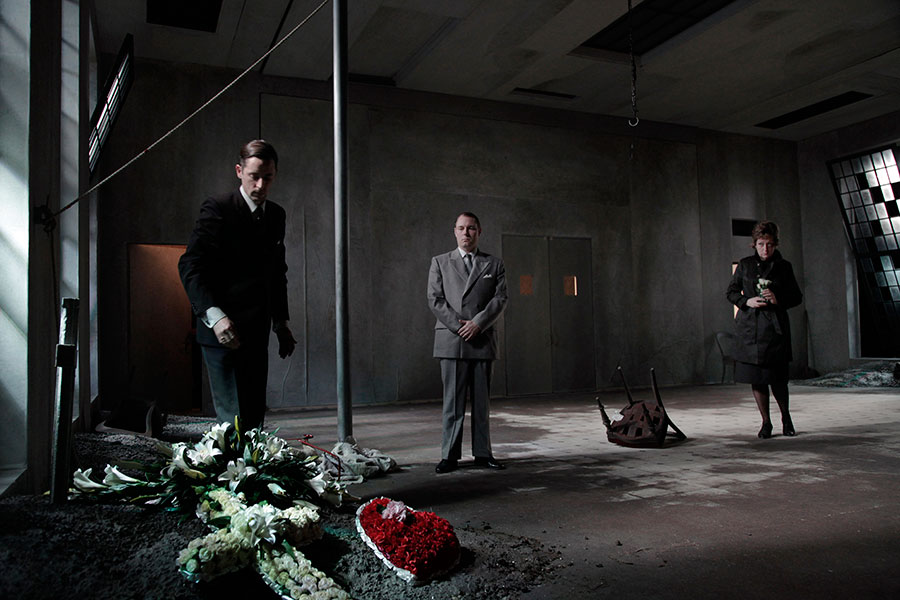
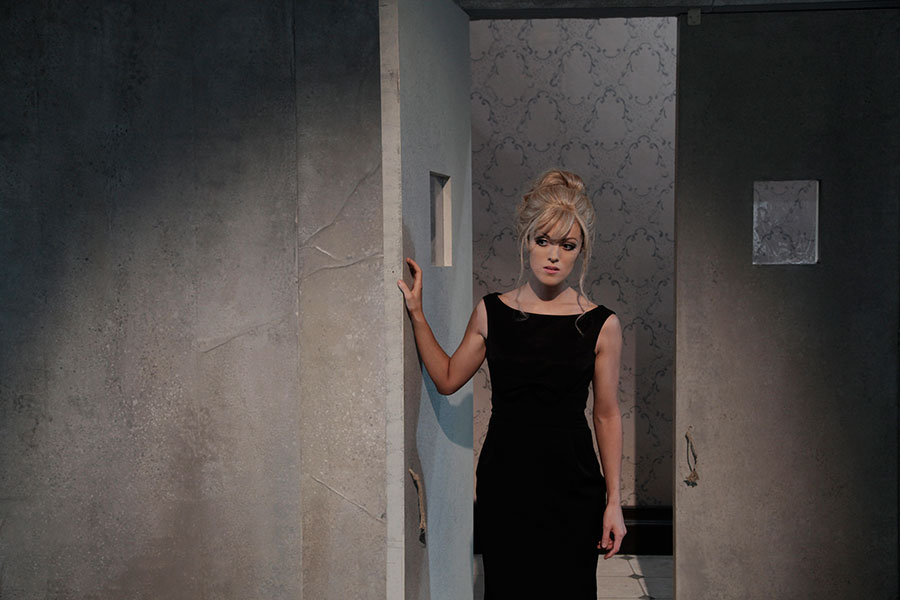
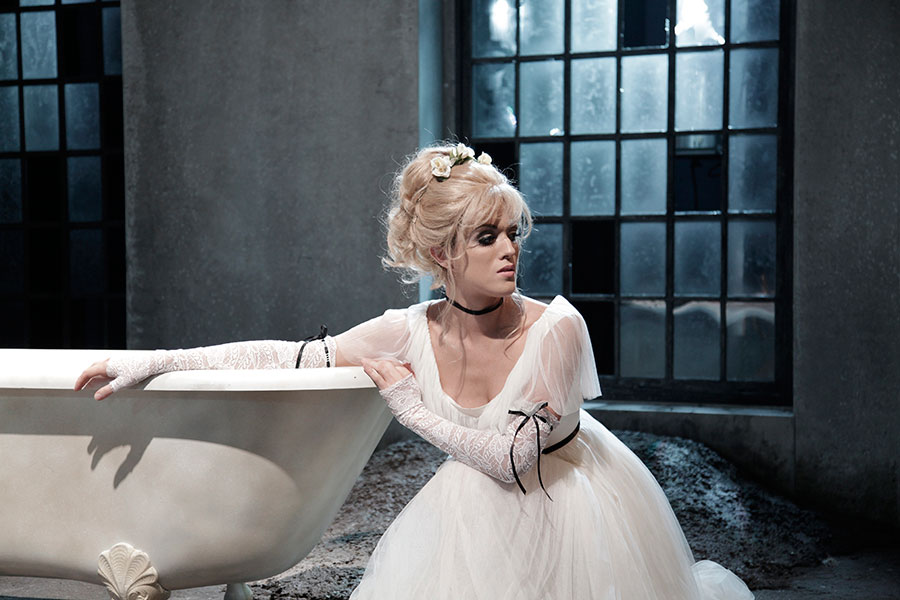
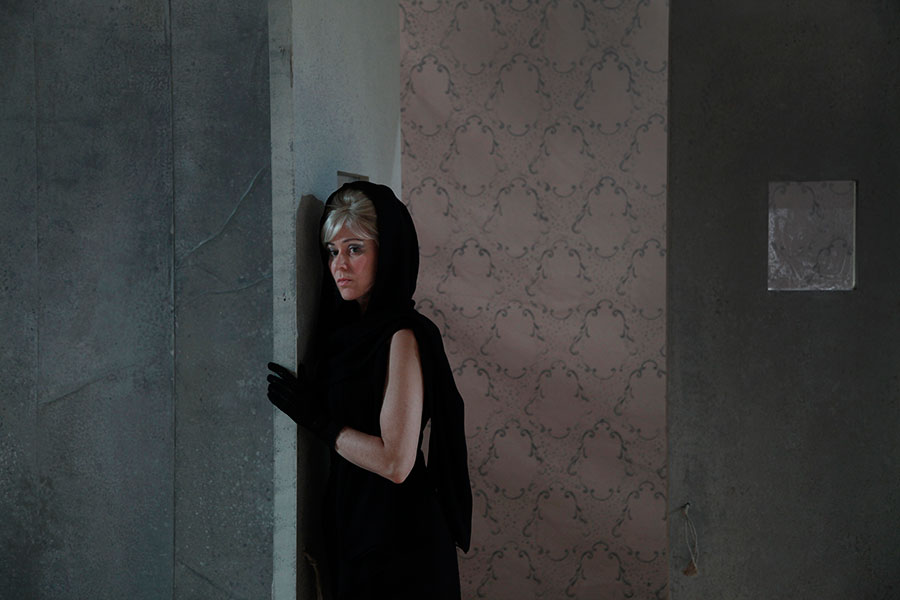
Mozart’s The Magic Flute; out of the theatre and onto the beach…

Sometimes it feels like a crime to go indoors when the skies are clear, even for a night at the opera.

That’s why we’re taking the opera out of the theatre and onto the beach.

Picture a giant sandcastle on the beach at Coolangatta, families enjoying a picnic, children playing as the sun goes down, and miraculously beautiful music.

And there you have a uniquely Australian production of one of the world’s favourite operas, Mozart’s The Magic Flute.

This new production is directed by Michael Gow and stars some of Opera Australia’s finest singers alongside a chorus drawn from community choirs and Gold Coast’s own surf life saving clubs.

Together, they will battle the serpent, put a spell on  the guards and rescue the princess, before sending you home, with stars in your eyes, sand in your shoes and songs in your heart.

Now that’s opera, Australia!

Director Michael Gow
Set & Costume Design Robert Kemp
Sound Design Norwest Productions, Brisbane
   
Tamino Jonathan Abernethy
Queen of the Night Milica Ilic
Sarastro Conal Coad
Food, beverage and seating

A range of food and beverages is available at the venue from 5pm.

For the comfort of our patrons only low chairs will be permitted. Strictly no BYO alcohol. Alcohol will be available for purchase on site.

Spread out your towel on the sand and picnic under the stars.

 
The Opera Australia Community Choir has been assisted by the Australian Government through the Australia Council for the Arts, its funding and advisory body.
Bleach* Festival is an initiative of Connecting Southern Gold Coast.

Synopsis

The Magic Flute

Act 1

Tamino, a young explorer, finds himself in a mysterious tomblike maze.  A terrible monster begins stalking him and in his panic to escape, Tamino knocks himself out.  At that moment, Three Women arrive to send the monster back to whatever vault it escaped from.
The Three Women are very taken with Tamino, each wanting to stay alone with him while the other two go and alert the woman they serve, the mysterious Queen of the Night. In the end all three go, promising to return.
Tamino comes to, not sure where he is or even whether he’s not dreaming.  Another bizarre figure appears.  It’s Papageno, the former ornithologist now bird catcher who works for the Queen of the Night.  Papageno claims to have defeated the monster but the three women return and make it clear they were the ones who rescued Tamino.  To stop Papageno fibbing they put a stopper in his mouth.
They give Tamino a locket with a portrait of the Queen of the Night’s daughter Pamina.  Tamino immediately falls in love with Pamina and vows to rescue her from the terrible man who has kidnapped her.
The Queen of the Night hears his vow and arrives to promise that the moment Pamina is rescued she will be Tamino’s bride.
The Three Women give Tamino a magic flute to protect him on his mission. They give Papageno, who doesn’t really want to help, a magic music box to keep him safe.  The Three Woman give both men Spirits to guide them on their quest.  Tamino and Papageno set off to rescue Pamina.
Pamina is trying to escape from the maze but she is caught by Monostatos, the man who is assigned to guard her.  It’s clear Monostatos is very taken with Pamina.  Papageno stumbles in and looks so bizarre Monostatos goes to get help.  Papageno tells Pamino that a handsome young man is in love with her and they must go to meet him.  They both yearn to have someone to love.
Tamino meanwhile encounters a Stranger who questions him about his reasons for being in this tomb.  Tamino tells him he’s here to rescue a young women from an evil man.  The Stranger tells Tamino he doesn’t know the true  story about Pamina’s kidnap.
Tamino is afraid Pamina might be dead but mysterious voices tell him she is still alive.  The Stranger returns with his followers.  The Stranger is in fact Sarastro, Pamina’s father and leader of a band of Philosophers working in the tomb.  Monostatos has caught Tamino, who is shocked to learn the Stranger he insulted is the man who stole his beloved from her mother.  Monostatos expects to be rewarded for finding Tamino but instead is punished for harassing Pamina.  Sarastro tells Tamino he must join the Philosophers or never find his way out of the maze.

Act 2

Sarastro and the Philosophers convene and agree that Tamino is ready to undergo the three trials that lead to membership of their circle.  The first trial is the Trial by Silence.
The Three Women appear and warn them that terrible things will happen to them if they join the Philosophers.  Papageno is terrified and can’t keep quiet.
The Spirit Guides appear to tell the two men to be brave in the coming trials.  They feed them to build up their strength for what’s to come.
Pamina finds Tamino but he can’t speak to her because of the Trial by Silence.  She thinks he doesn’t love her any more and is heartbroken.  She thinks that only death will end her suffering.  Papageno wishes he had someone to feel as deeply about him.
Monostatos finds the unhappy Pamina and decides to make her his, but The Queen of the Night arrives.  She is impatient for Tamino to lead Pamina out of the tomb.  She admits she also wants to know the secret knowledge that Sarastro is uncovering.  When Pamina tells her Tamino will become one of the Philosphers, The Queen of the Night is enraged.  She tells Pamina she must kill Sarastro or she will no longer be her daughter.
Sarastro comforts Pamina and tells her that the secret knowledge he has uncovered involves forgiveness and resistance to the urge for revenge.Tamino is led to the next two trials, The Trial by Fire and the Trial by Water by two Priests in protective outfits.  Pamina cries out in despair, Tamino hears her and they are reunited.  Pamina bravely leads Tamino through the secret doors that lead to the two Trials.  Her love and the music of the magic flute protect them and they survive.  They are welcomed into the band of Philosophers.
Papageno is overwhelmed by loneliness and thinks of ending his life.  But the Spirits Guides tell him to use the music box to obtain what he longs for.  He does and finally meets his perfect partner, Papagena.
Monostatos is now aiding and abetting the Queen of Night and they are about to blow up the tomb when Sarastro exposes their plot.  But instead of punishing them, he heeds his own philosophy and humbles himself before them, asking forgiveness for having been so angry towards them.  Every one sings of the joy and harmony that come from listening to this wisdom.

Posted in OPera | Tagged , , , , , , | Leave a comment

“I Puritani” in Boston

BOSTON LYRIC OPERA PRESENTS:

Bellini | I Puritani

I_Puritani_688x688_web

May 2, 4m, 7, 9, 11m, 2014]

New BLO production. Sung in Italian with projected English translation.
May 2, 4m, 7, 9, 11m, 2014 at the Citi Performing Arts CenterSM Shubert Theatre.
Evening performances at 7:30pm. Matinees (m) at 3pm. New BLO production
Elvira has been promised to one man, but loves another. When she believes the object of her affection has betrayed her, she descends into madness. Bellini’s bel canto gem unfolds during a tumultuous English civil war and features mad scenes filled with pathos and achingly beautiful music.

Troy Cook and Paul Whelan are the men trying to arrange marriage for Elvira. John Tessier and Sarah Coburn, acclaimed for their roles in BLO’s The Barber of Seville, sing the roles of the lovers with Coburn delivering the famous tour de force soprano arias.

Creative Team  
Conductor David Angus
Stage Director Crystal Manich
Set Designer John Conklin
Costume Designer Catherine Zuber
Lighting Designer Paul Hackenmueller
Wigs and Makeup Designer Jason Allen
   

Cast  
Elvira Sarah Coburn
Arturo John Tessier
Riccardo Troy Cook*
Giorgio Paul Whelan*
Gualtiero Liam Moran#
Bruno Omar Najmi#
Enrichetta Chelsea Basler#

*BLO debut 
#BLO Emerging Artist 

SYNOPSIS.

I Puritani is set in the Puritan fortress at Plymouth during the English Civil War. The Puritans, led by Oliver Cromwell, have inflicted a crushing defeat on troops loyal to Charles I (the Cavaliers) and taken parliamentary power. Although the King has been tried and executed (his widow, Henrietta, plays a significant role in the opera) the Cavaliers fight on.

But the main thrust of the opera lies not to so much this specific historical context but in its dramatic and expressively poignant music and its vivid psychological study of an emotionally vulnerable woman physically and mentally isolated within a rigidly militaristic world of men. She is caught up, with them, in the brutalizing confusion and chaos of a civil war that can destroy the passions of the heart.

I Puritani was written in three acts – the BLO production will be played in two parts with one intermission. I Puritani will be sung in Italian. The equivalent (sung) Italian names appear in the synopsis in parenthesizes.

Part 1 

The Puritan governor Lord Walton (Lord Gualterio Valton) had  promised his daughter Elvira to Sir Richard Forth (Sir Riccardo Forth) a captain in his army but persuaded by his brother George (Sir Giorgio Valton) that she is desperately in love with a cavalier –  Sir Arthur  Talbot (Lord Arturo Talbo) agrees to the marriage in spite of the political consequences. Richard is deeply frustrated and bitterly angry at the decision while Elvira is surprised at her father’s change of heart but obviously overjoyed. The wedding is prepared and Arthur arrives for the ceremony. Walton explains that he must take a female political prisoner who has been held in the fortress to London to stand trial. Arthur recognizes her as Henrietta (Enrichetta di Francia) widow of the executed King. To save her from certain death, he smuggles her out of the castle by disguising her in Evira’s wedding veil and passing her off as his bride to be. Richard surprises them, challenges Arthur to a duel but in the end but allows them to pass hoping thereby to forever disgrace his rival. Elvira informed of their escape can only assume that Arthur has cruelly humiliated and publicly betrayed her and her confused mind begins to splinter.  She sees herself as the figure of the white- veiled Henrietta (“He looks at her and call her his bride – Is Elvira the lady? Am I no longer Elvira”) She deliriously imagines the happy transports of the wedding but then she berates Arthur’s cruelty  and treachery and cries out – ” Cruel man  do you abandon  me who loves you so much? Burning wrath sweeps through me…fury tears my heart….this burning fever will destroy me.”

Part 2

Arthur has been condemned to death for treason. George sees Elvira senseless with despair, weeping, unable to find any relief – wandering aimlessly – now  joyfully recreating  her lost marriage ceremony and her passionate reunion with Arthur – now bemoaning her happiness seeming lost forever. He implores Richard to put aside his hatred and vengeful pursuit and to save Arthur’s life fearing that Elvira will die of grief if she should learn of his death. The passion of his appeal wins over Richard and he agrees.

Arthur having led Henrietta to safety, returns to Plymouth to reunite with Elvira. Although closely pursued by puritan soldiers, he makes contact with her and explains the real reason for his sudden disappearance. Comforted, she regains her lucidity for a time but her mental stability has been shattered and suddenly relapsing into delusion she has a vision that Arthur will desert her once again. She calls for the soldiers who arrest him and take him to be executed, but word of a pardon arrives and it seems that Arthur is saved and can be united with Elvira.

Posted in Music, OPera | Tagged , , , , , , , , | Leave a comment

Il Trovatore in Delaware

OPERA DELAWARE PRESENTS:

Il Trovatore
 

About Il Trovatore

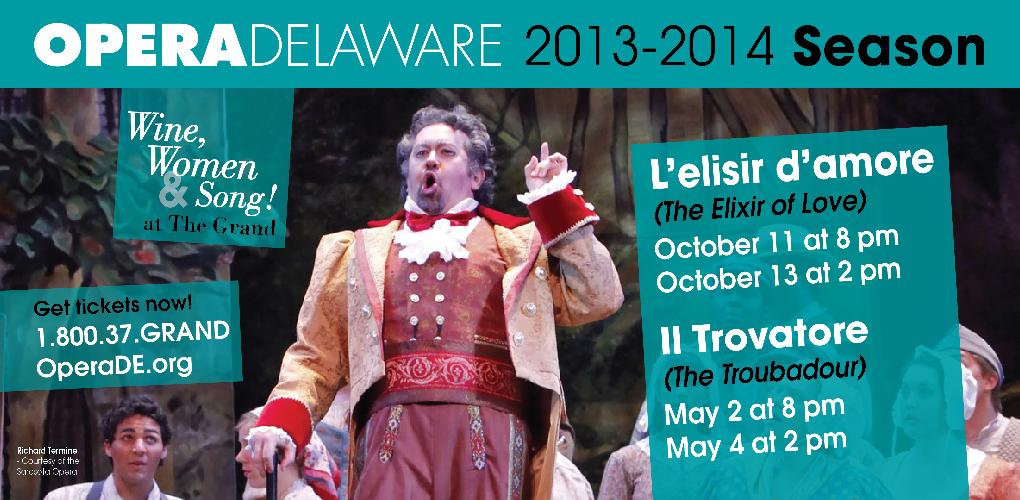
SeasonWebsiteBannerwithphotcreditHappy endings may be few and far between in this family drama of Count Di Luna’s search for his long-lost brother and the plot may border on being…well, operatic – however Il Trovatore features some of Verdi’s most magnificent music – including the ever-popular “anvil chorus.” 

Maestro Giovanni Reggioli returns to conduct after his triumph in the pit last spring for Verdi’s Macbeth and Marc Astafan (Tosca and La Traviata 2010) returns to direct.  Tenor Kirk Dougherty sings the role of Manrico, and Baritone Tim Mix (who many will remember from last Spring’s Studio Series) sings Count di Luna.

Performances take Place at The Grand, 818 N Market Street, Wilmington Delaware.
Click on the date to order ONLINE tickets
  • Friday May 02, 2014-8:00 PM
  • Sunday May 04, 2014-2:00 PM
Il Trovatore


Il Trovatore Cast Members

  • Kirk Dougherty, tenor -- Manrico

    Kirk Dougherty, tenor — Manrico

    Tenor Kirk Dougherty has a vibrant career in concert and opera in the United States. From Mozart’s most sublime lovers to Verdi’s grandest heroes, his performances are acclaimed for their versatility, strength, and elegance. Opera Magazine (UK), Operapulse.com, and Opera News describe his voice as ‘a tenor on the rise’, ‘an exceptionally beautiful tenor’, and ‘a limitless, iridescent instrument’. 

    This season in March at Opera Naples, he appears as Obadiah in a staged production of Mendelssohn’s Elijah. In May with theGreenwich Choral Society. In the summer, he sings at the 2013 Castleton Festival in Puccini’s Fanciulla del West and Verdi’s Othello at Castleton, Virginia and in A Coruña, Spain. He also has upcoming appearances at Salt Marsh Opera andTownsend Opera Players in 2013-14.

    Earlier this season, Kirk Dougherty appeared as a principal character in Victoria Bond’s opera Mrs. President atAnchorage Opera. He also performed four featured roles in Montemezzi’s La Nave with New York City’s Teatro Grattacielo. In Tri-Cities Opera’s acclaimed Il Trovatore, he sang the role of Manrico with ‘exquisite lyric and dramatic power’. 

    As a 2011-2012 guest artist at Tri-Cities Opera he sang Tamino (Die Zauberflöte), Pinkerton (Madama Butterfly), and Edgardo (Lucia di Lammermoor). In 2011-2012 he also performed Tamino at Salt Marsh Opera, the title role of Faustat Opéra Louisiane, Amaryllus (The Poisoned Kiss) and Fra Diavolo (Fra Diavolo) with Bronx Opera, and Rodolfo (La Bohème) at 2012 Belleayre Music Festival. Highlights of 2009-2011 included Alfredo (La Traviata), Rinuccio (Gianni Schicchi), Nemorino (L’Elisir d’Amore), Ferrando (Cosi fan tutte), and Hoffmann (Les Contes d’Hoffmann) with Tri-Cities Opera.

    Kirk Dougherty is a graduate of the Eastman School of Music. He was a Festival Artist at Utah Festival Opera and Musical Theatre, an Apprentice Artist at Central City Opera, and a Resident Artist at Tri-Cities Opera. At Tri-Cities Opera, he was the recipient of the 2009 Carlotta Savoca Award. He currently lives in Sleepy Hollow, NY (a suburb of New York) and is married to mezzo-soprano Cabiria Jacobsen.

  • Timothy Mix, baritone -- Count di Luna

    Timothy Mix, baritone — Count di Luna

    Recipient of a 2008 Richard Tucker Foundation Career Grant, Timothy Mix is recognized for the beauty of his voice and his compelling stage presence.  He received critical acclaim for his pivotal role as Edward Gaines in the New York premiere of Richard Danielpour and Toni Morrison’s Margaret Garner, in a new production by Tazewell Thompson, for which the American baritone received New York City Opera’s 2008 Christopher Keene Award.

    The 2010/11 season brought Timothy Mix back to Washington National Opera in the role of Renato in James Robinson’s production of Un Ballo in Maschera conducted by Daniele Callegari, to the San Francisco Opera to sing in the company premiere of Alfano’s Cyrano de Bergerac as Le Bret in a new production by Petrika Ionesco and conducted by Patrick Fournillier as well as Prus in Janácek’s The Makropolus Case, conducted by Jiri Belohlávek and directed by Olivier Tambosi.  The artist then joined Portland Opera as Ping in Turandot under Leonardo Vordoni and directed by Christopher Alden.  Timothy Mix will wrap up his season by singing Albert in Werther with the Washington Concert Opera, conducted by Antony Walker.  Highlights of the 2011/12 season include Dancairo in Bizet’s Carmen, conducted by Nicola Luisotti as well as a debut at Dallas Opera as Baron Duphol in Verdi’s La Traviata, conducted by Marco Guidarini.  Orchestral highlights include a night of arias for the opening gala of the Orlando Philharmonic, conducted by Christopher Wilkins. 

    During the 2009/10 season, Timothy Mix made his Washington National Opera debut as Ford in Falstaff, conducted by Sebastian Lang-Lessing, as well as his San Francisco Opera debut in La Fanciulla del West, under the baton of Nicola Luisotti. He also sang his first performances with Arizona Opera as Marcello in La Bohème, brought his Belcore to Toledo Opera’s L’elisir d’amore, joined Opera Southwest as Escamillo in Carmen, and sang Handel’s Messiah with the Pacific Symphony.

    The 2008/09 season featured a pair of notable house debuts: at Dallas Opera as the Duke of Nottingham in the Stephen Lawless production of Donizetti’s Roberto Devereaux, conducted by Graeme Jenkins, and at Michigan Opera Theatre as Edward Gaines in Kenny Leon’s production of Margaret Garner. Mr. Mix also sang the role of Marcello in La Bohème at both Opera Theatre of Saint Louis and Palm Beach Opera. His concert calendar included Fauré’s Requiem with the Buffalo Philharmonic, Beethoven’s Mass in C and Dvorák’s Te Deum with Voices of Ascension, Beethoven’s Ninth Symphony with the Hudson Valley Philharmonic, and an opera gala with the Springfield Symphony.

    Career highlights include his Boston Lyric Opera debut as Marcello; Escamillo in Carmen for his Opera Colorado debut, conducted by Stephen Lord; his role debut as Yevgeny Onegin at Virginia’s Todi Music Fest; Ford in Falstaff at New York City Opera; Belcore in a new James Robinson production of L’elisir d’amore at Opera Colorado; Clayton McAllister in Carlisle Floyd’s Cold Sassy Tree at Atlanta Opera; Monterone in Rigoletto and Mr. Flint in Billy Budd, both with Pittsburgh Opera; and his Baltimore Opera debut as Krušina in Smetana’s The Bartered Bride.

    A former Pittsburgh Opera Center artist, Timothy Mix has sung with the Pittsburgh Symphony, Baltimore Symphony, Asheville Symphony, the Yaraslavl Symphony in Russia, and the Finnish National Opera Orchestra.

    With Pittsburgh Opera, his performances include Baron Douphol (also covering Germont) inLa Traviata, Don Fernando in Fidelio and Count Almaviva in Le Nozze di Figaro.  He was singled out for his outstanding performance as Henry Cuffe in a new Colin Graham production of Britten’s Glorianaconducted by Steuart Bedford at Opera Theatre of St. Louis in their 2005 season. He has also sung the title role in Gianni Schicchi and Michele in Il Tabarro with Peabody Opera and Stankar in Stiffelio at Sarasota Opera.  Other roles in his repertoire include Valentin in Faust and Nick Shadow in The Rake’s Progress.   In concert, he has performed the Fauré Requiem, Beethoven’s Ninth Symphony and Handel’sIsrael in Egypt.  He also has appeared in recital on tour in Russia.

    Having received the Founder’s Award from the Opera Theatre of Saint Louis and the Helen Jepson Dellera Award from the Bradenton Opera Guild, he has also received awards  in several competitions, most notably the Mirjam Helen International Singing Competition, the Palm Beach Opera Competition and the Metropolitan Opera National Council Auditions.  In addition to being a 2007 recipient of a Sullivan Foundation grant, he was a first prize winner in the Rosa Ponselle All Marylanders Competition, the National Foundation for the Advancement of the Arts and the Catherine Filene Shouse Youth Scholarship Competition.

  • Conductor -- Maestro Giovanni Reggioli

    Conductor — Maestro Giovanni Reggioli

    “From the intense, expansive way he shaped the sorrowful opening of the opera, it was clear that conductor Giovanni Reggioli would be a star of the production. His unflaggingly elegant phrasing and ear for subtle details paid off handsomely all night, revealing the soulful beauty in the score.” (Opera News)


    “Giovanni Reggioli …led the Washington National Opera Orchestra with sure lyricism and stage-to-pit synchronicity” (Washington Post)


    “Reggioli had a sound instinct for balancing control and forward movement with moments where a phrase or note was allowed to open out and drift free.” (Sydney Morning Herald)

    Elegant phrasing, eloquent, intense, disciplined, incandescent are but a few of the words used to describe the conducting of young Italian Giovanni Reggioli.  

    Giovanni has quickly established an impressive international career having conducted Falstaff in Sydney and Caracas, Carmen, La Bohème and Don Giovanni at the Washington Opera, Un Giorno di Regno at the Caramoor International Music Festival of New York, Un Ballo in Maschera and Turandot in Quebec City, as well as I Pagliacci and Cavalleria Rusticana for Port Opera. He has led the Metropolitan Opera, Washington Opera and Los Angeles Opera orchestras, the Los Angeles Chamber Orchestra, the Orchestra of Saint Luke’s, the Orchestra Filarmonica Mediterranea, the Orchestra Filarmonica di Sanremo.

    His critically acclaimed conducting debut with Opera Australia of Verdi’s Falstaff assured his return for subsequent years: “The lion’s share of the credit for that triumph simply must be awarded to the conductor, Giovanni Reggioli, whose intimate and loving knowledge of the detail of this wonderful work inspired the Australian Opera and Ballet Orchestra to give consistently of its very best, providing a reading of the music so incandescent it rendered all but irrelevant slight shortfalls in other areas of the premiere performance. May Reggioli return soon, and often, to adorn the future performance rosters of Opera Australia.” (Opera~Opera, February 2006).

    Now a perennial favorite with Australian audiences and press alike, Giovanni has led performances of Rigoletto, FalstaffLa Traviata, Otello, Nabucco, La Boheme and Turandot.

    Recent highlights feature acclaimed performances of Le Nozze di Figaro with the Manhattan School of Music in New York City, his debut with the Minnesota Opera conducting Il Trovatore,the special New Year’s Gala Bravissimo! at Roy Thomson Hall in Toronto, his debut in Ottawa, Canada, conducting the National Arts Centre Orchestra for the Black and White Opera Gala, performances of Madama Butterfly and Un ballo in maschera for the Opéra de Québec, Il barbiere di Siviglia for PortOpera and at the Baths of Caracalla in Rome where he conductedAida. A favourite at the Washington National Opera, he has conducted I Vespri Sicilani, Samson et Dalila and La Traviata and, in September 2006, he was asked, at short notice, to step in and take over the season opening productions of the Washington National Opera:Bluebeard’s Castle and Gianni Schicchi.

    Giovanni has served as assistant conductor and vocal coach at the New York City Opera, Juilliard Opera Center, the Maggio Musicale in Florence, the Donizetti Festival in Bergamo, the Barga Opera Festival and the Settimana Musicale Senese at the Accademia Chigiana in Siena working with such celebrated conductors as Zubin Mehta, Riccardo Chailly, Gerard Schwartz, Julius Rudel, Bruno Bartoletti, Edoardo Muller and Peter Maag. He also served as head coach and music administrator for the Washington Opera’s Vilar Young Artist Program from 2001 to 2004, working directly with Placido Domingo. During his tenure there, he conducted the “Operalia Gala”, featuring Placido Domingo, and the Washington Opera Gala, televised for PBS, working alongside Valery Giergiev.

    A versatile musician, Maestro Reggioli has accompanied in recital such renowned opera singers as Renata Scotto, Shirley Verrett, Placido Domingo, Cecilia Bartoli, Rolando Paneraï, Anna Moffo, Carlo Bergonzi and Jennifer Larmore.

    He was the recipient of the conducting scholarship at the Laboratorio Lirico di Alessandria in Italy and the Bruno Walter Memorial Scholarship at the Juilliard School in New York in 1991, 1992, and 1993. He also spent 6 years as Assistant Conductor at the Metropolitan Opera, working with James Levine, among others.

    Giovanni Reggioli makes his home in Washington, DC with his wife Alizon and daughter Camilla.

  • Stage Director -- Marc Astafan

    Stage Director — Marc Astafan

    MARC ASTAFAN, Stage Director, returns to OperaDelaware to direct this production of Il Trovatore after directing Tosca and La Traviata here.  Recently Marc was at Amarillo Opera for Lucia di Lammermoor and Central City Opera for a new production of The Barber of Seville.  His work has also been seen at Virginia Opera, Opera Birmingham, Syracuse Opera, Anchorage Opera, Opera Illinois, Eugene Opera and Center City Opera in Philadelphia.  Career highlights also include The Magic Flute on the site of the Egyptian Temple of Dendur at New York’s Metropolitan Museum of Art, directing revivals of Tosca and Le Nozze di Figaro at The Metropolitan Opera and his production of Summer and Smoke was a highlight of the Tennessee Williams Festival in Provincetown, Massachusetts in 2008.  Dedicated to the training of young singers Marc spent 12 years on the faculty of the New England Conservatory in Boston and has been a guest director at Santa Fe Opera, Pittsburgh Opera, The Juilliard School, Tanglewood Music Center, Music Academy of the West and Temple University.  He is currently the Director of the Young Artist Program at Central City Opera.  Recent productions included return engagements at Opera Birmingham for Rigoletto, a debut at Mobile Opera with Madama Butterfly and in 2015 he returns to Syracuse Opera for a new production of Turandot to celebrate that companies 40th Anniversary Season.

Posted in Music, OPera | Tagged , , , | Leave a comment

MAROR, Valencian dramatic opera by Manuel Palau

maror

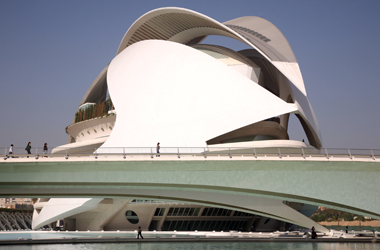
at the Palau de Les Arts Reina Sofia in Valencia


Valencian dramatic opera in three acts
Music by Manuel Palau
Libretto by Xavier Casp
Premiere (concert version): València, Palau de la Música, 23rd May 2002

24th, 27th, 30th April 2014 –
The performances start at 8:00 pm. Sundays and holidays, at 7:00 pm
Palau de Les Arts Reina Sofia, Valencia, Sala Principal

Conductor
Manuel Galduf Stage Director
Antonio Díaz Zamora

Set Designer
Manuel Zuriaga

Costume Designer
Miguel Crespí

Lighting Designer
Carles Alfaro

Videocreator
Miguel Bosch

Choreography
Julia Grecos

New production
Palau de les Arts Reina Sofía


Ballet de la Generalitat
Inmaculada Gil-Lázaro, director

Escolania de la Mare de Déu dels Desemparats
Luis Garrido, chorus master

Cor de la Generalitat Valenciana
Francesc Perales, chorus master

Orquestra de la Comunitat Valenciana 

Rosa
Minerva Moliner

Tonet
Javier Palacios

Teresa
Sandra Ferrández

Toni
Josep Miquel Ramon

Anna
María Luisa Corbacho

Maria
Cristina Faus

Tio Estrop
Bonifaci Carrillo**

Sailor
Boro Giner**

Inside voice
Yolanda Marín**
** Cor de la Generalitat Valenciana


palau

PALAU DE LES ARTS REINA SOFIA


S Y N O P S I S

Act I
A village in the Marina region of Valencia, around 1940. It is a sunny spring morning. Maria is putting the finishing touches to her brother Toni’s house to welcome him, a modest fisherman in his forties, and his wife back from their honeymoon. The newly weds, Toni and his young wife Rosa, appear accompanied by Estrop (Rosa’s grandfather), Rosa’s friends and her sister Teresa. Maria and Ana (Rosa and Teresa’s mother) go upstairs to prepare the bedrooms. Rosa’s friends say goodbye to her, wishing her all the best in her marriage.

The two sisters are alone. Rosa admits she is not completely happy with Toni, as she cannot forget her previous boyfriend Tonet (Toni’s son), who disappeared three years before and is presumed dead. Teresa encourages her to leave the past behind and concentrate on her new life. She says goodbye to her and leaves with Estrop. Before Maria leaves, she talks to Rosa and makes her see that now she is the mistress of that house. Once again the name of Tonet inevitably crops up in the conversation.

Rosa drops into a chair, exhausted. In a deep but restless sleep, she sees spirits dancing round the room and hears Tonet’s voice telling her that his ship did not sink as everyone believed, but that he was kidnapped. She wakes up startled. Just at that moment, Toni bursts in, upset. He is holding a letter from his son Tonet who explains that he is alive and living in Germany, and that he has started his journey back to the village. Rosa and Toni are excited at such good news, but they are also worried about how Tonet will react when he finds out that his fiancée and father have married. At that moment Tonet appears in the hall by surprise. Father and son embrace. Tonet tries to kiss Rosa, but she turns away not knowing what to say. Toni clears the confusion saying that Rosa is now his wife. Tonet cries out, furious. Rosa faints.

Act II
Preparations are underway at Rosa and Toni’s house for the baptism of their first child. The guests sing canticles as an offering of the child to the figure of Christ of the fishermen. More guests arrive. Finally the baby’s godparents arrive (Tonet and Teresa) carrying the baby and the celebration begins with a series of dances.

Tonet confesses to his father that he can no longer live in the same family environment as him and Rosa, who approaches at that moment and becomes involved in the argument. Tonet reproaches his father for stealing the love of his life from him, and he proposes to go somewhere far away. Teresa appears as the situation becomes more strained. Toni moves away and Rosa begins to cry. Teresa consoles Tonet and affectionately speaks to him while she caresses him. She is in love with him. Rosa and Toni, each one from an aside, look on emotionally, aware that a relationship is flourishing between the couple that will bring peace to them all. But, deep down, Rosa does not want this to happen as she is still in love with Tonet.

Act III
Rosa rocks the cradle while she sings. Tonet enters the house very agitated, in search of a rope. He kisses Rosa, a kiss that seems to bid her farewell, and leaves quickly. Maria lights a candle at the feet of the figure of Christ and tells Rosa that Toni is fighting in his ship against the swell (Maror) not far from the port. All the men have gone to help him and all they can do is wait and pray. But Rosa cannot hold back her distress any longer and she runs out in the direction of the port. Maria stays with the child.

The sad expression on the face of Estrop standing in the hall forebodes the tragedy: Toni has drowned despite Tonet’s attempts to save him. Tonet was seriously injured when he was thrown by the sea against a rock. The fishermen carry him home on their shoulders. Rosa embraces and kisses him in despair. Tonet is delirious and keeps asking if Toni has been saved. Finally, he realises Toni has not been saved and he dies.

Posted in OPera | Tagged , , , , , , | Leave a comment

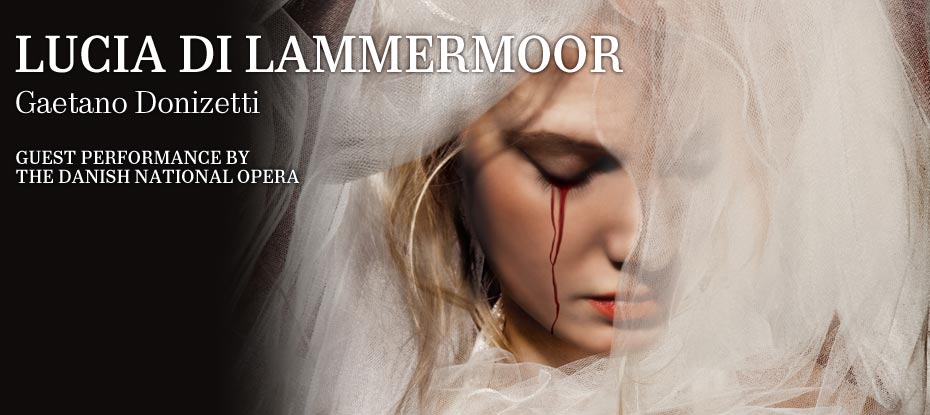
The Royal Danish Opera presents Lucia de Lammermoor

dkt_logo_mobileThe Royal Danish Opera Presents:

Lucia-di-LammermoorEN_top415

Stage: Gamle Scene
Title: Lucia de Lammermoor | Guest Performance
Artform: Opera
Performance period: 08. Apr. – 09. Apr. 2014
Duration: 2 hours 30 minutes incl. interval.
Price: 495kr – 75kr
Dates: 08/04, 09/04

Audiences can look forward to a gothic story of love and madness based on a tale by Sir Walter Scott, the man behind the knightly adventure, Ivanhoe.

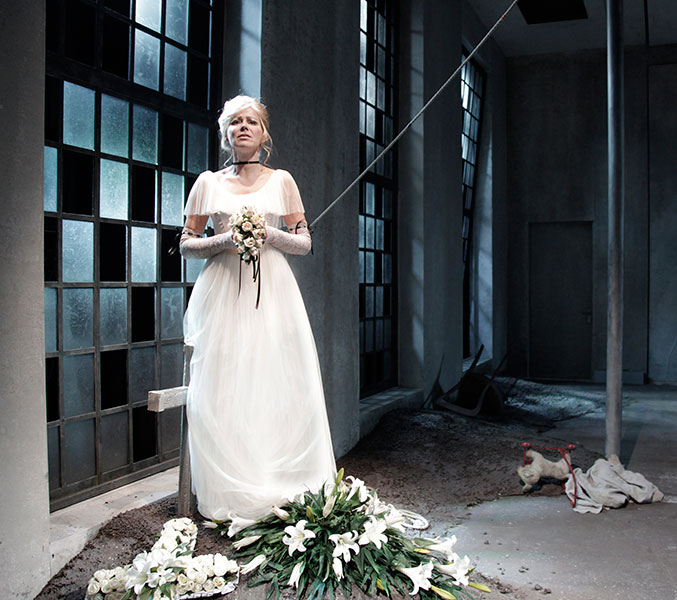
_MG_2111_copyLucia is an innocent pawn in a political family feud masterminded by her scheming brother. He manipulates Lucia into giving up her beloved for marriage to a man she loathes. When she begins to realise that her brother has exploited her and ruined her life, her sanity cracks in two with tragically horrifying consequences.

Donizetti is one of Italy’s greatest and most prolific opera composers. As one of the prime movers of Romanticism in Italy, he wrote more than 60 operas, of which Lucia di Lammermoor is one of the most regularly performed operas in today’s repertoire. Donizetti’s music boasts a wealth of details that challenge singers to their utmost limits with colour and virtuosity, and Lucia’s mad scene is one of the most famous examples of his magisterial art.

Isabella Bywater is responsible for stage direction and set design for this production of Lucia di Lammermoor. She has worked as a set designer in opera houses including the Royal Opera, Covent Garden and the English National Opera in London and she is now making the leap to director. Lucia di Lammermoor is conducted by Martin André.

Stage direction and set design: Isabella Bywater
Conductor: Martin André
The Danish National Opera Chorus
Copenhagen Phil.

Cast

229 219

218 215214216

213 212

211 210

209 _MG_3527_copy_MG_3060_copy_MG_3040_copy

_MG_2822_copy _MG_2632_copy

_MG_2599_copy _MG_2317_copy

_MG_2250_copy _MG_2284_copy

_MG_3497_copy

Posted in OPera | Tagged , , , , , | Leave a comment

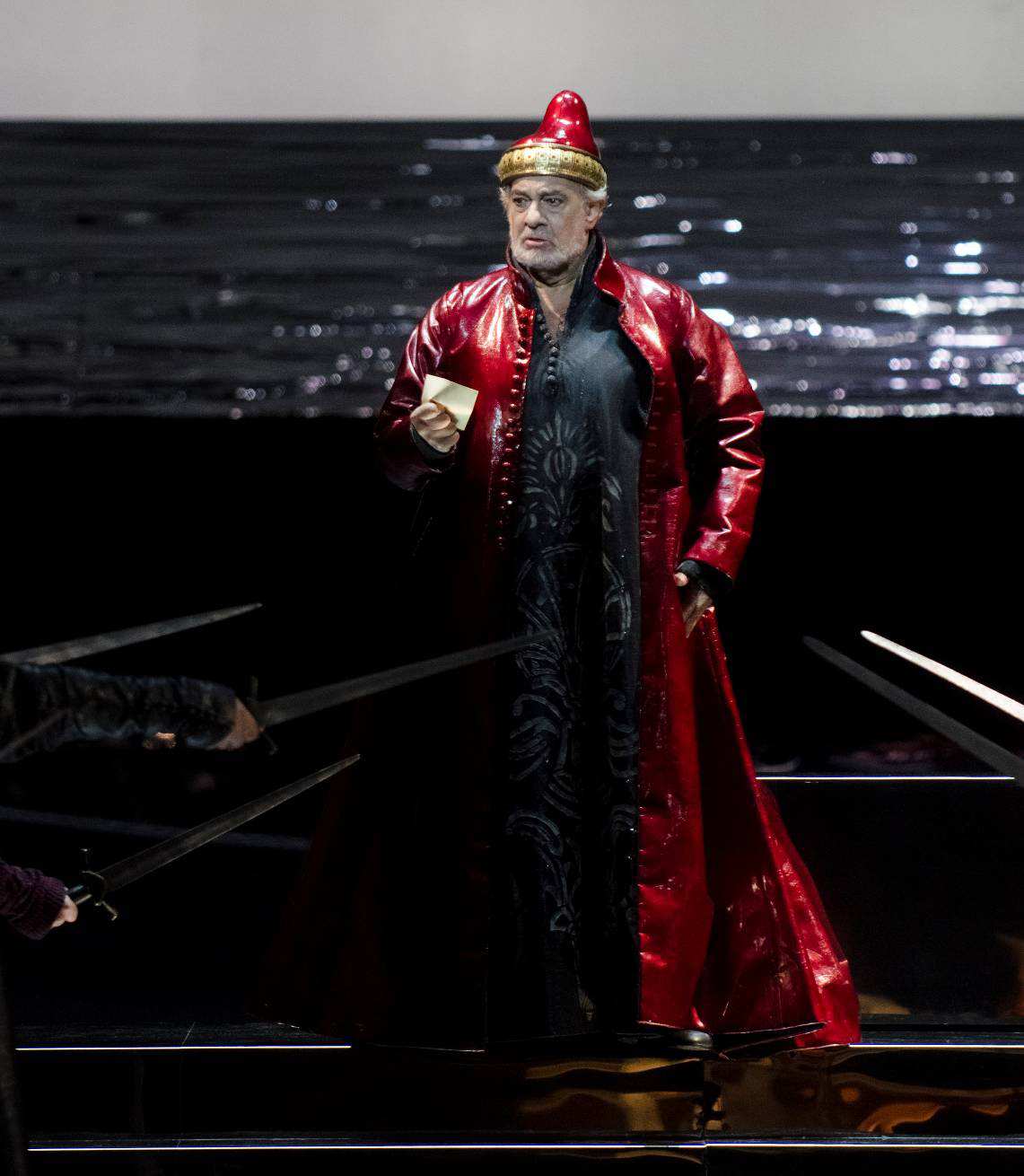
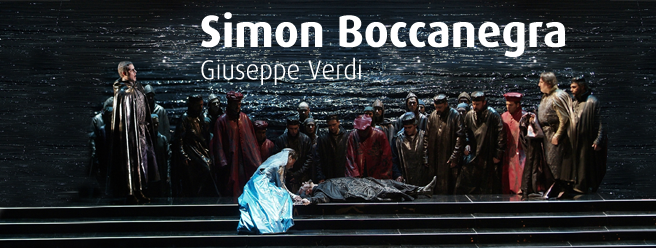
SIMON BOCCANEGRAIN VALENCIA WITH PACIDO DOMINGO.


palau

PALAU DE LES ARTS REINA SOFIA

Palau de Les Arts Reina Sofia in Valencia Presents:

13160002_51_9_0_gra

SIMON BOCCANEGRA

By Giuseppe Verdi

Opera with a prologue and three acts · Music by Giuseppe Verdi.
Libretto by Francesco Maria Piave revised by Arrigo Boito, Antonio García Gutiérrez.
Premieres: Venice, Teatro La Fenice, 12th March 1857 (original version). Milano, Teatro alla Scala, 24th March 1881 (final version)

27th, 30th March 2014 · 3rd, 6th, 9th April 2014 – The performances start at 8:00 pm. Sundays and holidays, at 7:00 pm

Sala Principal
Approximate Duration: 2 h 50 min

simon_boccanegra2CAST

Simon Boccanegra: Plácido Domingo

Amelia Grimaldi: Guanqun Yu

Jacopo Fiesco: Vitalij Kowaljow

Gabriele Adorno: Ivan Magrì

Paolo Albiani: Gevorg Hakobyan

Pietro: Sergey Artamonov

A Captain: Valentino Buzza *

Amelia’s maid: Chiara Osella *

Extras

Ballet de la Generalitat (Immaculada Gil-Lazzaro, director)

Alejandro Amores, Gianluca Battaglia,

Laura Bruña, Joan Crespo, Ezequiel Gil,

Diana Huertas, Jonathan López, Esaúl Llopis,

Yester Mulens, Cristina Reolid, Marine Sánchez,

Fátima Sanlés,Liza Taberner, Nerea Tatay,

Marta Toledo, Ismael Turel

David Abellán, Raúl Garbayo, Pura Marco,

Víctor Montesinos, Diego Ramírez

* Centre de Perfeccionament Plácido Domingo

simon_boccanegra3PRODUCTION TEAM

Conductors: Evelino Pidò; Jordi Bernàcer (9)

Stage Director: Lluís Pasqual;Leo Castaldi (revival)

Set Designer: Ezio Frigerio

Costume Designer: Franca Squarciapino

Lighting Designer: Albert Faura

Production: Palau de les Arts Reina Sofía

Cor de la Generalitat Valenciana

Francesc Perales, chorus master

Orquestra de la Comunitat Valenciana

Stage Director’s assistant: Emilio López

Lighting Designer’s assistant: Antonio Castro

Répétiteurs: Stanislav Angelov: José Ramón Martín

Subtitles: Anselmo Alonso

Running time: 2 h 50 min

Prologue and Act I: 85 min

Interval: 25 min

Acts II and III: 60 min

simon_boccanegra1

SYNOPSIS

Prologue

A square in Genoa, near the palace of Jacopo Fiesco and the Church of San Lorenzo. Around 1339.

The silversmith Paolo Albiani obtains support from Pietro for the election of the pirate Simon Boccanegra as the new doge, in exchange for some kind of recompense. Reluctantly Boccanegra accepts this position, hoping it will enable him to become reconciled with his enemy Jacopo Fiesco, as he is in love with his daughter Maria. The couple has a daughter, whom old Fiesco intends to bring up.

Simon runs into Fiesco and tries to convince him that they should forget the confrontations they have had in the past. Fiesco, visibly mourning Maria’s sudden death (which he hides from his rival), is inflexible to any reconciliation. Only if Simon gives him his granddaughter will he agree to it. The pirate explains that the little girl has disappeared and therefore he cannot do as he asks. Fiesco leaves and Simon enters the palace to meet Maria. He is horrified when he discovers Maria’s body. Dawn breaks. The crowd proclaims Simon Boccanegra doge of Genoa.

Act I

Scene I

Twenty-five years have passed. Jacopo Fiesco has changed his name to Andrea Grimaldi to hide his identity, and has brought up and adopted an orphaned girl -of unknown origin- with the name of Amelia Grimaldi. The girl is really Maria Boccanegra, the daughter of Simon Boccanegra and Jacopo Fiesco’s granddaughter.

In the gardens of the Grimaldi Palace, overlooking the sea, Amelia has an amorous rendezvous with the nobleman Gabriele Adorno. She tells him that the doge is about to arrive at the palace to ask for her hand in marriage on behalf of Paolo Albiani, a man trusted by the doge who finds Amelia attractive. So Gabriele gets in before the doge and asks Fiesco for permission to marry Amelia, to which the old man agrees. The doge arrives with Albiani. During his conversation with Amelia, Simon discovers to his surprise that she is his daughter, and that she is in love with Gabriele. He understands the young girl’s feelings and decides not to go ahead with the marriage proposal he had in mind. Albiani is not at all pleased and begins to plot to kidnap Amelia.
Scene II
A chamber in the doge’s Palace in Genoa. The doge, sitting on his throne, presides over a meeting attended by advisers, consuls and condestables from the military. Gabriele bursts into the room, accuses the doge of being responsible for Amelia being kidnapped, and confronts him. But the young girl has managed to escape and she interrupts the meeting to tell her side of the story, clearly proving that Simon has had nothing to do with the matter. All eyes turn to Albiani.

The doge brings order to the disrupted meeting and orders for Fiesco and Gabriele to be sent to prison. At the same time, he exhorts Albiani, who has been his right-hand man up until then, to curse the person guilty of kidnapping Amelia (who is none other than himself).

Act II

A chamber in the doge’s Palace. Albiani, who is planning to kill Simon, offers to set Fiesco and Gabriele free from prison if they help him commit the crime. Fiesco refuses and goes back to prison. Albiani pours poison into the doge’s drink in case his initial plan fails. Really, he wants Gabriele to kill the doge, so he locks him in the chamber so that he will surprise Simon when he enters and kill him. He has previously led Gabriele to believe that Amelia and Simon are lovers. Amelia enters and tries to convince her sweetheart that his suspicions are unfounded. The doge is heard approaching and Gabriele hides on the balcony. Amelia begs her father to forgive Gabriele, the man she loves. The doge agrees and, feeling tired, drinks from the poisoned bottle and falls asleep. Gabriele takes advantage of the situation and tries to kill him. But Amelia stops him, telling him that Simon is her father. The doge forgives his future son-in-law and they go out together to calm the rebellious mob that is gathering at the palace gates.

Act III

The doge has managed to calm the mob and forgives all the conspirators, except for Paolo Albiani, who is sentenced to death. Albiani tells Fiesco that the doge will die within a few hours because he has poisoned him. Simon enters weak and ill. Fiesco reveals his identity and is pleased he can get his revenge at last. When the doge tells him that Amelia Grimaldi is his granddaughter, Fiesco becomes emotional and is reconciled with him. The poison has taken effect, however, and the doge dies, but first he is able to bless the union between his daughter Amelia and Gabriele, and name his son-in-law as the new doge of Genoa. Fiesco goes onto the balcony and tells the crowd that Gabriele Adorno is the new doge, while they all join in prayer for the death of Simon Boccanegra.

Posted in OPera | Tagged , , , , , , , | Leave a comment

TEATRO REAL OF MADRID PRESENTS LOHENGRIN

TEATRO REAL OF MADRID PRESENTS:

lohengrinRichard Wagner’s

LOHENGRIN

Written during a time of revolutionary turmoil, Lohengrin is the perfect union of poetry and music according to the aesthetic ideals of Romanticism as created, in part, by Wagner: the opera itself is eclipsed by the drama of the music. Two visions of reality come into conflict with each other: that of Ortrud and the world of black magic, and light as represented by Lohengrin, a knight of the holy grail. These two characters face each other against the backdrop of a brutal medieval society in a state of constant war. The young Elsa is the only one who seeks the beauty and light of Lohengrin, but her love falters because she strives to understand it. This raises the question of whether a masculine world can demand complete surrender without question, which is another reason behind Lohengrin’s failure. Only the innocence of childhood has any hope of defeating evil.

Romantic opera in three acts
Libretto by Richard Wagner

New production of Teatro Real

Teatro Real Chorus and Orchestra
(Coro Intemezzo / Orquesta Sinfónica de Madrid)

Production Team 

  • Musical director: Hartmut Haenchen (Apr. 3, 6, 7, 10, 13, 15, 17, 20, 22, 24, 27)  Walter Althammer (Apr. 11, 19) 
  • Stage Director: Lukas Hemleb  
  • Set Designer: Alexander Polzin 
  • Costume designer: Wojciech Dziedzic
  • Lighting designer: Urs Schönebaum
  • Chorus Master: Andrés Máspero; 

CAST:

  • King Henry: Franz Hawlata (Apr. 3, 7, 10, 13, 17, 20, 24, 27); Goran Jurić (Apr. 6, 11, 15, 19, 22)
  • Lohengrin: Christopher Ventris (Apr. 3, 7, 10, 13, 17, 20, 24, 27)
    Michael König (Apr. 6, 11, 15, 19, 22)

  • Elsa: Catherine Naglestad (Apr. 3, 7, 10, 13, 15, 17, 20, 22, 24, 27)
    Anne Schwanewilms (Apr. 6, 11, 19)

  • Friedrich von Telramund: Thomas Johannes Mayer (Apr. 3, 7, 10, 13, 17, 20, 24, 27)
    Thomas Jesatko (Apr. 6, 11, 15, 19, 22)

  • Ortrud: Deborah Polaski (Apr. 3, 7, 10, 13, 17, 20, 24, 27)
    Dolora Zajick (Apr. 6, 11, 15, 19, 22)

  • The Herald: Anders Larsson

  • Four Noblemen: Antonio Lozano; Gerardo López;  Isaac Galán; Rodrigo Álvarez 

lohengrin2Performance Dates

  • 3 APR (T) 19:00h
  • 6 APR (S) 18:00h
  • 7 APR (M) 19:00h
  • 10 APR (T) 19:00h
  • 11 APR (F) 19:00h
  • 13 APR (S) 18:00h
  • 15 APR (T) 19:00h
  • 17 APR (T) 19:00h
  • 19 APR (S) 19:00h
  • 20 APR (S) 18:00h
  • 22 APR (T) 19:00h
  • 24 APR (T) 19:00h
teatro Real

Teatro Real of Madrid

  • 27 APR (S) 18:00h
Posted in OPera | Tagged , , , | Leave a comment

MOZART’S DON GIOVANNI in Copenhagen

dkt_logo_mobile

The Royal Danish Opera Presents:

MOZART’S DON GIOVANNI

Stage: Turné
Title: Don Giovanni | On Tour
Artform: Opera
Performance period: 02. Apr. – 11. Apr. 2014
Duration: Unknown (TBD)
Dates: 02/04, 04/04, 06/04, 09/04, 11/04

Don-JuanEN_top415The Royal Danish Opera is on tour in Jutland with a brand new version of Mozart’s Don Giovanni. The performance will play in Randers, Holstebro, Esbjerg, Ålborg and Århus.

Young old, fat, thin, tall and short – for Don Giovanni, each have their own charms. As one of the strongest stories in opera history, Mozart’s Don Giovanni touches something profoundly deep inside every one of us. And now you can experience this classic in a refreshing new ‘dogma’ version.

Young Chilean director Aniara Amos is behind this innovative production of Don Giovanni. Her production is founded on a creative dogma concept embracing the use of costumes, sets and props sourced from the treasure trove of the Royal Danish Theatre.

The blazing Baroque interpreter Lars Ulrik Mortensen is back at the podium to lead Scandinavia’s foremost Baroque orchestra, Concerto Copenhagen. The title role of the restless seducer is sung by Palle Knudsen, surrounded by a range of The Royal Danish Opera’s most powerful women: Gisela Stille, Inger Dam-Jensen, Sine Bundgaard, Ylva Kihlberg and Tuva Semmingsen, whose characters are not exactly open to Don Giovanni’s romantic overtures.

Don Giovanni is performed in Italian with Danish supertitles.

Hempel A/S is the exclusive production sponsor for Don Giovanni. The Obel Family Foundation is the exclusive sponsor of the Danish tour of Don Giovanni. The Danish Research Foundation is the principal sponsor of the Royal Danish Opera.

Conductors: Lars Ulrik Mortensen/Benjamin Bayl
Stage direction: Aniara Amos
Set design: Alex Eales
Costume design: Signe Beckmann
Lighting design: Ulrik Gad
Concerto Copenhagen | The Royal Danish Opera Chorus

Cast

Palle_Knudsen_cvs

PALLE KNUDESN as Don Giovanni

BARITONE


Nationality
Danish. Born in Copenhagen.

Education
Trained at the Royal Danish Opera Academy in Copenhagen.

Palle Knudsen
Baritone
Assigned to the Royal Danish Theatre from 1999.

Debut
Debut at the Royal Danish Theatre in Philip Glass’ Orphée at Turbinehallerne 1998.

At The Royal Danish Theatre
Principal performances at the Royal Danish Theatre: Mozart performances as Papageno in Die Zauberflöte, the Count in Le nozze di Figaro, the title role in Don Giovanni and Guglielmo in Così fan tutte. Figaro in Rossini’s Il barbiere di Siviglia. Count Lamoral in Strauss’ Arabella. Ping in Puccini’s Turandot. Bobul in Kunzen’s Holger Danske. Lord Sidney in Rossini’s Il viaggio a Reims. Achilla in Handel’s Giulio Cesare. Ned Keene in Britten’s Peter Grimes. Eisenstein in Strauss’ Die Fledermaus. Marcello in Puccini’s La Bohème. Silvio in Leoncavallo’s I pagliacci.

Other engagements
Apollo in Monteverdi’s Orfeo with La Monnaie in Brussels at performances in New York and Paris. Albert in Massenet’s Werther with the Bergen Philharmonic Orchestra. Title role in Mozart’s Don Giovanni and the part of Guglielmo in Mozart’s Cosi fan tutte at the Glimmerglass Opera in New York in 2003. A much sought-after concert singer and oratorio soloist performing with, e.g. the Danish National Chamber Choir, the Danish National Symphony Orchestra and Collegium Musicum. He has performed concerts at the Court Theatre in Stockholm, at the Saint Petersburg Philharmonic, at the Hanoi Opera and at Pest Vigad in Budapest.

Gisela_Stille_cvs

GISELA STILLE as Donna Anna

SOPRANO

Nationality
Swedish

Education
The Opera Academy in Copenhagen, tutored by Kirsten Buhl Møller.

At The Royal Danish Theatre
Papagena in Mozart’s Die Zauberflöte. Nanetta in Verdi’s Falstaff. Moira in Poul Ruders’ The Handmaid’s Tale. Gepopo in Ligeti’s Le Grand Macabre. Corina in Rossini’s Il viaggio a Reims. Despina in Mozart’s Così fan tutte. Sophie in Massenet’s Werther. Eurydike in Glucks Orfeo et Eurydice. Bürstner/Felice Bauer in Ruders’ Kafka’s Trial. Adele in Johann Strauss’ Die Fledermaus. Fortuna/Giunione/Melanto in Il ritorno d’Ulisse in patria. Sofie in Strauss’ Der Rosenkavalier. Lucia in Donizetti’s Lucia di Lammermoor. Susanna in Mozart’s Le Nozze di Figaro. Lulu in Berg’s Lulu. Violetta in Verdi’s La traviata. Miss Wordsworth in Britten’s Albert Herring.

Other engagements
Gisela Stille is internationally a highly demanded singer and has in recent years performed at Semperoper and Bregenzer Festspiele. From 1999-2001 Gisela Stille was a principle at the Oper Bonn and her roles included: Ännchen in Weber’s Freischütz, Marzelline in Beethoven’s Fidelio, Zerlina in Mozart’s Don Giovanni, Tebaldo in Verdi’s Don Carlos and Waldvogel in Wagner’s Siegfried. She sang all the soprano parts, Olympia, Antonia, Giulietta and Stella in Offenbach’s The Tales of Hoffmann, in Malmö season 10/11.

Besides performing on opera stages Gisela Stille has sung with several orchestras in various countries: The Dew Fairy (Hänsel und Gretel) with the Berlin Philharmonic Orchestra conducted by Mark Elder, Grieg songs with I Pomeriggi Musicali in Mayland, Symphony no. 9 by Beethoven in Palermo; Schubert’s Mass in A major in Brussels with Walter Weller conducting and a tour in Great Britain with Elvis Costello performing his Secret Songs written specially for Gisela.

Future engagements
Future engagements include Pamina/Zauberflöte at Bregenzer Festspiele in 2013 and 2014, Alice Ford/Falstaff and Donna Anna/Don Giovanni at The Royal Opera in Copenhagen, Brahms’ German Requiem with BBC Orchestra in Cardiff, and Mathilde/Wilhelm Tell with Rizzi and Poutney at Welsh National Opera.

Prices and scholarships
The 2003 recipient of Elisabeth Dons’ Mindelegat. She was finalist in Queen Sonja International Music Competition, Norway and the Belvedere Competition in Vienna. She has received numerous legacies and prizes. In 2006 she was the recipient of the Birgit Nilsson Award.

  • Peter Lodahl
    as Don Ottavio
  • Sine Bundgaard
    as Donna Elvira
  • Henning von Schulman
    as Leporello
  • Florian Plock
    as Masetto
  • Tuva Semmingsen
    as Zerlina
  • Petri Lindroos
    as Commendatore
    Tour plan

    <!–


    –>

    2 April 2014 – Værket i Randers at 20.00
    4 April 2014 – Musikteatret Holstebro at 19.30
    6 April 2014 – Musikhuset Esbjerg at 20.00
    9 April 2014 – Aalborg Kongres og Kultur Center at 20.00
    11 April 2014 – Musikhuset Aarhus at 19.30

Posted in OPera | Tagged , , , | Leave a comment

Die Fledermaus in Copenhagen

dkt_logo_mobileDET KONGELIGE TEATER

(Royal Danish Theater) Presents:

Flagermusen

Die Fledermaus


Stage: Operaen Takkelloftet
Title: Die Fledermaus
Artform: Opera
Performance period: 28. Mar. – 01. Apr. 2014
Duration: 2 h. and 30 min.
Price: 195kr
Dates: 28/03, 30/03, 01/04

Operaen_nat03_300x200

Royal Danish Theater

The Royal Danish Opera Academy performs the world’s greatest operetta, Die Fledermaus. A hilarious comedy charged with light-hearted intrigue, two-timing mischief, and sweet revenge.


With its parade of catchy classics and whirlwind waltzes, Johann Strauss felt so inspired when composing the operetta that it took him no more than 43 days and nights to complete.

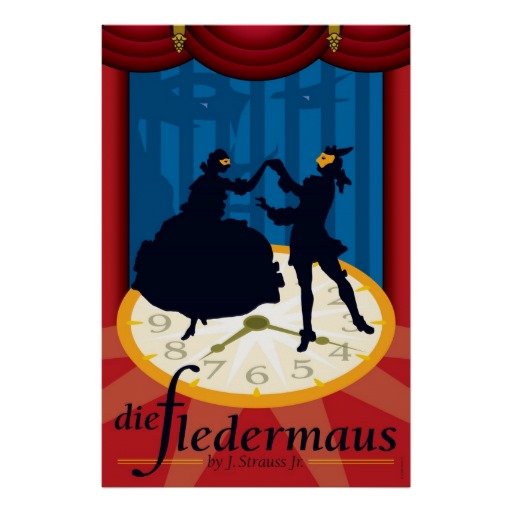
die_fledermaus_opera_posterThe operetta is set in Vienna in the late 1800s. After a carousing and high-spirited carnival, Gabriel von Eisenstein, a dandy, has left his inebriated friend, Dr Falke, asleep on a bench in a park dressed as a bat – the laughing stock of the gentlefolk of town. Dr Falke instigates a refined revenge that sends Eisenstein into deep water when at a grand party Eisenstein makes a pass at a Hungarian countess, who turns out to be his own wife in disguise.

Die Fledermaus replaces the previously announced Ariadne auf Naxos.

Die Fledermaus is performed in Danish.

Appearing: Students from Royal Danish Opera Academy, et al| Conductor: Martin Nagashima Toft | Stage direction: Ebbe Knudsen

The Royal Danish Theatre
EAN: 5798000791282
Postbox 2185
DK-1017 Copenhagen K

Posted in OPera | Tagged , , | Leave a comment

The BARBER OF SEVILLE in Atlanta

The Atlanta Opera

The Barber of Seville

Gioachino Rossini

 
Saturday, April 26, 2014 at 8:00 p.m.
Tuesday, April 29, 2014 at 7:30 p.m.
Friday, May 02, 2014 at 8:00 p.m.
Sunday, May 04, 2014 at 3:00 p.m.

Music by Gioachino Rossini
Libretto by Cesare Sterbini

Conducted by Craig Kier
Directed by José Maria Condemi

Sung in Italian with projected English translations

The wily barber Figaro aids Count Almaviva in wooing the radiant maiden, Rosina. With masterful disguises and hilarious antics, romance unfurls right under the nose of an aghast Dr. Bartolo, intent on marrying Rosina himself. Rossini’s delightful comedy The Barber of Seville has elicited peals of laughter from opera lovers for generations!

Sidney
Outlaw
Figaro

Juan José
de León
Count
Almaviva
Craig Kier
Conductor
José Maria
Condemi
Stage 
Director


Irene
Roberts
Rosina
               

Stefano
de Peppo
Dr. Bartolo  

Don Basilio

Synopsis

ACT I
Aided by his servant Fiorello and a troupe of musicians, Count Almaviva (under the assumed name of Lindoro) arrives early in the morning to serenade and hopefully have an assignation with a young girl he has recently seen. His song receives no response. Almaviva is about to depart when he unexpectedly encounters his former servant Figaro, the town barber. Figaro identifies the girl as Rosina, the ward of Dr. Bartolo. Rosina appears on the balcony with a letter for her unknown admirer. She is interrupted by Bartolo but manages to drop the letter off the balcony before he can snatch it from her. The letter requests that her suitor identify himself. Almaviva is frantic about meeting Rosina. Figaro, in his capacity as Bartolo’s barber, offers to help the lovesick Count (for a promise of gold, of course). A regiment is due in town and Figaro suggests that Almaviva disguise himself as a drunken soldier and demand lodging in Bartolo’s house.

Inside Bartolo’s house, Rosina takes delight in her admirer’s voice and resolves that Lindoro will be hers. Figaro manages to enter the house and visit Rosina, but their attempts to talk are frustrated by the appearance of Bartolo and Don Basilio, Rosina’s music teacher, who brings news that Count Almaviva is in town incognito. Don Basilio suggests that slander would be the best way to ruin Count Almaviva, but the nervous Bartolo instead decides to have a marriage contract drawn up between himself and Rosina as soon as possible. The two men leave to organize the contract, and Figaro, who has heard their conversation from a hiding place, immediately informs Rosina of the danger.

As Rosina gives Figaro a note for her lover, Bartolo returns and accuses her of writing to an admirer. He threatens to lock her in, but she defies him. Almaviva, now disguised as a drunken army officer, arrives at the house demanding lodging. Bartolo indignantly claims that he has a certificate of exemption from housing the military, and, as he searches for it, Almaviva slips Rosina a note. Catching sight of this trickery, Bartolo orders Rosina to surrender the note, but she cunningly substitutes a laundry list. Almaviva becomes belligerent, threatening to fight Bartolo, and the whole house is in turmoil. Figaro enters attempting to calm them down. Soon the local militia arrives at the house to restore order, and Almaviva narrowly avoids arrest by secretly identifying himself to the officer in charge. Bartolo is left standing amidst all the activity, amazed and confused.

ACT II

Bartolo is sitting alone in his study when Almaviva enters in a new disguise. He is now Don Alonso, a music teacher sent to replace the ailing Don Basilio. Bartolo is suspicious, but to allay his fears, “Alonso” shows Bartolo a letter from Rosina to Count Almaviva, claiming that he found it in Almaviva’s lodgings. Fooled again, Bartolo fetches Rosina for her lesson and listens as she performs an air proclaiming that love will surmount all obstacles. 

Figaro arrives to shave Bartolo. Bartolo sends him to fetch a towel and Figaro takes this opportunity to steal the key to the balcony, smashing a pile of dishes in the process. This “accident” lures Bartolo away, allowing Figaro to slip the key to the disguised Almaviva. All is going according to plan when suddenly Don Basilio appears. It takes only a small bribe to persuade him to go home and take care of his “fever.” As Figaro covers Bartolo with lather, the Count whispers the escape plans to Rosina during the singing lesson. Almaviva tells her that he and Figaro will come for her at midnight. Bartolo overhears them and accuses Almaviva, Figaro and Rosina of scheming against him. Once everyone has withdrawn, the maid, Berta, is left to reflect on the foolishness of lovers of all ages.

Don Basilio arrives and Bartolo soon discovers that Don Alonso was an imposter. Bartolo realizes that it is more urgent than ever to marry Rosina immediately, and Basilio hurries off in search of a notary to draw up the contract. Meanwhile, Bartolo attempts to make Rosina doubt her lover by producing the letter that she wrote to Lindoro, saying that it was found in Count Almaviva’s lodgings. Clearly, he argues, Lindoro and Figaro are just hirelings for Count Almaviva. In distress, Rosina agrees to give up Lindoro and marry her guardian that very night.

A storm rages outside as Rosina and Bartolo retreat to their quarters. As it subsides, Figaro and Almaviva appear on the balcony, ready to escape with Rosina. Rosina is at first furious, but her anger quickly turns to delight when she finds out that Almaviva and Lindoro are one and the same. Figaro urges the lovers to make their escape quickly, but upon returning to the balcony, they find that their ladder is gone. At that moment, Don Basilio enters with the notary that Bartolo has hastily engaged. Bribed with a valuable ring and threatened with a gun to his head, Don Basilio is persuaded to act as a witness as the notary marries Almaviva and Rosina. Bartolo arrives with the civil guard but it is too late: the lovers have been wed. Almaviva placates Bartolo by allowing him to keep Rosina’s dowry, and all express relief and joy at the happy outcome.

Courtesy of Boston Lyric Opera


Posted in Music, OPera | Tagged , , , , , , , , | Leave a comment