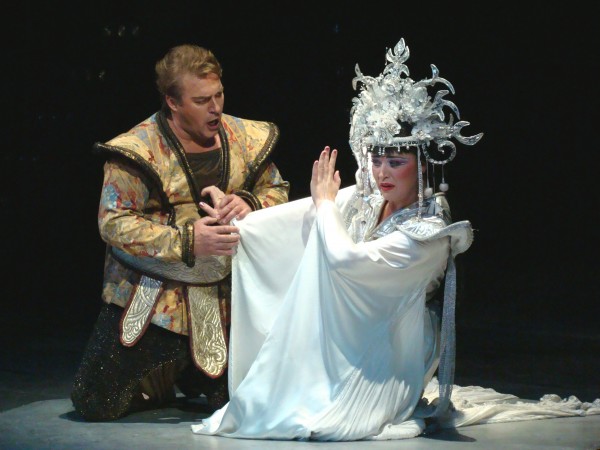
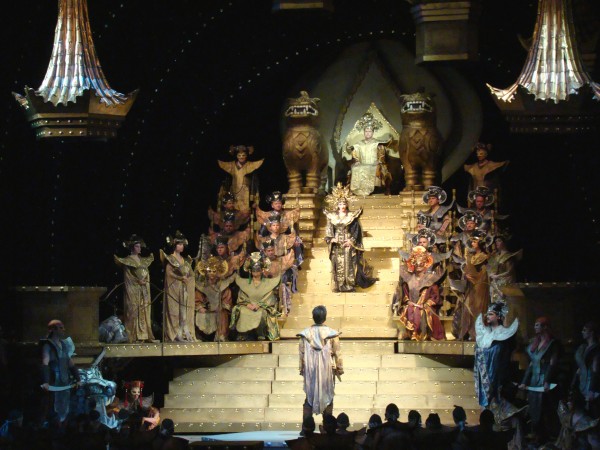
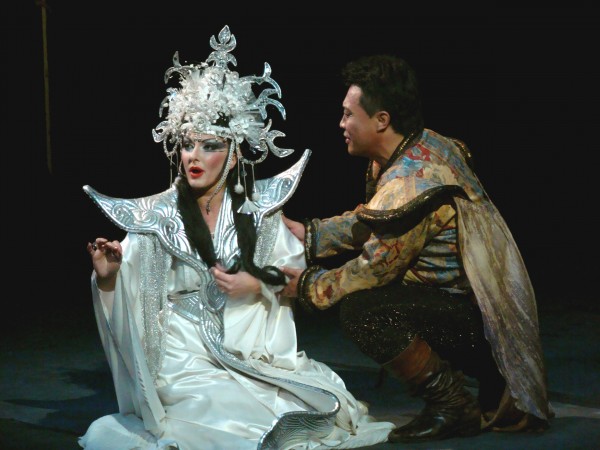
“Turandot” at the Czech State Opera

 Národní divadlo [The Czech State Opera] Presents

TurandotczechTurandot

Giacomo Puccini

November 24, 2013

December 14, 2013

February 22, 2014


stage director Václav Věžník

Libretto: Giuseppe Adami, Renato Simoni
Conductor: Enrico Dovico, Richard Hein, Jaroslav Kyzlink, Rastislav Štúr
Stage director: Václav Věžník
Sets: Ladislav Vychodil
Costumes: Josef Jelínek
Chorus master: Tvrtko Karlovič, Adolf Melichar
Choreography: Otto Šanda

State Opera Orchestra

State Opera Chorus

Czech National Opera Ballet

Premiere: September 15, 1995

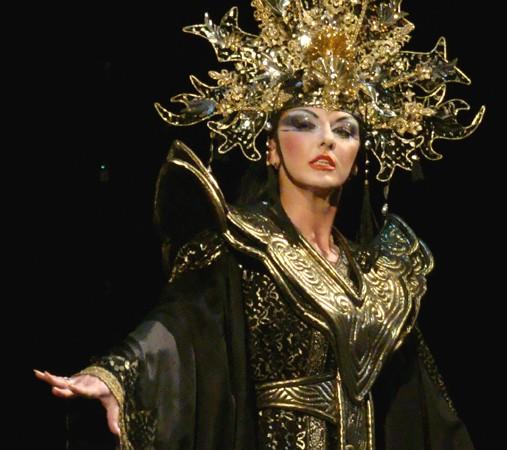
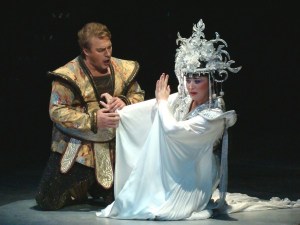
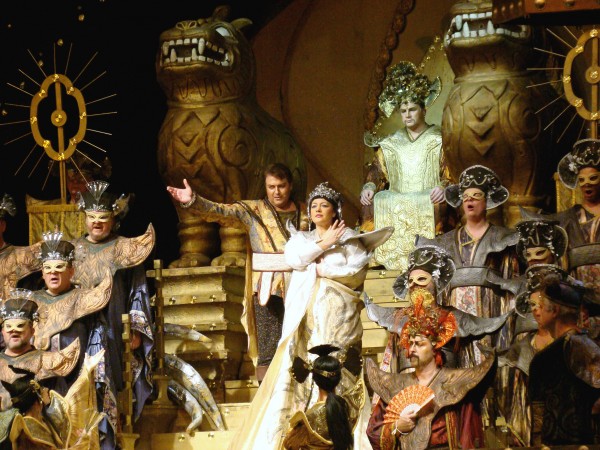
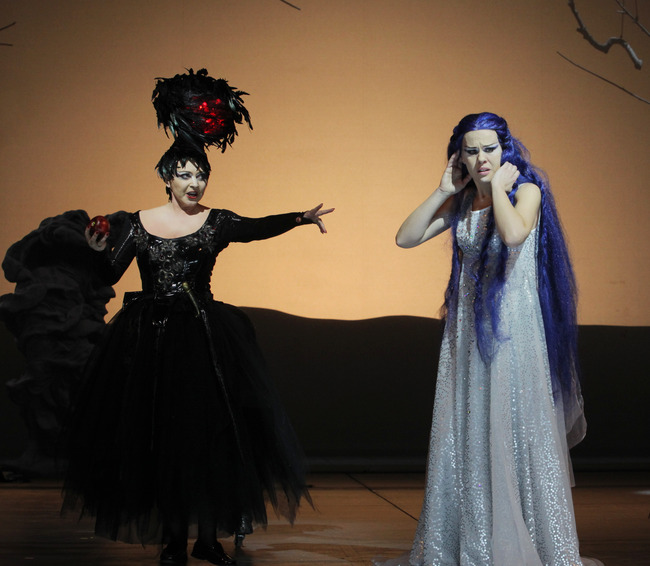
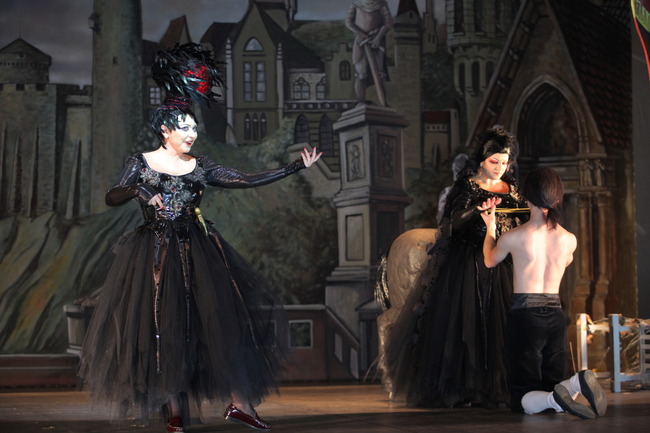
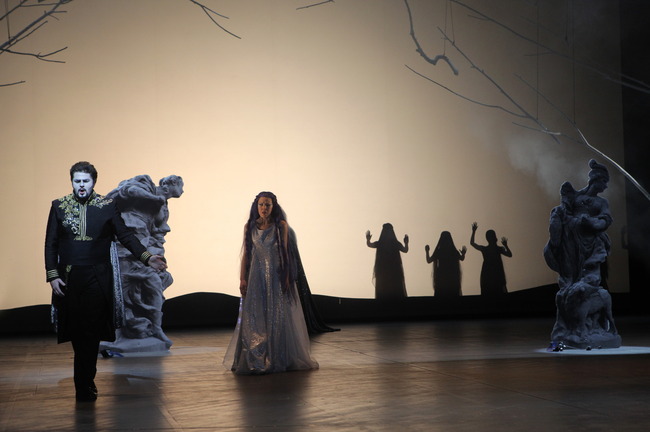
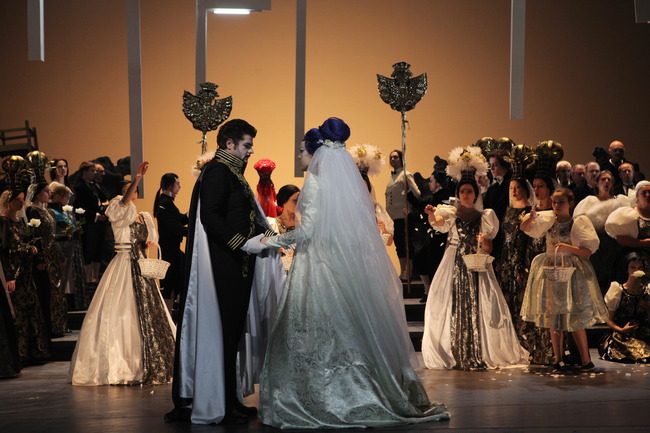
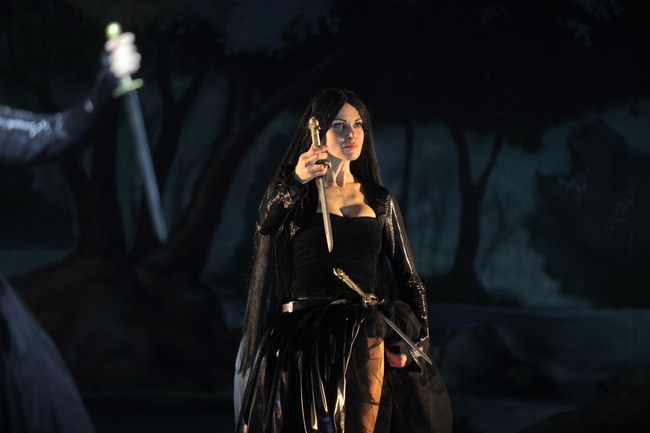
The Persian fairy-tale Turandot from the dervish Mokles’s 17th-century collection The One Thousand and One Nights has inspired numerous poets and composers. Giacomo Puccini worked on Giuseppe Adami and Renato Simoni’s libretto, based on Carlo Gozzi’s play, in the final years of his life, when he was fighting cancer of the larynx. Just as in the case of Madama Butterfly, he diligently strove to gain thorough knowledge of the culture and songs of an exotic, faraway land (in this case China). Puccini died before he managed to complete the opera: the task was undertaken by his friend and pupil Franco Alfano, who drew upon the 36 pages of sketches left by the composer.

The opera was premiered on 25 April 1926 at Milan’s La Scala, conducted by Arturo Toscanini, who paid tribute to the late Puccini when in Act 3, after the words “Liu, poesia!”, he laid down his baton, turned to the audience and announced: “Here the opera ends, because at this point the maestro died”. Alfano’s finale was only included in the next performance. The cruel and beautiful Princess Turandot tests her wooers with riddles and when they fail they are duly executed. Only Prince Calaf succeeds, and his love ultimately overwhelms Turandot’s coldness.

The opera is staged in Italian original version and Czech and English surtitles are used in the performance.
Duration of the performance: 2 hours and 45 minutes, 2 intermissions

Turandot

Kalaf

Timur

Posted in Music, OPera | Tagged , , , , , , , | Leave a comment

“Rusalka” at the Brno National Theather in the Czech Republic

logobrnoRusalka

A fairy tale of love and betrayal together with Dvořák’s enchanting score

Antonín Dvořák (1841-1904)

Janacek Theatre – Rooseveltova 1-7 |
Sunday  November 3, 2013, Saturday December 28, 2013, Sunday January 1, 2014,
Saturday January 25, 2014, Friday february 28, 2014, Wednesday March 12, 2014
 

Libretto: Jaroslav Kvapil
Author: Antonín Dvořák
Musical Preparation: Jaroslav Kyzlink
Conductor: Jaroslav Kyzlink, Ondrej Olos
Director: Vladimír Morávek
Set Design: Daniel Dvořák
Costume Design: Sylva Zimula Hanáková
Choreographer: Ladislava Košíková
Chorus Master: Pavel Koňárek
Dramaturgist: Patricie Částková
Assistant Conductor: Daniel Simandl
Assistant Stage Director: Barbora Hamalová, Renata Fraisová, Kristýna Kopřivová
Video Projection: Tomáš Hrůza

Cast 3.11.2013 17:00

Rusalka, a water nymph Anna Wierzbicka
The Prince Richard Samek
Vodník, the water goblin Gustáv Beláček
The Foreign Princess Iveta Jiříková
Ježibaba, an old witch Veronika Hajnová Fialová
Kitchen Boy Martina Králíková
Gamekeeper Jiří Klecker
First Wood Sprite Tereza Merklová Kyzlinková
Second Wood Sprite Jitka Klečanská
Third Wood Sprite Hana Kopřivová
Hunter Igor Loškár

Dirigent představení: Jaroslav Kyzlink

Janáček Opera Ensemble and Orchestra of the National Theatre Brno

 Premiere 24th February 2012, Janáček Theatre


A fairy tale of love and betrayal together with Dvořák’s enchanting score

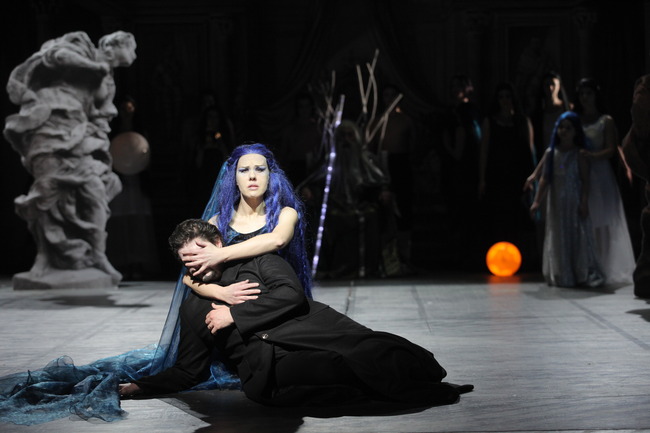
Rusalka is by far the most successful opera composed by Antonín Dvořák. The Czech poet Jaroslav Kvapil drew on a range of sources for the libretto, including The Little Mermaid by Hans Christian Andersen and Undine by Friedrich de la Motte Fouqué. The lyrical fairy tale tells the story of Rusalka, a water nymph, who falls in love with a mortal and strikes a terrible bargain with the witch Ježibaba to gain mortality herself. A tale of great love and betrayal, Dvořák’s music with is beautiful melodies and motifs, successfully balances the human and natural world. Moments of exquisite lyricism, such as Rusalka’s famous ‘Song to the Moon’ in Act I, are blended with earthy, folk-derived dances.

Dvořák’s Rusalka was first performed at the National Theatre in Prague in 1901 and has remained in the theatre’s repertoire ever since. The premiere was a great triumph at home and although initially slow to build in popularity in the rest of Europe, Rusalka is now regularly performed worldwide. In 2011 Rusalka celebrated its 110th anniversary since its premiere, however it hasn’t lost its freshness, appeal, and relevance for today’s audience.

rusalka15 rusalka1 rusalka2 rusalka3 rusalka4 rusalka5 rusalka6 rusalka7 rusalka8 rusalka9 rusalka10 rusalka11 rusalka12 rusalka13 rusalka14

National Theatre Brno
state-funded organisation
Dvorakova 11
Brno 657 70

Posted in Music, OPera | Tagged , , , , , , , , , | 1 Comment

LE NOZZE DI FIGARO in Lithuania

logolithuania

Wolfgang Amadeus Mozart

LE NOZZE DI FIGARO

November 8 & 9, 2013

February 26 & 27, 2014
an opera in 2 parts, sung in Italian with Lithuanian and English surtitles

Music Director and Conductor Martynas Staškus
Director Emilio Sagi (Spain)
Set Designer Daniel Bianco (Spain)
Costume Designer Renata Schussheim (Argentina)
Lighting Designer Eduardo Bravo (Spain, AAI)
Choreographer Nuria Castejón (Spain)
Chorus Master Česlovas Radžiūnas

Production of the LNOBT in collaboration with Teatro Real de Madrid, Teatro Pérez Galdós de Las Palmas de Gran Canaria ir Asociación Bilbaína de Amigos de la Opera (A.B.A.O.)

Premiere: 5 February, 2010

It is difficult to evaluate Mozart’s works and their impact. The more we know about him, the more valuable treasures we discover in his music. An ever-growing number of articles and books dedicated to this creator reveals only one thing – we will never manage to fully discover the essence of his personality. Every generation discovers something new in his works and also gains experience through his music. This music is like a universe – it envelops and transcends everything.

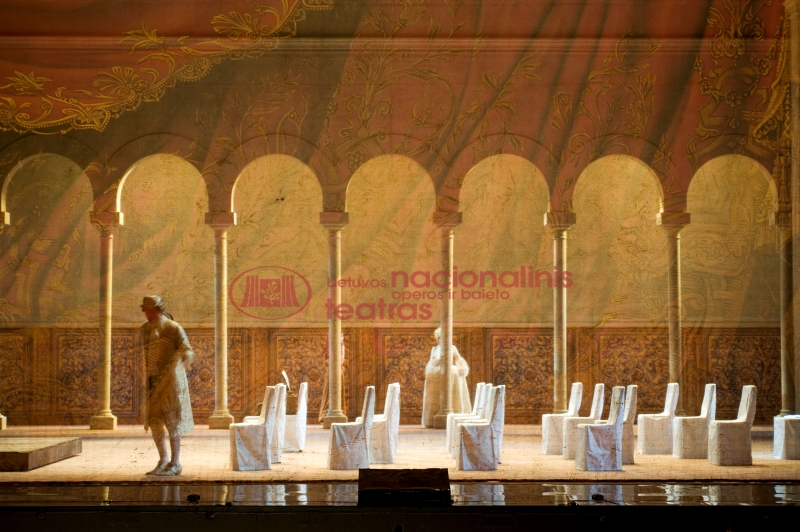
“Le nozze di Figaro” premiered on the 4th  of July in 1786 at the Burgtheater in Vienna and was conducted by Mozart himself. The audience asked to repeat all of the major numbers in the opera, thus the whole performance lasted twice as long than it was originally planned. Later the repeats became so frequent that Joseph II released an order which prohibited encores during this particular opera. Meanwhile Mozart wrote to his father: “Everybody is talking only about Figaro; no one plays, sings or whistles anything else but Figaro. And nobody goes to see any other opera – only Figaro!”

“Le nozze di Figaro” was a revolution of the operatic genre, and not only because of the complex plot. For the first time in history, music was speaking about real people, revealing their inner states and psychology. According to Wagner, “Le nozze di Figaro” is opera buffa that has been set free and turned into masterful musical comedy. No other opera – not even Mozart’s – can surpass the overwhelming harmony and naturalism of “Le nozze di Figaro”.

The quintessential axis of “Le nozze di Figaro” is the almighty Love that throughout the opera reveals itself in different shades: here we have the Count, who is driven by lust and sexual cravings, Cherubino, who is in love with love itself; the Countess is surrounded by gentle nostalgia and attempts to win back her husband’s love, Figaro is overtaken by jealousy and Susanna waits anxiously to discover all aspects of love… It is love that creates all turns in the plot and can be found even in the darkest corners of Almaviva’s castle.

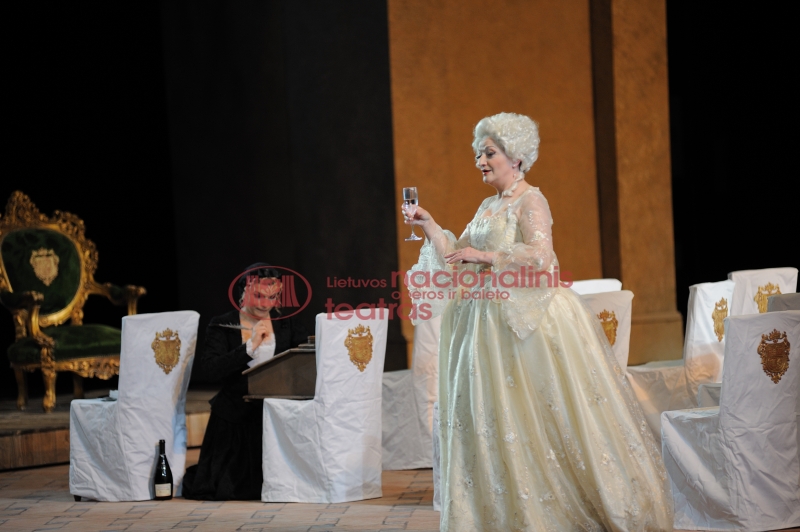
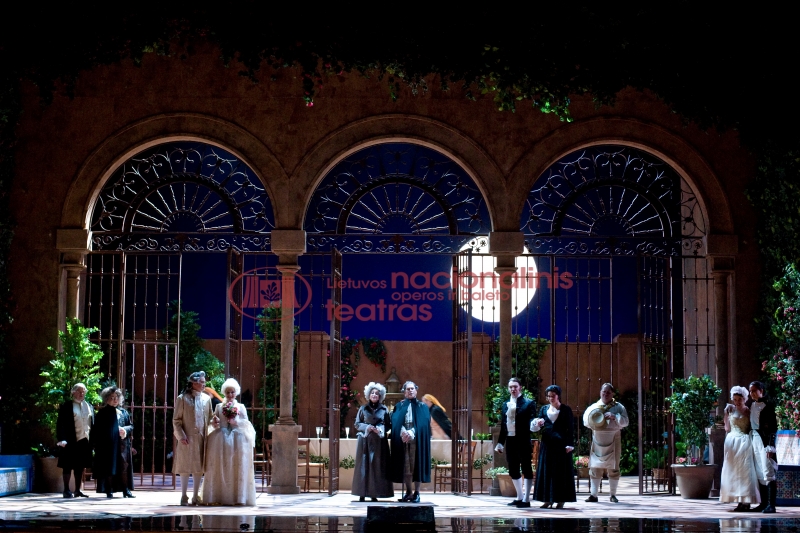
At the LNOBT this French-Austrian-Spanish masterpiece was brought to life by the creative team from Spain: director Emilio Sagi, set designer Daniel Bianco, lighting designer Eduardo Bravo, choreographer Nuria Castejón, and a costume designer from Argentina Renata Schussheim. Music director and conductor of the production is Martynas Staškus, chorus master – Česlovas Radžiūnas. The main roles in “Le nozze di Figaro” are sung by Lithuania’s beloved soloists: Joana Gedmintaitė, Regina Šilinskaitė (Susanna); Sigutė Stonytė, Sandra Janušaitė (the Countess Rosina Almaviva); Vytautas Juozapaitis, Dainius Stumbras (the Count Almaviva); Egidijus Dauskurdis, Liudas Mikalauskas (Figaro); Vilija Mikštaitė, Marta Lukošiūtė (Cherubino) and others.

figarogr6_119 figarogr2_119 figarogr4_119 figarogr5_119

Lithuanian National Opera and Ballet Theatre, A. Vienuolio 1, 01104 Vilnius, Lithuania

Posted in Music, OPera | Tagged , , , , | Leave a comment

“Madama Butterfly” at the Oslo Opera House

logonorway

Madama Butterfly

Giacomo Puccini

From October 25, 2013 to November 9, 2013

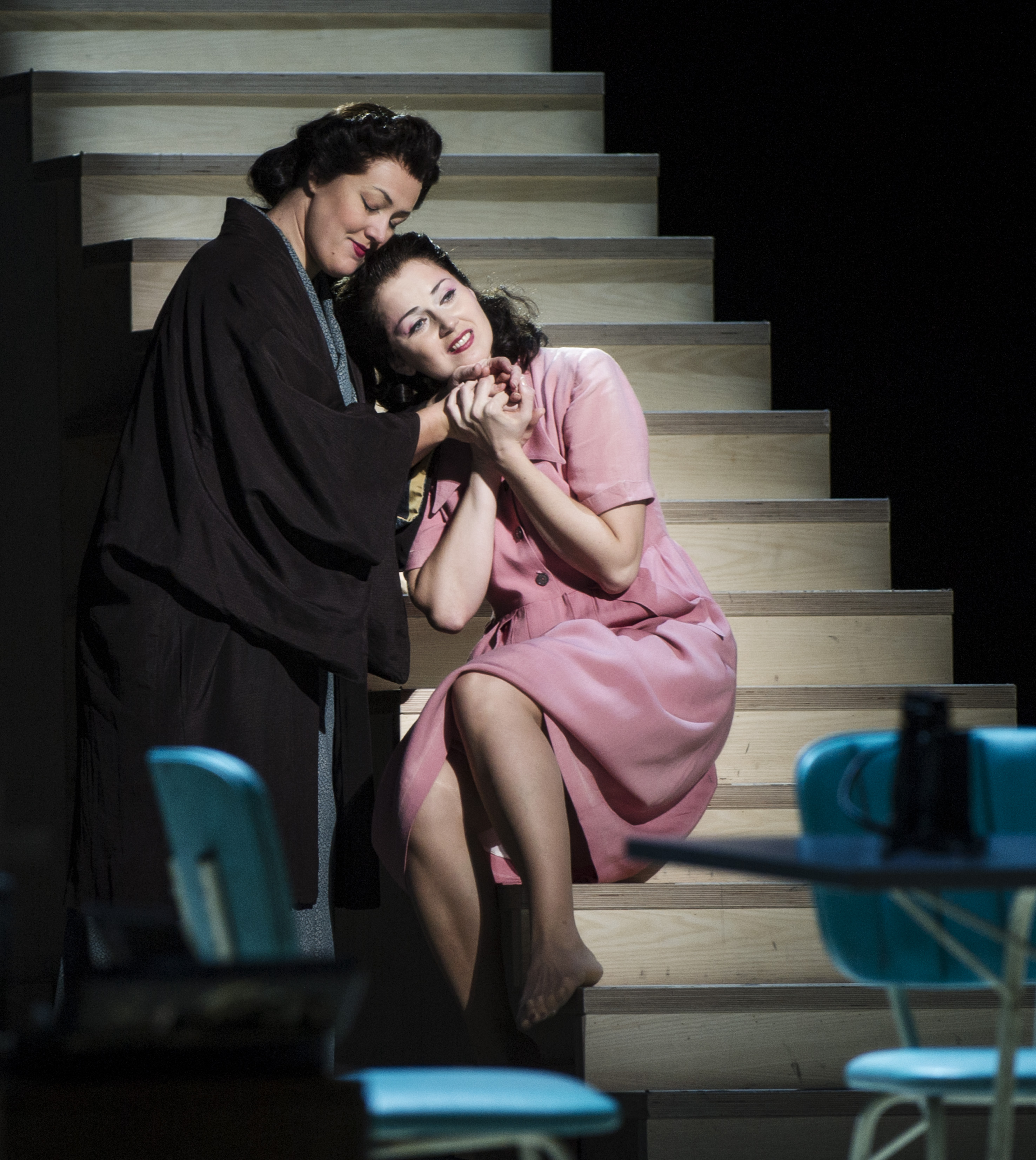
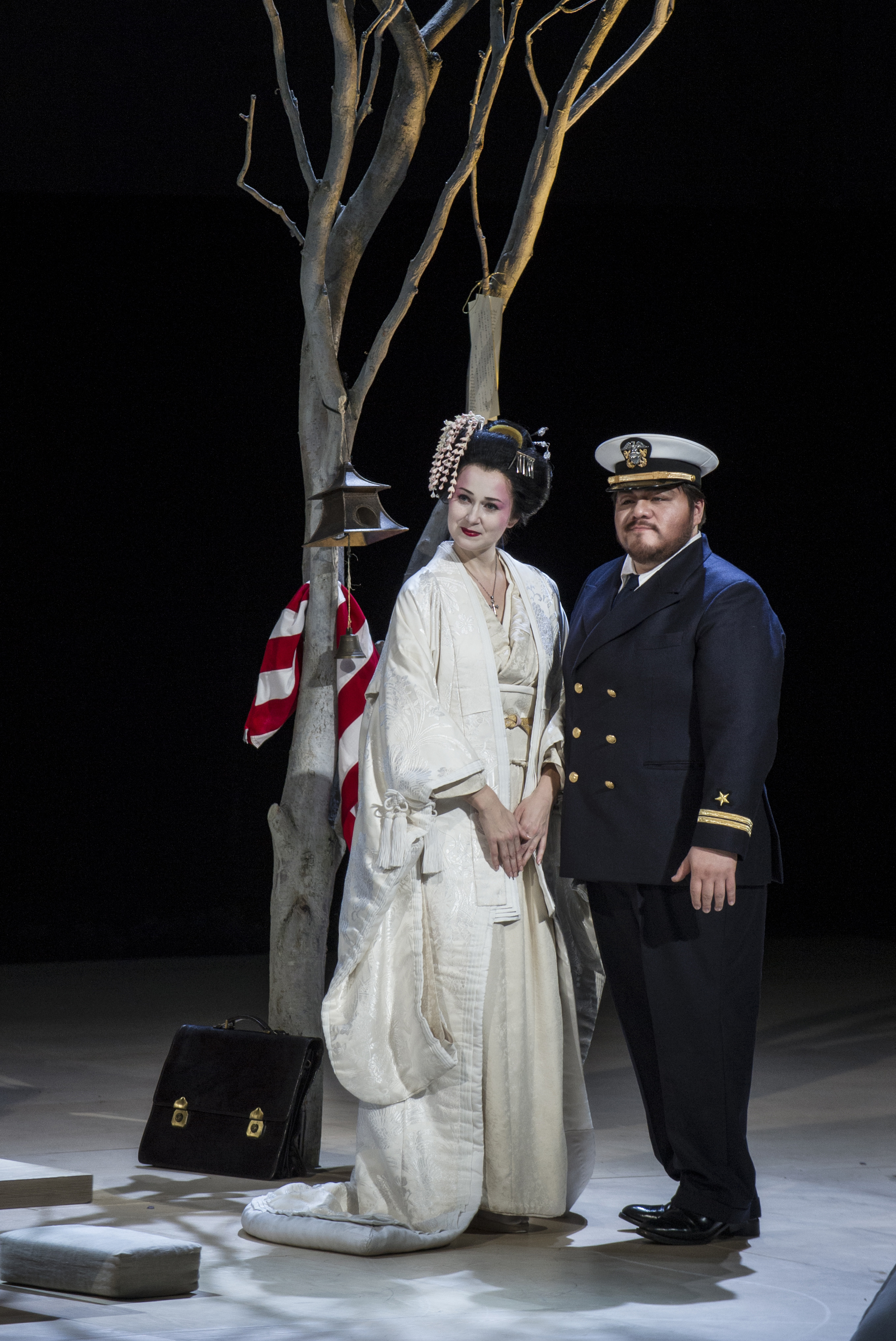
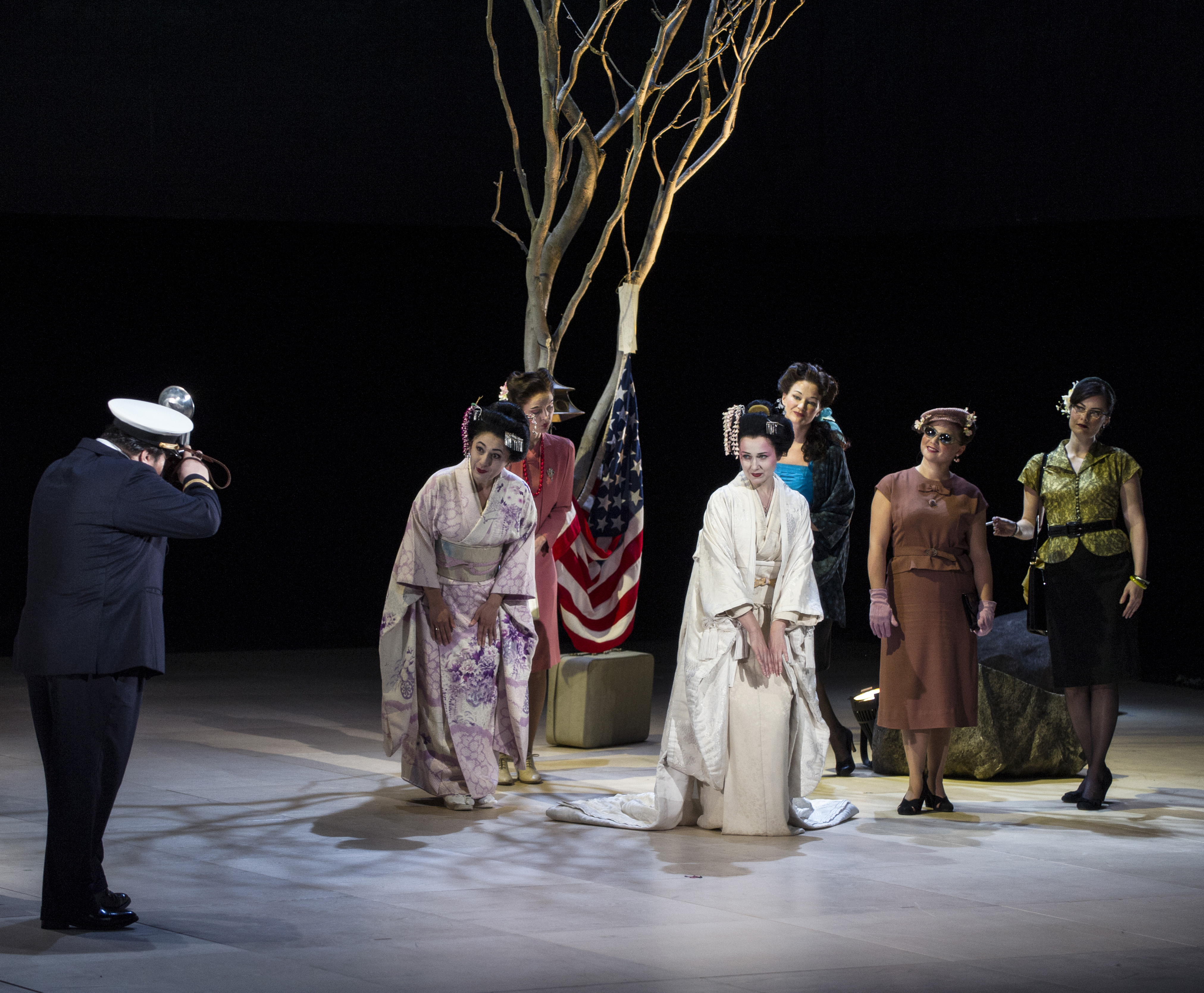
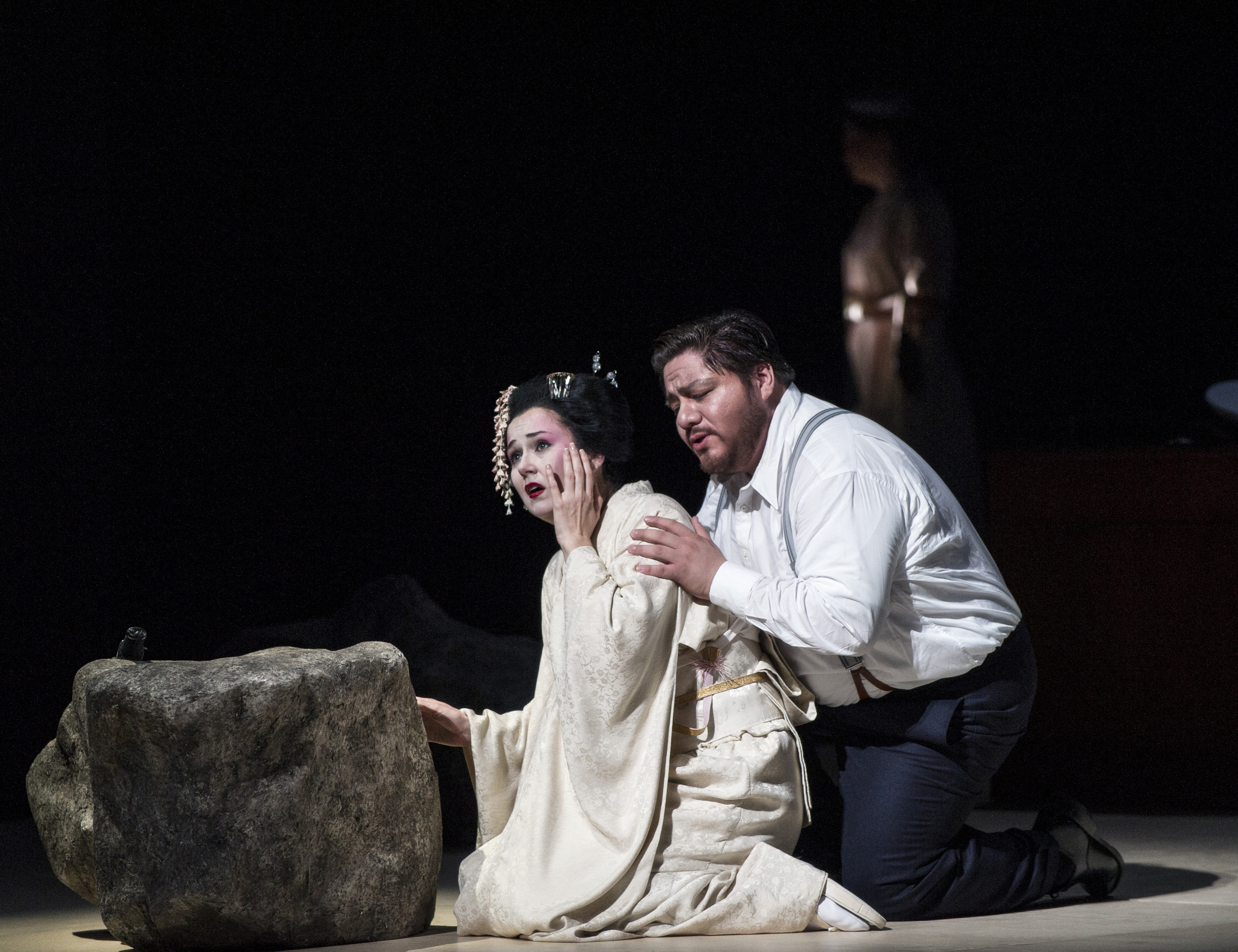
“The performance was magisterial in every way” – wrote Norwegian daily Dagbladet when Madama Butterfly had its premiere in autumn 2012. Director Stephen Langridge sets Puccini’s opera in Japan in the years immediately following World War Two. American soldiers are occupying the country and there is desperate poverty and mass prostitution. Against this scenario, Butterfly and Pinkerton meet – she with a dream of the freedom that America represents, he with a longing for the exotic Far East, and both of them on a collision course with reality.

  • Music: Giacomo Puccini
  • Libretto: Luigi Illica / Giuseppe Giacosa
  • Conductor: Pier Giorgio Morandi
  • Direction: Stephen Langridge
  • Set design / costumes: Alison Chitty
  • Lighting Design : Chris Davey
  • <:time datetime=”PT3H0M” itemprop=”duration”>3 hours / 1 break
  • 5 productions / From October 25. to November 9.
  • Premier October 25. 2013 / Main House

Mainroles

  • Cio-Cio-San

    Playing the following days
    • 11/9/2013
    • 11/7/2013
    • 11/2/2013
    • 10/28/2013
    • 10/25/2013
  • Pinkerton

    Diego Torre
    Playing the following days
    • 10/25/2013
    • 10/28/2013
    Henrik Engelsviken
    Playing the following days
    • 11/2/2013
    • 11/7/2013
    • 11/9/2013
  • Suzuki

    Tone Kummervold
    Playing the following days
    • 11/9/2013
    • 11/7/2013
    • 11/2/2013
    • 10/28/2013
    • 10/25/2013
  • Sharpless

    Ole Jørgen Kristiansen
    Playing the following days
    • 11/9/2013
    • 11/7/2013
    • 11/2/2013
    • 10/28/2013
    • 10/25/2013

Other roles

First act

B F Pinkerton, a young American naval officer, hasrecently arrived in Japan. He has bought a house, a wife and servantsfrom a Japanese business man called Goro. The house purchasecontract is for 999 years, but can be abandoned at any moment. Themarriage contract is similarly loose.Goro runs through the order of the ceremony – which will beminimal – and lists who will be there: officials, family; a total of about two dozen.

The American Consul, Sharpless arrives. He is there both in his officialcapacity for the formalities, and as a friend of Pinkerton’s family. Sharpless councils Pinkerton to be careful not to hurt the Japanese girl. Stop fussing, says Pinkerton, and raises a glass to when he eventuallymarries an American girl in a real wedding. Goro rushes in and tells them the bride and her friends are coming. Pinkerton and Butterfly exchange stilted formalities. Butterfly is at pains to relate how she is from a family that used to be wealthy, but whom disaster reduced to poverty – the women in her family forced to work as Geishas. She says she is fifteen. Soon the rest of the family and the registar arrive.

Away from the celebrations Butterfly shows Pinkerton the few things she would like to keep with her in her new life: they include the sword with which her father committed suicide, and Otake, sacred representations of her ancestors.  Butterfly reveals that she has secretly been to the Christian mission, that she wishes todesert Shintoism and follow Pinkerton’s God – and to prove it shethrows away the Otake. The wedding ceremony itself is rapid, and once the papers are signed Sharpless and the Registar leave.

Pinkerton wants to get rid of the guests too, and as fast as possible, but his efforts are thwarted by the arrival of another Uncle, the Bonzo, a Shinto priest. He knows that Butterfly has been to the Christian mission and furiously accuses her of abomination. He and her whole family curse Butterfly and leave. Alone for the first time together, Pinkerton comforts Butterfly who isshaken by the violent turn of events at the wedding. Under a beautiful night sky they manage to laugh about the chaos of their wedding, and become increasingly lost in their passionate exchanges

Second Act

Pinkerton has left for America, promising that he will return when the robins next build their nests. But 3 years have passed and Butterfly and Suzuki, the maid, are running out of money. The Consulhas continued to pay the rent, but there is no word from Pinkerton. Butterfly watches every US ship that arrives in the port in case it is his.Suzuki fears the worst and points out that it has never been known for one of these foreign husbands to return, but Butterfly insists that he will return if she keeps the faith.

Goro arrives with Sharpless, who has a letter from Pinkerton asking him to prepare Butterfly for bad news. But his attemps to read theletter are interurped at first by an over excited Butterfly – who misinterprets the letter as good news – and then by the arrival of Yamadori, awealthy man who is offering to marry her. Deserted women are acceptedas divorced, explains Goro. Not in her country, America, says Butterfly. She rejects Yamadori.

Sharpless decides to speak directly rather than read Pinkerton’s letter. What would she do if Pinkerton never came back? He advises herto accept the marriage offer from Yamadori. Butterfly runs from theroom and returns with her baby. It is Pinkerton’s, born after he left, and about which he knows nothing. He might forget her, says Butterfly,but he will return for his son. Sharpless promises to tell Pinkerton about the child. The canon sounds from the port announcing the arrival of a ship.It is Pinkerton’s. Butterfly and Suzuki prepare to welcome him back:they decorate the house with flowers and lanterns, and Butterfly dressesas she was on her wedding day. Night falls and still he doesn’t arrive.Butterfly remains awake all night. By the morning she is exhausted, andSuzuki tells her to sleep, that she will wake her when he arrives. While she sleeps, Sharpless arrives with Pinkerton. They have comeearly so that they can ask Suzuki to help tell Butterfly the truth.Suzuki sees a woman with them and asks who it is. It is Pinkerton’swife, Kate. Sharples asks Suzuki to talk with Kate, explaining that she is a kind person who will look after the child properly. Suzukiis astounded that they would ask a mother to give up her child, butagrees to the conversation. Pinkerton is filled with remorse. He doesn’t have the courage to stay and face Butterfly, prefering to leave it to Sharpless and Kate. Heasks Sharpless to give her some money, and rushes away. Butterfly wakes. She is frightened to see Sharpless and not Pinkerton,and demands to know if he lives, if he will return. Suzuki tells hertruth. Butterfly sees Kate, and understands quickly that this is his new wife. Kate asks her to give up the child. Butterfly says that she will give the child only to Pinkerton himself. Tell him to return in half an hour,she says, and he can take the child. Sharpless and Kate leave.Alone, Butterfly prepares to end her life. She looks her child inthe eyes for the last time hoping that somehow he will always rememberher, then blind folds him, and kills herself with the same sword her father had used.When Pinkerton returns for the child she is already dead. But what happened to their child? Did he live a full life in America? Was he curious about his roots? Did Pinkerton ever tell him about his mother, her life and her death? Or did he have to wait until his father’sdeath to piece together the distant memories and fragments of evidence he could find?

Madama_Butterfly_2013 Madama_Butterfly_2013 Madama_Butterfly_12013 Madama_Butterfly_2013 Madama_Butterfly_2013 Madama_Butterfly_2013 Madama_Butterfly_2013 Madama_Butterfly_2013 Madama_Butterfly_2013

Posted in Music, OPera | Tagged , , , , , | Leave a comment

DONAUDY’S DOCUMENTARY BY MAESTRO MICHAEL RECCHIUTI

Stefano Donaudy (Palermo, February 21, 1879 – Naples, May 30, 1925), son of a French father and an Italian mother, was a minor Italian composer active in the 1890s and early 20th century, at a time when Palermo, his native city, was enjoying a period of relative splendor under the influx of rich Anglo-Sicilian families such as the Florios and the Whitakers.

CDcover1-300No biographical or musicological studies have so far been devoted to him, but it seems that Donaudy was very precocious, as a variety of sources date both his first opera Folchetto and one of his most popular songs, Vaghissima sembianza, to 1892, when he was only thirteen.


[A beautiful CD on Donaudy’s work, performed by renown sopranoElizabeth Blancke-Biggs is available:

http://www.elizabethblancke-biggs.com/CD/]

After studies with the director of Palermo’s Conservatoire, Guglielmo Zuelli (a rival of Giacomo Puccini in his early years), it seems that Donaudy made a living as singing teacher, coach and accompanist for some of Sicily’s wealthiest families, all while actively pursuing a career as a composer. He wrote mostly vocal music, dividing his efforts between opera and song, though he did also write chamber and orchestral music. Practically all his song texts and libretti were supplied by or written at four-hands with his brother, Alberto Donaudy (1880–1941), a poet whose style reflects the prevailing literary tastes of the period, from Arrigo Boito and Gabriele D’Annunzio to Guido Gozzano.
Today, Donaudy’s fame rests exclusively on his collection 36 Arie di Stile Antico, first published by Casa Ricordi in 1918 with revisions in 1922, but using material composed from 1892 onward. It’s still currently in print. Several of its songs have never disappeared from the concert repertoire of Italianate opera singers, and titles such as Vaghissima sembianza, Spirate pur, spirate, O del mio amato ben and the beautiful Amorosi miei giorni, have been given unforgettable renditions on record by singers like Enrico Caruso, Beniamino Gigli, Tito Schipa, Claudia Muzio, Luciano Pavarotti, Rosa Ponselle and more recently people like Arleen Augér, Marcello Giordani, Sumi Jo and Andrea Bocelli. All these songs reveal a perfect mastery of vocal technique and a deeply sensuous and elegant melodic vein, which make them a worthy testimony of that particular variant of Art Nouveau spirit known in Italy as Stile Liberty. Perhaps, the quickest way to epitomise Donaudy is calling him an Italian equivalent of Reynaldo Hahn.
The rest of his production is completely forgotten. This includes the operas Folchetto (Palermo, 1892), La scampagnata (Palermo, 1898), Teodoro Koerner (Hamburg, November 27, 1902 as Theodor Körner), Sperduti in buio (Palermo, April 27, 1907) and Ramuntcho (from Pierre Loti, Milan, March 19, 1921). Donaudy’s final opera was premiered at the Teatro di San Carlo in Naples on April 25, 1922: La Fiamminga was an unmitigated fiasco, and Donaudy was so hurt that he abandoned composition for the rest of his life. He died three years later, when he was barely forty-six.
Even less information is available on the rest of his output, which seems to include a cantata Il sogno di Palisenda, written before 1902, one symphonic poem, several smaller works for orchestra and «a quartet of compositions» for violin and piano.
(Text from the first page of Ricordi’s 36 Arie Di Stile Antico)
MRconducts-348

Watch the documentary by Maestro Michael Recchiuti on the composer:


Posted in Article | Tagged , , , | Leave a comment

The XXXIV edition of the Rossini Opera Festival closes with record figures

logofestivalRossini

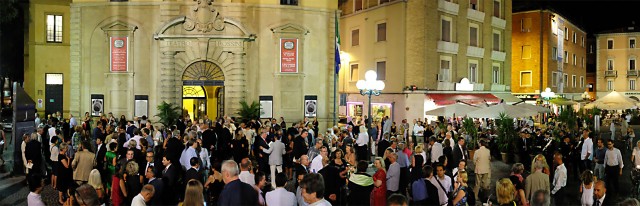
The XXXIV edition of the Rossini Opera Festival closes with some record figures: the box office has registered about 17.000 audience members (the highest figure in the history of the Festival), with sales totalling about 1.123.000 euros (+ 11% with respect to 2012, the second highest amount ever taken by the Rof). The percentage of foreign visitors reached 68%, confirming the Festival’s possibilities for attracting audiences from every continent: France, Germany, England and Japan maintain their lead, whilst there continues to be an increasing number of Russian visitors: + 10% with respect to 2012. Good numbers also come from Austria, Switzerland, Belgium, Spain and the USA. Besides Italy, 37 nations are represented: apart from those already mentioned, spectators have come to Pesaro from Argentina, Australia, Canada, South Korea, Croatia, Denmark, Finland, Greece, Hong Kong, India, Ireland, Israel, Lebanon, Luxemburg, Norway, New Zealand, Holland, Poland, Portugal, The Czech Republic, Romania, Scotland, Slovakia, South Africa, Sweden, Thailand, the Ukraine.

festivalrossini

A large number of journalists also come from abroad: representatives have been sent from publications (apart from Italy) in 27 countries all over the world: Saudi Arabia, Argentina, Austria, Belgium, the Vatican, South Korea, Denmark, France, Germany, Japan, Greece, England, Israel, Luxemburg, Mexico, Holland, the Czech Republic, Russia, Slovakia, Spain, the USA, South Africa, Sweden, Switzerland, Taiwan, the Ukraine and Hungary.

The French national cultural TV channel France 5 sent a troupe to the city for three days to realize an hour-long documentary on Gioachino Rossini, which will be televised later in the year at prime viewing time as part of a cycle dedicated to the great composers. They filmed numerous interviews and scenes from the Rof  productions as well as sites in the city particularly connected with the life of Rossini. Besides this, for three days a troupe from the RAI 3 programme Prima della prima filmed interviews and scenes from rehearsals in Pesaro to realize an episode entirely dedicated to Guillaume Tell.

For Brigitte, one of the leading and most popular  ladies’ magazines in Germany, the writer Elke Heidenreich has composed a wide coverage of the Festival and of the town, which will be published next spring.

This year, too, the RAI Radio 3 has broadcast the Festival operas live to 12 countries on Euroradio in their series Radio Tre Suite: Australia, Austria, Canada, Denmark, Ireland, Holland, Poland, Portugal, Romania, Spain, Sweden and Switzerland. The three operas were also broadcast live through all the world on the website Rai Radio3.

Beside the great names of international music criticism, Pesaro was also visited by representatives of some of the leading opera houses and musical institutions: the Metropolitan Opera, New York, the Royal Opera House, London, the Bayerischer Staatsoper, Munich, the Opéra, Monte Carlo, Scottish Opera, Edinburgh, the Sibelius Foundation, Helsinki, the Staatstheater, Wiesbaden, the Centro Nacional de Difusiòn Musical, Madrid.

The Rossini Opera Festival for 2014 will offer two new productions: Aureliano in Palmira, for the first time ever in the critical edition of the score, the production entrusted to the skill of Mario Martone; Armida, which Luca Ronconi will bring to new life after having already directed it at Pesaro in 1993.

rossiniFesttival13c rossiniFesttival13a rossiniFesttival13b

For further information, visit: 

http://www.rossinioperafestival.it

Posted in Article | Tagged , , , | Leave a comment

“Tosca” in Wisconsin

Madison Opera 

Questo è il bacio di Tosca –
This is the kiss of Tosca!

With those words, opera singer Floria Tosca stabs Scarpia, the evil police chief who has tortured her lover, the painter Cavaradossi, and now threatens her. One of the most tightly written and fast-paced of operas, Puccini’s Tosca is a tour de force that combines soaring music, true love, and political intrigue into three acts of headlong drama. Don’t miss this production of one of the most justifiably popular operas ever written. 

Cast


Melody Moore:Tosca

Madison Opera Debut: Opera in the Park 2008
Recently with MO: The Marriage of Figaro

Recently: Senta, The Flying Dutchman (Glimmerglass Festival); Tosca, Tosca (San Francisco Opera); Pamina, The Magic Flute (Opéra National de Bordeaux); Donna Elvira, Don Giovanni (Opera Colorado, Atlanta Opera); Julie, Show Boat (Houston Grand Opera); Régine Saint Lauren, world premiere of Prima Donna (New York City Opera); Susan Rescorla, world premiere of Heart of a Soldier (San Francisco Opera)

Upcoming: Marta, The Passenger, Freia, Das Rheingold (Houston Grand Opera); Alice Ford, Falstaff (Opera Santa Barbara)

Website:www.melodymooresoprano.com/


Scott Piper
CavaradossiMadison Opera Debut: La Traviata
Recently with MO: La Bohème, Madama Butterfly, Opera in the Park 2004

Recently: Calaf, Turandot (Minnesota Opera, Sarasota Opera); Turiddu, Cavalleria Rusticana (New Israeli Opera); Manrico, Il Trovatore (Utah Opera, Opera Roanoke), Don José, Carmen (Nashville Opera, Kentucky Opera); Rodolfo, La Bohème (Angers-Nantes Opera)

Upcoming: Luigi, Il Tabarro (Opera Köln); Cavaradossi, Tosca (Austin Lyric Opera)


Scarpia: Nmon Ford

Madison Opera Debut: Carmen

Recently with Madison Opera: Opera in the Park 2013

Recently: Macbeth, Macbeth (Long Beach Opera); Jochanaan, Salome (Opéra National de Bordeaux); Riolobo, Florencia en el Amazonas (Utah Opera); Zurga, The Pearl Fishers (Michigan Opera Theater); Don Giovanni, Don Giovanni (Teatro Communale di Bologna); Germont, La Traviata (Kalamazoo Opera); Escamillo, Carmen (Szeged Open-Air Festival, Teatro Sociale di Rovigo)

Upcoming: Carmina Burana (Atlanta Symphony); Sacred Service (Knoxville Symphony)

Website: www.nmonford.com/home.html
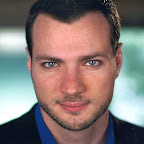
Angelotti: Ryan Kuster

Madison Opera Debut

 Recently: Escamillo, Carmen (San Francisco Opera); Masetto, Don Giovanni (Cincinnati Opera, San Francisco Opera, Los Angeles Philharmonic); Don Giovanni, Don Giovanni (Wolf Trap Opera); Mandarin, Turandot (Dallas Opera); Angelotti, Tosca (Pacific Symphony); Alidoro, La Cenerentola (Nashville Opera)

Upcoming: Colline, La Bohème (Arizona Opera); Escamillo, Carmen (Opera Colorado, Virginia Opera

Sacristan: Nikolas Wenzel

Madison Opera Debut

Recently: Sarastro, The Magic Flute and Don Magnifico, La Cenerentola (Opera in the Neighborhoods – Lyric Opera of Chicago); Fafner, Das Rheingold (Union Avenue Opera); Old Man, Alice in Wonderland and Lillas Pastia, Carmen (Opera Theatre of St. Louis)

Website: www.nikolaswenzel.com

Spoletta: Scott Brunscheen

Madison Opera Debut

Recently: Roderick (cover), The Fall of the House of Usher (Chicago Opera Theater), Toby (cover), Sweeney Todd (Opera Theatre of St. Louis); Belmonte, Die Entführung aus dem Serail (Candid Concert Opera); Don Ramiro, La Cenerentola (Lyric Opera of Chicago Outreach); Don Ottavio, Don Giovanni (Opera New Jersey)

Upcoming: Don Ramiro, La Cenerentola (Candid Concert Opera)
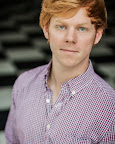
Sciarrone: Kenneth Stavert

Madison Opera Debut

Recently: Gregorio, Roméo et Juliette (Des Moines Metro Opera, Palm Beach Opera); Antonio, Le nozze di Figaro (Dayton Opera); Ben, The Telephone (Florida Opera Theatre);  Prince Yamadori, Madama Butterfly, Normanno, Lucia di Lammermoor, Sciarrone, Tosca (Palm Beach Opera)

Upcoming: Orff’s Carmina Burana (Voices of the Commonwealth); Handel’s Messiah (Dayton Philharmonic)

Production


Conductor: John DeMain

Director: A. Scott Parry


Sung in Italian with projected English translations

Production Dates:
Friday, November 1, 2013 | 8pm
Sunday, November 3, 2013 | 2:30pm

Run time:
approx. 2 hours 45 minutes, including two intermissions

Related Events

Opera Up Close: Tosca preview / October 27, 2013
Opera Talks: Pre-Opera lecture and Post-Opera Q&A session

The Story of the Opera

Rome, 1800.

ACT I. Cesare Angelotti, an escaped political prisoner, rushes into the church of Sant’ Andrea della Valle to hide in the Attavanti chapel. As he vanishes, an old Sacristan shuffles in, praying at the sound of the Angelus. Cavaradossi enters to work on his portrait of Mary Magdalene – inspired by the Marchesa Attavanti (Angelotti’s sister), whom he has seen but does not know. Taking out a miniature of the singer Floria Tosca, he compares her raven beauty with that of the blonde Magdalene. The Sacristan grumbles disapproval and leaves. Angelotti ventures out and is recognized by his friend and fellow liberal Cavaradossi, who gives him food and hurries him back into the chapel as Tosca is heard calling outside. Forever suspicious, she jealously questions him, then prays, and reminds him of their rendezvous that evening at his villa. Suddenly recognizing the Marchesa Attavanti in the painting, she explodes with renewed suspicions, but he reassures her. When she has gone, Cavaradossi summons Angelotti from the chapel; a cannon signals that the police have discovered the escape, so the two flee to Cavaradossi’s villa. Meanwhile, the Sacristan returns with choirboys who are to sing in a Te Deum that day. Their excitement is silenced by the entrance of Baron Scarpia, chief of the secret police, in search of Angelotti. When Tosca comes back to her lover, Scarpia shows her a fan with the Attavanti crest, which he has just found. Thinking Cavaradossi faithless, Tosca tearfully vows vengeance and leaves as the church fills with worshipers. Scarpia, sending his men to follow her to Angelotti, schemes to get the diva in his power.

ACT II. In the Farnese Palace, Scarpia anticipates the sadistic pleasure of bending Tosca to his will. The spy Spoletta arrives, not having found Angelotti; to placate the baron he brings in Cavaradossi, who is interrogated while Tosca is heard singing a cantata at a royal gala downstairs. She enters just as her lover is being taken to an adjoining room: his arrogant silence is to be broken under torture. Unnerved by Scarpia’s questioning and the sound of Cavaradossi’s screams, she reveals Angelotti’s hiding place. Cavaradossi is carried in; realizing what has happened, he turns on Tosca, but the officer Sciarrone rushes in to announce that Napoleon has won the Battle of Marengo, a defeat for Scarpia’s side. Cavaradossi shouts his defiance of tyranny and is dragged to prison. Scarpia, resuming his supper, suggests that Tosca yield herself to him in exchange for her lover’s life. Fighting off his embraces, she protests her fate to God, having dedicated her life to art and love. Scarpia again insists, but Spoletta interrupts: faced with capture, Angelotti has killed himself. Tosca, forced to give in or lose her lover, agrees to Scarpia’s proposition. The baron pretends to order a mock execution for the prisoner, after which he is to be freed; Spoletta leaves. No sooner has Scarpia written a safe-conduct for the lovers than Tosca snatches a knife from the table and kills him. Wrenching the document from his stiffening fingers and placing candles at his head and a crucifix on his chest, she slips from the room.

ACT III. The voice of a shepherd is heard as church bells toll the dawn. Cavaradossi awaits execution at the Castel Sant’Angelo; he bribes the jailer to convey a farewell note to Tosca. Writing it, overcome with memories of love, he gives way to despair. Suddenly Tosca runs in, filled with the story of her recent adventures. Cavaradossi caresses the hands that committed murder for his sake, and the two hail their future. As the firing squad appears, the diva coaches Cavaradossi on how to fake his death convincingly; the soldiers fire and depart. Tosca urges Cavaradossi to hurry, but when he fails to move, she discovers that Scarpia’s treachery has transcended the grave: the bullets were real. When Spoletta rushes in to arrest Tosca for Scarpia’s murder, she cries to Scarpia to meet her before God, then leaps to her death.

 –Courtesy of Opera News


Posted in Music, OPera | Tagged , , , , , , , | Leave a comment

VERDI’S 200TH ANNIVERSARY CELEBRATION: “Il Trovatore” at the Czech State Opera House

The Czech State Opera Presents

trovatoreCzehIl trovatore

Giuseppe Verdi

November 6, 2013

December 29, 2013

February 20, 2014

March 18, 2014

stage director Lubor Cukr

Libretto: Salvatore Cammarano
Conductor: Jan Latham-Koenig, Jiří Štrunc, Richard Hein
Stage director: Lubor Cukr
Sets: Josef Jelínek
Costumes: Josef Jelínek
Chorus master: Tvrtko Karlovič, Adolf Melichar

State Opera Orchestra

State Opera Chorus

Premiere: May 26, 2011

The romantic story set in 15th-century Spain about the troubadour Manrico and the Gypsy Azucena, replete with heroism, machinations, love, hatred and revenge, is rather intricate and its plot improbable to say the least. The celebrated tenor Leo Slezak, a favourite guest of the New German Theatre (today’s State Opera) and a superlative performer of Manrico, remarked: “I have sung the Troubadour at least a hundred times, and I still haven’t the slightest inkling as to what this opera is actually about!” Nevertheless, Giuseppe Verdi superbly negotiated all the unlikely plot twists and duly created one of his most forcible works. The melodies in Il trovatore are lavishly expressive and the celebrated Anvil Chorus “Vedi le fosche notturne” from Act 2 has experienced numerous paraphrases, including Glen Miller’s jazz arrangement. The premiere on 19 January 1853 at the Teatro Apollo in Rome was a triumph and opera stages were soon scrambling to stage the work. Alongside La traviata and Rigoletto, Il trovatore is the apex of Verdi’s creation, and the three operas are still record-breakers when it comes to the number of performances and visitors at opera houses around the world.

The opera is staged in Italian original version and Czech and English surtitles are used in the performance.

Duration of the performance: 2 hours and 30 minutes, 1 intermission

Earl Luna

Leonora

Azucena

Manrico

Posted in Music, OPera | Tagged , , , , , , , , , , , | Leave a comment

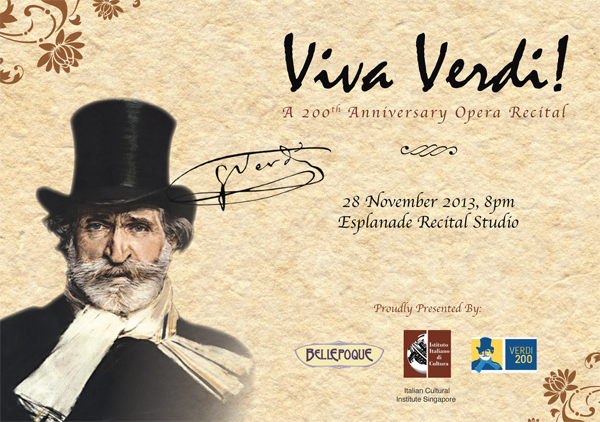
VERDI’S 200th ANNIVERSARY CELEBRATION: “Viva Verdi Concert in Singapore.”

Postcard 7 (Final)Viva Verdi!

A 200th Anniversary Opera Recital –

28 november 2013, 8pm – Esplanade Recital Studio – Singapore

About Verdi
Born in a small village in the Parma region of Northern Italy, Giuseppe grew to become the leading composer of Italian opera of the 19th century. Two hundred years have passed since Verdi’s birth in 1813, yet his thirty operas are still relevant to the current world: ideals conflict with power, choices between love and duty. During the recital, a selection of Verdi’s most powerful songs from La Traviata, Un Ballo in Maschera, Aida and Falstaff will be presented. Join us for an unforgettable evening.

Music Director: Dr Robert Casteels (Belgium/Singapore); Stage Director: Alessandra Fel (Italy); Cast: Brendan Keefe Au (Tenor, Singapore), Angela Cortez (Soprano, Philippines), Edwin Orlando Cruz (Tenor, Philippines), Shaun Lee (Tenor, Singapore), William Lim (Baritone, Singapore), Satsuki Nagatome (Soprano, Japan), Sabrina Zuber (Soprano, Italy)

Organized by Italian Cultural Institute Singapore

Where and When:
Thursday, November 28, 2013
Singapore – Esplanade Recital Studio
8 pm
Posted in Music | Tagged , | 1 Comment

“L’elisir d’amore” in Florence, Italy

728x90_autunno

L’elisir d’amore

Gaetano Donizetti

Conductor Giuseppe La Malfa
Director Rosetta Cucchi
Scenes Tiziano Santi
Costumes Claudia Pernigotti
LightingDaniele Naldi
Video projections Roberto Recchia

Adina Rocio Ignacio
 Auxiliadora Toledano (16, 19, 21)
Nemorino Giorgio Berrugi
 Alessandro Scotto di Luzio (16, 19, 21)
Belcore Mario Cassi
 Julian Kim (16, 19, 21)
Il Dottor Dulcamara Marco Camastra
 Giulio Mastrototaro (16, 19, 21)
Giannetta Elena Borin

Orchestra e Coro del Maggio Musicale Fiorentino
Chorus Master Lorenzo Fratini

New production by the Teatro Comunale di Bologna and the Wexford Festival

Teatro Comunale
Friday November 15, 8:30 p.m.
Saturday November 16, 8:30 p.m.
Sunday November 17, 3:30 p.m.
Tuesday November 19, 8:30 p.m.
Wednesday November 20, 8:30 p.m.
Thursday November 21, 8:30 p.m

Listener’s guide
Friday November 15, 7:45 p.m.
Saturday November 16, 7:45 p.m.
Sunday November 17, 2:45 p.m.
Tuesday November 19, 7:45 p.m.
Wednesday November 20, 7:45 p.m.
Thursday November 21, 7:45 p.m

Synopsis

Act 1

Entrance to Adina’s farm.

Nemorino, a poor peasant, is in love with Adina, a beautiful landowner, who torments him with her indifference. When Nemorino hears Adina reading to her workers the story of Tristan and Isolde he is convinced that a magic potion will help him to gain Adina’s love. The self-important Sergeant Belcore appears with his regiment and immediately sets about courting Adina in front of everyone. Nemorino becomes anxious and, alone with Adina, declares his love for her. Yet Adina rebuffs him, saying she wants a different lover every day. Nemorino declares that his feelings will never change.
The village square.
The traveling quack doctor, Dulcamara (the self-proclaimed Dr. Encyclopedia), arrives, selling his bottled cure-all to the townspeople. Nemorino innocently asks Dulcamara if he has any of Isolde’s love potion. Despite failing to recognise the name ‘Isolde’, Dulcamara’s commercial talents nevertheless enable him to sell a bottle of the cure-all – in reality only cheap Bordeaux wine – to Nemorino. To make his escape, Dulcamara tells Nemorino the potion will not take effect for 24 hours, by which time, the doctor will be long gone. Nemorino drinks some, believing that he can feel its effects immediately. Emboldened by the elixir, Nemorino feigns indifference when he meets Adina. She becomes increasingly annoyed; perhaps she has feelings for Nemorino after all? Belcore returns and proposes marriage to Adina. Still riled by Nemorino, Adina promises to marry Belcore in six days time. Nemorino’s confidence is sustained in the belief that the elixir will facilitate his conquest of Adina the following day. However, when Belcore learns that his regiment must leave the next morning, Adina promises to marry him before his departure. This of course puts Nemorino in a panic, and cries out for Dr. Dulcamara to come to his aid. Adina, meanwhile, invites everyone to the wedding.
Act 2
Inside Adina’s farm.
Adina and Belcore’s wedding party is in full swing. Dr. Dulcamara encourages Adina to sing a duet with him to entertain the guests. The notary arrives to make the marriage official. Adina is annoyed to see that Nemorino has not appeared. While everyone goes to witness the signing of the wedding contract, Dulcamara stays behind, helping himself to food and drink. Having seen the notary, Nemorino appears, depressed, as he believes that he has lost Adina. He sees Dulcamara and frantically begs him for a more powerful, faster-acting elixir. Although Dulcamara is proud to boast of his philanthropy, upon discovering that Nemorino has no money he changes his tune and marches off, refusing to supply him anything. Belcore emerges, musing about why Adina has suddenly put off the wedding and signing the contract. He spots Nemorino and asks his rival why he is depressed. When Nemorino says he needs cash, Belcore suggests joining the army, as he’ll receive funds on the spot. Belcore tries to excite Nemorino with tales of military life, while Nemorino dreams of winning fame and thus Adina. Belcore produces a contract, which Nemorino signs in return for the money. Nemorino vows to rush and buy more potion, while Belcore muses about how sending Nemorino off to war has so easily dispatched his rival.
Rustic courtyard.
After the two men have left, Giannetta gossips with the women of the village. Swearing them all to secrecy, she reveals that Nemorino’s uncle has just died and left his nephew a large fortune. However, neither Nemorino nor Adina is yet aware of this. Nemorino enters, having spent his military signing bonus on a large amount of the fake elixir from Dr. Dulcamara. Hoping to share his fortune, the women approach Nemorino with friendly greetings. So out of character is this that Nemorino takes it as proof of the elixir’s efficacy. Adina sees Nemorino with the women, is rattled by his newfound popularity and asks Dr. Dulcamara for an explanation. Unaware that Adina is the object of Nemorino’s affection, Dulcamara explains that Nemorino spent his last penny on the elixir and joined the army for money to get more, so desperate was he to win the love of some unnamed cruel beauty. Adina immediately recognises Nemorino’s sincerity, regrets her behaviour and realises that she has loved Nemorino all along. Although Dulcamara seizes the opportunity to try and sell her some of his potion to win back Nemorino, Adina declares that she has full confidence in her own powers of attraction. Nemorino appears alone, pensive, reflecting on a tear he saw in Adina’s eye when he was ignoring her earlier. Solely based on that, he convinces himself that Adina loves him. She enters and asks why he has chosen to join the army and leave the town. When Nemorino explains that he was seeking a better life, Adina responds that he is loved and that she has bought back his military contract from Sergeant Belcore. She offers the cancelled contract to Nemorino and reassures him that, if he stays, he will be happy. As he takes the contract, Adina, ever the tease, turns to leave. Nemorino believes she is abandoning him and flies into a desperate fit, vowing that if he is not loved he might as well go off and die a soldier. Deeply moved by his fidelity, Adina finally declares that she will love Nemorino forever. Nemorino is ecstatic. Adina begs him to forgive her, which he does with a kiss. Belcore returns to see Nemorino and Adina in an embrace. When Adina explains that she loves Nemorino, the Sergeant takes the news in his stride, noting that there are plenty of other women in the world. Adina and Nemorino learn about the inheritance from his uncle. Dulcamara returns and boasts of the success of his elixir: Nemorino is now not only loved but also rich. He exults in the boost this will bring to the sales of his product. As he prepares to leave, everyone queues up to buy the elixir and hails Dulcamara as a great doctor.

Posted in Music, OPera | Tagged , , , , , | Leave a comment