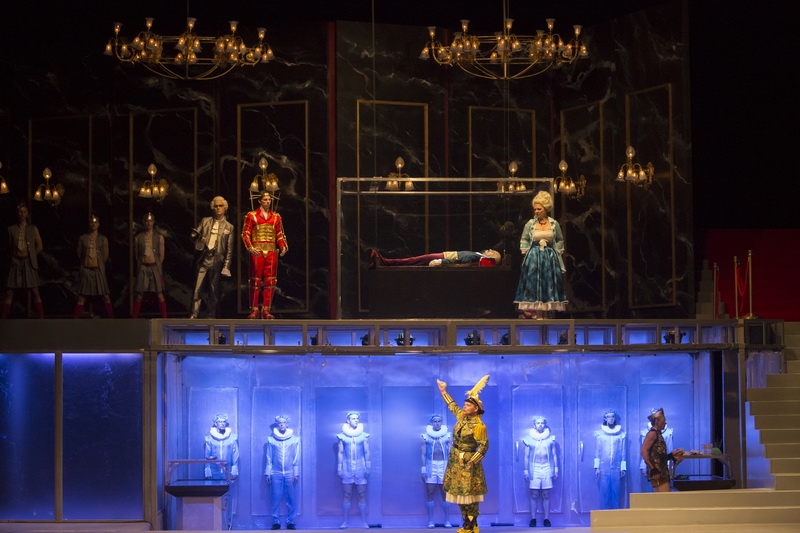
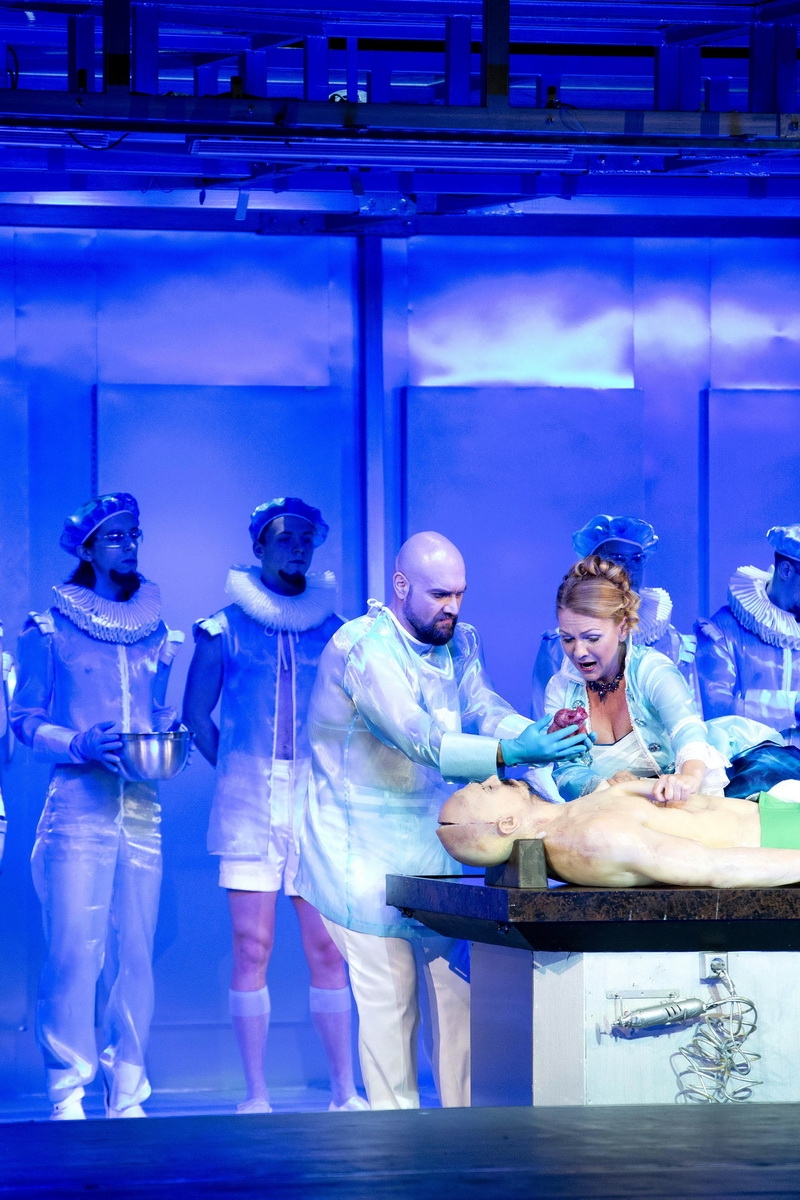
Lucia di Lammermoor at the Royal Opera House Muscat with Dario Argento’s direction

royaloperamuscat_logo

Lucia di Lammermoor

Opera by Gaetano Donizetti

JANUARY 14 7 PM

JANUARY 15 7 PM

JANUARY 16 7 PM

lucia-di-lammermoor(web)

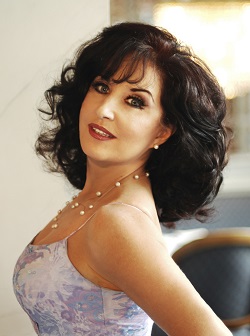
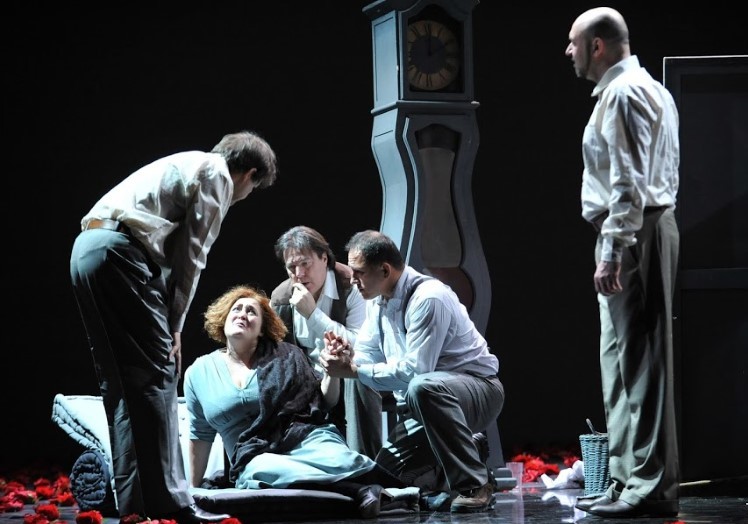
This famous opera tells a story of Lucia who is driven mad, unable to fulfil her dream of love. This stunning production from Teatro Carlo Felice of Genoa is staged by the famed filmmaker Dario Argento.

Tragic Opera in three acts

Music by Gaetano Donizetti (1747-1848)

Libretto by Salvadore Cammarano.

Production team 

Dario Argento

Dario Argento

Stage Director                   Dario Argento

Set Designer                      Enrico Musenich

Costume Designer           Gianluca Falaschi

Lighting Designer             Luciano Novelli

Conductor           Giampaolo Bisanti


CAST

Elena Mosuc Photo © Susanne_Schwiertz

Elena Mosuc
Photo © Susanne_Schwiertz

Lucia               Elena Mosuc (14 and 16 January)/ Jessica Nuccio (15 January)

Edgardo         Piero Pretti (14 and 16 January)/ Enea Scala (15 January)

Enrico            George Petean (14 and 16 January)/ Marco Caria (15 January)

Raimondo     Giacomo Prestia (All)

Arturo            Edoardo Milletti (All)

Normanno    Luca Casalin (All)

Alisa               Martina Belli (All)


Orchestra, Choir and technicians Teatro Carlo Felice – Italy

New Production by Teatro Carlo Felice

Posted in OPera | Tagged , , | Leave a comment

Maja Borin’s “The Elf” at the Slovenian National Theater.

slovene_logoMaja Borin

The Elf

Director: Branka Nikl Klampfer

Schedule

04.01.2016 at 10:00, Small Stage
05.01.2016 at 10:00, Small Stage
05.01.2016 at 11:15, Small Stage
06.01.2016 at 10:00, Small Stage

Premiere: 20 September 2007, Small Stage

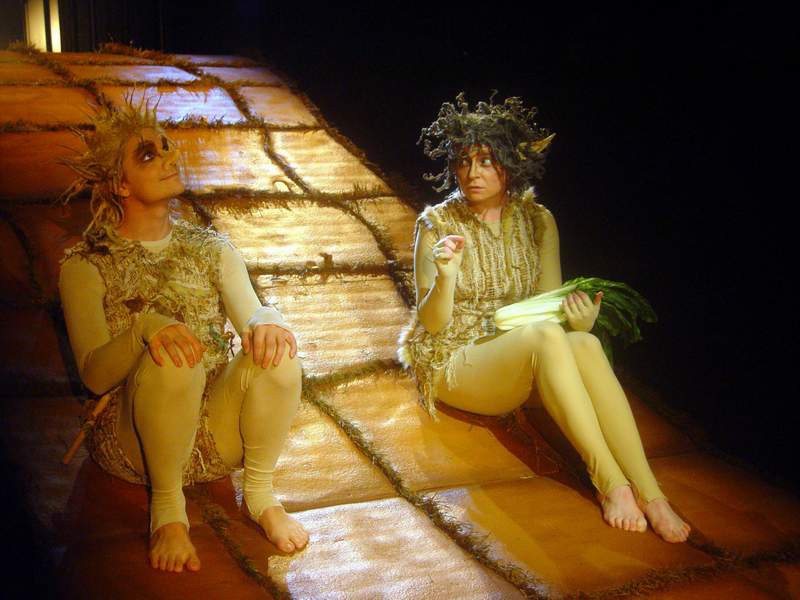
The little Elf from the Moon (Matevž Biber) one day finds himself on the Earth. The company of coeval creatures: singer Žabonka (Mateja Pucko), stamping Cepetulja (Eva Kraš), liar Pavlihec (Viktor Meglič), lazy Medo (Iztok Bevk) and detective Milko (Ivica Knez) are preparing to celebrate the harvest of golden pears. But sweet pears one by one are mysteriously disappearing.
What to do? How to find the thief? Who will untie Elf’s language?

elf2

Cast

Matevž Biber
Davor Herga
Ivica Knez
Eva Kraš
Mojca Simonič
Mateja Pucko
Viktor Meglič


Posted in OPera | Tagged , , , | Leave a comment

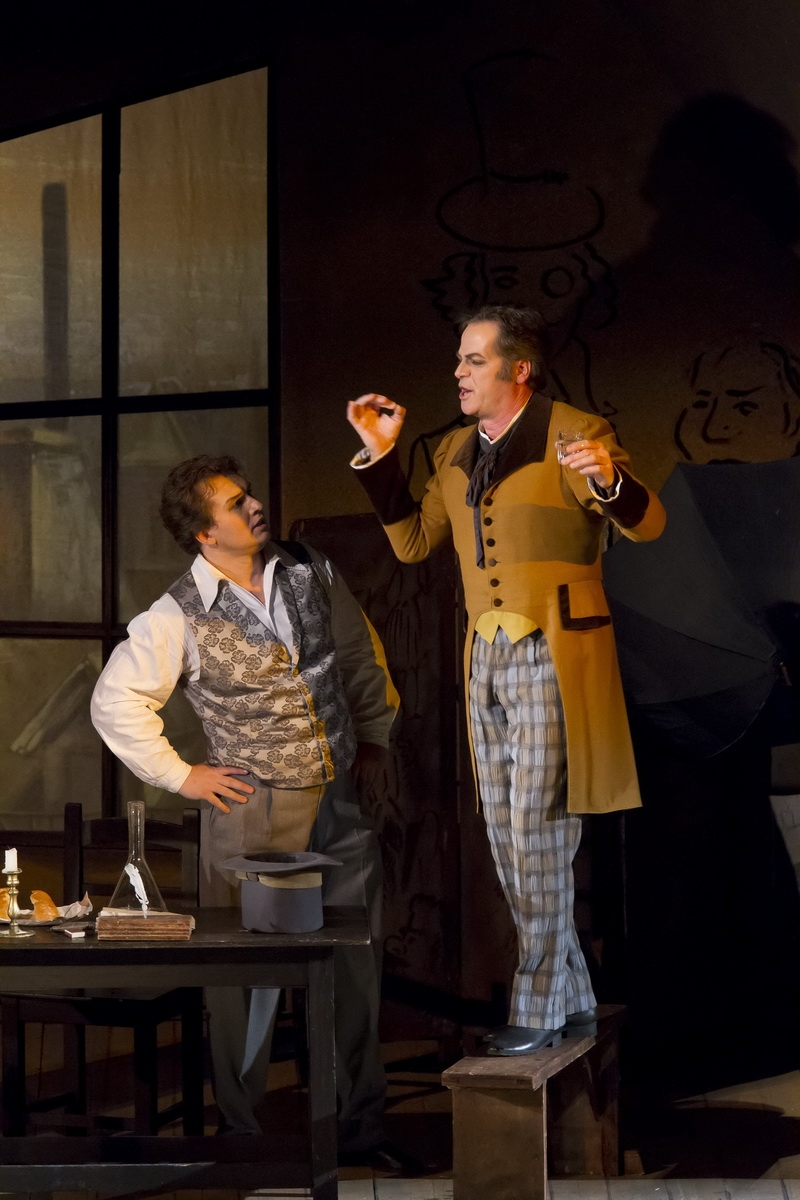
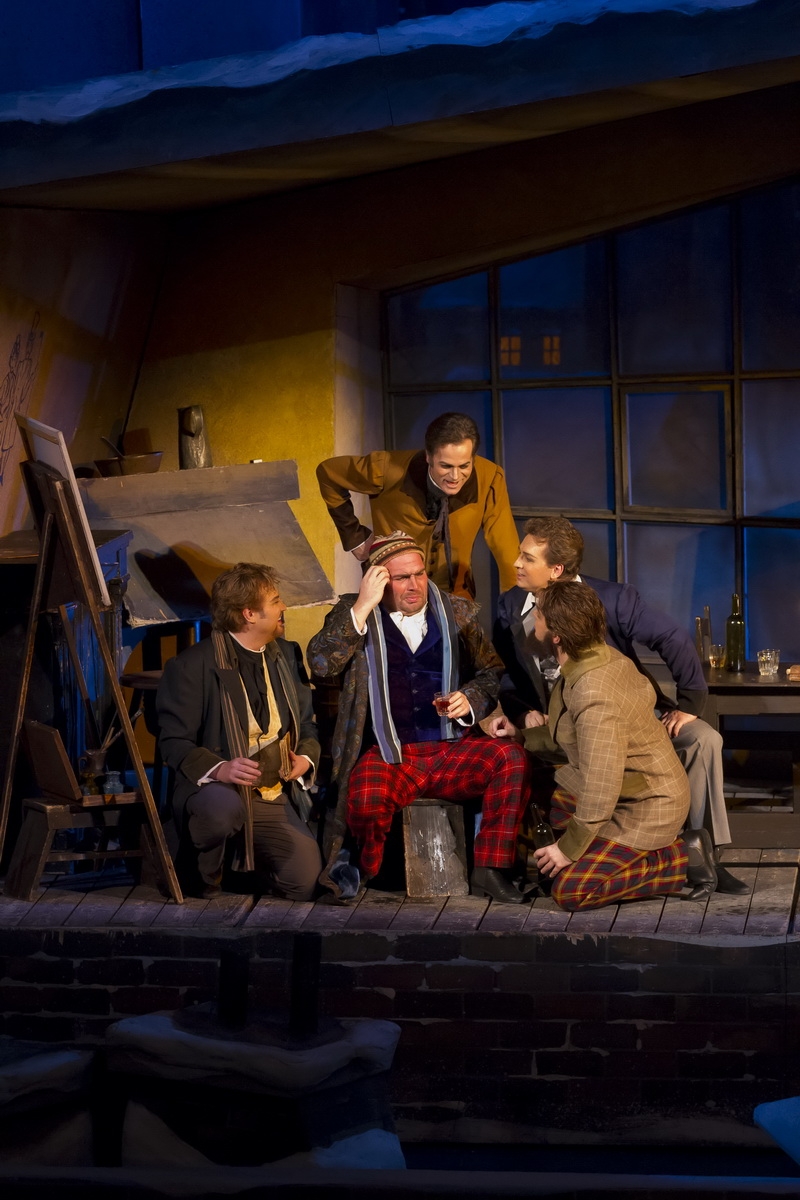
Revival of La Bohème in Croatia

croatianlogo

CROATIAN_LOGO

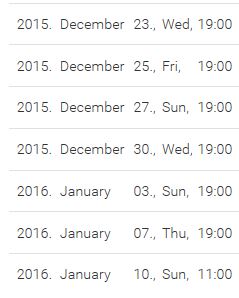
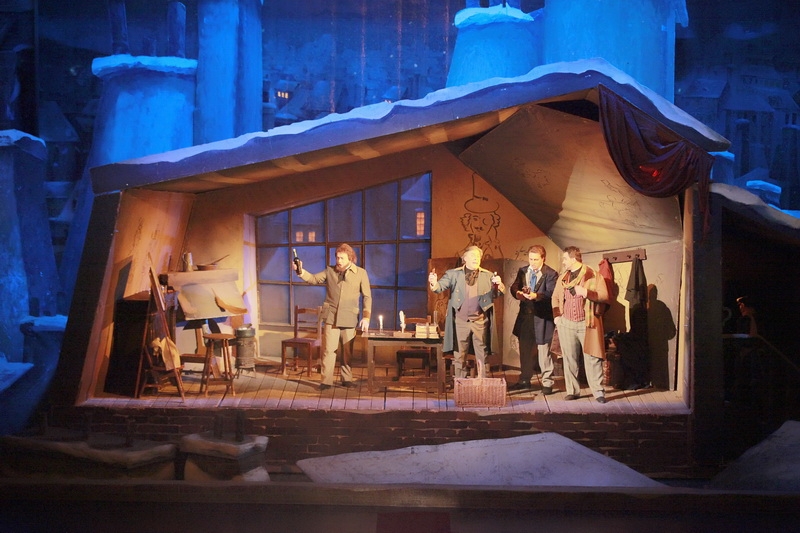
The revived opera production of La Bohème is scheduled for Monday, December 28, 2015 at 7:30 p.m.

Conductor: Nikša Bareza

Stage director and set designer: Arnaud Bernard

5bohemecroatia

CAST

Renzo Zulian, Siniša Hapač, Luciano Batinić, Berislav Puškarić (28.12.) , Matija Meić (28.12.), Davor Radić, Tamara Franetović Felbinger, Martina Zadro (28.12.), Marija Kuhar Šoša, Tanja Ruždjak (28.12.), Ivica Trubić, Ozren Bilušić, Tvrtko Stipić (28.12.), Ivan Šatalić, Antonio Brajković, Kristijan Beluhan(23.12.), Neven Mrzlečki (23.12. i 30.12.) et al.

Despite an unsuccessful opening night Puccini’s fourth opera La Bohème has become one of the most popular Italian operas. Each and every production that followed the opening night both in Italy and abroad won great acclaim with the critics and the audiences. The music and the soul-stirring plot that had been taken from life earned this opera the epithet of one of the most loved and popular operas in general. The libretto was created after Henri Murger’s novel Scènes de la Vie de Bohème in which he described the life of students and artists of the Parisian Latin district. After less than five years, the moving love story of a fragile seamstress and a charming poet returns to our stage. La Bohème directed by the Frenchman Arnaud Bernard is an excellently staged performance. (Jutarnji list, December 21, 2009.)

GALLERY (Photographer: Ivica trubić):

Posted in OPera | Tagged | Leave a comment

Il Barbiere di Siviglia at the Slovenian National Theatre of Maribor

Barber of seville

slovene_logoGioacchino Rossini

The Barber of Seville

Il Barbiere di Siviglia
Conductor: Simon Robinson, Tara Simoncic
Director: Pier Francesco Maestrini

31.12.2015 at 17:00 Grand Hall

Premiere: 2 October 2015, Grand Hall

In collaboration with the Foundation of Arena di Verona

The Barber of Seville Photo: Tiberiu Marta

The Barber of Seville Photo: Tiberiu Marta

Rossini’s masterpiece of the comic opera stage, The Barber of Seville (Il barbiere di Siviglia, 1816), has an unparalleled status in the history of opera. Due to composer’s undisputable genius for the music stage and sparkling comedy, the opera remains as one of the most celebrated and often performed operas of all time. Determined to win the heart of the beautiful, strong-willed Rosina with charm and wit – rather than nobility and wealth – Count Almaviva enlists the help of the wily Figaro to steal her away from the lecherous doctor Bartolo, who is accidentally also hoping to become her husband. A new Maribor production of Rossini’s best known music comedy will present a new turn of alluring stage “trickery” and ingenuity under direction by Pier Francesco Maestrini.

The Barber of Seville Photo: Tiberiu Marta

The Barber of Seville Photo: Tiberiu Marta

Cast

Martin Sušnik
Dejan Maksimilijan Vrbančič
Giuseppe Esposito
Petya Ivanova
Nina Dominko
Jure Počkaj
Gabriele Ribis
Valentin Pivovarov
Alfonz Kodrič
Valentina Čuden
Dušan Topolovec
Bojan Hiteregger

Posted in OPera | Tagged | Leave a comment

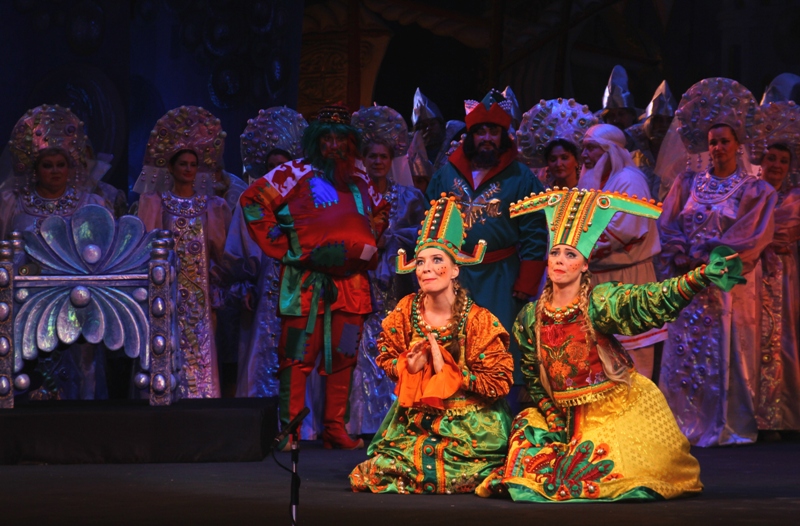
Nikolai Rimsky-Korsakov’s The Tale of Tsar Saltan in Kiev

logoukraineoperaThe Tale of Tsar Saltan

Nikolai Rimsky-Korsakov

Libretto by V. Belsky based on A. Pushkin’s fairytale.

Premiered on the stage of the Kyiv Opera on November 16, 2013

Beginning: 29.12.2015 – 19:00
Completion: 21:20
Sung in Russian

Place: Partly in the city of Tmutarakan and partly on the island of Buyan.

tale9

Prologue

On a wintry evening three sisters are sitting at spinning wheels. As Tsar Saltan overhears from outside the door, the oldest sister boasts that, if she were Tsaritsa, she would prepare a sumptuous feast; the middle sister would weave a grand linen; the youngest promises to bear a bogatyr as son for the Tsar. Saltan enters, chooses the third sister to be his bride, and takes her away. The old woman Babarikha devises a revenge for the two jealous older sisters: when the Tsar is away at war, a message will be sent to him that the child born to his Tsaritsa is not human, but a monster.

The Tsar’s departure and farewell, by the Russian artist Ivan Bilibin (1905), corresponds to the Introduction to Act 1, and the first movement of Rimsky-Korsakov’s suite from the opera (1903).

Act 1

Introduction — Saltan’s Departure

Scene

The Tsar has gone off to war. In his palace in Tmutarakan, the Tsaritsa has given birth to a son. She is despondent: there is no reply from her husband to the news of the birth of their child. Her sisters, who (with Babarikha) are now part of the court, the older sister as Cook, and the middle sister as Weaver, try to entertain her, as does the skomorokh and the Old Grandfather. They replace the message of the Tsaritsa by another one,which says that she has borne neither a daughter nor a son, neither a mouse nor a frog, but a kind of beast (monster). But all this is to no avail. The young Tsarevich, who has been lulled to sleep during this scene, awakens and runs about, accompanied by his nurses, and the people wish God’s blessings upon him. Then a messenger stumbles in (he has been waylaid with drink by Babarikha). His message from the Tsar is read by the scribes: the Tsaritsa and her progeny must be placed in a barrel and thrown into the sea. Reluctantly the people carry out the Tsar’s command.

tale1

Act 2

Introduction — Militrisa and Gvidon Afloat In the Barrel

Scene

The Tsaritsa and her son Gvidon have landed on the island of Buyan and broken out of the barrel that they were trapped in. Gvidon has grown remarkably rapidly into a young man. In the course of searching for sustenance, Gvidon rescues a swan from being killed by a kite. The Swan-Bird in gratitude causes the city of Ledenets (Russian: Леденец) to arise magically on the island, and Gvidon is hailed by its inhabitants as its Prince.

Act 3

Scene 1

By the shore of Buyan, the merchant ships have left, and Gvidon laments his being separated from his father (Gvidon’s Act III Aria). The Swan-Bird finds a way to help him: she changes him into a bumblebee so that he can fly over the sea as a stowaway on Saltan’s ship to visit him incognito in Tmutarakan.

Interlude — Flight of the Bumblebee

Scene 2

The sailors arrive at Tmutarakan from their visit to Buyan. The sailors tell of the wonders of Gvidon’s island (the magically appearing city itself, a magic squirrel, and the thirty-three bogatyrs from the sea), but the two older sisters try to stop them from creating any interest in Saltan’s visiting the island; Gvidon stings each of the sisters in the brow. Babarikha then tries to trump the sailors by speaking of a fabulous Princess on the sea, to which Gvidon stings her in the eye and blinds her. Saltan decides to visit the island, but, in view of the havoc caused by the bumblebee, forbids that breed of insect from ever entering the palace again.

tale2

Act 4

Scene 1

Gvidon, again by the seashore of Buyan, longs for a bride. The Swan-Bird appears. Gvidon tells her of the Princess that he heard about at Tmutarakan, and the Swan-Bird transforms into that very Princess. His mother and a chorus of maidens enter and bless the prospect of their wedding.

Interlude — Three Wonders

Scene 2

Gvidon, with his mother aside, awaits the arrival of Saltan. When the ship arrives with Saltan and his retinue, the Tsar greets Gvidon (whom he does not yet know as his son) and expresses regret for his rash treatment of his wife (Saltan’s Act IV Aria). Although Gvidon tries to cheer him up with the three wonders, only the presence of Militrisa can assuage Saltan’s guilt. The Princess-Swan (Lyebyed) appears and reveals the Tsar’s long-lost wife. The older sisters beg forgiveness, which in his happiness Saltan grants; and everyone then joins in a celebration of the upcoming wedding of Gvidon and the Princess-Swan

Posted in OPera | Tagged , , , | Leave a comment

La bohème at the Hungarian State Opera

Hungarian_logoGiacomo Puccini

La bohème

Opera in two parts, four acts, in Italian, with Hungarian and English surtitles

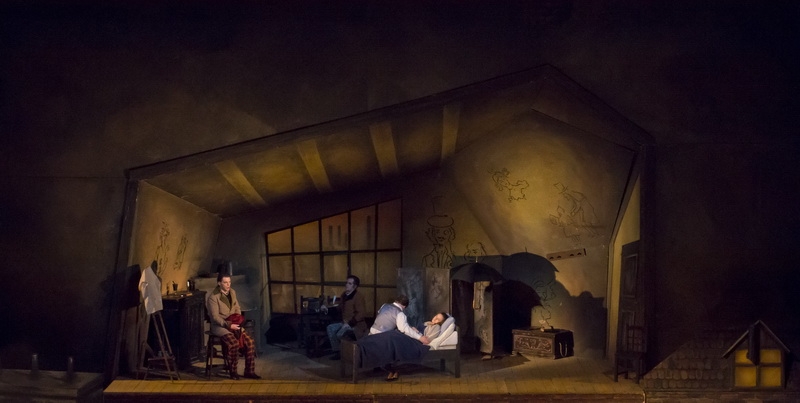
Some operas are legendary. None more so than Puccini’s work telling the tale of young bohemians in Paris, in which one of the most beautiful romances in operatic literature begins with a burnt-out candle and a misplaced key. There are also legendary opera productions, such as this one directed by Kálmán Nádasdy. With Gusztáv Oláh’s marvelous scenery, it is a genuine example of theatrical history that has remained on the Opera’s program calendar since 1937, with 871 performances to date. Some things are timeless. This wonderful production is unquestionably one of them.

hboheme14

boheme_Perf

SYNOPSIS

Act I  
Rodolfo and Marcello are freezing in their cold attic-room. Despite the poet throwing the manuscript of his play in the fire, the burning love scenes cannot exude enough heat. Colline arrives – with empty hands, as pawnshops are closed on Christmas Eve. Schaunard, however, brings money and delicious food. They divide the money, and eat ravenously. Unexpectedly, the landlord turns up to collect the unsettled rent, but soon they manage to get rid of him, and make their way to the café. However. Rodolfo has to write a poem first, so he follows his three friends later. Hardly has he got down to work when there is a knock at the door: Mimì is standing at the threshold. The wind has blown her candle out. The two hearts soon reconcile, and love starts to blossom in the small attic-room lit by the magical moonlight.hboheme1

Act II
While a colourful crowd is whirling in the bustling streets, in Cafe Momus the four good friends and Mimì are celebrating Christmas Eve. Marcello’s former love, Musetta appears with an elderly gallant, Alcindoro. She immediately seizes the opportunity to regain the painter’s affection. With some clever acting, she loses the fooled gallant, and falls into Marcello’s arms. As the bohemians have run out of money, when Alcindoro returns to the cafe he finds only the unsettled bill.

hboheme2

Act III
At a foggy and cold dawn near Barriére d’Enfer, in the outskirts of Paris. Mimì is looking for Marcello, who is living with Musetta in the tavern next door. She tells him of her grief: Rodolfo is continuously torturing her with his jealousy, and always suggests that they should separate. Both suffer terribly, and still cannot live without the other. Marcello promises to help them. Mimì walks off, but after some steps she hides behind a tree. Rodolfo steps out of the tavern, and after some hesitation he tells his friend the reason for his strange behaviour. He still passionately loves Mimi, as strongly as at the start, but the girl is fatally ill; she only has a chance to survive if they separate and Mimì finds someone who can provide more adequate living conditions. Mimì’s loud weeping reveals her presence and that she has heard everything. Mimì and Rodolfo, both in tears, decide to remain together until the spring, while Musetta and Marcello start one of their usual quarrels.

hboheme3

Act IV
Rodolfo and Marcello are working in the attic-room again, or, rather, they would be working if their memories did not disrupt their imagination. They are both daydreaming about Mimì and Musetta. Schaunard arrives with Colline, and the mood brightens. When the high spirits are at their zenith, Musetta arrives suddenly: Mimì is coming. She has collected all her strength so she could die in the place where she used to be so happy. The two lovers are left alone, and they recall their first encounter. Then the bohemians and Musetta return one by one. When Colline, the last to arrive, closes the door, Mimì – silently, and almost unnoticeably – falls into an eternal sleep.

Dr. Géza Till

Photographer: Juhász Attila


Details

Location
Opera House
Date
Dec. 23, 2015
Start time
19:00
End time
22:00

Conductor
Christian Badea

Cast

Rodolfo
Attila Fekete
Schaunard
Zoltán Nagy
Marcello
Csaba Szegedi
Colline
András Palerdi
Mimì
Eleanor Lyons
Musetta
Zita Váradi
Benoît
András Hábetler
Alcindoro
Lajos Geiger
Parpignol
László Beöthy-Kiss

Credits

Composer
Giacomo Puccini
Librettist
Giuseppe Giacosa, Luigi Illica
Hungarian Surtitles
Ágnes Romhányi
Director
Kálmán Nádasdy
Staged by
Sándor Palcsó
Set Designer
Gusztáv Oláh
Costume Designer
Tivadar Márk
Head of the Children’s Chorus
Gyöngyvér Gupcsó
Chorus Director
Kálmán Strausz
Posted in OPera | Tagged , , , | Leave a comment

Antonio Vivaldi’s Farnace in Budapest

Hungarian_logoAntonio Vivaldi

Farnace

Opera in two parts, three acts, in Italian, with Hungarian and English surtitles

The operas of the “Red Priest” (which number close to 50) were practically unknown until the last quarter of the 20th century. Since the start of the millennium, however, people can’t seem to get enough, as more and more recordings and productions are made of his operas. The premiere of Farnace in 2014/15 was a curiosity for two reasons: first, this was the piece’s Hungarian premiere, and second, because this was the first occasion a Vivaldi opera appeared on the Budapest Opera playbill.

Farnace was one of its composer’s favourite operas. The plot revolves around the King of Pontus, recently defeated by the Romans, whose mother-in-law despises him and conspires against him. Intrigue, politics, a death sentence, love, manipulation, and hatred abound as the characters find themselves in the most extreme of situations and traverse an enormously wide range of emotions.

farnace1

Background
Some time before the start of the opera, Mitridate, king of Pontus, wishing to seize the realm of Queen Berenice of Cappadocia, had set up an ambush for woman. As she was a widow, he had her son killed and prevented her from entering into a second marriage (which this time would have been for love). Mitridate was later evenually defeated by Roman troops, and after his death, he was followed on the throne by his son Farnace, who then fell in love with the one womngan he should not have have fallen in love with: Berenice’s daughter, Tamiri. He abducted the girl and married her. In revenge, Berenice has formed an alliance with the Roman troops and has sworn to do everything in her power to destroy Farnace and her faithless daughter.


SYNOPSIS

Setting: Heraclea, Asia’s mightiest harbour and the great shield of the East

Act I
Despite facing defeat against the Roman legions, Farnace is not willing to give up the fight. His wife, Tamiri pleads with him to think of his wife and young sons as well, so that they won’t end up as slaves of the Romans. Farnace hears her out and then makes her promise that, should they be about to succumb to the Roman forces, she will take the child’s life as well as her own. Farnace’s request presents a horrible dilemma for Tamiri.
Berenice arrives at the city, followed by the forces of Roman proconsul Pompeo. The two leaders greet each other and combine their forces: “Death to Farnace!” They storm the city, and Farnace’s troops are forced to retreat. His sister, Selinda, is captured and immediately attracts two suitors: Aquilio, the prefect of the Roman legions, and Gilade, Berenice’s captain. Selinda lets both men get their hopes up so that she can later take revenge on both oppressors.
In defiance of Farnace’s command, Tamiri conceals her son in the great mausoleum of Mitridate and prepares to kill herself, although the appearance of her mother, Berenice, puts a stop to this. Berenice demands her grandson, the heir to Farnace’s throne, while Tamiri demands the return of her husband. Berenice places her daughter in his hands and asks the Roman to help find Farnace’s child. Tamiri feels renewed faith that mighty Rome is trembling over a little boy, and proudly enters into captivity. Pompeo acknowledges the great nobility of Tamiri’s soul.

farnace2

Act II
Gilade and Aquilio implore Selinda to choose between them, but the woman cleverly avoids making a selection. Still unable to lay her hands on either Farnace or her grandson, Berenice instructs Gilade to commence the blood sacrifice by killing Selinda. The captain reveals his secret love to the queen, whose simple response is that love has no place in a warrior’s heart: there will be no pity for the girl. Gilade resolves to defy Berenice for Selinda’s sake.
Farnace is at the mausoleum of the kings of Pontus. His plan is to murder the two tyrants, and then kill himself. But then Tamiri, whom he thought was dead, suddenly appears and greets her husband joyfully. Farnace cannot believe his eyes, and demands that Tamiri explain why she didn’t kill herself as she promised. She confesses to her husband that not only is she alive, their son is as well. Farnace is assailed by remorse for ordering his innocent little son’s death.
Berenice is about to raze the mausoleum of Farnace’s ancestors to the ground, which has Tamiri in terror, since her child is still hiding inside. After uselessly attempting to convince her mother to desist with her plan, she is forced to call to the child to come out. Berenice renounces her daughter, but seizes her grandson as a prisoner. Farnace, who has been secretly observing the events, also reviles and renounces his wife for her deed.
Gilade promises Selinda that he will help get revenge on the queen.
Farnace rushes to the palace, planing to do in Berenice. His sister pleads with him to leave the task to her.
Berenice and Pompeo lead out Farnace’s son, whose fate will be decided by Rome. Berenice’s thirst for revenge is unquenchable: she wants blood.
Aquilio promises Selinda that he will kill Pompeo for her sake.

farnace3

Act III
Berenice is bargaining with Pompeo: since in spite of his promise, he has not killed Farnace, he should at least slay his son, in exchange for which he shall receive half of his kingdom. Right then, Tamiri is brought in. She also proposes a deal to the Roman proconsul: she offers half of Farnace’s kingdom in exchange for sparing her young son’s life. Pompeo does not desire what is offered, but is deeply moved by Tamiri’s noble conduct and decrees that the woman’s son is to be returned to her.
Farnace is wrestling with his emotions, but finally relents towards his wife. Tamiri departs joyfully.
Selinda urges on first the vacillating Gilade, and then Aquilio, to do what they had earlier promised to do.
Aquilio and Farnace – unbeknownst to each other – are stalking Pompeo in order to kill him, but the Roman leader catches them at the final moment. Aquilio tells a lie, claiming that he had been trying to save Pompeo, since he saw that the other man was planning an attack on him.
Farnace takes advantage of the fact that neither of them recognise him by telling them untruthfully that he is one of Berenice’s bodyguards. Pompeo, however, senses a trap and asks the queen, who has just entered, to confirm that the man is really in her service. Berenice immediately recognises Farnace and orders her men to kill him a once. The soldiers fall on Farnace, but just then Tamiri rushes in, begging them to have mercy on her husband. Even so, Farnace would prefer death.
Meanwhile, Aquilo is tormented by terrible remorse for having betrayed Farnace.
Led by Selinda, Gilade and a group of other soldiers rush into the hall with weapons at the ready. Selinda frees her brothers from his chains and places a sword in his hand. Farnace is preparing to kill Berenice, but Tamiri attempts to talk him out of it. In order to defend herself, Berenice suddenly pulls her daughter in front of her and holds a dagger to her heart. Pompeo also seizes Farnace’s son and makes ready to stab the child. Farnace places his life in Berenice’s hand, but the queen has an unexpected change of heart and pardons him. “Live and rule in happiness, and may all of my luck and greatness be yours.” Pompeo also gives his blessing to the peaceful reconciliation. As the chorus sings at the end: peace returns with lilies and roses, and the torch of hatred is lost among a thousand flames of love.

farnace4


Details

Location
Opera House
Date
Dec. 4-13, 2015
Conductor
Pál Németh

Cast

Farnace, king of Pontus
Xavier Sabata
Tamiri, Farnace’s wife, Berenice’s daughter
Andrea Meláth
Berenice, queen of Cappadocia
Tünde Szabóki
Pompeo’s spokesman
Barnabás Hegyi
Selinda, Farnace’s sister
Atala Schöck
Gilade, Berenice’s captain
Nóra Ducza
Aquilio
Dávid Szigetvári
Pompeo, Roman proconsul
Botond Pál
The son of Farnace and Tamiri
Gábor Leveleki

Credits

Composer
Antonio Vivaldi
Librettist
Antonio Maria Lucchini
Director
Ferenc Anger
Choreographer
Marianna Venekei
Assistant Choreographer
Ágnes Sárközy Holler
Set Designer
Éva Szendrényi
Costume Designer
Gergely Zöldy Z
Dramaturg, Hungarian Surtitles
Judit Kenesey
English surtitles
Arthur Roger Crane

Posted in OPera | Tagged , , , | Leave a comment

“La Damnation de Faust” by Berlioz at the Opéra Bastille in Paris

Logo_OnP Opéra Bastille from 05 to 29 December 2015
Avant-première Sat. 5 Dec. (under-28s)

Opening night Tue. 8 Dec.

La Damnation de Faust

Légende dramatique in four parts (1846)

Music
Hector Berlioz
Libretto
Hector Berlioz
Almire Gandonnière
damnationdefaust

© David Uzochukwu

CAST
Conductor Philippe Jordan
Director Alvis Hermanis
Marguerite Sophie Koch
Faust Jonas Kaufmann 5-20 déc. Bryan Hymel 23-29 déc.
Méphistophélè  Bryn Terfel
Brander  Edwin Crossley-Mercer
Voix celest Sophie Claisse
Rôle muet et dans Dominique Mercy
Set design Alvis Hermanis
Costume design Christine Neumeister
Lighting design Gleb Filshtinsky
Video Katrina Neiburga
Choreography Alla Sigalova
Dramaturgy Christian Longchamp
Chorus master José Luis Basso

Paris Opera Orchestra and Chorus
Maîtrise des Hauts-de-Seine / Paris Opera Children’s Chorus

French and English surtitles
Conception of speech synthesis by Greg Beller

This production will be recorded for television.
A coproduction by the Paris Opera, Telmondis and Mezzo with support from the CNC and directed by Louise Narboni.
Broadcast live in cinemas on 17 December and as of 19 December on Culture Box.
Broadcast on France 3 and France Musique at a later date

faust1

© Felipe Sanguinetti


“Who are you, you whose burning look penetrates like the flash of a dagger and who, flame-like, burns and devours the soul?”

– La Damnation de Faust, Part II, scene 5

Podcast La Damnation de Faust

“This marvelous book fascinated me from the very beginning. I could not put it down. I read it incessantly, during meals, in the theatre, in the street, everywhere.” And so it was, following the composer’s discovery of Faust Part One in 1828 that Goethe joined Virgil and Shakespeare to form Berlioz’s trinity. Without taking the time to catch his breath, he set the verse passages of Gérard de Nerval’s translation to music and published them under the title Huit scènes de Faust. Eighteen years later, during his travels “in Austria, Hungary, Bohemia and Silesia” he decided to revise and develop the material into La Damnation de Faust, whereupon the same feverish urge took hold of him.

faust2

© Felipe Sanguinetti

“Once underway, I wrote the missing verses as the musical ideas came to me. I composed the score when and where I could – in the carriage, on the train, on steam boats”. As if swept away by “the longing of too vast a heart, and a soul thirsting for elusive happiness”, Berlioz became one with his creation. The voice that invokes “immense, impenetrable and proud nature” is entirely his own, its extraordinary breadth transcending traditional forms to become a symphonic and operatic dream. Bringing out the dramatic force of this légende dramatique is a constant challenge that stage director Alvis Hermanis has willingly accepted. Philippe Jordan conducts the first installment of a Berlioz cycle which is to continue over several seasons. It also marks the return of Jonas Kaufmann and Bryn Terfel to the Paris Opera.

faust4

© Felipe Sanguinetti

Posted in OPera | Tagged , | Leave a comment

La Boheme in Sweden

logooperan boheme_title

A young woman knocking on the door of a loft in the Old Town …

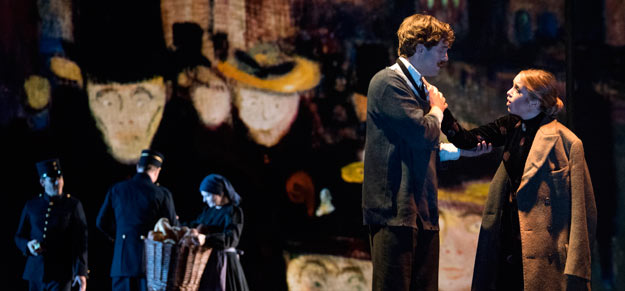
… And a young writer opens. Inspired by Edvard Munch’s colorful paintings, Hans Jaeger’s depiction of Christiania Bohemian and August Strindberg’s novel The Red Room sounds the famous tenor, director and conductor José Cura a Nordic light shine on Puccini’s masterpiece and moves La Bohème Paris to a fictitious Stockholm. The author Rodolfo will be August Strindberg, the painter Marcello gets Edvard Munch, the philosopher Colline becomes Søren Kierkegaard, composer Schaunard will Edvard Grieg and cabaret singer Musetta gets Tulla Larsen. Well acquainted with the music and the libretto in this poignant, tragicomic drama creates José Cura is now a full-fledged Scandinavian Bohème for the Royal Opera.

Taking inspiration from her own time as a poor student portrays Giacomo Puccini with heat and passion some young dreamer’s life, bohemians in the 1800s Paris. But the timeless story could take place anywhere.

boheme_fst

Music Giacomo Puccini

Text G. Giacosa / L. Illica

Director, scenery, costumes and light José Cura

Dramaturg Katarina Aronsson

Performed in Italian with Swedish text on surtitles

boheme_fst0

Saturday, December 27, 15:00
Monday, December 28 19:00
Wednesday, December 30 18:00
Friday, January 8 19:00
Monday, January 11 19:00
Thursday, January 14 19:00
Saturday, January 16 15:00
Monday, January 18 19:00
Wednesday, January 20 19:00
Wednesday, January 27 19:00
Saturday, January 30 15:00
Thursday, February 4 19:00
Saturday, February 6th 15:00
Thursday, February 11 19:00
Monday, February 22 19:00
Sunday, February 28 15:00
Wednesday, April 13 19:00
Thursday, June 9 19:00
Saturday, June 11 15:00
Tuesday, June 14 19:00

CAST
Mimì Yana Kleyn
Musetta (Tulla Larsen) Sanna Gibbs
Rodolfo (August Strindberg) Daniel Johansson, Atalla Ayan, Jonas Degerfeldt
Marcello (Edvard Munch) Linus Börjesson
Schaunard (Edvard Grieg) Persson
Coline (Soren Kierkegaard) John Erik Eleby
Benoit Niklas Björling Rygert
Alcindore Thomas Bergström Anders Nyström
Parpignol (Julbocken) Jon Nilsson Olof Lilja
Conductor Daniele Callegari Benjamin Shwartz Tobias Ringborg

Royal Opera Choir
Children’s Choir from Adolf Fredrik’s Music School
Royal Orchestra


Press Quotes

“Seldom has Puccini sounded so soft and precise at the Royal Opera.” Aftonbladet

“And then to flee from the worldly worries for a while in a strong performance, yes, there is a TERRIFIC pleasant experience” Eskilstuna courier

“La Bohème in Scandinavian version is beautiful, good looking, touching, professional” Kulturbloggen

“Nordic bohemians convinces with voice splendor.” SvD

“… imaginative, with good humor and much charm” SvD

“… an elegant transfer from kvarterer in Paris to the Old Town … and it sounds fantastic on Puccini’s opera under the direction of Daniele Callegari” Expressen

“… A roaring success”, Financial Times
boheme_fst3

SYNOPSIS

First Act

Christmas Eve. It’s freezing in the attic where a young writer, August Strindberg and his friend, the painter Edvard Munch, live. At the piano sits a promising young composer, Edvard Grieg, and composes. Munch struggling with the last details in a painting. His model is becoming impatient and demanding payment. But Munch has not a penny. August and Edward complains about the cold when suddenly the philosopher Colline, avid supporters of Søren Kierkegaard, appears. The trio discusses the life and the weather when Grieg returns with food and drink. He has just been paid for private lessons to the son of a millionaire. When they lift their glasses to a bowl enters the landlord in and require them to rent. The four young men manage to talk themselves out of the precarious situation. Colline / Søren, Grieg and Edvard leaves the wind to enjoy a little Christmas cheer in the city, August stops
to finish an article. But the author does not find the right inspiration. A light knock at the door distracts him, and a young woman he had never seen before appears.

Second Act

Christmas Eve in the town square. Edward has just revealed its latest painting Old Town at sunset. The shops bulging with people, families crowd into the alleys and vendors cry. Munch observe them, they all were created from him, taken from his paintings, and he is very touched by seeing them alive. His friend, the writer Hans Jaeger, accompany him and praising his painting.

At Berns succeed Edward’s friends get a table. Tulla arrives with a wealthy banker, Alcindoro. She has just quarreled with Edward and her plan is to make him insanely jealous. It works. She embarrass rich banker and reunited with Edward in a passionate kiss. Friends march out and leave it to the banker to pay off the bill.

boheme_fst4
Third Act

A year has passed. Edward and Tulla working for brothel owners. He paints portraits and she entertains the guests. Edvard Munch sketch of the painting Ash with Tulla and his sleeping friend August as models. Mimì arrives, she does not understand why August rejects her and she asks if Edward’s advice. When Edward pushes his friend August admit him to his love Mimì more than anything else on earth – but she is deathly ill and he is too poor to help her. Mimì hear August’s confession from a hiding place. She confronts August and suggests they go their separate ways so that he can continue to live his life, but the August fall grieved together. As they bid farewell to each other resumes Edward and Tulla their bickering.

Fourth act

In the attic, several months later, put Edward’s new painting The Scream atmosphere. Edward mourning her Tulla and August its Mimì. While the painter portrays the author steps Grieg and Søren in, carrying a piece of bread and a herring. To cope with the desperation they play a little comedy, a feigned meal with the class they so often criticize, but in reality they would like to be a part of. The comedy is changed to mock tragedy when one of them, offended by a comment, challenges to a duel. As the quarrel escalates rushing Tulla in. Mimì is seriously ill and can not get up the stairs. The friends are forced to brutally back to reality and realize that they can not help the terminally ill young woman

Posted in OPera | Leave a comment

JACQUES OFFENBACH’s “La Vie parisienne” in Marseille

operamarseillelogo

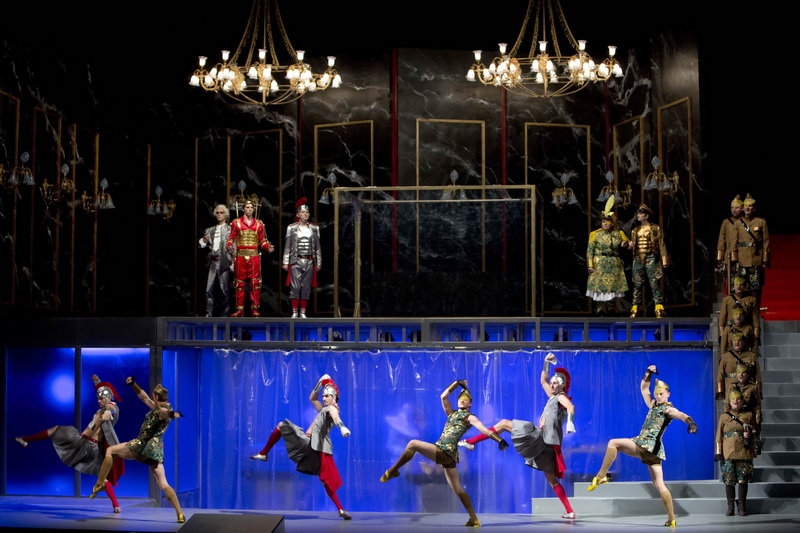
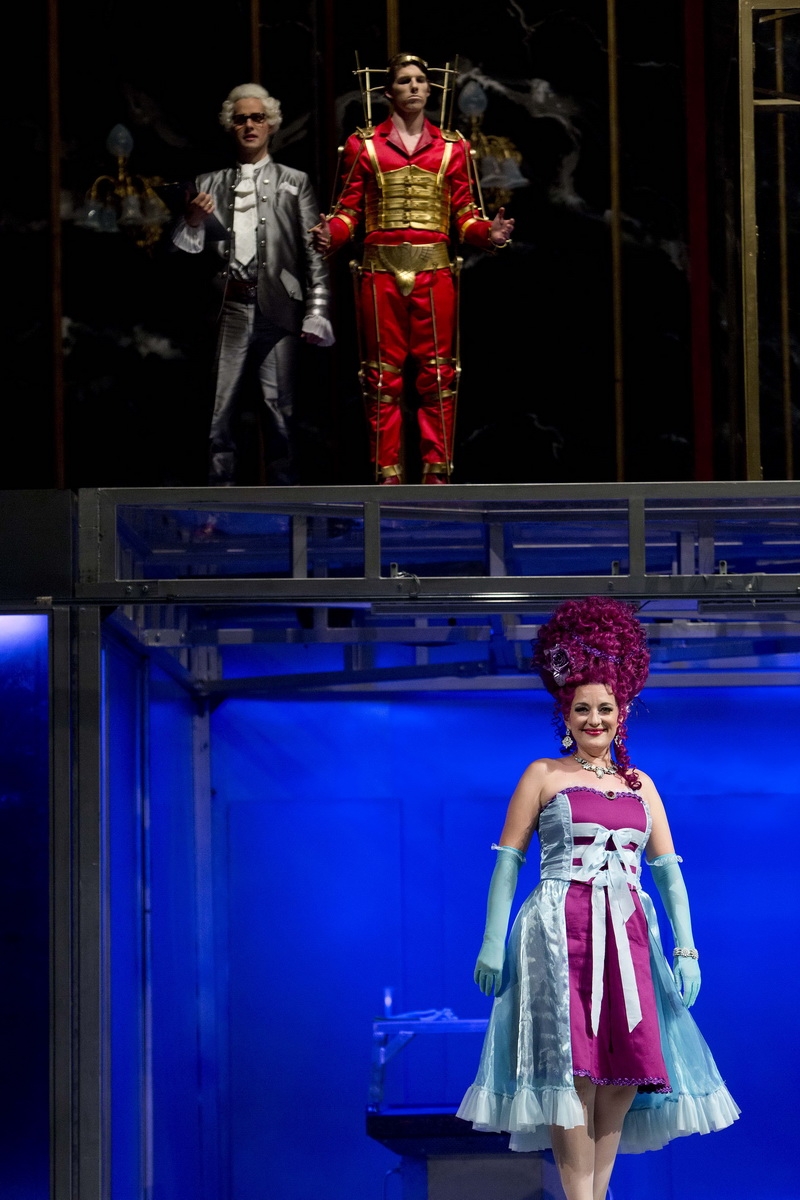
La Vie parisienne

JACQUES OFFENBACH

Tuesday December 29th, 2015 > 8:00PM
Thursday December 31st, 2015 > 8:00PM
Sunday January 3rd, 2016 > 2:30PM
Tuesday January 5th, 2016 > 8:00PM
Thursday January 7th, 2016 > 8:00PM

Returning to a by-gone era of dubious, but sophisticated mores, with characters, lyrics and music that are simply delightful, spirited and elegant…

Visu-lavie_parisienne


LA VIE PARISIENNE

Opera-bouffe in 5 acts
Libretto by Henri MEILHAC and Ludovic HALÉVY
First performed in Paris, Théâtre du Palais-Royal, on October 31th, 1866
Last performed at Marseille opera, on January 1st, 1989
Coproduction Opéra de Marseille / Opéra d’Avignon / Opéra de Reims / Opéra Théâtre de Saint-Étienne / Opéra de Toulon / Théâtre du Capitole de Toulouse

Conductor Dominique TROTTEIN
Director Nadine DUFFAUT
Scenic Designer Emmanuelle FAVRE
Costume Designer Gérard AUDIER
Lighting Designer Philippe GROSPERRIN
Choreography Julien LESTEL

CAST

Gabrielle Clémence BARRABÉ
Metella Marie-Ange TODOROVITCH
Pauline Ludivine GOMBERT
Baroness Gondremarck Laurence JANOT

Baron Gondremarck Olivier GRAND
Bobinet Christophe GAY
Raoul de Gardefeu Armando NOGUERA
Frick Dominique DESMONS
Brazilian Bernard IMBERT
Alfred / Urbain Patrick DELCOUR
Prosper Jacques LEMAIRE

Marseille Opera Orchestra and Chorus
Julien Lestel Company

Posted in OPera | Tagged , , | Leave a comment