Fondazione Arturo Toscanini Educational presents: R-Esistence, a Music program for children.


logoEDUresistence

“Resistance” (in Italian, Resistenza) from the dictionary:

  1. Action that strives to resist someone or somethingaiming to oppose this action.
  2. Ability to withstand pressures, strainand wear.
  3. Force that opposes the movement of the point or the body to which it is applied
  4. Electrical Resistor
  5. Fight against fascism in Italy and in Europe during the Second World War.

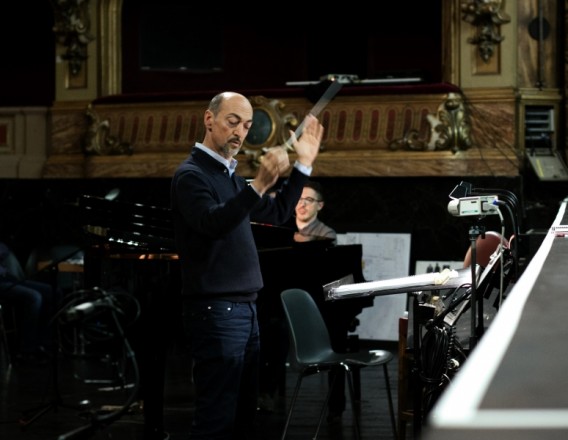
What is the meaning of Resistance today? What values ​​can be taken from historical resistance and make them EXISTENCE? And above all: is it possible? Is it necessary?Helped by all forms of artistic expression, but above all through music, both past and present, from chant to the dodecaphonic music, from pop to classic, we discover what R-esistence means nowadays. This is a Pilot project developed between the Toscanini Foundation and the “Alcide Cervi Institute” and with the involvement of Reggio Emilia and Parma middle and high schools. Meetings with people who now R-Exist, creativity and expression workshops, talks and discussions with conductor Alessandro Nidi and composer Andrea Talmelli and … in the end, helped by the writing, graphic, visual and sound suggestionsmade by youngsters, it will create a concert / show also with the Emilia Romagna Regional Orchestra.

Do you whant to listen a fragment? Click HERE

Alessandro Nidi conductor, Roberto Recchia recited voice

Giornata-dellarte

Posted in Article | Leave a comment

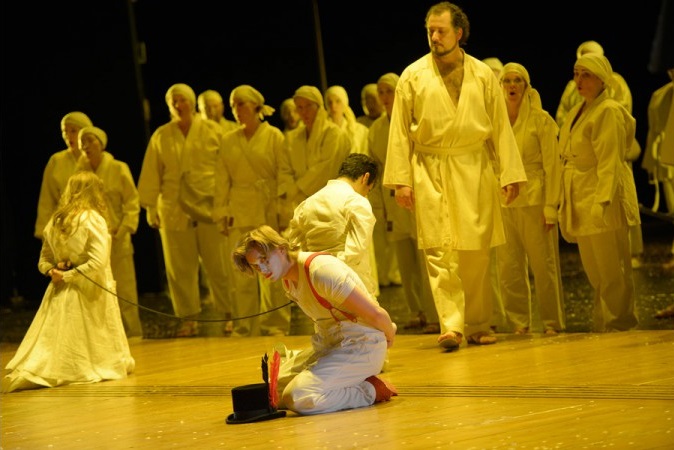
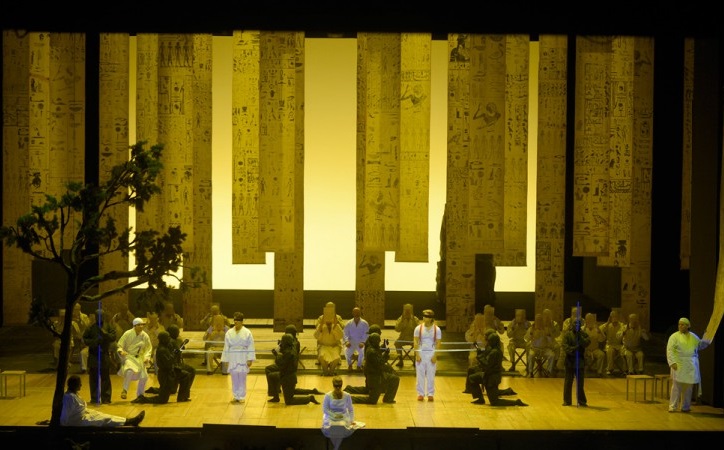
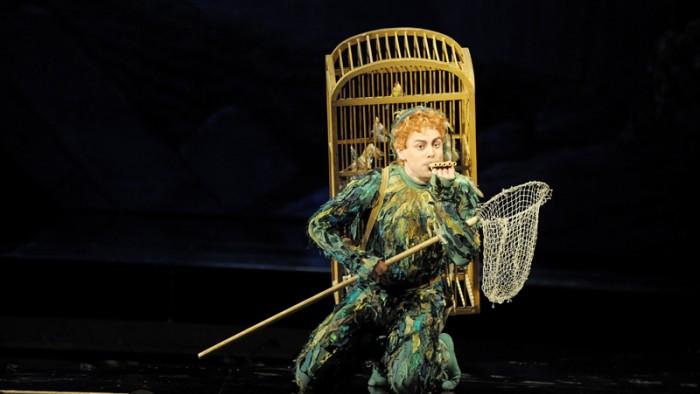
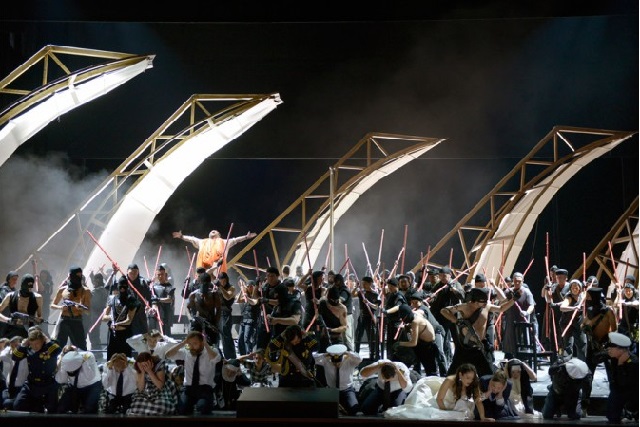
Deutsche Oper Berlin presents The Magic Flute…

deutschelogo

The Magic Flute

Wolfgang Amadeus Mozart (1756 – 1791)

Opera in two acts
Libretto by Emanuel Schikaneder
First performed on 30. September, 1791 in Vienna
Premiered at the Deutsche Oper Berlin on 24. September, 1991

In German with German and English surtitles

MagicFlute11

Cast

Conductor Nicholas Carter
Donald Runnicles (12.12.2015)
Moritz Gnann (25.10.2015 | 29.12.2015)
Daniel Cohen (12.02.2016 | 03.06.2016 | 08.07.2016)
Director Günter Krämer
Stage-design, Costume-design Andreas Reinhardt
Choir Conductor Thomas Richter
Sarastro Tobias Kehrer
Ante Jerkunica (13.11.2015 | 12.12.2015 | 29.12.2015 | 02.01.2016)
Tamino Álvaro Zambrano
Thomas Blondelle (13.11.2015 | 02.01.2016 | 15.05.2016)
Matthew Newlin (12.12.2015 | 29.12.2015 | 12.02.2016 | 23.04.2016)
Attilio Glaser (25.10.2015 | 03.06.2016 | 08.07.2016)
Speaker Stephen Bronk
Dong-Hwan Lee (23.04.2016 | 15.05.2016 | 03.06.2016 | 08.07.2016)
Derek Welton (13.11.2015 | 12.12.2015)
Seth Carico (29.12.2015 | 02.01.2016)
1st priest Thomas Lehman
Stephen Bronk (13.11.2015 | 12.12.2015 | 15.05.2016 | 03.06.2016 | 08.07.2016)
2nd priest Jörg Schörner
Gideon Poppe (15.05.2016 | 03.06.2016 | 08.07.2016)
Queen of the Night Nina Minasyan
Hulkar Sabirova (13.11.2015 | 12.12.2015 | 29.12.2015 | 02.01.2016 | 12.02.2016)
Pamina Siobhan Stagg
Heidi Stober (12.02.2016 | 23.04.2016 | 15.05.2016 | 03.06.2016 | 08.07.2016)
Elena Tsallagova (25.10.2015 | 13.11.2015 | 12.12.2015)
1st lady Martina Welschenbach
Adriana Ferfezka (13.11.2015 | 12.12.2015 | 29.12.2015 | 02.01.2016 | 12.02.2016 | 23.04.2016 | 15.05.2016 | 03.06.2016 | 08.07.2016)
2nd lady Rebecca Jo Loeb
Irene Roberts (13.11.2015 | 12.12.2015 | 02.01.2016)
Jana Kurucová (25.10.2015)
3rd lady Annika Schlicht
Ronnita Miller (25.10.2015 | 12.12.2015 | 29.12.2015 | 02.01.2016 | 23.04.2016 | 15.05.2016 | 03.06.2016 | 08.07.2016)
Papagena Alexandra Hutton
Elbenita Kajtazi (25.10.2015 | 13.11.2015 | 12.12.2015 | 29.12.2015 | 12.02.2016 | 23.04.2016 | 15.05.2016 | 03.06.2016 | 08.07.2016)
Papageno John Chest
Simon Pauly (02.01.2016 | 23.04.2016 | 15.05.2016 | 03.06.2016 | 08.07.2016)
Monostatos Burkhard Ulrich
Gideon Poppe (12.02.2016 | 23.04.2016)
1st armoured man Clemens Bieber
James Kryshak (12.02.2016 | 23.04.2016 | 15.05.2016)
Attilio Glaser (13.11.2015 | 12.12.2015)
2nd armoured man Andrew Harris
Alexei Botnarciuc (13.11.2015 | 12.12.2015 | 29.12.2015 | 02.01.2016 | 03.06.2016 | 08.07.2016)
Three boys Solisten des Knabenchores der Chorakademie Dortmund
Solisten des Tölzer Knabenchores (13.11.2015 | 12.12.2015 | 02.01.2016 | 15.05.2016 | 03.06.2016 | 08.07.2016)
Chorus Chor der Deutschen Oper Berlin
Orchestra Orchester der Deutschen Oper Berlin

magic5

Information

Prince Tamino is menaced by a wild dragon. At the last moment he is saved by three mysterious women, who have been sent by the Queen of the Night. When the bird catcher Papageno appears and boasts of his heroic deed as dragon slayer, the three ladies punish him. They present the Prince with a picture of Pamina, the Queen’s daughter, who has been imprisoned by Sarastro, Regent of the Sun Temple. Tamino falls in love with her. The Queen appears in person and orders him to join forces with Papageno to save Pamina. They give Tamino a magic flute for protection and the reluctant Pagageno receives a glockenspiel of magical chimes. Led by three boys, the two heroes begin their journey to Sarastro’s castle. Tamino is twice prevented from entering by the gatekeepers. At the third attempt they inform him that Sarastro is nothing like the cruel tyrant that the Queen of the Night has made him out to be. Papageno finds Pamina and tries to escape with her.

MagicFlute1 He is able to stall her guard Monostatos with the help of the chimes, but the appearance of Sarastro puts an end to all attempts to flee. Papageno, Pamina and Tamino are compelled to stay in Sarastro’s temple and submit to a series of life-threatening trials. First of all they have to learn to be silent, which is especially difficult for Papageno. When an old woman passes, Papageno cannot restrain himself and asks her what her name is. She disappears in a clap of thunder. Papageno consoles himself with the food that is so miraculously served to them. Tamino keeps silent, playing on his flute. Pamina appears, in deep despair that Tamino is no longer talking to her. Her mother has already entreated her in vain to murder Sarastro. When she decides to end her life the three boys seize her dagger and lead her to Tamino. Protected by the flute, both of them pass the ordeals of fire and water, and have now successfully completed all the trials. Meanwhile Papageno, in his great loneliness, conjures up the old woman again and promises to marry her, »if there’s nothing better to be had«.

magic3 All of a sudden she is transformed into a beautiful young girl, but their time has not yet come and she is taken from him again. In his despair he decides to end his life, but the three boys remind him of the magic chimes. Their tinkling brings back Papagena, and the reunion sets them both dreaming of a happy future together. The other pair is happy, too: Tamino and Pamina are inducted into the Society of the Enlightened, which celebrates the ideals of Nature, Wisdom and Reason. Only for the Queen of the Night does the story take a turn for the worse: when she attempts to enter the temple along with her entourage she is devoured by the spirits of darkness.

magic2 Mozart’s MAGIC FLUTE is the most frequently performed opera in the German-speaking world. This variegated masterpiece straddling Viennese popular theatre, fairytale, myth and the mystery of freemasonry is a puzzle even today: did Mozart and his librettist Schikaneder switch horses in mid-stream, changing allegiance from the Queen of the Night to Sarastro? Should one not distrust the holier-than-thou world of the priests and an ideology that divides the world into good and evil? Are there not traces, even, of discrepancies between text and music, as many a Mozart expert has suggested? Whatever the facts of the matter, it is the music that smooths the contradictions of the plot, elevating them to a worldly realism. The music does not denounce the characters but rather confers on the conflicts an existential dimension. Without this dimension the opera would come over as an irrational fairytale.

magic13

Supported by Förderkreis der Deutschen Oper Berlin e.V. and Deutschen Philips Unternehmen

magicfluteberlin9

Posted in OPera | Tagged , , | Leave a comment

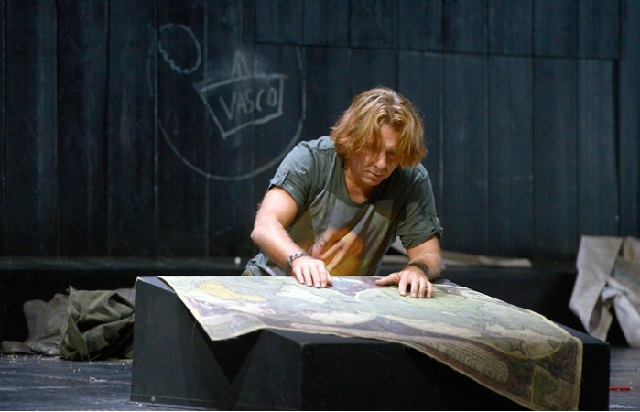
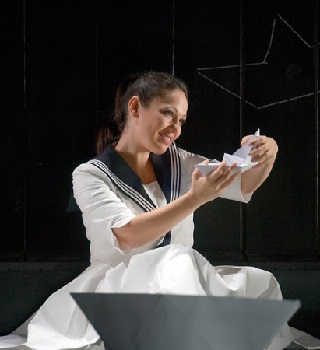
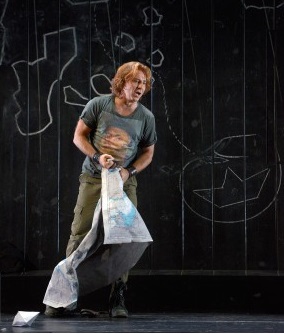
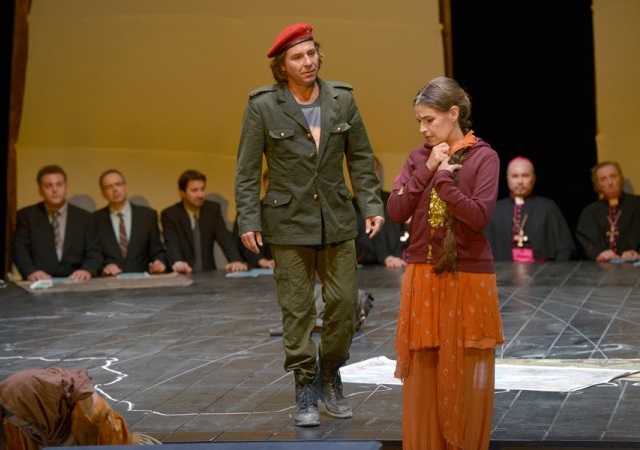
New production of Meyerbeer’s VASCO DA GAMA with Roberto Alagna in Berlin

deutschelogo

VASCO DA GAMA (L’Africaine)

Giacomo Meyerbeer (1791 – 1864)

A grand opéra in five acts

Libretto by Eugène Scribe
World premiere [as L’AFRICAINE] 28th April 1865 at the Opéra de Paris
Premiere of revised version [as VASCO DA GAMA] on 2nd February 2013 in Chemnitz following publication of Jürgen Schläder’s edition based on the history of the opera’s development
Premiere at the Deutsche Oper Berlin: 4th October 2015

In French language with German and English surtitles

vasco1

Cast

Conductor Enrique Mazzola
Stage Director Vera Nemirova
Assistant Stage Director Sonja Nemirova
Set Design Jens Kilian
Costume Design Marie-Thérèse Jossen
Choreographer Bharti Ramdhoni
Silke Sense
Video Marcus Richardt
Chorus Master William Spaulding
Dramaturge Jörg Königsdorf
Don Pedro Seth Carico
Don Diego Andrew Harris
Ines Nino Machaidze
Vasco da Gama Roberto Alagna
Don Alvar Clemens Bieber
Paul Kaufmann (15.10.2015)
Inquisitor Dong-Hwan Lee
Nelusco Markus Brück
Selica Sophie Koch
The High-priest Albert Pesendorfer
Alexei Botnarciuc (07.10.2015 | 11.10.2015)
Anna Irene Roberts
Matelots Paul Kaufmann
Matthew Peña (15.10.2015)
Matelots Gideon Poppe
Matelots Thomas Lehman
Matelots Michael Adams
Chorus Chor der Deutschen Oper Berlin
Orchestra Orchester der Deutschen Oper Berlin

vasco2

Information

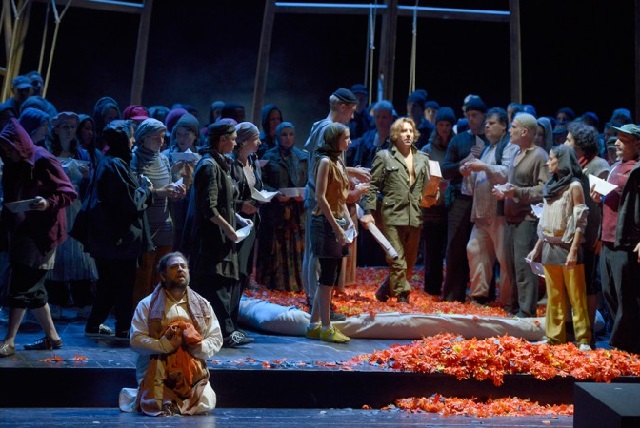
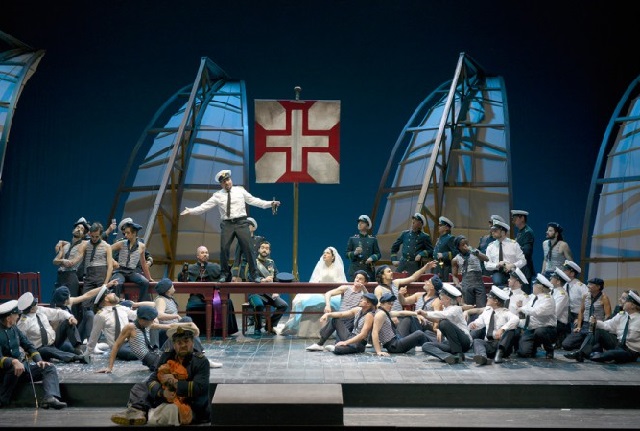
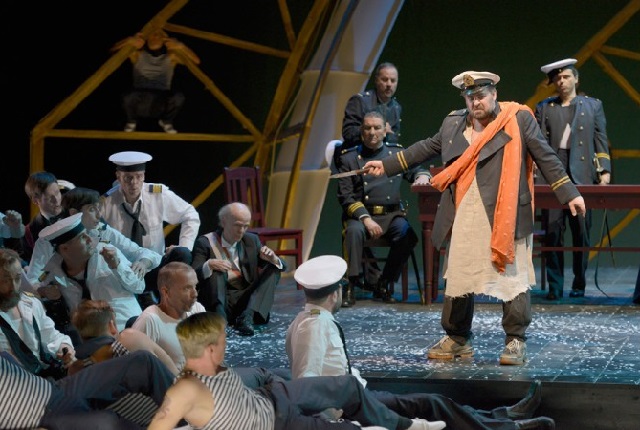
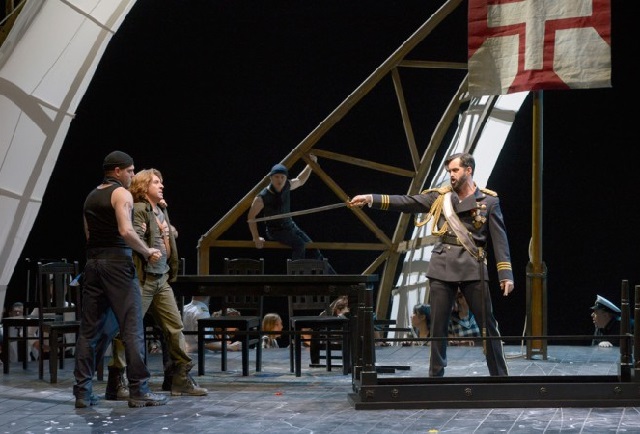
Barely a month separates the premieres of Giacomo Meyerbeer’s last opera VASCO DA GAMA and Wagner’s TRISTAN, yet while TRISTAN was quickly hailed as a ground-breaking work, VASCO was long dismissed as a late example of an art form – grand opéra – that had already had its day. It did not help that the path from idea to completion had been a complex one: following the composer’s death prior to the world premiere, his opus ultimum was aired not only under the misnomer of L’AFRICAINE – referring to an earlier version of the story – but also with a raft of alterations and cuts made to the libretto and music.

vasco4

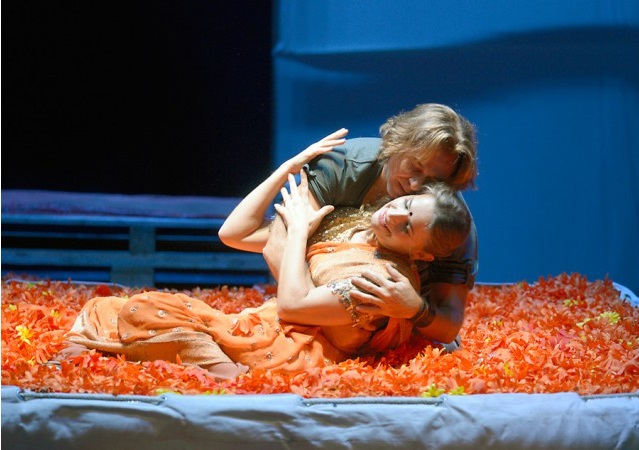
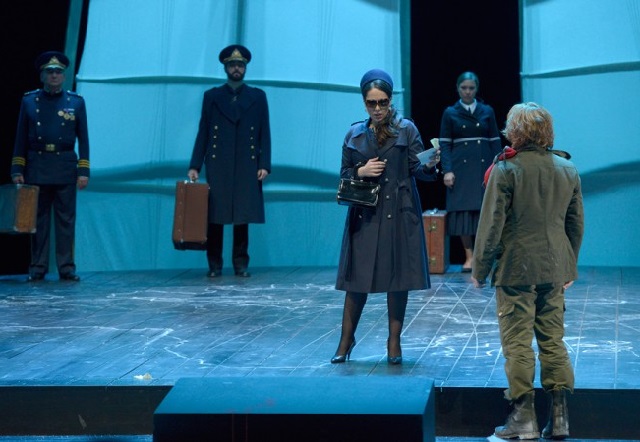
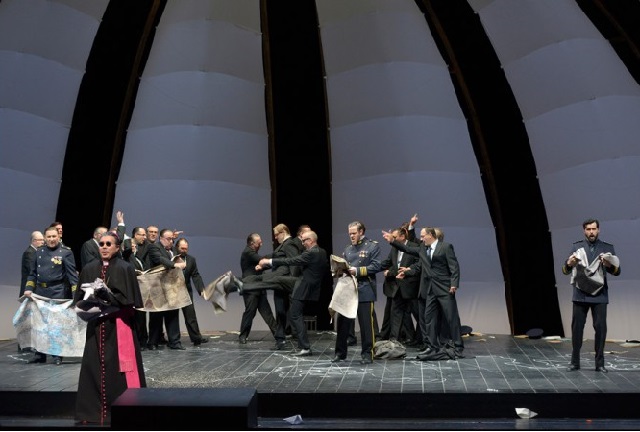
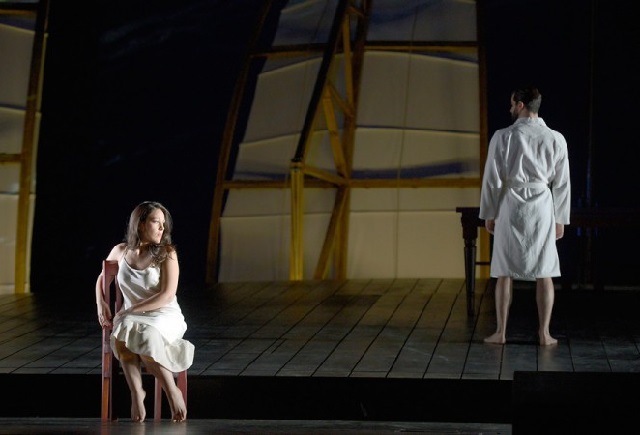
It was not until the appearance of the critical edition of the work, first performed only 3 years ago, that VASCO DA GAMA was rehabilitated as a worthy counterpart to the musical dramas of Wagner and Verdi. As he had done in the LES HUGUENOTS, Meyerbeer uses the tools afforded by grand opéra to show individual happiness being dashed on the rocks of social and religious notions. The central character in VASCO is not the Portuguese explorer, who still gets to sing one of opera’s greatest tenor arias, but in fact the Indian Queen Selica. She is the only figure who is not hostile or prejudiced towards people from different countries and religions, and she becomes a victim of her unrequited love for Vasco.

vasco5

Vera Nemirova directs the new production of VASCO DA GAMA, the first in a cycle of major Meyerbeer operas being staged at the Deutsche Oper Berlin. Nemirova has previously directed Puccini’s THE GIRL OF THE GOLDEN WEST at the Deutsche Oper Berlin and is one of the most accomplished female directors of musical theatre of her generation. The conductor will be Enrique Mazzola, who recently triumphed in the Berliner Philharmonie with his concert performance of Meyerbeer’s DINORAH.

vasco6

Kindly supported by LOTTO-Stiftung Berlin
Presented by Wall AG, kulturradio vom rbb and tip Berlin

vasco7 vasco9

vasco10vasco15vasco16vasco17vasco19vasco21

Photos Vasco da Gama © 2015, Bettina Stöß

Posted in OPera | Tagged , | Leave a comment

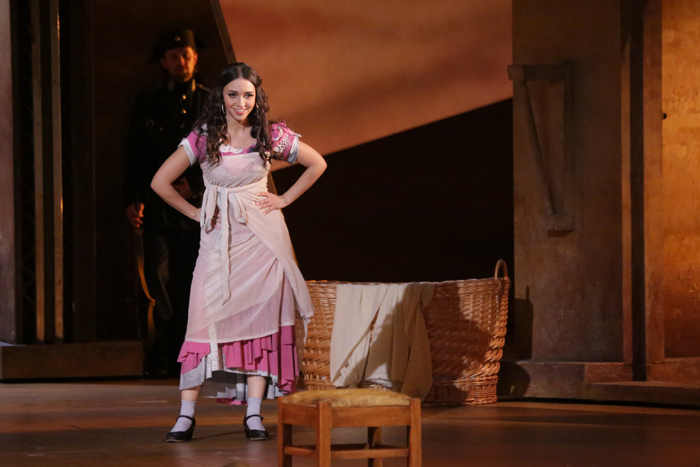
GIOACCHINO ROSSINI’s “Semiramide” in Marseille

 operamarseillelogoSemiramide

GIOACCHINO ROSSINI

Sunday October 18th, 2015 > 2:30PM
Wednesday October 21st, 2015 > 8:00PM
Saturday October 24th, 2015 > 8:00PM
Tuesday October 27th, 2015 > 8:00PM

Simultaneously stunning and majestic, this score reveals yet another element of the Rossini genius


Visu-Semiramide

SEMIRAMIDE

Opera in 2 acts
Libretto by Gaetano ROSSI,
from Sémiramis by VOLTAIRE
First performed in Venice, Teatro La Fenice, on February 3rd, 1823
First performed at Marseille Opera, on May 25th, 1997

CONCERT VERSION

Conductor Giuliano CARELLA

CAST

Semiramide Jessica PRATT
Arsace Varduhi ABRAHAMYAN
Assur Mirco PALAZZI
Idreno David ALEGRET
Le fantôme de Nino / Oroe Patrick BOLLEIRE
Mitrane Samy CAMPS

Marseille Opera Orchestra and Chorus
Posted in OPera | Tagged , , , | Leave a comment

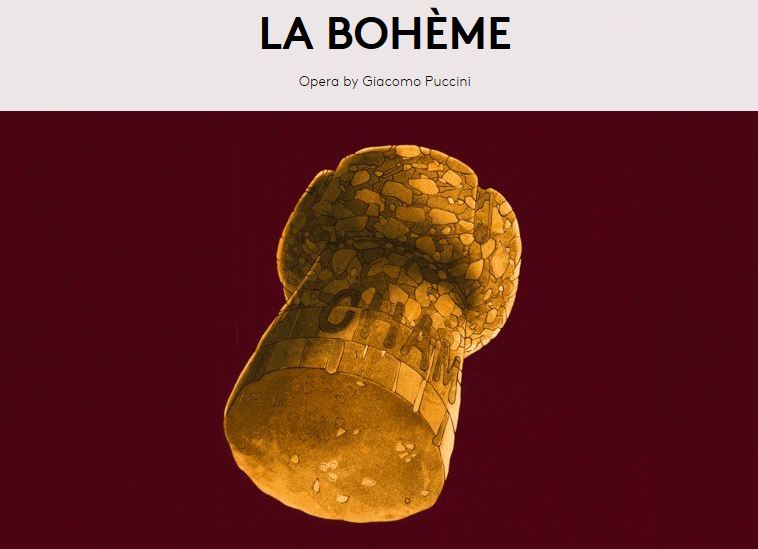
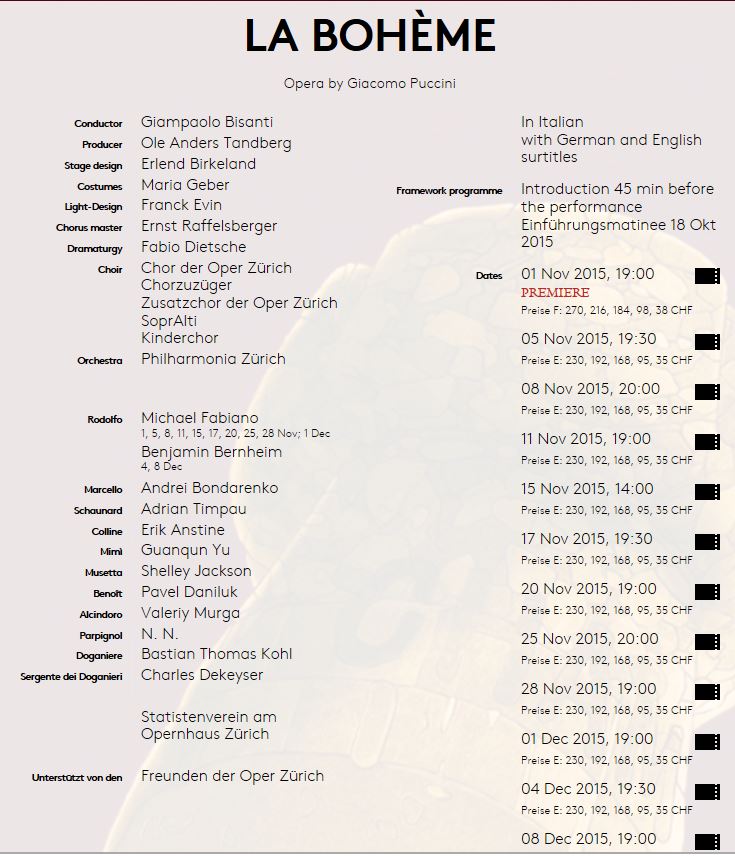
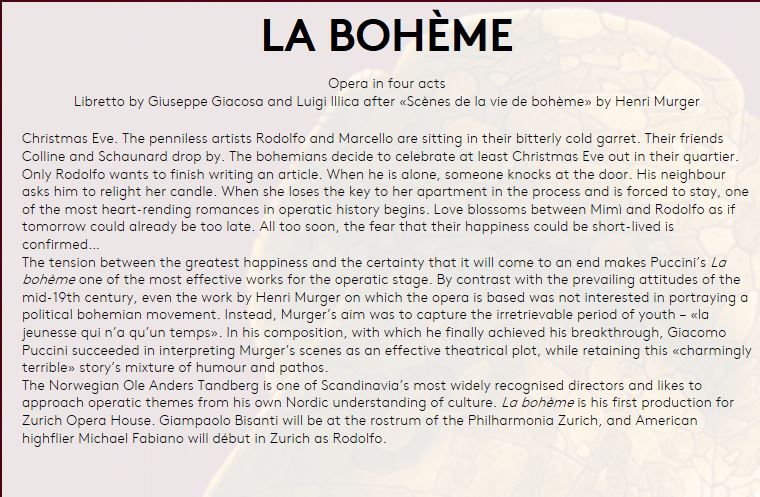
La Boheme in Zurich

logo_operhaus_zurichzurich_bohemetitle

zurich_bohemezurich_boheme1

Posted in OPera | Tagged , , , | Leave a comment

San Francisco Opera premieres the Magic Flute

sanfranciscologoMagicFlute_med_1

PERFORMANCE PREMIERE

Tue 10/20/15 7:30pm

magicflute1Flute_Web1_P

magiccast

MagicFlute_med_2 MagicFlute_med_4

magicsynopsis


Posted in OPera | Tagged , , | Leave a comment

Lucia di Lammermoor in Berlin

luciatitle

Gaetano Donizetti (1797 – 1848)

Dramma tragico in 3 acts
Libretto by Salvatore Cammarano
First preformed on 26th September 1835 at Naples
Premiered at the Deutsche Oper Berlin on 15th December 1980

In Italian with German and English surtitles

deutschelogo

Fri 16. October 2015 19:30h
Wed 21. October 2015 19:30h
Sun 1. May 2016 18:00h
Wed 4. May 2016 19:30h

lucia4

Cast
Conductor Daniel Cohen
Director, Stage-design, Costume-design Filippo Sanjust
Choir Conductor Thomas Richter

Enrico Marco Caria
Dalibor Jenis (01.05.2016 | 04.05.2016)

Lucia Pretty Yende
Hulkar Sabirova (01.05.2016 | 04.05.2016)

Edgardo Yosep Kang
Ismael Jordi (01.05.2016 | 04.05.2016)

Arturo Attilio Glaser
Matthew Newlin (01.05.2016 | 04.05.2016)

Raimondo Marko Mimica
Nicolas Testé (01.05.2016 | 04.05.2016)

Alice Irene Roberts
Annika Schlicht (01.05.2016 | 04.05.2016)

Normanno Jörg Schörner

Chorus Chor der Deutschen Oper Berlin

Orchestra Orchester der Deutschen Oper Berlin

Information

lucia3Enrico wishes to marry off his sister Lucia to the mighty Lord Arturo Bucklaw in order to save himself from ruin. Lucia has sworn eternal loyalty to Edgardo Ravenswood, Enrico’s mortal foe, who is citing ancient laws in support of his claim as the rightful owner of Enrico’s lands. Enrico forges a letter in which Edgardo is accused of infidelity and Lucia held responsible for the family ruin. Enrico manages to persuade Lucia to marry Lord Bucklaw. Edgardo appears at the wedding and curses Lucia. She kills her husband. Edgardo challenges Enrico to a duel. Lucia is stricken by a madness that leads to her death. Upon hearing the death knell Edgardo stabs himself.

lucia10

Based on Sir Walter Scott’s famous novel of 1819 The Bride of Lammermoor, this is perhaps Donizetti’s most popular tragic opera. In his libretto Salvatore Cammarano has chosen a radical path: not only has he relegated the politics of the conflict between the Ashtons and Ravenswoods to the background, and reduced the preceding events to hints in the dialogue; he has also limited the complex entanglement of relationships in the novel to the conflicts between Enrico Ashton, his sister Lucia and her lover Edgardo.

lucia11

Director and set designer Filippo Sanjust’s production is set around the period that the work was written (1835). An interim curtain depicting a billowing royal blue curtain and the ghostly, fluttering dress of a girl is the device used to suggest the romantic theatrical space. The stage images remind us of reprint editions of ancient tomes. The black costumes, red sashes, white collars, plumes and gauntlets of the Scotsmen form an opulent contrast and a befitting frame for one of the major works of Italian bel canto.

lucia2

It was Maria Callas who gave a new lease of life to the works of Donizetti, works that had also been neglected in Italy. We know Callas’ intense, vibrato-free expression of feeling from vinyl recordings. Just as she did for many roles in the high dramatic Coloratura genre, Callas set a benchmark for the interpretation of Lucia.

lucia9


Extreme passions dictate the actions of the protagonists – on the one hand Enrico’s hatred of Edgardo (Cavatina “Cruda … funesta smania’” Act 1), and of Lucia, who opposes his plans; on the other hand Lucia’s love for Edgardo (Cavatina “Regna nel silenzio”, Act 1). That this love will be Lucia’s downfall is masterfully portrayed by Donizetti’s music: the same Coloratura that describes how overwhelmed she is by love in Act 1 become indicators of her madness in her insanity aria at the climax of the opera.

lucia5

Another moment of high emotional drama comes in the sextet “Chi mi frena in tal momento” in Act 2. Giacomo Puccini wrote: “In one respect we Italians surpass the German composers: we are capable of expressing immeasurable sadness in the Major Key. Edgardo and Lucia are in despair, so much so that Lucia finally goes mad and Edgardo commits suicide; and what do we find in the vocal part? Sugared plums! Honeyed sweetness! – Although Lucia is singing: “I have been abandoned by heaven and earth! I would cry, but there are no tears for me. Desperation consumes my heart.” This sextet is rightfully seen as the most famous ensemble melody ever written for an opera – it is a polyphonic masterpiece …”

lucia8

Photos: © Bettina Stöß; Kontakt: bettina@moving-moments.de / StoessBetti@gmx.de

Accompanying Programme

Pre-performance lecture (in German): 45 minutes prior to each performance

Posted in OPera | Tagged , | Leave a comment

Il barbiere di Siviglia in Vienna (watch it on livestreaming on October 3rd)

logo_ViennaBarbiereTotale

Il barbiere di Siviglia

Gioachino Rossini

03. Oct. 2015 | 19.30

  • Guillermo García Calvo |Conductor
  • Günther Rennert | Staging concept
  • Richard Bletschacher | Director
  • Alfred Siercke | Production design

CAST

  • Javier Camarena | Graf Almaviva
  • Wolfgang Bankl | Bartolo
  • Angela Brower | Rosina
  • Christopher Maltman | Figaro
  • Ryan Speedo Green | Basilio
Press the button to watch the opera on livestreaming

Press the button to watch the opera…


IlBarbiereDiSiviglia_2 IlBarbiereDiSiviglia_3 IlBarbiereDiSiviglia_4

Synopsis

Place: Seville, Spain    Time: 18th century

Act 1

The square in front of Bartolo’s house

In a public square outside Bartolo’s house a band of musicians and a poor student named Lindoro are serenading, to no avail, the window of Rosina (“Ecco, ridente in cielo”; “There, laughing in the sky”). Lindoro, who is really the young Count Almaviva in disguise, hopes to make the beautiful Rosina love him for himself—not his money. Almaviva pays off the musicians who then depart, leaving him to brood alone. Rosina is the young ward of the grumpy, elderly Bartolo and she is allowed very little freedom because Bartolo plans to marry her, and her not inconsiderable dowry, himself – once she is of age.

Figaro approaches singing (Aria: “Largo al factotum della città”; “Make way for the factotum of the city”). Since Figaro used to be a servant of the Count, the Count asks him for assistance in helping him meet Rosina, offering him money should he be successful in arranging this. (Duet: “All’idea di quel metallo”; “At the idea of that metal”). Figaro advises the Count to disguise himself as a drunken soldier, ordered to be billeted with Bartolo, so as to gain entrance to the house. For this suggestion, Figaro is richly rewarded.

A room in Bartolo’s house with four doors

The scene begins with Rosina’s cavatina, “Una voce poco fa” (“A voice a little while ago”). (This aria was originally written in the key of E major, but it is sometimes transposed a semitone up into F major for coloratura sopranos to perform, giving them the chance to sing extra, almost traditional, cadenzas, sometimes reaching high Ds or even Fs.)

Knowing the Count only as Lindoro, Rosina writes to him. As she is leaving the room, Bartolo and Basilio enter. Bartolo is suspicious of the Count, and Basilio advises that he be put out of the way by creating false rumours about him (this aria, “La calunnia è un venticello” – “Calumny is a little breeze” – is almost always sung a tone lower than the original D major).

When the two have gone, Rosina and Figaro enter. Figaro asks Rosina to write a few encouraging words to Lindoro, which she has actually already written. (Duet: “Dunque io son…tu non m’inganni?”; “Then I’m the one…you’re not fooling me?”). Although surprised by Bartolo, Rosina manages to fool him, but he remains suspicious. (Aria: “A un dottor della mia sorte”; “To a doctor of my class”).

As Berta, the Bartolo housekeeper, attempts to leave the house, she is met by the Count disguised as an intoxicated soldier. In fear of the drunken man, she rushes to Bartolo for protection and he tries to remove the supposed soldier, but does not succeed. The Count manages to have a quick word with Rosina, whispering that he is Lindoro and passing her a letter. The watching Bartolo is suspicious and demands to know what is in the piece of paper in Rosina’s hands, but she fools him by handing over her laundry list. Bartolo and the Count start arguing and, when Basilio, Figaro and Berta appear, the noise attracts the attention of the Officer of the Watch and his men. Bartolo believes that the Count has been arrested, but Almaviva only has to whisper his name to the officer and is released right away. Bartolo and Basilio are astounded, and Rosina makes fun of them. (Finale: “Fredda ed immobile, come una statua”; “Cold and still, just like a statue”).

Act 2

A room in Bartolo’s house with a piano

Almaviva again appears at the doctor’s house, this time disguised as a singing tutor and pretending to act as substitute for the supposedly ailing Basilio, Rosina’s regular singing teacher. Initially, Bartolo is suspicious, but does allow Almaviva to enter when the Count gives him Rosina’s letter. He describes his plan to discredit Lindoro whom he believes to be one of the Count’s servants, intent on pursuing women for his master. Figaro arrives to shave Bartolo. Bartolo demurs, but Figaro makes such a scene he agrees, but in order not to leave the supposed music master alone with Rosina, the doctor has Figaro shave him right there in the music room. When Basilio suddenly appears, he is bribed by a full purse from Almaviva and persuaded to leave again, with much discussion of how ill he looks. (Quintet: “Don Basilio! – Cosa veggo!”; “Don Basilio! – What do I see?”). Figaro begins to shave Bartolo, but Bartolo overhears the lovers conspiring. He drives everybody away.

The scene returns to the location of act 1 with a grill looking out onto the square. Bartolo orders Basilio to have the notary ready to marry him to Rosina that evening. He also explains his plot to come between the lovers. Basilio leaves and Rosina arrives. Bartolo shows Rosina the letter she wrote to “Lindoro”, and persuades her that this is evidence that Lindoro is merely a flunky of Almaviva. Rosina believes him and agrees to marry him.

The stage remains empty while the music creates a thunder storm to indicate the passage of time. The Count and Figaro climb up a ladder to the balcony and enter the room through a window. Rosina shows Almaviva the letter and expresses her feelings of betrayal and heartbreak. Almaviva reveals his identity and the two reconcile. While Almaviva and Rosina are enraptured by one another, Figaro keeps urging them to leave. Two people are heard approaching the front door, who later turn out to be Basilio and the notary. However, when the Count, Rosina, and Figaro attempt to leave by way of the ladder, they discover it has been removed. The Count quickly gives Basilio the choice of accepting a bribe and being a witness to his marriage or receiving two bullets in the head (an easy choice, Basilio says). He and Figaro witness the signatures to a marriage contract between the Count and Rosina. Bartolo barges in, but is too late. The befuddled Bartolo (who was the one who had removed the ladder) is pacified by being allowed to retain Rosina’s dowry.   (From Wikipedia.org)

Posted in OPera | Tagged , , , , | Leave a comment

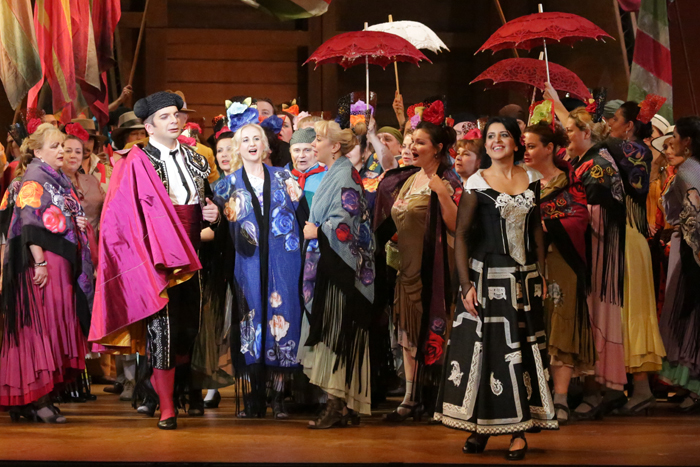
Lucia di Lammermoor at the San Francisco Opera with Nicola Luisotti conducting…
lucia1

PERFORMANCES

Lucia_Web1-1_PThu 10/8/15 7:30pm

Sun 10/11/15 2:00pm

Tue 10/13/15 7:30pm

Fri 10/16/15 7:30pm


Lucia_Web2_P

Wed 10/21/15 7:30pm

Sat 10/24/15 7:30pm

Wed 10/28/15 7:30pm


luciacast

Lucia_Web3_Pluciasynopsis

The conductor Nicola Luisotti

The conductor Nicola Luisotti


Posted in OPera | Tagged , , | Leave a comment

Wagner’s Das Rheingold (The Rhinegold) in Tokyo

tokyo_logo

Das Rheingold (The Rhinegold)

1 Oct. – 17 Oct., 2015

bunkacho_geijutsusai_symbolmark.gifThe 70th National Arts Festival by the Agency for Cultural Affairs presents:

das_rheingold1Das Rheingold is Artistic Director IIMORI Taijiro’s first production for the second season. WAGNER spent 26 years of his life composing the four-part music drama, Der Ring des Nibelungen (The Ring of the Nibelung), and this work comprises the first part of it. The libretto, written by WAGNER himself, took its theme from the German Nibelungenlied (The Song of the Nibelungs)and Nordic myths.
The opera was directed by the internationally famous Götz FRIEDRICH, who was general director at the Deutsche Oper Berlin for nineteen years. This 1996 production is one from the last years of FRIEDRICH’s life, and was staged at the Finnish National Opera, Helsinki. The opera is sung by tried and true performers such as Jukka RASILAINEN, playing Wotan, and Stephen GOULD, playing Loge. It is conducted by Artistic Director of Opera, IIMORI Taijiro.
das_rheingold

Staff

Conductor IIMORI Taijiro 1

Production Götz FRIEDRICH 2

Scenery and Costume Design Gottfried PILZ

Lighting Design Kimmo RUSKELA

ph_Iimori_en.jpg
1
ph_Friedrich_en.jpg
2

rheigoldCastTokyo

Cast

Wotan Jukka RASILAINEN 3

Donner KURODA Hiroshi 4

Froh KATAYOSE Junya

Loge Stephen GOULD 5

Fasolt TSUMAYA Hidekazu 6

Fafner Christian HÜBNER 7

Alberich Thomas GAZHELI 8

Mime Andreas CONRAD 9

Fricka Simone SCHRÖDER 10

Freia ANDO Fumiko 11

Erda Christa MAYER 12

Woglinde MASUDA Noriko

Wellgunde IKEDA Kaori

Flosshilde SHIMIZU Kasumi

Orchestra Tokyo Philharmonic Orchestra

scheduletokyo1

SYNOPSIS

Scene 1

The Rhinemaidens Woglinde, Wellgunde and Floßhilde are enjoying themselves in their element. Floßhilde is the only one who reminds them that they are actually guarding the Rhine gold. The Nibelung Alberich approaches the three maidens, full of longing for love and tenderness, but is scorned and rejected by them.

Alberich, between reeling with anger and swooning with increasing desire, has no idea of what he has seen when his eye is caught by the glint of gold in the light of the rising sun. But then Wellgunde reveals the deep, dark secret: anyone who fashions the gold into a ring will make himself ruler of the world, but only if he renounces love beforehand. Alberich has an outrageous idea: with such power he could perhaps not force somebody to love him but certainly to indulge his desires. He does what has previously been unthought of – he curses love and steals the gold.

Scene 2

Wotan has had the giants Fasolt and Fafner build the castle of Valhalla, from which he plans in future to order and rule the world. To pay for it he has promised to give the giants his sister-in-law Freia.

The castle is finished. Wotan attempts to stall the proceedings and calm his wife Fricka, who is worried about her sister. He has no intention of paying the price demanded. The giants insist that the contract should be honoured.

Loge, the God of Fire, whom Wotan has sent into the world to look for an equivalent form of payment instead of Freia, returns empty-handed. Nobody on earth can think of anything more valuable than happiness the love of a woman can give. Loge reports that he has heard of one person only, Alberich, who is said to have renounced love in order to forge a ring out of the Rhine gold. With the help of this ring he is said to have made himself ruler of his people, through whom he can get ever more gold from the depths, with the help of which Alberich seeks to rule the world.

The news about the gold and the ring arouses everyone’s interest. Fafner suggests a deal: Wotan should use Alberich’s gold as a ransom for Freia. The giants grant Wotan an extra day. As they leave with Freia as their hostage the Gods begin to wilt: it was the apples which Freia tended that had given them eternal youth. Wotan must act: accompanied by Loge he descends to Nibelheim.

Scene 3

Driven by Alberich’s brutality, the Nibelungs are extracting ever more gold and piling it up in a huge hoard. Alberich has had his brother Mime make a magic helmet, the wearer of which can assume any shape he chooses.

Alberich uses this invisibility to terrorize those he has subjugated. Wotan and Loge find Mime, who has been beaten and confides in the strangers, willingly revealing to them the secret of the helmet. Sure of his victory, Alberich tells the unbidden guests his plans for the future: he will seduce everybody with his gold and thus also conquer the gods.

Loge cunningly turns the conversation to the subject of the helmet. When he voices doubt about its powers, Alberich shows off by performing all his tricks: he first turns into a serpent, then into a toad. Wotan and Loge overpower him in this guise and abduct him from Nibelheim.

Scene 4

In order to buy his release, Alberich is forced to hand over the Nibelung hoard to Wotan. But Wotan is not satisfied with this and demands the ring as well. Alberich does not want to part with this at whatever cost and Wotan tears the ring from Alberich’s finger.

Once released, Alberich curses the ring: everyone will be envious of it and want to possess it, but instead of being of use to whoever possesses it, it will only bring sorrow, misfortune and death.

A space the height and width of Freia is measured out and the Nibelung hoard is piled up to match it, but the giants do not want to let Freia go until the ring is also in their possession. Urged on by the other gods Wotan refuses, but the wise old goddess Erda manifests herself out of the depths and appeals to his conscience: she warns him against the curse-laden ring and whispers secret things about an end in disaster. Disturbed by her appearance, Wotan hands over the ring and buys Freia’s freedom. Fafner quarrels with his brother about the ring and kills him.

Freia’s brothers Donner and Froh use magic to influence the weather and dispel the oppressive atmosphere. The gods enter Valhalla in a solemn procession. Loge prophesies their end in disaster. The Rhinemaidens can scarcely be heard as they call for justice from the depths.

The unsullied enchantment of E-flat major harmonies in the initial bars of Das Rheingold doesn’t last very long. Instead, a world comes into being; a world that fifteen hours of music later will be unable to stave off its own downfall. In this world, nature is violated, and laws are ignored. Greed, power and malediction are the order of the day. Alberich steals the gold from the Rhine Maidens, enslaves his workers and revels in the sweet smell of world domination. Wotan claims it for himself and joins forces with Loge to make off with the ring, the gold and the magic helmet. His construction project is envisioned as the foundation of existence for his family of gods – his wife objects. He must part with the accursed ring as payment to the two giants. Seething with envy, one giant murders the other. The glow of the gods’ castle first gleams after the tempest, but Loge sees the castle already headed for ruin. The threads of the tale get tangled in this eve of the tetralogy, the water loses its sheen, and the clouds are shrouded in darkness.

Posted in OPera | Tagged , , | Leave a comment