
Falstaff in Berlin

FALSTAFF

falstaff4

deutscheGiuseppe Verdi (1813 – 1901)

Commedia lirica in three acts
Libretto by Arrigo Boito, based on William Shakespeare’s „The Merry Wives of Windsor“

First performed on 9. February, 1893 at Milan
Premiered at the Deutsche Oper Berlin on 17. November, 2013

In Italian language with German and English surtitles

falstaff2

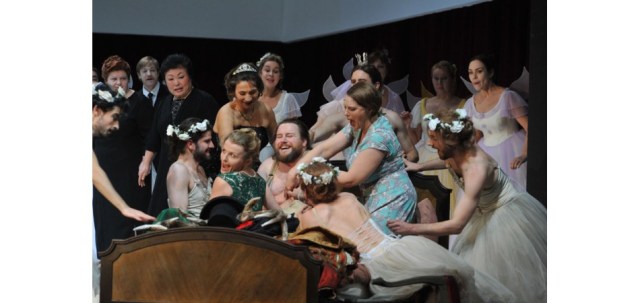
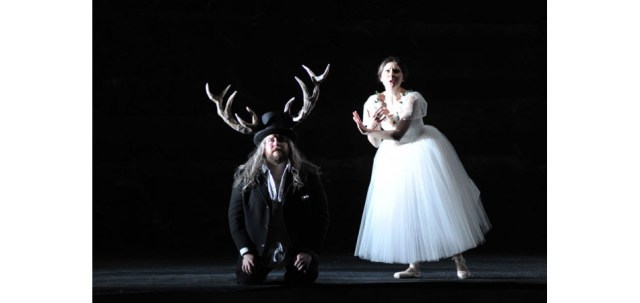
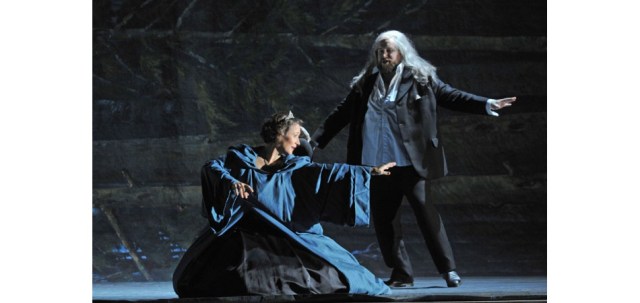
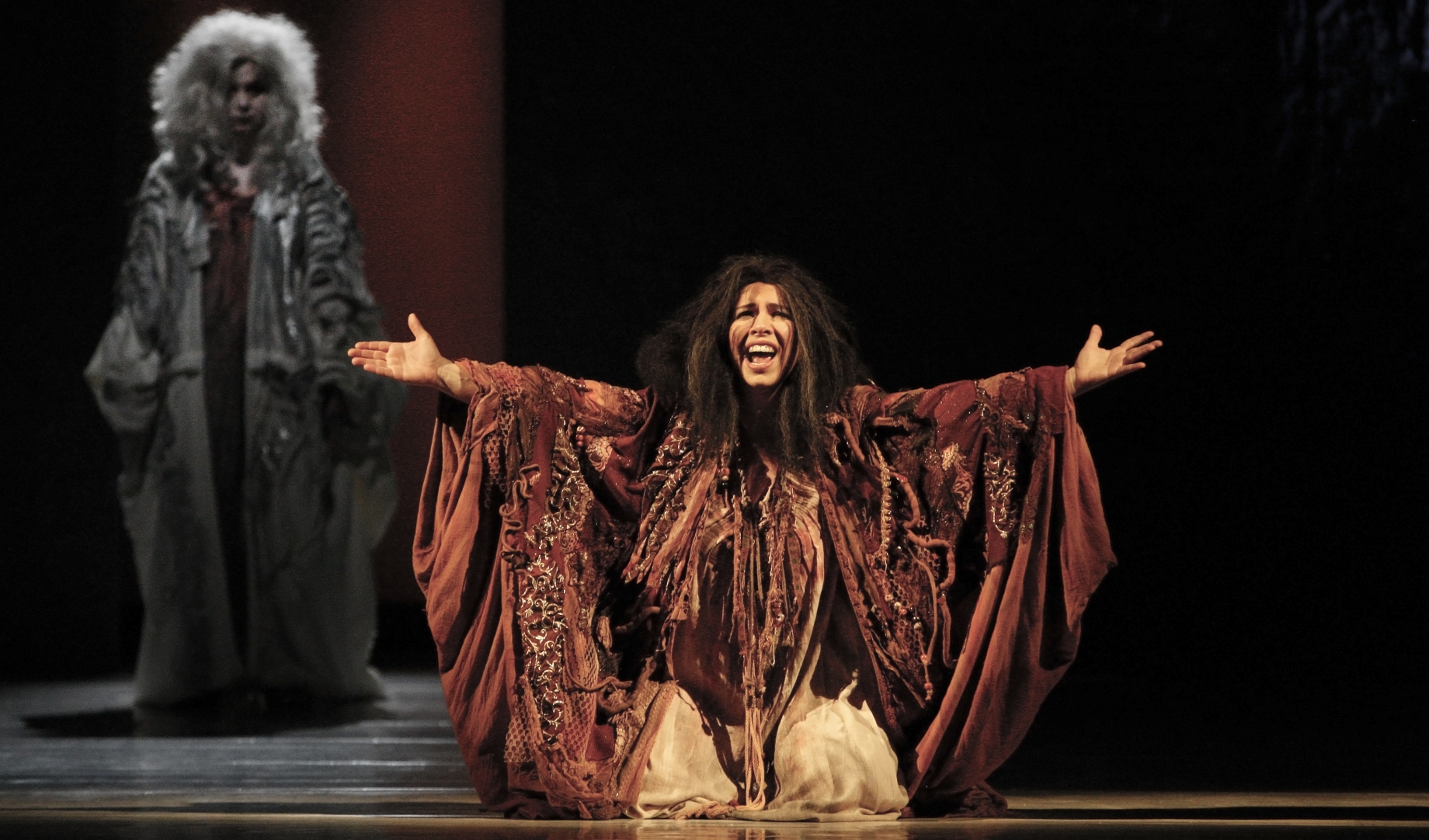
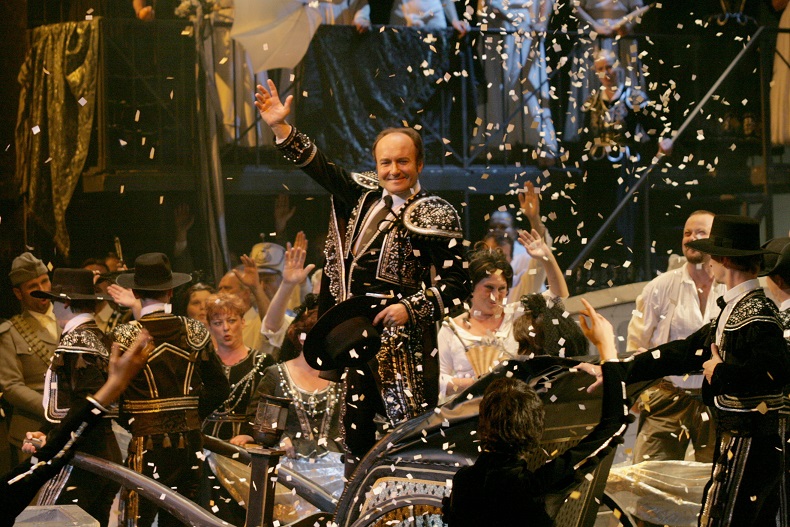
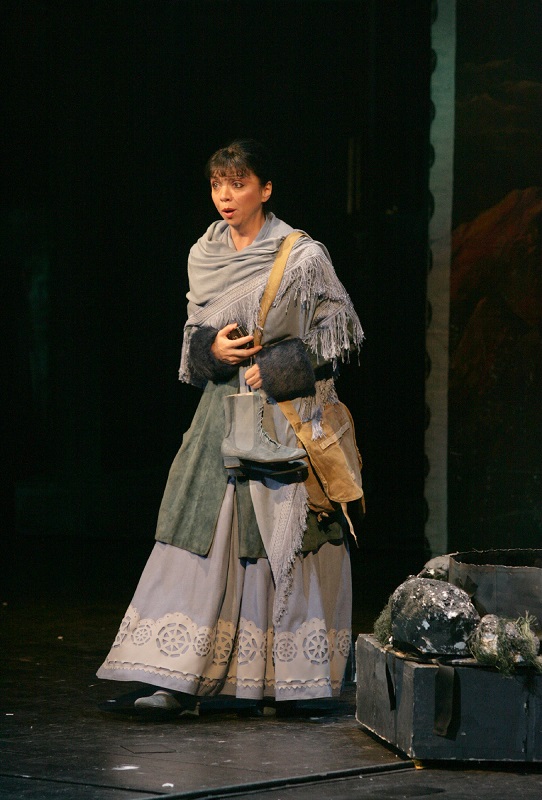
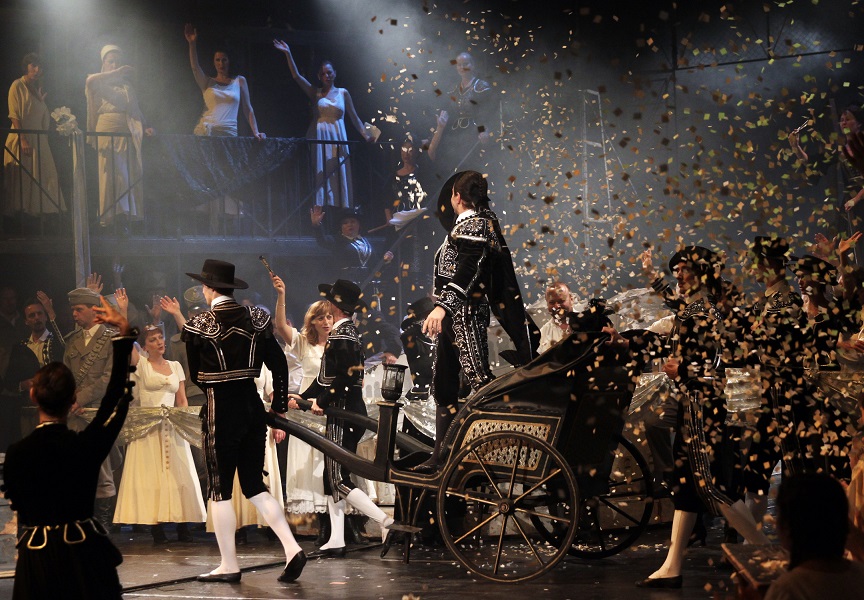
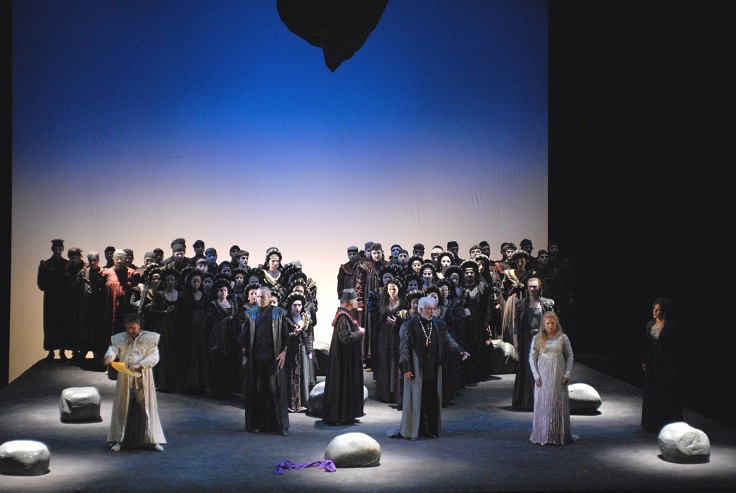
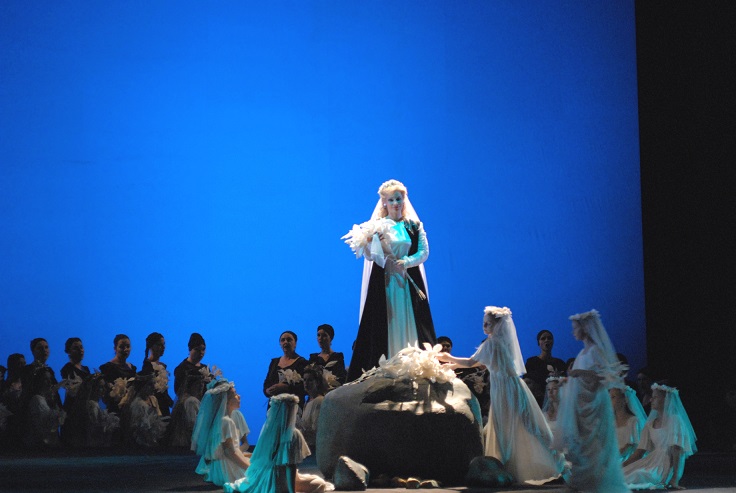
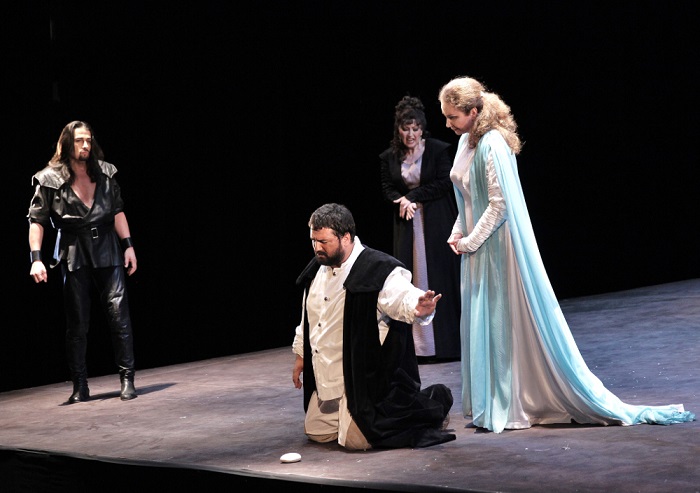
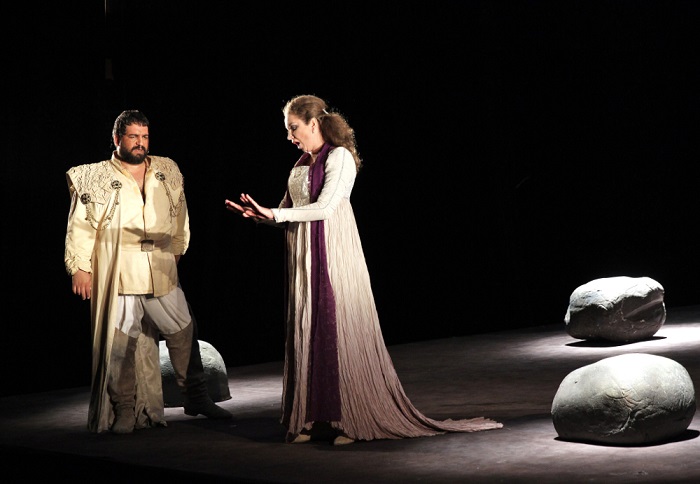
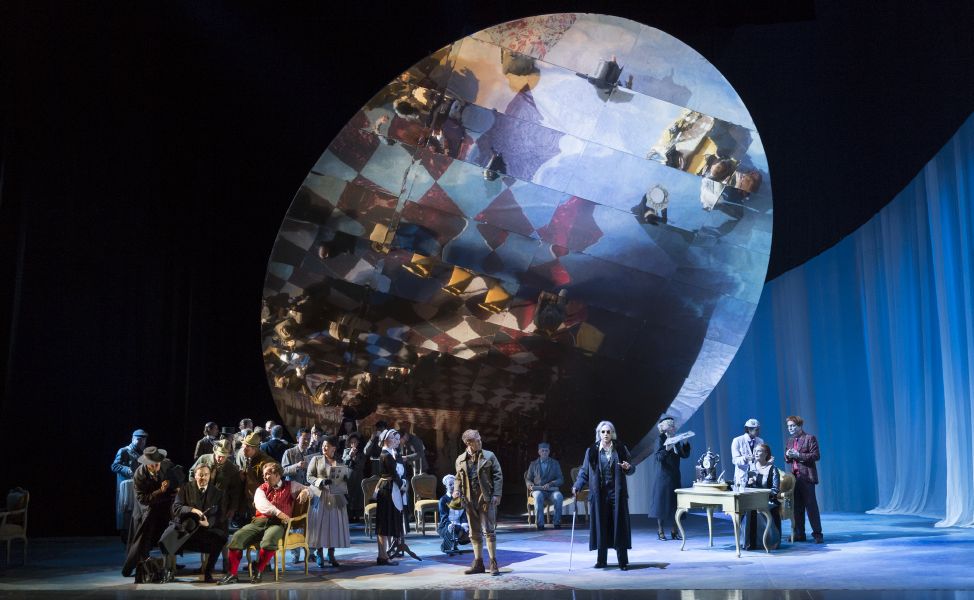
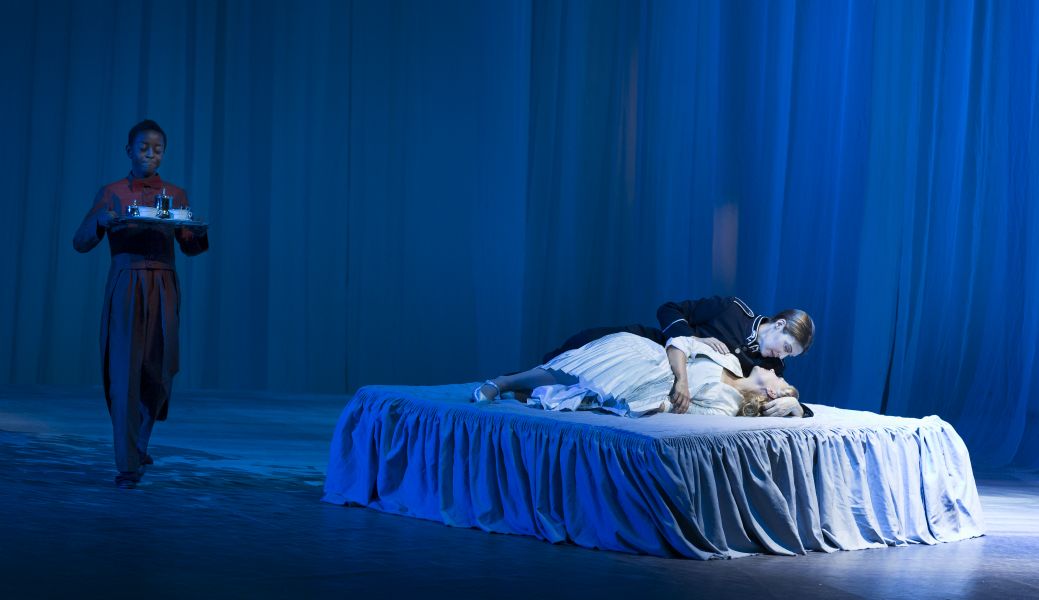
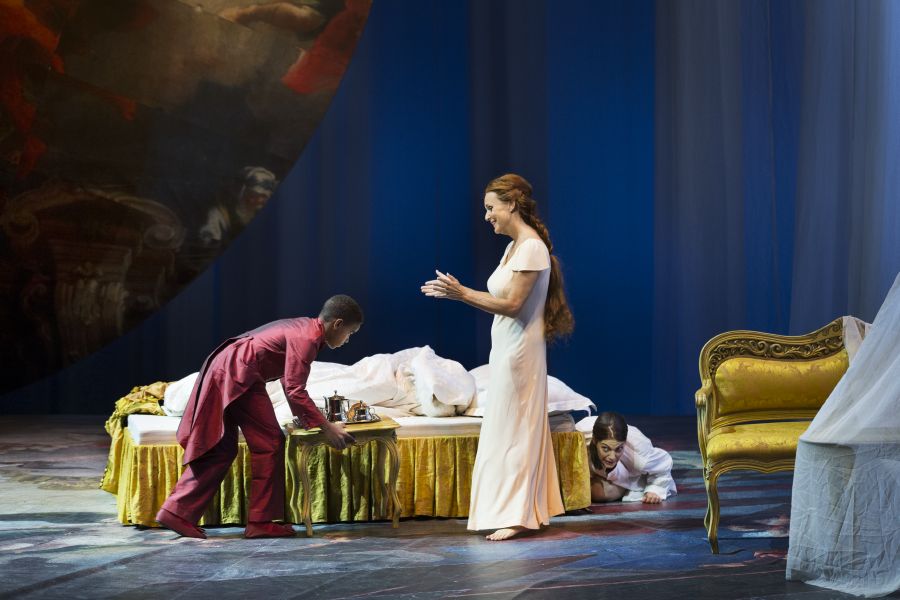
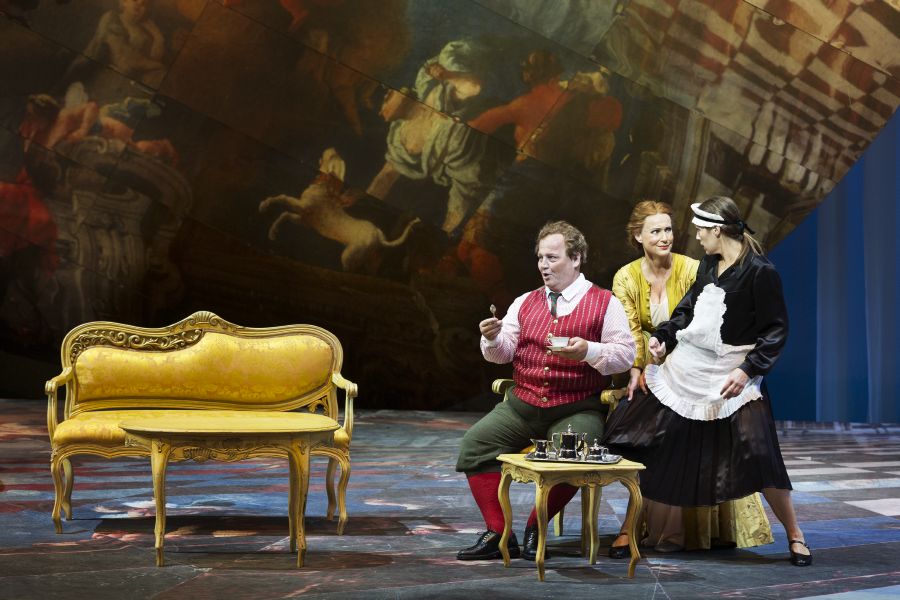
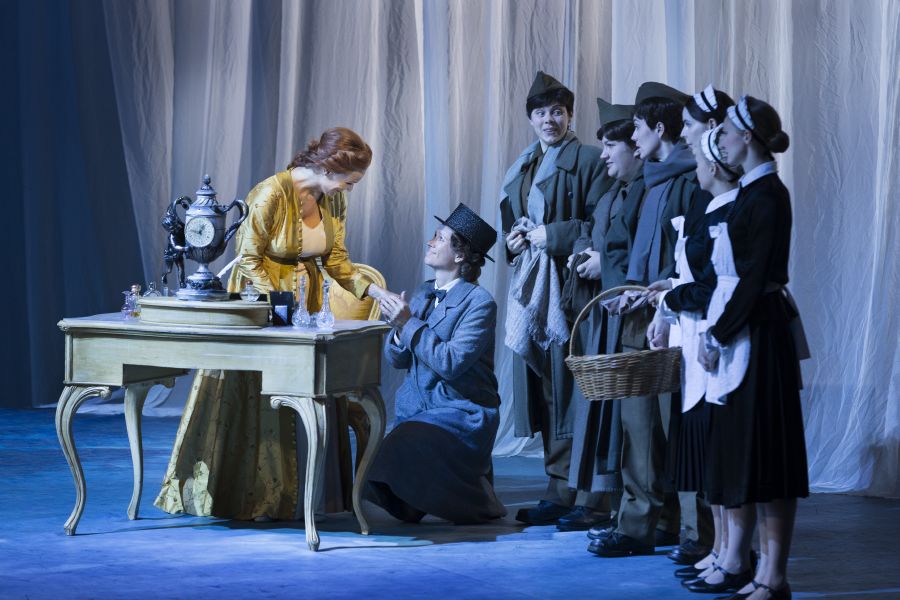
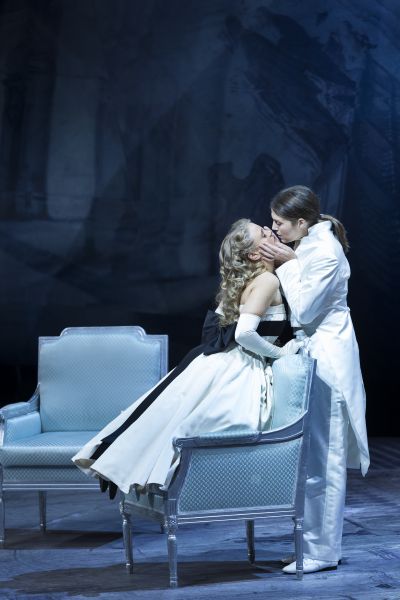
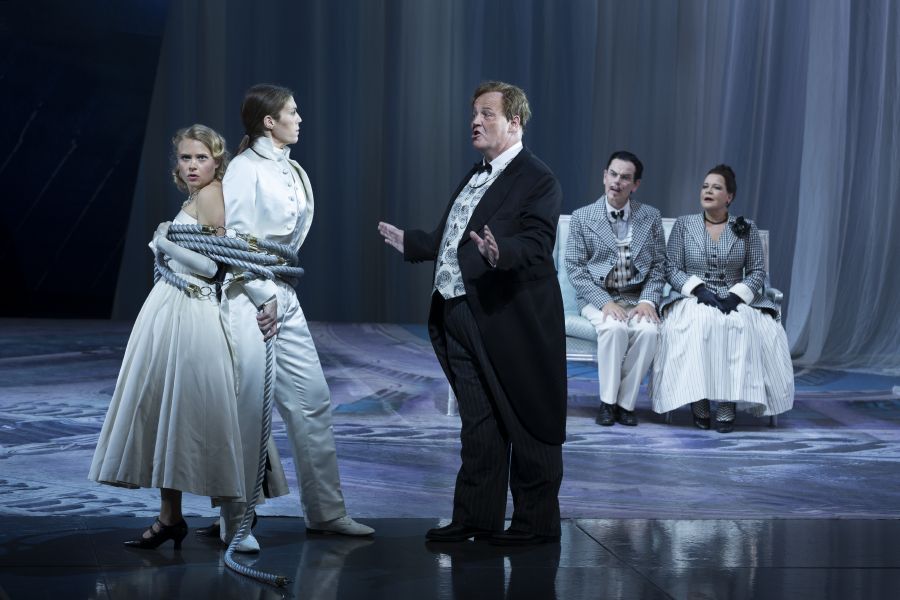
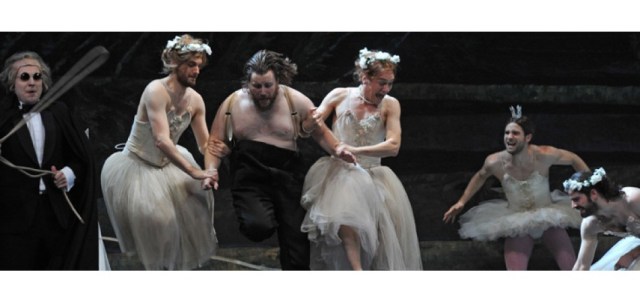
Just as Shakespeare’s comedies never get bogged down in tattiness but always explore the sadness and loneliness behind the mask of tomfoolery, so too is Verdi’s late work, FALSTAFF, much more than a light-hearted run-around. Basing his FALSTAFF on the Bard’s “Merry Wives of Windsor” and “Henry IV”, Verdi created one of the quirkiest scores of the 19th century, one that takes the theatre itself as the central theme of the piece.

falstaff3

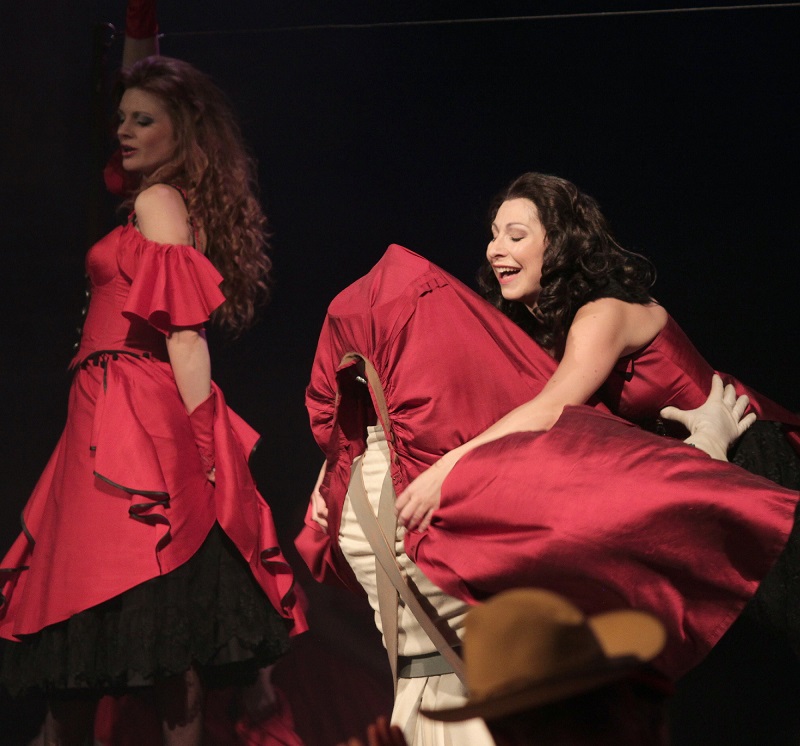
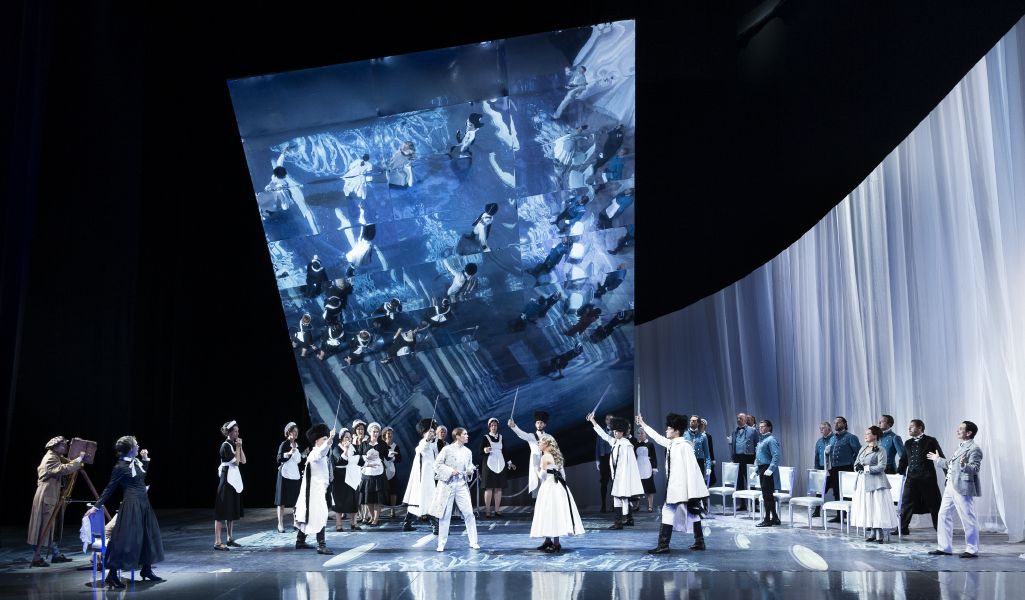
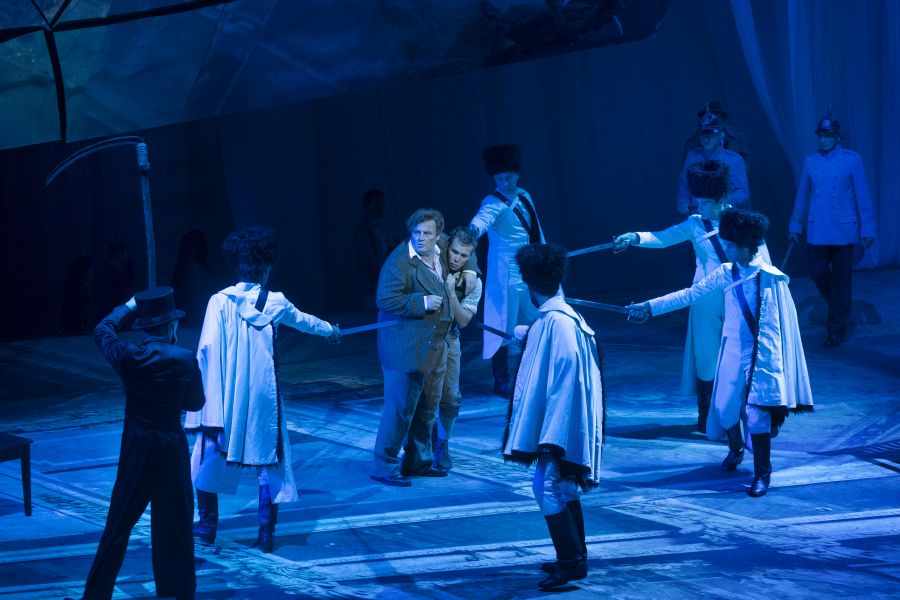
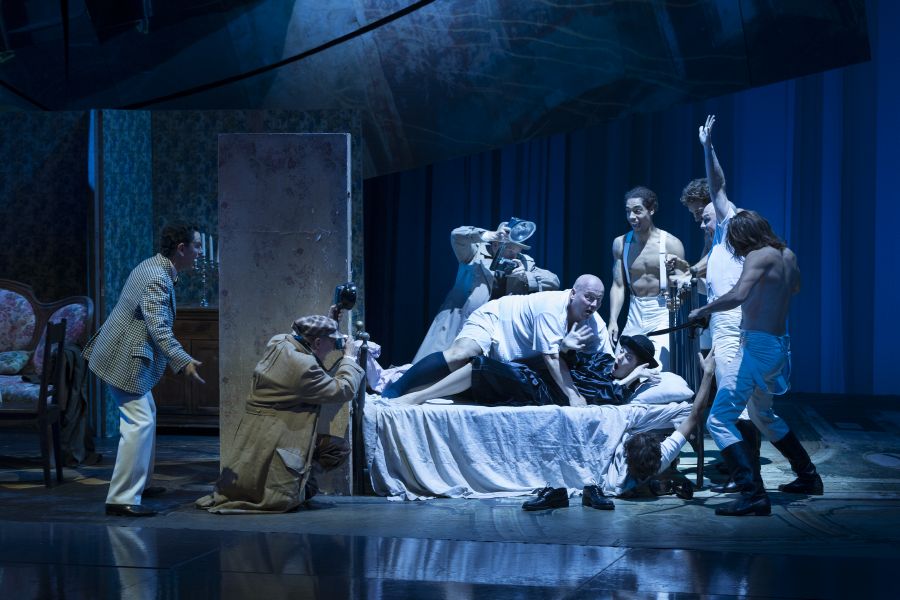
Society repeatedly equates a Falstaff encounter with an open season for lies and masquerades. The story presents us with a pretend rendezvous, a husband disguised as a spy and a collective ghost staged in a park at night. Falstaff is the individualistic outsider stirring up the comfortable status quo with his otherness and inducing the bourgeoisie to act, to produce theatre, to be anarchical.

falstaff5

Verdi penned FALSTAFF around the time that he was setting up his “Casa Verdi” home for retired musicians in Milan. The opera is at once a testimony to the youthfulness and experience of a composer shortly before his 80th birthday. The work deals with the ageing process and touches on issues such as loneliness and depression. Ever present, however, is the spirit of the closing fugue: “Tutto nel mondo è burla. / Everything in the world is but a joke.”
falstaff6

Kindly supported by Förderkreis der Deutschen Oper Berlin e. V.

Presented by Yorck Kinogruppe
falstaff7

falstaff11 falstaff13transformCAA7ZVZYfalstaff12

falstaff10

Posted in OPera | Tagged , , , , , | Leave a comment

Il Trovatore at the National Theatre in Prague

trv.Libretto: Salvatore Cammarano
Musical preparation: Jan Latham-Koenig
Conductor: Jan Latham-Koenig
Stage director: Lubor Cukr
Sets: Josef Jelínek
Costumes: Josef Jelínek
Chorus master: Adolf Melichar
Dramaturgy: Jitka Slavíková

State Opera Orchestra

State Opera Chorus

Premiere: May 26, 2011

trubadur-1

The romantic story set in 15th-century Spain about the troubadour Manrico and the Gypsy Azucena, replete with heroism, machinations, love, hatred and revenge, is rather intricate and its plot improbable to say the least. The celebrated tenor Leo Slezak, a favourite guest of the New German Theatre (today’s State Opera) and a superlative performer of Manrico, remarked: “I have sung the Troubadour at least a hundred times, and I still haven’t the slightest inkling as to what this opera is actually about!” Nevertheless, Giuseppe Verdi superbly negotiated all the unlikely plot twists and duly created one of his most forcible works.
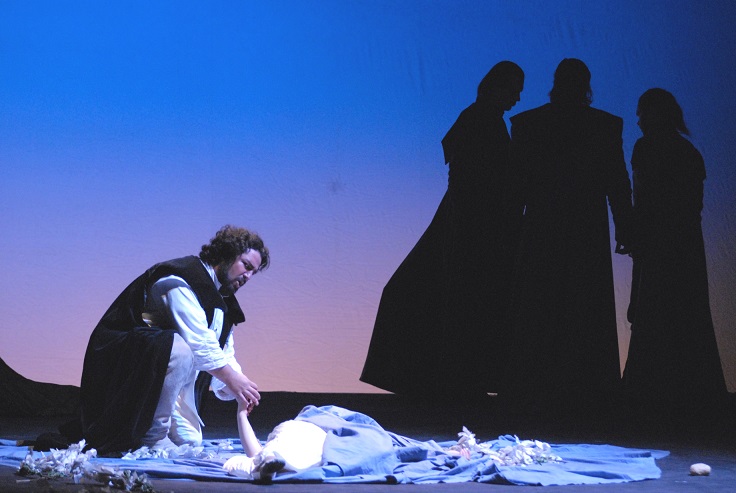
trubadur-2The melodies in Il trovatore are lavishly expressive and the celebrated Anvil Chorus “Vedi le fosche notturne” from Act 2 has experienced numerous paraphrases, including Glen Miller’s jazz arrangement. The premiere on 19 January 1853 at the Teatro Apollo in Rome was a triumph and opera stages were soon scrambling to stage the work. Alongside La traviata and Rigoletto, Il trovatore is the apex of Verdi’s creation, and the three operas are still record-breakers when it comes to the number of performances and visitors at opera houses around the world.trubadur-3

The opera is staged in Italian original version and Czech and English surtitles are used in the performance.

Duration of the performance: 2 hours and 35 minutes, 1 intermission

Photo: Martin Divíšek

CalendarTrovatorecastTrovatore

trubadurtrubadur-4trubadur-5

Posted in OPera | Tagged , , , , | Leave a comment

Carmen at the National Theatre in Prague

carmen

Music: Georges Bizet
Libretto: Henri Meilhac, Ludovic Halévy
Musical preparation: Jiří Bělohlávek
Conductor: Zbyněk Müller
Stage director: Jozef Bednárik
Sets: Vladimír Čáp
Costumes: Ľudmila Várossová
Chorus master: Pavel Vaněk
Chorus master of the Kühn’s Children’s Choir: Jiří Chvála
Dramaturgy: Jan Panenka

carmen-03-09-2008-13-x

National Theatre Orchestra

National Theatre Chorus

Ballet of the National Theatre Opera

Kühn Children’s Choir

Premiere: March 15, 1999

The story of Carmen, a passionate Gipsy whose love can never be won for good and whose flighty life ends at the hand of a spurned lover, the soldier Don José, has captivated audiences worldwide for decades. Carmen is an opera abounding in sensuous and sultry melodies, which the stage director Jozef Bednárik has succeeded in shaping into a magnificent theatrical spectacle.carmen-2011-foto-hana-smejkalova-1

Orchestra, Chorus and Ballet of the National Theatre Opera

The opera is staged in French original version and Czech and English surtitles are used in the performance.

Photo: Hana Smejkalová

Duration of the performance: 2 hours and 55 minutes, 1 intermission

CAST

castcalendar

carmen-03-09-2008-12carmen-2011-foto-hana-smejkalova-11carmen-2011-foto-hana-smejkalova-18carmen-df-019carmen-df-116carmen-df-141carmen-df-214carmen-df-328web

Posted in OPera | Tagged , , , , , , | Leave a comment

Otello at the National Theatre in Prague

nationaltheatreThe National Thatre of Prague presents:
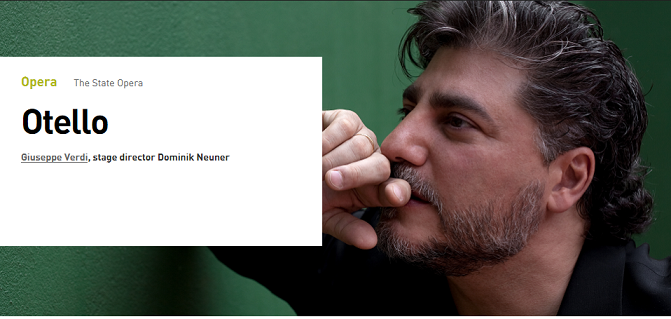
OTELLO
Music: Giuseppe Verdi
Libretto: Arrigo Boito

otello
otello-1Musical preparation: Heiko Mathias Förster
Conductor: Martin Leginus
Stage director: Dominik Neuner
Stage director for the renewed production: Lubor Cukr
Sets: Vladimír Nývlt
Costumes: Josef Jelínek
Chorus master: Adolf Melichar
Dramaturgy: Jitka Slavíková

State Opera Orchestra

State Opera Chorus

Premiére: May 28, 2009

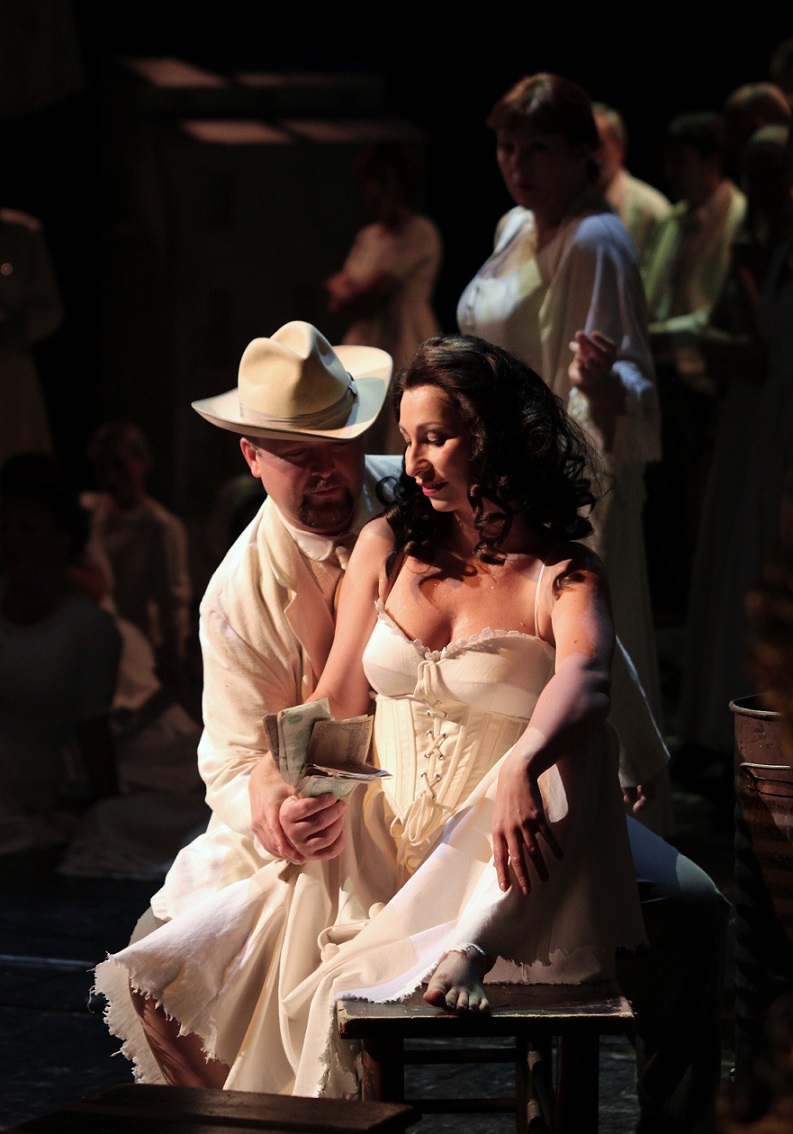
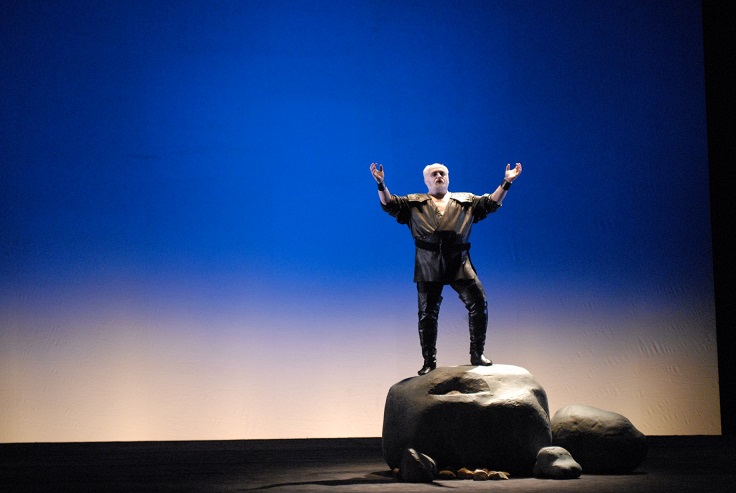
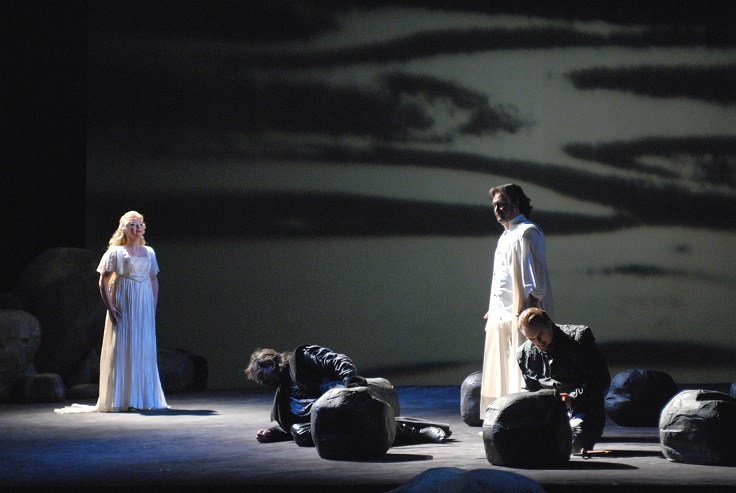
otello  otello-2A key role in the origination of Verdi’s penultimate opera, Otello, was played by the composer’s publisher Giulio Ricordi. After completing Aida in 1871, Verdi decided to abandon his extremely successful operatic career. Naturally, Ricordi did not take kindly to this, but he did know how to change Verdi’s mind – by offering the composer a libretto he simply would not be able to resist. Verdi’s great admiration of Shakespeare was generally known, and hence Ricordi cannily turned his attention to Othello and chose the renowned librettist Arrigo Boito. On 1 November 1886, Verdi completed the score. He was convinced that he and Boito had created a masterpiece – and he was right.

otello-3otello-4The premiere on 5 February 1887 was a momentous event and the opera immediately set out on its triumphant journey around the world. Owing to the promptitude of its director Adolf Šubert, Otello was staged by the National Theatre in Prague less than a year later, on 7 January 1888. In 1991, the German stage director Dominik Neuner created a remarkable production which went on to become one of the State Opera’s most acclaimed performances. In 2009, the opera was revived within Neuner’s intentions by Lubor Cukr and musically prepared by the dynamic young German conductor Heiko Mathias Förster.

otello-df-015web

performanceThe opera is staged in Italian original version and Czech surtitles are used in the performance.

Photo: Karel Kouba

Duration of the performance: 2 hours and 40 minutes, 1 intermission

otello-df-310web

otello-df-398web
otello-df-552web

CAST

cast1cast2

cast3 cast4

Posted in OPera | Tagged , , | Leave a comment

Vincenzo Bellini’s “La Straniera” in Vienna

tadw_en

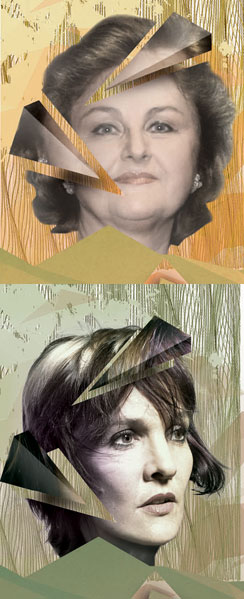
Straniera_244x599La straniera

Melodramma in two acts (1829)

Music by Vincenzo Bellini
Libretto by Felice Romani based on the novel
“L´étrangère” by Charles-Victor Prévost Vicomte D´Arlincourt

In Italian with German surtitles

An enthusiastic Vincenzo Bellini wrote of Victor d’Arlincourt’s successful novel L’etrangère: “It is a book full of exciting moments, and all are new and marvellous.” In the book he found material replete with extreme characters in situations of exceptional emotion which he could use to develop his ideas of the romantic opera. In La straniera he produced his most radical score. Hector Berlioz, not one who found much to admire in Italian opera, was impressed by this music, feeling that “deep passions, painful emotion” and a “fearful cry of insane love” had been incorporated in the composition.

cast

actor role
Conductor Paolo Arrivabeni
Director Christof Loy
Set design Annette Kurz
Costume design Ursula Renzenbrink
Light design Franck Evin
Dramaturgy Thomas Jonigk
Alaide Edita Gruberova (14., 18., 22. & 26. January)
Alaide Marlis Petersen (16. 24. & 28. January)
Arturo, Conte di Ravenstel Dario Schmunck (14., 18., 22. & 26. January)
Arturo, Conte di Ravenstel Norman Reinhardt (16., 24. & 28. January)
Isoletta Theresa Kronthaler
Barone Valdeburgo Franco Vassallo
Osburgo Vladimir Dmitruk (JET)
Il Signore di Montolino Martin Snell
Il priore degli Spedalieri Stefan Cerny
Orchestra ORF Radio-Symphonieorchester Wien
Chorus Arnold Schoenberg Choir

Mon Tue Wed Thu Fri Sat Sun
January 2015
14 16 18
22 24
26 28

SYNOPSIS

Count Arturo is engaged to Isoletta, but has fallen in love with a mysterious stranger who lives alone in the woods. The villagers think she is a witch. Arturo wants to run away with her, but the stranger refuses. Arturo’s friend Baron Valdeburgo tries to persuade him to go back to Isoletta. To elicit Valdeburgo’s sympathy for his plight, Arturo takes him to the stranger. To Arturo’s astonishment, the stranger and Valdeburgo greet one another with a tender embrace. The jealous Arturo immediately fights a duel with his friend, and Valdeburgo falls into the lake. The stranger’s cry of “You have killed my brother!” explains the affectionate greeting. Arturo plunges into the lake, leaving the despairing stranger alone with the bloodstained rapier. This is how the villagers find her, and they accuse her of murdering the two men. At the trial, both men reappear, still alive, thus proving the stranger’s innocence. Arturo still refuses to give up his passion for her. On the day of his wedding to Isoletta he runs away from the altar. When it emerges that the stranger is in fact the wife of the King of France and was forced to live in exile, Arturo stabs himself.

Posted in OPera | Tagged , | Leave a comment

DON CARLO at the New National Theatre in Tokyo

newDON CARLO

Music by Giuseppe VERDI
Opera in 4 acts
Sung in Italian with Japanese surtitles
Opera Palace
27 Nov. – 9 Dec., 2014

This is a masterwork from VERDI’s mature period. At the centre of this massive historic drama is the grief of a prince, whose sweetheart becomes his father’s bride. Confrontations in politics, religion and in the relationship between father and son, love and jealousy, friendship, as well as complicated intertwinement, between the characters are all expressed in the stately, dignified music. The staging by Marco Arturo MARELLI comprises a space surrounded by prison-like walls and a symbolic cross. It was first presented in 2006 and is here being re-presented 8 years later.

doncarlo

Staff

Conductor Pietro RIZZO 

 Production and Scenery Design Marco Arturo MARELLI

Costume Design Dagmar NIEFIND-MARELLI

Lighting Design YAGI Maki

Cast

 Filippo II Rafal SIWEK

【英HP】SergioEscobar.jpg Don Carlo Sergio ESCOBAR

【英HP】MarcusWerba.jpg Rodrigo Markus WERBA

 Elisabetta di Valois Serena FARNOCCHIA

 La Principessa d’Eboli Sonia GANASSI

 Il Grande Inquisitore TSUMAYA Hidekazu

Un frate OTSUKA Hiroaki

Tebaldo YAMASHITA Makiko

Il Conte di Lerma/Un araldo reale MURAKAMI Toshiaki

Una voce dal cielo UNOKI Eri

Chorus New National Theatre Chorus

Orchestra Tokyo Philharmonic Orchestra

Posted in OPera | Tagged , , , , | Leave a comment

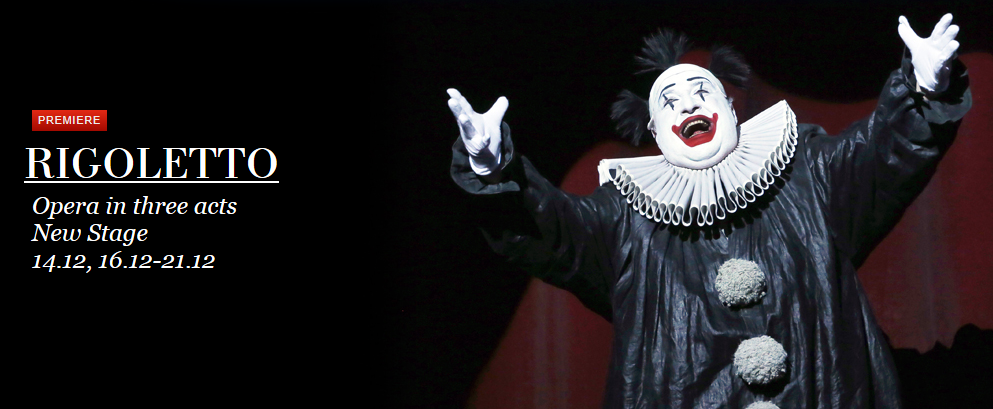
Rigoletto at the Bolshoi

Rigoletto

Opera in three acts

Festival d’Aix-en-Provence, Opéra national du Rhin (Strasburg), Théâtre Royale de la Monnaie (Belgium), Grand Théâtre de Genève and Bolshoi Theatre of Russia CoproductionRigoletto2

Will be premiered at the Bolshoi Theatre on 14 December 2014

Presented with one interval.

rigoletto1Music Director: Evelino Pidò
Stage Director: Robert Carsen
Set Designer: Radu Boruzescu
Costume Designer: Miruna Boruzescu
Lighting designers: Peter Van Praet, Robert Carsen
Choreographer: Philippe Giraudeau
Chorus Master: Valery Borisov

Cast

Conductor Evelino Pidò

Alexander Soloviev

The Duke of Mantua Fabrizio Paesano

Sergey Romanovsky

Pavel Valuzhin

Rigoletto, the Duke’s jester Valery Alexeyev

Dimitris Tiliakos

Gilda, his daughter Anne-Catherine Gillet

Venera Gimadieva

Nina Minasyan

Kristina Mkhitaryan

Sparafucile, an assassin Oleg Tsybulko

Alexander Tsymbalyuk

Maddalena, his sister Justina Gringyte

Aleksandra Kovalevich

Giovanna, Gilda’s Nurse Irina Dolzhenko

Alexandra Durseneva

Граф Монтероне Otar Kunchulia

Vyacheslav Pochapsky

Marullo Kirill Kireyev

Konstantin Shushakov

Matteo Borsa, a courtier Sergei Radchenko

Arseny Yakovlev

Count Ceprano Nikolai Kazansky

Pavel Tchervinsky

Countess Ceprano, his wife Daria Davydova

Yulia Klintsova

A Court Usher Herman Golubev

Sergei Vasilchenko

A Page Ruslana Koval

Synopsis by Robert Carsen

Act I

During a ball at the Duke of Mantova’s, the latter confesses to his friend Borsa his desire to seduce a young girl he has seen in church. But his attention goes to all women, including the spouse of Count Ceprano. Rigoletto, the Duke’s court jester, overtly encourages him to get rid of the unwanted husband, which makes Ceprano furious. As for Marullo, he announces to everyone an astonishing discovery, namely that Rigoletto would have a mistress. Ceprano sticks to his revenge: that very same night he will abduct the mistress in question. The ball is cut short by Count Monterone, who accuses the Duke of having dishonoured his daughter. Rigoletto’s persistent mockeries lead Monterone to curse him.

Tormented by the curse, the jester goes back home. On his way, he meets Sparafucile, a hitman who offers him his services. Left to himself, Rigoletto compares both professions: the hitman uses his sword where the jester uses his word. He then meets up with his daughter Gilda, whom he forbids to leave the house except to go to church. Gilda questions him in vain on his past and her mother’s death. Rigoletto, as he believes he hears some noise, goes out in the street. It is the Duke, who has come to spy on the mysterious unknown young woman and who now understands that she is his jester’s daughter. Rigoletto comes back to take leave of his daughter. Gilda then confesses to her governess Giovanna that she has met a very seductive young man in church. The Duke appears, declares his love, passing himself off as a student named Gualtier Maldè, and then leaves. Gilda dreams of her beloved, whereas as Ceprano, Borsa and the other courtiers are watching her, believing she is Rigoletto’s mistress. The latter chances upon them, as he retraces his steps. They claim they pretend they want to abduct Ceprano’s wife. Rigoletto accepts to wear a mask and takes part in the abduction only to enable the courtiers to flee with Gilda. The jester understands too late that he has been tricked and believes it to be the effect of Monterone’s curse.

Act II

The Duke is lamenting that the young woman he coveted has been abducted. The courtiers reassure him however: they are the ones who abducted Rigoletto’s mistress. Consumed by desire, the Duke goes to meet with Gilda. Feigning indifference when he is actually in despair, Rigoletto starts to search for his daughter. As he understands she is with the Duke, he discloses she is his daughter and begs the courtiers to give her back. Gilda then appears and throws herself in her father’s arms. Once alone with Rigoletto, she confesses she is in love with the Duke. A court usher interrupts the confidences, announcing that Monterone is arrested and will be jailed. Rigoletto offers him his vengeance.

Act III

Determined to show his daughter the true nature of her seducer, Rigoletto obliges her to watch him court Maddalena, the sister of Sparafucile. To carry out his vengeance, the jester, together with Sparafucile, plots the Duke’s assassination and then demands of Gilda that she leave the city. When the Duke falls asleep, Maddalena begs his brother to spare him. Sparafucile ends up accepting on the condition however that another victim falls under his sword. Gilda has overheard their discussion and offers to sacrifice herself out of love. She knocks on the door and Sparafucile stabs her just before Rigoletto arrives to find the body. The jester rejoices in his vengeance and sets out to rid himself of the corpse he has been delivered in a sack. In the distance, the Duke’s voice can be heard. Rigoletto then discovers his daughter’s body who dies in his arms: he cries out, horrified, “La maledizione!” (The Curse!)

Posted in OPera | Tagged , , | Leave a comment

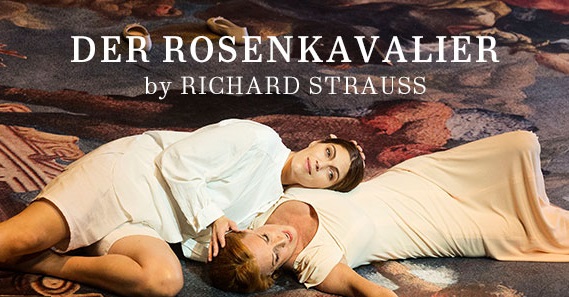
Der Rosenkavalier in Copenhagen

rosenkavalerenEN_top415c

Performance period: 12. Sep. – 24. Jan. 2015

at the Royal Danish Thatre in Copenhagen

Scathing satire, captivating romance and worldly melancholy, Richard Strauss’s masterstroke Der Rosenkavalier was created in partnership with librettist Hugo von Hofmannsthal in 1911, bridging comedy and bittersweet romance.miklos1

The working title was Ochs auf Lerchenau, conveying the comic tale of Baron Ochs, whose fiancée is stolen by the young Octavian.miklos2

As work on the opera progressed, the Marschallin’s role nonetheless became more prominent and the operatic creators worked hard to strike a balance between the farcical Baron Ochs and the melodramatic romance in which the Marschallin is embroiled. Eventually, the love story involving the young Octavian, who as Der Rosenkavalier steals the Marschallin’s heart and Baron Ochs’ fiancée, took centre stage.miklos3

Audiences can look forward to experiencing soprano Ann Petersen, alternating with Anne Margrethe Dahl, in the role as the ravishing yet emotionally tormented Marschallin. The brash and jovial Baron Ochs will be performed by Austrian bass baritone Wolfgang Bankl, a familiar face at the Vienna State Opera and at several of Europe’s great opera houses.miklos4

A revival of master director Marco Arturo Marelli’s award-winning staging from 2008, Der Rosenkavalier marks a festive opening of the opera season.

Der Rosenkavalier is performed in German with Danish supertitles.

Hempel A/S is the exclusive performance sponsor of Der Rosenkavalier.miklos5miklos6miklos7miklos8miklos9miklos10miklos11

CAST

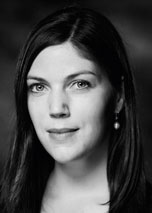
ann-petersen_cvs

Ann Petersen as The Marschallin

Lyric dramatic soprano

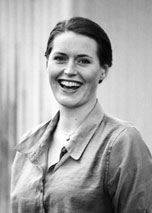
Anne_Margrethe_Dahl_cvsAnne Margrethe Dahl as The Marschallin

Soprano


elisabeth_jansson_2010_11_cvsElisabeth Jansson as Octavian

Mezzo Soprano


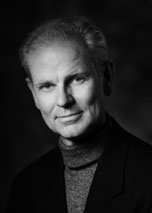
Wolfgang-Bankl_cvsWolfgang Bankl as Baron Ochs

Bass


Anke-Briegel_cvsAnke Briegel as Sophie

Soprano


morten-frank-larsen_cvsMorten Frank Larsen as Herr von Faninal


CorneliaBeskow_cvsCornelia Beskow as Marianne

Soprano


Bengt_Ola_Morgny_cvsBengt-Ola Morgny as Valzacchi

Tenor


Elisabeth_Halling_cvsElisabeth Halling as En modehandlerske

Mezzo Soprano


Cast and conducting

<!–


–>

The Marschallin:
Ann Petersen
9/12, 9/25, 10/5, 10/11, 10/18, 10/26

Anne Margrethe Dahl
9/20, 9/28, 1/18, 1/24

Baron Ochs:
Wolfgang Bankl
9/12, 9/20, 9/25, 9/28, 10/5, 10/11, 10/18, 10/26, 1/18, 1/24

Octavian:
Elisabeth Jansson
9/12, 9/20, 9/25, 9/28, 10/5, 10/11, 10/18, 10/26, 1/18, 1/24

Herr von Faninal:
Morten Frank Larsen
9/12, 9/20, 9/25, 9/28, 10/5, 10/11, 10/18, 10/26, 1/18, 1/24

Sophie von Faninal:
Anke Briegel
9/12, 9/20, 9/25, 9/28, 10/5, 10/11, 10/18, 10/26, 1/18, 1/24

Marianne Leitmetzerin:
Cornelia Beskow
9/12, 9/20, 9/25, 9/28, 10/5, 10/11, 10/18, 10/26, 1/18, 1/24

Valzacchi:
Bengt-Ola Morgny
9/12, 9/20, 9/25, 9/28, 10/5, 10/11, 10/18, 10/26, 1/18, 1/24

Annina:
Hanne Fischer
12/9, 20/9, 25/9, 28/9, 5/10, 11/10, 18/10, 26/10, 18/1, 24/1

A police inspector:
Florian Plock

12/9, 20/9, 25/9, 28/9, 5/10, 11/10, 18/10, 26/10, 18/1, 24/1

The Marschallin’s Major-Domo:
Lars Bo Ravnbak
9/12, 9/20, 9/25, 9/28, 10/5, 10/11, 10/18, 10/26, 1/18, 1/24

Faninal’s Major-Domo:
Torleif Steinstø
9/12, 9/20, 9/25, 9/28, 10/5, 10/11, 10/18, 10/26, 1/18, 1/24

A notary:
Ole Jegindø Norup
9/12, 9/20, 9/25, 9/28, 10/5, 10/11, 10/18, 10/26, 1/18, 1/24

An innkeeper:
Peter Steen Andersen
9/12, 9/20, 9/25, 9/28, 10/5, 10/11, 10/18, 10/26, 1/18, 1/24

An Italian singer:
Peter Lodahl
10/11, 10/18, 10/26, 1/18, 1/24

Gert Henning-Jensen
9/12, 9/20, 9/25, 9/28, 10/5

Three noble orphans:
Anne Sophie Hjort Ullner
9/12, 9/20, 9/25, 9/28, 10/5, 10/11, 10/18, 10/26, 1/18, 1/24

Sara Madeleine Swietlicki
9/12, 9/20, 9/25, 9/28, 10/5, 10/11, 10/18, 10/26, 1/18, 1/24

Felicia Gyllenstig Serrao
9/12, 9/20, 9/25, 9/28, 10/5, 10/11, 10/18, 10/26, 1/18, 1/24

A milliner:
Elisabeth Halling
9/12, 9/20, 9/25, 9/28, 10/5, 10/11, 10/18, 10/26, 1/18, 1/24

A vendor of pets:
Peter Arnoldsson
9/12, 9/20, 9/25, 9/28, 10/5, 10/11, 10/18, 10/26, 1/18, 1/24

Conductor:
Michael Boder
9/12, 9/20, 9/25, 9/28, 10/5, 10/11, 1/18, 1/24

Florian Krumpöck
10/18, 10/26

Posted in OPera | Tagged , , , , , , | Leave a comment

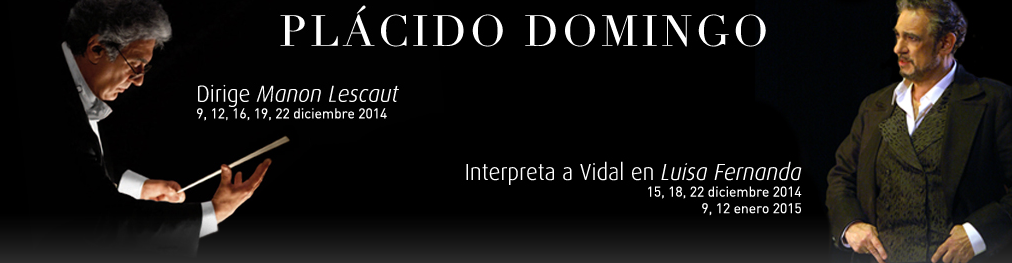
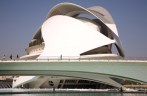
Placido Domingo in Valencia, Spain, directs Manon and sings in Luisa Fernanda

placidologo_palaupalau Palau de Les Arts de Valencia Presents:manon
9th, 12th, 16th, 19th, 21st, 27th December 2014 – The performances start at 8:00 pm. Sundays and holidays, at 7:00 pm

Sala Principal

Lyric drama in three acts · Music by Giacomo Puccini
Libretto by Marco Praga, Domenico Oliva, Luigi Illica, Giuseppe Giacosa and Giulio Ricordi based on the novel Histoire du Chevalier des Grieux et Manon Lescaut by the Abbé Prévost
Premiere: Torino, Teatro Regio, 1st February 1893

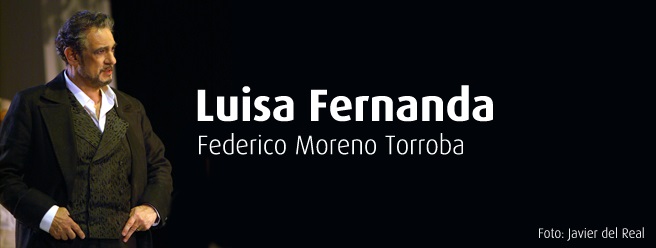
fernanda

15th, 18th, 22nd December 2014 • 12tj January 2015 – The performances start at 8:00 pm. Sundays and holidays, at 7:00 pm

Sala Principal

Lyric comedy in three acts
Libretto by Federico Romero and Guillermo Fernández Shaw
Music by Federico Moreno Torroba

Conductor
Jordi Bernàcer

Stage Director and Stage Concept
Emilio Sagi

Costume Designer
Pepa Ojanguren

Lighting Designer
Eduardo Bravo

Production
Teatro Real de Madrid
Cor de la Generalitat Valenciana
Francesc Perales
, chorus master

Orquestra de la Comunitat Valenciana

15th, 18th, 22nd December 2014 · 8:00 pm
9th, 12tj January 2015 · 8:00 pm

Sala Principal

Luisa Fernanda
Davinia Rodríguez

Carolina
Isabel Rey

Javier
Celso Albelo (15, 18, 22) / José Bros (9, 12)

Vidal Hernando
Plácido Domingo

Mariana
María José Suárez

Saboyano
Emilio Sánchez

Rosita
Sandra Ferrández

Nogales
Miguel Sola

Aníbal / Vareador
Vicenç Esteve

Don Florito
N. N.

Bizco Porras
David Rubiera


Posted in OPera | Tagged , , | Leave a comment

Zeffirelli’s production of La Boheme at the metropolitan Opera shines

Review by Tiziano Thomas Dossena

boheme8-512x342


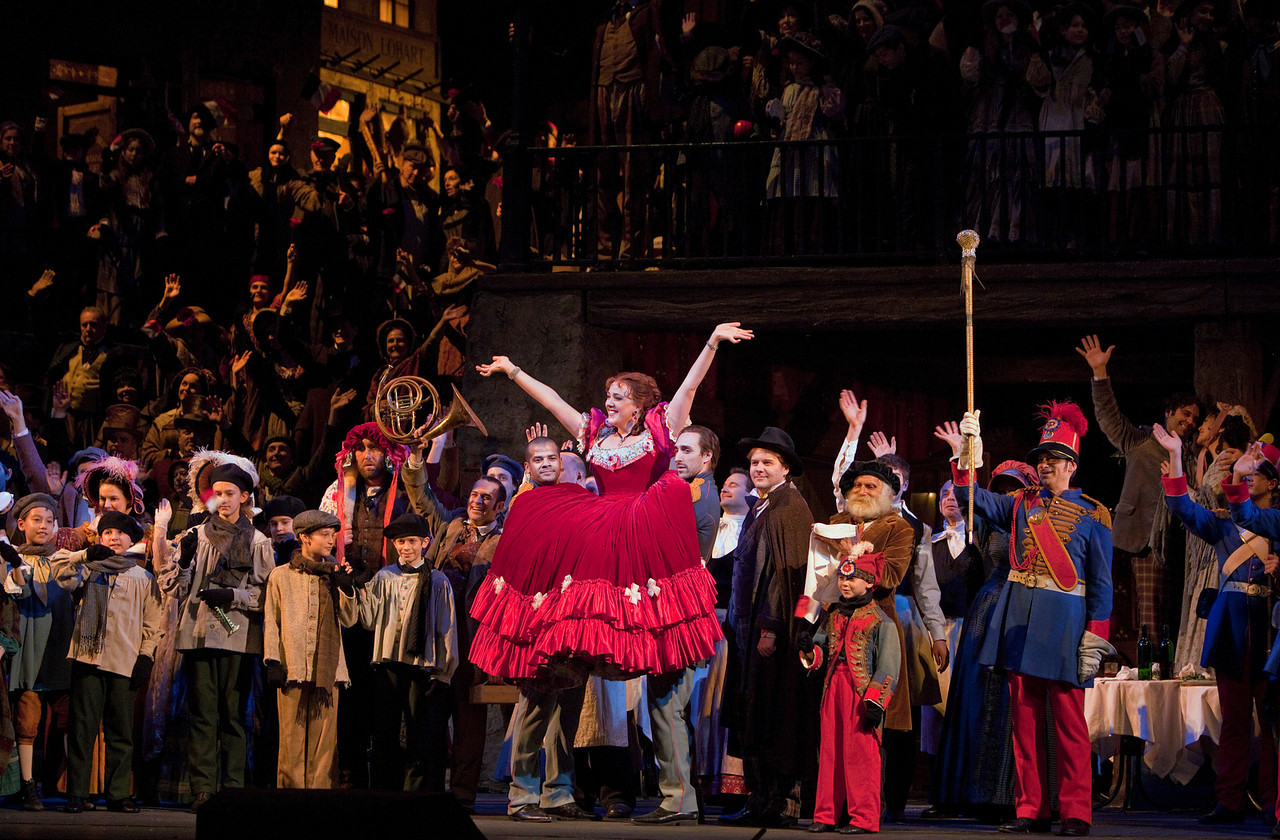
La Boheme is an opera that does not need introduction and most of our readers probably had the occasion to see its performance at least once, but seeing this version at the Metropolitan Opera may offer a unique opportunity that should not be missed. The intricate set designed by the famed movie director and artiste par excellence Franco Zeffirelli serves many purposes: it creates the proper settings for the story as originally described in the libretto; it offers a thrilling visual experience; it is designed for an optimal movement of the singers; and in the second act, it allows an unbelievable amount of people on stage without any encumbrance. If you think that is always the standard of opera sets, think again. Zeffirelli puts the spectators in awe and in a state of relaxation at the same time, allowing them to be absorbed completely by the story developing in front of them and to forget being in a theater.

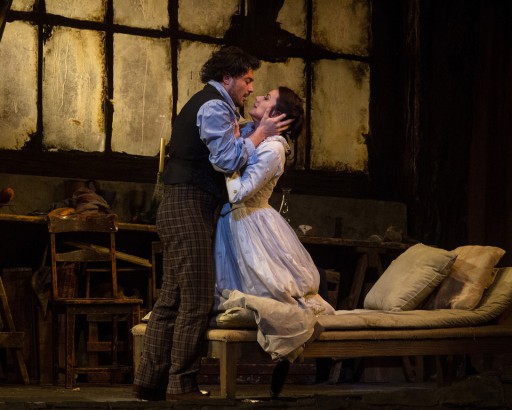
Certainly that occurred also because of the perfect amalgam among the performers, who excelled in their acting ability, if not all in their singing one. Mimi was interpreted convincingly by a superb Sonya Yoncheva, who shone without overpowering the male singers, although in the first scenes, a slightly weak Rodolfo, interpreted by a usually valiant Charles Castronovo, seemed to struggle to be heard above the music. The orchestra was performing in an impeccable manner, thanks to the Italian conductor Riccardo Frizza, who was able to extract from it a truly emotional and luxurious sound, something Puccini would certainly recognize and approve of, and it was not drowning any of the singers’ voices; I was therefore surprised by this occurrence. Thank God, Castronovo found his volume and made up for this early shortcoming by singing the rest of the opera with heart, offering a congenial Rodolfo by using his richly-textured voice to enhance the emotional undertones of his relationship with Mimi and with his friends; in particular, his duets with Mimi were tender and showed a perfect chemistry between the two singers.

boheme6-512x410


Schaunard was executed by the funny and agile baritone Alessio Arduini, who showed how important that part could be in the balance of the story if interpreted as it was intended to be. That his voice was rich and resounding certainly helped even more in bringing the character alive. Arduini is definitely a promising baritone and his future will certainly be more than successful if he keeps the good work coming.

David Bizic’s Marcello was poignant and his voice supported and complemented Rodolfo’s singing so well that Castronovo’s unconfident beginnings almost slipped by unnoticed. Marcello was also convincing in his amusing exchanges with Musetta, and their interaction was optimal, focusing on their impulsiveness, his jealousy and her emotional volatility.

To complete the impeccable group of Bohemian friends, ready to give up all their belongings, even to take literally the coat off their back, was the magnificent bass Matthew Rose as Colline, who gave an unforgettable and touching version of the famous aria “Vecchia zimarra.”  His physical presence making him quite noticeable, Rose has the gift of a marvelous voice and obviously of a great technical training, since his performance was flawless.

The enactment of the male singers as a whole was so well controlled and their characters so believable that for once I appreciated fully the meaning of friendship as the composer and the librettists had most probably meant to transpose through their work.

La-Boheme-A-scene-from-Act-III-photo-by-Cory-Weaver-512x342


That is not to say that the love affairs of Mimi/Rodolfo and Marcello/Musetta appeared as secondary, but the friendship displayed heightened even more the tragedy of the tortuous love affairs, in particular that one of Mimi, who dies in her lover’s arms after leaving him so as not to make him feel guilty, just one of the many gestures of unselfishness demonstrated by the protagonists. It was an exciting and inspiring experience to actually see this aspect of the story so well developed.

Susanna Phillips as Musetta in Act II of Puccini's "La Bohème." Photo: Cory Weaver/Metropolitan Opera

Greek soprano Myrto Papatanasiu’s Musetta presented a fair vocal performance, but her stage presence was exceptional and her acting was impeccable. John Del Carlo’s (Benoit and Alcindoro) carried his two parts very well, both as a singer and an actor, offering, just as Schaunard and Marcello, a fresh comic relief that allows the strong emotional stress caused by the underlying tragedy not to overcome the spectator.

As I mentioned, La Boheme is an extraordinary opera, but this particular performance at the Met is unforgettable and deserves to be seen above all others. Some of the performers will change in the future performances, but we were told that all of them are as capable and enthusiastic about the opera as the ones I saw. Enjoy it.

Posted in Reviews | 1 Comment