Don Giovanni in Belgium


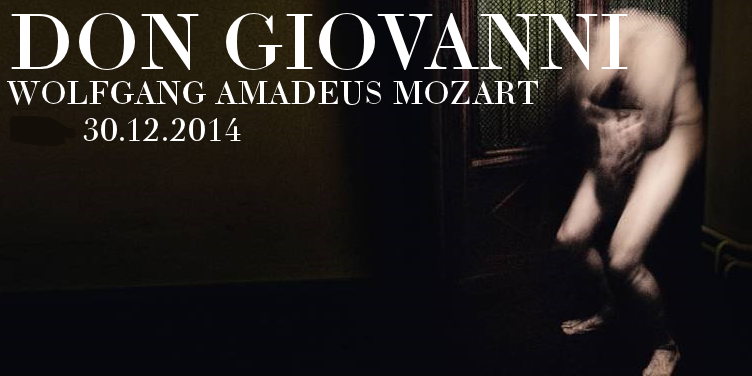
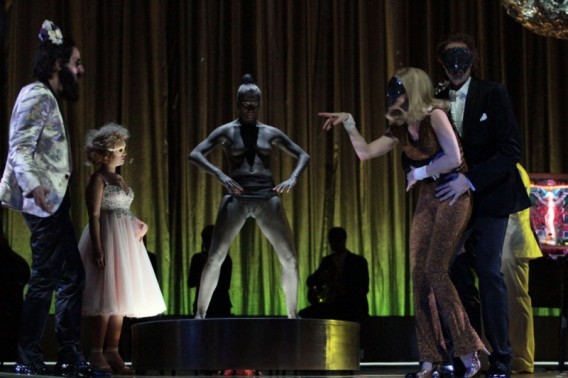
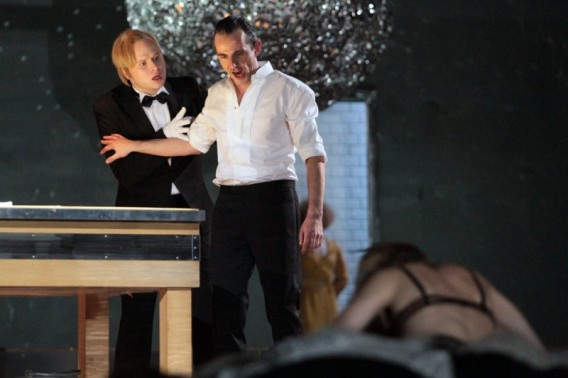
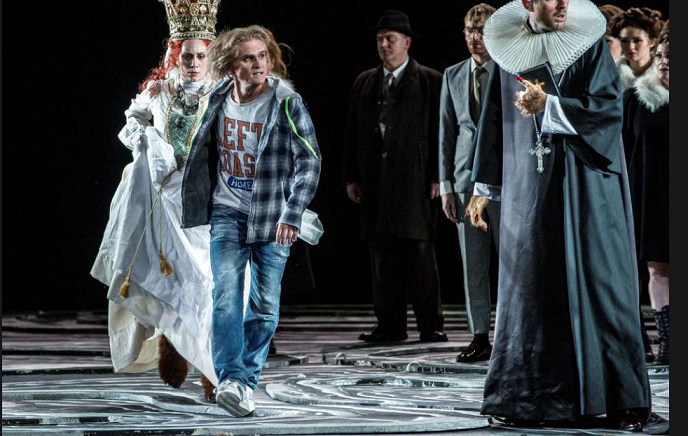
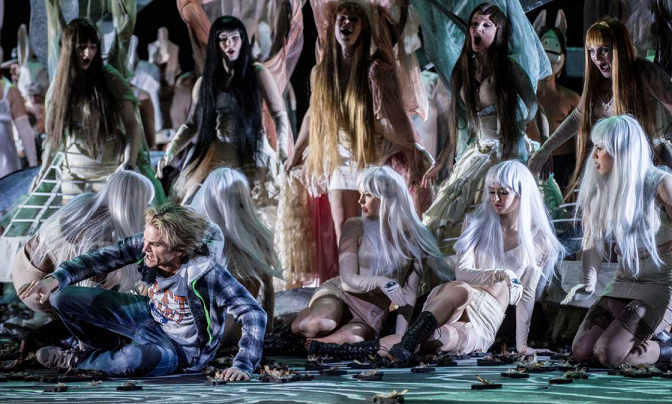
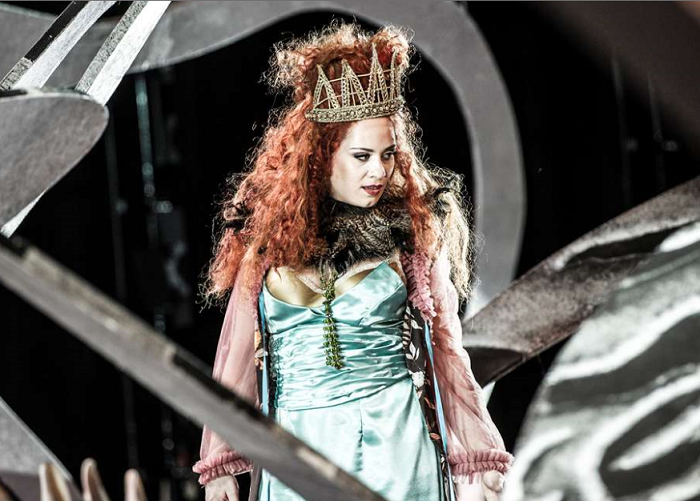
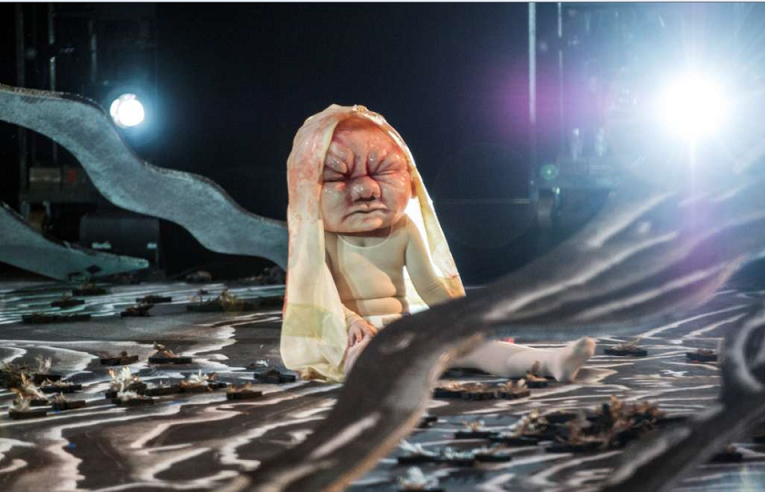
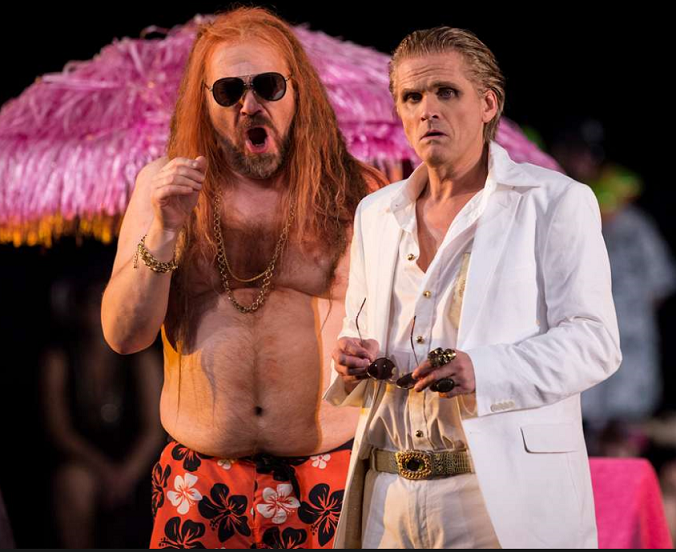
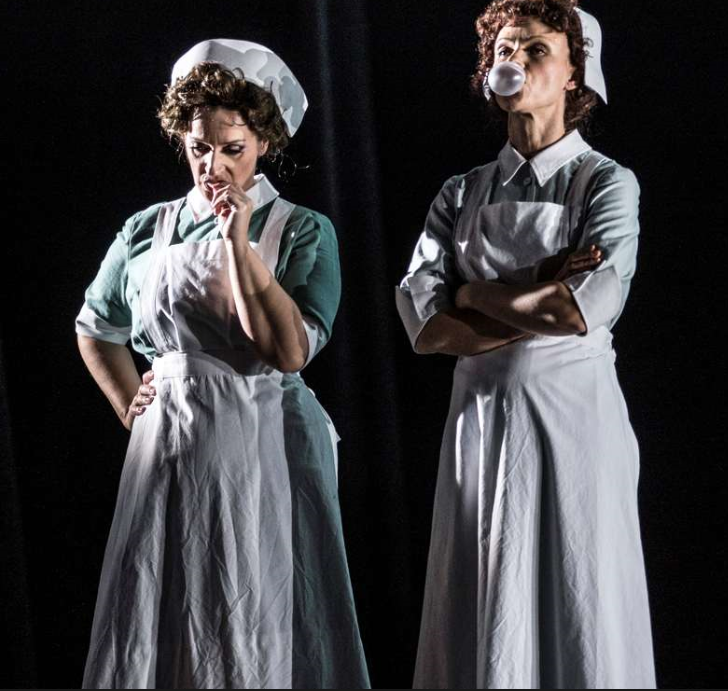
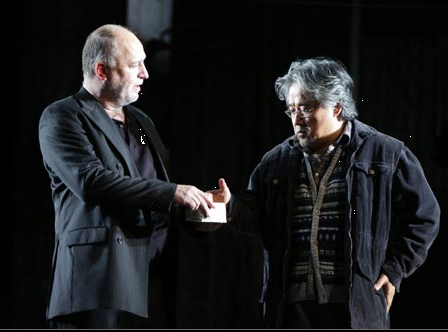
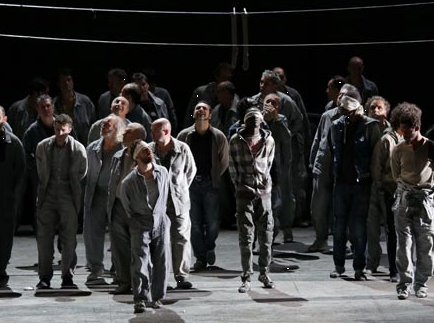
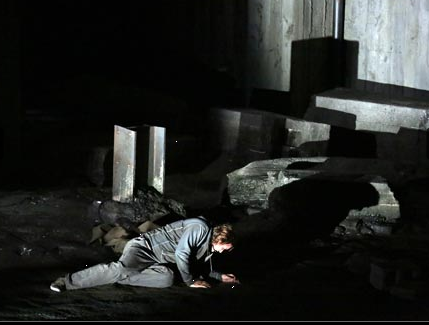
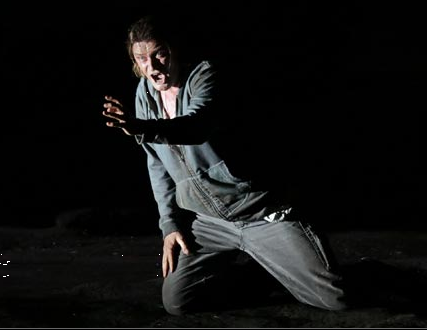
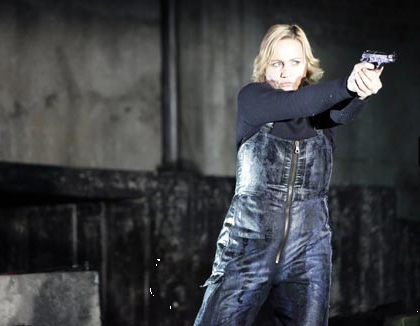
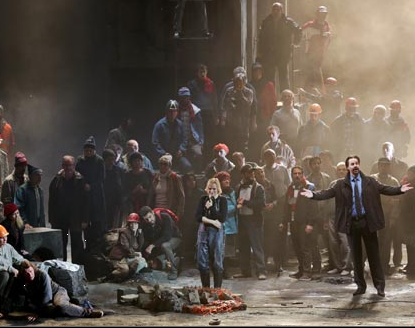
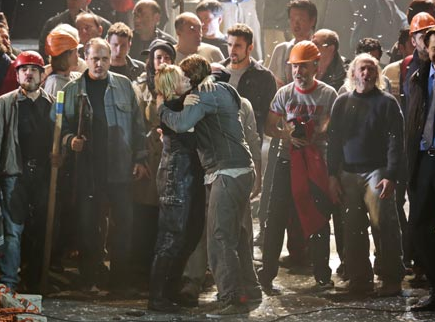
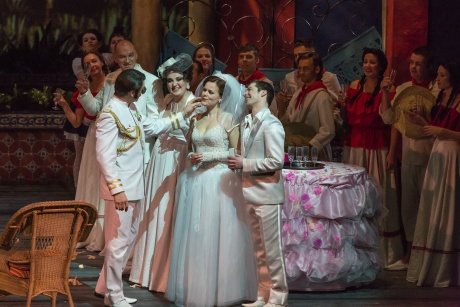
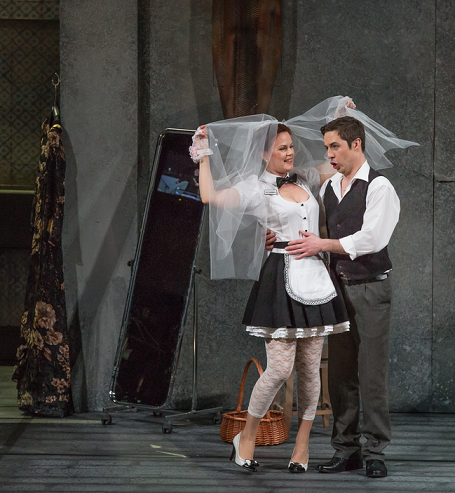
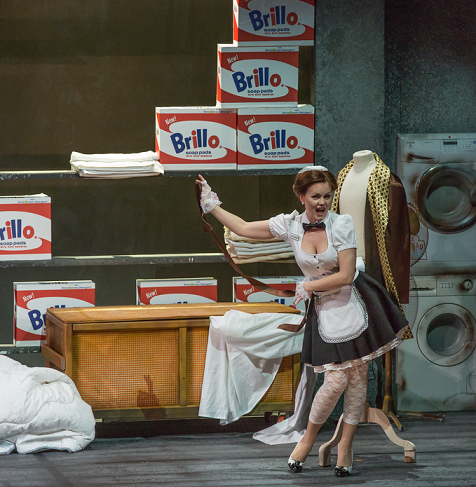
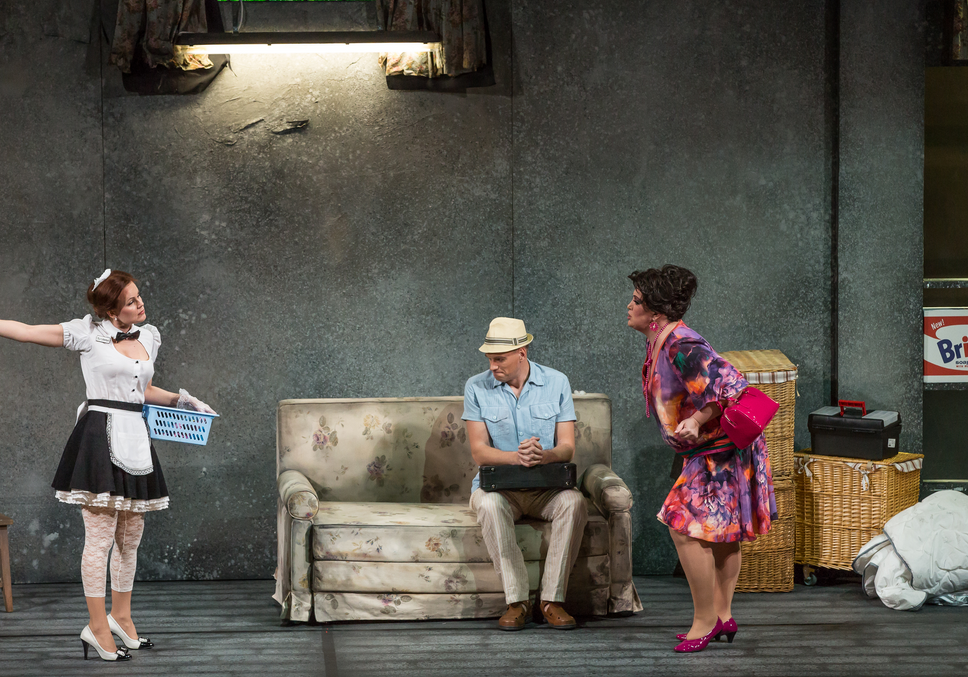
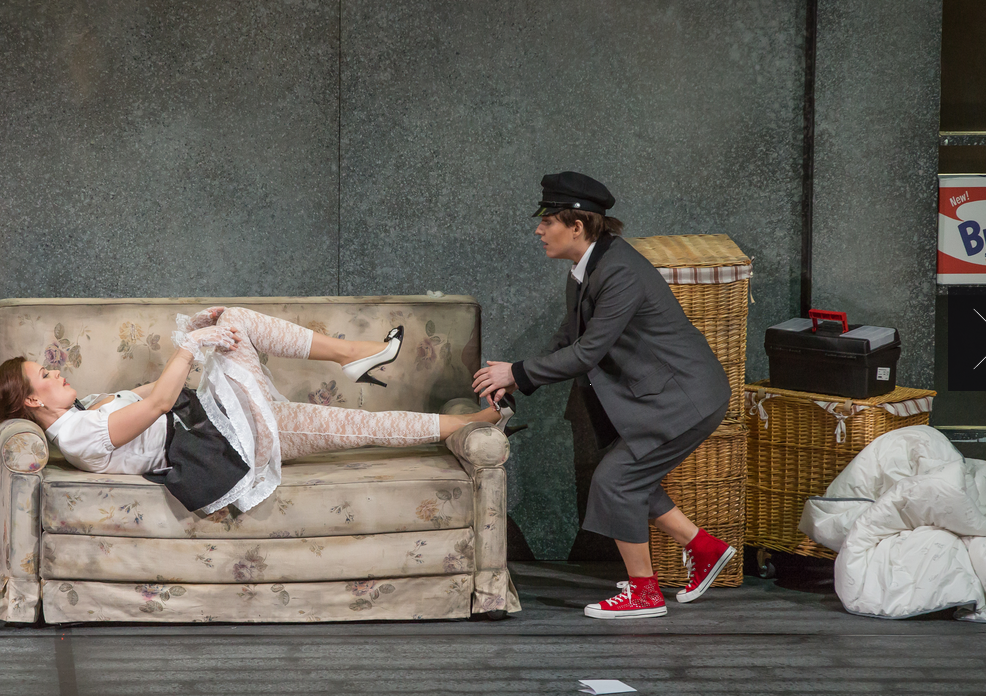
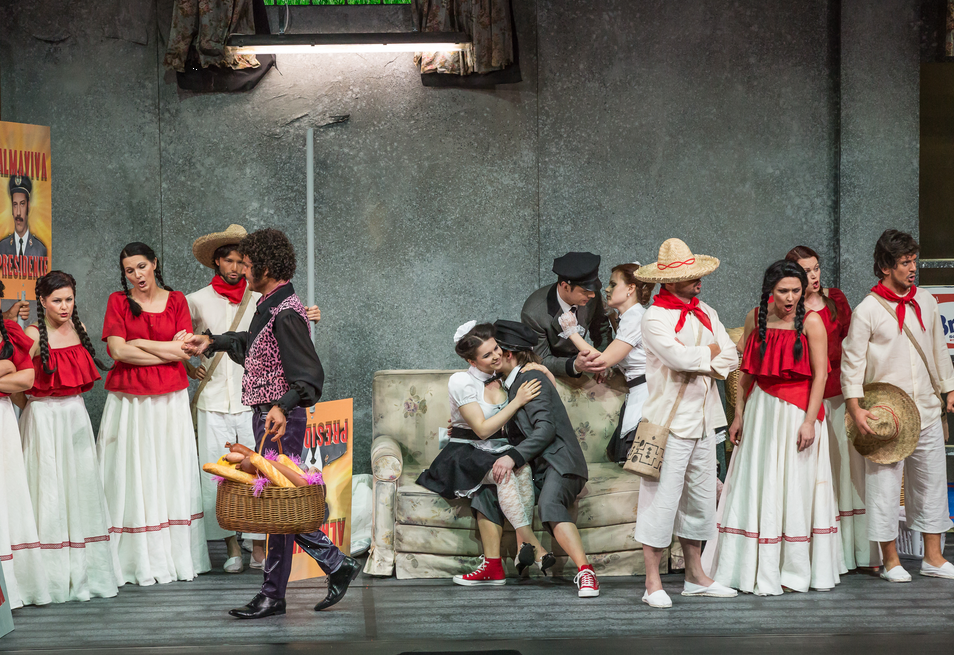
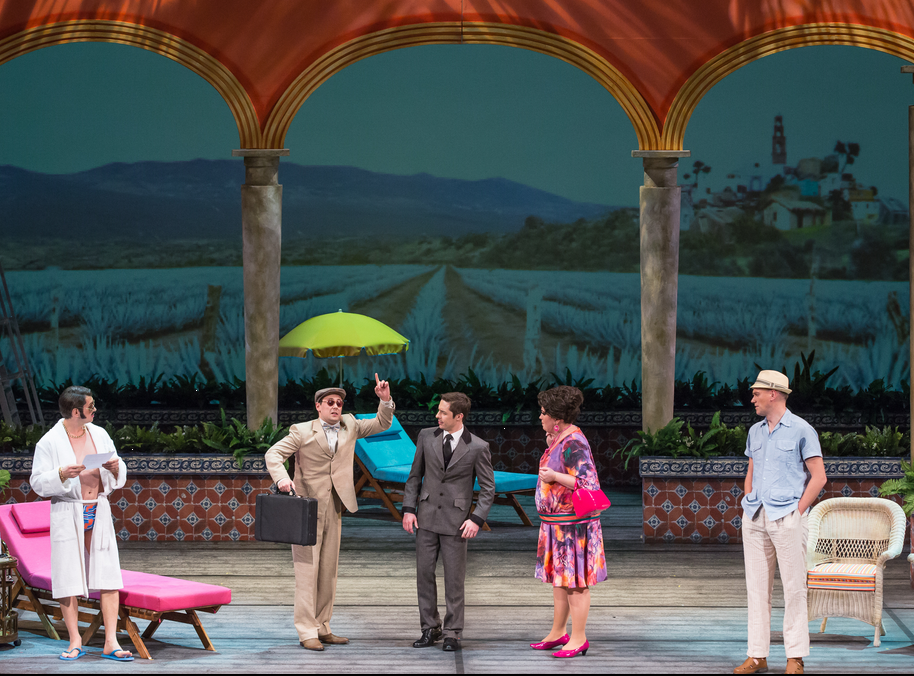
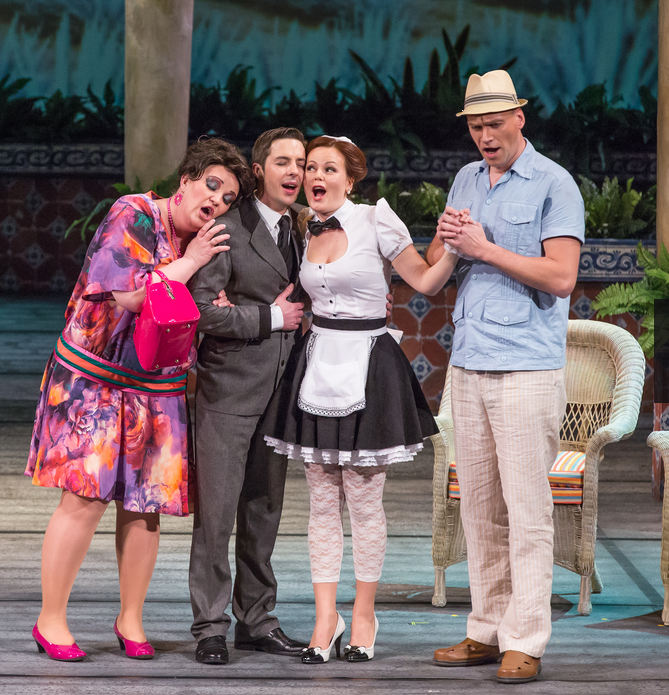
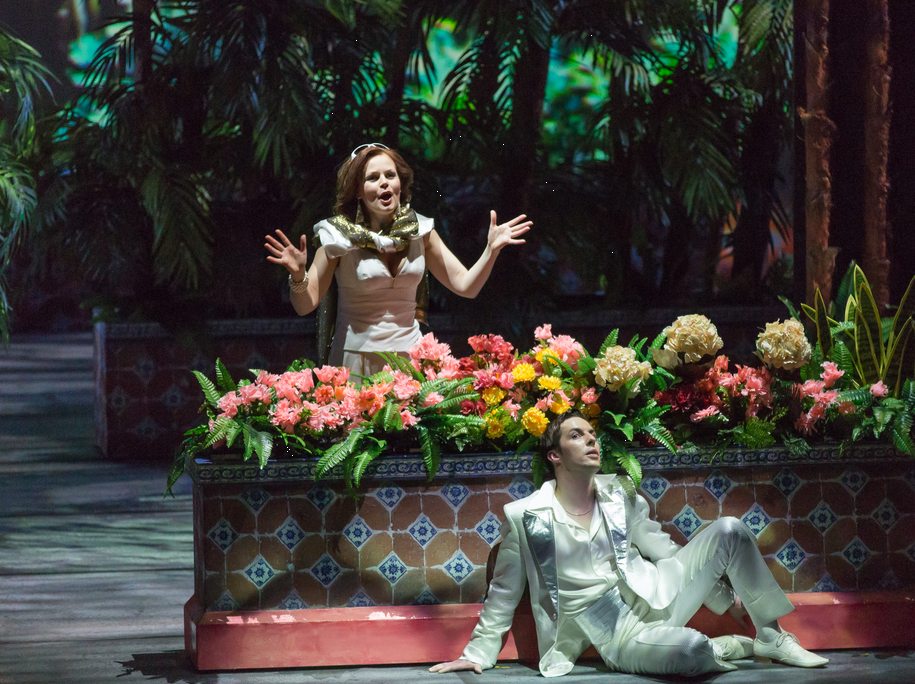
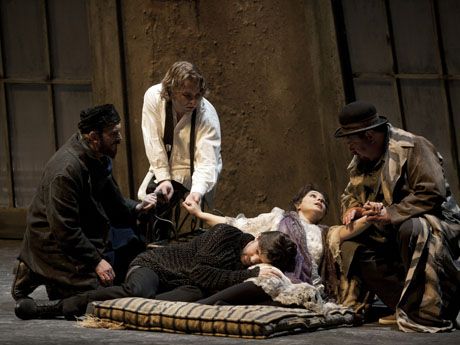
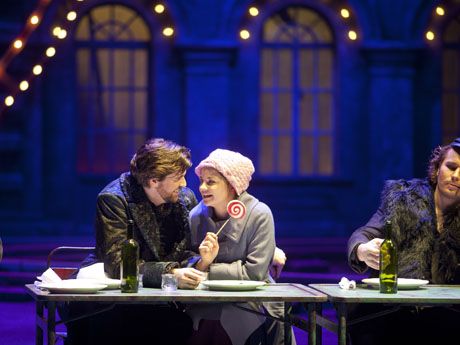
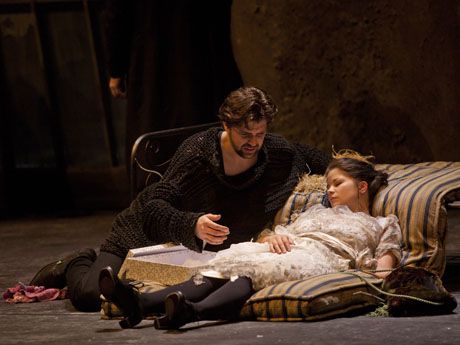
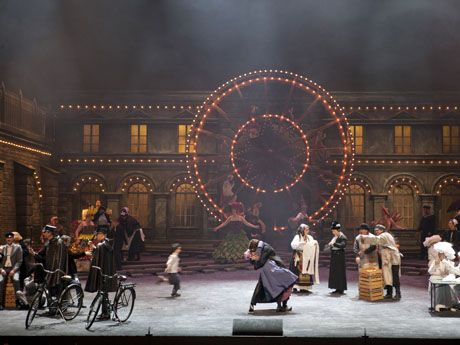
logolamonnaiedongiovanni‘As the hero of the opera, Don Giovanni is the denominator of the piece, he gives it its name as the hero usually does, but he does more than this : he is the common denominator. Compared to his existence, all others are merely derivative.’ So wrote the Danish philosopher Kierkegaard, who, like many others, was fascinated by Mozart’s 1787 opera. ‘It is this absolute centrality that makes this work exercise the power of illusion more than any other.’ Does this work, the second joint venture by Mozart and the librettist Da Ponte, need any further introduction ? This ‘dramma giocoso’ can hardly be categorised : opera seria, opera buffa ? – Don Giovanni is universal, enigmatic, superhuman, mythical. After Così fan tutte and La Clemenza di Tito, Ludovic Morlot will conduct his third opera by Mozart at La Monnaie. For those who are familiar with Warlikovski’s approach, it will come as no surprise that Don Giovanni will be presented as a dark, desperate character.

New productionProduction La Monnaie / De Munt
With the support of Electrabel

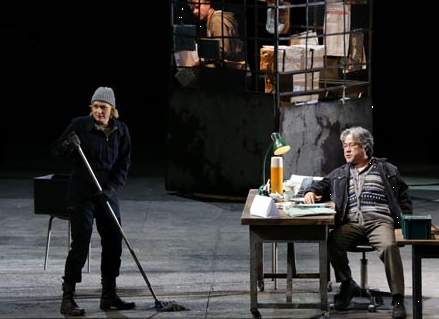
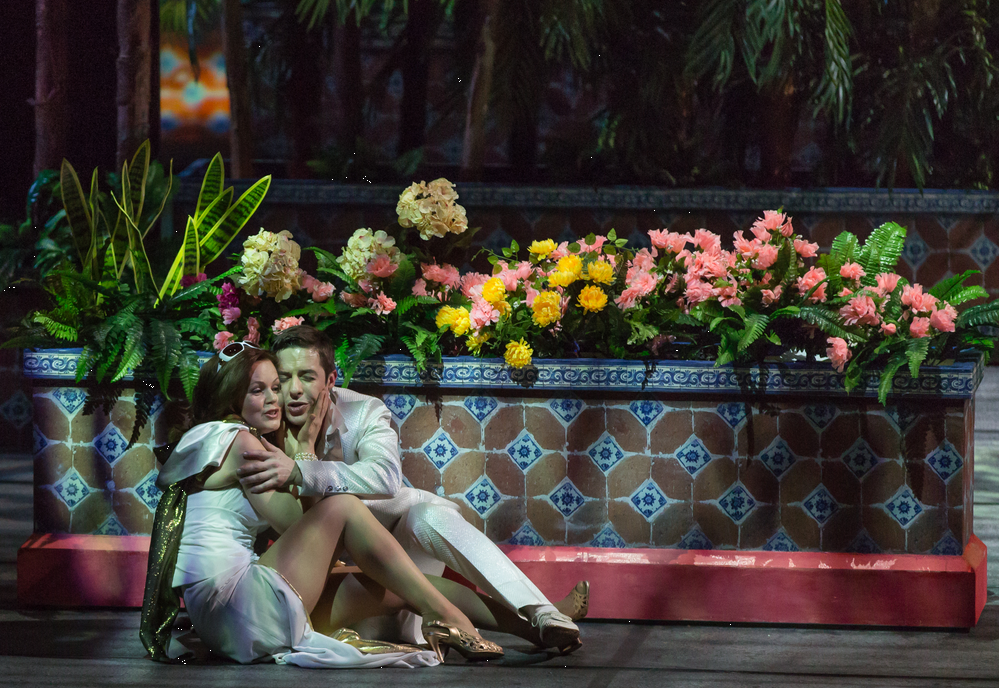
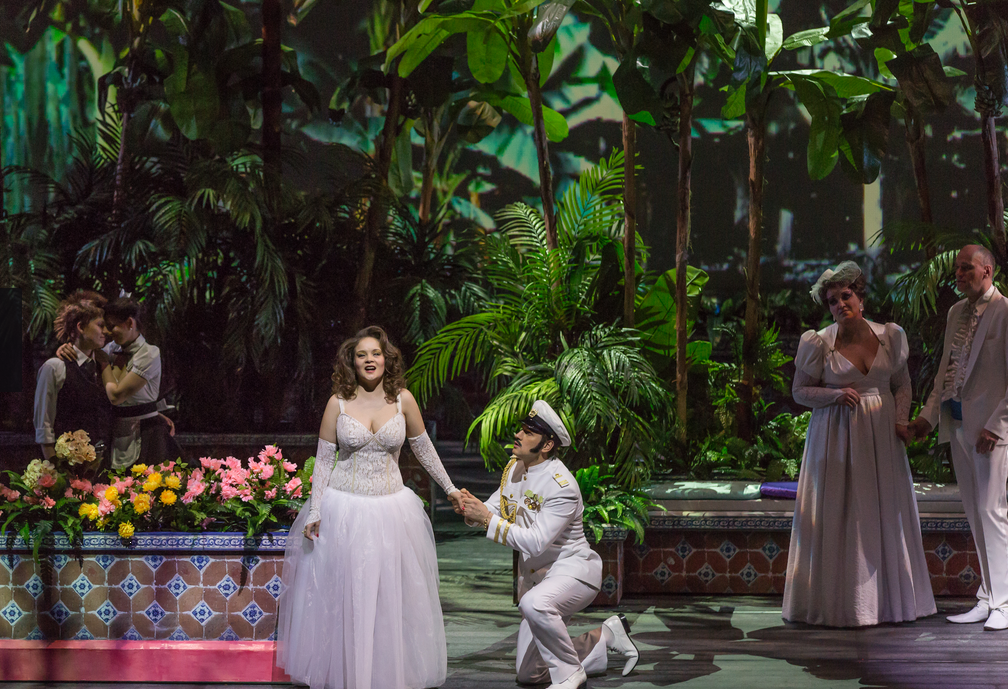
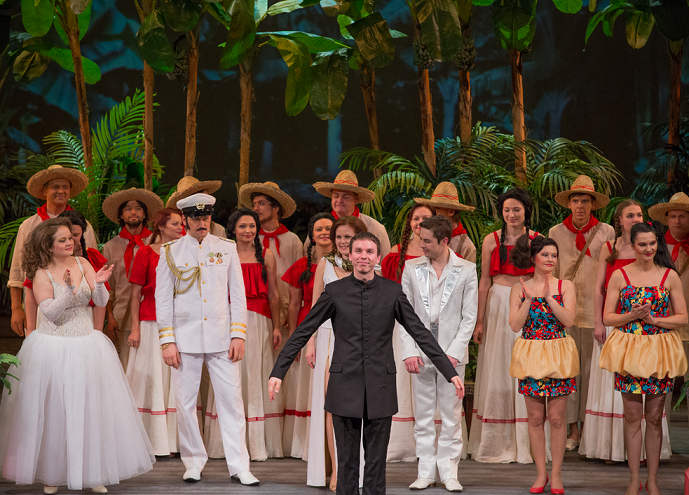
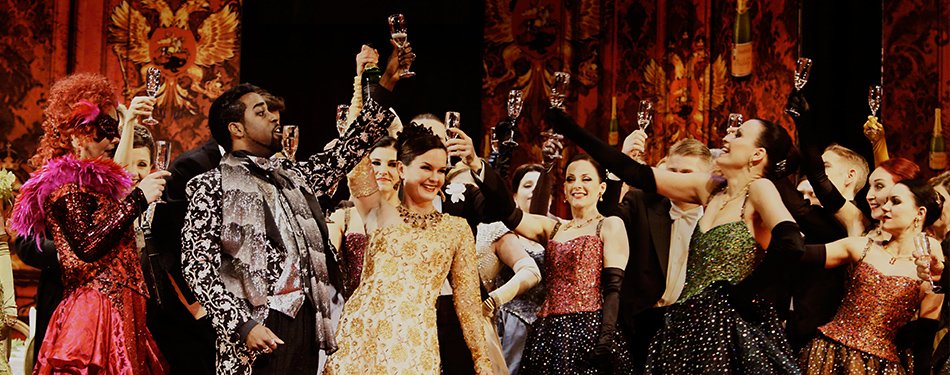
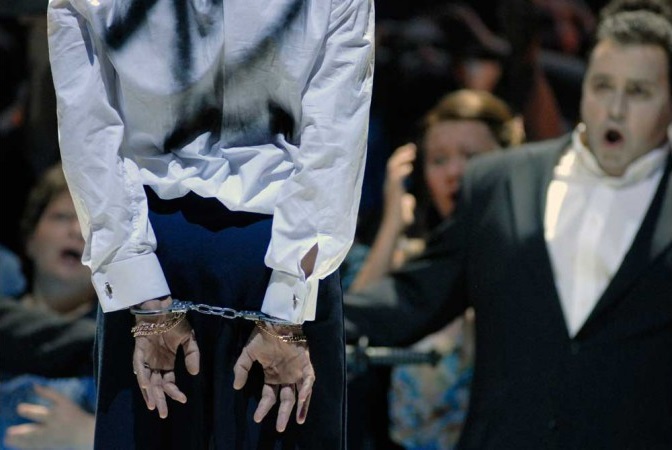
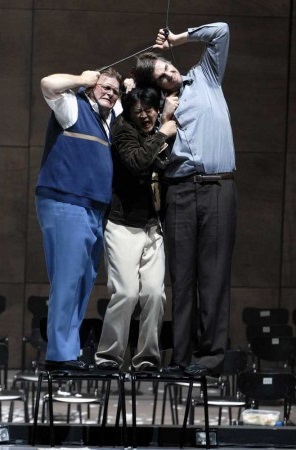
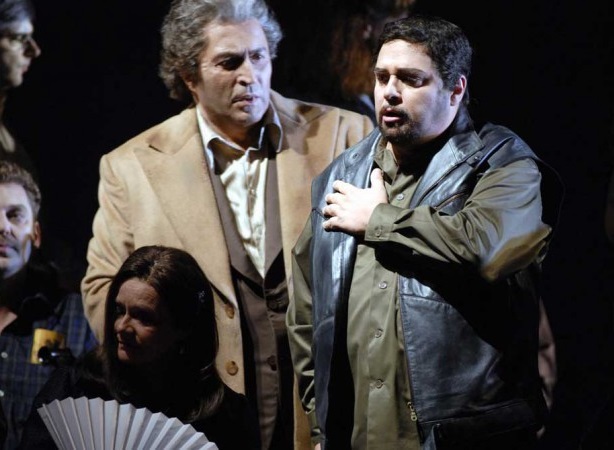
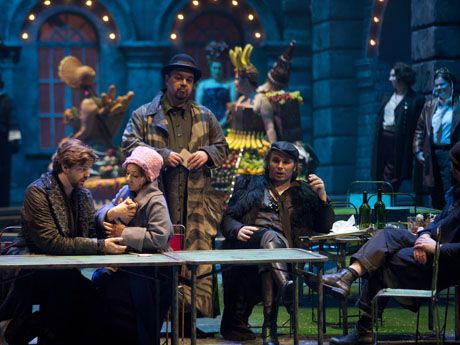
All images from the reharsal of Don Giovanni © Hofmann / La Monnaie – De Munt

IMG_5196_c_Hofmann

Don Giovanni

Music direction ¦ Ludovic Morlot
Director ¦ Krzysztof Warlikowski
Set design & costumes ¦ Malgorzata Szczesniak
Lighting ¦ Felice Ross
Dramaturgy ¦ Christian Longchamp
Choreography ¦ Claude Bardouil
Video ¦ Denis Guéguin
Chorus direction ¦ Martino Faggiani
Don Giovanni ¦ Jean-Sébastien Bou
Il Commendatore ¦ Sir Willard White
Donna Anna ¦ Barbara Hannigan
Don Ottavio ¦ Topi Lehtipuu
Donna Elvira ¦ Rinat Shaham
Leporello ¦ Andreas Wolf
Masetto ¦ Jean-Luc Ballestra
Zerlina ¦ Julie Mathevet
Orchestra & chorus ¦ La Monnaie Symphony Orchestra & Chorus
02, 04, 07, 09, 11, 14, 16, 18, 20, 23, 26, 28 & 30 December

IMG_5236_c_Hofmann

IMG_5255_c_Hofmann

Surtitles in French / Dutch

Approximate running time: 3 hours 45′ (including 1 interval)

Attention: this production contains scenes and images with explicit sexual content which we do not advise for children and youngsters under 16.

Pre-performance talks half an hour before the start of the performances by Rebecca Marcy (in French) and by Gert Haelterman (in Dutch).

Venue
La Monnaie, Grande Salle

IMG_5273_c_Hofmann IMG_5290_c_Hofmann IMG_5306_c_Hofmann IMG_5326_c_Hofmann

IMG_5347_c_Hofmann

Posted in OPera | Tagged , , , | Leave a comment

Peer Gynt (in Norwegian) in Oslo

logonorwayNovember 29.–January 17

Peer Gynt

Performed in Norwegian / Texted in Norwegian and English


  • Music and libretto : Jüri Reinvere
  • Conductor : John Helmer Fiore
  • Direction : Sigrid Strøm Reibo
  • Set design and costumes : Katrin Nottrodt
  • Choreography : Oleg Glushkov
  • Lighting design : Rainer Casper
  • Cast : The Children’s Chorus, The Opera Chorus, The Opera Orchestra
  • Translation from German: Tor Tveite

3 hours / 1 intermission

Photographs credit: Erik Berg

«Who are you?» That is the question Peer Gynt asks the Bøyg, the Mountain King and the Sphinx, receiving only the answer, «Myself». But who is that, and who is Peer Gynt? What does it mean to be Norwegian in 2014, 200 years after we gained our first written constitution? What or where is the core, the seed? Is there one at all?
Few works have so embodied what it means to be Norwegian as Ibsen’s Peer Gynt. Not only is it a key work in the Norwegian literary canon, it is also one of Ibsen’s most frequently performed plays on the international theatrical scene. Grieg’s setting of Ibsen’s text is still Norway’s best known dramatic music. But what does this legacy mean for us today?
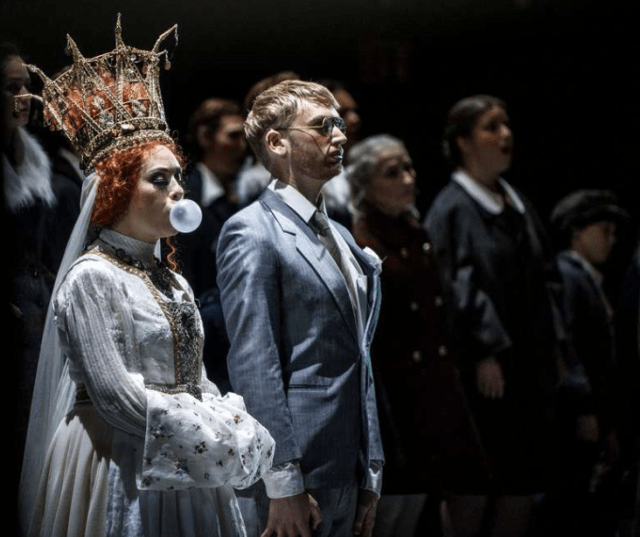
Photo credit: Erik Berg

Estonian composer Jüri Reinvere explores this question in a completely new Peer Gynt. This is not an operatic version of Ibsen’s dramatic verse play, but a new interpretation, with Reinvere providing both the music and libretto. In his Peer Gynt, Ibsen’s characters have different encounters and travel to new places. The famous verse play meets elements from other Ibsen pieces – as well as lines from the Edda and Shakespeare’s Hamlet.
This work is a commentary on the position of the Peer Gynt phenomenon as a national and international Norwegian symbol. It is the story of the search for an identity that constantly escapes us. Our past and our memories, on the other hand, we carry with us whether we want to or not. The story of the evasive Peer Gynt shows that we have to face them in order to better understand ourselves. With Reinvere’s work, staged by young Norwegian director Sigrid Strøm Reibo, we confront the Peer Gynt legacy in Norway today.
Premiere discussion one week before the premiere / Fiore Lecture Show / free introduction one hour before the performance
peer4

CAST

peerGyntNils Harald Sødal as Peer Gynt
TENOR

Following a busy freelance career, Nils Harald Sødal joined the Norwegian National Opera ensemble in 2012. Sødal has appeared on many European opera stages and has received complimentary critiques in international publications such as Opernwelt and Opernglas.
His 2012 debut at the world famous Semperoper in Dresden was received with enthusiasm, and when the Norwegian National Opera performed Peter Grimes at the Savonlinna Opera Festival that same year, Sødal impressed the Finnish press in the title role:
«From start to finish he convinces and gives us an insight into Peter Grimes’ inner life and conflicts.»
His major roles with the Norwegian National Opera include the title roles in Peter Grimesand Robin Hood, Rosillon in The Merry Widow, Alfred and Eisenstein in Die Fledermaus, Alfredo in La traviata, Don José in Carmen, David in The Fourth Watch of the Night, and Godpa in the new opera Khairos. This season, Sødal gives us an insight into the inner life and conflicts of Erik in The Flying Dutchman. As well as being an opera singer, Sødal is also a critically acclaimed author.

Operasolist-Marita-Solberg01Marita Sølberg as Unge Solveig
SOPRANO

«Norwegian soprano Marita Sølberg is an unforgettable Mimì of the highest international standard.» This was how Opera Now’s critic described her debut in the role in Stefan Herheim’s La Bohème, for which she also received the Critics’ Award. In spring 2014 she made her debut in the role of Donna Elvira in Don Giovanni, and returned to the stage as Mimì in La Bohème.
A former winner of the Queen Sonja International Music Competition, Sølberg worked with the Opera in Stuttgart for two years before becoming a soloist with the Norwegian National Opera in 2008. Sølberg has starred in roles like Pamina in The Magic Flute, Giulietta in a concert production of I Capuleti e i Montecchi, Kathrine Sigismund in The Fourth Watch of the Night, Female Chorus in The Rape of Lucretia and Nedda in Pagliacci.
In autumn 2013 she sang the Countess in The Marriage of Figaro, a reprisal of her role in the autumn 2010 production, which she also performed for the first time last year at La Fenice in Venice. She has also sung at major opera festivals in Salzburg and Glyndebourne, and has toured in many countries as Solveig in Peer Gynt. This fall she will sing a whole new Solveig in Jüri Reinvere’s Peer Gynt. In addition, she will perform Antonia in The Tales of Hoffmann.

IngeIngebjørg Kosmo as Mor Åse/Gamle Solveig
Mezzo Soprano

From the fiery title role in Bizet’s Carmen to the careful Suzuki in Puccini’s Madama Butterfly, from children’s songs to the Berlin Philharmonic – Ingebjørg Kosmo’s range is extensive.
The Norwegian National Opera has been pleased to have Kosmo as a soloist since 1997. Her long, rich history with the ensemble includes roles as Octavian in Der Rosenkavalier, the Composer in Ariadne auf Naxos, Idamante in Idomeneo, Donna Elvira in Don Giovanni, Dorabella in Così fan tutte, Sylva Varescu in Die Csárdásfürstin, Gudrun Skjeggesdatter in Søderlind’s Olav Tryggvason, Charlotte in Werther, Sextus in Julius Cæsar, Eboli in Don Carlo and Ellida in Søderlind’s opera The Lady from the Sea. With her solid experience, in 2013 she played the roles of Marcellina in The Marriage of Figaro and Bianca in The Rape of Lucretia. This season, she plays Antonia’s mother in The Tales of Hoffmann, Mor Åse/Gamle Solveig in Peer Gynt and Suzuki in Madama Butterfly.
Kosmo is a sought-after concert singer, and has performed as guest soloist in prestigious settings such as the Salzburg festivals and with the Berlin Philharmonic Orchestra. Her lyrical mezzo gives voice to Anitra in the recording of Peer Gynt with Bergen Philharmonic Orchestra. She also performs in Tveitt’s The Turtle with Stavanger Symphony Orchestra.
In 2013 she released a CD of children’s songs, Mamma synger – Sanger som går i arv, together with three fellow singers. A new solo release is coming in 2014.

IngridKari Ulfsnes Kleiven as Ingrid/Den grønnkledde/Anitra

SOPRANO

Kari Ulfsnes Kleiven comes from Melhus in the Sør-Trøndelag area of Norway, and is a soloist with the Norwegian National Opera starting in the 2014/2015 season, when she performed Barbarina in The Marriage of Figaro and Amor in Orfeo ed Euridice.

Ulfsnes Kleiven is trained at the Norwegian Academy of Music and the National Academy of Operatic Art in Oslo. During her studies, she sang the roles of Despina in Così fan tutte, Adele in Die Fledermaus, Serpetta in La finta giardiniera, Erisbe in L’Ormindo and Sister Genovieffa in Suor Angelica. She has received various scholarships, including scholarships from the Ruud-Wallenberg Fund.

DavidHansenDavid Hansen as Bøygen/Cheshirekatten/
Knappestøperen


thor_inge_falchThor Inge Falch as Smed/Herr Trumpetstråle/Huhu
TENOR

This spring Thor Inge Falch had great success with Eli Kristin Hanssveen, Hege Schøyen og Øivind Blunck in Hege og Øivind går til Operaen. Last autumn he the audience and the press as Piet The Pot in Le Grand Macabre. Aftenposten described the way he brought mortal fear to life: «with lots of vibrato and a tone that switches between warm and cold.»
Originally from Ballangen in the Nordland area of Norway, Falch has been a soloist with the Norwegian National Opera since 2007. His roles here include Eisenstein and Alfred in Die Fledermaus, Count Boni in Die Csárdásfürstin, Canio in Pagliacci, Robert Boles in Peter Grimes, Jon Bisp in Olav Trygvason, Passepartout in the premiere of Around the World in 80 Days, Prince John in Robin Hood and Herod in Salome.
Falch has also sung the title role in the opera Life with an Idiot at Malmö Opera and the Royal Danish Opera in Copenhagen, as well as the title role in Kejsar Jones at Göteborg Opera and at Ultima Contemporary Music Festival in Oslo. He has sung Cavaradossi in Tosca at Oscarsborg Fortress, and Calàf in Turandot and Manrico in Il Trovatore at Fredriksten Fortress.
Thor Inge Falch trained at Østlandet Music Conservatory, the National Academy of Operatic Art in Oslo and with Professor André Orlowitz in Copenhagen.

WeisserJohannes Weisser as Prest/Slakter/Hussein
TENOR

Johannes Weisser was born in 1980 in Norway. He studied at the Music Conservatory in Copenhagen and at the Royal Danish Academy of Opera in Copenhagen with Susanna Eken.
In the spring of 2004, at the age of 23, he made his debut at the Norwegian National Opera as well as at the Komische Oper Berlin, in both houses as Masetto in Don Giovanni. Since then he has established himself as one of the most exciting Scandinavian singers of his generation.
Engagements have brought him to Salzburg Festival, Staatsoper Berlin, Theater an der Wien, Théâtre de La Monnaie in Brussels, Théâtre des Champs-Elysées, Opéra national du Rhin Strasbourg, Opéra de Dijon, Opera Bilbao, Megaron Athens, Festspielhaus Baden-Baden, Komische Oper Berlin, Norwegian National Opera, Royal Danish Opera, Edinburgh International Festival, Innsbrucker Festwochen der alten Musik and Flanders Festival Bruges with roles such as the title role and Leporello in Don Giovanni, Guglielmo in Così fan tutte, Papageno in Die Zauberflöte, Schaunard in La Bohème, Malatesta in Don Pasquale, Mr. Flint in Billy Bud, Agamemnon in Gluck’s Iphigénie en Aulide, Giove in Cavalli’s La Calisto, Ramiro in Ravel’s L’heure espagnole, Plutone and Pastore 4 in Monteverdi’s L’Orfeo, King Theseus in Britten’s A Midsummer Night’s Dream, Valens in Handel’s Theodora and Achilla in Giulio Cesare.
Johannes Weisser is a much sought after concert, oratorio and singer and he regularly appears in concert venues and festivals throughout Europe. He has a considerable repertoire that spans music from the early 17th Century works of Monteverdi up to 20th Century works of Weill and Britten. He is an exceptionally communicative “Lied”-singer. His concerts have attracted much attention and have been highly praised, notably the concerts with the pianist Leif Ove Andsnes.
He has worked with conductors such as Rinaldo Alessandrini, Alfredo Bernardini, Fabio Biondi, Francesco Corti, Alan Curtis, Ottavio Dantone, Thomas Dausgaard, Stéphane Denève, Laurence Equilbey, Olari Elts, Adam Fischer, Patrick Fournillier, Eivind Gullberg Jensen, Philippe Herreweghe, J. David Jackson, René Jacobs, Tõnu Kaljuste, Fredrik Malmbrg, Michael McCarty, Juanjo Mena, Ingo Metzmacher, Marc Minkowski, Lars Ulrik Mortensen, Andris Nelsons, Andrew Parrott, Kirill Petrenko, Vasily Petrenko, George Petrou, Trevor Pinnock, Daniel Reuss, Christophe Rousset, Kwame Ryan, Andreas Spering, Christoph Spering, and Lothar Zagrosek.
Engagements in 2011 included Garzia in Attilio Ariosti’s La Fede nei tradimenti in Vienna, Siena and Montpellier, Arsitobolo in Handel’s Berenice at Theater an der Wien, Agamemnon in Gluck’s Iphigénie en Aulide in Athens, Achilla in Giulio Cesare at Theater an der Wien as well as at Théâtre des Champs-Elysées, Paris, Ramiro in Ravel’s L’heure espagnole with Birmingham Symphony Orchestra, Haydn’s Die Schöpfung in Verona, arias by Mozart with the Norwegian Chamber Orchestra, Bach’s St Matthew Passion with Oslo Philharmonic Orchestra, Mahler’s Kindertotenlieder in Hasselt (Belgium), Bach’s Mass in B minor in Leipzig and Zürich, Bach’s Actus Tragicus in Tromsoe and Handel’s Messiah in Oslo as well as in Trondheim.
Johannes has recorded the title role in Don Giovanni, Telemann’s Brockes Passion, Haydn’s Die Schöpfung and Bach’s St Matthew Passion – all with René Jacobs, Haydn’s Applausus with Andreas Spering, Achilla in Giulio Cesare and Licaone in Handel’s Giove in Argo with Alan Curtis, David in Staale Kleiberg’s David and Bathsheba and a highly acclaimed CD with songs by Grieg.
ketil_hugaasKetil Hugaas as Dovregubben/Eberkopf/
Begriffenfeldt/Kirkegårdsvakt
BASS

Opera singer, composer and musical arranger. Ketil Hugaas has great musical range and drive. He has been part of the soloists ensemble at the Norwegian National Opera since 2008, starring in the title role in Don Pasquale, as Sarastro in The Magic Flute, Dr. Bartolo in The Barber of Seville, Ol-Kanelesa in The Fourth Watch of the Night, Atlantis in Khairos and Schigolch in Lulu. The latter performance led to a guest engagement at the Semperoper in Dresden, where he reprised the role. He did a critically acclaimed Nekrotzar in Le Grand Macabre at the Norwegian Opera & Ballet in 2013 – a role he also gave at The Royal Danish Theatre the spring 2014.
Between 2000 and 2008 he was a soloist with the Royal Swedish Opera in Stockholm, and sang leading bass rolls in Don Giovanni, Lohengrin, Tannhäuser, Das Rheingold, Die Walküre, Boris Godunov and Wozzeck.
Ketil Hugaas has written two musical plays about his home town of Sulitjelma in Nordland. He has been the organizer of the Soloists Christmas Concert here at the Oslo Opera House, and the CD Mamma synger. He also has extensive experience as a concert singer, with a repertoire including classical and contemporary music and jazz.
In the 2013/2014 season he made his debut in the role of Nekrotzar in Le Grand Macabre; in spring 2014 he can be seen as Daland in The Flying Dutchman.
peer6SYNOPSIS

Act I

Scene 1: The wedding
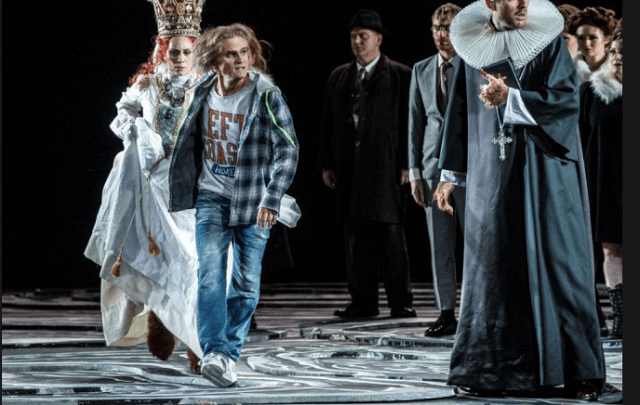
Peer Gynt arrives uninvited at the wedding of Ingrid and Mads Moen. His mother, Åse, accompanies him, and wants them to leave as soon as possible. Peer wants to find out whether Ingrid still has feelings for him, but when she tells him that she is still bleeding after undergoing an abortion, Peer loses interest. Solveig arrives with her sister and their father. Peer and Solveig seem to hit it off, and Solveig tells him about herself. The conversation is interrupted by Solveig’s father, who has found out that she is chatting with Peer Gynt; the troublemaker. Afterwards, Peer tries to pick up where they left off, but Solveig is reluctant. Some girls start flirting with Peer, and upset by Solveig’s rejection, he demonstratively joins their game. But the girls bully and humiliate Peer in front of the entire wedding party. To take his revenge, Peer runs away from the wedding with the bride, a willing Ingrid.peer7
Scene 2: The Enchanted Forest
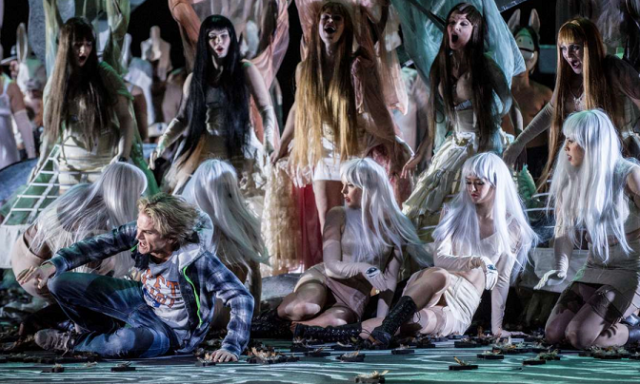
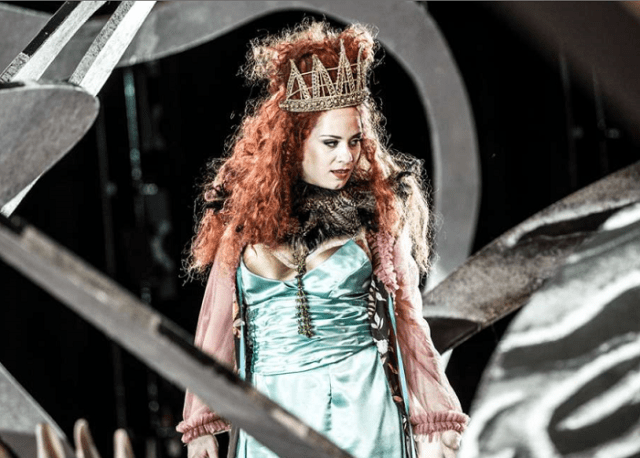
Ingrid and Peer are in the forest. Peer wants Ingrid there and then, but she would rather they return and prepare for marriage. Peer has no plans to be tied down and pushes her away. In the meantime strange beings have started to gather around them. Only Peer can see them, and Ingrid runs away, disappointed. The beings come closer and closer, it rains nightingales and suddenly the Green-Clad Woman is facing Peer. When he asks her who she is, she responds: “I’m your wife”. The Green-Clad Woman and her fairies tease and play with Peer. Suddenly the Green-Clad Woman is pregnant with Peer’s child. While the flirt of the fairies with Peer becomes more and more aggressive, the Green-Clad Woman goes into the forest to give birth. Peer attempts to escape, but is prevented by the Old Man of Dovre, who arrives with Peer’s new-born baby in his arms.
Peer tries to understand what is happening to him, saying that life is too short to be tied down, and that everyone has a skeleton or two in the closet. His ambitions conquer his sense of responsibility, his plan is clear: He decides to leave and follow his dream to become an Emperor.
Åse and Solveig are looking for Peer in the forest, but he does not dare show himself. As they disappear, the Old Man of Dovre and the Green-Clad Woman are waiting for him with the child. They want Peer to pledge allegiance to the Enchanted Forest, and surrender to lies, deceit and lust. Peer is interested, but balks when they ask him to pledge. He flees. Escaping from the Old Man of Dovre, he encounters the Boyg, who insists that Peer must make a choice; go home to the village and to Solveig. Peer resists, choosing freedom.peer8

Scene 3: A cabin in the forest
Peer goes to his mother’s to collect his things and prepare his journey into the world. At home he finds Åse on her deathbed. He tells her one last fairy tale and then says his goodbyes. Solveig arrives; she has left her family to be with him. For a moment Peer feels that everything is right, everything is as it should be. But his peace of mind is shattered when the Green-Clad Woman, with the child in tow, breaks upon the scene. Peer’s fear returns and he leaves them both.

Act II

Scene 1: Morocco
Peer has made his fortune and is now well of, with an entourage of sycophantic friends. In a discussion about what happiness is von Eberkopf tells a story about a slaughterhouse in Rome which is for sale. This abattoir holds all humanity’s dreams. Whoever has control of the slaughterhouse in Rome will thus own them and have power over everyone on earth. The hitch is that on arrival in the slaughterhouse people are shown their innermost desires and after seeing them most people immediately wish to die, which the slaughterhouse can help them with.
Peer is very interested in this story, but hides this from his friends. Anitra and her retinue arrive, joking that Peer should buy the abattoir and become the new Messiah. Peer replies that he would hardly want to be a Messiah. He is disappointed in mankind and even more in God, whom he feels is absent. He sees the world as a meaningless desert and people are hopeless fools because they need something to believe in to live.
To lift him out of these thoughts, Peer asks Anitra to sing for them. While she is singing, a gang of robbers enters. They steal Peer’s suitcase with all his money. It appears that Peer’s “friends” are behind the plot. With the rest of his valuables Peer decides to take Anitra with him to Rome to buy the slaughterhouse that would give him power over all mankind.peer11

Scene 2: Rome – in a slaughterhouse
In the slaughterhouse Anitra is appalled that Peer wants to own such a place. Peer, on the other hand, loves it; this is where weak people come to die. Anitra is frightened by the change in Peer and she flees from him. Peer is furious, all his hate against people pours out of him, and he is shown his dream, his innermost desire: to kill everybody and everything around him! Amid all the victims he suddenly sees Solveig. Peer is reminded of his human compassion and stops shooting. He collapses.

Scene 3: Cairo – in a madhouse
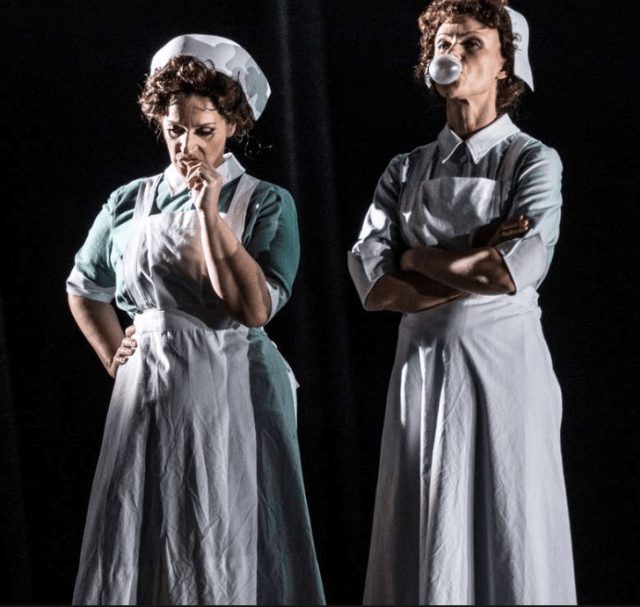
Peer wakes up in a vacuum. He cannot discern between truth and dream. He does not understand who he is or how he became what he is. In this state Peer learns that “To be yourself is to sacrifice your self”. But how do you do that? Peer leaves the madhouse as confused as he was, and a Cheshire cat approaches him. This creature, able to look right through him, tells him that he is suffering and needs to go home. Peer obeys, and sets course for home.peer13
Scene 4: Homecoming
After arriving home, Peer comes upon a nocturnal funeral. Talking with a groundskeeper, Peer desperately wants to know how to live without regret. The groundskeeper tells him this is done by being true to oneself and by seizing what is true in the moment. The groundskeeper then tells a story about someone who was so busy living and experiencing everything in life for himself that he travelled through life without ever understanding what or who he lived for. He did not live truly because he only lived for himself.
Peer figures out that this story is about him; his entire life has been meaningless, he has been selfish. Some of the mourners recognize him and old acquaintances come up to him to say hello. Peer sees that these simple people who he has despised all his life have had meaningful lives; they have lived loving each other.
Suddenly Young Solveig is there, as in a mirage. She has always been waiting for him. He has made her life meaningful. In her love he has been whole. Peer asks forgiveness, and Solveig forgives him, saying that now everything is the way it should be.
When they come to the cabin, Old Solveig meets them in the doorway. Young Solveig’s forgiveness could only have occurred in the past, it turns out. Peer came home too late. Old Solveig has forgiven him a long time ago and has lived her life sharing love with everyone around her. No one has the right to demand forgiveness from another person, forgiveness starts with oneself, she insists. For Young Solveig it hurts to discover Peer’s cheating, but her older self comforts her and encourages her; she will have a meaningful life. The happiness she felt in the infatuation of her youth will be valuable through all her life.
Peer understands that his cheating has been difficult for Solveig. He understands that the great forgiveness he is longing for will be an arduous task he must assume responsibility for himself. Young Solveig leaves the old couple, who are left mourning over a lost life together.


Posted in OPera | Tagged , , , | Leave a comment

The Orchestra Regionale Emilia Romagna MEETS THE YOUNG TALENTS

Lorer-incontra-i-giovani-talenti

YOUNG TALENTS COME INTO THE ORCHESTRA IN ITALY

The best students, singers, conductors and soloists of the Parma Conservatory “A. Boito” become the stars of an exclusive concert for young talents with the Orchestra Regionale Emilia Romagna. A series of events organized thanks to the collaboration between the two institutions. Thus, musical training development is integrated with the professionalization stage of the activity and with the orchestra. A constant dialogue between the worlds of education whose aim is to bring young artists closer to their future profession.

orer-incontra-i-giovani-talenti-2

logoEDU

Posted in Article, Music | Tagged , | Leave a comment

Little Conductors, Experimental didactic workshop about orchestra leaders

logoEDULittle conductors

Experimental didactic workshop about orchestra leaders

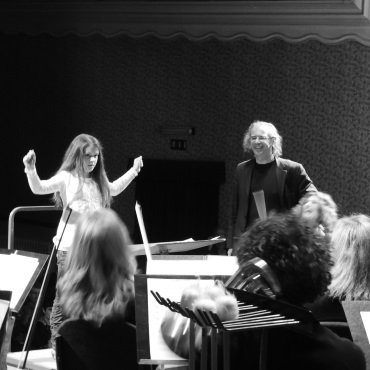
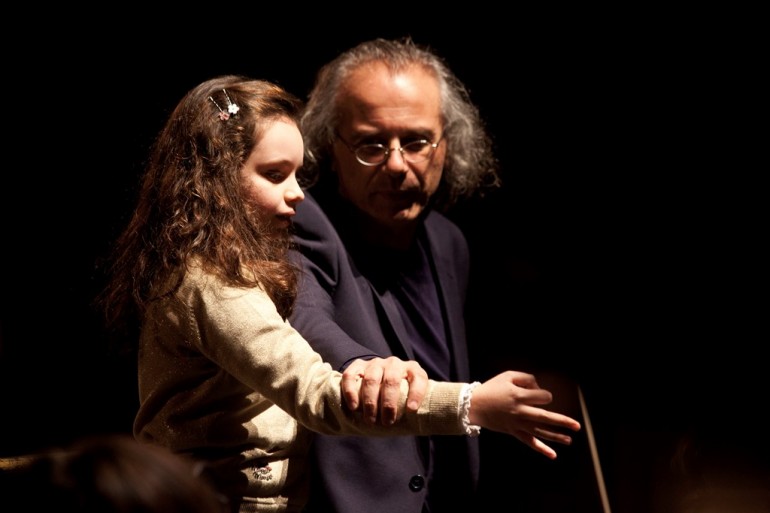
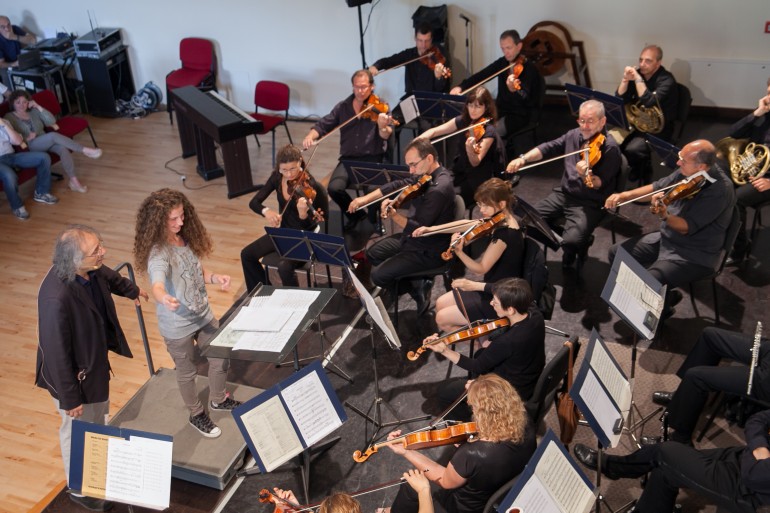
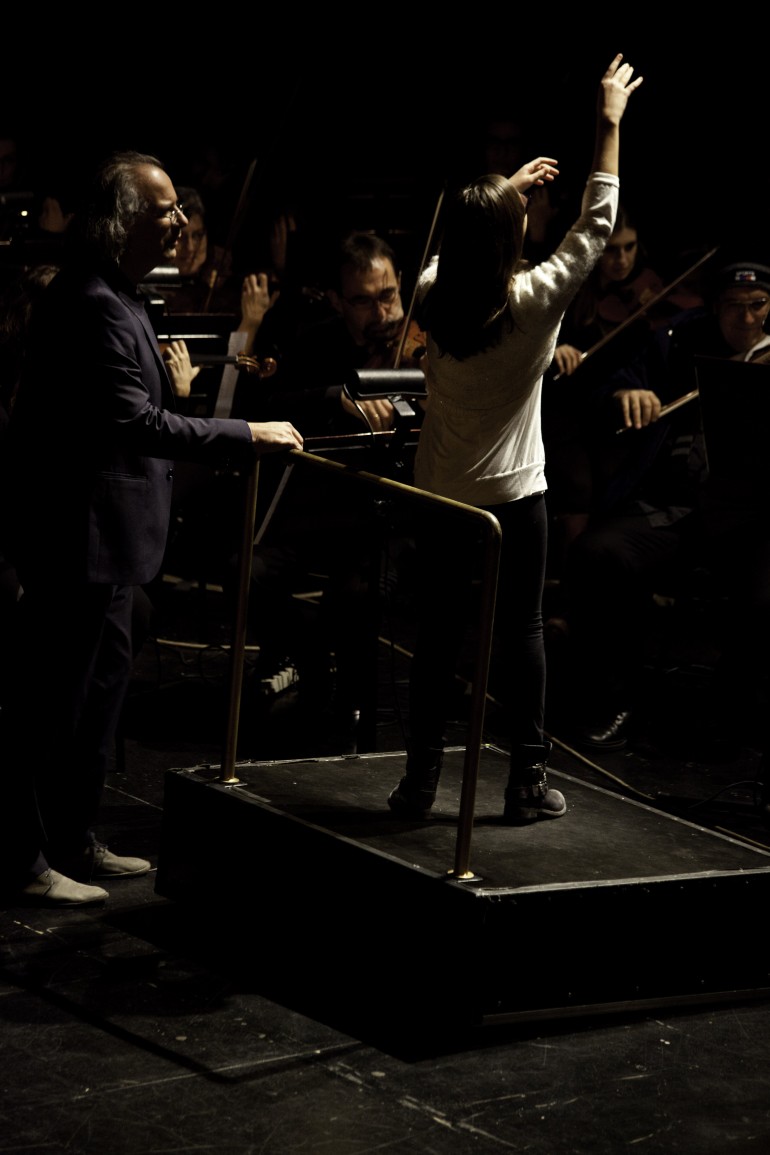
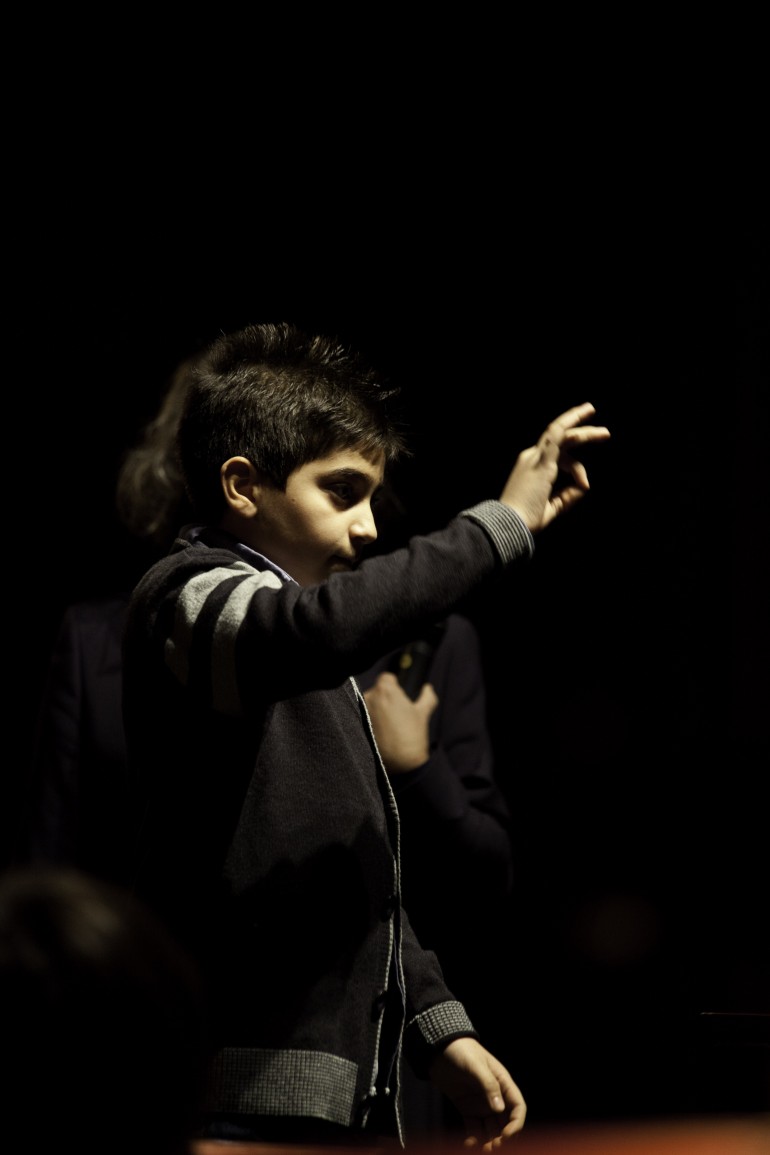
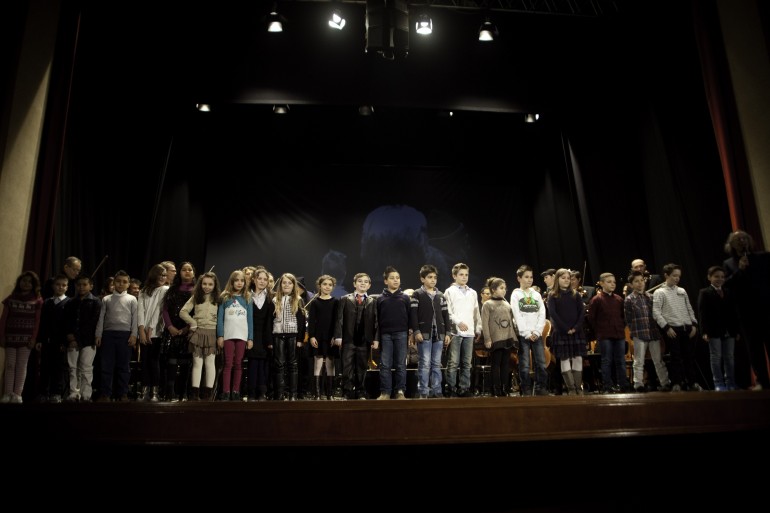
Ten young aspiring conductors and a philharmonic orchestra with 50 elements at their disposal. This is the first didactic workshop that turns children into real orchestra leaders. An experience never felt before and a unique occasion to discover that growing is also learning how to communicate with the others. Little conductors – communicating through the sound – is a didactic workshop inspired by Arturo Toscanini, one of the greatest orchestra leaders of all time.??????????

Do you know how Toscanini was so good? Definitely for his prodigious mind and his courage , but even more for his skill to communicate through music. Toscanini like any other knew how to convey the true emotions of each composers in the music performed by an orchestra. Through the power of gesture, thought and motion imparted with a simple wand, he makes people relive the genius of Giuseppe Verdi, Wagner and many others.

eduToscanini Educational has created a didactic workshop that turns children and young people into little conductors, helping them to experiment and develop their communication, expression, interpretation and leadership skills. 10 students, 10 meetings with the leader of a real Philharmonic orchestra. Three steps to overcome: the aware leader, communicating with gestures, the gesture becomes sound. These are the ingredients of a unique teaching experience.

“Nobody knows what is the maximum that can be achieved.” Arturo Toscanini

Project by Alessandro Nidipiccoli1piccoli5piccoli4piccoli3piccoli2

Posted in Lectures, Music | Tagged , , , | Leave a comment

FIDELIO at the Scala in Milan

scalaFidelio

Ludwig van Beethoven

New Teatro alla Scala Productionfidelio1

Teatro alla Scala Orchestra and Chorus 

From 7 to 23 December 2014

Running Time: 2 hours 50 minutes intermission included

Sung in German with electronic libretto in Italian, English, German

NOTES ON THE PERFORMANCES

A tribute to marriage coming from a bachelor is a tad suspicious. But for Beethoven the idealization of the woman-bride was heartfelt and sincere. It has always been a unique opera starring a courageous wife who wows audiences. Fidelio is a moral title, associated with the ideals of liberty of the French Enlightenment. Nobility and commoners are united in their thirst for justice against the oppression of power. For once the faithful consort of a desaparecido wins her battle against a treacherous tyrant, and the collective joy truly is “nameless”, as is sung on the stage. Especially because the “our heroes to the rescue” finale is recounted by the triumphant symphonic flair of the quintessential musician. Beethoven really does bring the world to collapse at the conclusion of this opera, which begins like a delightful little comedy, but which scales and transcends all the summits of the dramatic-musical art. Daniel Barenboim has spent a lifetime examining every note of Beethoven and his maturity unquestionably holds some thrilling and touching surprises in store for us. Great anticipation for the choices of the very sophisticated English director Deborah Warner, who charmed audiences a few years ago with a gorgeous production of Britten’s Death in Venice. And the lyrical difficulty of the masterpiece has been overcome, with a cast of eminent names from international lyric opera. The show is included in the”Milan Heart of Europe” program, promoted by the Municipality of Milan during the semester of the Italian Presidency of the EU: no other title could better represent the values and culture of Europe.

DIRECTION

Conductor
Daniel Barenboim
Staging
Deborah Warner
Sets and costumes
Chloe Obolensky
Lights
Jean Kalman

CAST

Don Fernando
Peter Mattei
Don Pizarro
Falk Struckmann
Florestan
Klaus Florian Vogt; Jonas Kaufmann (10 Dec.)
Leonore
Anja Kampe
Rocco
Kwangchul Youn
Marzelline
Mojca Erdmann
Jaquino
Florian Hoffmann
Erster Gefangener
Oreste Cosimo
Zweiter Gefangener
Devis Longo
 Picture by  Marco Brescia & Rudy Amisano Fidelio (Act I): Leonore/Fidelio (Anja Kampe); Rocco (Kwangchul Youn)


Picture by Marco Brescia & Rudy Amisano
Fidelio (Act I): Leonore/Fidelio (Anja Kampe); Rocco (Kwangchul Youn)

Synopsis

Act I

The state prison courtyard.
Jaquino, the prison turnkey, loves Marzelline, daughter of the chief jailer Rocco (Duet: “Jetzt, Schätzchen, jetzt sind wir allein”), but the girl has rejected his attentions since the arrival at the prison of the young Fidelio, who is in reality Leonore, whose husband Florestan vanished mysteriously two years ago. Disbelieving rumours that he is dead, Leonore has come to the prison into which she suspects Florestan has been thrown by his enemy the governor Don Pizarro. Here, in male attire and under the name of Fidelio, she has earned the trust of Rocco, who has made “him” his assistant. Marzelline is alone and sings her love of Fidelio, whom she hopes soon to marry (Aria: “O wär ich schon mit dir vereint”).

Picture by  Marco Brescia & Rudy Amisano Fidelio (Act I): Don Pizarro (Falk Struckmann); Rocco (Kwangchul Youn)

Picture by Marco Brescia & Rudy Amisano
Fidelio (Act I): Don Pizarro (Falk Struckmann); Rocco (Kwangchul Youn)

Rocco interprets his young assistant’s zeal as a sign of his love for Marzelline (Quartet: “Mir ist so wunderbar”) and therefore promises his daughter in marriage to Fidelio. He reminds them both, though, not to forget that money also is necessary to happiness (Aria: “Hat man nicht auch Gold beineben”). Rocco agrees to Fidelio’s request to take on even the heaviest duties and to accompany him to the dungeons, where the disguised wife suspects that Florestan is being confined (Trio: “Gut, Söhnchen, gut”). To the sound of a march, the prison governor Pizarro enters, accompanied by officials. He is given a letter warning him that Don Fernando, minister of Spain, is due shortly to inspect the prison.

Picture by  Marco Brescia & Rudy Amisano

Picture by Marco Brescia & Rudy Amisano

Pizarro at once decides to get rid of the prisoner held in a secret dungeon, and relishes the thought of his murder (Aria with chorus: “Ha, welch ein Augenblick”). He asks Rocco to kill the prisoner and to hide the corpse. When Rocco refuses, he orders him to dig a grave, announcing that he himself will do the deed (Duet: “Jetzt, Alter, jetzt hat es Eile”). Leonore, who has heard all, is horrified but does not give up hope of rescuing her husband (Recitative and aria: “Komm, Hoffnung, laß den letzten Stern”). She persuades Rocco to let the prisoners out for a few minutes, and they are seen walking unsteadily into the unfamiliar sunlight and fresh air (Finale: “O welche Lust, in freier Luft”). Meanwhile Fidelio gets permission from Rocco to go with him into the dungeons and to help him dig the prisoner’s grave. Pizarro is enraged by the jailer’s decision to let out the prisoners and has them sent straight back into their cells. Rocco calms his wrath by reminding him of Florestan’s imminent death.

Fidelio (Act II): Florestan (Klaus Florian Vogt) Picture by  Marco Brescia & Rudy Amisano

Fidelio (Act II): Florestan (Klaus Florian Vogt)
Picture by Marco Brescia & Rudy Amisano

Act II


A dark dungeon.
Florestan, imprisoned by Pizarro for having denounced his misdeeds, lies chained in the darkness but in the knowledge that he did right. In his delirium he has a vision of Leonore who has come like an angel to set him free (Introduction and aria: “In des Lebens Frühlingstagen”). Rocco and Fidelio enter to carry out Pizarro’s orders and to dig the prisoner’s grave (Melologue and duet: “Nur hurtig fort, nur frisch gegraben”). Leonore recognises Florestan, but waits before disclosing her identity to him; she comforts him with bread and wine and in return receives a promise of a reward in a better world (Trio: “Euch werde Lohn in bessern Welten”). Pizarro goes down to the dungeons, ready to commit his foul deed. As he raises his arm to stab the prisoner, he lets himself be recognised. But Leonore flings herself between the two men and likewise makes herself known. When Pizarro recovers from his surprise, he steps forward to slay them both, but again Leonore prevents him by threatening him with a pistol (Quartet: “Er sterbe! Doch er soll erst wissen”). A trumpet-blast is heard from the tower announcing the arrival of the minister. Pizarro hurries up from the dungeon to receive him. Leonore and Florestan can at last embrace and give vent to their joy (Duet: “O namenlose Freude!”).
Fidelio (Act II): Florestan (Klaus Florian Vogt) Picture by  Marco Brescia & Rudy Amisano

Fidelio (Act II): Florestan (Klaus Florian Vogt)
Picture by Marco Brescia & Rudy Amisano

The parade ground of the castle with a statue of the king.
Don Fernando bears a message of fraternity and liberty: by the king’s orders, all the prisoners are to be released. When Rocco ushers Florestan and Leonore into Don Fernando’s presence, the minister is astonished to recognise his friend whom he believed to be dead. Pizarro’s crimes are revealed and he is arrested. Everybody exults as Leonore frees Florestan from his chains (Finale: “Heil sei dem Tag, heil sei der Stunde”).

fidelio7

Fidelio (Act II): Leonore/Fidelio (Anja Kampe) Picture by Marco Brescia & Rudy Amisano

fidelio8

Fidelio (Act II): Florestan (Klaus Florian Vogt); Leonore/Fidelio (Anja Kampe); Don Fernando (Peter Mattei) Picture by Marco Brescia & Rudy Amisano

fidelio9

Fidelio (Act II): Leonore/Fidelio (Anja Kampe); Florestan (Klaus Florian Vogt); Don Fernando (Peter Mattei) Picture by Marco Brescia & Rudy Amisano

Posted in OPera | Leave a comment

LE NOZZE DI FIGARO in Latvia

latvialogo
Wolfgang Amadeus Mozart

LE NOZZE DI FIGARO

03:45 3 acts The Main Hall
Premiere: 2014-02-28
FIGARO-Janaitis-7597
Conductor: Andris Veismanis
Stage Director: Marcelo Lombardero
Set Designer: Diego Siliano
Costume Designer: Luciana Gutman
Light Designer: Horacio Efron

figaroLatvia1The witty Figaro wants to marry the beautiful maid Suzanne, but her charms have also moved Count Almaviva. And Cupid’s arrows didn’t stop there – the romantic plot is filled with lords and servants in disguise. Will Figaro manage to stop the lovesick Count Almaviva? The Marriage of Figaro is the first production brought to Latvian audiences by Argentine producer and Teatro Colon Artistic Director Marcelo Lombardero, whose productions are critically acclaimed by audiences and critics in South America and Europe. Lombardero brings Mozart’s comic opera to the LNO in the 1980s TV series style of Latin America, conjuring an atmosphere rife with exotic, social and erotic tension.

Performed in Italian, surtitled in English, Latvian.

figaroLatvia2

SYNOPSIS

Act I

Count Almaviva’s country estate somewhere in South America, 1980ies. The servants Figaro and Susanna are preparing for their wedding. Figaro is furious when his bride tells him that the count has made advances toward her and vows to outwit his master. The scheming Dr. Bartolo appears with his housekeeper, Marcellina, who wants Figaro to marry her. When she runs into Susanna, the two women trade insults. The page Cherubino enters; finding Susanna alone, he explains to her that he is in love with all women. He hides when the count—who is angry because he caught Cherubino flirting with Barbarina, the gardener’s daughter—shows up.

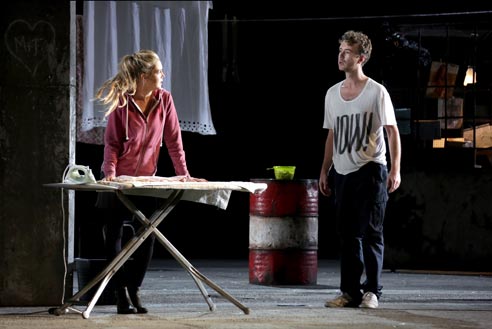
figaroLatvia3The count again pursues Susanna, but conceals himself when the music master, Basilio, approaches. When Basilio tells Susanna that Cherubino has a crush on the countess, the count furiously steps forward. He becomes further enraged when he discovers the page in the room. Figaro returns with a group of peasants who praise the count for renouncing the traditional feudal right of a nobleman to take the place of a manservant on his wedding night. The count orders Cherubino to join his regiment in Seville and leaves Figaro to cheer up the unhappy adolescent.

figaroLatvia4

Act II

The countess laments that her husband no longer loves her. Encouraged by Figaro and Susanna, she agrees to set a trap for him: they will send Cherubino, disguised as Susanna, to a rendezvous with the count. The page sings a song he has written in honor of the countess, after which Susanna begins to dress him in girls’ clothes. When she goes off to find a ribbon, the count knocks and is annoyed to find the door locked. Cherubino hides in the closet. The countess admits her husband, who, when he hears a noise, is skeptical of her story that Susanna is in the closet. Taking his wife with him, he leaves to get tools to force the door. Meanwhile, Susanna, who has reentered unseen and observed everything, helps Cherubino escape through the window before taking his place in the closet.

figaroLatvia5When the count and countess return, both are stunned to find Susanna inside. All seems well until the gardener Antonio appears, complaining that someone has jumped from the window, ruining his flowers. Figaro, who has rushed in to announce that everything is ready for the wedding, pretends that it was he who jumped. When Bartolo, Marcellina, and Basilio appear, waving a court summons for Figaro, the delighted count declares the wedding postponed.figaroLatvia6

Act III

Susanna leads the count on with promises of a rendezvous, but he grows doubtful when he overhears her conspiring with Figaro. He vows revenge. The countess recalls her past happiness. Marcellina wins her case but then, noticing a birthmark on Figaro’s arm, is astonished to discover that he is her long lost son, fathered by Bartolo. The joyful parents agree to marry as well. Susanna and the countess continue their conspiracy against the count and compose a letter to him confirming the rendezvous with Susanna that evening in the garden. Later, during Figaro and Susanna’s wedding ceremony, the bride slips the letter to the count.figaroLatvia7

Act IV

In the garden, Barbarina tells Figaro and Marcellina about the planned rendezvous between the count and Susanna. Thinking that his bride is unfaithful, Figaro rages against all women. He leaves, just missing Susanna and the countess, who are dressed for their masquerade. Alone, Susanna sings a love song. Figaro, hidden nearby, thinks she is speaking to the count. Susanna conceals herself in time to see Cherubino declare his love to the disguised countess—until the count chases him away to be alone with “Susanna”. Soon Figaro understands what is going on and, joining in the fun, makes exaggerated advances towards Susanna in her countess disguise. The count returns, finding Figaro with his wife, or so he thinks. Outraged, he calls everyone to witness his verdict. At that moment, the real countess reveals her identity. Realizing the truth, the count asks for his wife’s forgiveness. The couples are reunited, and so ends this mad day.figaroLatvia8figaroLatvia9 figaroLatvia10 figaroLatvia11

Posted in OPera | Leave a comment

Marco Arturo Marelli directs Die Fledermaus in Finland

logofinlandThe Finnish National Opera Presents:

diefledermausDie Fledermaus

Johann Strauss

Falke, a notary, was once abandoned on the town after a fancy dress ball, dressed up as a bat; in revenge, he orchestrates a series of misunderstandings. At a well-lubricated soirée held by Prince Orlofsky, the guests are incognito, and the inevitable confusion leads to everyone ending up in jail. In the hilarious final reckoning, it is deemed that champagne is the culprit. Die Fledermaus is a classic operetta thanks to its energetically bubbling music.

The new production shows that even an old warhorse can reveal new aspects of itself. Marco Arturo Marelli, who created the brilliant productions of Der Rosenkavalier and Pelléas et Mélisande, brings colour, movement, joy and kaleidoscopic whirls to the stage, all executed with the light touch of a Viennese waltz.
Duration 3 h 10 min, 1 intermission

Performed in German, surtitles in Finnish, Swedish and English.
Posted in OPera | Tagged , , | Leave a comment

Tosca at the Opera Royal de Liege

toscawallonieSeason :2014-2015 Length :3h30

Song language: Italian

Conductor :Paolo Arrivabeni, Cyril Englebert

Choirmaster :Marcel Seminara

Artist: Barbara Haveman, Isabelle Kabatu, Marc Laho, Ruggero Raimondi, Roger Joakim, Laurent Kubla, Giovanni Iovino

Number of performances:9

Dates :Sat, 20/12/2014 to Fri, 02/01/2015

Last performance at the Opera : Novembre 2007.

About the cast

Ten performances will be dedicated to this monumental work by Puccini, with a textbook Scarpia on stage: Ruggero Raimondi returns to us for one of his favourite roles!

In the role of Floria Tosca, we will find in alternation two exceptional artists of refined emotion and sensitivity: Barbara Haveman and Isabelle Kabatu.

As for Marc Laho and Calin Bratescu, they will both portray to perfection the full range of emotions that run through Cavaradossi.

The story of Tosca

In Rome, in 1800, security is enforced by the baron Scarpia, the chief of police.

He calls for the arrest of the painter Cavaradossi, who is concealing Cesare Angelotti, a fugitive prisoner.

Tosca, the painter’s lover, is courted by Scarpia.

He makes her a terrible bargain: to give herself to him if she wants to save the condemned Cavaradossi.

She accepts and prepares herself for a faked execution.

However, when Cavaradossi falls under the bullets, Tosca throws herself off a terrace of Castel Sant-Angelo…


Libretto: Giuseppe Giacosa and Luigi Illica,
after the play by Victorien Sardou
Production: Opéra Royal de Wallonie-Liège


On the 10th of January, this opera will be played at the Palais des Beaux Arts de Charleroi

Cast

Conductor: Paolo Arrivabeni et Cyril Englebert (10/01)
Director: Claire Servais
Director Assistant: Rodrigue André
Set designs: Carlo Centolavigna
Costume designs: Michel Fresnay
Lighting designs: Olivier Wéry

Choirmaster: Marcel Seminara
Orchestra, Choirs & Mastery: Opéra Royal de Wallonie-Liège

Floria Tosca: Barbara Haveman • / Isabelle Kabatu •
Mario Cavaradossi: Marc Laho • / Calin Bratescu •
Il Barone Scarpia: Ruggero Raimondi • / Pierre-Yves Pruvot •
Cesare Angelotti: Roger Joakim
Il Sagrestano: Laurent Kubla
Spoletta: Giovanni Iovino
Sciarrone: Marc Tisson
Un Carceriere: Pierre Gathier


• 20-23-27-30 December and 2 January / • 21-26-28-31 December and 10 January
• 20-23-27-30 December / • 21-26-28-31 December and 2-10 January

About the opera

Initially cold-shouldered by audiences then rapidly finding appreciation, Tosca is without contest the most attractive work by Puccini.
Alongside a plot of formidable effectiveness, one finds three roles that are simultaneously fascinating and balanced, with very deep inner lives.
Puccini devoted all his talent to it, playing admirably with the different orchestrations according to arias, choruses and purely musical passages.
He reveals his personal tastes in terms of harmony too, for, by turns, one hears a hint of the orchestration and the play of harmonies of Ravel, the lyricism of Debussy, or, by contrast, the grandeur of Wagner, with denser, more highly-charged scoring.
Incorporated more deeply in the realist tradition, Tosca remains a dense work where the historical and political situation produces a horrific drama, something which distinguishes it from the other operas by Puccini.

Maria Callas launched and ended her career on stage by playing the role of Floria Tosca

Posted in OPera | Tagged , | Leave a comment

Turandot in Berlin

deutsche

PRESENTS:

turandot1Turandot

Giacomo Puccini (1858 – 1924)

Dramma lyrico in three acts; Libretto by Giuseppe Adami and Renato Simoni, after the play by Carlo Gozzi; First performed on 25th April 1929 in Milan; Premiered at the Deutsche Oper Berlin on 13th September 2008

In Italian with German and English surtitles

Photo credit: Turandot © 2008, Bettina Stöß

Cast

Conductor Ivan Repusic
Director Lorenzo Fioroni
Stage design Paul Zoller
Costume design Katharina Gault
Chorus master William Spaulding
Children’s Chorus Christian Lindhorst
Turandot Catherine Foster
Elisabete Matos (05.04.2015 | 11.04.2015)
Altoum Peter Maus
Calaf Kamen Chanev
Liù Heidi Stober
Martina Welschenbach (05.04.2015 | 11.04.2015)
Timur Simon Lim
Albert Pesendorfer (05.04.2015 | 11.04.2015)
Ping Melih Tepretmez
Pang Gideon Poppe
Jörg Schörner (05.04.2015 | 11.04.2015)
Pong Matthew Newlin
A mandarin Andrew Harris
1st voice Elbenita Kajtazi
Siobhan Stagg (05.04.2015 | 11.04.2015)
2nd voice Christina Sidak
Chorus Chor der Deutschen Oper Berlin
Chorus Kinderchor der Deutschen Oper Berlin
Orchestra Orchester der Deutschen Oper Berlin

turandot2

Information

Society lives in terror of a Princess. Turandot, the fascinating and beautiful representative of a ruling dynasty, presides over the cruelty. Matrimony alone seems likely to end the violence, yet no suitor has managed to solve her riddles and win her hand. Time and again the same scene is played out, ending in yet another execution. Against all expectations, Calaf, son of an exiled potentate from a far-off country, breaks the mould. He answers her questions and crowns his triumph by turning the tables, extending the game of riddles and asking the Princess a question in return. turandot3

In his early sixties Puccini is still keen to break new ground. Society is in a state of flux, huge changes are sweeping the art world, fresh and more abstract forms are asserting themselves as a way of expressing the world as we know it. Puccini spent the last four years of his life working on TURANDOT, basing his opera on Carlo Gozzi’s fairytale play of 1762. Far from conjuring up an endearing, doll-like China, the exotic tones of this, his richest and most dissonant score, present us with a world steeped in an atmosphere of inconceivable cruelty.turandot5

The resolution of the drama was to prove an insurmountable obstacle for Puccini. Although he was uneasy at the prospect of any opera of his ending happily he never extricated himself from the cul de sac into which he had manoeuvred himself with the selfless death of Liu and the imminent coming together of Turandot and Calaf. The question as to what might possibly draw these two characters together remained unanswered. The notion of an all-encompassing love as an instrument of redemption that overcomes all obstacles so fascinated and repelled Puccini that he found himself unable to capture this Utopia for the stage. When he died in 1924 with the work unfinished, the publishing house of Ricordi commissioned the composer Franco Alfano to complete the opera in line with sketches left behind by Puccini. turandot6

“There exists a form of violence that is bent on destroying the body, not as a result of, or companion to, another type of violence, but purely as a deliberate act directed against that particular body. I call this form of violence “autotelian”. Our Western literature begins with the description of an excessive use of autotelian violence: Achilles is not content with killing Hector; he wants to destroy his body. In building the Colosseum, one of the most famous edifices on earth, Rome was erecting a structure dedicated to the public delight in spectacles of autotelian violence.

In our modern rush to revile the connection between might and violence we have forgotten how to recognise it when we see it. In our eyes violence is committed either illegitimately [crime] or legitimately [for the prevention of crime] or as an act of war designed to disarm a threatening enemy. Rapacious violence is either criminalised or, in wartime, denied; it is no longer tolerated, even within families. At best, we perceive autotelian violence as a peculiar form of madness, to be abhorred when encountered in the real world and loathed when viewed in the media.

turandot7Where autotelian violence determines government policy it passes beyond our understanding and we do not see it happening. Humans have this ability; it is the greatest power that can be invested in a person, to visit wanton violence on other people. And if we ignore the fact that humans have always been, at the very least, susceptible to the temptation to commit acts of autotelian violence, then we are liable not to see the risks inherent in perpetrating violence in whatever form. Wherever spaces are created for the perpetration of autotelian violence, autotelian violence will be perpetrated.” (Jan Philipp Reemtsma)

Posted in OPera | Tagged , , , , , | Leave a comment

La Bohème in Finland

logofinland

Finnish National Opera presents:

bohemeLa Bohème

Giacomo Puccini

It is a frigid winter in Paris; the moon shines over the roofs of the city. But the virtues of art and romance warm the hearts of the young bohemians, just like the music of Puccini feeds the audience’s soul.

The cold hands of Mimì light a fire in Rodolfo’s heart, but their moments of happiness are soon over and tubercular Mimì’s hands never warm again. The incandescent melodies of Puccini wrap the young band of artists in their loving arms. One of the world’s most beloved operas, La Bohème is presented as a fresh new production under the direction of Katariina Lahti.

Duration 2 h 30 min, 1 intermission
Performed in Italian, surtitles in Finnish, Swedish and English.
Stephen Gadd, Jussi Merikanto, Zach Borichevsky, Stefanna Kybalova, Jyrki Korhonen

Stephen Gadd, Jussi Merikanto, Zach Borichevsky, Stefanna Kybalova, Jyrki Korhonen

Zach Borichevsky, Marjukka Tepponen

Zach Borichevsky, Marjukka Tepponen

Upcoming performances

Main auditorium

  • Fri 12/12/2014 7:00 pm
  • Tue 16/12/2014 7:00 pm
  • Mon 29/12/2014 7:00 pm
  • Sat 03/01/2015 2:00 pm
  • Thu 08/01/2015 7:00 pm
  • Sat 10/01/2015 7:00 pm
    Mari Palo, Jaakko Kortekangas

    Mari Palo, Jaakko Kortekangas

    Zach Borichevsky, Marjukka Tepponen

    Zach Borichevsky, Marjukka Tepponen

    79_478

    Zach Borichevsky, Stefanna Kybalova, Jyrki Korhonen, Jussi Merikanto

    Zach Borichevsky, Stefanna Kybalova, Jyrki Korhonen, Jussi Merikanto

Posted in OPera | Tagged , , , , , , | Leave a comment