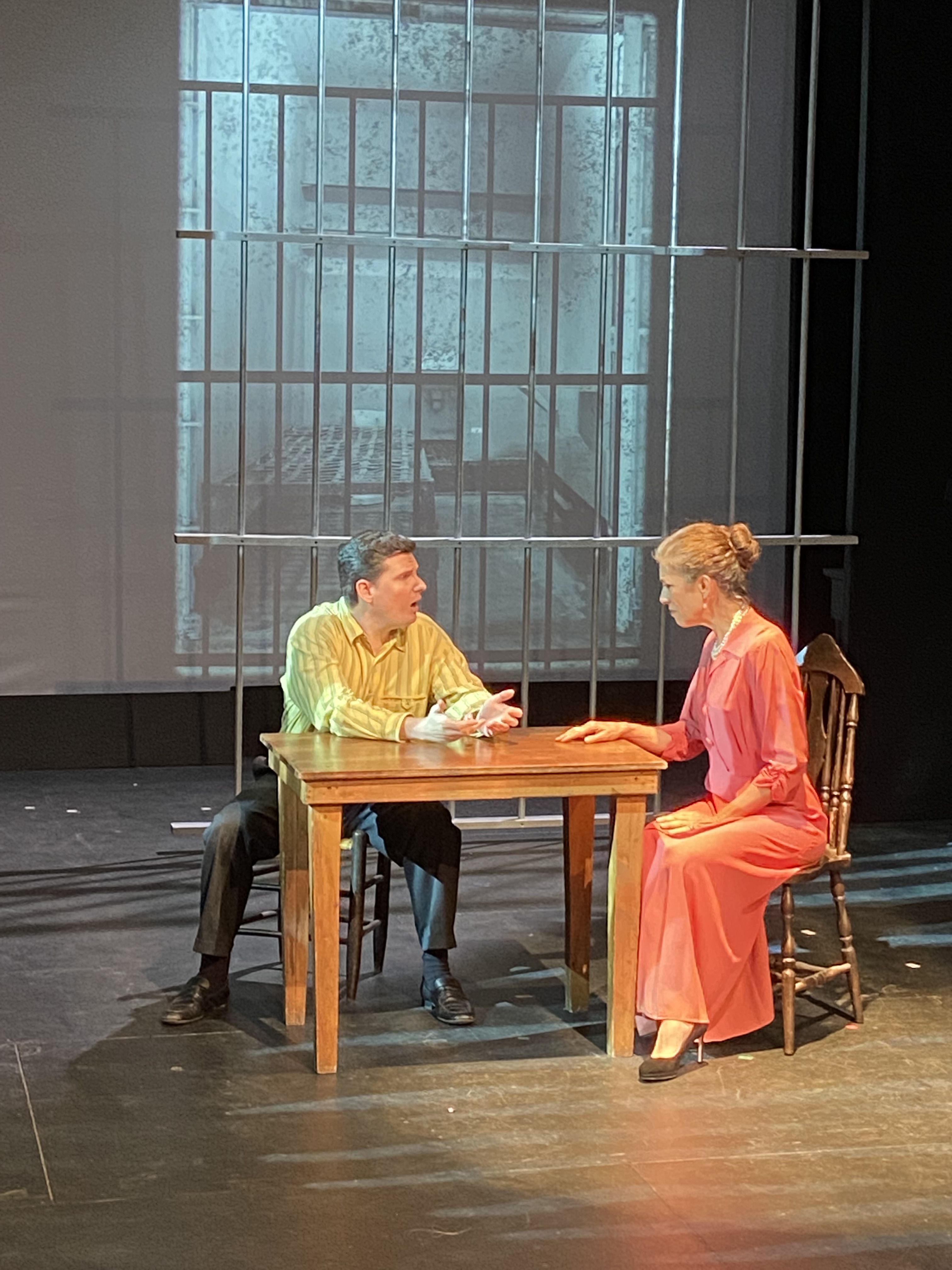
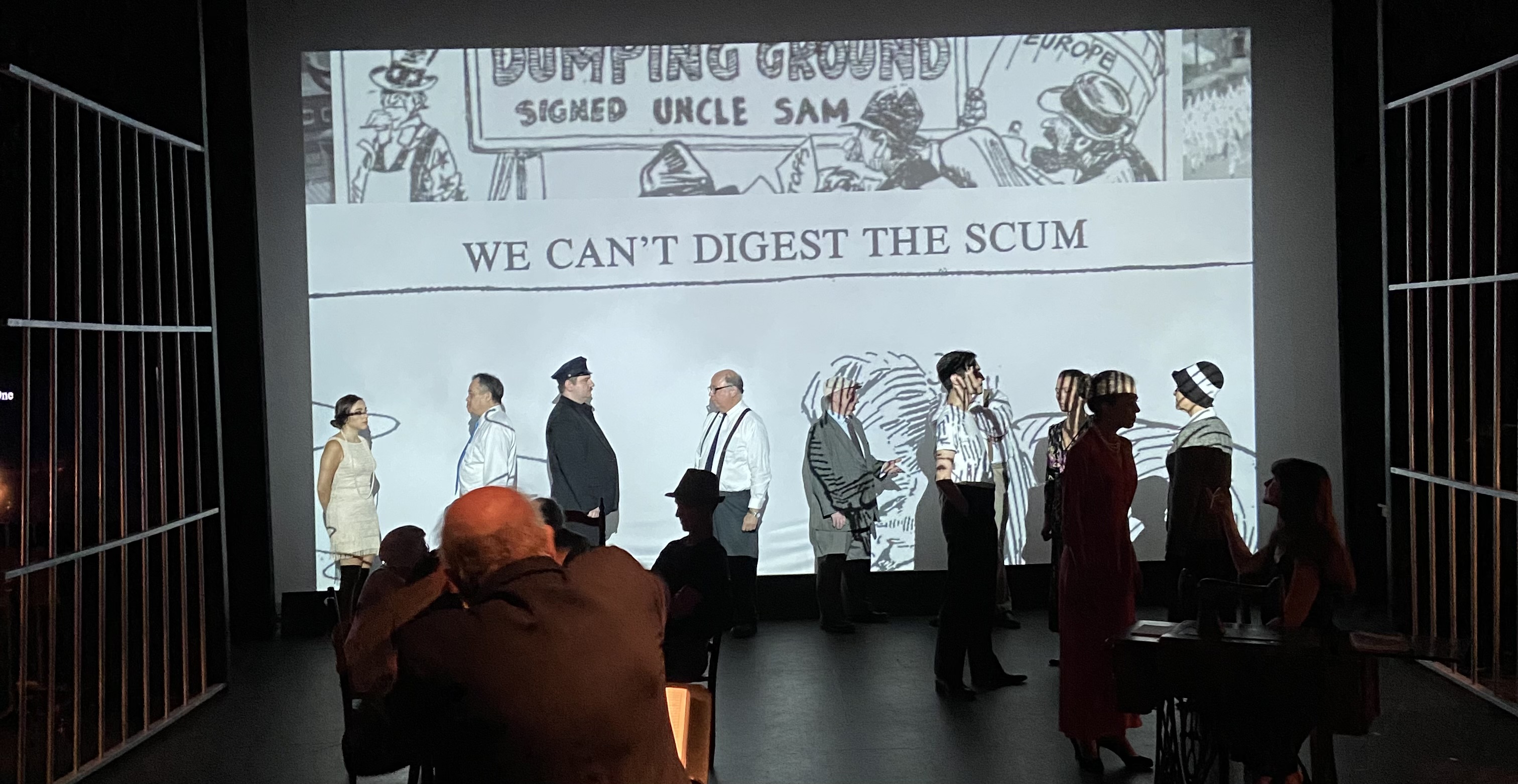
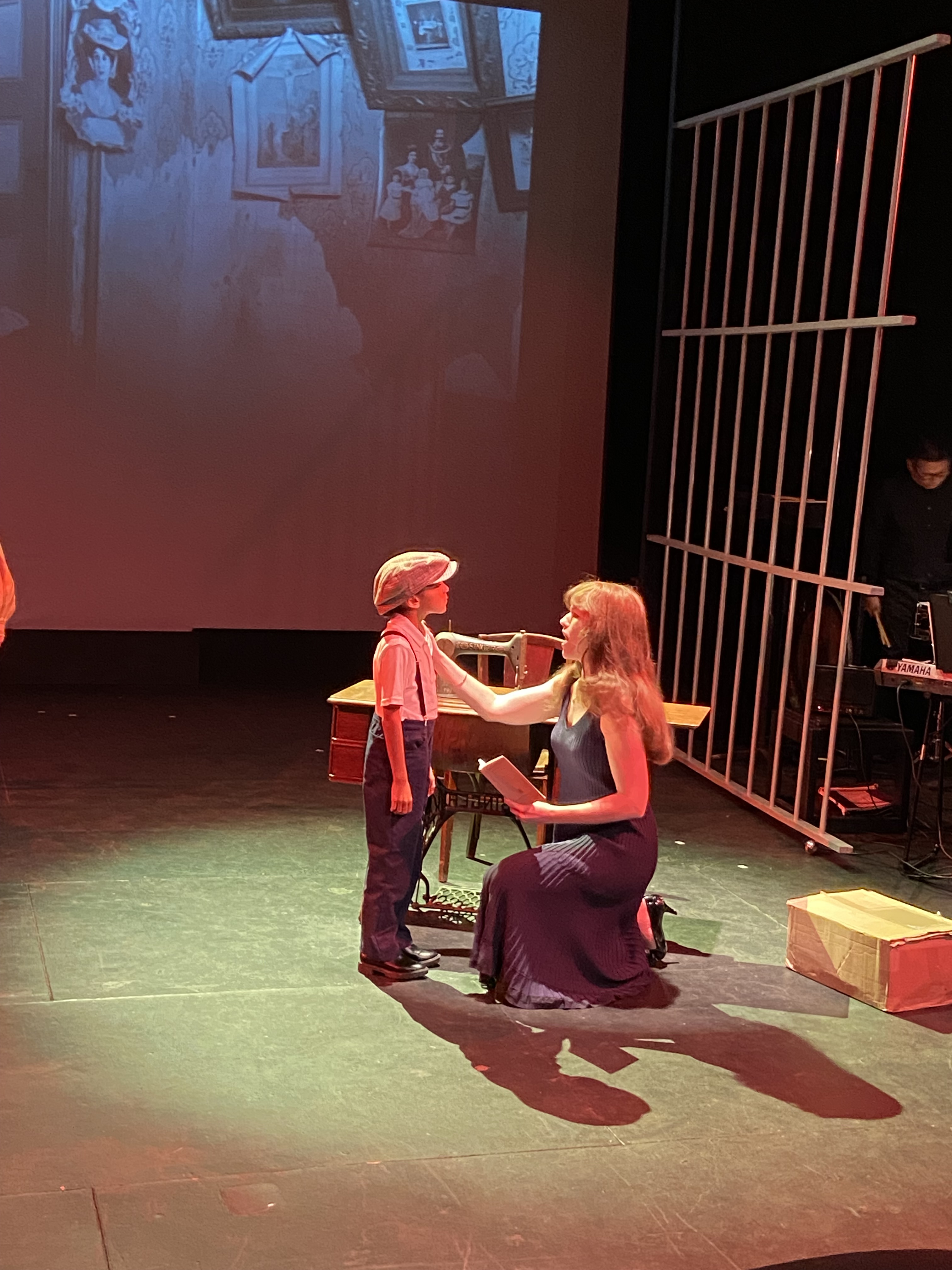
It is a time of reckoning. Issues concerning the abuse of power in matters of politics, race, and sex have been brought to a superheated boil in this pressure cooker that is life in the time of Covid. A hard look must be taken at so many of our institutions, and how they function. The issue I would like to address here is that of the intersection of the business of music and power, and how I think we must view it. We live in a society with structural inequalities. Every society has structural inequalities. Our goal in America has been to progressively reduce, mitigate, and eliminate them. Every issue reduces itself to the question of power: who possesses and wields it, and to what ends is it employed? In the contemporary opera world, this is a complicated question that must be addressed in several contexts. There is no one “Opera”. Every city has its own institutions, audience, and likewise any country. Norms in Germany are not norms in Italy. Norms in New York City are not norms and tastes in Des Moines or Denver. There is no “system” in opera. Every company in America is sui generis in its audience, construction, and more importantly, funding. The breakdown of the European systems, especially since the economic contraction of 2008 has increasingly driven the national systems there in this direction also.
For now, I would like to focus on the USA. With the historical lack of any government support for the performing arts, every single artistic institution in this country has been founded and supported by passionate individuals who were willing to pay for them privately. The advent of the federal income tax with its tax-deductible, non-profit mechanism made supporting these institutions more attractive to more individuals and corporations, but be sure, we are still talking about a minuscule percentage of the population paying for them. Every entity has a Board of Directors, ultimately responsible for engaging directors and paying the bills. They engage a General Director who must act as impresario, CEO of the organization, and now more than ever, fund raiser. Below the General Director is a flow chart similar to any company, with the vital addition of a fundraising arm, as no company exists either on their box office receipts or the donations of the Board members. As you can see, the power is concentrated on the General (and/ or Artistic) Director to choose the repertory, create or rent productions, choose singers, etc. An opera company takes in between 30 and 40 percent of its operating budget from its box office. We will call this “earned income”. The other 60 to 70 percent must be found: individual gifts, corporate contributions, and foundation grants. This means that every night the curtain goes up on a sold-out full house, factoring in operating expenses, the company loses about 70 percent of its cost for that show. This is a daunting reality. It is the primary responsibility of the GD to make the curtain go up—this means that today the primary responsibility of the GD is to find that other 70 percent. This job has gotten increasingly more difficult as the audience ages out, the patron base dies, and the level of popular culture appreciation has plummeted. The smaller American companies have seen their seasons shrink from five or six titles with four or five repeats of each, down to three or four titles with pairs of performances. So, companies have constricted their entire seasons to a “festival” format, dispensing a handful of performances over a two-week period. This is a critical paradigm shift.
In the European operatic tradition, the Impresario was given the money—by either a group of patrons, or now, by the state, and his responsibility was artistic and administrative. In America, finding money is the first job. Producing and casting the operas is secondary. No money—no show. In the previous model an impresario needed to be a man of the theater. He needed an encyclopedic knowledge of repertory, voices, production techniques, business practices, and, most importantly—what made a good show—that is, a show that would be popular, and sell out. He was almost always a conductor, composer, or singer of vast experience. There has arisen now a culture of Opera Administrators. They take courses on opera administration, fundraising, and “diversity programming”. They join opera service organizations. In those organizations, they make powerful political friends who can network them into progressively larger positions. What they do not do is become working, professional artists, who must apply themselves to acquire complex and difficult skill sets in order to accumulate a body of work and experience at a high artistic level. There is not one trained musician leading any of the Big Three American opera companies (Met, Chicago Lyric, San Francisco). This is just the list of major companies. The lower-tier companies mostly follow suit. With this concentration of power, there is a commensurate concentration of responsibility. What goes on stage is the responsibility of the GD. Who sings what, and who conducts what, and whatever the productions look like is ultimately his/her responsibility. The activities of the Young Artist Training programs are their responsibilities. The establishment and maintenance of a safe and secure working environment is their responsibility.
The dam has burst, and there has finally been a flood of charges of sexual impropriety and the abuse of power and position all over the opera world. I have been in this world for over forty years, and I have seen it in action. There are big names involved. Many of the situations involved the alleged abuse of young singers in training programs in major companies. These situations manifest the worst possible violations of trust and responsibilities on the part of the major artists involved, and directors of these same companies. We have seen the offending artists fired, denounced, and occasionally charged, but we have yet to see anyone hold the directors of the companies in which these situations occurred made to answer. It is beyond credulity to think that these situations took place over the protracted periods in which they are alleged to have occurred, and not one general or artistic director knew about them.
My black colleagues have begun to register their feelings of being overlooked, and underrepresented. While I do think this is a reality in some places, I think it is important to be specific, and not deal in broad generalities in the varied landscape that I have described. We then get to the question of politics. Many directors will favor artists from specific managers’ rosters. Often the seasons are filled with artists who are, coincidentally, on the same management roster as the GD, or the company’s Music Director. At this point, business is business. It is not only black singers and artists who are overlooked; I would contend by merely listening and watching what goes on their stages, that most directors are not capable, or culturally prepared to recognize outstanding and appropriate artists of any race, and they have clearly demonstrated themselves incapable of maintaining safe and healthy working environments. The proof has been laid out before us. Until the imposition of high artistic standards applied by management qualified to recognize them is the sole criterion for the privilege of being permitted to perform before the public in this most demanding art form, we should not reasonably expect any improvement.
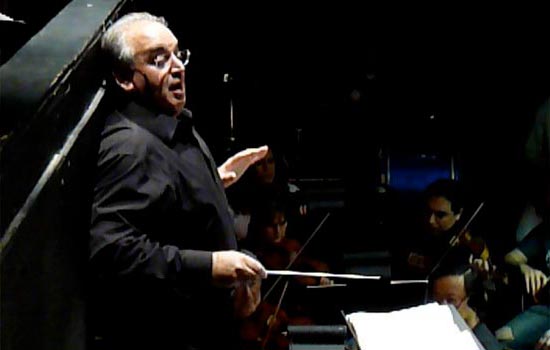
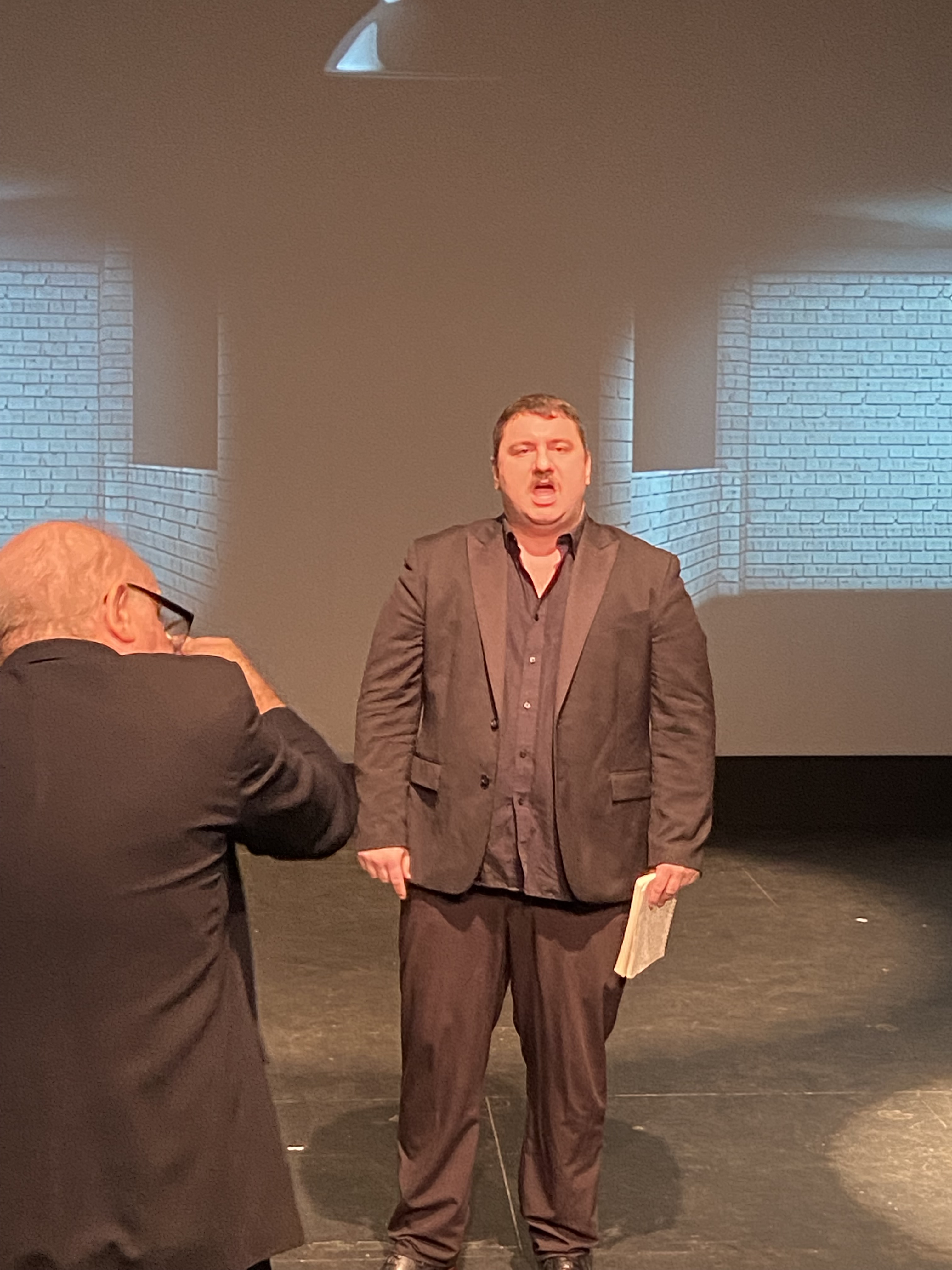
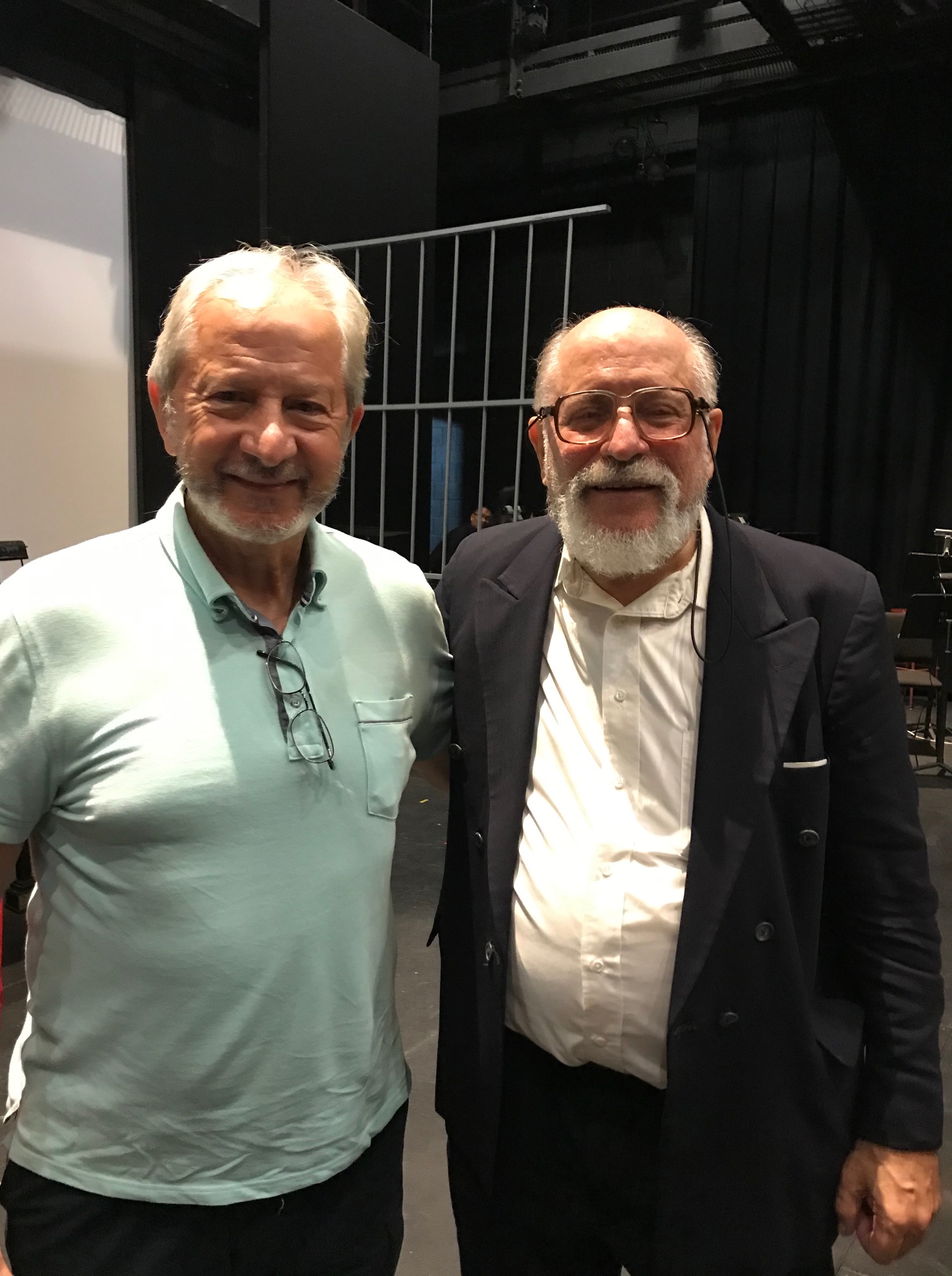
Maestro Michael Recchiuti while conducting an opera
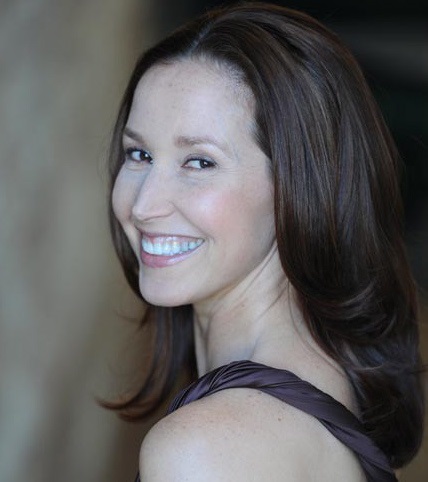
CHRISTINE JOWERS, Founder of The Dance Enthusiast, receives
* a Bessie from the NY Dance and Performance Awards, and a
* a 2022 Distinguished Achievement in Dance Award from the American Dance Guild
Christine Jowers, Founder/ Senior Contributor of the innovative dance website, The Dance Enthusiast, received honors from two prestigious US dance institutions during the month of December– The American Dance Guild and The New York Dance and Performance Awards, The Bessies, also known as the dance industry’s version of the Academy Awards.
**The 2022 Distinguished Achievement Award in Dance from the American Dance Guild, a long champion of dance in all aspects, was awarded to Jowers for her visionary creation of The Dance Enthusiast. American Dance Guild President Gloria McLean states: “We wish to honor Christine Jowers at the Festival by recognizing the unique vision that led her to segue from dancer/choreographer to creator of The Dance Enthusiast as one of the earliest applications of “social media” in our field; and for her unsung labor that has supported it over all these years, offering a platform for sharing and critique that is unique and much needed.” ADG also honored the esteemed artists, Phyllis Lamhut, and the late H.T. Chen, with American Dance Guild Lifetime Achievement Award at their event December 1-4 at the Ailey Citigroup Theatre in New York City.
** A Bessie, awarded by the NY Dance and Performance Awards, New York City’s premier dance awards, honored Jowers’ outstanding service to the field on December 16th at the 38th Bessie Awards Reception which was held at the Chelsea Factory in Manhattan.
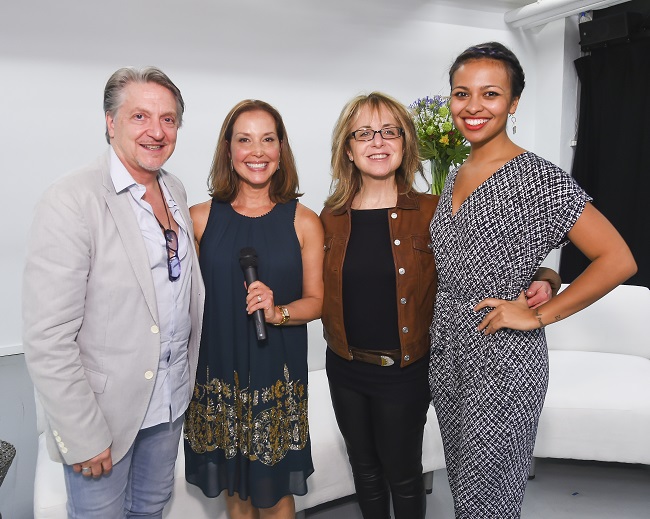
Christine Jowers Holding the Mic at a Dance Enthusiast Event Celebrating Broadway with L toR (the late, Chet Walker Choreographer of Pippin, Nikki Fiert Atkins, Artistic Director of American Dance Machine for the 21st Century and Ellenore Scott, Choreographer of Broadway’s Funny Girl and winning contestant on So You Think You Can Dance.”
About Christine Jowers:
Christine Jowers was born in Albuquerque, New Mexico, and raised in St. Thomas, Virgin Islands, to a family devoted to the arts and service. Her father, John Jowers was former Executive Director of the Virgin Islands Council on the Arts, and her mother, Dolores Jowers, was curator of the Virgin Island Museum at Fort Christian. The product of a Caribbean family with lineage in St. Kitts, St. Martin, St. Thomas, St. John, Puerto Rico, and Culebra, Christine began her dance training in St. Thomas at the Ballet Theatre of the Virgin Islands. She credits her dedication to arts, community, and service primarily to her heritage and upbringing.
As a dancer, Jowers performed to critical acclaim, taught, and produced concerts particularly concerned with the role of women in dance history. Her first production, The Singular Voice of Woman (1997) at The Place in London, was noted for “exceptional solos”. Judith Mackrell, dance critic for The Guardian UK, hailed Jowers as “not only a remarkable performer but an important dance historian.”
Jowers founded the nonprofit, independent arts journal The Dance Enthusiast 15 years ago. The site covers the NYC and world- dance scene and provides a space for artists to write, and for audiences to contribute their thoughts on performance.
Jowers has discovered and mentored new dance writers, provided a place for experienced journalists to share their work, and created a space for artists to write about their process and experiences.
Her work promoting dance literacy has been funded by Dance USA, through the Doris Duke Charitable Foundation; the Mertz Gilmore Foundation; and the Lower Manhattan Community Council under the auspices of the NYC Department of Cultural Affairs and the New York State Council on the Arts.
Impulses Dance Theatre Arts, Inc. Announces New Film
“Dancing Without Steps: The Art of Improvisation with Margaret Beals”
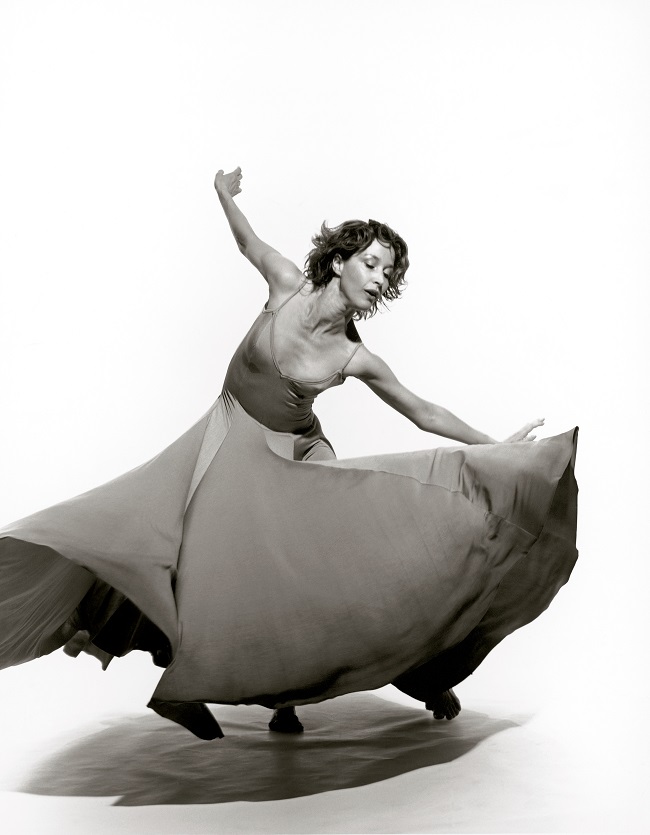
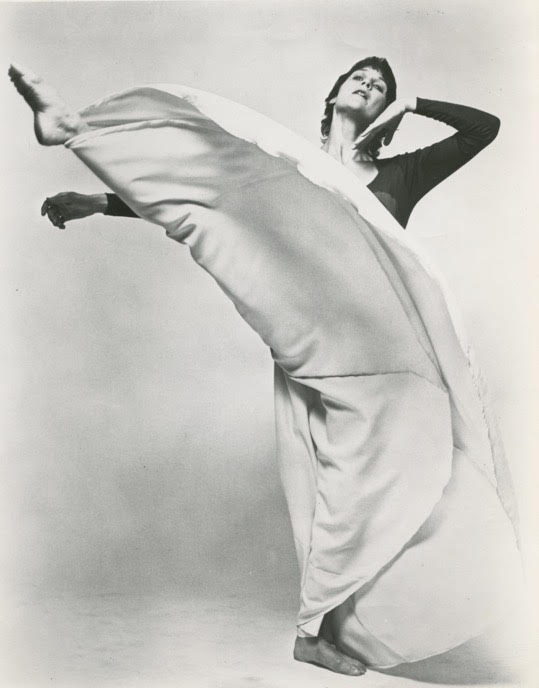
Margaret Beals’ Impulses Dance Theatre Arts, Inc. announces the release of “Dancing Without Steps: The Art of Improvisation with Margaret Beals” introduced by National Medal of Art recipient Meredith Monk.
This short documentary represents a life’s journey for Margaret Beals, a solo performer since the 1960s best known for her improvisational artistry in dance and theatre. It is under consideration for art, dance, and women-centric film festivals with a premiere in late 2022.
“Dancing without Steps” ignites a discussion of the power of improvisation to influence dancers and artists in other mediums such as painting, music and poetry through the words and actual footage of Ms. Beals’ pioneering works. Ms. Beals, Jackson Pollock, Keith Jarrett and others reveal their creative process, offering young artists an opportunity to explore the freedom and authenticity of improvisation.
Born in Boston, she self-trained, dancing without steps until the age of 17. Arriving in New York, she had the privilege of studying with luminaries Martha Graham and Jose Limon. In 1976, Olwyn Hughes gave Ms. Beals the rights to choreograph the “Ariel” poems of Sylvia Plath. A three-year National Endowment for the Arts grant enabled her to create Improvisations to Chopin with pianist Thomas Hrynkiv. She also has written and performed two one-woman evenings, The Teak Room, directed by Tony award winner Tony Tanner, and Pathways, directed by Obie Award winner Lee Nagrin. She continues to coach and teach in her New York studio.
Ms. Beals says, “Dancing Without Steps has given me a platform to express the philosophy that has informed my life’s work. Improvisation in performance is like surfing. You must jump in without hesitation and keep swimming.”
About the Film and Film Information
USA 26 minutes
Margaret Beals/Impulses Dance Theatre Arts, Inc., a 501(c)(3) not-for-profit – Executive Producer
Adriana Davis/D-Squared Media NYC – Director/Production Company
(D-Squared has 25-years’ experience creating documentaries such as “The Last Jews of Baghdad” and 6 others from their Iraqi Jewish series, and narratives including “Play It By Ear” starring Rita Moreno.)
Margaret Beals has performed her solo evening, “Margaret Beals in Concert,” appearing at Jacob’s Pillow; the NY Dance Umbrella; the Delacorte Theatre; The Place, London; the International Festival de Danse, Paris; and the Het Theatre Festival, Holland, among other venues. For more information, go to: www.margaretbeals.org
Thursday/Friday/Saturday, October 13, 14, 15 at 7:30 PM
The Center at West Park (in the Sanctuary Space), 165 West 86th Street
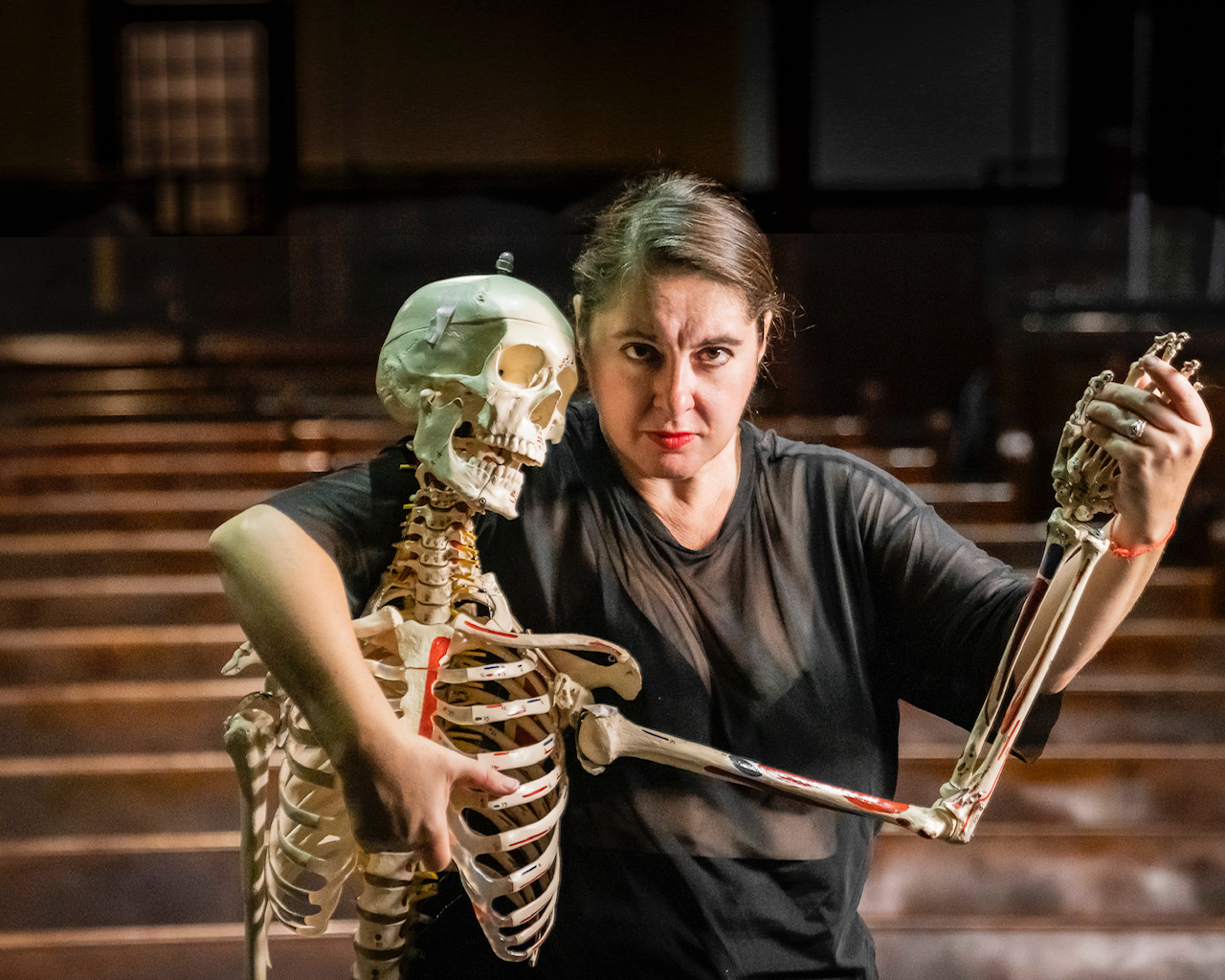
(running time: 50 minutes)The Center at West Park presents the world premiere of Anabella Lenzu’s The night that you stopped acting/La noche que dejaste de actuar, on its UNIQUE performance series, October 13, 14, 15, at the historic West Park Presbyterian Church at 165 West 86th Street, NYC. In her new one woman tour-de-force, Lenzu confronts the absurdity and irony of life while being both an artist and a spectator in today’s world. The work reflects the Argentinian native’s experience as a Latina artist living in New York, and comes from a deep examination of her motivations as a woman, mother, and immigrant.
Originally from Argentina, Anabella Lenzu is a dancer, choreographer, writer, and teacher with over 30 years of experience.
Lenzu directs her own company, Anabella Lenzu/DanceDrama (ALDD), which since 2006 has presented 400 performances, created 15 choreographic works, and performed at 100 venues, presenting thought-provoking and historically conscious dance-theater in NYC.
As a choreographer, she has been commissioned all over the world for opera, TV programs, theatre productions, and by many dance companies. She has produced and directed several award-winning short dance films and screened her work in over 150 festivals both nationally and internationally.
She has received grants from Brooklyn Arts Council, Puffin Foundation, Rockefeller Brothers Fund, Edwards Foundation, The Vermont Community Foundation, and the Independent Community Foundation.
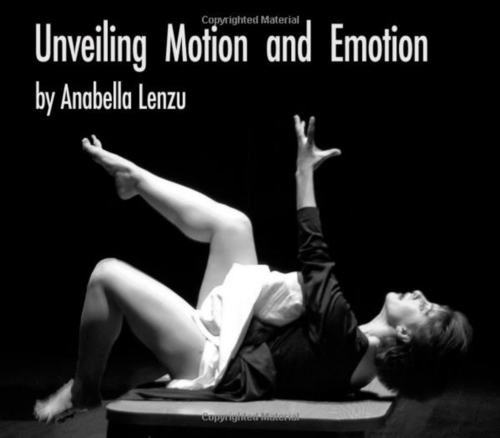
Her first book, Unveiling Motion and Emotion, was published in 2013. Her second book, Teaching Dance through Meaningful Gestures, is expected to be published in 2022.
Currently, Ms.Lenzu conducts classes at NYU Gallatin, School of Visual Arts, California State University Fullerton, and Peridance Center.Anabella is a board member of the American Dance Guild and Pioneers Go East Collective, and on the Selection Committee for the Bessie’s Awards since 2020.
“Lenzu has been described as an “Argentine firecracker” which nicely sums up her large, passionate nature as well as her intense commitment to the creative process. She has developed a beautifully integrated approach to dance and theater which will continue to serve her and her fine company going forward.”
— New York Arts article by Mari Gold
OperaMyLove magazine: Hello Annabella. You are originally from Argentina, but your parents were Italians, weren’t they?
Anabella Lenzu: I lived and worked in Italy (Rome and Naples) from 2002 to 2006. I love Italy!!! My dad was Italian. He emigrated with my grandparents to Argentina after the Second World War. My grandmother’s family was from Benevento & my grandfather’s family was from Sant’Antioco, in Sardegna. From 2002 to 2005, I was the Mary Poppins of dance in Italy. I traveled by train with my suitcase full of dreams between Rome, Caserta, Capua, Santa Maria Casalnuovo, Benevento, Fonti, and Naples, sharing art, culture, and experiences. On any given day I would teach in two or three cities—Rome, Naples, and Caserta (covering a total distance of 300km). Tireless and adventurous, I learned dialects, traditions, and superstitions, and visited secret historical sites… I also found many kindred spirits along the way. In Italy, I connected with my roots as the daughter of Italian immigrants who came to Argentina in 1952.
I arrived in Southern Italy in 2002 and was invited to local parties and festivals, where I learned the traditional dances from the people dancing in the streets. I polished my technique with professional artists, who taught me the traditional dances of Naples, Calabria, Puglia, and Benevento: tammurriata, pizzica, calabrese tarantella, tarantella of Monte Marano, and saltarello. These dances reflect agricultural practices, religion, superstition, and even local politics! It was a great privilege to learn firsthand from Raffaele Cioppa, Francesca Trenta, and Mario Cerchi. Anita Bucci, director of the company “Balletto 90” in Rome, invited me as a choreographer to create a multi-disciplinary work with 10 musicians, 25 dancers, and two actors. Called “La Donna nel cerchio che balla” (“The woman dancing in the circle”), the piece was aimed at bringing the audience face to face with its dying folk dances and folkloric traditions. So began my work of translating this folklore and training contemporary dancers. It was with great pleasure and respect that I studied and discovered the folklore of Southern Italy, although I always found it strange to be a foreigner teaching Italians their own traditions!
OperaMyLove magazine: Did you always know you would be going into dancing? Did you study dance in Argentina?
Anabella Lenzu: Dance underlies all that I am If you believe in reincarnation, I have been dancing for an eternity!! For me, dance is the union of a person with his interior. It is a communion with oneself, with others, with the environment, and with life. Through the crystal prism of dance, one can understand life. My love, devotion, dedication, and passion have led me to travel across the world, enriching myself with experiences.
I’ve never wanted to be a sheep. Thanks to my mother and father Antonio and Graciela, I have developed an active critical faculty. I don’t believe what they are selling me on TV. I don’t follow fads. I study, see and reflect. That’s why I dedicate myself to art. As a choreographer, I celebrate, meditate, respond, protest, scream, cry, and laugh about life through dance. I use dance to make the audience experience, feel, think, and emote.
As a dance educator, I seek to reconnect people with the joy of dance. I love to see people bloom and develop. I am not only teaching movement but also guiding dancers in rediscovering why they dance and what they dance about.
OperaMyLove magazine: In 1994, you founded your own dance school, L’Atelier Centro Creativo de Danza, in Buenos Aires. How many years did you teach at your school? Did you continue to teach in other countries?
Anabella Lenzu: Teaching is a passion for me. I am a dedicated educator and truly enjoy guiding my students to make discoveries and find their own voices through movement. Regular classes, workshops, and residencies both in-person and online include Dance-Theater, Ballet, Modern, Argentinean Tango, Choreography/Composition, Repertory, Dance History, Dance Criticism, Anatomy, and Methodology of Teaching in more than 50 institutions since 1994, including universities, professional dance studios and companies, festivals and symposiums in USA, Argentina, Italy, and Chile. I have been teaching in higher education since 2005. From 2020 to the present, I created and directed the Online Choreographic Mentorship Program.
I founded L’Atelier: Centro Creativo de Danzain 1994 and directed the school until 2001. L’Atelier was established as a center for dance where students develop a sensibility for art and where ethical and aesthetic knowledge are combined with the joy of creating through a holistic and humanistic approach. I established and refurbished a 4,000 sq. ft. rehearsal and performance space with two studios, a monthly performance series, and community outreach programs, handling all publicity and studio bookings. Furthermore, I managed and produced successful fundraising and benefit events. I developed the curriculum for the entire school, which gives dance instructor certification. I selected and coordinated 5 full-time faculty members and administrative assistants. I planned and developed a certificate program in experimental performance, recruited over 350 students, designed a full-time curriculum, taught classes in dance, advised student projects & choreographed work on students. In addition to developing the curriculum for L’Atelier, in Italy I collaborated with the dance schools DanzArte, Movimento Danza, and Projetto Arte to develop their Modern Dance and Ballet curriculum. I have also been a consultant for various dance schools and Universities addressing curriculum and programming issues.
OperaMyLove magazine: Youhave been commissioned to create choreography for opera. What operas did you prepare your choreographies for?Which one did you find the most challenging?
Anabella Lenzu: As a choreographer, I have been commissioned all over the world, for opera, TV programs, theatre productions, and by many dance companies, such as Anna Sokolow Theatre/Dance Ensemble (New York) and Movimento Danza (Naples, Italy). I have been performing and teaching in Argentina, Italy, England, Chile and the US, showing my own work and collaborating with other dance companies as a freelance choreographer.
I choreograph for traditional Operas like Il Pagliacci, and Cavalleria Rusticana, as well as experimental/ Avant Garde operas like Mata Hari in NYC.
It has been a journey of exploration and self-analysis being the guest choreographer for Mata Hari Opera production, sharing my creative process, inspiration, and artistic quest.
With the magic of giving shape to an idea, an emotion, or an opinion comes great responsibility. Sharing my work with others provides the ultimate fulfillment, allowing me to broaden my search and crystallize my views on whatever moves me deeply.
Like an artisan, with each choreographic section, I refine and explore ideas through movement and examine how to communicate.
This is not the first time that I have choreographed an opera. Previously, I created dances for “Il Pagliacci” by the opera director Guy Ariel Kruh (Paris/France) in Buenos Aires, Argentina in 1998. Later that same year I choreographed “Cavalleria Rusticana” by Bahia Blanca Symphonic Orchestra under the direction of Eugenia Gallego in Bahia Blanca, Argentina.
I also choreographed the “Notre dame de Paris” musical in Sardegna, Italy in 2003, as well as being a guest choreographer for many theater productions, TV programs, and dance companies in Argentina, Italy, and USA.
I would like to talk about the relationship between Dance and Music. As a choreographer and maker of metaphoric images and sensations, I understand the power of dance as a language.
How does one balance the meaning of the lyrics in the song when there is a powerful movement and visual effects at the same time? Words are specific, movement is subjective.
As an audience member, there is a choice to make with your attention. Imagine someone massaging you when to are eating a piece of steak while smelling roses at the same time.
I remember my choreography teacher Mary Anthony talking about using music without lyrics because words are your direct intellectual competitor.
What about when the lyrics are in a foreign language for that audience? Alternately, what is the effect if the lyrics and audience speak the same language?
Like husband and wife, music and dance share the same bed but are two different people choosing to live together.
OperaMyLove magazine: You studied Tango and the folk dances of Argentina, Spain, and Italy. What prompted your interest in these dances? How much do these studies influence you when creating your choreographic works?
Anabella Lenzu: I believe the study and practice of some form of folkloric dance are essential to any dancer’s training. Why? I love folk dances because they genuinely conserve the creative impulses and essential ways in which we celebrate life (and death), and in so doing, they help us guess at the meaning of life. They transport us to another world and dimension and teach us about geography and culture. Layers of stories are preserved in a single gesture! They show us how movement can be cathartic for a whole society.
My own dance theater works are not folkloric per se, but they build on characters and stories inherent to folklore. These characters and stories inspire me and provide a solid, tangible point of departure for my exploration. Digging through my culture’s history and identity guides me as I strive toward universality of gesture and movement.
OperaMyLove magazine: You have produced and directed several award-winning short dance films. Could you tell us more about them?
Anabella Lenzu: I produced and directed several award-winning short dance films and screened the work in over 200 festivals both nationally and internationally, including Argentina, Bolivia, Brazil, Canada, Cyprus, France, Greece, India, Indonesia, Ireland, Italy, Kenya, London, Mexico, Norway, Poland, Portugal, Romania, Serbia, Spain, Switzerland, United Kingdom, United States & Venezuela.
My husband, Todd Carroll, is a professional photographer. He is usually the one who films, and I direct him. We talk and discuss how much we want to show in the frame. Usually, I do several shoot “studies” with my phone first, and then Todd films it with a nicer camera.
This pandemic changed all of us. Whatever creative process I knew about, I threw it out the window. So, what is my creative process now in contrast to the past? For 30 years I have choreographed for the stage non-stop and right now, because of the pandemic, I started creating dance films in my home because it is a place where I feel safe, even though the space is limited. I live in a small apartment in Williamsburg, Brooklyn. I have 2 kids, a husband, a dog, and many belongings. It requires a lot of planning but at the same time I am very interested in exploring this environment that I live in, and I try to pour my personal and artistic life into this new creation. Since the pandemic, I have been studying filmmaking and video art at the School of Visual Arts, and I have also been doing a lot of research.
The pandemic forced us off the stage, and at this moment I can’t envision myself choreographing for the stage again! The stage isn’t the right fit for the ideas and images I’m working with now. The images are more cinematic in nature. In general, I’m a choreographer who uses strong images. Now I’m figuring out the length and how I frame these ideas. It also led me to frame the body in a different way. On stage, I perform and show my entire body, but now I can just choreograph with my face or my shoulder or with my elbows, or just my hands. So, it gives me more possibilities to reframe my body. I am also able to incorporate my private life into it. It’s not that my previous works were very different. In the beginning it was political, then it was more ritualistic, then more spectacular and in the last couple of years I found my work to be more along the lines of an autobiography. More recently, I’ve been diving deeply into my identity as an immigrant and as a mother, so my creative process has changed drastically.
OperaMyLove magazine:Do you have any personal quotes about dancing that you want to share with our readers?
Anabella Lenzu: I do:
I consider the practice of any Art as a meditation on life.
I dedicate my life to investigating the interior logic of performance and the role of a dancer in our culture today, using the 5 W’s and the H: Who, what, when, where, why, and how. My practice for 30 years is teaching, choreographing, dancing, and writing.
Nothing gives me more fulfillment than to discover different processes of creation, becoming, and transformation.
My curious mind and heart always lead me to a fresh beginning, where creativity helps me to transcend ideas and rules, creating meaningful methods.
In each new adventure, I’m either creating a scene, a show, an education program, or a class. But how does one keep this boundless attitude after 30 years?
There are periods when my inner child is fully awake and the generosity of my discoveries is easy to communicate and share with others, but there are periods when the candle is only half-lit, and that’s when my experience, practice, and mastery of craft, guide me like a blind person.
It’s a precarious balance between my outer and inner state.
Dance is a union with ourselves, with others, and with the environment.
I celebrate, respond, protest, scream, cry, and laugh about life through dance.
OperaMyLove magazine: You have written for various dance and art magazines, and published your first book in 2013, entitled Unveiling Motion and Emotion. Could you tell us more about your book?
Anabella Lenzu: For me, writing is not so much a pleasure as it is a civic responsibility, and as an educator, my perennial goal is to generate appreciation for and understanding of the arts and of artists. Putting these words on paper forces me to be honest with myself.
As a choreographer, I celebrate, meditate, respond, protest, scream, cry, and laugh about life through dance. I use dance to make the audience experience, feel, think, and emote.
As a dance educator, I seek to reconnect people with the joy of dance. I love to see people bloom and develop. I am not only teaching movement but am also guiding dancers in rediscovering why they dance and what they dance about.
“My aim is to integrate mind + body + spirit; I write + choreograph + teach.”
We cannot control the weather, the economy, politics, what people think, or how our partner feels! The only thing we can control is our body, our own microcosm, and our attitude toward life.
I have had moments in my career as a teacher and choreographer that have been difficult—difficulties that were cultural, economic, and social—but I have always risen above the complications by thinking and reflecting on my role as one of service to dance, to art, to my community, and to my people.
In my quest for personal and spiritual growth, my enthusiasm has always led to paths of abundance and happiness. My impulse to learn, my need to see the world, and my desire to gain insight into this life and the next have led me to travel, teach, and share my experiences and my culture with others. I feel privileged and blessed to have been able to make a living as a choreographer, dancer, and teacher in Argentina, Chile, Italy, the United States, and the world.
I published“Unveiling Motion and Emotion/Revelando Movimiento y Emoción,” with photography by Todd Carroll, in 2013.
The book is bilingual (Spanish and English), and explores the importance of dance, community, choreography, and dance pedagogy. The photography by my husband Todd fully documents the performances and provides a glimpse into the creative process. This book wants to be an inspiration to dancers and teachers alike and is the first of its kind as a bilingual text on dance pedagogy.
“The narrative style of Lenzu tends toward the poetic and sometimes metaphysical. Sometimes it offers beautiful images like the great pioneers of Dance, Martha Graham or Mary Wigman, provided to their dancers and students.”
— DanceEurope, London
OperaMyLove magazine: On your website, you define Art as a Political Act. Could you elaborate on that?
Anabella Lenzu: Choreography for me is an “Apparatus of Capture”, it is a way to capture a moment in time, sensations… an intimacy that the stage cannot provide me. It is another form of communication. I look for different ways to capture the movement, and the emotions.
Art is a political act. Dance is discipline and revolt. My body is my country. I react to my environment and use the body as a receptacle and messenger of the multiple realities that we are immersed in. My work reflects my experience as a Latina/European artist living in New York and comes from a deep examination of my motivations as a woman, mother, and immigrant. Performance is a conduit for examining cultural identity through form and content, as well as relationships between people and society. I investigate the interior logic of performance and the role of a dancer in our culture today, redefining the parameters of dance and theater. My works live inside and outside of the theatrical traditions and venues, as well as on the screen.
OperaMyLove magazine: Are there any special projects you are working on that you would like to tell us about?
Anabella Lenzu: In November 2022, I will be teaching Choreography for the Camera Workshop Online via Zoom for Filmmakers, directors, choreographers, and dancers interested in dance film collaborations. Visit this link for more information: https://www.anabellalenzu.com/workshops
OperaMyLove magazine: Three adjectives to describe you…
Anabella Lenzu: Feminist, Passionate & Relevant
OperaMyLove magazine: A message for our readers?
Anabella Lenzu: Come to see my show on October 13-15, 2022 at the Sanctuary Space, The Center at West Park, Inc. For me, performing a LIVE full-length solo show again after two years is an opportunity for a meaningful encounter with my friends and my community. Thrilled to share all my research and work over the last 3 years with YOU! Join me!
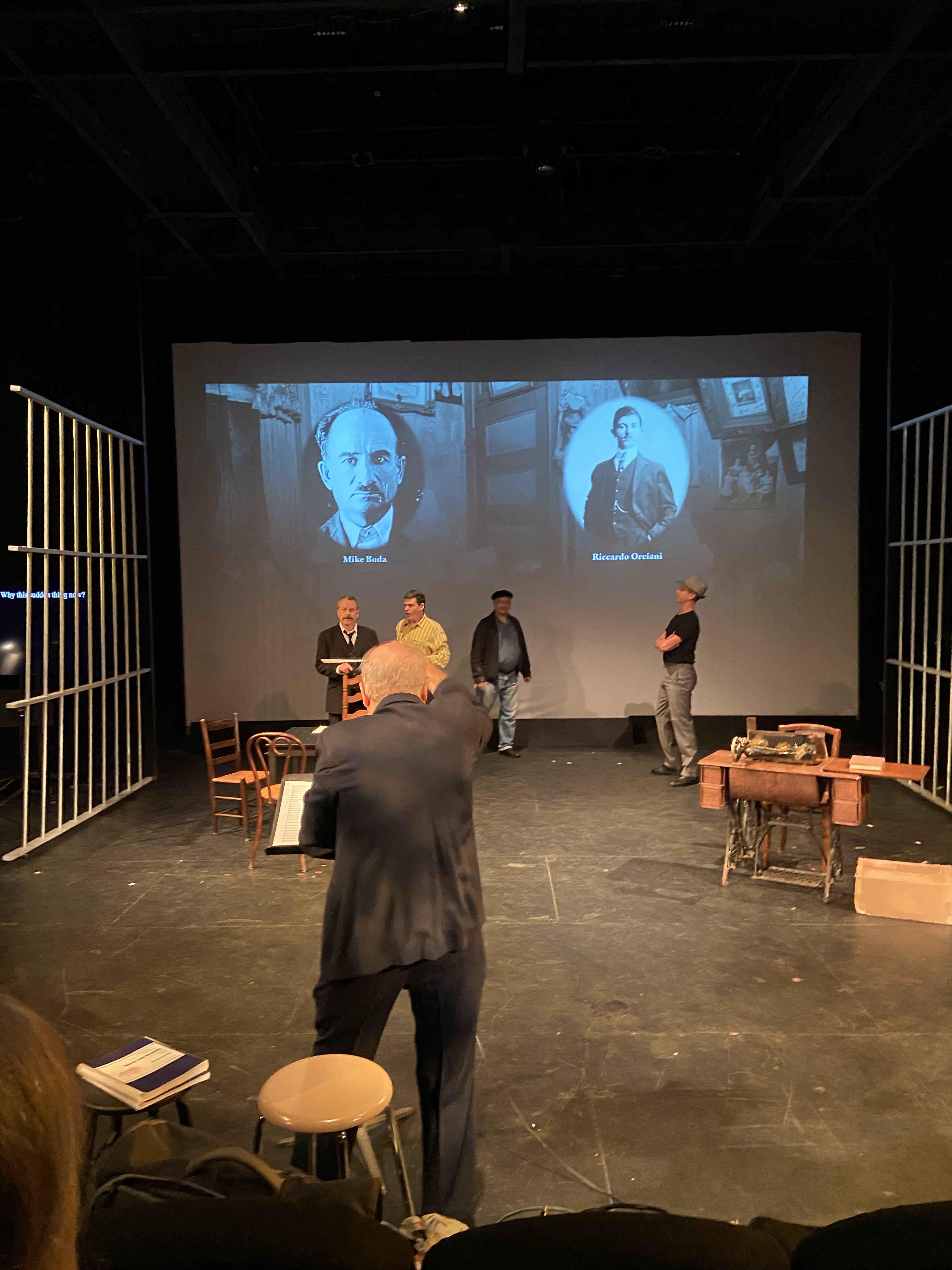
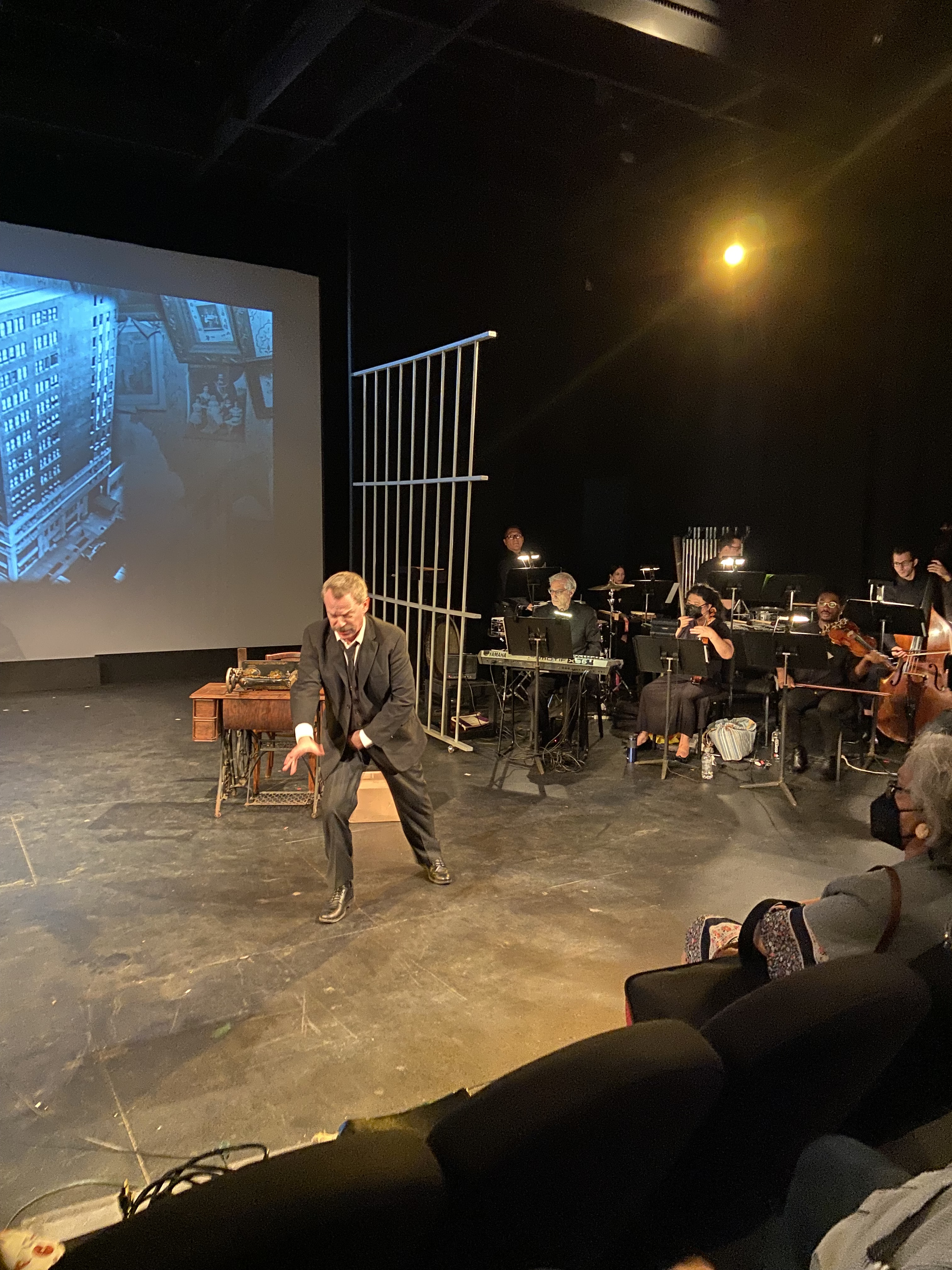
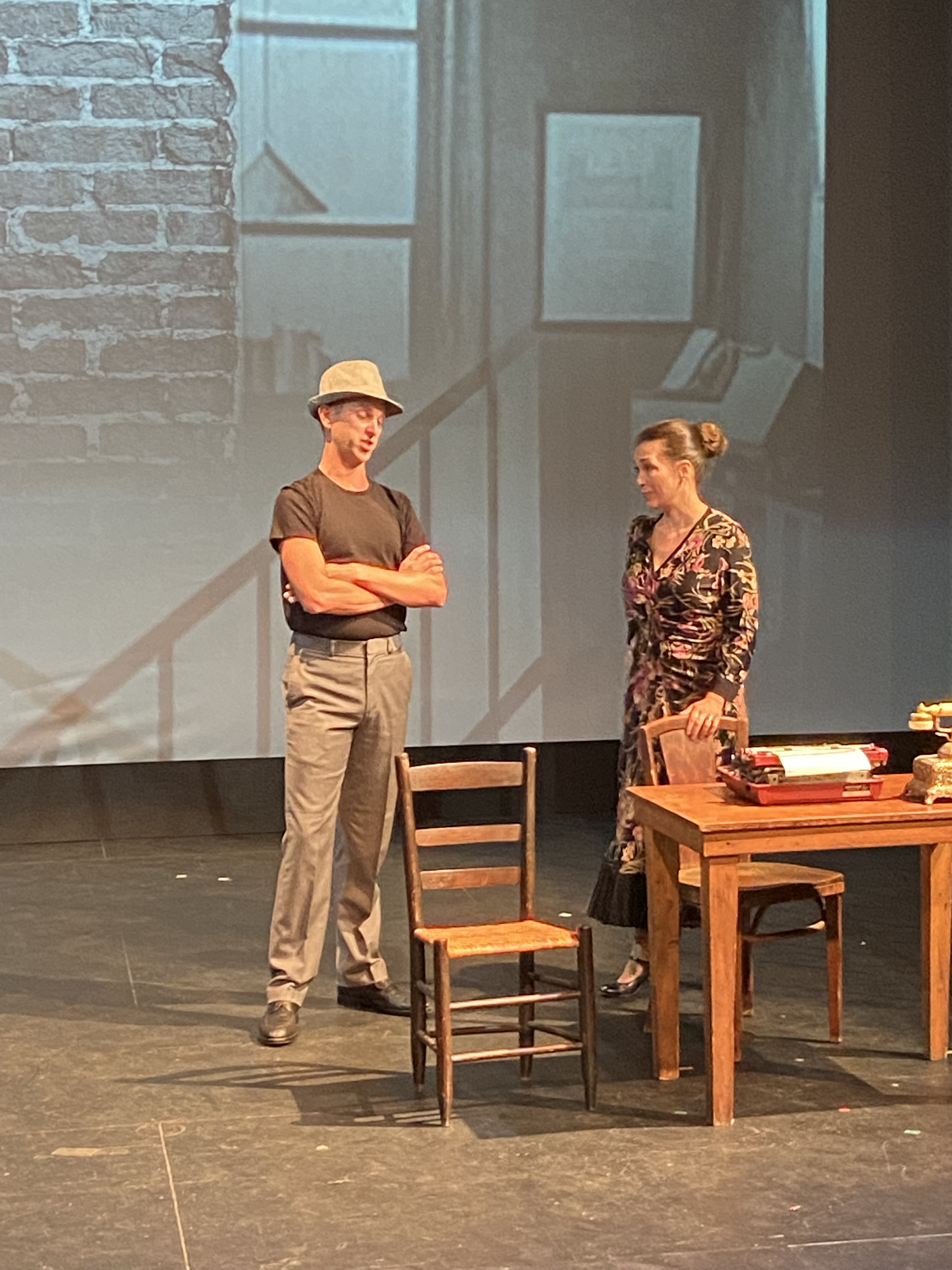
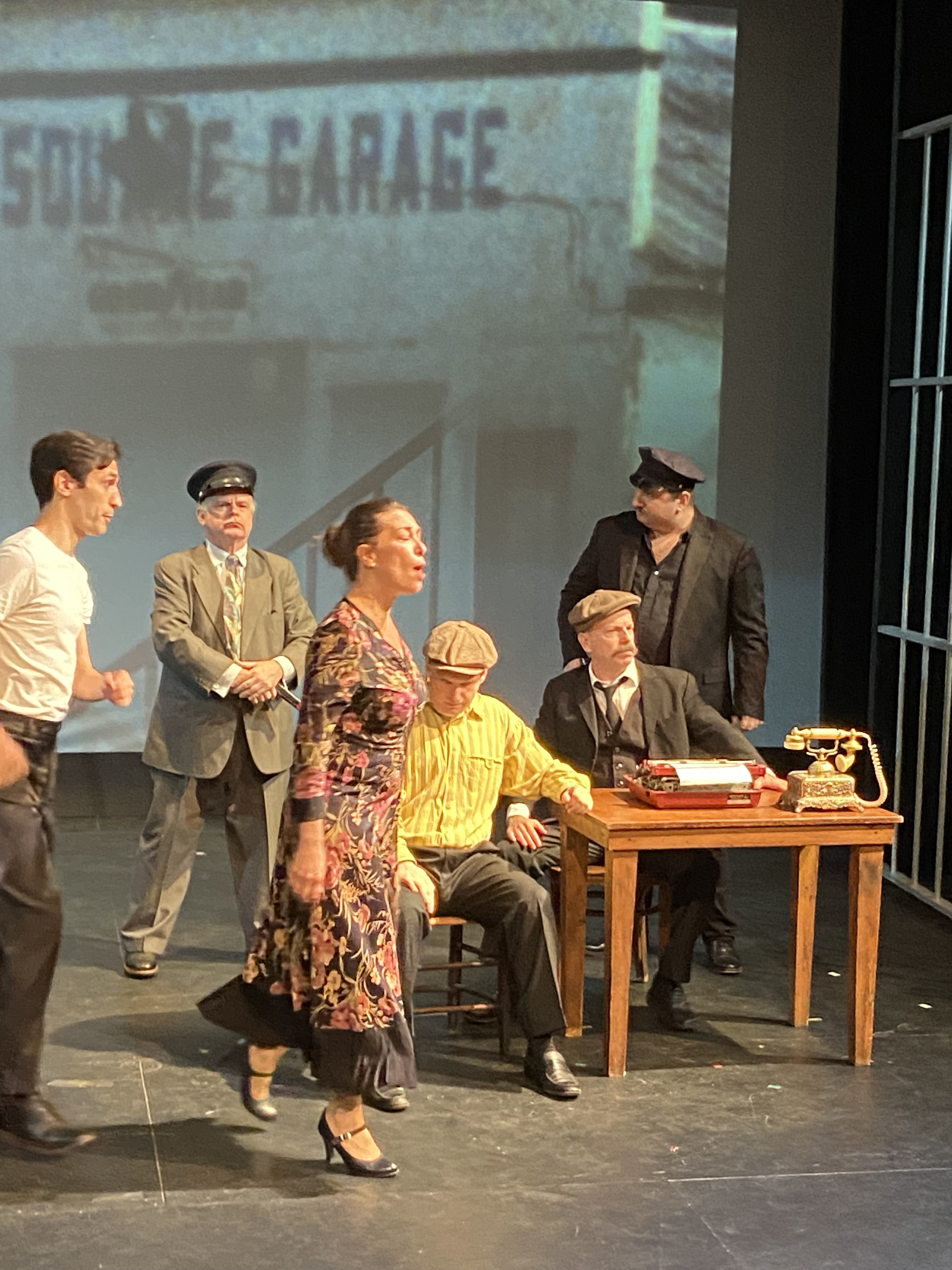
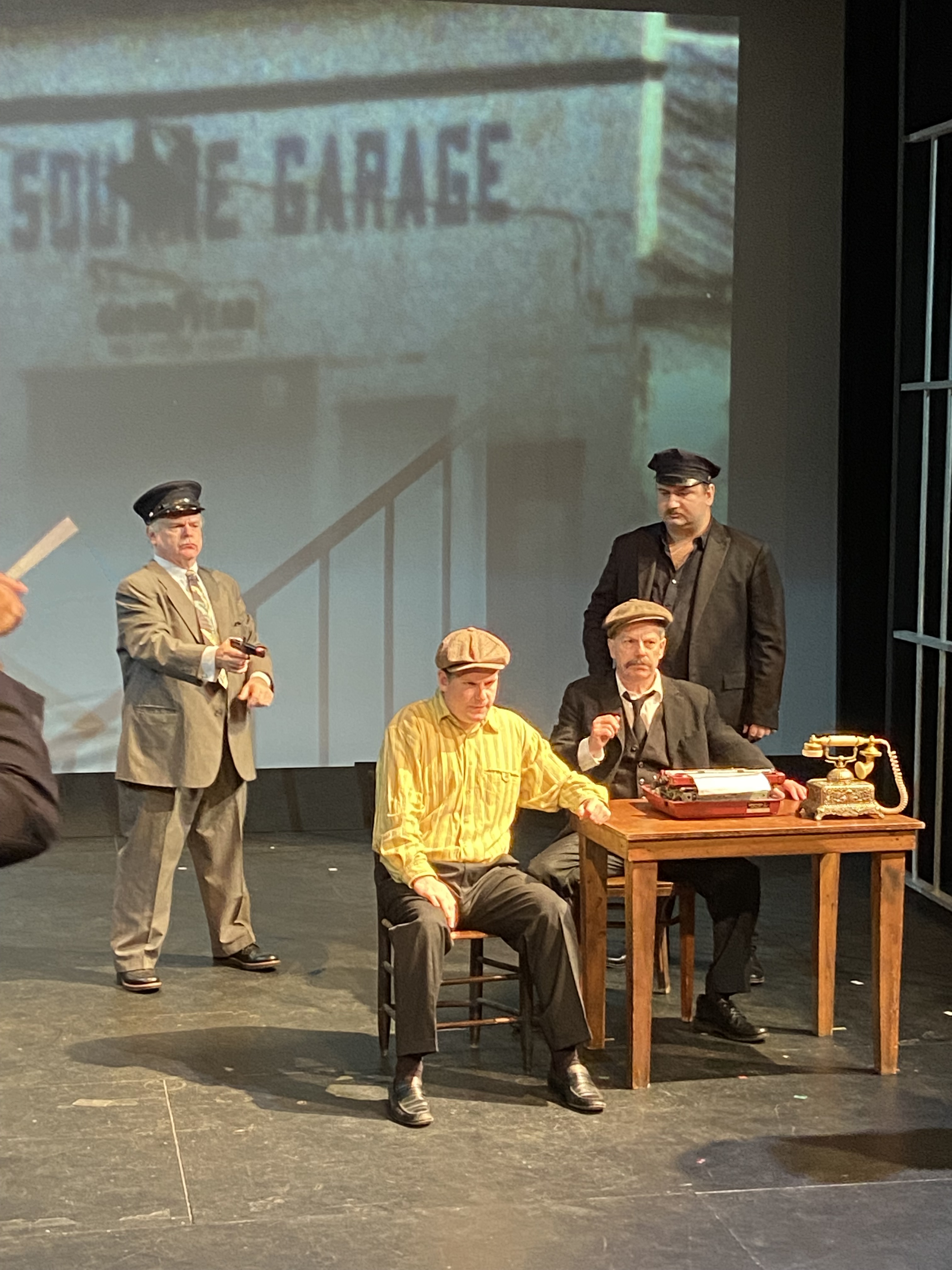
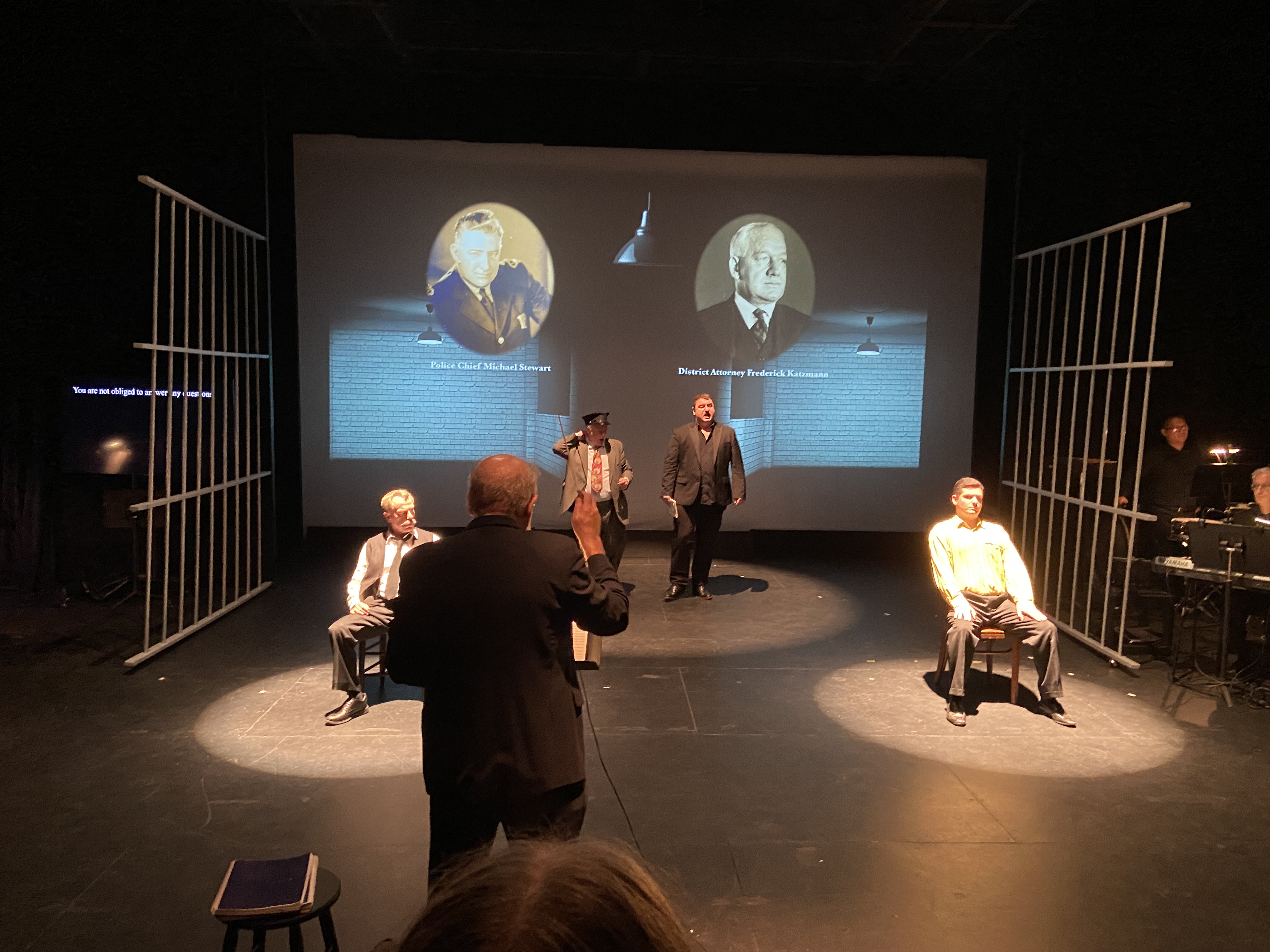
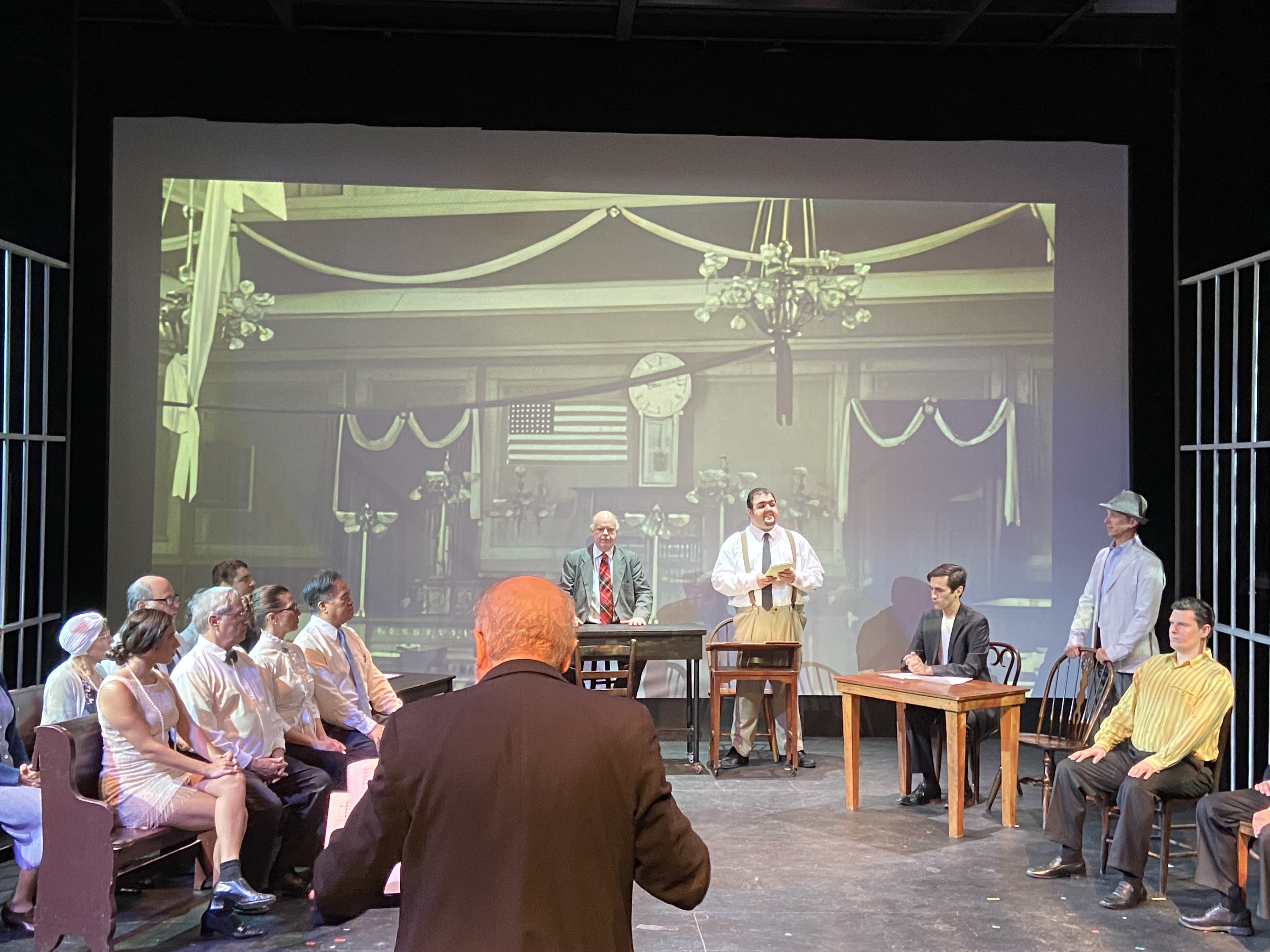
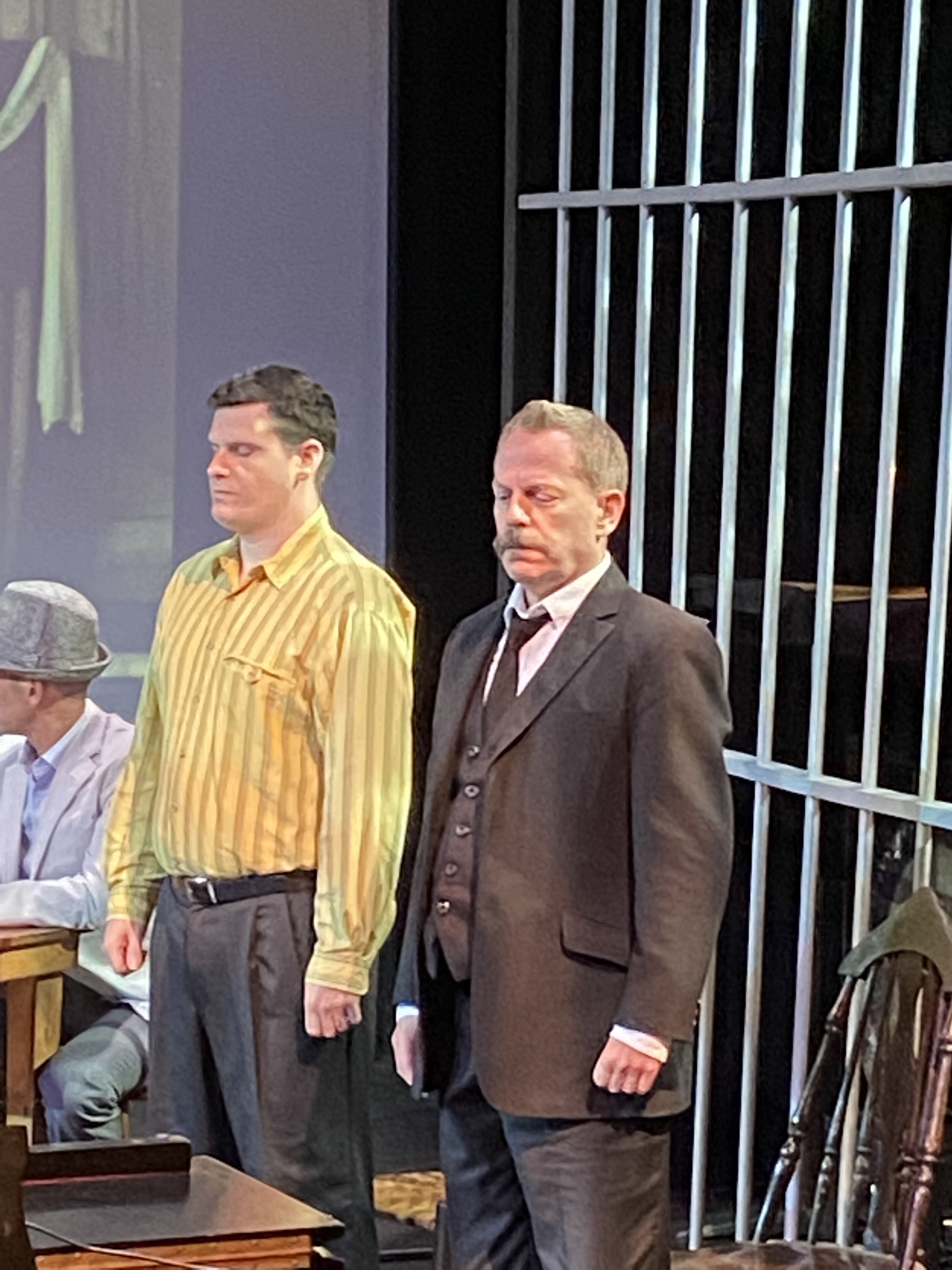
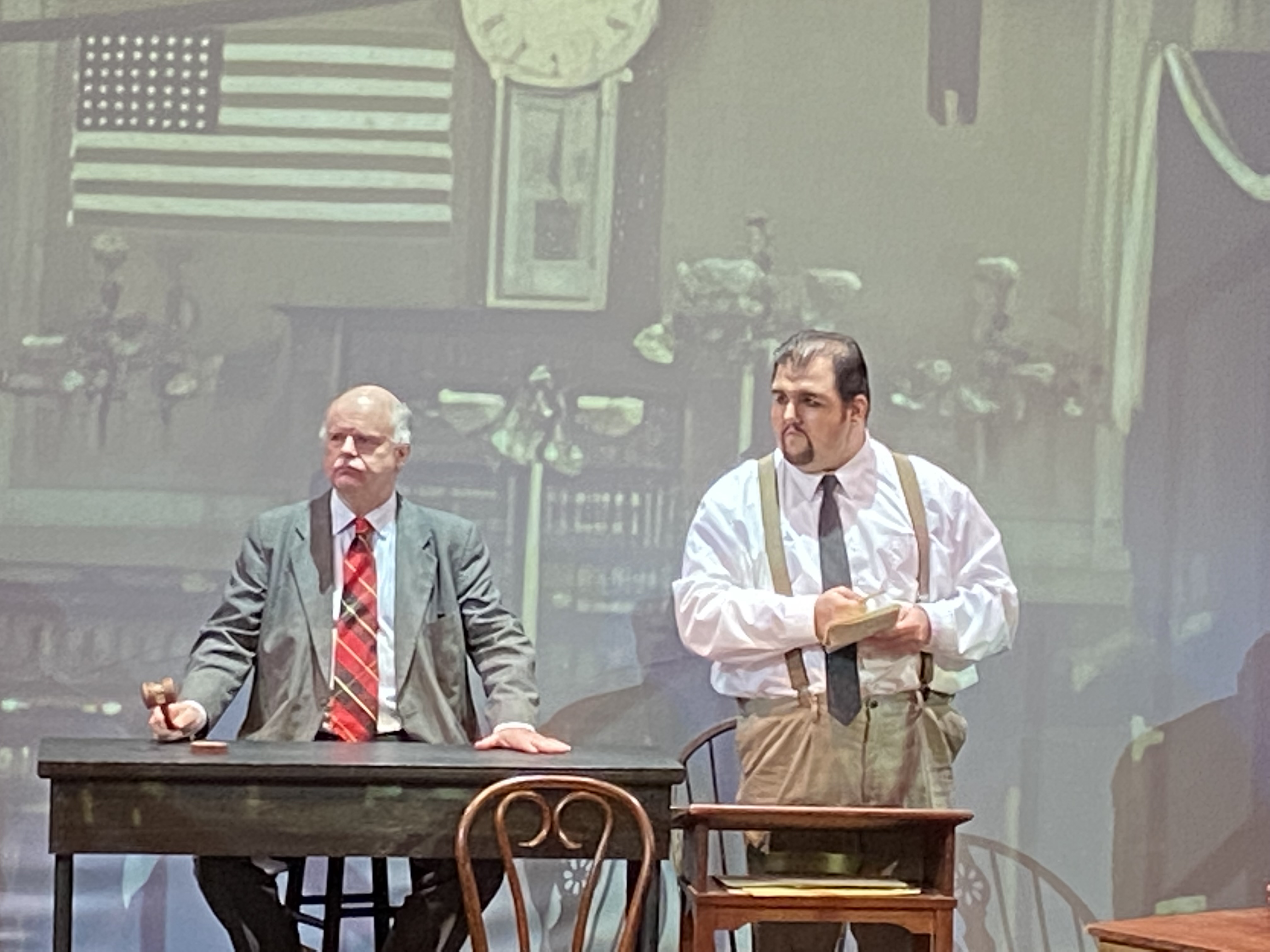
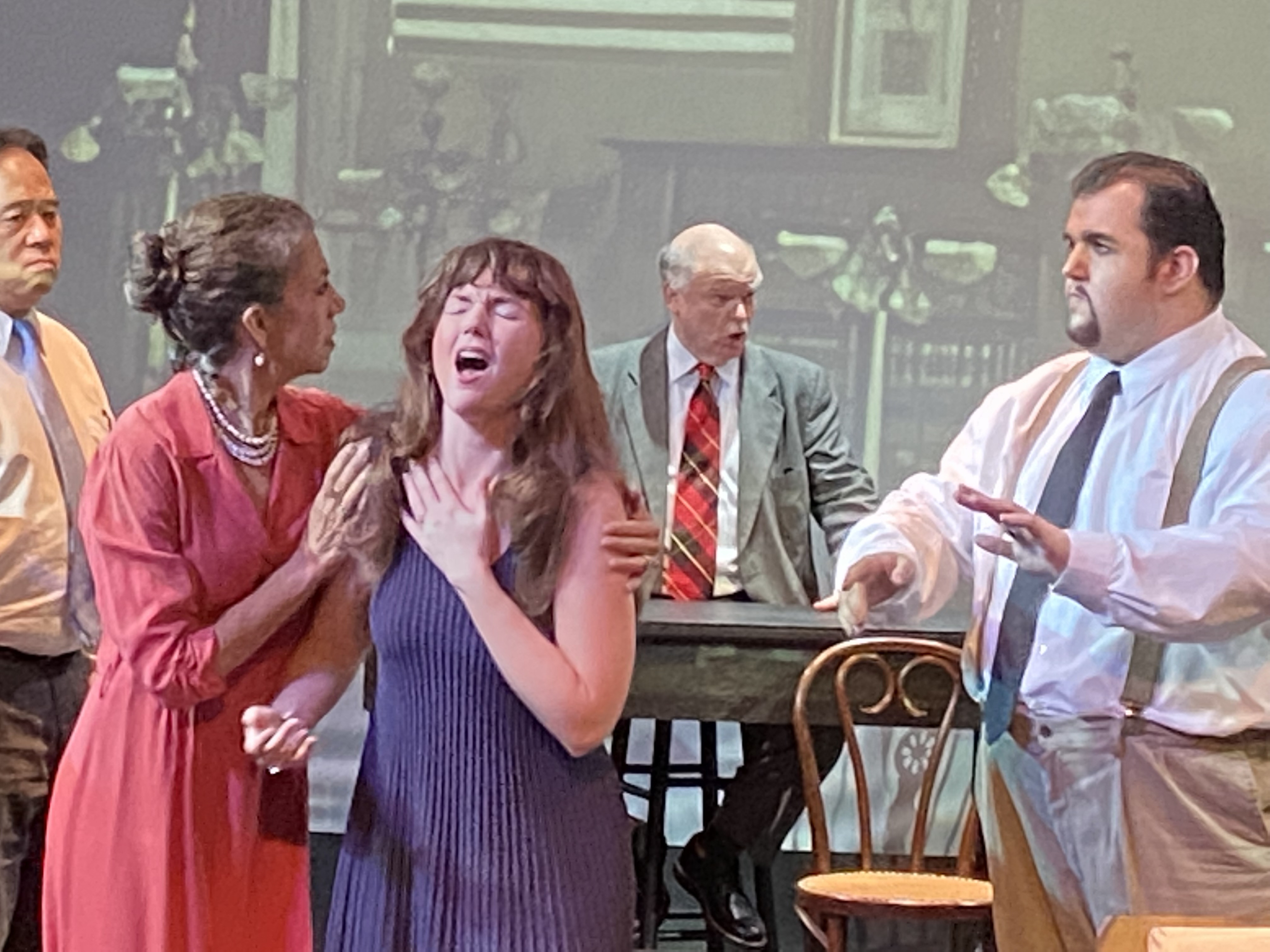
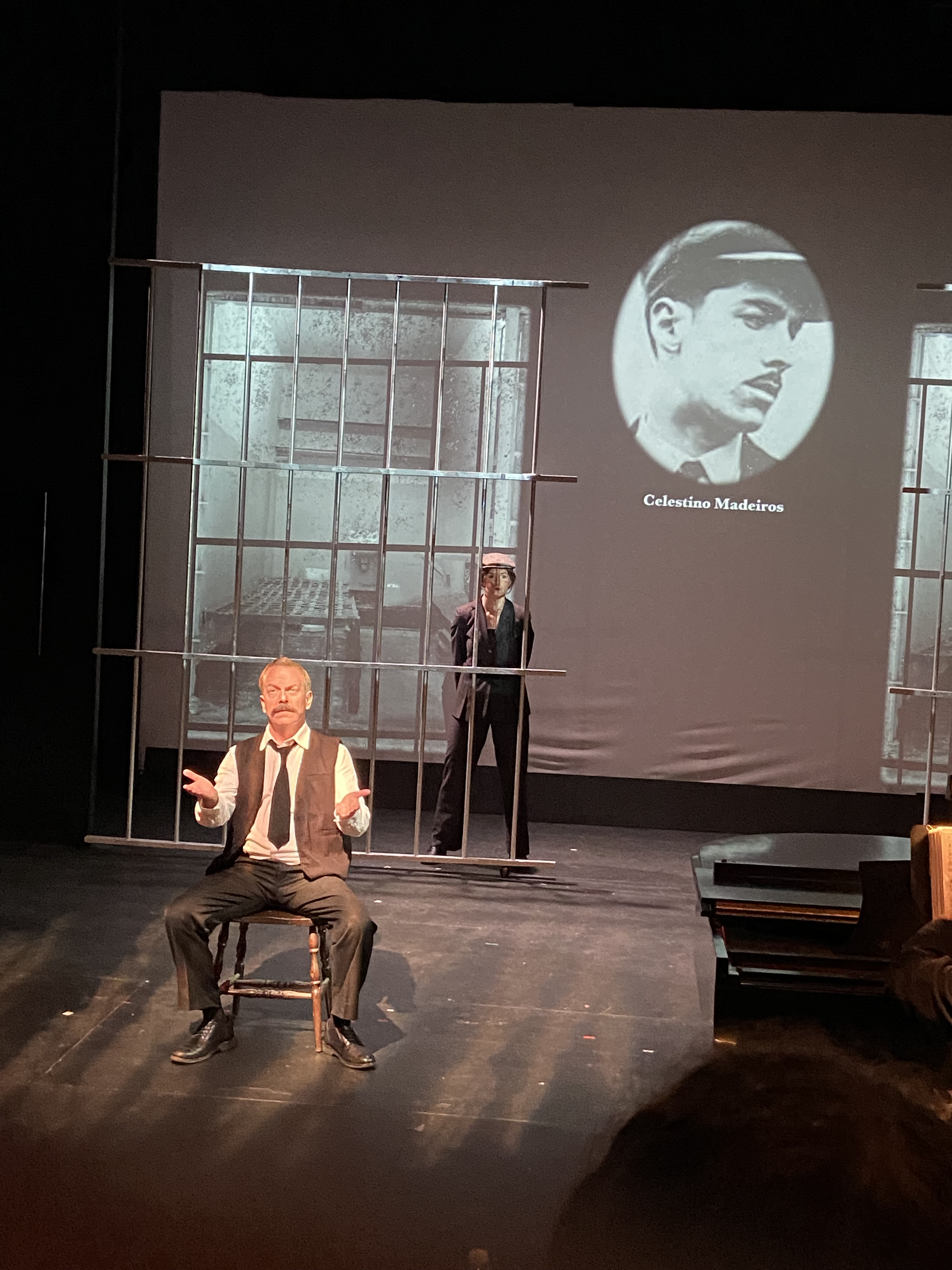
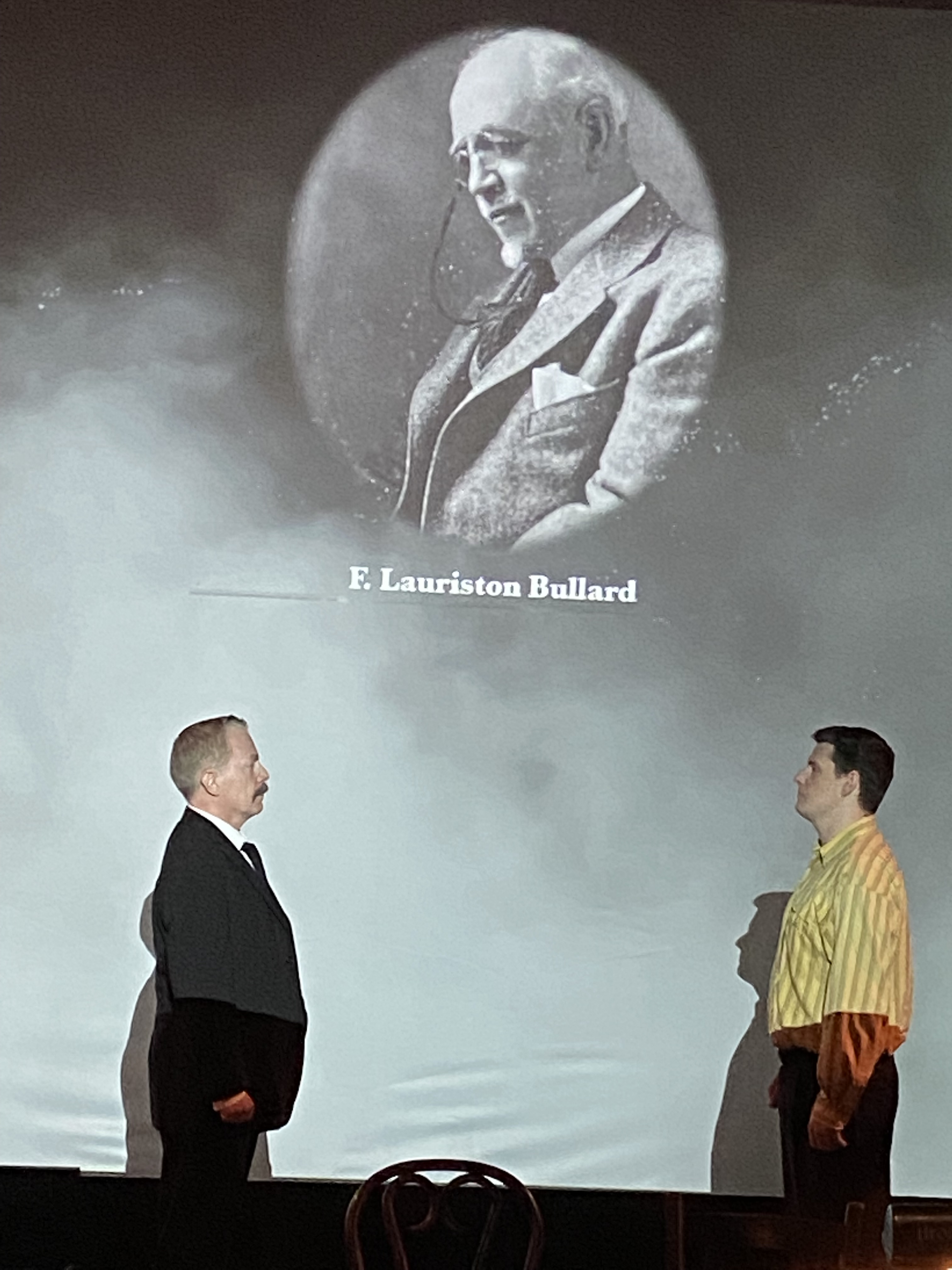
A premiere is always a gift to the attending public because of its novelty, regardless of the content and validity of the performance, but in the case of After Dinner Opera Company’s “Sacco and Vanzetti” an extra layer of glamour and interest was added, both because of the composers and the topic of the opera. Yes, it’s composers and not composer, since the opera was started by the musician Marc Blitzstein and completed by Leonard J. Lehrman, who also conducted the orchestra at the performance.
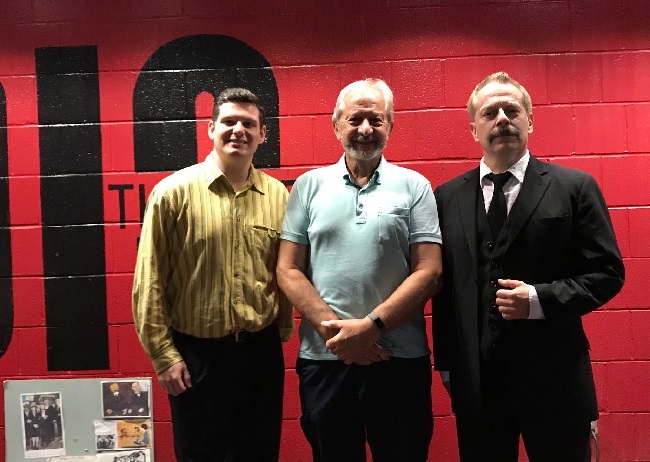
Tiziano Thomas Dossena with Christopher Remkus (Nicola Sacco) and Michael Niemann (Bartolomeo Vanzetti)
There were pleasant surprises mixed with a set of not-ideal choices that were presented to the audience, and that allowed for the performance to debut in a respectable manner. Let’s talk about the choices that could have been better first… Blitzstein’s music as such did not age well, being more set for musical theater than opera, and the valiant effort of Maestro Lehrman was not sufficient to revive it properly to be appreciated by a contemporary audience.
Furthermore, the length of the opera, given the type of music, which could have been and probably would have been shortened by the original composer if given the opportunity to revise it, was inappropriately long. This occurred probably not because of a musical choice but to follow the original libretto. Having some exposure to libretti through the years, I can vouch that a good third of the opera could have been cut and by doing so, obtain a more harmonious flow to the story and the music. The conversation about the shoe, one of the scenes from the opera, for example, takes away from the drama and tragedy behind the Sacco and Vanzetti story and does not add any valuable musical element to the opera.
Lehrman’s conduction was almost flawless, being disrupted by his choice to interact at times with the musicians as if this was a rehearsal of some sort. True was it that the audience was mainly made of friends, families of performers, and admirers of the composer, but it still was a premiere performance and not a practice one…
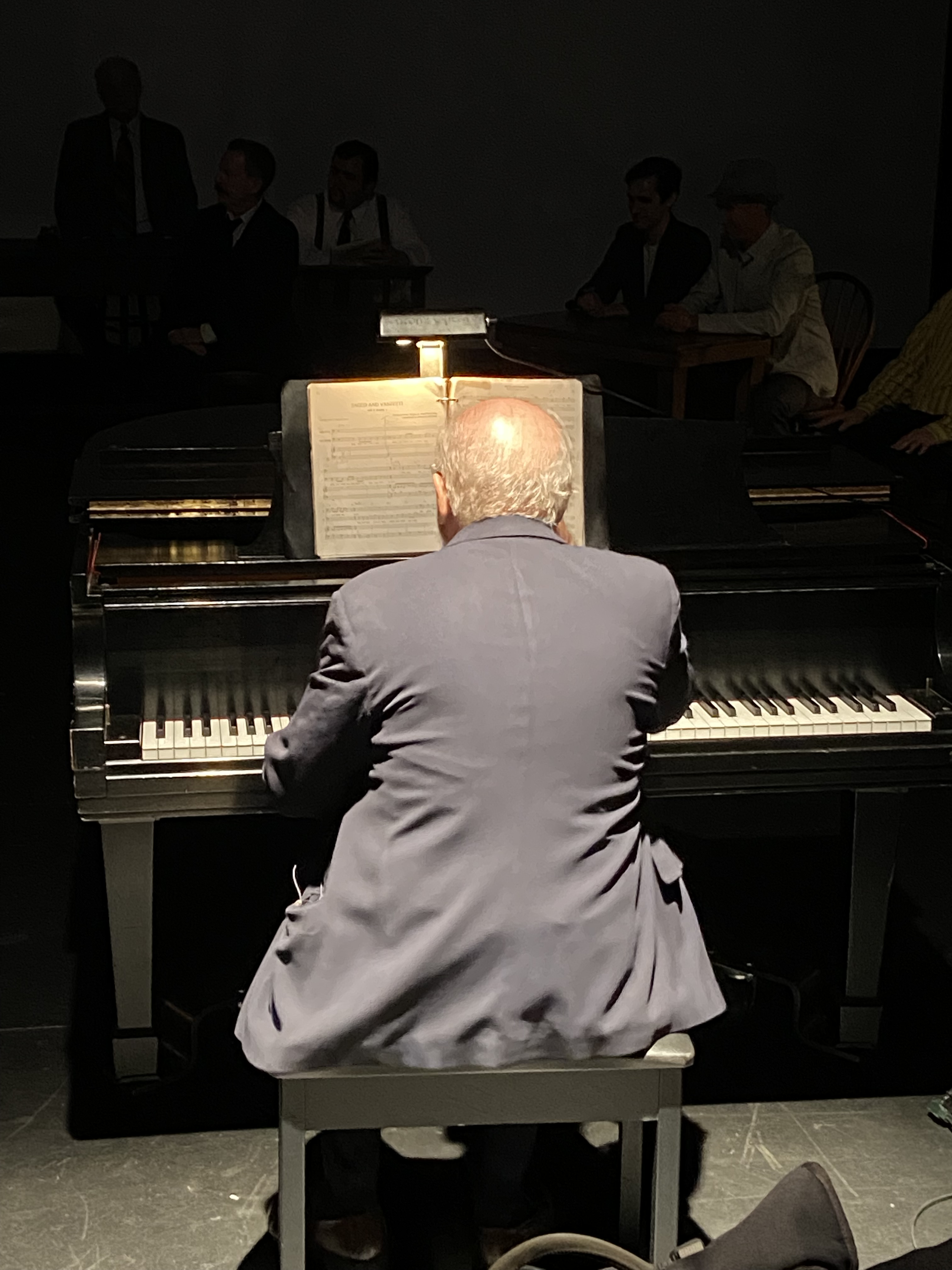
Maestro Lehrman conducting and playing the piano in the second act…
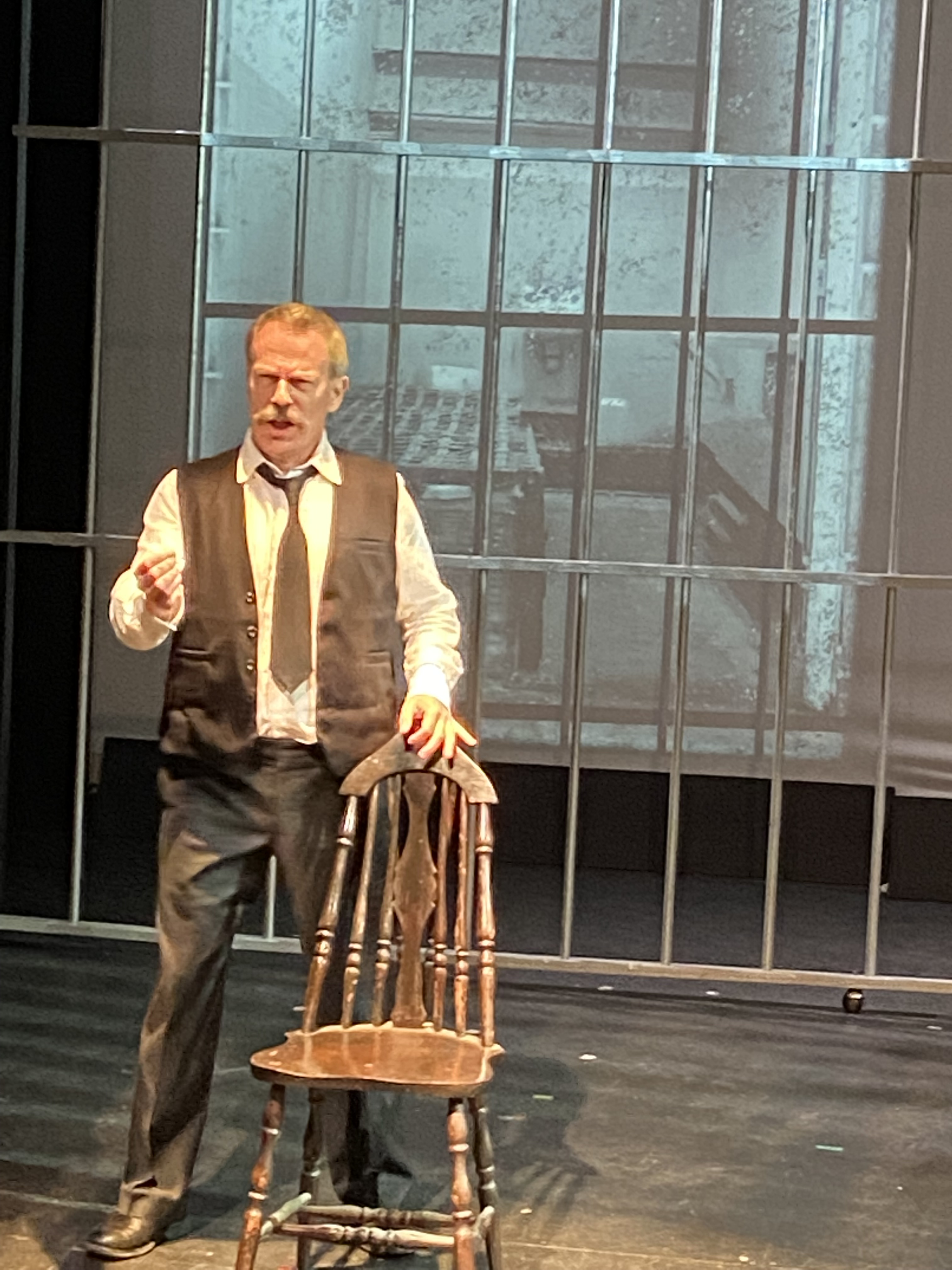
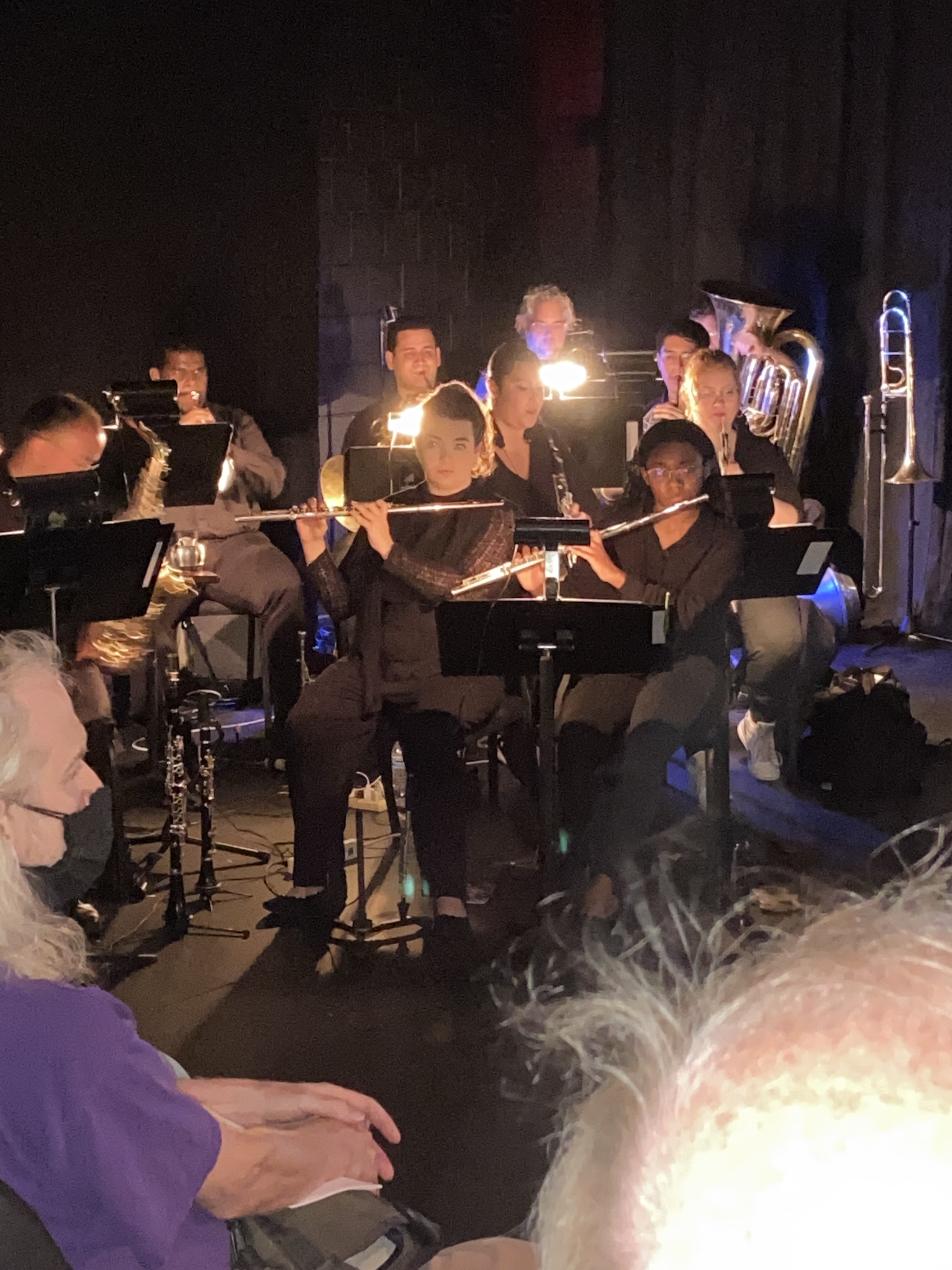
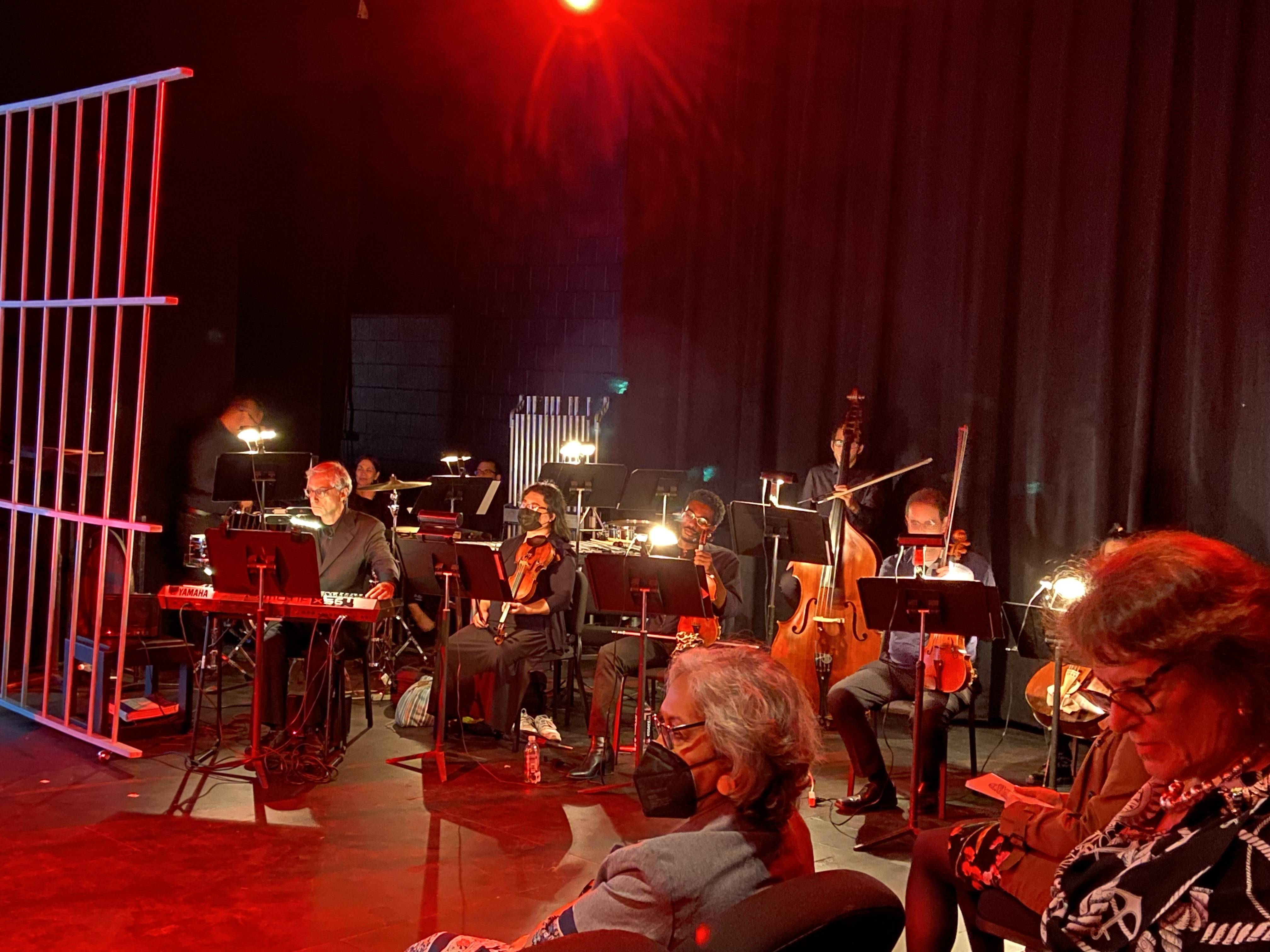
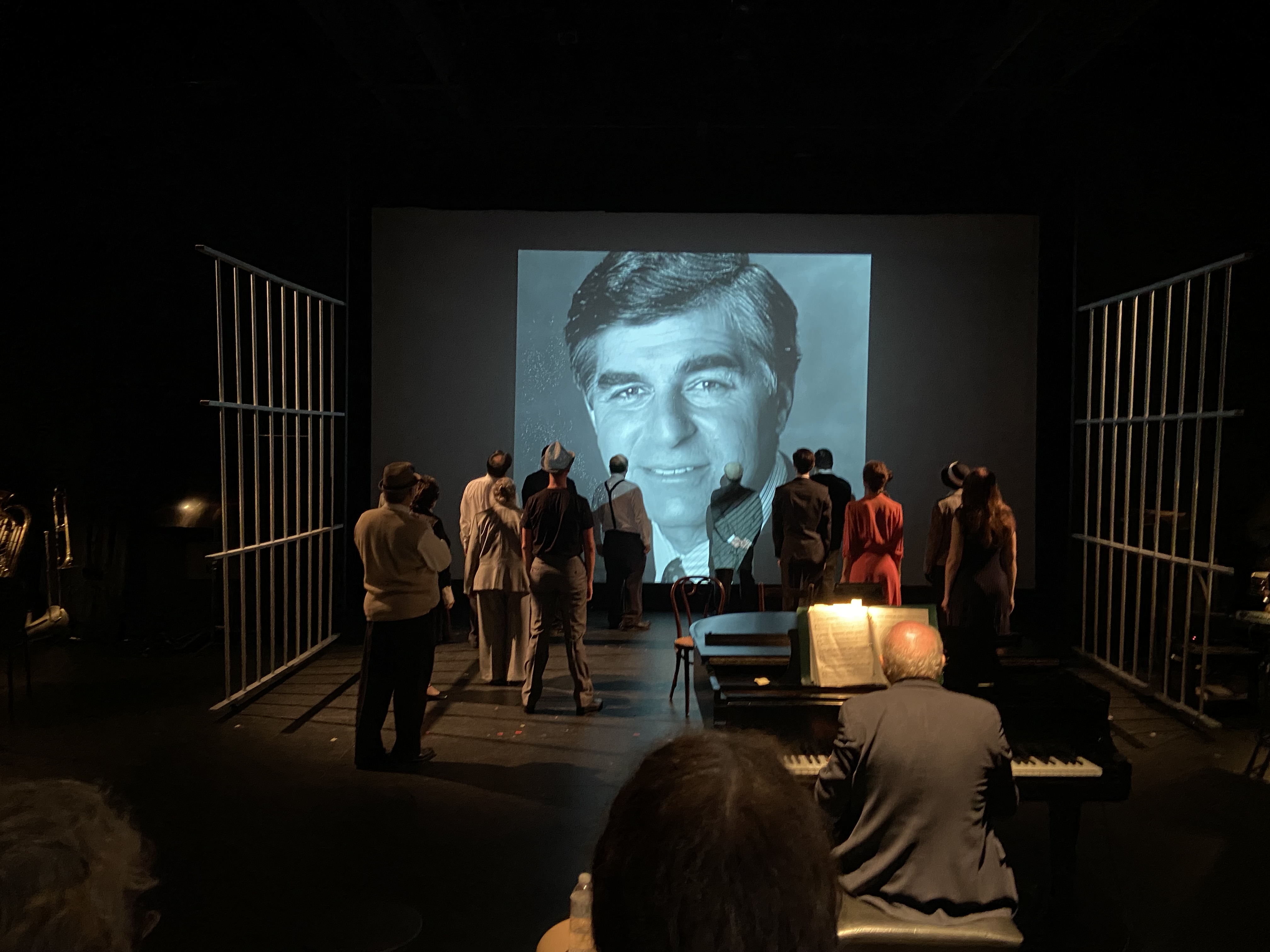
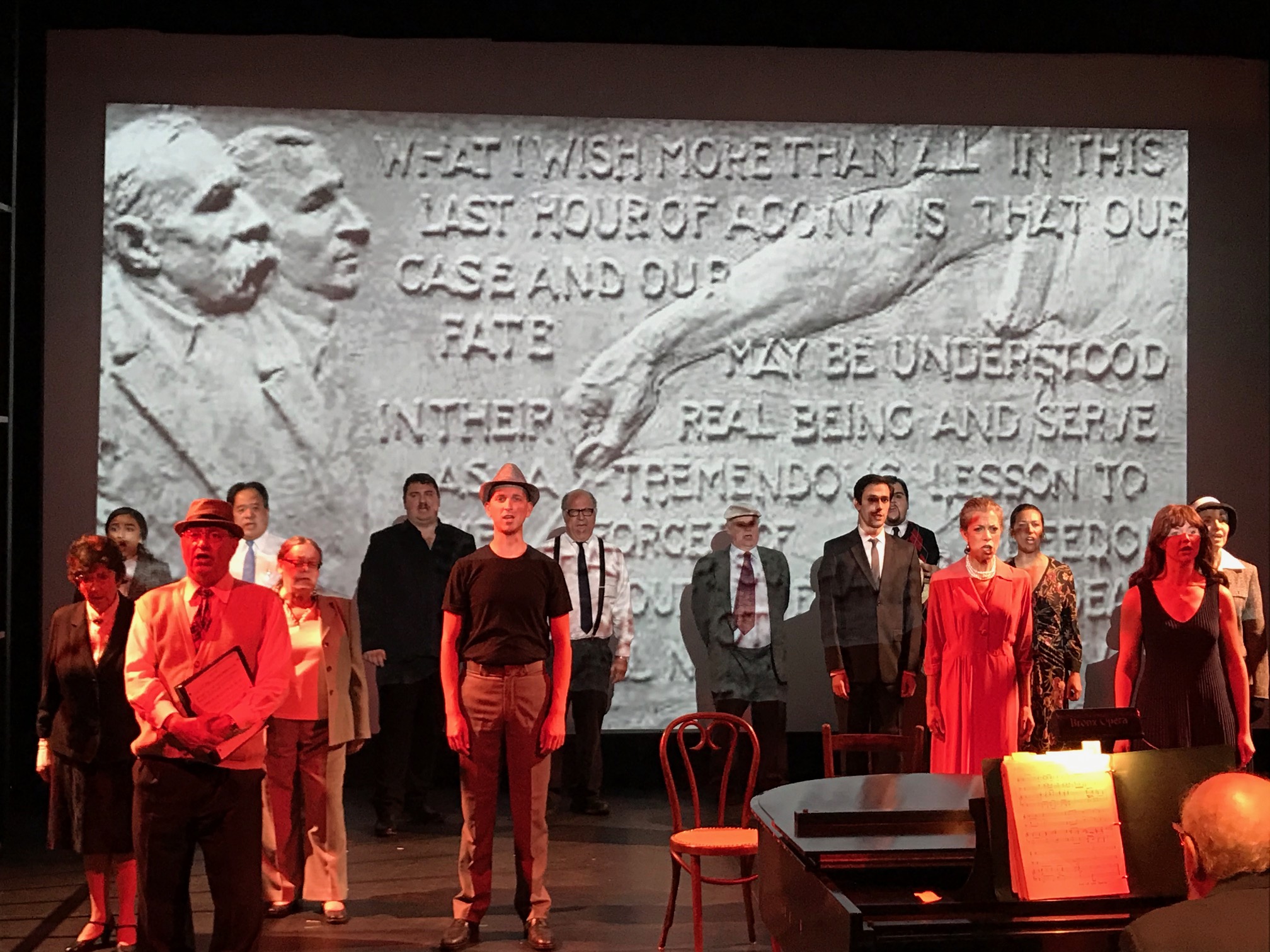
Taking away these blemishes, the opera was successful because of the hard work the opera company’s components put in to offer a special, historical performance. The stage direction by Benjamin Spierman was optimal, considering the limited space the Studio Theater of Lehman College offer. The stage and lighting design by Joshua Rose offered a suitable and well-worked ambient for the singers. The choice of the back screen was wonderful and the video design by Maxwell Bowman allowed for a further understanding of the story. The Metropolitan Philarmonic Orchestra and Chorus performed well, although some members were absent in the second act, therefore the extra work for the conductor —impromptu pianist…
Michael Niemann as Bartolomeo Vanzetti
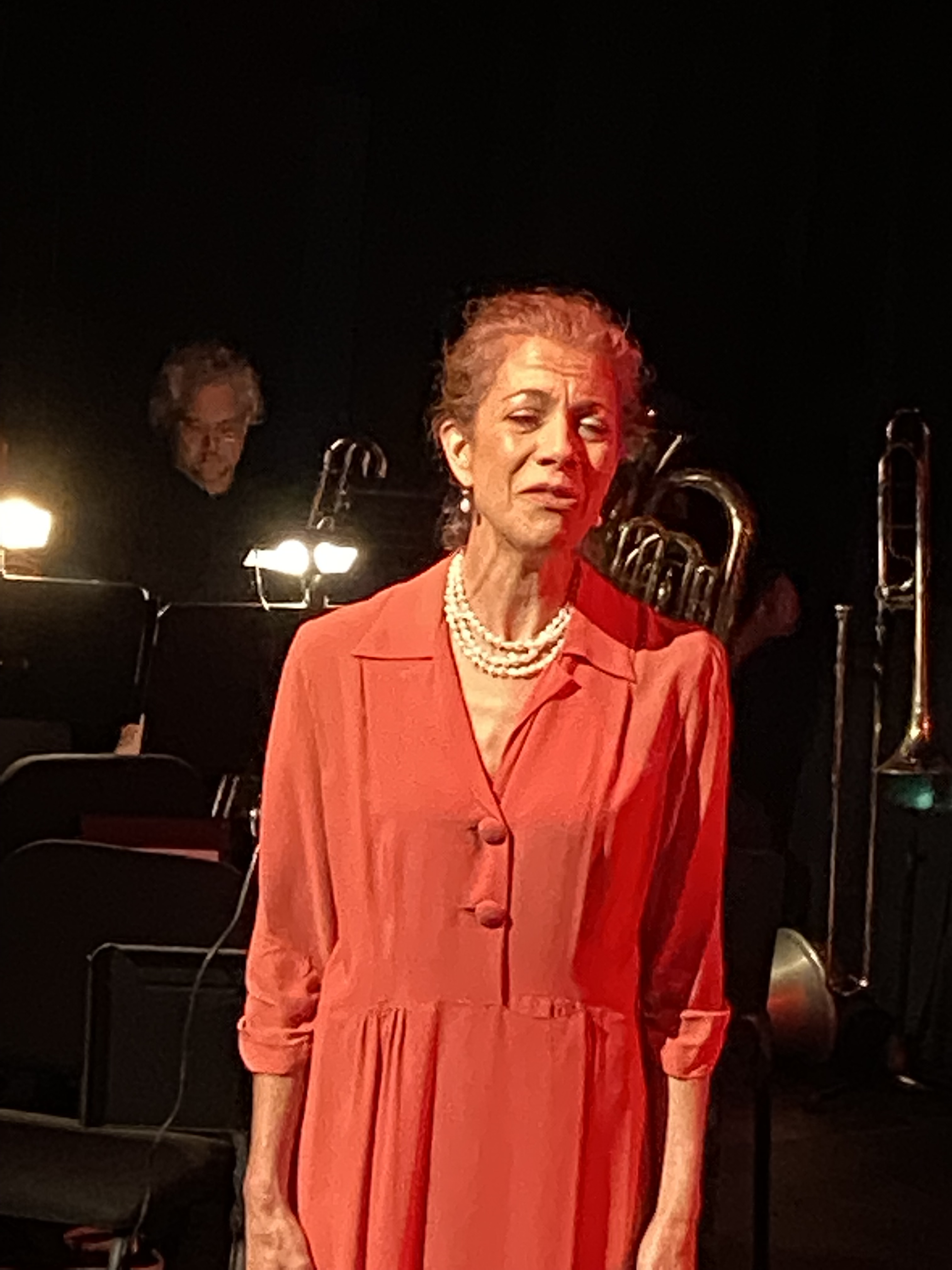
The singers were all performing well and gave their best… In particular, though, there were some exceptionally successful performances by a few of the major characters. Michael Niemann as Bartolomeo Vanzetti was inspired, offering not only a vigorous vocal performance but also a touching portrayal of the character… Christopher Remkus interpreted Nicola Sacco impeccably, showing at the same time the wonderful control of his powerful voice… Perri Sussman presented a credible and vocally pleasant Rosa Sacco, Nicola Sacco’s wife… Sarah Blaze performed brilliantly, both as a singer and an actor… Christopher Tefft showed a particularly effective control of his commanding voice and gave an optimal character performance that invigorated the story…
Christopher Remkus as Nicola Sacco and Sarah Blaze as Elizabeth Glendower Evans
Many others offered a valid performance, too many to mention…
This was a valid premiere, even considering Blitzstein’s music is more appropriate for Musical Theater than Opera, and our compliments go to Maestro Lehrman for his work and dedication. The story of Sacco and Vanzetti was certainly a valid choice for an opera, being intrinsically permeated by tragedy. This opera shows the racist choices of the investigators brought to a dreadful end, the execution of the two innocent Italian anarchists. This is a story that we should never forget.
GALLERY (all photos by Tiziano Thomas Dossena unless marked otherwise)
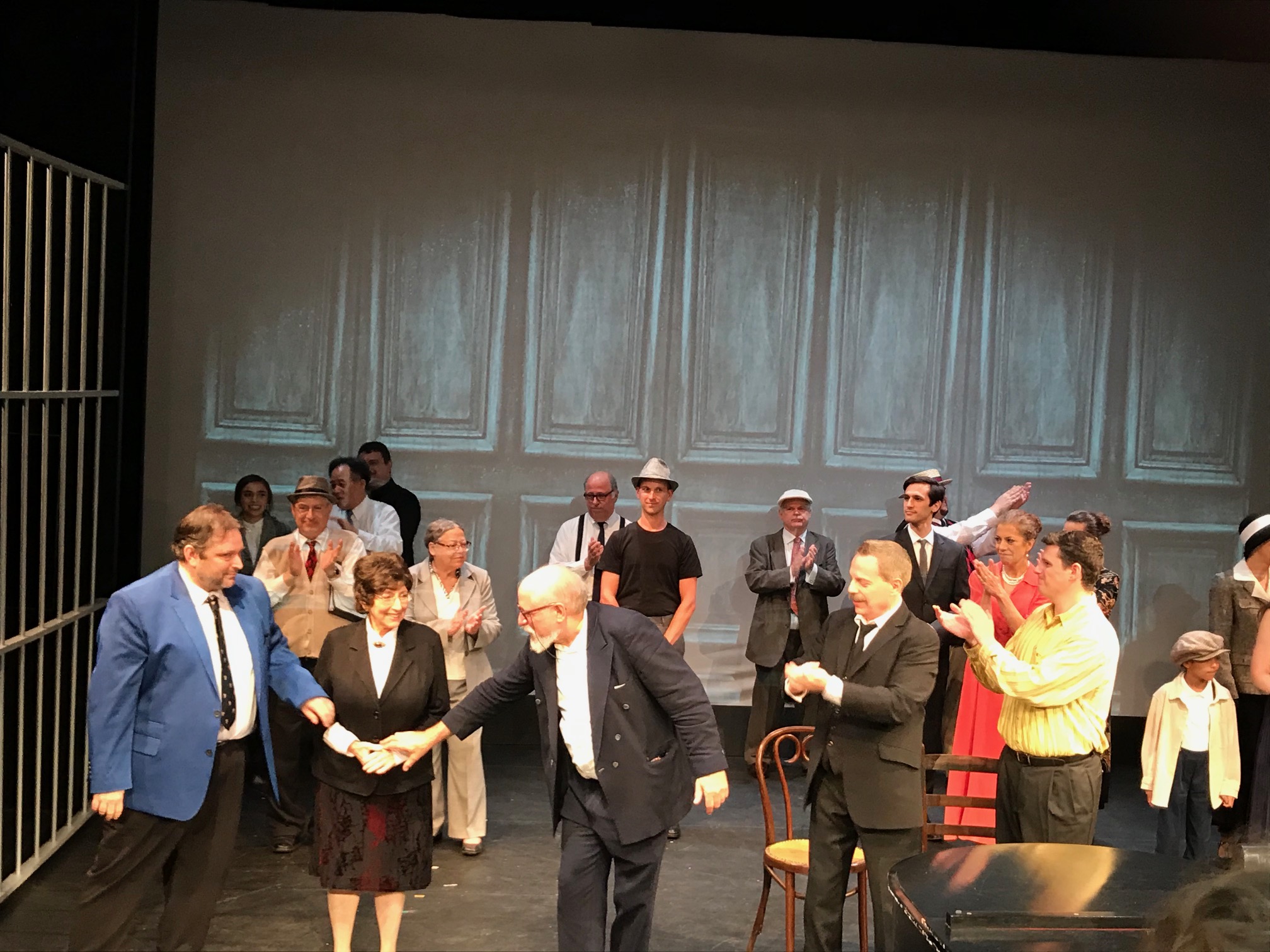
Perri Sussman and Elliet Rae BaltitasMichael NiemannAndrew Klima and Karen JolicoeurChristopher TefftKevin Courtemanche and Richard RisiPerri SussmanSarah BlazeFinal chorus of Sacco and vanzetti. Photo by Nicoletta DossenaPhoto by Nicoletta DossenaTiziano Thomas Dossena and Maestro Leonard J. Lehrman. Photo by Nicoletta DossenaSacco and Vanzetti at the Studio Theater of Lehman College
The Fini Dance Festival and Awards returns to the Ailey Citigroup Theater to present a gala performance and presentation of awards to outstanding figures in the dance community, on August 31 at 8 PM, hosted by Milan’s charming actress/TV personality Tabata Caldironi. Founded in 2011 in Calabria Italy by Calabria native Antonio Fini, the annual event celebrates artists from Italy and New York, sharing a program in a spirit of exchange and collaboration. The evening also includes awards for dance notables. Recipients of past awards include Alessandra Ferri, Edward Villella, Luigi, Alessandra Corona, and more.
Performances by
Ballet Belvedere (from Calabria)
Ballet Eloelle-Grandiva (New York based)
Dzul Dance (New York based)
Fini Dance Company (Calabria & NY)
Turin Tap Dance (Turin Italy)
Karol & Gabriel Chiappetta, finalists on Dancing With the Stars in Italy
Fini Dance Junior Company
2022 Awards Recipients
Louise Cantrell, founder of Dancing Angels Foundation – Lifetime Achievement Award
Lloyd Knight, principal with Martha Graham Dance Co. – Extraordinary Dancer Award
Bianca Delli Priscoll, senior artist with Ajkun Ballet – Rising Star Award
Angela Valentino, international makeup artist – Makeup award
More About the Program:
Ballet Belvedere from Calabria will present a duet choreographed by Maria Marino, danced by Karol and Gabriel Chiapetta.
Ballet Eloelle-Grandiva: The all-male comedy ballet company will appear in Odalisque Pas de Trois from Le Corsaire, choreographed
by director Victor Trevino to music by Adolphe Adam. Danced by Palomina Carrera, Marianela Moreorless, and Teresa Carino.
Dzul Dance: Javier Dzul and Miriam Barbosa will appear in a duet.
Fini Dance New York will present Memories of Tirana, danced by Antonio Fini and Nina Chong-Jimenez.
Turin Tap Dance from Turin will appear in a trio danced by Davide Accossato, Martina Barone, and Allegra Schwerdtfeger.
Fini Dance Junior Company in a work by Danielle Marie Fusco
More About the Awards Recipients:
Lifetime Achievement Award: Louise Cantrell, Founder of Dancing Angels Foundation:
Native New Yorker Louise Cantrell earned a Bachelor’s Degree in Business Administration at the College of New Rochelle. With over ten years of experience, she became an Assistant Vice President at Guy Carpenter & Company. In 2004 she settled in North Carolina and married Edward Cantrell, who joined the 3rd Special Forces Group. During her husband’s career, Louise gave up her own career and became a stay-at-home mother, caring for their daughters Isabella and Natalia. On March 2, 2012, tragedy struck when their home burned down. Louise survived, but her husband and daughters perished. To honor and perpetuate the memory of Isabella and Natalia, Louise created the Dancing Angels Foundation to ensure their memory through dance scholarships for dedicated dancers. As a Gold Star wife, Louise also works to mentor families of fallen soldiers as well as being involved in other military organizations.
Extraordinary Dance Award: Lloyd Knight, principal dancer with the Martha Graham Dance Company:
Born in England and raised in Miami, Lloyd trained at the Miami Conservatory of Ballet and New World School of the Arts. He joined the Martha Graham Dance Company in 2005 and performs major roles in the Graham repertory, including Appalachian Spring, Embattled Garden, Night Journey, and many others. Lloyd has appeared with ballet stars Wendy Whelan and Misty Copeland in signature Graham duets, and has had roles created for him by Nacho Duato and Pam Tanowitz. He is currently a principal guest artist with The Royal Ballet of Flanders, directed by Sidi Larbi Cherkaoui.
Rising Star Award: Bianca Delli Priscoli, senior artist with the Ajkun Ballet Theatre:
Bianca trained at Artestudio in her native Salerno, Italy, studying ballet, modern, and jazz techniques, and continued her training at the Accademia Nazionale di Danza in Rome. Moving to New York in 2014 she studied at the Ailey School and has performed with a variety of classical and contemporary companies in the U.S. and abroad. Her repertoire includes Giselle, Apollon Musagete, Don Quixote, Les Sylphides, and Nutcracker. Bianca is an ABT Certified Teacher from Pre-primary through Level 7 of the ABT National Curriculum Training. She joined Ajkun Ballet Theatre in 2020.
MakeUp Award: Angela Valentino, international makeup artist:
The Milan native developed a passion for makeup while a student at the Liceo Artistico Caravaggio in Milan. She graduated in 2008 from the Accademia di Belle Arti di Brera in Milan, listed first in the Top Academies of Arts in the world. Angela studied set and costume design, and subsequently included makeup, which she studied at the prestigious BCM Cosmetics School in Italy. Now a New York resident, she has been working in high fashion shows in Italy and the U.S. and has contributed to international fashion magazines, as well as creating sets and costumes for theater, TV, and cinema.
The full vocal score of this magnificent opera is AVAILABLE FOR THE FIRST TIME IN HISTORY FROM AMAZON.COM or BARNES & NOBLE
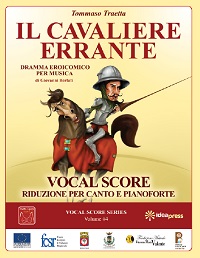
The Vocal Score of the Munich version of the Stabat Mater by Tommaso Traetta is now available.
With biography and commentary in English, Italian, German and Japanese.
The full vocal score is AVAILABLE FOR THE FIRST TIME IN HISTORY FROM AMAZON.COM or BARNES & NOBLE
Doña Flor, the vocal score
The full vocal score of this magnificent opera is AVAILABLE NOW FROM AMAZON.COM
Parliamo del soprano Dominika Zamara, un’artista che si è ritagliata un posto di rilievo nel firmamento della musica colta. Polacca di nascita e italiana d’adozione, nel 2007 ha vinto una borsa di studio presso il Conservatorio di Verona, diplomandosi l’anno successivo con il massimo dei voti. È stato proprio dall’Italia, Paese in cui risiede, che […]
La magia della grande opera incontra uno dei luoghi più affascinanti del territorio vicentino. Venerdì 21 agosto alle ore 21, il Castello di Romeo di Montecchio Maggiore ospiterà “Le nozze di Figaro” di Wolfgang Amadeus Mozart, proposte in una coinvolgente riduzione in forma di concerto. Sarà il primo appuntamento di “Vicenza in Lirica fuori le mura”, il progetto che porta […]
Dopo il successo del mese scorso al Teatro alla Scala di Milano, interprete di Timur in Turandot di Puccini, un altro importante impegno di respiro internazionale per il basso salentino Adolfo Corrado. Dal 3 giugno all’11 luglio sarà all’Opéra National de Paris in scena ne “La Cenerentola” di Rossini. Il cantante nato e cresciuto nella piccola Supersano (Le), […]
Martedì 9 giugno i giovani talenti si contenderanno i ruoli de “Il barbiere di Siviglia” di Rossini in programma con il XIV° Festival “Vicenza in Lirica-Contesti”. Lucas Christ presiederà la giuria internazionale. Sarà ancora una volta il Teatro Olimpico di Vicenza ad accogliere la Finale del IX° “Concorso Lirico Tullio Serafin”, in programma martedì 9 […]
Prosegue il percorso internazionale di “Concetto Armonico APS” e del Festival “Vicenza in Lirica”, che tornano ad Ankara grazie alla collaborazione con l’Ambasciata d’Italia ad Ankara, con l’Opera e Balletto di Stato di Ankara e con la Fondazione Musicale Sevda-Cenap And rinnovando un legame culturale che si consolida ormai da tre anni.Questa sera, Mercoledì 6 maggio 2026 alle ore 20.30, sul […]
Dominika Zamara, soprano, è una voce affermata nel panorama musicale. Si laurea nel 2007 con il massimo dei voti. Il suo debutto nel mondo dell’opera risale al 2010 nel ruolo di Mimì nell’opera “La Bohème” di Puccini, sotto la direzione del maestro Enrico De Mori. Da lì in poi, un crescendo di successi che la […]
Torna a Trapani il Concorso Lirico Internazionale Giuseppe Di Stefano. L’Ente Luglio Musicale Trapanese – Teatro di Tradizione bandisce la XXI edizione, finalizzata alla scoperta e al lancio di emergenti voci liriche, in programma dal 13 al 16 maggio 2026, presso la Sala Grande del Complesso Monumentale San Domenico. Possono partecipare cantanti lirici di qualsiasi […]
Sold out e grande emozione nella Cattedrale di San Lorenzo, a Trapani, per il capolavoro incompiuto di Mozart, con la direzione di Nicola Kitharatzis e un cast di solisti di rilievo internazionale Trapani, 31 marzo 2026 – Si è aperta la 78ª Stagione del Luglio Musicale Trapanese con il Requiem in Re minore K. 626 […]
Al via il IV° “Sabbioneta chamber Opera festival – Residenze 2026” Un grande progetto internazionale dedicato ai giovani talenti della lirica e della musica antica Con grande entusiasmo, l’Associazione “Concetto Armonico APS”, in collaborazione con il Comune di Sabbioneta e la Fondazione Sabbioneta Heritage, annuncia il lancio della quarta edizione del “Sabbioneta chamber Opera festival – Residenze”, dove […]
Presentata la 78a Stagione del Luglio Musicale Trapanese Ventuno appuntamenti da marzo a dicembre. Si apre domenica 29 marzo con il Requiem di Mozart in Cattedrale: ingresso libero per la città. È stata presentata nella Sala Grande del Complesso San Domenico, a Trapani, la 78ª Stagione dell’Ente Luglio Musicale Trapanese, Teatro di Tradizione riconosciuto dal […]