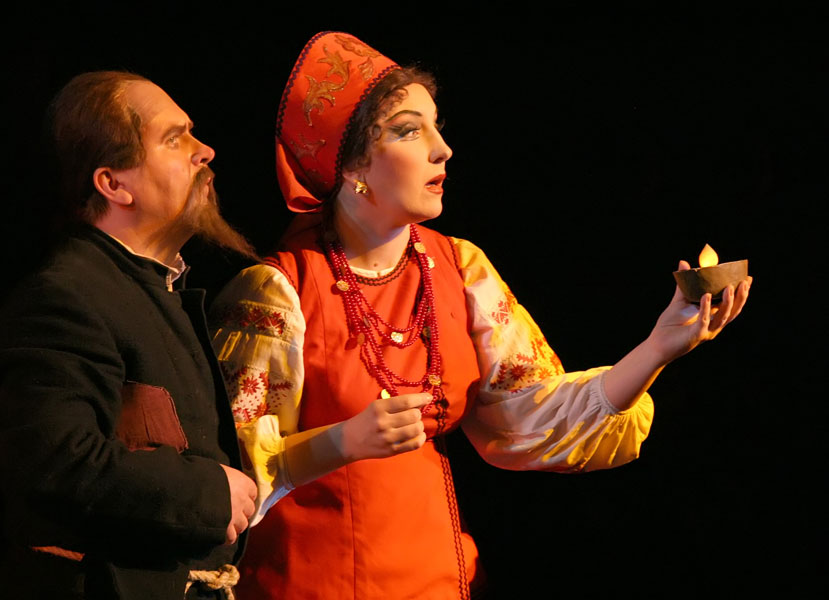
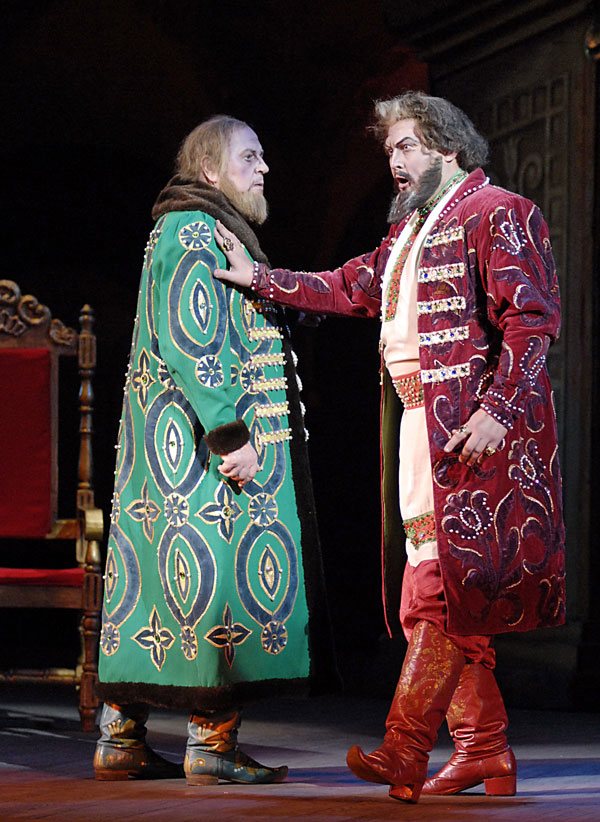
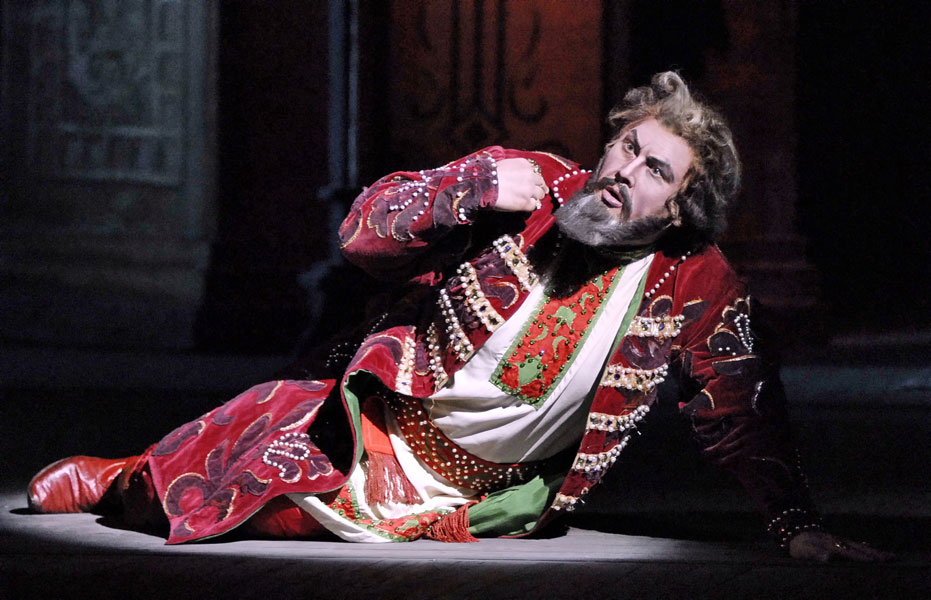
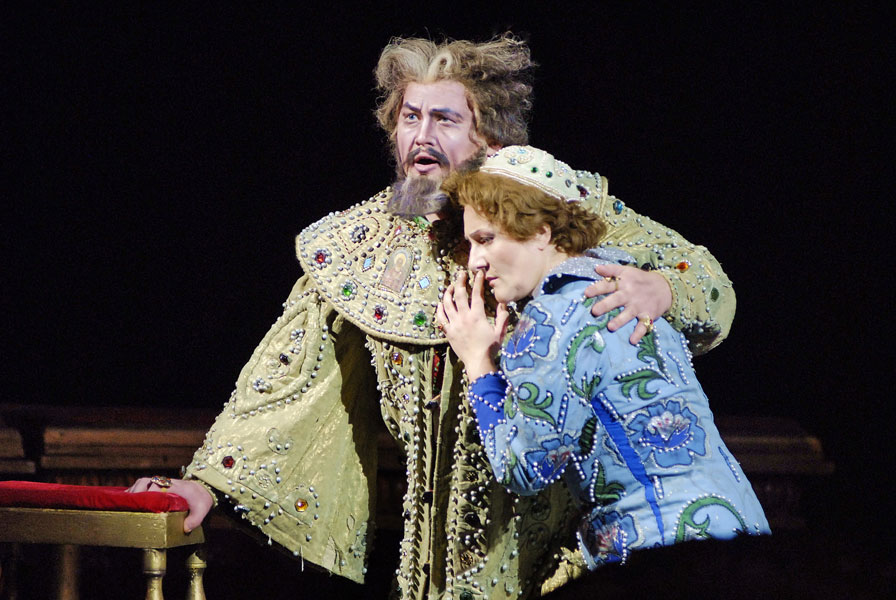
Falstaff in Bari, Italy

logopetruzzelli

20 – 28 November 2013

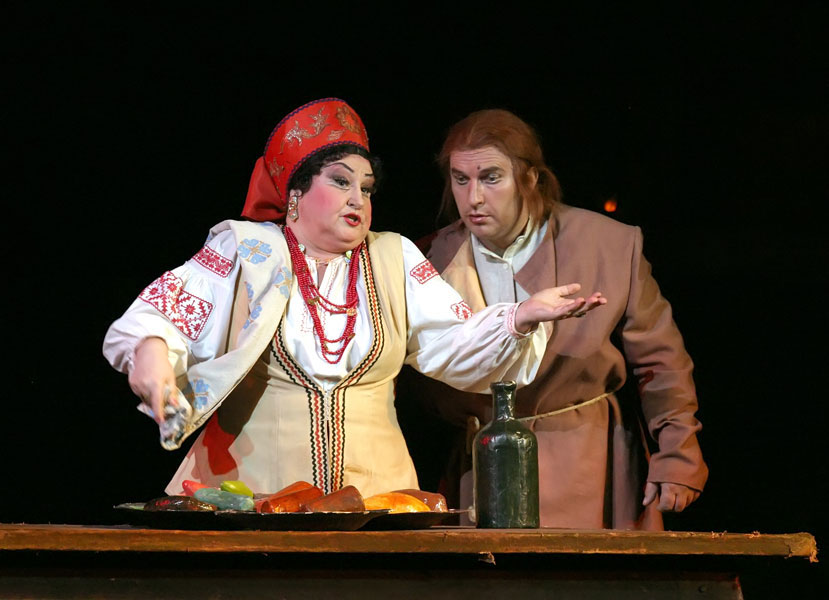
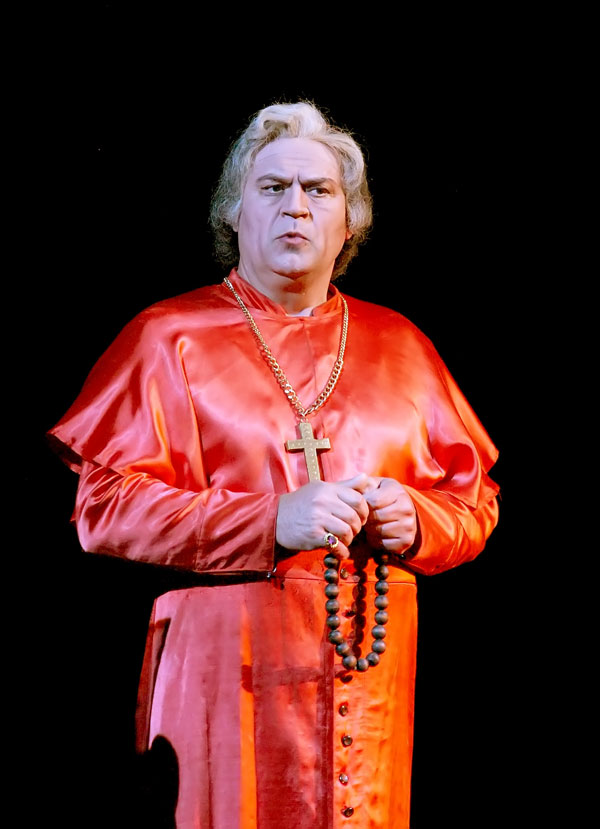
Falstaff

Giuseppe Verdi

falstaff sch

Conductor Daniele Rustioni
Director Luca Ronconi
maestro del Coro Franco Sebastiani
Sir John Falstaff Roberto De Candia (20, 24, 28 novembre)

Carlo Lepore (22, 26 novembre)

Ford Artur Ruciński
Fenton Leonardo Cortellazzi
Dott. Cajus Raúl Giménez
Bardolfo Massimiliano Chiarolla
Pistola Domenico Colaianni
Mrs Alice Ford Serena Farnocchia
Nannetta Rosa Feola
Mrs Quickly Barbara Di Castri
Mrs Meg Page Monica Bacelli
Fondazione Petruzzelli Orchestra and Choir
Production by the Fondazione Petruzzelli
ia coproduction with Fondazione Teatro di San Carlo di Napoli
Posted in Music, OPera | Tagged , , , , | Leave a comment

“Turandot” at the Ukranian National Opera

Thursday, November 14, 2013

logoukraineopera

The Ukranian National Opera Presents:

Giacomo Puccini

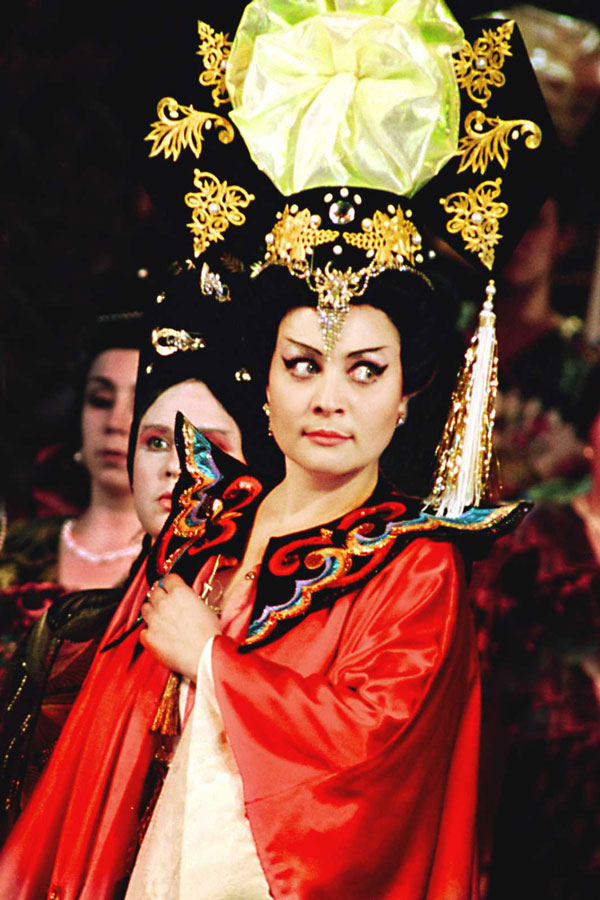
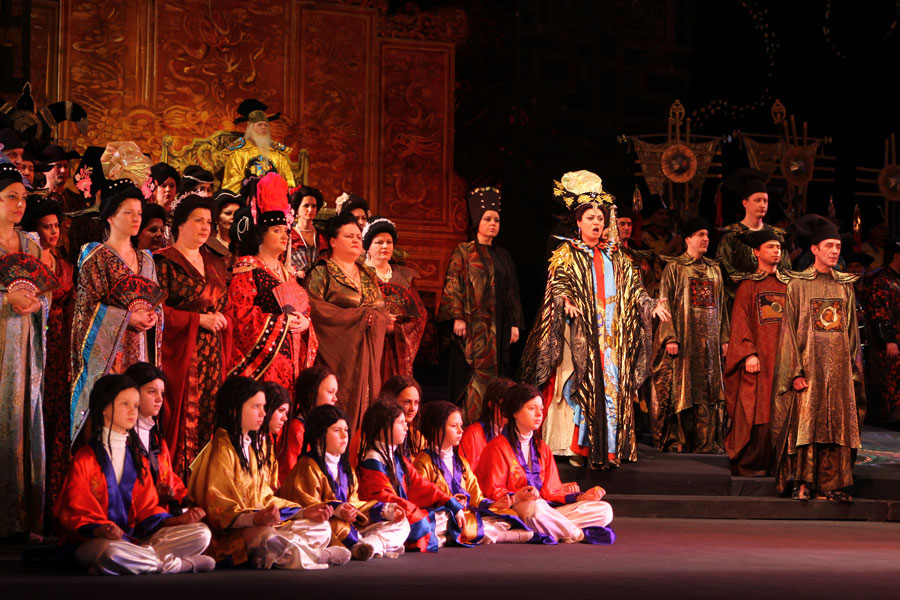
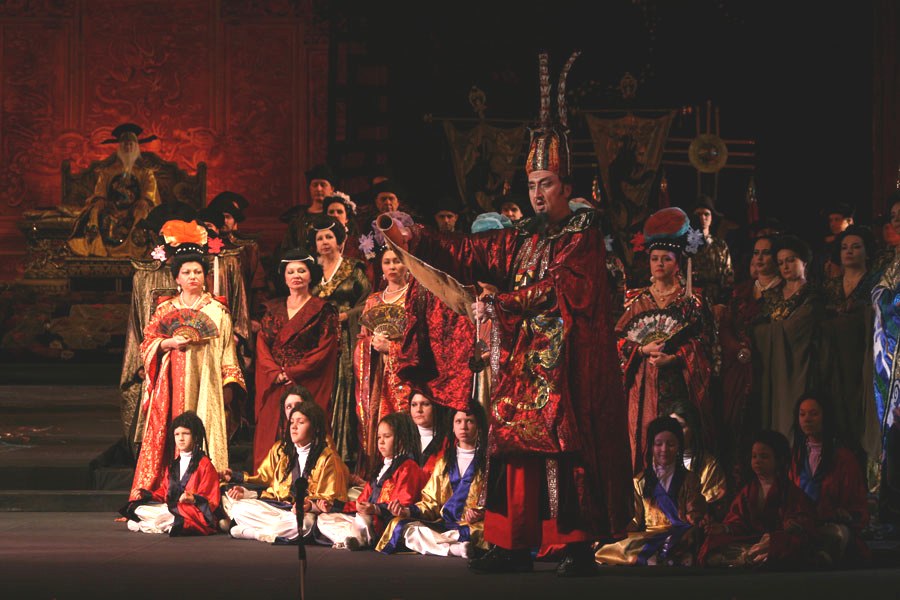
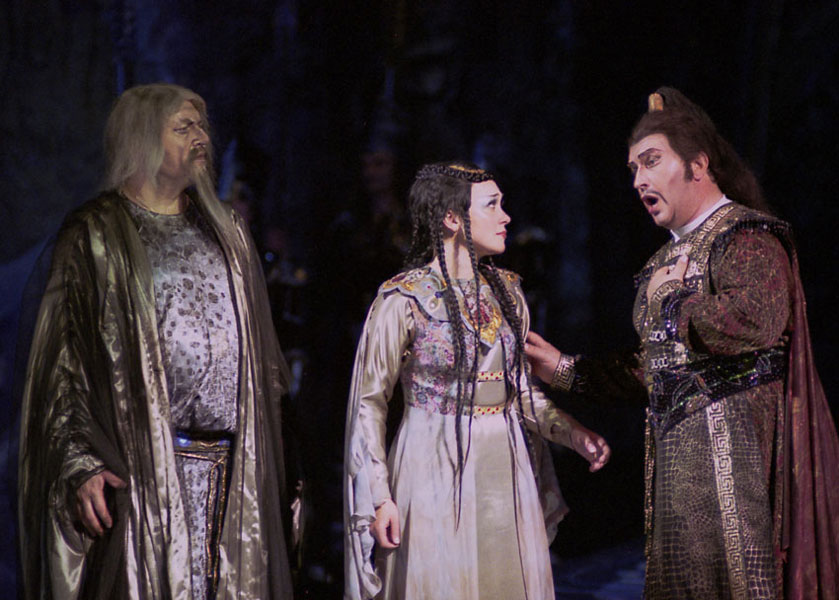
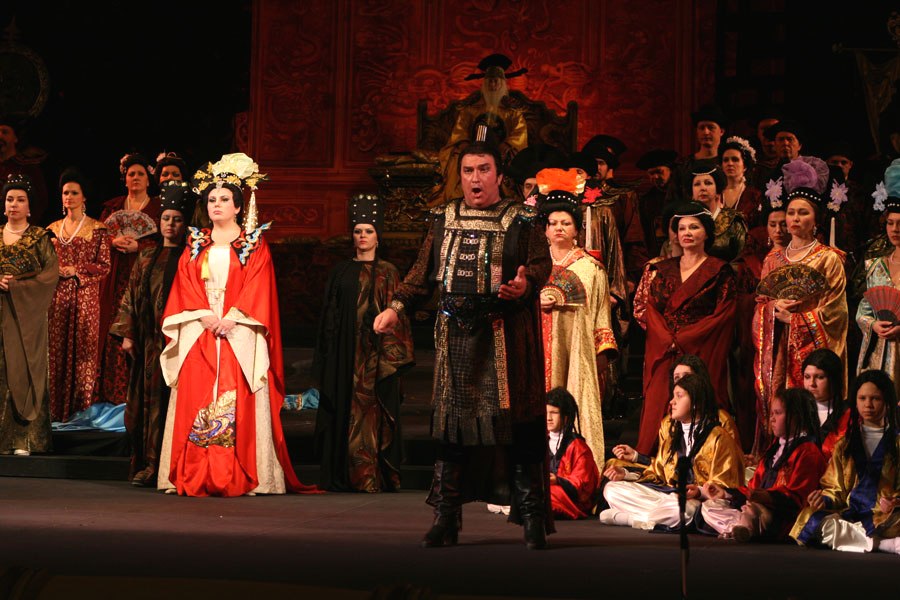
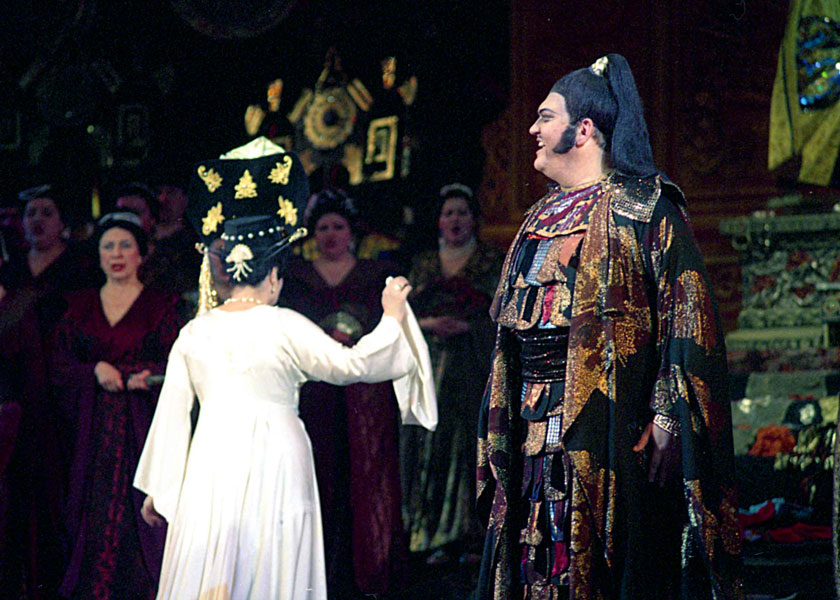
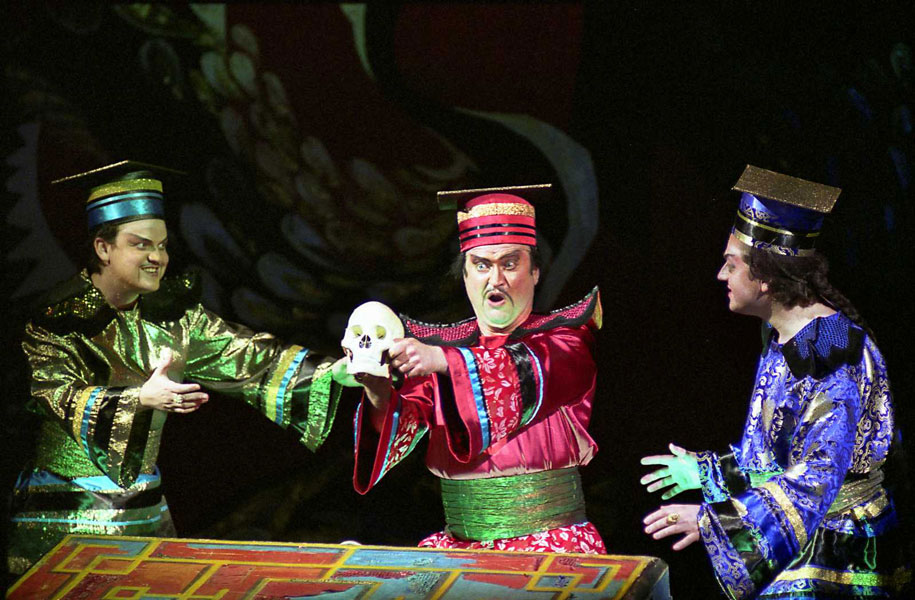
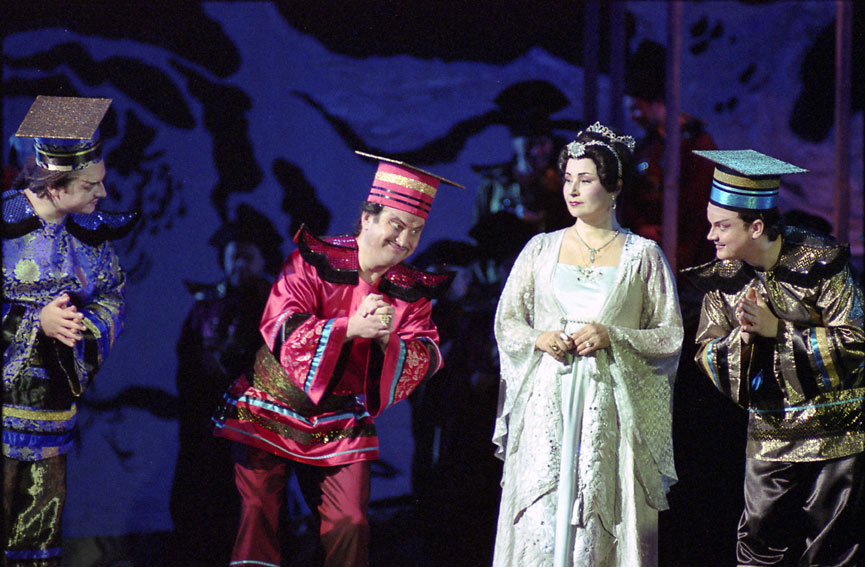
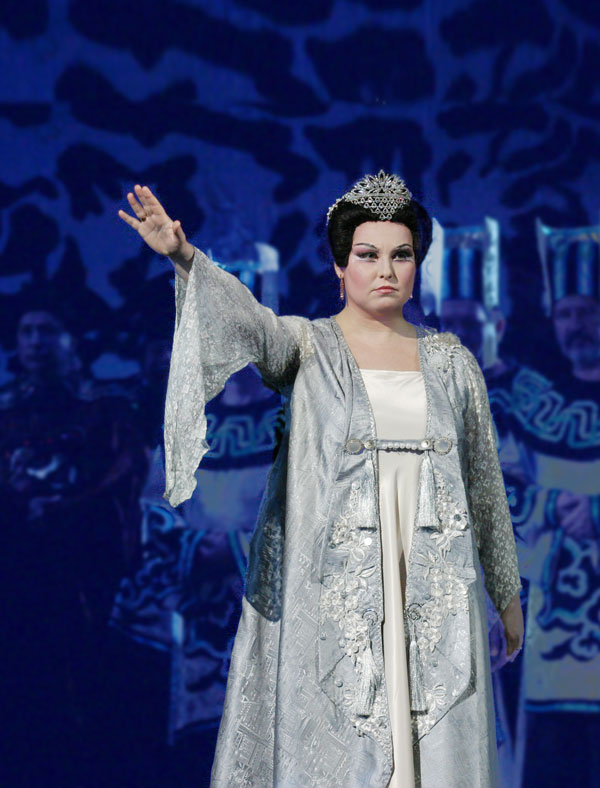
TURANDOT

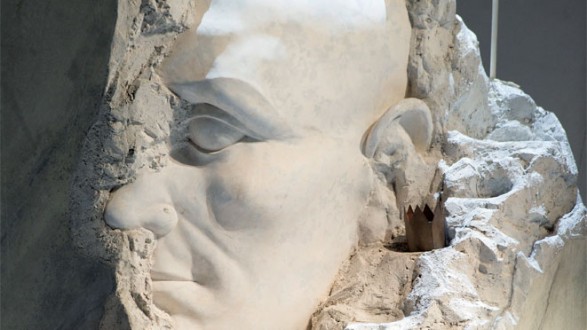
turandotUkraine3

turandotUkraine1   turandotUkraine2
turandotUkraine4   turandotUkraine5
turandotUkraine6   turandotUkraine7
turandotUkraine8   turandotUkraine9
Posted in Music, OPera | Tagged , , , | Leave a comment

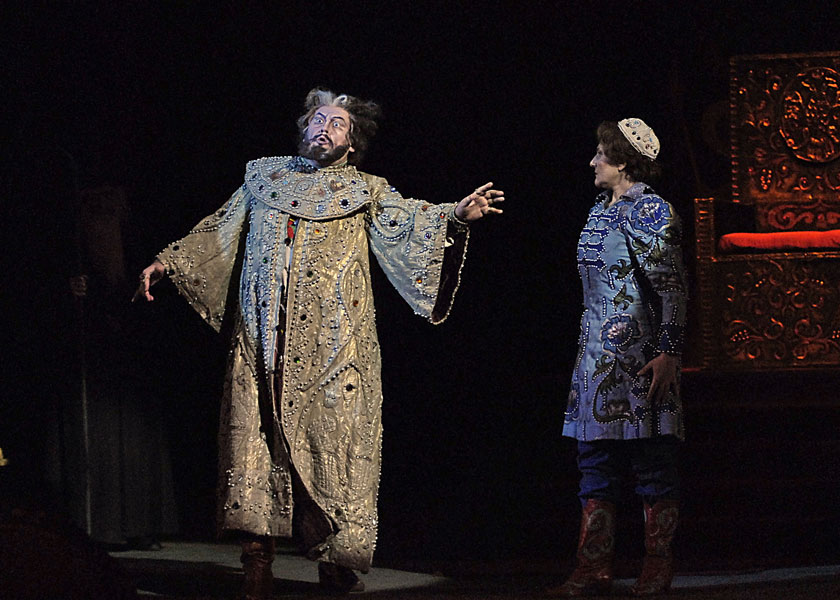
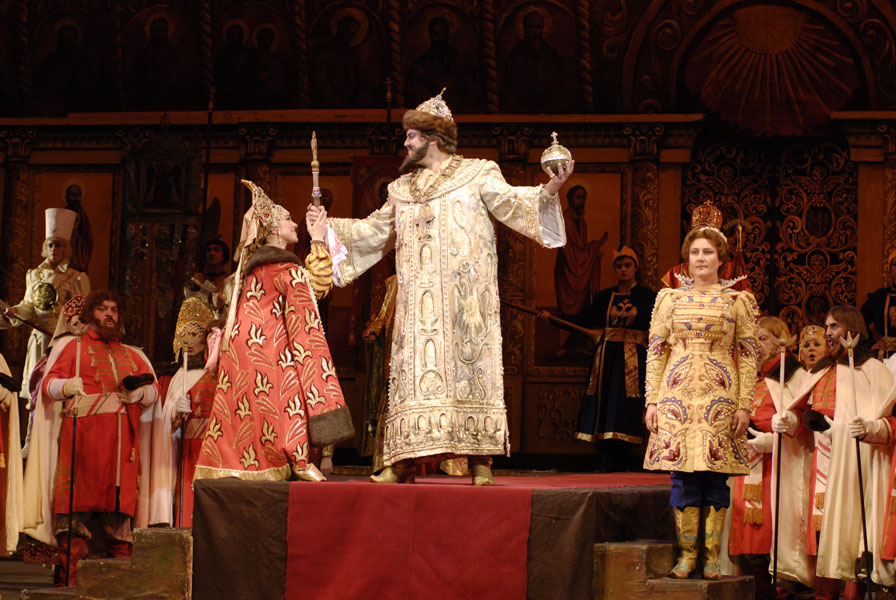
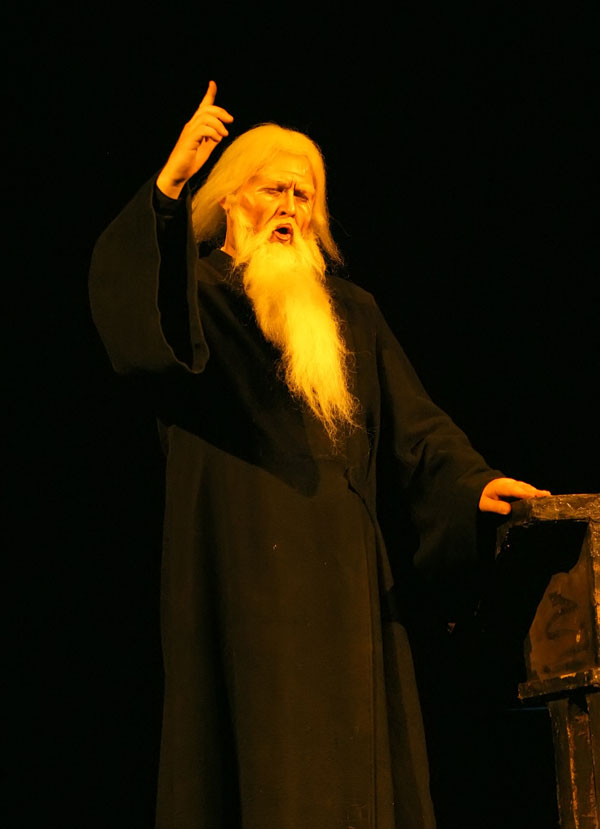
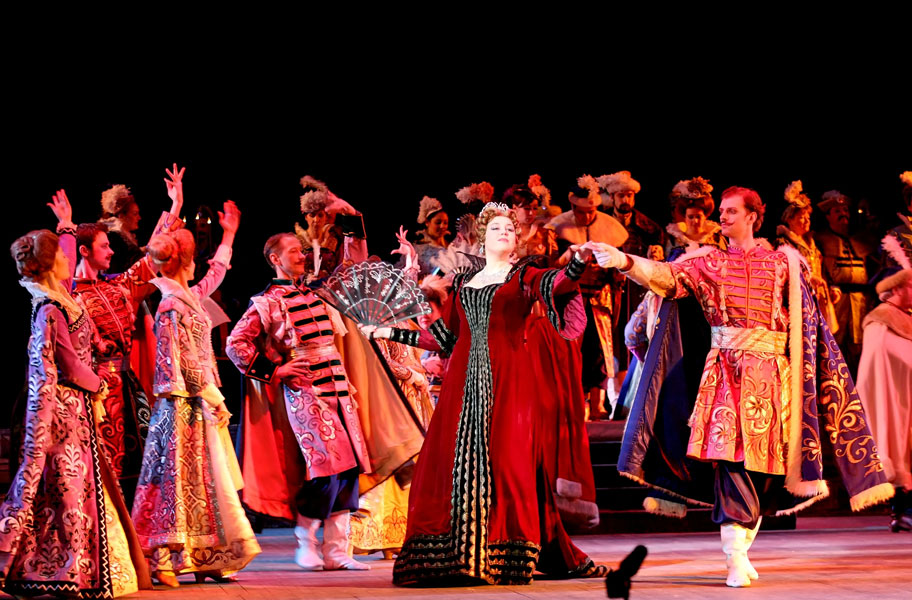
BORIS GODUNOV at the Ukranian National Opera

logoukraineoperaThe Ukranian National Opera Presents:

Modest Mussorgsky

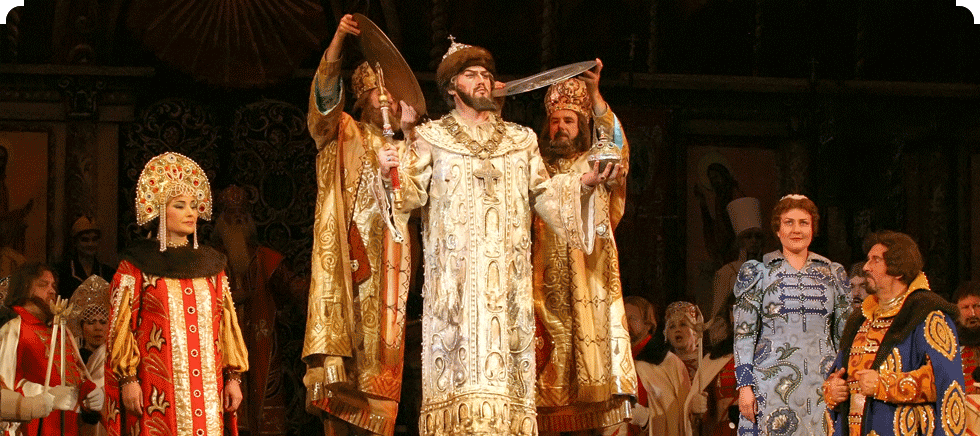
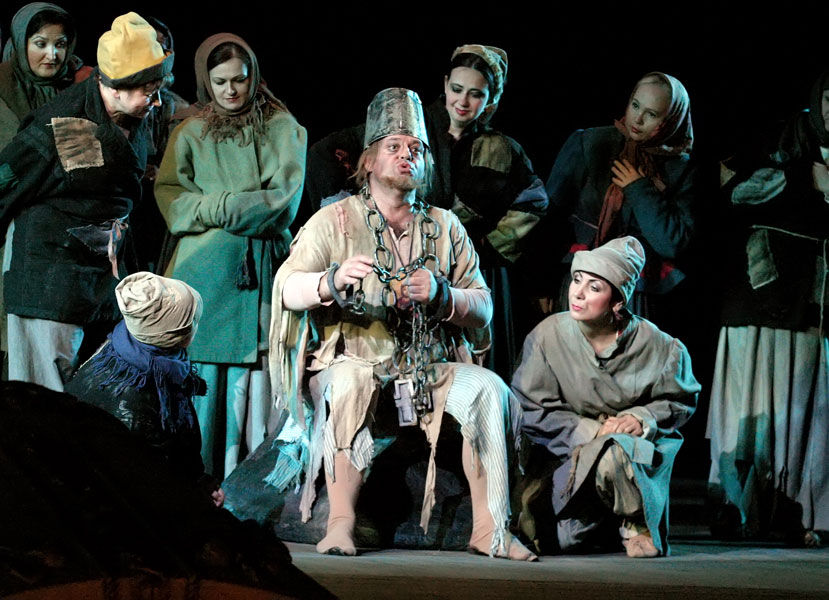
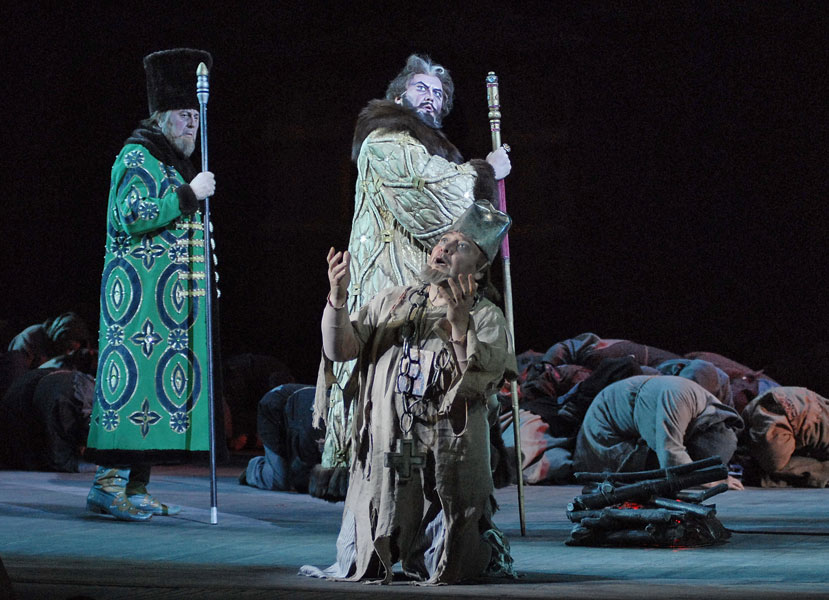
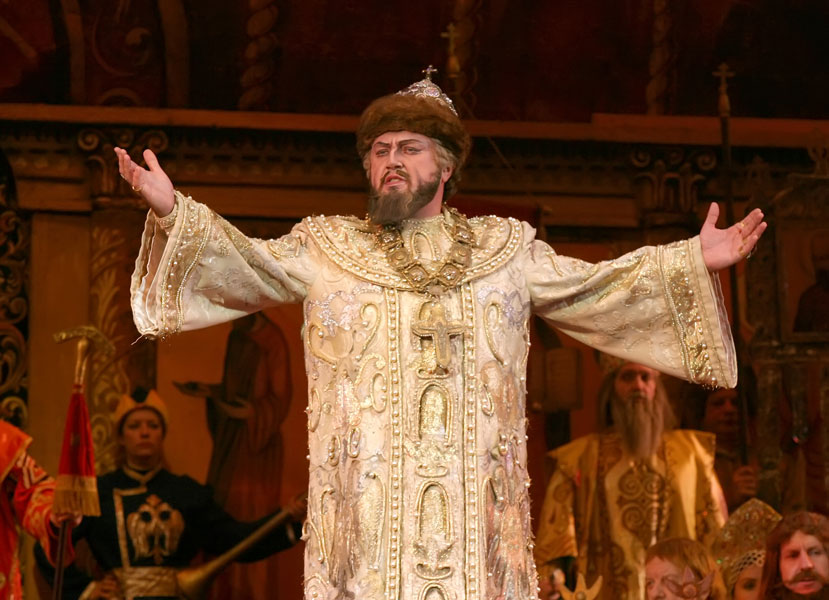
BORIS GODUNOV

Opera in 3 acts

November 30, 2013

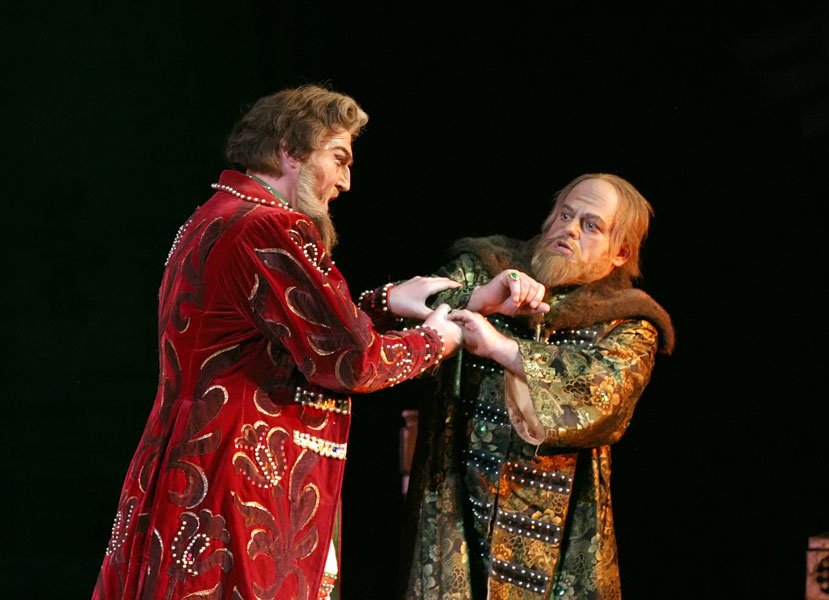
godunov


godunov3 godunov6 godunov9 godunov12 godunov15 godunov18 godunov21 godunov1 godunov4 godunov7 godunov10 godunov13 godunov16 godunov19 godunov22 godunov2 godunov5 godunov8 godunov11 godunov14 godunov17 godunov20


Posted in Music, OPera | Tagged , , , | Leave a comment

“I Capuleti e i Montecchi” at the Arena di Verona

Fondazione ARENA DI VERONAI Capuleti e i Montecchi

November 3, 2013 – at 15:30 –  Teatro Filarmonico   –  Series A
November, 5, 7, 9, 10, 2013
 

Tragedia lirica in 2 acts by Vincenzo Bellini

Libretto by Felice Romani


Conductor Fabrizio Maria Carminati
Director Arnaud Bernard
Set Alessandro Camera
Costumes Carla Ricotti
Interpreters
Capellio Paolo Battaglia
Giulietta Mihaela Marcu
Romeo Daniela Pini
Tebaldo Shalva Mukeria
Lorenzo Dario Russo
Posted in Music, OPera | Tagged , , | Leave a comment

VERDI’S 200th ANNIVERSARY: “FALSTAFF” AT THE MET.

metlogo

Friday, december 6, 2013, 8:00 pm

falstaffmet

Approximate running time 2 hrs. 50 min.

An undisputed master of Falstaff, Music Director James Levine conducts Verdi’s opera for the first time at the Met since 2005. Robert Carsen’s production—the first new Met Falstaff since 1964—is set in the English countryside in the mid-20th century. Ambrogio Maestri (last season’s Dulcamara in the Opening Night production of L’Elisir d’Amore) sings the title role of the brilliant and blustery Sir John Falstaff, opposite a marvelous ensemble that includes Angela Meade, Stephanie Blythe, Lisette Oropesa, and Franco Vassallo.

SYNOPSIS

Act I
The Garter Inn. Dr. Caius bursts into Sir John Falstaff’s room in the Garter Inn, accusing him of unseemly behavior the previous night. He further accuses Falstaff’s two henchmen, Bardolph and Pistol, of having robbed him while he was drunk. Unable to obtain reparations, Dr. Caius leaves in a fury. Falstaff contemplates the large bill he has run up at the inn. He informs Bardolph and Pistol that in order to repair his finances he plans to seduce Alice Ford and Meg Page, both wives of prosperous Windsor citizens. When Bardolph and Pistol refuse to deliver the letters Falstaff has written to the two ladies, Falstaff instructs a page to do so instead. He then ridicules Bardolph and Pistol’s newly discovered sense of honor, before throwing them out of his room.

The Garter Inn. Alice Ford and Meg Page laugh over the identical love letters they have received from Sir John Falstaff. They share their amusement with Alice’s daughter Nannetta, and with their friend Mistress Quickly. Ford arrives, followed by four men all proffering advice: Dr. Caius, whom Ford favors as Nannetta’s future husband; Bardolph and Pistol, who are now seeking advantageous employment from Ford; and Fenton, who is in love with Ford’s daughter Nannetta. When Ford learns of Falstaff’s plan to seduce his wife, he immediately becomes jealous. While Alice and Meg plan how to take revenge on their importunate suitor, Ford decides to disguise himself in order to pay a visit to Falstaff. Unnoticed in the midst of all the commotion, Nannetta and Fenton manage to steal a few precious moments together.

Act II
The Garter Inn. Feigning penitence, Bardolph and Pistol rejoin Falstaff’s service. They show in Mistress Quickly, who informs Falstaff that both Alice and Meg are madly in love with him. She explains that it will be easier to seduce Alice, since her husband is out of the house every afternoon, between two and three. Falstaff joyously anticipates his seduction of Alice. Bardolph now announces that a “Mister Brook” (Ford in disguise) wishes to speak to Falstaff. To Falstaff’s surprise, “Brook” offers him wine and money if he will seduce Alice Ford, explaining that he has long been in love with the lady, but to no avail. If she were to be seduced by the more experienced Falstaff, she might then be more likely to fall a second time and accept “Brook.” Falstaff agrees to the plan, telling his surprised new friend that he already has a rendezvous with Alice that very afternoon. As Falstaff leaves to prepare himself, Ford gives way to jealous rage. When Falstaff returns, dressed in his best clothes, the two men exchange compliments before leaving together.

Ford’s house. Mistress Quickly, Alice and Meg are preparing for Falstaff’s visit. Nannetta tearfully tells her mother that her father insists on her marrying Dr. Caius, but Alice tells her daughter not to worry. Falstaff arrives and begins his seduction of Alice, nostalgically boasting of his aristocratic youth as page to the Duke of Norfolk. As Falstaff becomes more amorous, Meg Page interrupts the tête-à-tête, as planned, to announce (in jest) that Ford is approaching. But just at that point Mistress Quickly suddenly returns in a panic to inform Alice that Ford really is on his way, and in a jealous temper. As Ford rushes in with a group of townsfolk, the terrified Falstaff seeks a hiding place, eventually ending up in a large laundry basket. Fenton and Nannetta also hide. Ford and the other men ransack the house. Hearing the sound of kissing, Ford is convinced that he has found his wife and her lover Falstaff together, but is furious to discover Nannetta and Fenton instead. While Ford argues with Fenton, Alice instructs her servants to empty the laundry basket out of the window. To general hilarity, Falstaff is thrown into the River Thames.

Act III
Outside the Garter Inn. A wet and bruised Falstaff laments the wickedness of the world, but soon cheers up with a glass of mulled wine. Mistress Quickly persuades him that Alice was innocent of the unfortunate incident at Ford’s house. To prove that Alice still loves him, she proposes a new rendezvous that night in Windsor Great Park. In a letter that Quickly gives to Falstaff, Alice asks the knight to appear at midnight, disguised as the Black Huntsman. Ford, Nannetta, Meg, and Alice prepare the second part of their plot: Nannetta will be Queen of the Fairies and the others, also in disguise, will help to continue Falstaff’s punishment. Ford secretly promises Caius that he will marry Nannetta that evening. Mistress Quickly overhears them.

Windsor Great Park. As Fenton and Nannetta are reunited, Alice explains her plan to trick Ford into marrying them. They all hide as Falstaff approaches. On the stroke of midnight, Alice appears. She declares her love for Falstaff, but suddenly runs away, saying that she hears spirits approaching. Nannetta, disguised as the Queen of the Fairies, summons her followers who attack the terrified Falstaff, pinching and poking him until he promises to give up his dissolute ways. In the midst of the assault Falstaff suddenly recognizes Bardolph, and realizes that he has been tricked. While Ford explains that he was “Brook,” Quickly scolds Falstaff for his attempts at seducing two younger, virtuous women. Falstaff accepts that he has been made a figure of fun, but points out that he remains the real source of wit in others. Dr. Caius now comes forward with a figure in white. They are to be married by Ford. Alice brings forward another couple, who also receive Ford’s blessing. When the brides remove their veils it is revealed that Ford has just married Fenton to Nannetta, and Dr. Caius to Bardolph. With everyone now laughing at his expense, Ford has no choice but to forgive the lovers and bless their marriage. Before sitting down to a wedding supper with Sir John Falstaff, the entire company agrees that the whole world may be nothing but a jest filled with jesters, but he who laughs last, laughs best. —Robert Carsen

Reprinted courtesy of the Royal Opera House, Covent Garden

Falstaff is a co-production of the Metropolitan Opera; Royal Opera House, Covent Garden;
Teatro alla Scala, Milan; the Canadian Opera Company, Toronto; and De Nederlandse Opera, Amsterdam.
Posted in Music, OPera | Tagged , , , , | Leave a comment

MEYERBEER’S “L’AFRICAINE” in Venice

logofeniceMEYERBEER

“L’AFRICAINE”

Saturday, November 23rd, 2013 – 6pm
dress code: black tie

LAST show:2013-12-01


conductor: Emmanuel Villaume

director: Leo Muscato

sets: Massimo Checchetto

costumes: Carlos Tieppo

cast

Inès
Jessica Pratt (23,26,29/11 – 1/12)
Zuzana Markova (27, 30/11)

Sélika
Veronica Simeoni (23,26,29/11 – 1/12)
Patrizia Biccirè (27, 30/11)

Vasco de Gama
Gregory Kunde (23,26,29/11 – 1/12)
Antonello Palombi (27, 30/11)

Don Alvar
Emanuele Giannino

Nélusko
Angelo Veccia (23,26,29/11 – 1/12)
Luca Grassi (27, 30/11)

Don Pédro
Luca dall’Amico

Don Diego
Davide Ruberti

Le grand inquisiteur de Lisbonne
Mattia Denti

Le grand-prêtre de Brahma
Ruben Amoretti

Anna
Anna Bordignon

conductor
Emmanuel Villaume

director
Leo Muscato

sets
Massimo Checchetto

costumes
Carlos Tieppo

light designer
Alessandro Verazzi

La Fenice Opera House Chorus and Orchestra
Chorus master Claudio Marino Moretti

italian and english surtitles

La Fenice Opera House new production
on the 150th anniversary of Meyerbeer’s death

meyerbeerVenezia

L’Africaine by Giacomo Meyerbeer

The 2013-2014 Opera Season will open at Teatro La Fenice on Saturday 23 November 2012 with a new production of L’Africaine [The African Woman], a five-act opera by Giacomo Meyerbeer to a libretto by Eugène Scribe; this was the composer’s last posthumous masterpiece, debuting at the Paris Opéra in 1865.

A key figure in nineteenth-century European opera, and born in Berlin in 1791, Giacomo Meyerbeer lived in Italy from 1815 to 1824 and in the following forty years went on to become one of the most important artifices of Parisian grand opera; several years ago it was to this composer that La Fenice dedicated the opening of the 2007 Opera Season with a modern-day première of the Crociato in Egitto, composed for the Venetian opera house in 1824 just before leaving Italy. 2014 marks the 150th anniversary of the composer’s death (Paris 1864): an opportunity not to be missed to continue with the rediscovery and common development of some of the greatest international opera houses.

The unfinished opera of a lifetime, Meyerbeer worked on L’Africaine from 1837 to 1864 and it had its debut posthumously on 28 April 1865 at the Paris Opéra. It seems to have combined the entire history of French opera in the nineteenth century, mixing the sumptuous monumentality of the grand opéra with the intimism of drama lyrique at the end of the century, with an exotic subject as its plot, focussing on the love between the slave-queen Sélika and the explorer Vasco de Gama.

Last performed at La Fenice in 1892 (but staged no less than four times with a total of 59 performances between 1868 and 1892), L’Africaine will be conducted by a specialist of French repertoire, Emmanuel Villaume (previously at La Fenice with Crociato in Egitto and Thaïs by Massenet), with a double cast that sees in the main roles the tenors Gregory Kunde (Premio Abbiati 2012 for Verdi’s Otello at La Fenice) and Antonello Palombi, Vasco de Gama; the sopranos Jessica Pratt and Zuzana Marková, Inès; the mezzo-sopranos Veronica Simeoni (who was met with great success as Carmen and Azucena at La Fenice) and Patrizia Biccirè, Sélika; and the baritones Angelo Veccia and Luca Grassi, Nélusko; the bass Luca Dall’Amico will be Don Diégo, Inès’ father, tenor Emanuele Giannino Don Alvar, the bass Mattia Denti the grand inquisitioner of Lisbon and Anna Bordignon Anna’s confidante.

The new production of this challenging project is entrusted to the hands of the forty-year old director from Puglia, Leo Muscato, with sets by Massimo Checchetto and costumes by Carlos Tieppo and lights by Alessandro Verazzi.

The preview on Saturday 23 November 2013 will be broadcast live by Rai Radio3 and there will be a recorded broadcast by the Euroradio circuit; it will be followed by another five performances on Tuesday 26 (subscription cycle A), Wednesday 27 (subscription cycle E) and on Friday 29 (subscription cycle D) at 18.00, Saturday 30 (subscription cycle C) and Sunday 1 December (subscription cycle B) at 15.30.

The opera will be performed in French with overtitles in Italian and English.

meyerbeerlocandina

Posted in Music, OPera | Tagged , , , , , | Leave a comment

“Salome” in Stockholm

Salome_fst

The Royal Swedish Opera Presents:

Richard Strauss’

SALOME

Greed, obsession and devastating desire

Princess Salome has life served on a silver platter. She is desired by men and used to having her own way. But there is one man she can not have, for he sees only God. Salome desires the imprisoned and deeply religious John the Baptist. The more he rejects her, the more obsessed she becomes. Kung Herod, Salome’s stepfather, is also obsessed – by his stepdaughter. He promises her whatever she wishes, if only she will dance for him. Salome dances and then names her price. The head of John the Baptist on a plate.

A dysfunctional family, forbidden desire and two young lives will be served up on a silver platter when Richard Strauss’ brutal opera Salome, based on Oscar Wilde’s play, has its premiere on 30 November 2013. Director Sofia Jupither makes her operatic debut after a string of Theatre productions that have garnered much attention and acclaim, such as Ibsen’s Ghosts at the Stockholm City Theatre (2010) and Lars Norén’s Fragmente Folkteatern in Gothenburg (2012). In the title role, we will see the world renowned and award winning soprano Nina Stemme.


Music Richard Strauss

Text Hedwig Lachmann after Oscar Wilde

Director Sofia Jupither

Scenography Lars Åke Thessman

Costumes Maria Geber

Light Linus Fellbom

Choreography Katarina Aronsson

CAST

Herod: Niklas Björling Rygert

Herodias: Marianne Eklöf

Salome: Nina Stemme

John the Baptist: Joseph WagnerNarrabothJonas Degerfeldt

Herodias Page: Frida Josefin Osterberg

*Jewish scribes: Magnus Kyhle Anders Blom Pierre Gylbert Jon Nilsson,

Mattias: Olsson *Nasaréer John Erik Eleby

Soldiers: Mattias Milder Lennart Forsen

A Kappadocierian  slave:Anna Danielsson

Conductor: Lawrence Renes

*) The University College of Opera

Royal Opera Orchestra

Performance lasts 1 hour 45 minutes. No pause.

Saturday, November 30 19:00 Premiere!
Tuesday, December 3 19:00
Friday, December 6 19:00
Monday, December 9 19:00
Thursday, December 12 19:00
Sunday, December 15 15:00
Wednesday, December 18 19:00
Friday, December 27 19:00
Monday, February 10 19:00
Friday, February 14 19:00

“Nina Stemme best in the world”

Nina Stemme can now officially call herself the world’s best singer. The Swedish soprano has won an award as the best female opera performer at the International Opera Awards.
Prices, totaling 21 in all, were handed out in London on April 22. The German tenor Jonas Kaufmann was appointed incidentally the best female opera star.

This fall, Nina Stemme sings the title role in Richard Strauss opera Salome, having premiered at the Royal Opera House on 30/11.

Royal Opera AB
Box 160 94,
103 22 STOCKHOLM

Posted in Music, OPera | Tagged , , , , | Leave a comment

“LA CLEMENZA DI TITO” at l’Opera National de Paris

Clemence13-14_visuel Logo_OnP

L’Opera National de Paris Presents:

LA CLEMENZA DI TITO

OPERA SERIA IN TWO ACTS (1791)

MUSIC BY WOLFGANG AMADEUS MOZART (1756-1791)

LIBRETTO BY PIETRO METASTASIO ADAPTED BY CATERINO MAZZOLA


Performed in Italian

Is there any virtue more admirable than mercy? In La Clemenza di Tito, pity, like passion, is subjected to the imperious laws of beauty. Mozart’s return to opera seria was also the testament of an aesthete and a humanist.

Thomas Netopil Conductor
Willy Decker Stage director
John Macfarlane Sets and costumes
Hans Toelstede Lighting
Alessandro Di Stefano Chorus master

Saimir Pirgu Tito Vespasiano
Tamar Iveri  Vitellia
Maria Virginia Savastano Servilia
Stéphanie D’Oustrac Sesto
Hannah Esther Minutillo Annio
Balint Szabo Publio

Paris Opera Orchestra and Chorus

ColasCOLAS, MÉCÈNE DE LA CLEMENZA DI TITO

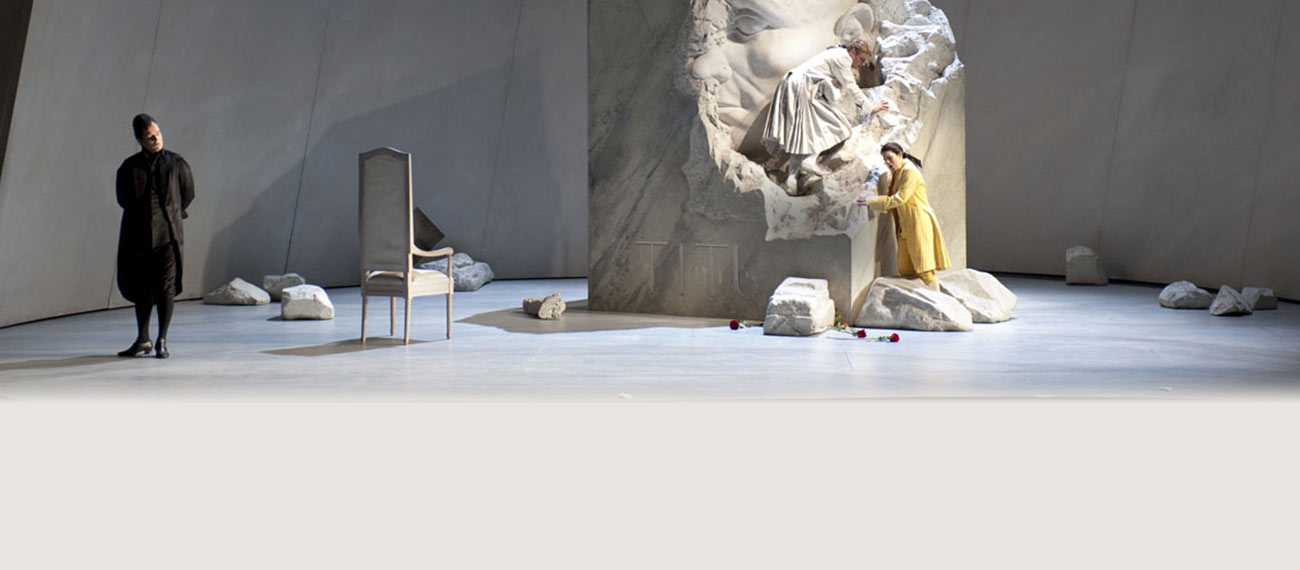
clemenzaFrancePrésentation

Mozart’s last opera, along with Die Zauberflöteand the Requiem, is his testament, the testament of an aesthete but also that of a humanist. From his childhood, Mozart had passionately loved and brilliantly exploited the genre of opera seria in works such as Lucio Silla or Idomeneo. Returning to it once again, he reiterates his love for the structure and pure lines of tragedy and the classical art of expression. Here, pity and passion are subjected to the imperious laws of beauty: is there any virtue more admirable than mercy, the knowledge and acceptance of the fault of another and its forgiveness? The very title of the work is a declaration of Mozart’s final acceptance of his own destiny (he was to die at the age of thirty-four) and of his pardon offered to all. Tomas Netopil conducts this austere yet flamboyant masterpiece in Willy Decker’s refined production.

The composer

Wolfgang Amadeus Mozart was born in Salzburg on 27 January 1756, and died in Vienna on 5 December 1791.
A child prodigy (he took his first harpsichord lessons at the age of four and started composing when he was six), Mozart soon became famous thanks to the many tours organised by his father, Leopold, who was also his teacher and mentor. Despite his short life, he is one of the most prolific composers in the history of music. In the field of opera, after his early works (La Finta semplice, Mitridate re di Ponto, Lucio Silla and La Finta giardiniera, among others), it was with Idomeneo (1781) that he truly asserted his personality. Die Entführung aus dem Serail, the following year, was his first mature work and heralded his later masterpieces : Le Nozze di Figaro in 1786, Don Giovanni in 1787, Così fan tutte in 1789. La Clemenza di Tito, composed the same year, returns to opera seria and was his last opera.

The work

Commissioned by the States of Bohemia for the coronation of Leopold II in Prague, La Clemenza di Tito is Mozart’s last opera. It was composed in the record time of barely three months to a libretto by Metastasio (the most renowned librettist of the 18th century), who had already worked with many composers (including Hasse and Jommelli) and whom Caterino Mazzola, the poet of the Court of Saxony, had brought back into favour. It is an opera seria, a genre which imposed rigorous formal constraints (a succession of arias linked by recitative) to which Mozart had submitted during his youth but was later to rebel against, notably in Idomeneo. For this reason, La Clemenza di Tito was for long the least favoured and the least performed of the operas of Mozart’s maturity. It is true that after the audacity of Le Nozze di Figaro and Don Giovanni, the work can appear conventional and retrograde. However, Mozart instilled it with a passion and humanity which succeed in reviving a dying genre, composing some of his most beautiful passages, which, with their sobriety and transparent instrumentation, are characteristic of the last period of his creative life.
La Clemenza di Tito can also be considered, from a political point of view, as a reflection on Power, in which triumphs a theme close to the composer’s heart, that of pardon. When it was first performed Queen Marie-Louise is said to have qualified the work as “porcheria tedesca !” (“German pig-swill” !).

The first performance

La Clemenza di Tito was first performed on 6 September 1791 at the National Theatre of Prague.

The work at the Paris Opera

La Clemenza di Tito was first performed at the Paris Opera (Opéra-Comique) on 29 June 1987 in a production directed by Federik Mirdita (scenery by Rudolf Rischer), conducted by Christopher Hogwood, with Carol Vaness (Vitellia), Trudeliese Schmidt (Sextus), Danielle Borst (Servilia), Thomas Moser (Titus), Martine Mahé (Annius) and Jean-Jacques Cubaynes (Publius). The work entered the repertoire of the Palais Garnier in 1997, in a production by Willy Decker (sets and costumes by John Macfarlane) conducted by Armin Jordan, with Cynthia Lawrence, Anne Sofie von Otter, Christine Schäfer, Keith Lewis, Angelika Kirchschlager and David Pittsinger.
In 2005, a production from the Théâtre Royal de la Monnaie in Bruxelles was presented at the Palais Garnier, staged by Ursel and Karl-Ernst Herrmann, with Catherine Naglestad, Susan Graham, Ekaterina Siurina, Christophe Prégardien, Hannah Esther Minutillo and Roland Bracht (revived in 2006 with Anna Caterina Antonacci in the role of Vitellia). It is Willy Decker’s production, which in previous years has featured Deon van der Walt, Charles Workman, Kurt Streit in the title role, Christine Goerke, Hibla Gerzmava as Vitellia and Vesselina Kasarova, Stéphanie d’Oustrac as Sesto, which is once again being performed this season.

Performance Dates:

November 2013
Mon Tue Wed Thu Fri Sat Sun
        1 2 3
4 5 6 7 8 9 10
11 12 13 14 15 16 17
18 19 20 21 22 23 24
25 26 27 28 29 30  
 
 
December 2013
Mon Tue Wed Thu Fri Sat Sun
            1
2 3 4 5 6 7 8
9 10 11 12 13 14 15
16 17 18 19 20 21 22
23 24 25 26 27 28 29
30 31      
Posted in Music, OPera | Tagged , , , , | Leave a comment

“MADAMA BUTTERFLY” in Venice

logofenicePUCCINI

“MADAMA BUTTERFLY”

Venue: Teatro La Fenice, Venice, Italy

NEXT show:2013-10-31

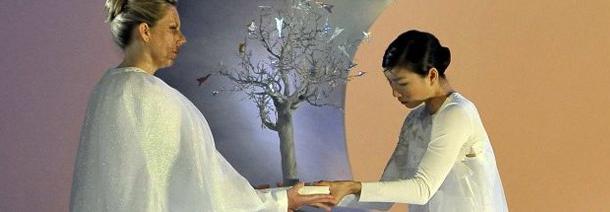
butterflyFenice

conductor: Omer Meir Wellber

director: Àlex Rigola

sets & costumes: Mariko Mori

Running time: 2h35′
first part length: 0h50′
interval: 0h20′
second part length: 1h20

cast

Cio-Cio-San
Fiorenza Cedolins (12, 17, 20, 24)
Svetlana Kasyan (27, 29, 31)

F.B. Pinkerton
Andeka Gorrotxategui

Sharpless
Elia Fabbian

Suzuki
Manuela Custer

Goro
Iorio Zennaro

Principe Yamadori
William Corrò

Zio Bonzo
Riccardo Ferrari

conductor
Omer Meir Wellber

director
Àlex Rigola

sets & costumes
Mariko Mori

La Fenice Opera House Chorus and Orchestra
Chorus master Claudio Marino Moretti

with la Biennale di Venezia
for the 55th.International Art Exhibition

with the support of Circolo La Fenice

Posted in Music, OPera | Tagged , , , , , | Leave a comment

Giancarlo Monsalve sings “The Force of destiny” in D.C.

Our Blog follower David Maggiore send me this note, which I feel should be shared:
The last performance of The Force of Destiny in DC, Monsalve’s aria was legendary! Please listen and share! This young tenor needs to be discovered by everyone! I saw him two weeks ago for the first time in my life and it was an enormous surprise for me. I bought another ticket for the last performance and it was even better! Here is the recording of a lifetime experience performance NOT from the past, but from NOW!! He doesn’t have the media exposure that others have today, no record company that could push him with publicity!

It reminds me of Giacomini when he was young. Who “blew” Opera Houses around the world, but that without a record label to put him on top. Even being the best in his time, many people discovered Giacomini’s voice now at his seventies.

Monsalve is 30 years old and for me he is a legendary performer!
I saw Corelli, Del Monaco, Domingo (at his best), and for me Monsalve is in that group.
Enjoy:

Posted in OPera | Leave a comment