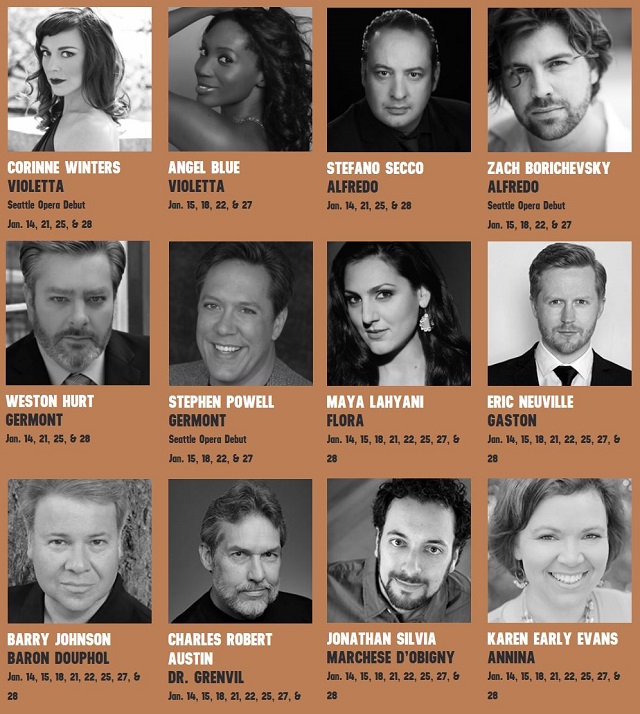
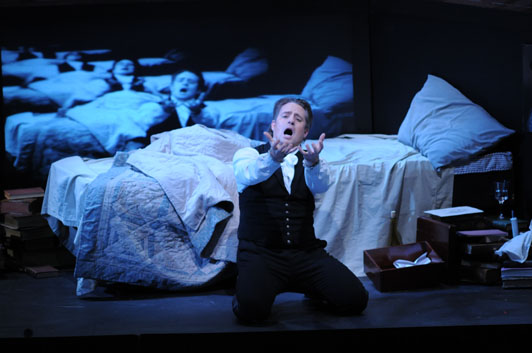
Seattle Opera presents La Traviata on January 14, 2017

traviata_title

By Giuseppe Verdi

seattlelogoIRRESISTIBLE CLASSIC. Verdi’s passionate portrait of a worldly courtesan forced by bourgeois society to give up the man of her dreams enthralls with a wide range of moods packed into a tautly-constructed story. One of the most perfect scores in opera elevates the timeless tale of moral hypocrisy and selfless sacrifice. Peter Konwitschny’s “five star” (Sunday Telegraph) production emphasizes the elegant music and emotional story with clean, simple visuals and striking sophistication. A milestone in opera history – sure to melt the coldest heart.

CAST

cast1

SYNOPSIS

20_gallery_traviata-heroAnybody who’s anybody tries to get invited to the parties at the home of Violetta Valéry, the city’s most desirable courtesan. Young Alfredo, who’s just arrived in Paris from the deep rural south of France, has been standing outside gazing adoringly at her door for a year. When he is finally invited inside, he seizes the opportunity and passionately declares his love. Despite initial misgivings, she renounces her wild lifestyle and moves with him to the country.

Violetta’s happy idyll is shattered when Giorgio Germont, Alfredo’s father, confronts her. He demands that she leave his son—not so much for Alfredo’s sake, but because Violetta’s scandalous past is tarnishing their family name and preventing Alfredo’s sister from making an advantageous marriage. The old man convinces Violetta that this pure, innocent sister is more deserving of happiness than a “fallen woman” like her.

Violetta, who knows she is dying of tuberculosis, agrees to distance herself from Alfredo, although the pain of the separation nearly destroys both of them. Alfredo publicly insults Violetta, then wounds her new patron in a duel and flees the country. Both Germonts, father and son, are at Violetta’s bedside when she dies: the father, appalled and ashamed by how much pain he has caused; the son, refusing to let his beloved go; and Violetta, who blesses Alfredo and wishes him future happiness with her dying breath.

traviata_audio_thumb
GALLERY copyright

Posted in OPera | Tagged , , , , , , , , , , , , | Leave a comment

ALCINA in Zurich on New Years’ Eve with Cecilia Bartoli

alcinatitleDramma per musica in three acts, libretto by an unknown writer after the libretto by Antonio Fanzaglia for the opera “L’isola di Alcina” by Riccardo Broschi

The seductive enchantress Alcina has already lured many men to her island kingdom, making them forget their origins, goals and identities and keeping them as male concubines. Once she tires of them, she usually turns them into stones, plants or animals. However, everything suddenly changes with the arrival of the crusader Ruggiero: for the first time, the self-confident sovereign Alcina experiences herself as a loving woman who ultimately has to fight for her love with every means at her disposal.

With the figure of Alcina, Georg Friedrich Handel outlined the fascinating profile of a great lover that is well in advance of the modern age. Yet the other figures in this “magical opera” are also characterised individually. They embark on a long journey, at the end of which they are all reunited in a labyrinth of profound, sombre emotions.

In his production, acclaimed by critics and audiences alike, director Christof Loy initially chooses the baroque theatre as a scenographic metaphor for Alcina’s illusory magical kingdom. He then gradually reveals the downside of this beautiful world. The cast of this revival is a dream: Cecilia Bartoli can once again be heard as Alcina. At her side, Philippe Jaroussky – probably one of the most sought-after countertenors of our time – will introduce himself at Zurich Opera House as Ruggiero. Julie Fuchs as Alcina’s sister Morgana and Varduhi Abrahamyan as Ruggiero’s fiancée Bradamante perfectly embody the baroque character of this work. The Italian baroque specialist Giovanni Antonini will once again be at the rostrum of the Orchestra La Scintilla.

alcinacast

GALLERY (Photos copyright: Monika Rittershaus)

FOCUS ON: CECILIA BARTOLI

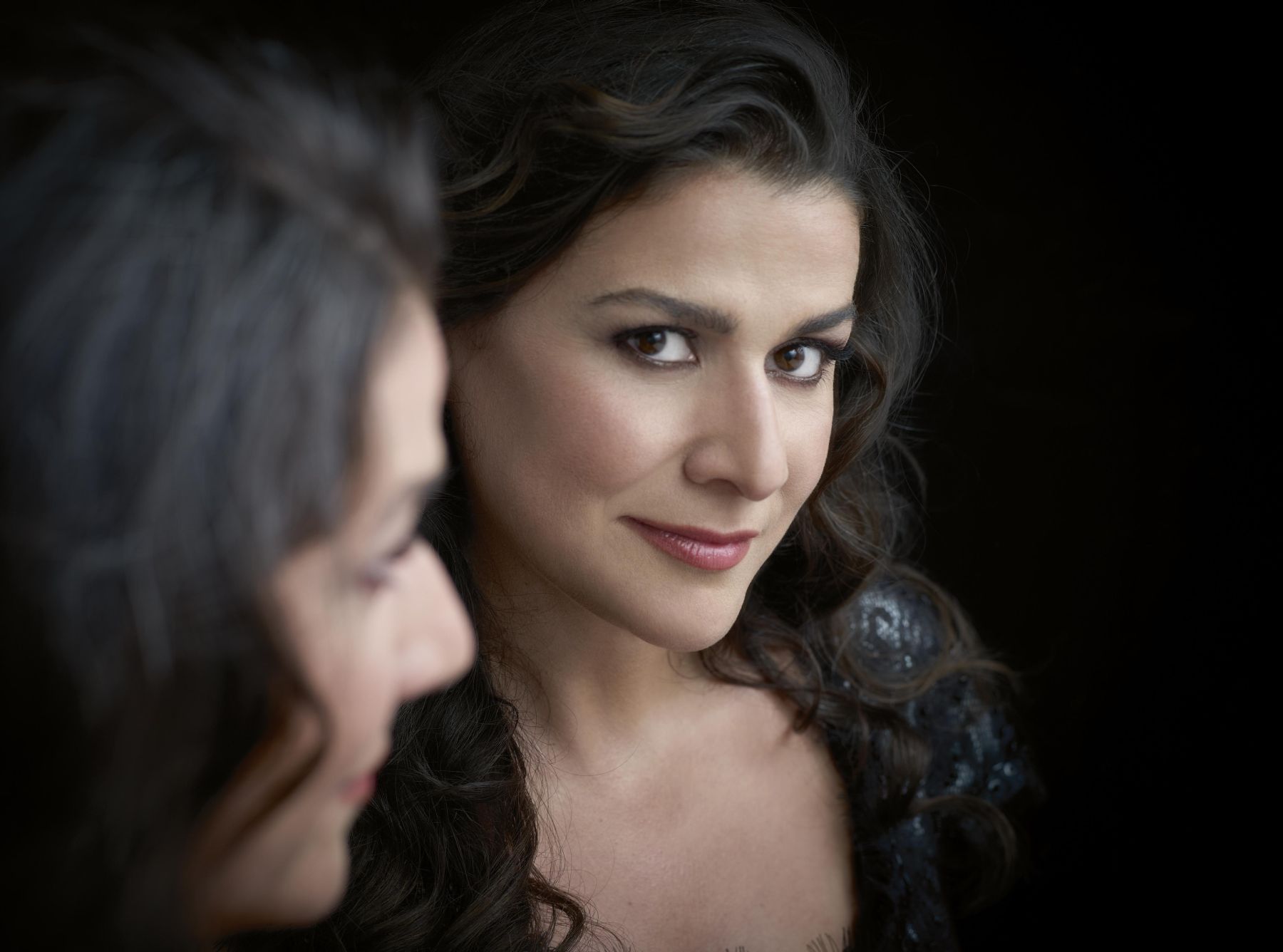
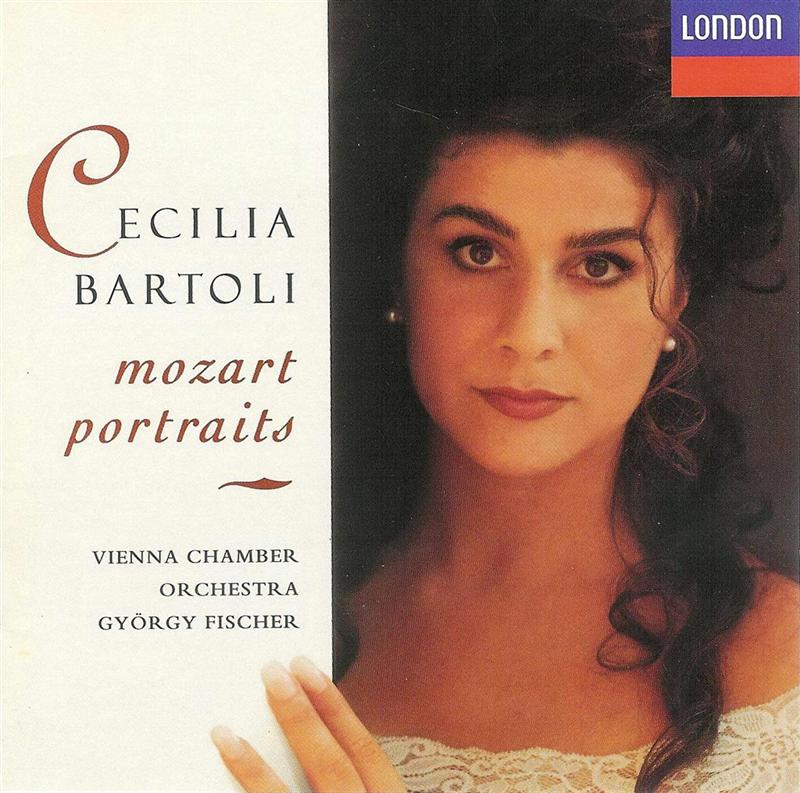
bartoliceciliadeccauliweberFor more than two decades, Cecilia Bartoli has indisputably been one of the leading artists in the field of classical music. Her new opera roles, concert programmes and recording projects – exclusively on Decca – are eagerly awaited all over the world. The enormous success of her solo releases such as The Vivaldi Album, Italian Arias by Gluck, The Salieri Album, Opera proibita, Maria, Sacrificium and Mission is reflected both in extraordinary sales which have firmly established her as today’s best-selling classical artist – more than 10 million copies of audio and video releases occupying the international pop charts for well over 100 weeks and garnering numerous “gold” and “platinum” certifications – and in major awards: five Grammys® (USA), ten Echos and a Bambi (Germany), two Classical Brit Awards (UK), the Victoire de la Musique (France) as well as many other prestigious prizes.

Cecilia Bartoli has brought classical music to millions of people all over the world. But beyond this fact, she is especially gratified that the popularity of her projects has kindled discussions that always lead to comprehensive re-evaluation and rediscovery – that of composers who have been passed over and of repertoire which has been forgotten.cecilialong

Herbert von Karajan, Daniel Barenboim and Nikolaus Harnoncourt were among the first conductors with whom Cecilia Bartoli worked. They noticed her talent at a very early stage, when she had barely completed her vocal studies with her parents in her home-town of Rome. Since then, many further renowned conductors, pianists and orchestras have been her regular partners. In recent years, her work has begun to focus on collaborations with the most significant period-instrument orchestras (Akademie für Alte Musik, Les Arts Florissants, I Barocchisti, Concentus Musicus Wien, Freiburg Baroque Orchestra, Il Giardino Armonico, Basle Chamber Orchestra, Ensemble Matheus, Les Musiciens du Louvre, Orchestra of the Age of Enlightenment and the Zurich period orchestra La Scintilla). Projects with orchestras in which Cecilia Bartoli assumes the overall artistic responsibility have also become increasingly important to her and were crowned by programmes jointly developed and performed with the Vienna Philharmonic Orchestra.

Cecilia Bartoli sings in the most important concert halls of Europe, North America, Asia and Australia. Her stage appearances include prestigious opera houses and festivals such as the Metropolitan Opera in New York, the Royal Opera House Covent Garden in London, La Scala in Milan, the Bavarian State Opera in Munich, the Salzburg Festival, the Zurich Opera House and the Théâtre des Champs Élysées in Paris.bartoli_stpetersburg

Cecilia Bartoli devoted herself to the early 19th century – the age of Italian Romanticism and bel canto – in 2008 and in particular to the legendary singer Maria Malibran, whose 200th birthday fell on 24 March. To mark the bicentenary, the artist released a new album, Maria (Edison Award, Prix Caecilia), and the DVD Maria (The Barcelona Concert/Malibran Rediscovered). Rounding off this homage to Maria Malibran and the “Romantic Revolution” were the first complete recording of La sonnambula with period instruments and a mezzo-soprano in the title role (with Juan Diego Flórez as Elvino) and a historically informed rendering of Norma at the Dortmund Konzerthaus in June 2010, with Cecilia Bartoli in the title role.

Much of the artist’s 2009/10 season was dedicated to a rediscovery of music written for the great Neapolitan castrato stars of the 18th century. The release of the record-breaking solo album Sacrificium in October 2009 was accompanied by concerts featuring this repertoire in all the major European musical capitals.

2010 also saw Decca’s DVD release of the Zurich Opera production of Halévy’s tragicomic opera Clari, with Cecilia Bartoli essaying the role created by Maria Malibran and Adam Fischer conducting the period-instrument orchestra La Scintilla. Also released on CD and digital download: Sospiri, a collection of intimate arias from Cecilia’s best-loved albums. Autumn 2012 marked the release of Mission, showcasing arias and duets by the Italian Baroque composer Agostino Steffani. Cecilia Bartoli’s collaborators in this multi-media project (featuring a special iPad app) include Philippe Jaroussky as well as the Coro della Radiotelevisione Svizzera and the period orchestra I Barocchisti under conductor Diego Fasolis. In conjunction with this rapturously acclaimed project (“With Mission she surpasses herself … It’s as though this music had been waiting for an individualist like Bartoli to discover it.” – Frankfurter Allgemeine Zeitung), Cecilia Bartoli, I Barocchisti and Diego Fasolis have undertaken an extensive European tour in 2012–13. Their new recording of the Steffani Stabat Mater appeared in September 2013.cecilia_bartoli-1

In 2012 Cecilia Bartoli became Artistic Director of the Salzburg Whitsun Festival. In her first year, the theme was Cleopatra. In 2013 the festival was subtitled “Sacrifice – Opfer – Victim” and included a new milestone in Cecilia Bartoli’s career: her stage debut as Norma, with Giovanni Antonini conducting the Orchestra La Scintilla. The same month, May 2013, brought the audio release of Bellini’s opera starring Cecilia Bartoli and conducted by Antonini.

March 2014 saw the release of two Rossini operas starring Bartoli on DVD/Blu-ray, Le Comte Ory and Otello. In April she sang Desdemona in the latter opera in her triumphant return to the Paris stage after an absence of more than 20 years. And in October of this year, Decca is issuing St Petersburg, featuring Baroque arias composed for the court of Catherine the Great and two of her predecessors. Rediscovered by Cecilia Bartoli herself in St. Petersburg, these hidden musical treasures of Tsarist Russia also offer the first opportunity to hear the artist singing in Russian. The new project reunites her with I Barocchisti and Diego Fasolis.

Cecilia Bartoli has been awarded the Italian knighthood and is an “Accademico effettivo” of Santa Cecilia, Rome, a French Chevalier des Arts et des Lettres, Chevalier de la Légion d’Honneur and Officier de l’Ordre du Mérite as well as an Honorary Member of the Royal Academy of Music, London and of the Royal Swedish Academy of Music. Most recently, she was given the prestigious Italian prize Bellini d’Oro, a Medalla de Oro al Mérito en las Bellas Artes, one of the highest awards of the Spanish Ministry of Culture, and the Médaille Grand Vermeil de la Ville de Paris. On the occasion of the Handel anniversary year of 2009, Cecilia Bartoli was made an honorary member of the advisory board of the Halle Handel House Foundation, and the following year she received the Halle Handel Prize. Also in 2010, she was awarded the renowned Danish Léonie Sonning Music Prize in Copenhagen, in the presence of Her Majesty Queen Margrethe II, as well as an honorary doctorate by the venerable University College of Dublin. In 2012 she was awarded the Herbert von Karajan Prize in Baden-Baden, together with a rare Swiss Award for Culture, and she was made a Chevalier de l’Ordre du Mérite Culturel by the Principality of Monaco.
(Biography from ceciliabartolionline.com)

Posted in OPera | Tagged , , , | Leave a comment

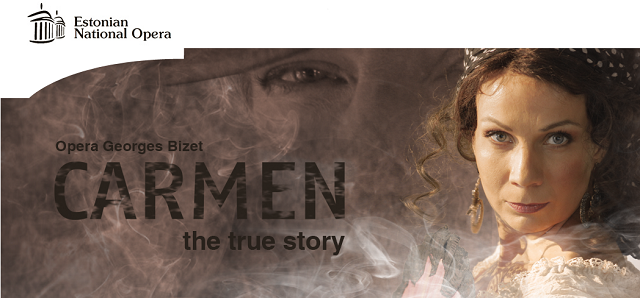
Carmen at the Estonian National Opera

CarmenTitle

Georges Bizet’s opera to Henri Meilhac’s and Ludovic Halévy’s libretto, based on the eponymous novelette by Prosper Mérimée

World premiere: March 3rd, 1875 at Parise Opéra Comique
Premiere on May 26th, 2011 in the Estonian National Opera

S, 3 December 2016 / 19:00  S, 11 December 2016 / 17:00

F, 6 January 2017 / 19:00

  • Sung in French with subtitles in Estonian and English
  • Approx. running time 3 h 30 min, two intermissions


CarmenWhen Carmen was first staged in France (1875), it received negative feedback: its plot was considered immoral and characters vulgar. Bizet shocked the audience by portraying ordinary people on stage – villagers, factory workers, gypsies, smugglers, and by showing the death of the main character on stage. At the premiere, the actors were booed off and the performance was denounced by the critics. Pyotr Tchaikovsky understood the greatness of this piece and predicted a brilliant future for the opera: “Ten years from now it will be the most popular opera in the world”. And he was right, because Carmen bursts with life, passion, liberty and dynamics.

Bizet died only three months after the premiere never knowing that „Carmen“ would become one of the most popular operas in such a short time, being performed in the opera theatres all over the world, and that the toreador’s song and main character’s habanera would be the symbols of opera music for many generations. In the Estonian National Opera, Carmen will be staged by Walter Sutcliffe whose fanciful staging of Così fan tutte was extremely successful last season.

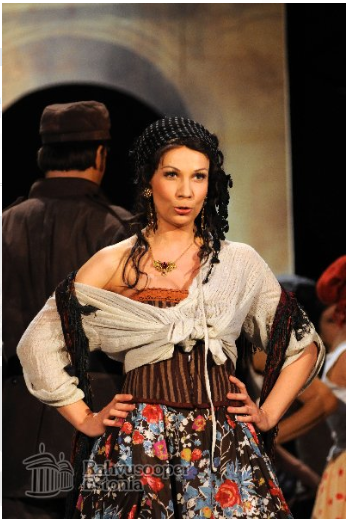
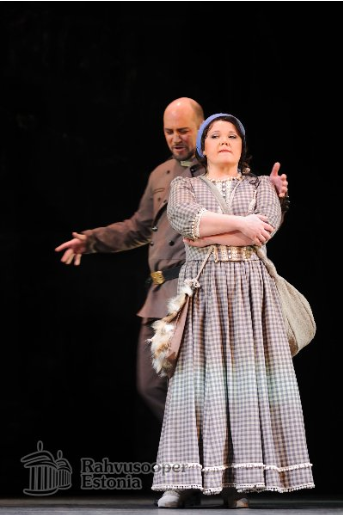
CarmenaSutcliffe considers Carmen multifaceted. “Bizet’s Carmen has many faces. It mixes tense psychological drama and melodrama, documentary and dark comedy, working in formats ranging from the panoramic to the close up, using styles that range from grand opera to intimate spoken theatre to the overtly showy popular musical. Our production will explore these differences, while allowing the documentary style elements of the narrative to put us firmly in the world of Jose and Carmen – to observe their story as it plays out in 19th century Sevilla.”

Staging team

  • Conductors: Vello Pähn, Jüri Alperten, Risto Joost
  • Stage Director: Walter Sutcliffe (England)
  • Designer: Liina Keevallik
  • Lighting Designer: Maldar-Mikk Kuusk
  • Choreographer: Claudia Lenaerts (Shevtshenko)
  • Fight Choreographer: Hellar Bergmann

 GALLERY (Photos by Estonian National Opera)

This slideshow requires JavaScript.

Posted in OPera | Tagged , | Leave a comment

Here’s the full program of the 2017 Rossini Opera Festival

2017_programma2ante_page_1

XXXVIII ROSSINI OPERA FESTIVAL
Pesaro, 10-22 August 2017

Stage direction will be a leading feature of the XXXVIII edition of the Rossini Opera Festival, which will be inaugurated on the 10th August 2017.

The first production will be by the celebrated Catalan group La Fura dels Baus, following their successes in the leading international theatres, who will stage Le siège de Corinthe, Rossini’s first French opera. The opera will be conducted by the famous conductor Roberto Abbado.

The next will be Mario Martone, a recent winner of the International Opera Awards for our Aureliano in Palmira, who will revive, with an entirely new cast, Torvaldo e Dorliska, the successful production of 2006. The conductor will be the young and rising Francesco Lanzillotta.

Finally Pesaro will witness the return of Pier Luigi Pizzi, an historic presence at the Festival, who will stage a scenically re-elaborated La pietra del paragone, an opera missing from the Festival programme for no fewer than fifteen years. Daniele Rustioni, an important name, will conduct.

The Festival Giovane with Il viaggio a Reims, together with a rich programme of concerts, meetings and various other events complete the prospectus, as usual. The Festival will conclude with the Stabat Mater in live video projection in Piazza del Popolo.

The full schedule with dates and casts is below.2017_programma2ante_page_2 2017_programma2ante_page_2a
2017_programma2ante_page_1a

Posted in OPera | Tagged , | Leave a comment

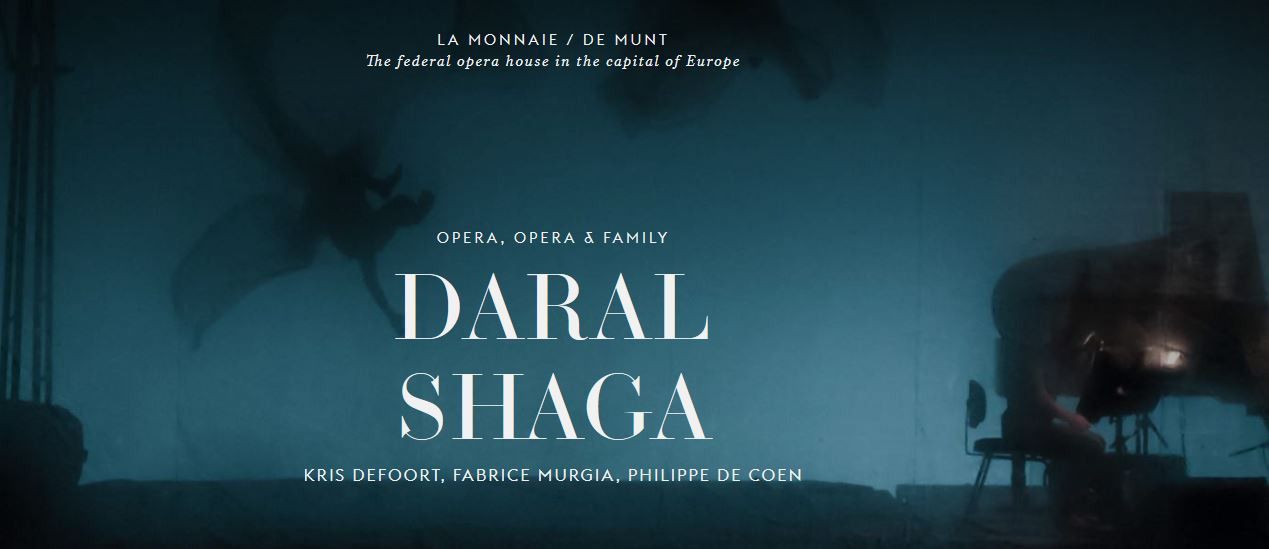
Daral Shaga retraces the parallel destinies of emigrants at La Monnaie in Belgium

logolamonnaiedaraltitle

11.01.2017 – 15.01.2017

DEFYING DEATH FOR A FINAL REFUGE

‘All our journeys, all our efforts will lead us to this point: the fence, which lets no one pass without making them bleed.’ A modern tragedy, Daral Shaga retraces the parallel destinies of emigrants, those returning and those heading towards a better future. Their geographical utopia is reflected in the artistic utopia of the project, which mixes opera, circus skills, and video. Pushing themselves to their respective limits, Kris Defoort, Laurent Gaudé, winner of the Prix Goncourt, and the director Fabrice Murgia join forces to tell a story that raises questions about identity and the crossing of borders. Fabrice Murgia, himself the son of a Spanish mother and an Italian father, is one of the best-known Belgian directors of his generation. He composes powerful images with circus performers, based on a score that tacks between jazz and baroque styles. Singers, musicians, and acrobats give a voice to those whom the fences have silenced and made bleed. A gripping, epic tale.

ARTISTIC TEAM AND CAST

Director FABRICE MURGIA
Artistic direction PHILIPPE DE COEN
Set design PHILIPPE DE COEN, BRUNO RENSON, FABRICE MURGIA
Video GIACINTO CAPONIO
Lighting EMILY BRASSIER
Music MARC COMBAS
Musicians FABIAN FIORINI, LODE VERCAMPT, JEAN-PHILIPPE PONCIN
Singers MICHAELA RIENER, MACIEJ STRABURZYŃSKI, TIEMO WANG
Acrobats ANKE BUCHER, RENATA DO VAL, MARK PIEKLO, ANDRÉ ROSENFELD SZNEWAR, LAURA SMITH

PRODUCTION Feria Musica, Opéra de Limognes
CO-PRODUCTION Silbersee, Le Sirque, Pôle National des Arts du Cirque, Le Festival des Francophonies en Limousin, Le Maillon – Théâtre de Strasbourg, le Palais des Beaux-Arts de Charleroi
CO-PRESENTATION La Monnaie / De Munt, Théâtre National

GALLERY

Posted in OPera | Tagged | Leave a comment

Capriccio at La Monnaie…

logolamonnaiecapriccio

An opera by Richard Strauss

03.11.2016 – 16.11.2016

OPERA AND LOVE: SAME RULES APPLY

‘An opera is an absurd thing. Orders are given in song; politics is discussed in a duet. One danses around a grave, and dagger thrusts are dealt out in music.’ In Capriccio, his last opera, Richard Strauss reflects on the opera genre, and more especially on the question of which actually takes priority – the music or the words. This dilemma is depicted metaphorically in this ‘Konversationsstück für Musik’: an 18th-century countess is faced with the heart-rending choice between the love of a composer and that of a poet. Strauss’s musical voice is here full of dramatic power, humour, and sentiment and reaches a peak of refinement, sometimes flirting with chamber music. In his debut at La Monnaie, the Hungarian director David Marton creates a dream-world in which theatre itself appears on stage, and the conductor Lothar Koenigs spurs our orchestra to heights of subtlety. ‘If you choose one, you lose the other! Doesn’t one always lose, when one wins?’

ARTISTIC TEAM

Conductor LOTHAR KOENIGS
Director DAVID MARTON
Set design & costumes CHRISTIAN FRIEDLÄNDER 
Costumes POLA KARDUM
Lighting HENNING STRECK
Dramaturgy BARBARA ENGELHARDT

CAST

The Countess SALLY MATTHEWS
Mr. Graf, her brother DIETRICH HENSCHEL
Flamand, a composer EDGARAS MONTVIDAS
Olivier, a poet  LAURI VASAR
La Roche, the Theater Director KRISTINN SIGMUNDSSON
The Actress Bugler CHARLOTTE HELLEKANT
Monsieur Taupe FRANÇOIS PIOLINO
An Italian Singer ELENA GALITSKAYA
An Italian Tenor DMITRY IVANCHEY
The Butler CHRISTIAN OLDENBURG

Servants: ZENO POPESCU, NABIL SULIMAN, VINCENT LESAGE, BERTRAND DUBY, KRIS BELLIGH, PIERRE DERHET*, MAXIME MELNIK*, ARTUR ROZEK**

La Monnaie Symphony Orchestra
*Members of La Monnaie Chorus Academy
**Members of the International Opera Academy

PRODUCTION La Monnaie / De Munt
CO-PRODUCTION Opéra national de Lyon 2014

GALLERY

This slideshow requires JavaScript.

SYNOPSIS

This lighthearted opera within an opera attempts to answer the age old question, “What is more important – music or poetry?” The Countess Madeleine is forced to determine this answer as she chooses between two suitors: Flamand, a composer, and Olivier, a poet. The opera opens at the Countess’s birthday party. Her guests include a poet, composer, actress, dancer and director, who banter on the respective merits of the arts. The slightly aggressive arguments among the men culminate with the Count declaring that “Opera is an absurd thing.” As the two suitors attempt to woo the Countess with poems and song, the guests decide that as a gift for the Countess, La Roche must direct an opera about the events of the day. Flamand will set a text by Olivier to music, and the ending will be decided by the Countess.

The opera ends dramatically when she is forced to choose between her suitors, who are waiting in the library in the morning to learn the ending of the opera within the opera. Still undecided as to both the ending of the opera and her choice of lover she asks, “Is there any ending that isn’t trivial?”

Posted in OPera | Leave a comment

San Francisco Opera presents AIDA

sanfranciscologo

Aida

Music by Giuseppe Verdi | Libretto by Antonio Ghislanzoni

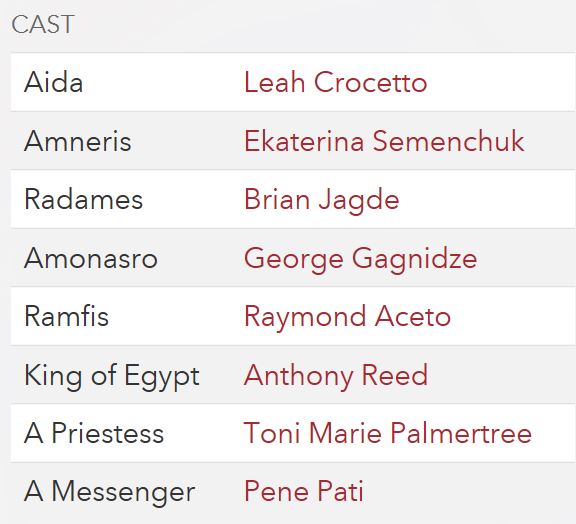
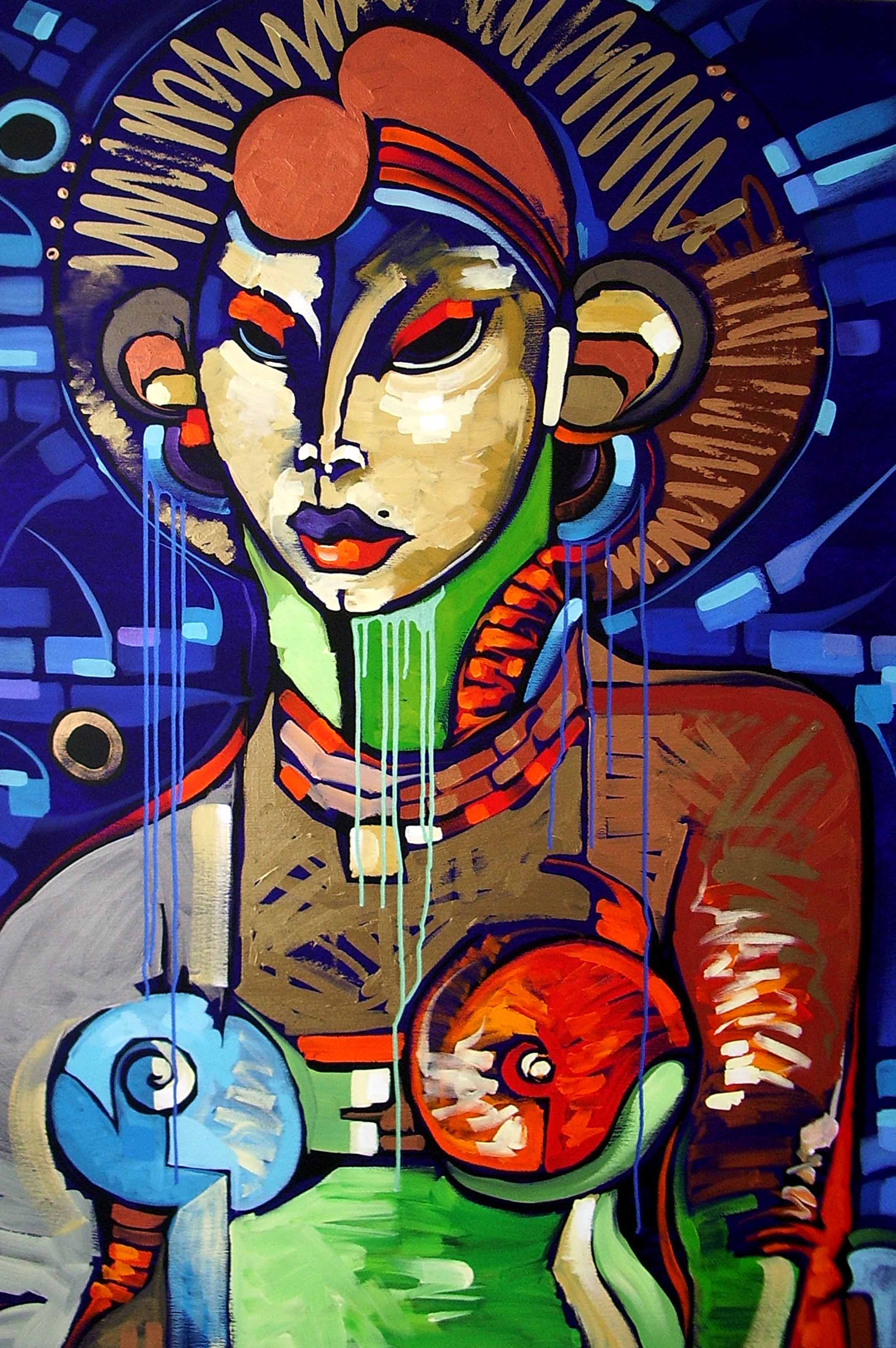
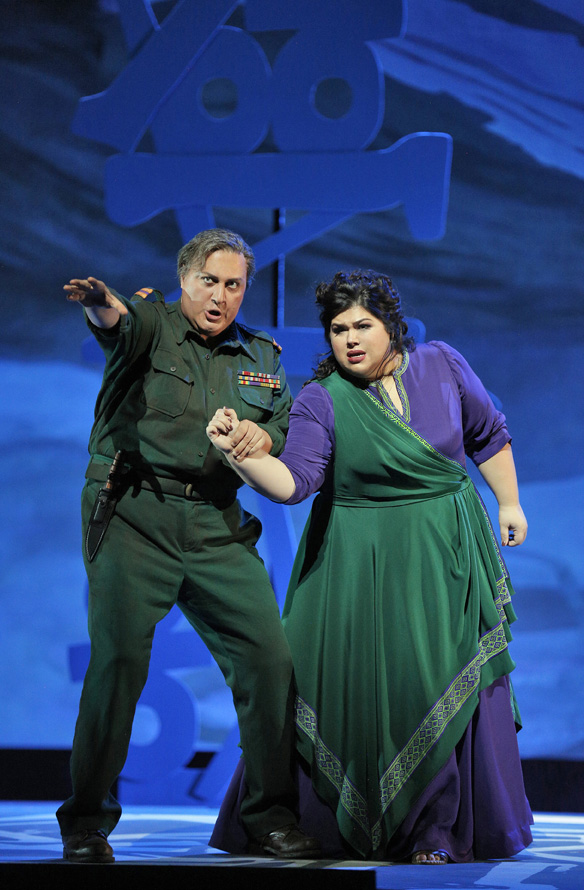
Verdi’s grand Egyptian epic returns in a bold new production inspired by contemporary artist RETNA. This intimate love story of an Egyptian military hero, Radames, and a captured Ethiopian princess, Aida, features San Francisco Opera favorites Brian Jagde and Leah Crocetto.
Sung in Italian with English supertitles

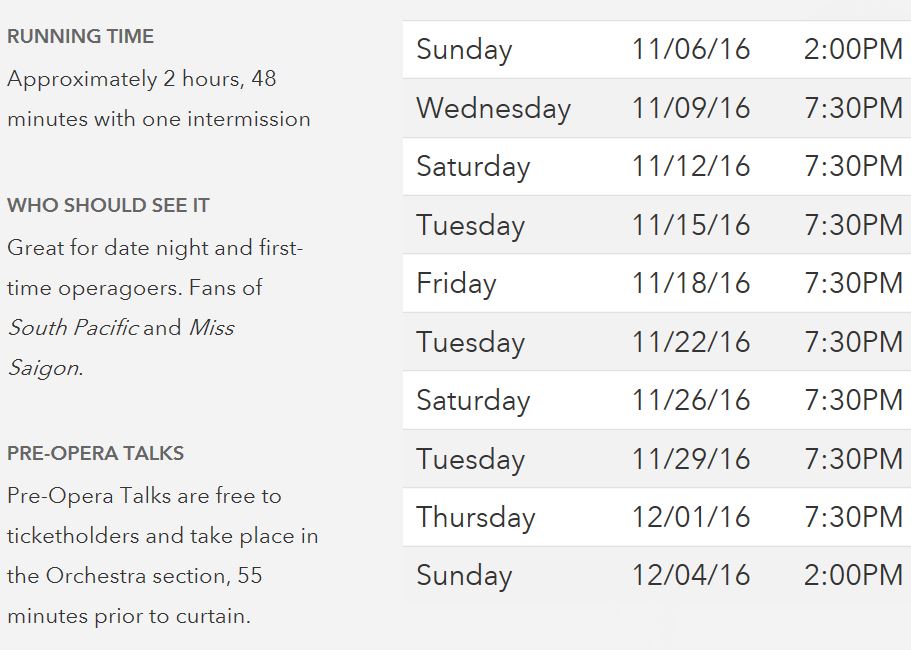
schedulecastartistic_teamart2

GALLERY OF COSTUMES

SYNOPSIS

Radames, a captain of the guard, is in love with Aida, a slave girl. Aida’s mistress, the King of Egypt’s daughter, Amneris, is also in love with the captain. Unknown to anyone in Egypt, Aida is an Ethiopian princess and the daughter of Egypt’s worst enemy, King Amonasro.12_15_15_aida_sliderv4

ACT I

Ramfis, the High Priest, is on his way to inform the Egyptian King of the name of the general whom the goddess Isis has chosen to lead the Egyptians against the Ethiopians. Radames hopes to be chosen and, envisioning a glorious victory, expresses his affection for Aida. Amneris joins him. While she is questioning him, Aida enters. Noting that Radames is strongly affected by the appearance of Aida, Amneris suspects the reason for his embarrassment and is overcome with jealousy. Accompanied by his ministers, the King enters. A messenger is brought forward and confirms the Ethiopian invasion. Radames is announced as the chosen commander to lead the Egyptians against the enemy. Everyone pays homage to the young warrior and wishes for his victorious return. Aida, too, is caught up in the battle cry, and after the court leaves, berates herself for having betrayed her own people. Divided between loyalty to her father and country and her love for Radames, she asks the gods for strength. In the Temple, a solemn ceremony is held to prepare Radames for battle. He is presented with the sacred sword of Egypt._b5a8312

ACT II

The Egyptian troops led by Radames have won the war. Amneris, still tormented by doubt and jealousy, resolves to question Aida and confirm her suspicions. Amneris manages to shake Aida’s composure and tricks her into revealing her love for Radames. Amneris is furious and upset by the truth. The people celebrate the return of the victorious troops and their leader Radames, who asks that the Ethiopian prisoners be brought forth. Among them, Aida recognizes her father. Hiding his true identity, Amonasro pleads for the lives of his people. The Egyptian King accedes to Radames’s wish that the prisoners be set free. Ramfis, warning of the consequences, succeeds in having Aida and her father retained as hostages. In token of Egypt’s gratitude, the King awards Radames the hand of Amneris.

ACT III

To prepare for her wedding to Radames, Amneris retires to the Temple of Isis to worship with Ramfis. Outside the Temple, Aida waits for Radames. Having given up on her own happiness, she recalls her childhood in the valleys of Ethiopia. Amonasro joins her and raises her hopes for a happy life at the side of her beloved. The Ethiopian captives who were freed have banded together and once again ready themselves to attack Egypt. Hoping to exploit Aida’s love for Radames, Amonasro proposes that she ask Radames the route the Egyptian armies will take. At first Aida refuses, but Amonasro soon crushes her resistance. Amonasro hides as Radames appears, still affirming his love for Aida and hoping another victory will allow him to win her once and for all. Aida does not share his enthusiasm and instead persuades him to flee the country with her. As they start to leave, Aida asks which route the Egyptian troops will take. As Radames answers her, Amonasro reveals himself and Radames realizes he has been tricked into giving up an important military secret. Realizing they have been overheard by Ramfis and Amneris as they leave the Temple, Amonasro and Aida flee and Radames surrenders to the High Priest, ready to accept the consequences of his betrayal. Amneris, torn between love and hatred for Radames, at last resolves to save him. She urges him to defend himself, but he refuses. The priests assemble and three times allow Radames a chance to present his defense. Three times he refuses and is sentenced to die. Amneris pleads with the priests to revoke the sentence.

In the darkness of a tomb, Radames is joined by Aida who had hidden there earlier. While the priests chant their hymns, the two lovers, at last united, spend their final moments in daydreams. Outside the tomb, Amneris asks forgiveness for her rancor and prays to Isis for redemption.

 GALLERY

FOCUS ON:

zambello

FRANCESCA ZAMBELLO

An internationally recognized director of opera and theater, Francesca Zambello’s American debut took place at the Houston Grand Opera with a production of Fidelio in 1984. She debuted in Europe at Teatro la Fenice in Venice with Beatrice di Tenda in 1987 and has since staged new productions at major theaters and opera houses in Europe and the USA. Collaborating with outstanding artists and designers and promoting emerging talent, she takes a special interest in new music theater works, innovative productions, and in producing theater and opera for wider audiences.

Photo by Daniel Chavkin

Francesca Zambello has recently been awarded the Chevalier des Arts et des Lettres by the French government for her contribution to French culture and the Russian Federation’s medal for Service to Culture. Other honors for her work include three Olivier Awards from the London Society of Theaters and two Evening Standard Awards for Best Musical and Best Opera. She has also received the award for Best Company Achievement. The French Grand Prix des Critiques was awarded to her twice for her work at the Paris Opera. Other awards include Best Production in Japan, the Palme d’Or in Germany, the Golden Mask in Russia and the Helpmann Award in Australia.

zambello1Francesca Zambello most recently developed and directed the world premiere of Christopher Theofanidis’ Heart of a Soldier for the San Francisco Opera, where she served as Artistic Advisor from 2006-2011. Other recent opera projects have included the first international production of Carmen to ever be presented at the National Center for the Performing Arts in Beijing, the world premiere of An American TragedyCyrano and Les Troyens for the Metropolitan Opera, Carmen and Don Giovanni at the Royal Opera House, Boris GodunovWar and PeaceBilly Budd and William Tell at the Paris Opera, and The Ring for the San Francisco Opera.

Recent theater projects have included Show Boat in London at the Royal Albert Hall; a new musical, Rebecca, for Vienna’s Raimund Theater, Stuttgart’s Palladium Theater (presented by Stage Entertainment), and in St. Gallen, Switzerland; Tibet Through the Red Box, a new play by David Henry Hwang for the Seattle Children’s Theatre; The Little Prince with Oscar-winning composer Rachel Portman; Napoleon in the West End; The Little Mermaid for Disney on Broadway; the musical of The Little House on the Prairie and The Master Butchers at the Guthrie Theater, and Aladdin in Disneyland. Other recent works have included a film of Menotti’s Amahl and the Night Visitors for BBC Television, as well as a new film for the BBC, Sony and PBS of The Little Prince, and, West Side Story for the floating stage in Bregenz.

zambello_mermaid

 Zambello has also served as a guest professor at Yale University and The Juilliard School. She is the Artistic & General Director of Glimmerglass in Cooperstown, and was recently named Artistic Advisor to the Washington National Opera.

An American who grew up in Europe, she speaks French, Italian, German, and Russian. She attended Moscow University in 1976 and graduated cum laude from Colgate University in 1978. She began her career as an Assistant Director to the late Jean-Pierre Ponnelle. From 1984-1991 she was the Artistic Director of the Skylight Music Theater. She has been guest professor at Harvard and Berkeley Universities.

Francesca Zambello lives in New York and London.

Posted in OPera | Leave a comment

Madame Butterfly at the San Francisco Opera

sanfranciscologoMadame Butterfly

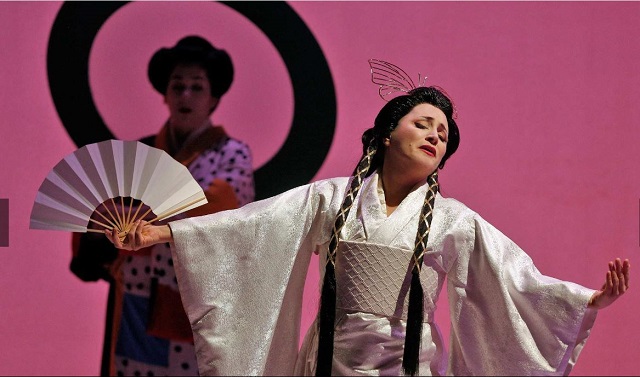
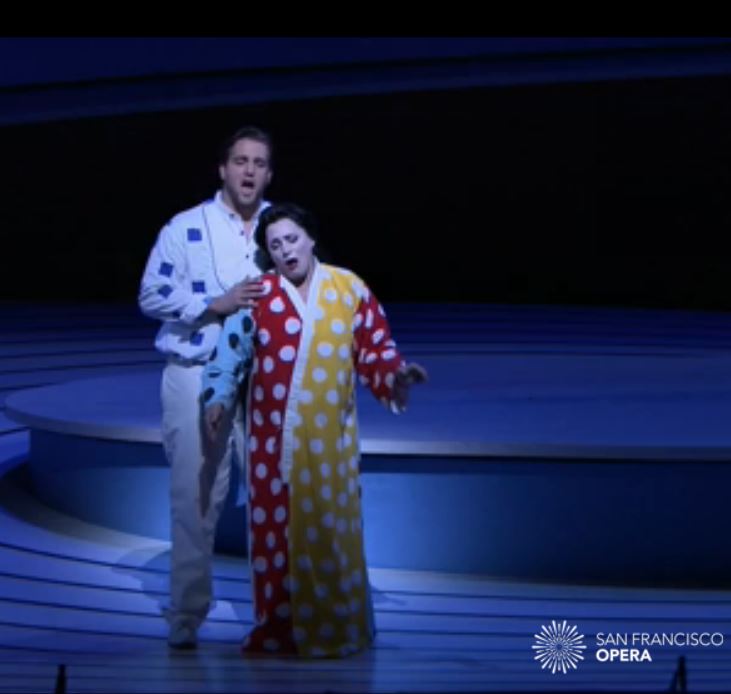
Cultures clash when a trusting young woman marries an American naval officer stationed in Nagasaki. Puccini’s gut-wrenching music takes the audience on an emotionally charged journey through innocence, betrayal and sacrifice towards a heartbreaking finale.

Music by Giacomo Puccini | Libretto by Luigi Illica and Giuseppe Giacosa

Sung in Italian with English supertitles

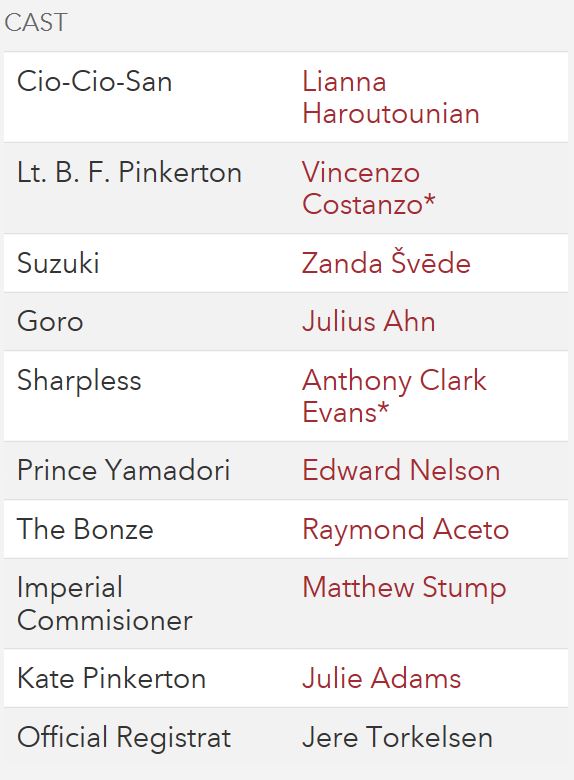
schedulebut1cast
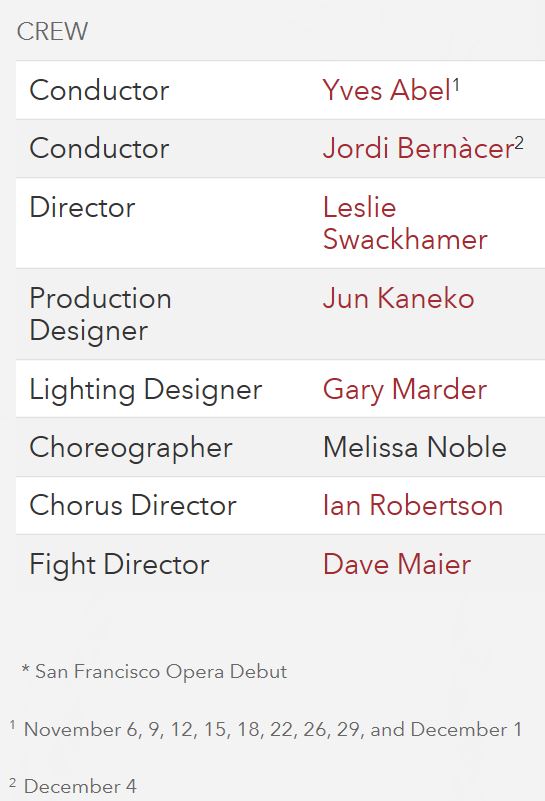
but2artistic_team

GALLERY

SYNOPSIS

ACT I

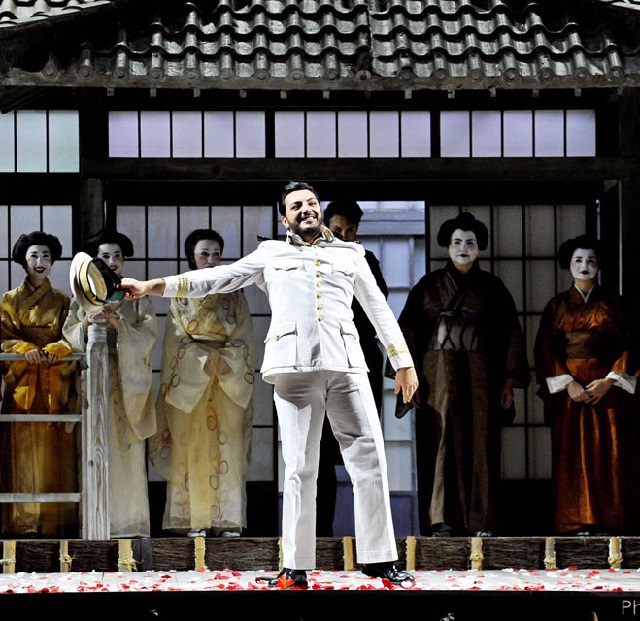
The marriage broker Goro shows Lt. Pinkerton, USN, the house that Pinkerton has rented to occupy with his bride-to-be, the geisha Cio-Cio-San (Butterfly). Soon they are joined by the U.S. Consul at Nagasaki, Sharpless, who is surprised by the marriage contract Pinkerton is about to sign: It is valid for 999 years but can be annulled at the end of each month. Sharpless tries to make the carefree lieutenant seriously consider the step he is about to take. Pinkerton asks Sharpless to join him in a series of toasts, among them one to the real wedding and the real American wife he will surely have one day. Just then, the voice of Butterfly is heard as she and her geisha friends ascend the hill. She is the happiest girl in Japan and comes to answer the summons of love. Butterfly talks of her unhappy family and tells Sharpless that at fifteen, a geisha is already an old woman. She shows Pinkerton some of her possessions, among them the dagger with which her father had committed hara-kiri at the Mikado’s orders. Butterfly tells Pinkerton that she is willing to give up her own gods and to adopt his religion. The Imperial Commissioner and Official Registrar then perform the civil wedding ceremony. Sharpless leaves with a word of caution that he believes Butterfly is seriously in love, but Pinkerton has already turned to his new relatives, urging them to celebrate his happiness. Butterfly’s uncle, the Bonze, arrives. He has heard that Butterfly has renounced her religion, and he calls all her relatives to renounce her. Pinkerton orders them away and then tries to comfort the weeping Butterfly. Smiling through her tears, she tells him that although everyone else has rejected her, she is happy only with Pinkerton. As night falls, Pinkerton realizes how much he loves Butterfly.

ACT II

Pinkerton has sailed away and three years have passed. Butterfly and her maid Suzuki are living in utter poverty in the house on the hill. Butterfly still believes that Pinkerton will return to her, as he promised, but Suzuki doubts it. Goro brings Sharpless to Butterfly to read her a letter from Pinkerton, but she insists on receiving him as an honored guest. Her hospitality interferes with his efforts to read the letter. They are joined by Goro’s client, Prince Yamadori, who hopes to marry Butterfly. She brushes aside his offer, insisting that she is already married. Yamadori leaves and Sharpless at last produces his letter, but Butterfly is so carried away by the thought that Pinkerton has written she fails to grasp the meaning of his words. Sharpless asks her what she would do if Pinkerton never came back. Become a geisha again, she answers—or better, die. Sharpless suggests she reconsider Yamadori’s proposal, at which Butterfly goes out and returns with Pinkerton’s child. She assures Sharpless that Pinkerton would never abandon such a beautiful child. Moved, Sharpless promises to inform Pinkerton of his son and leaves. Suzuki shouts at Goro, who has been saying that nobody knows who the child’s real father is. Butterfly threatens him with a dagger and drives him away. A cannon shot is heard and Butterfly takes up the telescope and recognizes Pinkerton’s ship. Sure that her faith will be rewarded, Butterfly prepares for Pinkerton’s arrival and she and Suzuki decorate the house with flowers. Butterfly, Suzuki and the child wait and watch overnight for Pinkerton’s return.

Morning comes and Butterfly carries the sleeping child off. Sharpless, Pinkerton, and an unknown American woman arrive in the garden, and Sharpless tells Suzuki that the woman is Pinkerton’s new wife. He hurries off leaving Sharpless and Kate to confront Butterfly, who enters quickly and realizes the reason for Pinkerton’s visit: the couple has come to take the child away. Butterfly instructs them to return for the child in half an hour. She takes her father’s dagger and is determined to end her life when Suzuki, in an attempt to stop Butterfly, pushes the child into the room. Butterfly hugs him close and then sends him out to play. Left alone, Butterfly performs ritual suicide. Pinkerton learns of Butterfly’s devotion for him and is struck with remorse, but he decides to continue with his American marriage.

FOCUS ON:

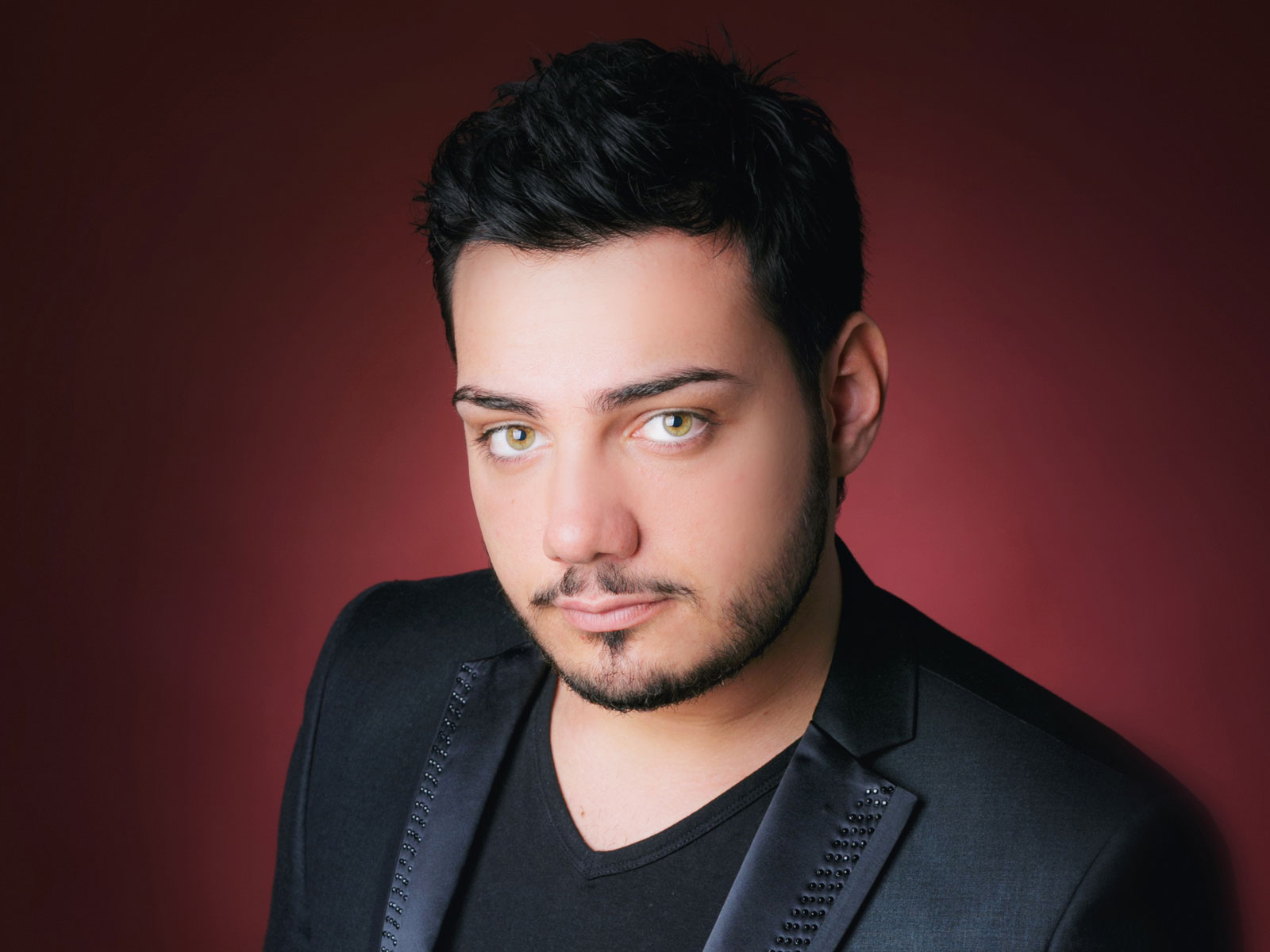
costanzoVINCENZO COSTANZO

(Naples, Italy)

2016–17 Season: Lt. B. F. Pinkerton in Madama Butterfly

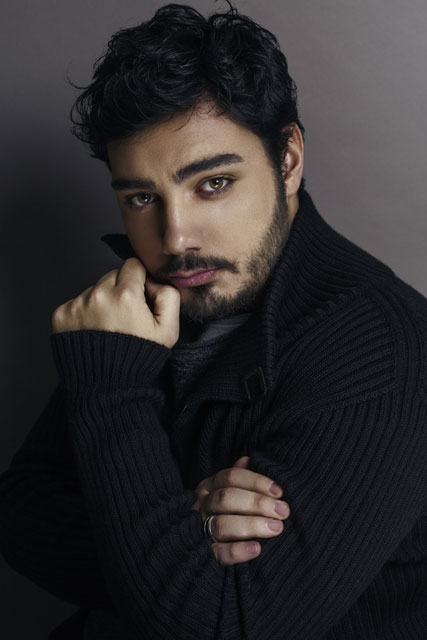
Making his U.S. and San Francisco Opera debuts as Lt. B. F. Pinkerton in Madama Butterfly, Italian tenor Vincenzo Costanzo has had a fast rising international career. costanzo_scena-1

Vincenzo Costanzo is one of the youngest Italian tenors of the opera scene, winner of the “Oscar Della Lirica” Award (New Generation Tenor Award), in Doha (Qatar) in December 2014. Born in 1991, he began his musical studies at the age of six years old, singing in the children choir of Teatro San Carlo in Naples. At the age of 11 years old, he made his debut as a soloist. He studied piano and music theory privately then graduated at the conservatory.costanzo_scena-6
In parallel he took Degree in Computer Engineering. He began to study singing with M°Marcello Ferrara, son of the famous violinist M° Aldo Ferraresi; later studied with M° Marco Berti.
Despite his young age, Costanzo has already had the opportunity to know and work with internationally renowned conductors and directorssuch as M° Daniel Oren, M° Franco Zeffirelli at the Arena di Verona, Liliana Cavani at the Liceu in Barcelona.costanzo_scena-8

In December 2012 he made his debut in MACBETH at Teatro Carlo Felice in Genoa, under the baton of M° Andrea Battistoni; in July 2013, on the occasion of the Verdi Bicentennial, he debuted in Busseto in the role of Rodolfo in LUISA MILLER under the conduction of M° Donato Renzetti and with the extraordinary collaboration for the theatrical staging of the baritone Leo Nucci.
Then he sang the same role at Teatro Comunale di Piacenza,
Teatro Comunale of Ferrara and the Teatro Dante Alighieri in Ravenna, with great success by the public and critics; in September of the same year he made his debut in the role of Alfredo Germont in LA TRAVIATA conducted by M° Daniel Oren at the Guangzhou Opera House, in a production of the Royal Opera House Covent Garden of London. After the experience in China, he takes part in setting of LA TRAVIATA at La Scala in Milan for the opening of the 2013/2014 season.costanzo_scena-11
In February 2014 he debuted the role of Pinkerton in MADAMA BUTTERFLY at Maggio Musicale Fiorentino under the baton of M° Juraj Valcuha and later took part in the production of SIMON BOCCANEGRA at the Municipal Theater in Piacenza directed by Riccardo Canessa. In the spring of 2014 he made his debut as Pinkerton at the Teatro la Fenice in Venice, with the conduction of M° Bisanti; role then also debuted at Teatro San Carlo in Naples.

Subsequently he collected new successes in the role of Alfredo (LA TRAVIATA) in Novara with M° A. Battistoni and in Astana (Kazakhstan) with M° Francesco Ciampa Ivan.
Costanzo ended 2014 by taking part in New Year concerts at Guangzhou Opera and Shanghai (China).costanzo_studio-3

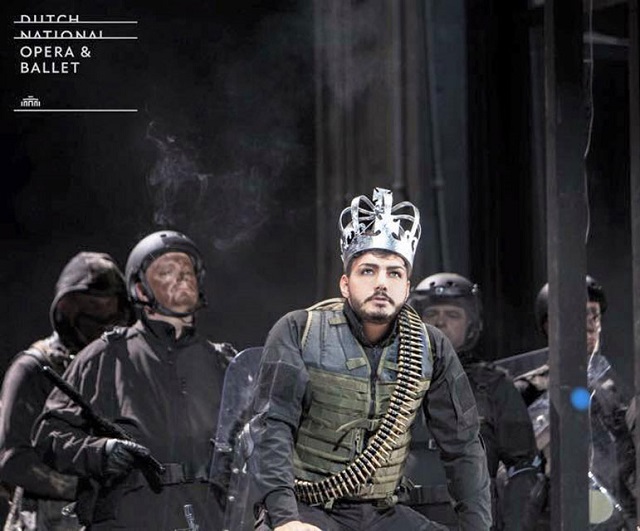
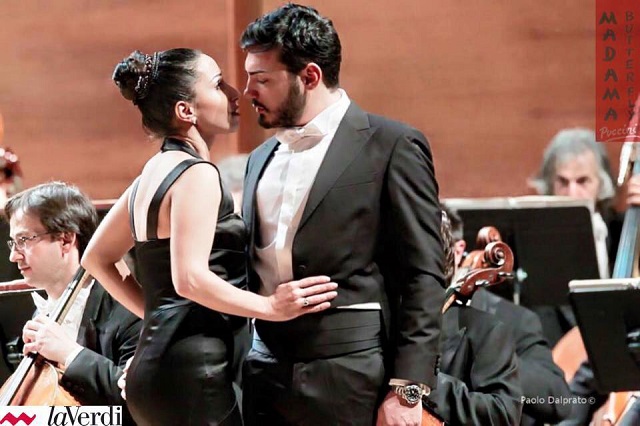
Recently he performed in MADAMA BUTTERFLY with La Verdi Orchestra in Milan and with MACBETH at the Dutch Opera Theatre in Amsterdam.

His upcoming engagements include BOHÈME to Ascoli Piceno, Fano and Fermo, LA TRAVIATA to Berlino and Firenze, MADAMA BUTTERFLY Venezia/Madrid, LA RONDINE to Berlino, MACBETH to Madrid.

© Vincenzo Costanzo

Posted in OPera | Leave a comment

A great Cavalleria Rusticana / Pagliacci at the Zurich Opernhaus with Roberto Alagna

zurich_logoCavalleria Rusticana / Pagliacci

Short operas by Pietro Mascagni and Ruggero Leoncavallo

Cast, dates

Conductor Daniele Rustioni

Production Grischa Asagaroff

Sets and Costumes Luigi Perego

Lights Hans-Rudolf Kunz

Choir DirectorJürg Hämmerli


CAVALLERIA RUSTICANA

Santuzza Catherine Naglestad
Turiddu Roberto Alagna
Lucia Irène Friedli
Alfio Roman Burdenko
Lola Yulia Mennibaeva


PAGLIACCI

Nedda Aleksandra Kurzak
Canio Roberto Alagna
Tonio Roman Burdenko
Beppe Trystan Llŷr Griffiths
Silvio Alexey Lavrov


Philharmonia Zürich
Chor, Zusatzchor und Kinderchor der Oper Zürich
Statistenverein am Opernhaus Zürich


In Italian
with German and English surtitles
Playing duration 3 hrs.
Break After the 1st part after approx. 1 hrs. 15 min.
Introduction 45 min before the performance
Dates 24 Sep 2016, 19:00
Revival  

28 Sep 2016, 19:00

04 Oct 2016, 20:00

09 Oct 2016, 14:00 AMAG people’s performance

12 Oct 2016, 19:00LocationHauptbühne Opernhaus

Cavalleria Rusticana: melodrama in one act by Pietro Mascagni (1863-1945)
Libretto by Giovanni Targioni-Torzetti and Guido Menasci

Pagliacci: drama in two acts and a prologue by Ruggero Leoncavallo (1857-1919)
Libretto by the composer

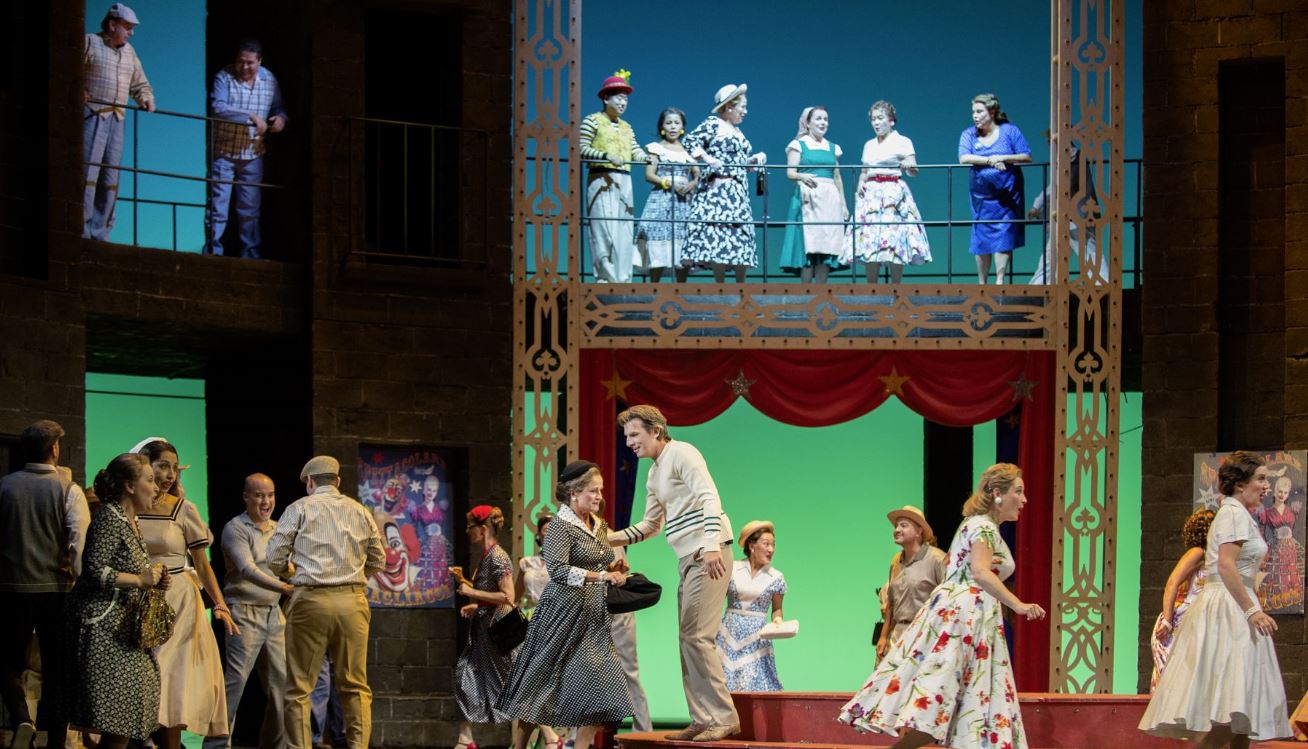
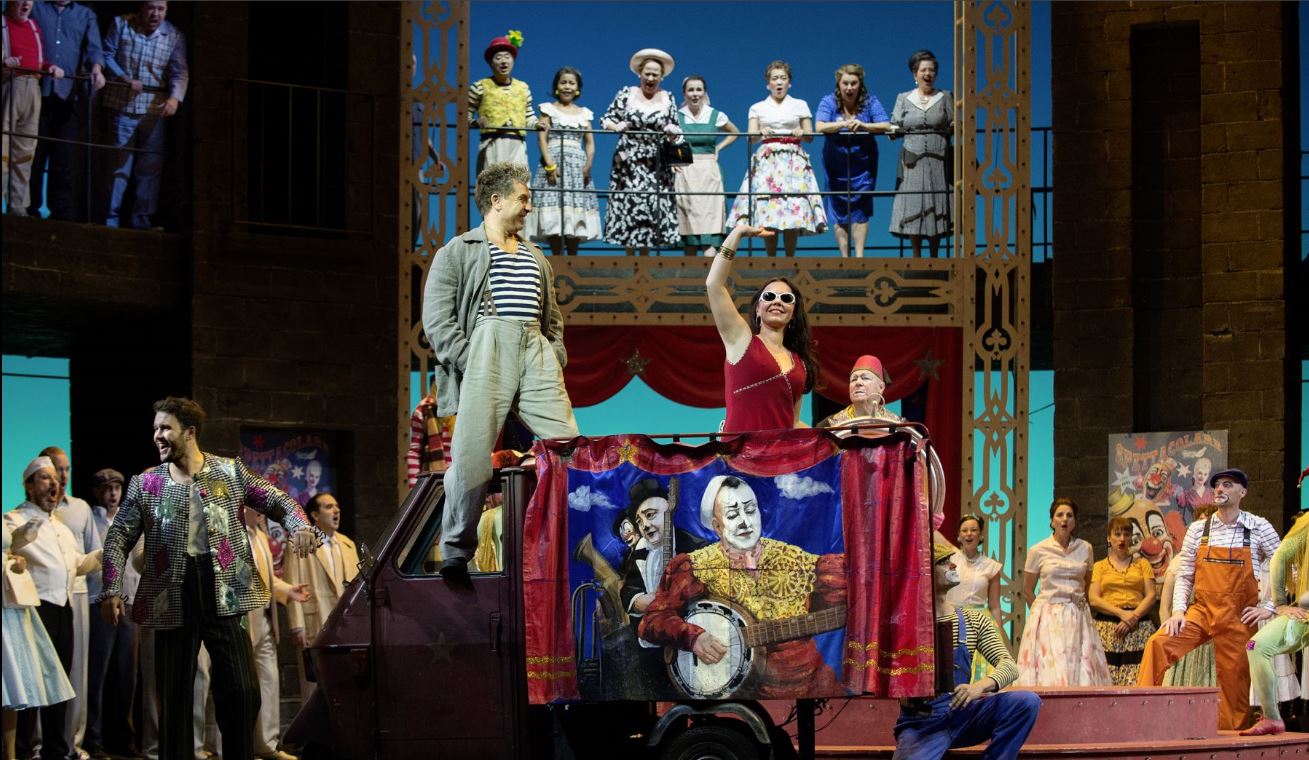
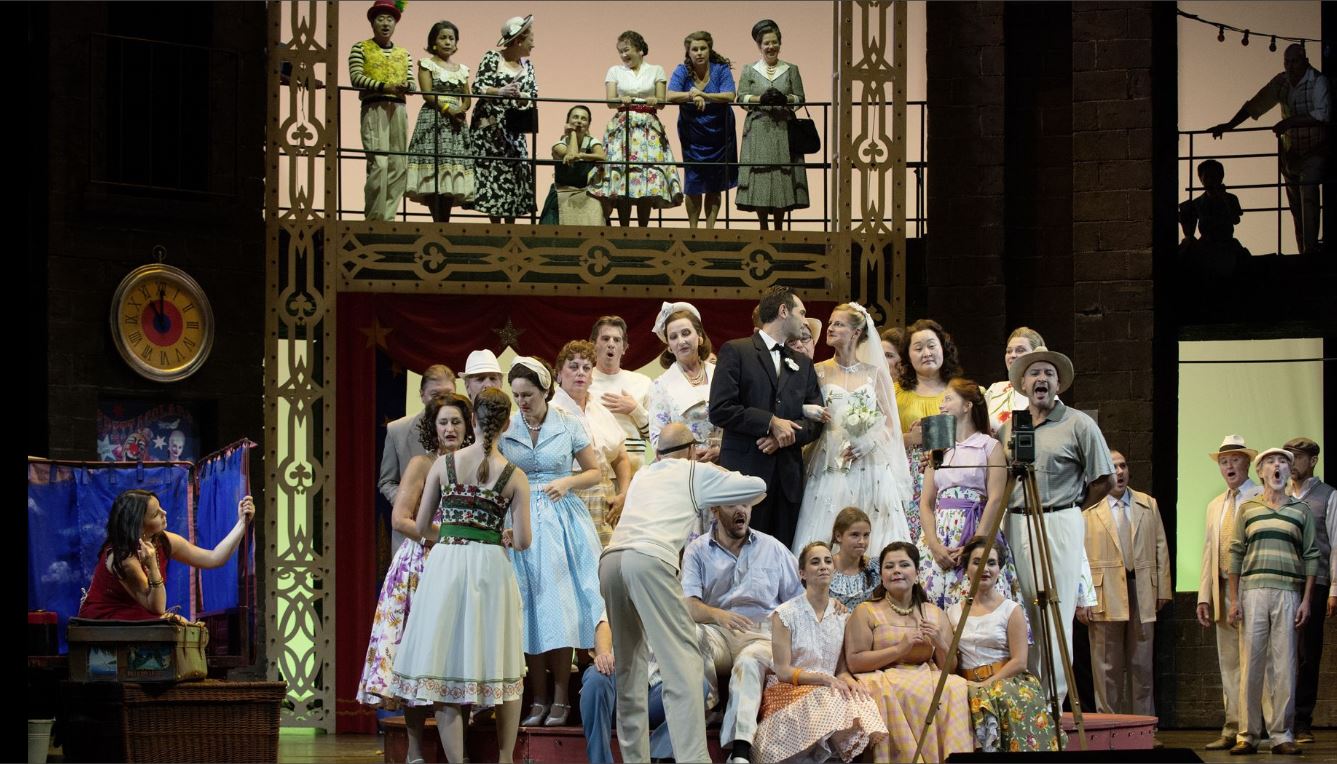
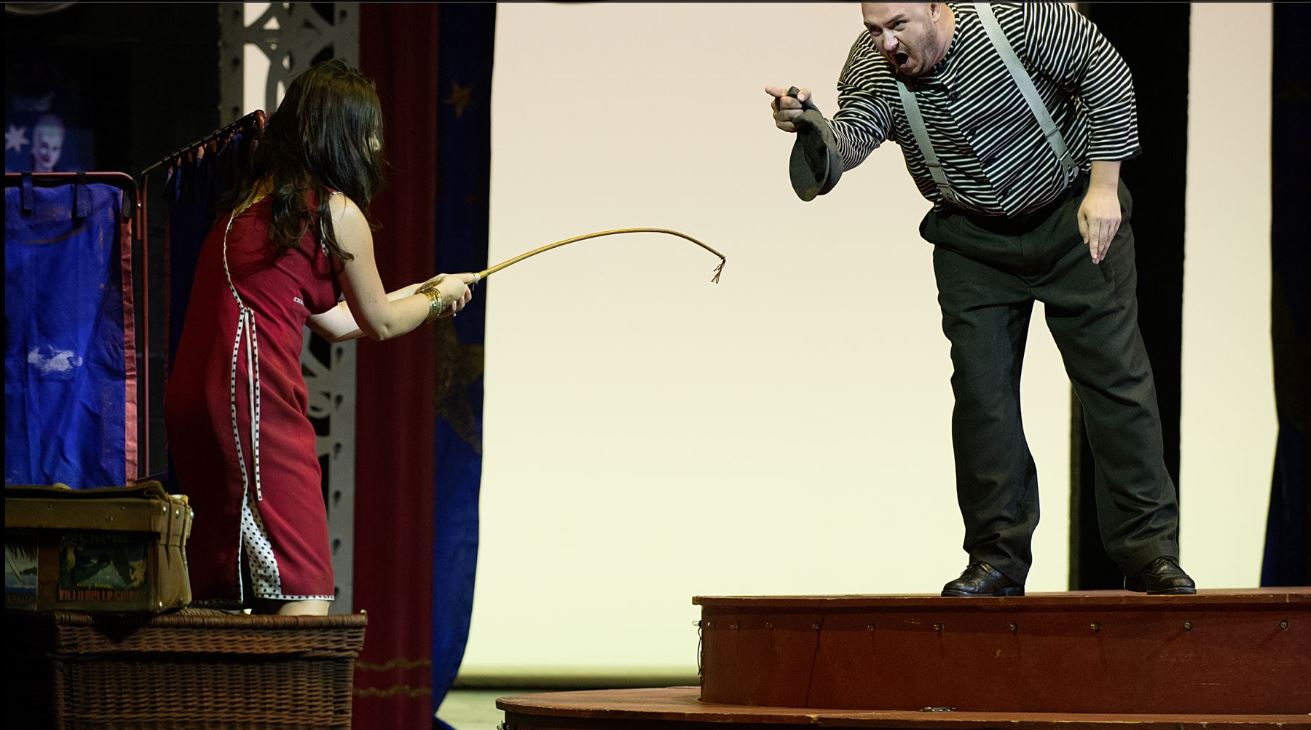
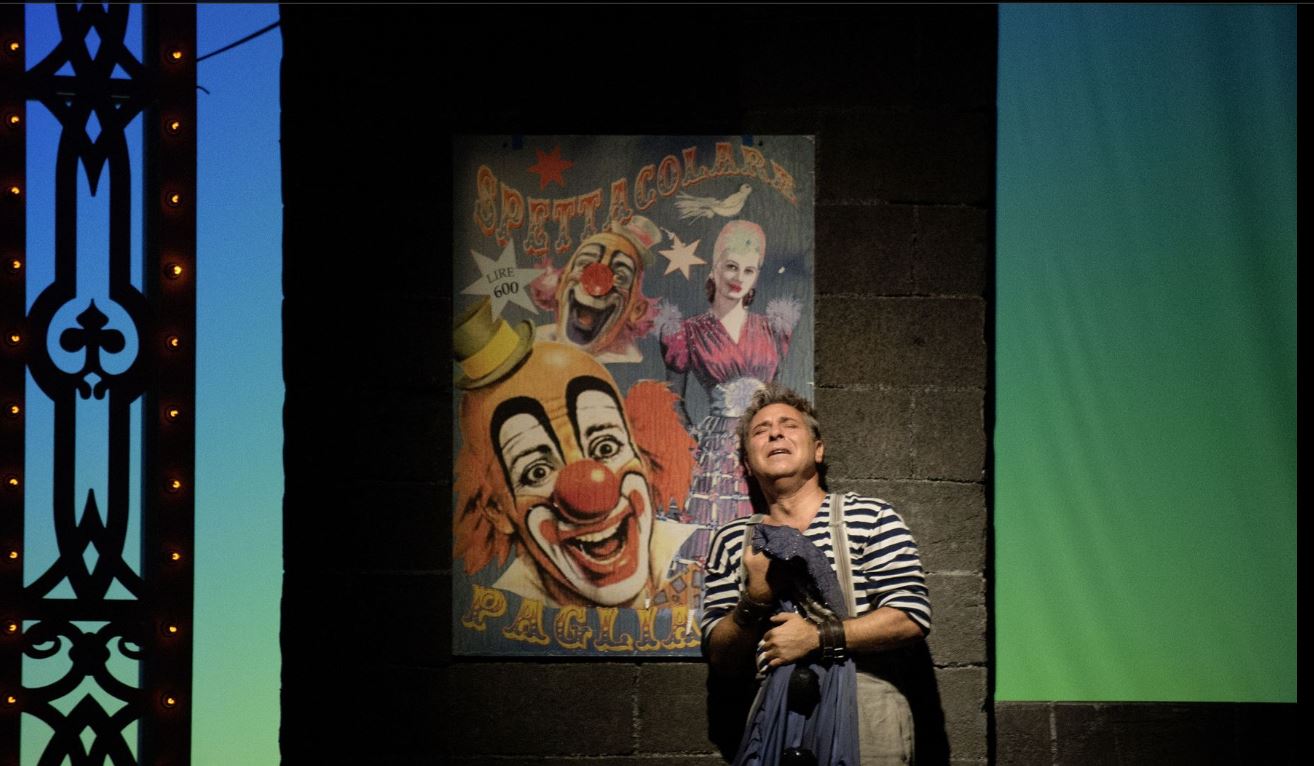
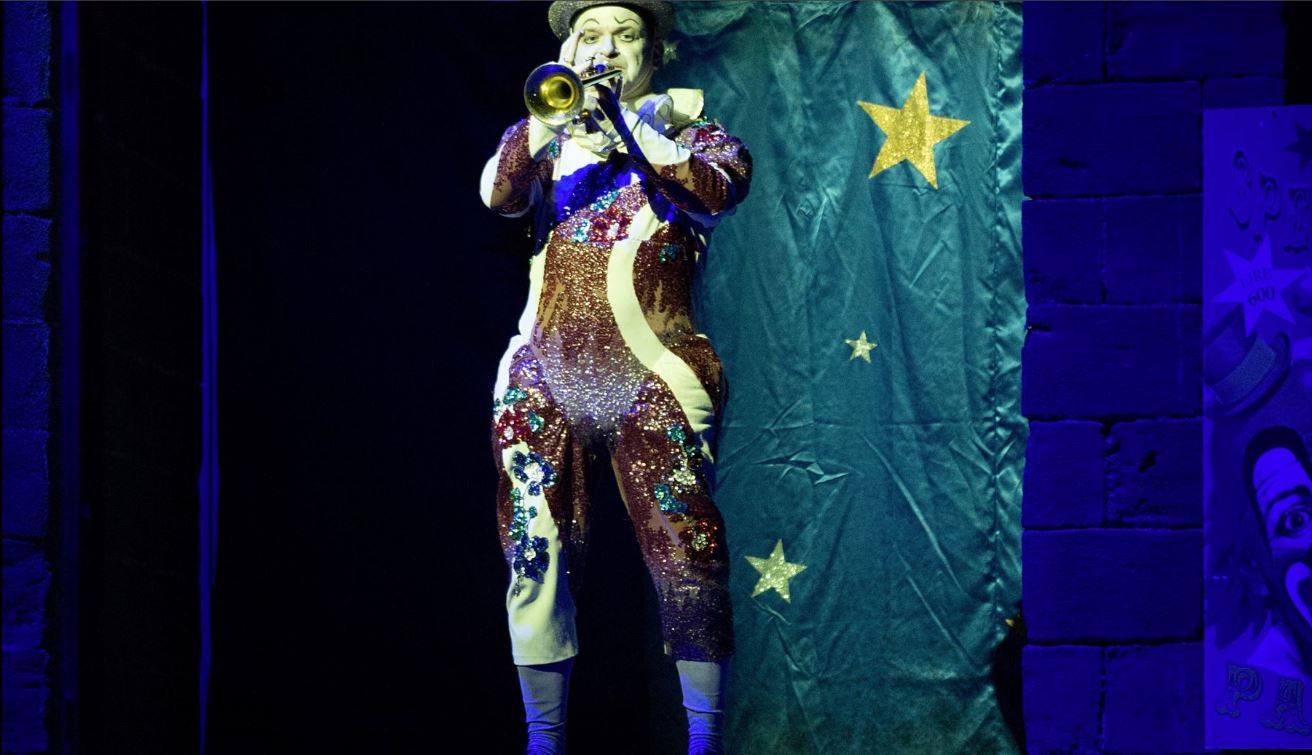
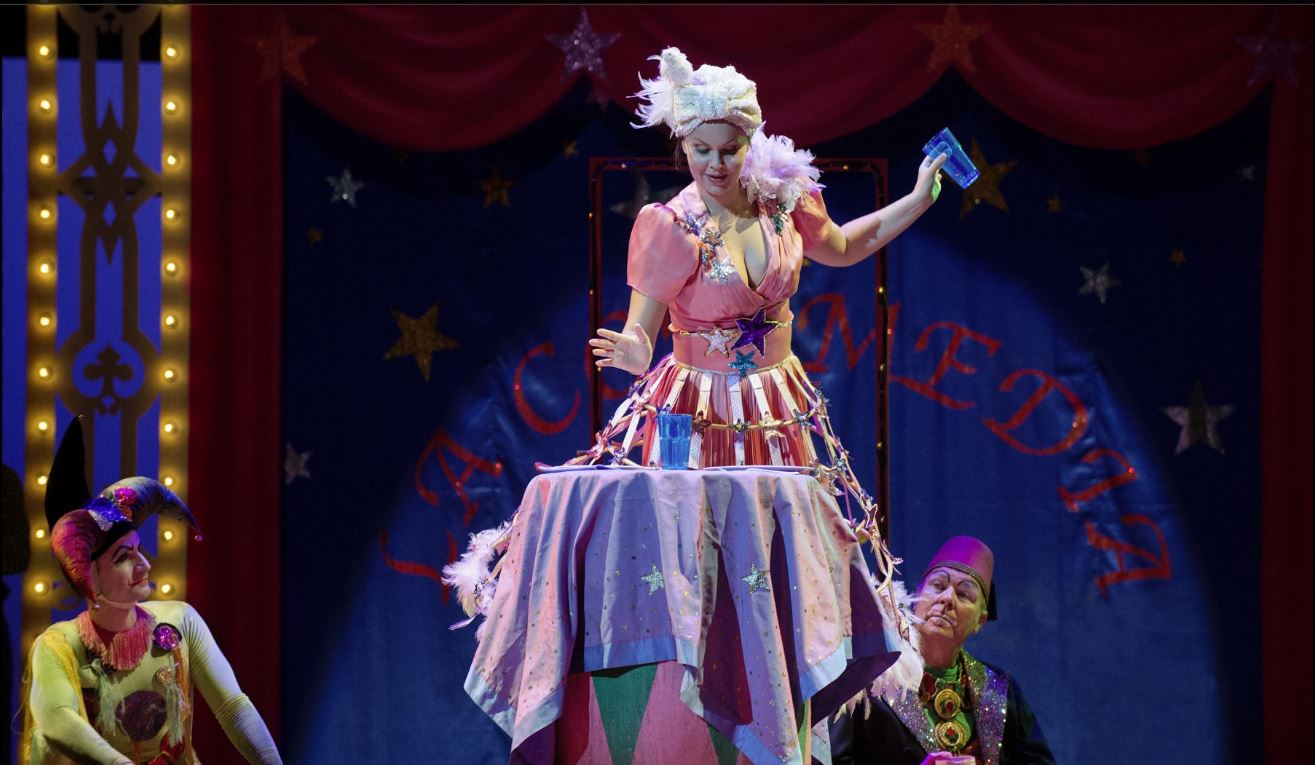
These two short veristic operas, Cavalleria rusticana and Pagliacci, have always been like inseparable twins. It all began with a competition to promote young Italian composers. Pietro Mascagni, still an unsuccessful composer at the time, chose a contemporary subject matter and wrote dramatically gripping music for the story of Santuzza, who is rejected by the village community and out of jealousy reveals the affair between Turiddu and Lola to the latter’s husband Alfio. Mascagni won the competition and became famous over night. Impressed by this success, Ruggero Leoncavallo decided he would also try writing a short opera. Leoncavallo was inspired by a murder trial and the play by Catulle Mendès entitled La Femme de Tabarin: a drama of jealousy in a troupe of commedia dell’arte actors involving the beautiful Nedda, which ends with the murder of Nedda and her lover. The cast of this revival promises to give world-class performances: the star tenor Roberto Alagna can be heard both as Turiddu and as Canio; his partners are Catherine Naglestad (Santuzza) and Aleksandra Kurzak (Nedda).

GALLERIES (photos by Judith Schlosser)

CAVALLERIA RUSTICANA

PAGLIACCI

This slideshow requires JavaScript.

Posted in OPera | Tagged , , , , , | Leave a comment

Don Giovanni at the Met

dongtitle

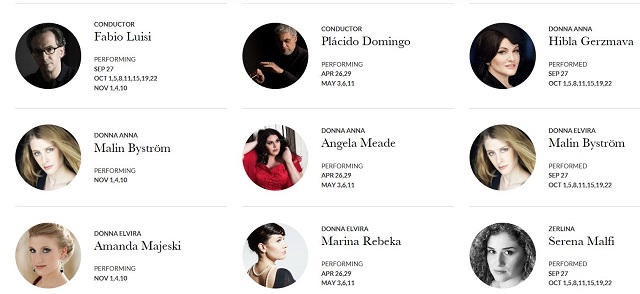
Three charismatic singers, Simon Keenlyside, Ildar Abdrazakov, and Mariusz Kwiecien, share the role of the title hero, who goes to hell in a dazzling coup de théâtre. The ensemble of great Mozartean singers includes Angela Meade, Marina Rebeka, Isabel Leonard, Matthew Polenzani, Erwin Schrott, and Paul Appleby. Fabio Luisi and Plácido Domingo conduct.

Sung In Italian   Met Titles In English, German, Italian, Spanish

dongcalendar

World premiere: National Theater (now Estates Theater), Prague, 1787. Aided by his ingenious librettist, Lorenzo Da Ponte, Mozart approached his operatic retelling of the Don Juan myth from a point of view that is neither tragic nor entirely comic, but rather lighthearted, urbane, and ironic. We follow the title character and his earthy comic sidekick, Leporello, through a series of encounters that begins with a fatal duel, moves back and forth between the humorous and the sentimental, and ends with the protagonist being dragged down to hell.don_giovanni_1

ARTISTIC TEAM

Production Michael Grandage

Set & Costume Designer Christopher Oram

Lighting Designer Paule Constable

Choreographer Ben Wright

Revival Stage Director Louisa Muller

SETTING

don_giovanni_setting

The city of Seville in southern Spain, where Mozart originally set his opera, was already famous in his time as a mythical world of winding streets, hot-blooded young men, and exotically beautiful women sequestered behind latticed windows. The Met’s production places the action in an unnamed Spanish city in the mid-18th century.

CAST

cast1 cast2 cast3

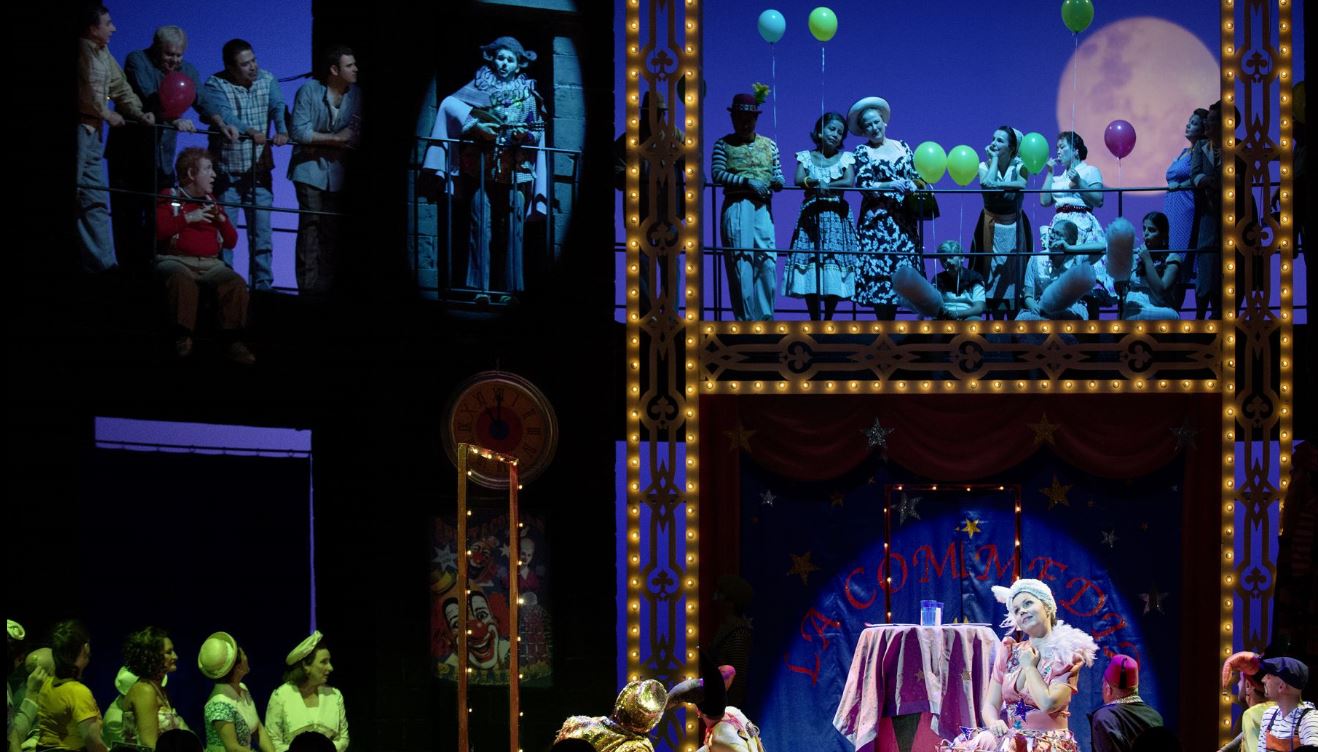
GALLERY (Photos from Metopera.org)

SYNOPSIS

Act I

Spain, mid-18th century. Leporello, servant to the nobleman Don Giovanni, keeps watch outside the Commendatore’s home at night. Suddenly, the Commendatore’s daughter, Donna Anna, rushes out, struggling with the masked Giovanni and followed by her father. The Commendatore challenges Giovanni to a duel and is killed. Giovanni and Leporello escape. Anna asks her fiancé, Don Ottavio, to avenge her father’s death.

In the morning, Giovanni and Leporello encounter one of Giovanni’s former conquests, Donna Elvira, who is devastated by his betrayal. Leporello tells her she is neither the first nor the last woman to fall victim to Giovanni and shows her his catalogue with the name of every woman Giovanni has seduced.

Peasants celebrate the marriage of Masetto and Zerlina. Giovanni flirts with the bride, telling her she is destined for a better life. But Elvira urges Zerlina to flee her suitor. She also warns Anna, who is still unaware of the identity of her father’s murderer and has asked Giovanni for help in finding the man. Giovanni, for his part, insists that Elvira is mad, and Anna and Ottavio wonder what to believe. As Giovanni leaves, Anna suddenly recognizes his voice as that of the murderer. Devastated but determined, she once more asks Ottavio to avenge her. He wonders how to restore her peace of mind. Giovanni, who has invited the entire wedding party to his home, looks forward to an evening of drinking and dancing.

Outside Giovanni’s home, Zerlina asks Masetto to forgive her. Giovanni enters and leads them both inside. Anna, Elvira, and Ottavio appear masked and are invited in by Leporello. In the ballroom, Giovanni dances with Zerlina, then tries to drag her into the adjoining room. When she cries for help, Giovanni blames Leporello. Anna, Elvira, and Ottavio take off their masks and, along with Zerlina and Masetto, accuse Giovanni, who is momentarily surprised but manages to slip away.

Act II

Having exchanged clothes with Giovanni, Leporello takes Elvira on a nighttime walk, leaving his master free to serenade her maid. When Masetto arrives with a band of peasants to hunt down Giovanni, the disguised Don sends them off in various directions, then beats up Masetto. Zerlina finds her bruised fiancé and comforts him.

Later that night, Leporello—still believed by Elvira to be Giovanni—is surprised by Anna, Ottavio, Zerlina, and Masetto, who all denounce the supposed Don. Fearing for his life, Leporello reveals his true identity before making his escape. Ottavio proclaims that he will take revenge on Giovanni and asks the others to look after Anna. Elvira thinks about Giovanni, whom she still loves in spite of everything.

In a cemetery, Giovanni and Leporello meet the statue of the Commendatore, who warns Giovanni that by morning he will laugh no longer. Giovanni forces the terrified Leporello to invite the statue to dinner. The statue accepts.

Once again, Ottavio asks Anna to marry him, but she replies that she will not until her father’s death has been avenged.

Elvira arrives at Giovanni’s home. She makes a last desperate attempt to persuade him to change his life, but he only laughs at her. The figure of the Commendatore enters and asks Giovanni to repent. When he boldly refuses he is consumed by flames. Elvira, Anna, Ottavio, Zerlina, Masetto, and Leporello appear, contemplating their futures and the fate of an immoral man.

FOCUS ON:

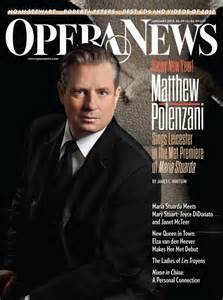
polenzani_operanewsMATTHEW POLENZANI

Tenor Matthew Polenzani is one of the most gifted and distinguished lyric tenors of his generation. His elegant musicianship, innate sense of style and dramatic commitment find him at virtually every leading operatic, concert and recital venue in the world.

Mr. Polenzani’s 2015/2016 season opens with his return to the Opéra National de Paris as Ottavio in Michael Haneke’s acclaimed Don Giovanni. The tenor is Werther at the Bayerische Staatsoper in Munich and again in Vienna, at the Vienna Staatsoper.
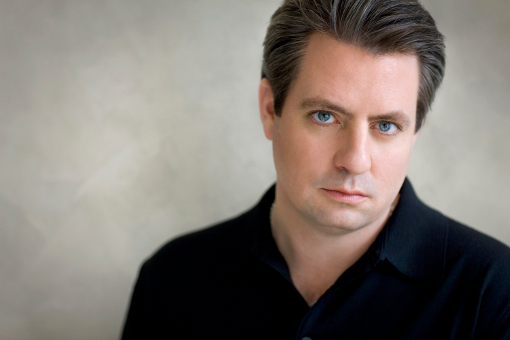
Photo by Dario Acosta

Photo © Dario Acosta


The Metropolitan Opera in New York has been, and continues to be his artistic home, and he returns there to star in two new productions. He will sing Nadir, in Le Pêcheurs de Perles, and sings the title role in Roberto Devereux, in a production by Sir David McVicar, with both operas being featured on the Met’s Live in HD series, broadcast to more than 2000 movie theaters worldwide. Mr Polenzani also makes his debut at the Gran Teatre del Liceu Barcelona singing Rodolfo in Puccini’s La Bohème. In concert, Mr Polenzani essays Die Schöne Müllerin at Northwestern University, as part of the opening season in the brand new Mary B. Galvin Recital Hall, with Alan Darling at the piano. He will reprise the work with Julius Drake, in a Liederabend in Frankfurt at Oper Frankfurt.

Title role, Werther, Lyric Opera of Chicago Photo © Dan Rest

Title role, Werther, Lyric Opera of Chicago
Photo © Dan Rest

In the 14/15 season, the tenor was Idomeneo in a new production of Mozart’s masterpiece at London’s Royal Opera. He sang Hoffmann in Les Contes d’Hoffmann, under the baton of James Levine at the Metropolitan Opera. Mr. Polenzani reprised his Nemorino in L’elisir d’amore, and added Tamino in Die Zauberflöte, to his repertory at the Bayerische Staatsoper. He also made his debut at the Opernhaus Zürich, as Alfredo in Verdi’s La Traviata. Concert appearances included Beethoven’s Ninth Symphony, with the Chicago Symphony Orchestra, conducted by Riccardo Muti, and Verdi’s Requiem, at Teatro alla Scala in Milan, with Riccardo Chailly conducting, and a New Year’s Eve Gala Concert in Venezia, with Maria Agresta, and Daniel Harding conducting. Mr. Polenzani also returned to the Festival Musique et Vin au Clos Vougeot, in a duo concert with Soprano Marlis Petersen, under Maurizio Benini’s baton. Pianist Julius Drake accompanied the tenor in a widely acclaimed 10 city recital tour, culminating at London’s famed Wigmore Hall.

Title role, The Tales of Hoffmann, San Francisco Opera Photo © Cory Weaver

Title role, The Tales of Hoffmann, San Francisco Opera
Photo © Cory Weaver

Among the many highlights from recent Metropolitan Opera seasons are the premieres of Bartlett Sher’s production of L’elisir d’amore, which opened the 2012 season, and Sir David McVicar’s production of Maria Stuarda (issued on DVD by Erato), Willy Decker’s production of La traviata, Julie Taymor’s legendary Die Zauberflöte (DVD available from the Metropolitan Opera),  and revivals of Rigoletto, Don Pasquale (issued on DVD by Deutsche Grammophon), Don Giovanni, Roméo et Juliette, Il barbiere di Siviglia, Così fan tutte, Falstaff, Die Meistersinger von Nürnberg (DVD available from Deutsche Grammophon) and L’Italiana in Algeri. To date, he has sung over 300 performances at the Met, many conducted by his musical mentor, James Levine. Across America, he has sung with Lyric Opera Chicago, San Francisco Opera, Seattle Opera and the Los Angeles Opera, among others, in repertory that includes Clemenza di Tito, Werther, Les Contes d’Hoffmann, La traviata, Roméo et Juliette, Die Entführung aus dem Serail, Don Giovanni, Don Pasquale, Il barbiere di Siviglia and Die Zauberflöte.
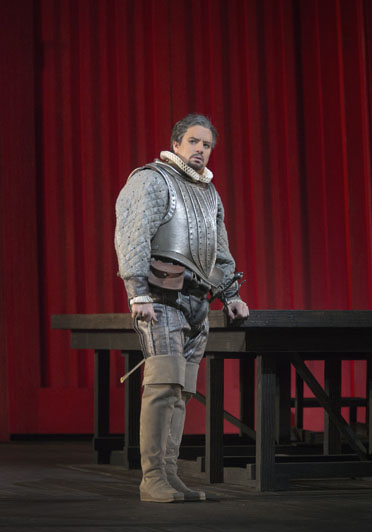
As Leicester in Maria Stuarda, Metropolitan Opera Photo © Ken Howard

As Leicester in Maria Stuarda, Metropolitan Opera
Photo © Ken Howard

Following Matthew Polenzani’s debut as Gérald in Delibes’s Lakmé with Opéra National de Bordeaux in France in 1998, appearances in other major European theaters include productions of Don Pasquale and La Traviata at the Teatro Comunale in Florence, the Aix-en-Provence Festival (DVD available on Bel Air Classiques) and on a tour of Japan with Torino’s Teatro Regio; I Capuleti e I Montecchi at the Paris Opera and Bayerische Staatsoper; L’elisir d’amore at the Vienna Staatsoper, Bavarian Staatsoper, Teatro San Carlo and Teatro dell’Opera di Roma; Così fan tutte at Covent Garden with Sir Colin Davis and in Paris with Philippe Jordan; Lucia di Lammermoor in Paris, Vienna and Frankfurt; La Damnation de Faust at Frankfurt Opera and Berlin at the Deutsche Oper; Manon, in London, and on a tour of Japan with the Royal Opera House, Covent Garden; Idomeneo in Torino with Gianandrea Noseda, Manon with Fabio Luisi and La traviata at La Scala; Rigoletto at the Vienna State Opera conducted by Jesus Lopez-Cobos, and at the Salzburg Festival in Don Giovanni (DVD available on EuroArts).
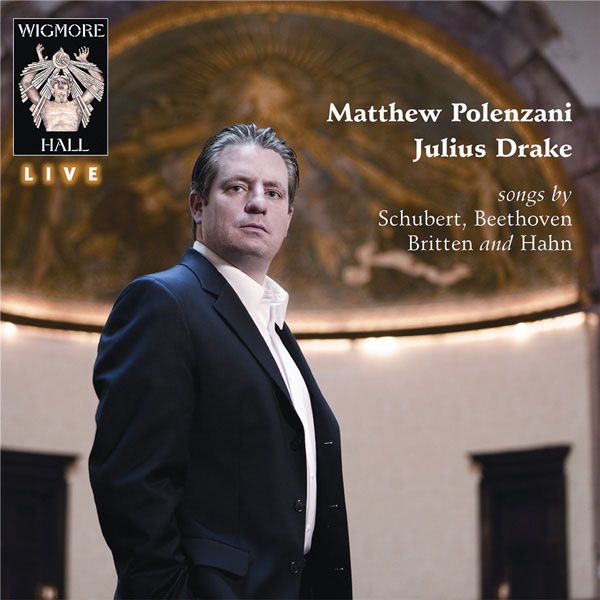
polenzanicdMr. Polenzani is in great demand for symphonic work for the world’s most influential conductors including Pierre Boulez, James Conlon, Sir Colin Davis, Riccardo Frizza, Rafael Frühbeck de Burgos, Louis Langrée, James Levine, Jesús López-Cobos, Lorin Maazel, Riccardo Muti, Sir Antonio Pappano, Simon Rattle, Wolfgang Sawallisch, Leonard Slatkin, Sir Jeffrey Tate, Michael Tilson Thomas, Franz Welser-Möst and David Zinman, and with many major orchestras both in the United States and Europe, including the Berlin Philharmonic, Boston Symphony Orchestra, Chicago Symphony Orchestra, Cleveland Orchestra, Los Angeles Philharmonic, New York Philharmonic, San Francisco Symphony, Cincinnati Symphony, Minnesota Orchestra, Mostly Mozart Festival Orchestra, St. Louis Symphony, Orchestra del Santa Cecilia, Orchestre National de France, Orchestra Giovanile “L. Cherubini” at the Salzburg Whitsun Festival and the Ensemble Orchestra de Paris at the Saint Denis Festival.

In recital, Matthew Polenzani has appeared in numerous venues across America with Julius Drake, and at Wigmore Hall (available on CD from the Wigmore Hall label). He has also appeared with noted pianist Richard Goode in a presentation of Janáček’s The Diary of One Who Vanished at Carnegie’s Zankel Hall, and in recital at the Verbier Festival with pianist Roger Vignoles (commercially available on CD on VAI). Mr. Polenzani was honored to have sung on all three stages of Carnegie Hall in one season: in concert with the MET Chamber Ensemble at Zankel Hall; in solo recital with James Levine at the piano in Weill Hall; and in a Schubert Liederabend on the stage of Isaac Stern Auditorium with colleagues Renée Fleming, Anne Sofie Von Otter, and René Pape, again with James Levine as pianist.

Matthew Polenzani was the recipient of the 2004 Richard Tucker Award and Metropolitan Opera’s 2008 Beverly Sills Artist Award. An avid golfer, he makes his home in suburban New York with his wife, mezzo-soprano Rosa Maria Pascarella and their three sons.

© Matthew Polenzani

Posted in OPera | Tagged , , , , , , , , | Leave a comment