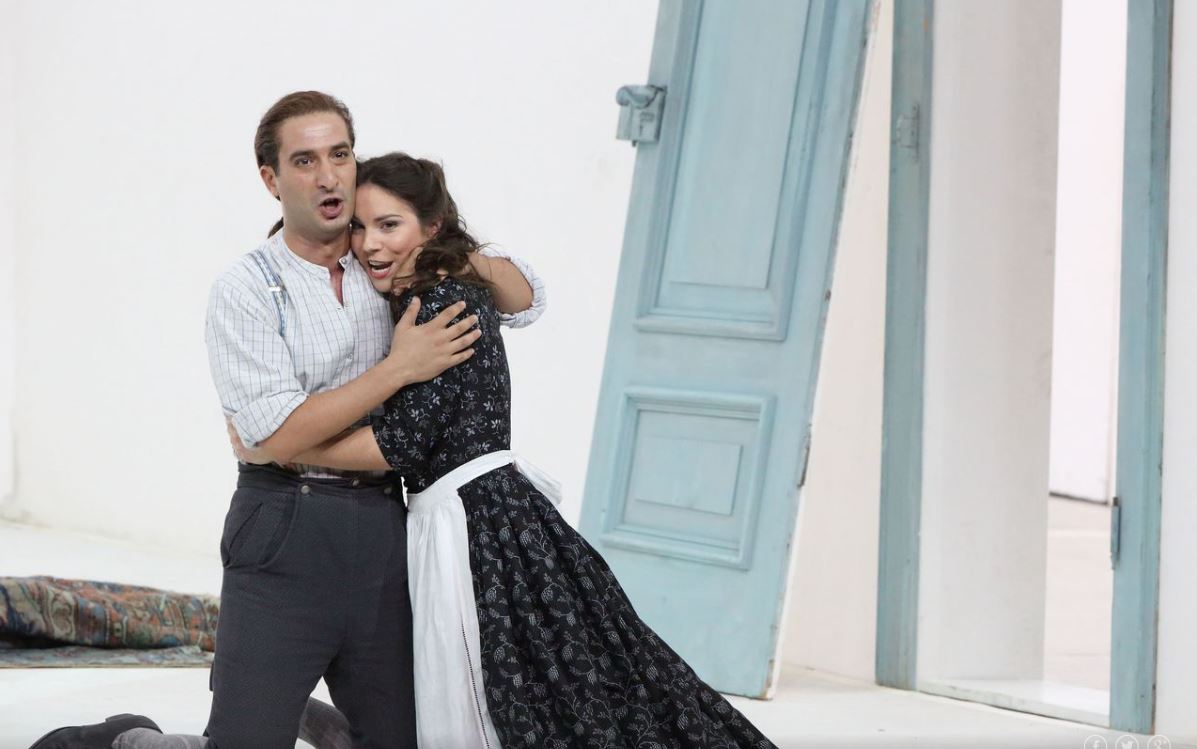
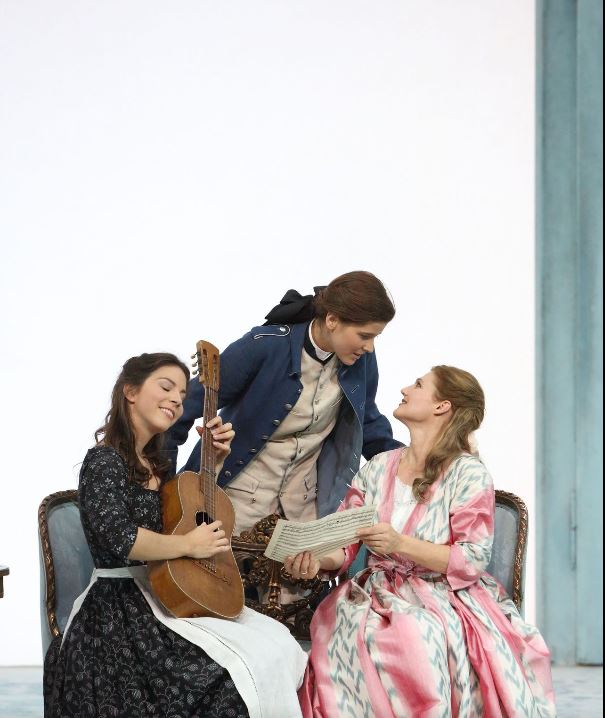
The Marriage of Figaro at the Oper Frankfurt

Operfrankfurt2016logo

The Marriage of Figaro

Wolfgang Amadeus Mozart 1756 – 1791

Opera in four acts
Libretto by Lorenzo Da Ponte after Pierre Augustin Caron de Beaumarchais
First performed May 1st 1786, Burgtheater Vienna

Sung in Italian with German surtitles
Duration c. 3hrs 30 mins, including one interval

A mad day in Count Almaviva’s castle: preparations for Figaro and Susanna’s wedding begin in the morning but a faked letter, people pretending they are going away, forcing doors open, jumping out of windows and dressing up as one another mean that the pair have to wait until the next break of dawn before they are united. The count, thinking he is about to, at long last, enjoy a bit of hanky-panky with Susanna, finds himself back in the arms of none other than his wife. The rest of the day is filled with desperate attempts to prevent the wedding taking place and equally determined efforts to ensure that it does. The opera was based on Beaumarchais’ sociocritical comedy – aimed to show up the “Vice, abuse and capriciousness carried out under the masks of the ruling classes”. Whilst adapting this »delicate« subject, which turned out to be one of the harbingers of the French revolution, Mozart and Lorenzo Da Ponte managed to communicate the swings between serious and amusing scenes. Fine portraits of characters come to life and there is real situation comedy during the intrigue filled story. It was the refreshing liberality of the figures as well as politically explosive texts that lent the French original a scandalous aura. The real fun in Mozart’s comedy comes from the impudence of the retainers and their lack of respect for their masters. Despite all the turmoil during a completely crazy day everything turns out all right in the end.

Jun 2016
Sat 11. Sat 18. Fri 24.

July 2016
Fri 01.

Cast

Conductor
Hartmut Keil
Director
Guillaume Bernardi
Stage Designer
Moritz Nitsche
Costume Designer
Peter DeFreitas
Lighting Designer
Olaf Winter
Dramaturge
Zsolt Horpácsy
Choreography
Bernd Niedecken
Chorus Master
Tilman Michael
Figaro
Simon Bailey
Susanna
Katharina Ruckgaber *
Count Almaviva
Iurii Samoilov
Countess Almaviva
Jacquelyn Wagner
Cherubino
Judita Nagyová
Marzelline
Katharina Magiera
Bartolo
Dietrich Volle
Antonio
Franz Mayer
Barbarina
Danae Kontora *

Basilio, Don Curzio

Michael McCown

Opera Frankfurt’s Orchestra and Chorus

* Member of the Opera Studio

GALLERY

SYNOPSIS

ACT 1
Susanna tells Figaro that the Count has offered her a dowry if she will allow him his fuedal rights and be the first man to sleep with her. Figaro intends to to thwart the Count’s plans. Another problem arises: Marcellina made Figaro promise that he would marry her on a particular day (today) if he failed to repay a sum of money. She and Bartolo, Figaro’s enemy, intend to make him keep his word. Cherubino, a page in love with the Countess, has been banished by the Count for being found alone with Barbarina. He begs Susanna to ask the Countess to intercede on his behalf. The Count arrives. Cherubino hides. The Count tries to convince Susanna of his affections but is interrupted by Don Basilio. He hides. Basilio accuses Susanna of flirting with the Count and Cherubino. When he tells her to warn Cherubino not to make his infatuation for the Countess so obvious the furious Count makes his presence known. He demonstrates how he found Cherubino and Barbarina hiding under a table and… The Count orders Cherubino to leave. Figaro and Susanna beg for leniency. The Count sends him to join the army instead. Figaro commiserates with the boy that instead of pestering the girls he will now have to march through mud.

ACT 2
The Countess is miserable about her husband’s indifference. Figaro has a plan to make the Count jealous: he will ensure that he finds out about a rendezvous the Countess (Susanna in disguise) is planning with her lover and let it be known that Susanna (Cherubino in disguise) will agree to meet the Count in the garden. The Count arrives. He has heard about his wife’s lover and is livid with rage. Cherubino and Susanna hide. The Countess swears she is alone except for her maid, who is trying on a dress next door, but refuses to let him go and check. He orders her to accompany him to fetch tools to break open the door and locks the room. Cherubino jumps from the balcony. Susanna hides. The Count and Countess are astonished to find Susanna. The Count apologises. Antonio, the gardener says that a flower pot was broken by a man leaping from the balcony. Figaro says it was him. Hoping to see Susanna, he panicked when he heard the Count’s voice. Antonio also found some papers. The Count asks Figaro what they contain. The ladies manage to tell him that it is Cherubino’s commission, which had not been sealed. Marcellina arrives with Don Curzio and demands that the Count make Figaro keep his word.

ACT 3
The Countess urges Susanna to make an assignation with the Count. He is delighted at Susanna’s apparent change of heart. She agrees to meet him in the garden in return for the dowry, which she intends to use to repay Figaro’s debt. Figaro tells Marcellina that he can’t marry without his parents consent – but does not know who they are. When Marcellina sees a birthmark on his arm it she realises he is her long lost child. She tells him that Bartolo is his father. Susanna is furious when she sees Figaro hugging Marcellina until she finds out that she is his mother. A double wedding is planned. Barbarina has dressed Cherubino as a village girl. The Countess longs for things to be as they were when the Count loved her. The Countess dictates a letter to Susanna saying where she will meet the Count. The Countess now intends to disguise herself as Susanna. The letter is sealed with a pin, which the Count is to return to Susanna as a sign that he has read it. Cherubino is unmasked and ordered to leave by the Count. Barbarina reminds him that he promised she could have anything she wanted in return for some kisses, and she wants Cherubino. The weddings can take place. Susanna gives the Count the letter. He pricks his finger on the pin, which drops to the floor. Figaro laughs, little knowing that the letter is from Susanna.

ACT 4
Barbarina is trying to find the pin. Figaro is horrified when she tells him that she needs it so that she can return it to Susanna on behalf of the Count. Figaro decides to set a trap for his bride and hides. The Countess, Susanna and Marcellina know he is watching. Susanna make him jealous by singing of her lover, the Count. The ladies withdraw to swap clothes. Cherubino finds the Countess (dressed as Susanna). The Count steps between them as Cherubino tries to kiss her. The Count flirts with „Susanna“ – they hear a sound and rush off in opposite directions. Figaro approaches Susanna (dressed as the Countess) to tell her what he has seen. Her voice gives her away. He realises that it is Susanna, not the Countess. He flirts with her and Susanna boxes his ears. He says he loves her and she forgives him. Seeing the Count looking for Susanna, they decide to arouse his jealousy by continuing to flirt with each other. The Count calls for everyone to come and witness what his wife has been up to. He refuses his „wife’s“ pleas for forgiveness until the Countess appears and he realises that it was she, not Susanna, who had come to meet him. After all has been revealed the Count feels suitably ashamed and asks his wife to forgive him, which she does. Everybody prepares to celebrate.

Posted in OPera | Tagged , , , , , , , | Leave a comment

I Puritani at the Opernhaus Zürich

zurichLogo

I puritani

Music by Vincenzo Bellini

Opera seria in three parts
Libretto by Carlo Pepoli after the drama «Têtes rondes et cavaliers» by Jacques Arsène Polycarpe Ancelot and Saintine

puritani3

Civil war is raging in 17th-century England. The protestant, republican puritans and the Catholics loyal to the King are at loggerheads, and an intimate affair of the heart runs right through the middle of both camps: Elvira, daughter of the puritan Lord Walton (Valton), is in love with Arthur Talbot (Arturo Talbo), who secretly supports the royalists. Elvira even receives permission from her father to marry Arthur, but on their wedding day of all days, Arthur places his loyalty to the King above his love for Elvira. He liberates the King’s widow, Henrietta Maria of France, who has been held captive by the puritans, and escapes with her by hiding her under his bride’s veil. Believing that her bridegroom is in love with another woman, Elvira goes mad… Vincenzo Bellini loved the exceptional emotional states into which the protagonists fall in the story, and gave them poignant expression with the at once expansive and highly virtuoso melodies typical of his compositions.

puritaniinsert
The last opera by the composer, who died young, requires the highest possible artistry of the singers. With the South African soprano Pretty Yende, our new production staged by Andreas Homoki presents a new, glowing star in the bel canto firmament. At her side, Lawrence Brownlee will perform the breakneck role of Arturo. Michele Pertusi as Sir George (Giorgio), George Petean as Riccardo (Richard) Forth and Liliana Nikiteanu as Henrietta (Enrichetta) complete the cast, which is in every respect worthy of a festival. At the rostrum, Fabio Luisi continues his voyage of discovery of Bellini’s music.

GALLERY ONE (Photos © Judith Schlosser)

In Italian
with German and English surtitles
Playing duration 3 hrs. 10 min.
Break After the 1st part (after approx. 1 hrs. 20 min).
Introduction 45 min before the performance
Einführungsmatinee 5 Jun 2016
Dates 19 Jun 2016, 19:00
Premiere

22 Jun 2016, 19:00

25 Jun 2016, 20:00

29 Jun 2016, 19:30

03 Jul 2016, 20:00

07 Jul 2016, 19:00

10 Jul 2016, 18:00

Location Hauptbühne Opernhaus

GALLERY TWO (Photos © Judith Schlosser)

This slideshow requires JavaScript.

CAST

Conductor Fabio Luisi
Producer Andreas Homoki
Stage design Henrik Ahr
Costumes Barbara Drosihn
Light-Design Franck Evin
Chorus master Pablo Assante
Dramaturgy Claus Spahn
Orchestra Philharmonia Zürich
Choir Chor der Oper Zürich


Lord Gualtiero Valton Wenwei Zhang
Sir Giorgio Michele Pertusi
Lord Arturo Talbo Lawrence Brownlee
Sir Riccardo Forth George Petean
Sir Bruno Robertson Dmitry Ivanchey
Enrichetta di Francia Liliana Nikiteanu
Elvira Pretty Yende
Statistenverein am Opernhaus Zürich


Posted in OPera | Tagged , , , , , , | Leave a comment

Così fan tutte at the OpernHaus Zürich

zurichLogo

Così fan tutte

Opera by Wolfgang Amadeus Mozart

Dramma giocoso in two Acts by Wolfgang Amadeus Mozart (1756-1791), libretto by Lorenzo da Ponte

Mozart’s Così fan tutte begins entirely in the spirit of an opera buffa:the men – Ferrando and Guglielmo – make a bet on the fidelity of their women, pretend to go to war and return in disguise. The women, their fiancées Dorabella and Fiordiligi, do not recognise the men – and embark on an affair with the supposed strangers. However, what began as a fast-paced “dramma giocoso” and a harmless joke played by the young men’s experienced friend Don Alfonso increasingly becomes a drama of existential dimensions, which ultimately wreaks havoc among all involved. InCosì fan tutte, Mozart portrays the inconsistency and complexity of human feelings as no-one else can. In Sven-Eric Bechtolf’s production, Julia Kleiter will be singing Fiordiligi at Zurich Opera for the first time, Anna Stéphany will be Dorabella, Mauro Peter débuts as Ferrando, and Ruben Drole sings Guglielmo. At the rostrum will be Karl-Heinz Steffens, who last conducted Così fan tutte at La Scala in Milan.

GALLERY (Photos © Judith Schlosser)

Cast, dates

Conductor Karl-Heinz Steffens
Producer Sven-Eric Bechtolf
Stage design Rolf Glittenberg
Costumes Marianne Glittenberg
Lighting Jürgen Hoffmann
Chorus master Jürg Hämmerli
Orchestra Philharmonia Zürich
Choir Chorzuzüger
Zusatzchor der Oper Zürich

Fiordiligi Julia Kleiter
29 May; 1, 3, 5 JunMandy Fredrich
10 Jun
Dorabella Anna Stéphany
Despina Rebeca Olvera
Ferrando Mauro Peter
Guglielmo Ruben Drole
Don Alfonso Oliver Widmer
Faun Markus Hofmann
10 Jun
Continuo Solo-Cello Claudius Herrmann
Continuo Hammerklavier Andrea del Bianco
In Italian
with German and English surtitles
Playing duration 3 hrs. 30 min.
Break After the 1st act after approx. 1 hrs. 30 min.
Introduction 45 min before the performance
Dates 29 May 2016, 19:00
Revival
Preise E: 230, 192, 168, 95, 35 CHF 01 Jun 2016, 19:00
Preise E: 230, 192, 168, 95, 35 CHF 03 Jun 2016, 19:00
Preise E: 230, 192, 168, 95, 35 CHF

05 Jun 2016, 19:00
Preise E: 230, 192, 168, 95, 35 CHF

10 Jun 2016, 19:00 AMAG people’s performance
Preise H: 75, 59, 44, 25, 15 CHF

Location Hauptbühne Opernhaus

SYNOPSIS
Act 1
The philosopher Don Alfonso and two young men enter into a debate regarding the constancy of women. Guglielmo and Ferrando are so convinced of the fidelity of their betrothed, Fiordiligi and Dorabella, that they accept Don Alfonso’s proposal to bet one hundred gold coins on their constancy. Don Alfonso intends to prove to them that their brides are like all women – faithless. His only condition is that they do his bidding for 24 hours. Guglielmo and Ferrando insouciantly accept his demands.

The sisters Fiordiligi and Dorabella await their fiancés in a state of joyful anticipation; how­ever, Don Alfonso arrives in their place to tell them – apparently dismayed – that Guglielmo and Ferrando have unexpectedly been drafted into military service. The couples have only a short time to bid farewell – perhaps forever, as the young ladies fear.

Despina pokes fun at the young women’s pain at the separation – nothing, she says, is easier than replacing a lover. Fiordiligi and Dorabella are appalled. Don Alfonso bribes Despina into helping him to gain access to the young women, and to ensure that he is heard. In exotic disguise, Guglielmo and Ferrando now attempt to make a conquest of their lovers, but are brusquely rejected. They already demand their stake from Don Alfonso, but the 24 hours have not yet passed.

Certain of success, the men again launch an attack. In front of the two sisters, who lament their fate, they claim to have poisoned themselves out of unrequited love. Disguised as a doctor, Despina revives the men, seemingly dead.

Act 2
Despina warns the girls of the inconstancy of men, and intercedes in favour of the unknown admirers. Dorabella and Fiordiligi finally allow themselves to be persuaded to agree to another meeting. They assure each other that they intend to enter into a flirtation, and rapidly agree which partner each should take. Dorabella chooses Fiordiligi’s fiancé Guglielmo, while Fior­diligi opts for Dorabella’s intended, Ferrando.

At a party organised by Don Alfonso and Despina, the two men feign timidity. Fiordiligi takes the initiative and persuades Ferrando to join her on a walk. The men find the partner swap initiated by the girls deeply unsettling. Dorabella, left alone with Guglielmo, succumbs to his advances. By contrast, Fiordiligi flees from Ferrando, although she has to admit to herself that the stranger is by no means indifferent to her.

Ferrando accepts his defeat and tells Guglielmo of Fiordiligi’s constancy; however, he has to hear from the latter that Dorabella has yielded to him. Fluctuating between fury and despe­ration, Ferrando collapses. Guglielmo, who demands his stake from Don Alfonso, has to accept being told that the experiment is not yet complete.

No longer sure of her feelings, Fiordiligi intends to follow Guglielmo to the battlefield in order to remain true to him and, if need be, to die at his side. Ferrando wants to dissuade her from her plan and goes all the way; her resistance fails. Cut to the quick, the two men think of revenge, but Alfonso, who has won his bet, recommends that they marry their fiancées, whom they do love, after all.

Fiordiligi and Dorabella are ready to enter the married state with their new lovers. Despina, disguised as a notary, presents the marriage contracts. Scarcely have the girls signed them than a march heralds the return of their former betrothed. While the men hide, Fiordiligi and Dorabella are utterly petrified. With cruel satisfaction, Ferrando and Guglielmo gradually expose the intrigue, until they reveal themselves as the exotic lovers. Despina is now also aghast, while Don Alfonso attempts to reestablish the status quo.

Posted in OPera | Leave a comment

Wagner’s Siegfried at the Oper Frankfurt

operfrankfurtlogo

Siegfried

Richard Wagner 1813-1883

Libretto by the composer
First performed August 16th 1876, Festspielhaus Bayreuth

Sung in German with German surtitles
Duration: c. 5 hrs including 2 intervals

Live recording and DVD available – Oehms Classics

Friday 15th July 2016   Start 5:00 pm   Venue: Opera House

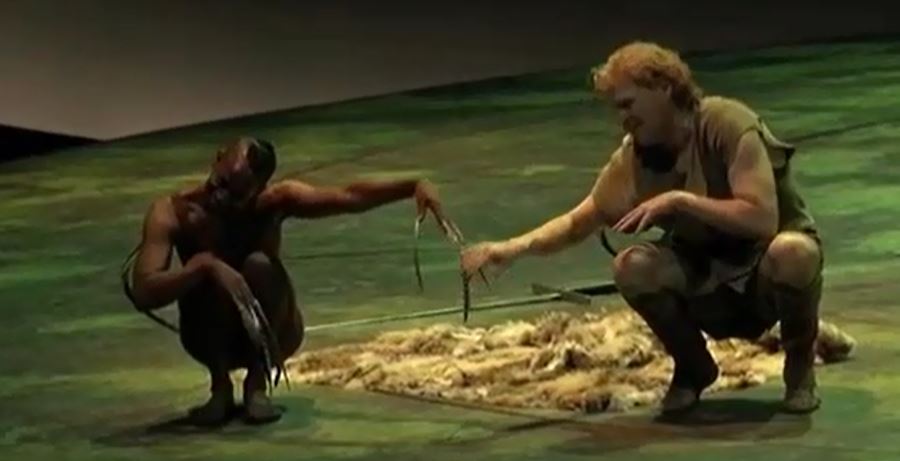
Wagner finished the libretto for his new opera in late 1852. What had begun as Siegfried’s Death had grown into a four-part »Stage Festival« so as to provide the background which led to Siegfried’s downfall. Wagner told Liszt: »writing the music will be easy and quick: because it will only be the execution of that which is already finished«; but this was not the case. After 4 years he had finished Rheingold and Walküre and begun work on Siegfried. He was then seized by »melancholic doubt« and the perhaps most extraordinary pause in the history of operatic composition took place: the Ring des Nibelungen ground to a halt for nearly twelve years. Only the prospect that the complete work could be performed encouraged him to start working on it again. More astonishing than the long break in composing is the compelling arch of sound that is apparent throughout the Ring. Siegfried is therefore a work of transition, of change. It is also a piece that connects: Nordic myths merge with the German Nibelungenlied. Wagner said that Siegfried was an »intermezzo«. A tale about »the boy who went forth to learn what fear was«, a hero in whom others have put their own, conflicting, hopes.

GALLERY

This slideshow requires JavaScript.


Cast
Conductor Sebastian Weigle

Director Vera Nemirova

Revival rehearsed by Hans Walter Richter

Stage Designer Jens Kilian

Costume Designer Ingeborg Bernerth

Lighting Designer Olaf Winter

Dramaturgy Malte Krasting

Video Bibi Abel

Siegfried Vincent Wolfsteiner

Mime Peter Marsh

The Wanderer James Rutherford

Alberich Jochen Schmeckenbecher

Fafner Per Bach Nissen

Erda Meredith Arwady

Brünnhilde Rebecca Teem

Voice of the Forest Bird Katharina Ruckgaber *

Forest Bird Alan Barnes
* Member of the Opera Studio

Siegfried_video

SYNOPSIS

Siegfried, Siegmund and Sieglinde’s son, has been brought up by Mime who is trying to forge a sword strong enough to allow Siegfried to kill Fafner, who has transformed himself into a dragon to guard his treasure, so that Mime can get his hands on the Ring. Wotan is roaming the world as a Wanderer. After a knowledge competition with Mime, who loses, he tells him that only a man who has never learnt what fear is can mend Siegmund’s sword, Nothung. Siegfried mends his father’s broken weapon and kills Fafner. After coming into contact with the dragon’s blood he can understand the language of birds, one of whom tells him to take the Ring and Tarnhelm and not to trust Mime, who he kills when he tries to trick him into drinking poison. The bird tells him about Brünnhilde asleep on a rock and they set off to find her. Wotan wakes Erda and asks her how he can change the fate of the gods. When Erda finds out that their daughter has been deprived of her divinity, and is sleeping surrounded by a ring of fire, she keeps silent – for her he is no longer the ruling god he claims to be. Wotan tries to prevent Siegfried from reaching Brünnhilde but Siegfried, believing him to be his father’s enemy, breaks his spear with his sword. Siegfried strides through the ring of fire and wakes Brünnhilde with a kiss. She sees the fateful ring on his finger and is fearful that she is no longer able to save him from Wotan’s plans of destruction. He is insistent and she eventually gives into her desires. Their joy is ecstatic.

Posted in OPera | Tagged , , , | Leave a comment

Simon Boccanegra at the Opera Australia

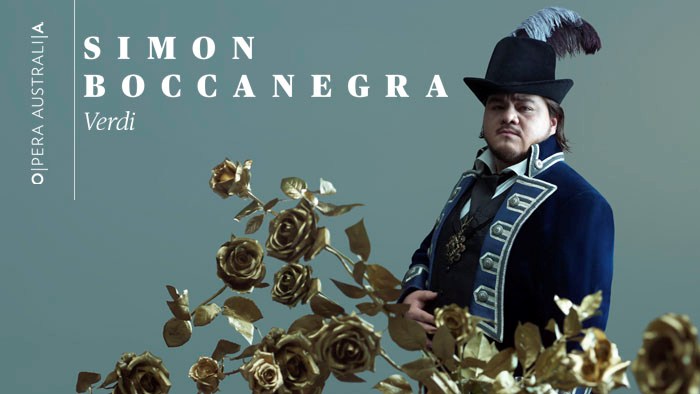
Simon Boccanegra

26 July 2016– 13 August 2016

Venue: Joan Sutherland Theatre

SimonBoccanegra

A powerful man. A past tragedy. A very present enemy.

Personal sacrifice meets political thriller in this vast opera by a master of the genre.

No composer rivals Verdi in his ability to draw the audience into complex political landscapes by telling intimate, personal stories.

The opera’s extraordinary musical demands and sprawling story make it a rarity on the opera stage.

Performed in Italian with English surtitles.

Artist Information

Under the baton of conductor Renato Palumbo (who conducts without a score), a major cast including Barbara Frittoli, Diego Torre, George Petean and Giacomo Prestia come together to bring this masterpiece to the Sydney Opera House stage.

Conductor Renato Palumbo
Director Matthew Barclay
Based on an original production by Moffatt Oxenbould
Set Designer Peter England
Costume Designer Russell Cohen
Lighting Designer Nigel Levings

Amelia Grimaldi Barbara Frittoli
Gabriele Adorno Diego Torre
Simon Boccanegra George Petean
Jacopo Fiesco Giacomo Prestia
Paolo Warwick Fyfe
Pietro Richard Anderson
Maidservant Rebecca Currier
Captain Stuart Haycock

Opera Australia Chorus
Australian Opera and Ballet Orchestra

Performance Dates

Running Time: Approximately 2 hours and 30 minutes (including one interval)

July

  1. Tue 26 Jul 16 7:30pm
  2. Thu 28 Jul 16 7:30pm
  3. Sat 30 Jul 16 7:30pm

August

  1. Tue 02 Aug 16 7:30pm
  2. Thu 04 Aug 16 7:30pm
  3. Sat 06 Aug 16 7:30pm
  4. Mon 08 Aug 16 7:30pm
  5. Wed 10 Aug 16 7:30pm
  6. Sat 13 Aug 16 1:00pm

SYNOPSIS

Prologue

(Act 1 in the 1857 Original)

A piazza in front of the Fieschi palace

Paolo Albiani, a plebeian, tells his ally Pietro that in the forthcoming election of the Doge, his choice for the plebeian candidate is Simon Boccanegra. Boccanegra arrives and is persuaded to stand when Paolo hints that if Boccanegra becomes Doge, the aristocratic Jacopo Fiesco will surely allow him to wed his daughter Maria. When Boccanegra has gone, Paolo gossips about Boccanegra’s love affair with Maria Fiesco – Boccanegra and Maria have had a child, and the furious Fiesco has locked his daughter away in his palace. Pietro rallies a crowd of citizens to support Boccanegra. After the crowd has dispersed, Fiesco comes out of his palace, stricken with grief; Maria has just died (Il lacerato spirito – “The tortured soul of a sad father”). He swears vengeance on Boccanegra for destroying his family. When he meets Boccanegra he does not inform him of Maria’s death. Boccanegra offers reconciliation and Fiesco promises clemency only if Boccanegra lets him have his granddaughter. Boccanegra explains he cannot because the child, put in the care of a nurse, has vanished. He enters the palace and finds the body of his beloved just before crowds pour in, hailing him as the new Doge.

Act 1

(Act 2 in the 1857 Original)

[Twenty-five years have passed. Historically the action has moved from 1339, the year of Simon’s election in the prologue, forward for acts 1, 2 and 3, to 1363, the year of Simon’s death]
[The Doge has exiled many of his political opponents and confiscated their property. Among them is Jacopo Fiesco, who has been living in the Grimaldi palace, using the name Andrea Grimaldi to avoid discovery and plotting with Boccanegra’s enemies to overthrow the Doge. The Grimaldis have adopted an orphaned child of unknown parentage after discovering her in a convent (she is in fact Boccanegra’s child, Maria (known as Amelia) named after her mother, and she is Fiesco’s granddaughter). They called her Amelia, hoping that she would be the heir to their family’s fortune, their sons having been exiled and their own baby daughter having died. Amelia is now a young woman.]

Scene 1: A garden in the Grimaldi palace, before sunrise

Amelia is awaiting her lover, Gabriele Adorno (Aria:Come in quest’ora bruna – “How in the morning light / The sea and stars shine brightly”). She suspects him of plotting against the Doge and when he arrives she warns him of the dangers of political conspiracy. Word arrives that the Doge is coming. Amelia, fearing that the Doge will force her to marry Paolo, now his councilor, urges Adorno to ask her guardian Andrea (in reality, Fiesco) for permission for them to marry: Sì, sì dell’ara il giubilo / contrasti il fato avverso – “Yes, let the joy of marriage be set against unkind fate”.

[1857 original version: the duet ended with a cabaletta (set to the same words as the 1881 text)[28] then “a coda and a battery of chords followed by applause.”]

Fiesco reveals to Adorno that Amelia is not a Grimaldi, but a foundling adopted by the family. When Adorno says that he does not care, Fiesco blesses the marriage. Boccanegra enters and tells Amelia that he has pardoned her exiled brothers. She tells him that she is in love, but not with Paolo who she refuses to marry. Boccanegra has no desire to force Amelia into a marriage against her will. She tells him that she was adopted and that she has one souvenir of her mother, a picture in a locket. The two compare Amelia’s picture with Boccanegra’s, and Boccanegra realizes that she is his long-lost daughter. Finally reunited, they are overcome with joy. Amelia goes into the palace. Soon after, Paolo arrives to find out if Amelia has accepted him. Boccanegra tells him that the marriage will not take place. Furious, Paolo arranges for Amelia to be kidnapped.

Scene 2: The council chamber

[1881 revision: This entire scene was added by Verdi and Boito in place of the 1857 scene, which took place in a large square in Genoa.]

The Doge encourages his councillors to make peace with Venice. He is interrupted by the sounds of a mob calling for blood. Paolo suspects that his kidnapping plot has failed. The Doge prevents anyone leaving the council chamber and orders the doors to be thrown open. A crowd bursts in, chasing Adorno. Adorno confesses to killing Lorenzino, a plebeian, who had kidnapped Amelia, claiming to have done so at the order of a high-ranking official. Adorno incorrectly guesses the official was Boccanegra and is about to attack him when Amelia rushes in and stops him (Aria: Nell’ora soave – “At that sweet hour which invites ecstasy / I was walking alone by the sea”). She describes her abduction and escape. Before she is able to identify her kidnapper, fighting breaks out once more. Boccanegra establishes order and has Adorno arrested for the night (Aria: Plebe! Patrizi! Popolo! – “Plebeians! Patricians! Inheritors / Of a fierce history”). He orders the crowd to make peace and they praise his mercy. Realizing that Paolo is responsible for the kidnapping, Boccanegra places him in charge of finding the culprit. He then makes everyone, including Paolo, utter a curse on the kidnapper.

Act 2

(Act 3 in the 1857 Original)

The Doge’s apartments

[1881 revised version: There are some small adjustments in this act which include expanding Paolo’s opening aria, thus giving him greater stature in the work: Me stesso ho maledetto! / “I have cursed myself”, the wording of which was originally: O doge ingrato … ch’io rinunci Amelia e i suoi tesori? / “O ungrateful Doge! … Must I give up Amelia and her charms”.]

Paolo has imprisoned Fiesco. Determined to kill Boccanegra, Paolo pours a slow-acting poison into the Doge’s water, and then tries to convince Fiesco to murder Boccanegra in return for his freedom. Fiesco refuses. Paolo next suggests to Adorno that Amelia is the Doge’s mistress, hoping Adorno will murder Boccanegra in a jealous rage. Adorno is furious (Aria: Sento avvampar nell’anima – “I feel a furious jealousy / Setting my soul on fire”). Amelia enters the Doge’s apartments, seeming to confirm Adorno’s suspicions, and he angrily accuses her of infidelity. She claims only to love him, but cannot reveal her secret – that Boccanegra is her father – because Adorno’s family were killed by the Doge. Adorno hides as Boccanegra is heard approaching. Amelia confesses to Boccanegra that she is in love with his enemy Adorno. Boccanegra is angry, but tells his daughter that if the young nobleman changes his ways, he may pardon him. He asks Amelia to leave, and then takes a drink of the poisoned water, which Paolo has placed on the table. He falls asleep. Adorno emerges and is about to kill Boccanegra, when Amelia returns in time to stop him. Boccanegra wakes and reveals to Adorno that Amelia is his daughter. Adorno begs for Amelia’s forgiveness (Trio: Perdon, Amelia … Indomito – “Forgive me, Amelia … A wild, / Jealous love was mine”). Noises of fighting are heard – Paolo has stirred up a revolution against the Doge. Adorno promises to fight for Boccanegra, who vows that Adorno shall marry Amelia if he can crush the rebels.

Act 3

(Act 4 in the 1857 Original)

[1857 original version: Act 4 opened with a double male voice chorus, and a confused dialogue involving references to details in the original play.]

Inside the Doge’s palace

The uprising against the Doge has been put down. Paolo has been condemned to death for fighting with the rebels against the Doge. Fiesco is released from prison by the Doge’s men. On his way to the scaffold, Paolo boasts to Fiesco that he has poisoned Boccanegra. Fiesco is deeply shocked. He confronts Boccanegra, who is now dying from Paolo’s poison. Boccanegra recognizes his old enemy and tells Fiesco that Amelia is his granddaughter. Fiesco feels great remorse and tells Boccanegra about the poison. Adorno and Amelia, newly married, arrive to find the two men reconciled. Boccanegra tells Amelia that Fiesco is her grandfather and, before he dies, names Adorno his successor. The crowd mourn the death of the Doge.

Synopsis by Wikipedia.org

Posted in OPera | Leave a comment

Carmen at the Oper Frankfurt

Operfrankfurt2016logo

Carmen

Georges Bizet 1838 – 1875

Opéra-comique in three acts
Libretto by Henri Meilhac & Ludovic Halévy after a novel by Prosper Mérimée (1845)
First performed March 3rd 1875, Opéra Comique, Paris
Special Frankfurt edition, based on Michael Rot’s edition, created by Constantinos Carydis
Spoken texts based on Henri Meilhac, Ludovic Halévy & Prosper Mérimée adapted by Barrie Kosky

Sung in French with German surtitles
duration: ca. 3hrs 30 mins, including one interval

Jun 2016
Fri 10. Wed 15. Fri 17. Sun 19. Sat 25. Wed 29.

July 2016
Sun 03. Thu 07. Mon 11. Thu 14. Sat 16.

The work on which the opera was based, Prosper Mérimée’s novel, Carmen (1845), reflected a fascination the French had in those days for all things Spanish. With its tabacco factory, gypsy and smuggler way of life it appealed to a romantic dream of a free existence. The librettists Meilhac and Halévy remained true to most of the novel but cleverly expanded the characters and the relationships between them. This resulted in the comparision of two very different women: Michaëla, representative of a classic idea of womanhood and Carmen, who stands for the spirit of the times. She is a cliché of a seductress, a femme fatale – but also embodies freedom and self-determination.
Lyric moments collide with the tremendous smugglers’ revue music: Bizet breaks down boundaries between genres with the use of unexpected breaks between the biting tone of opéra bouffe and deeper tragedy. His Carmen refuses to be categorised and, 130 years later, still opens inexhaustible avenues to interpretation.
According to statistics, Carmen is the most performed opera in the world. But it is precisely its popularity as the passionate love story, that obscures a study of social and ideological conflict, and therefore its true potential. Bizet’s score and his heroine refuse to be tied down. Who is Carmen? A factory worker from Seville? A vamp? A victim? Carmen will not divulge her secret: she only knows that fate is unavoidable.

FREE CHILDMINDING during the performance on June 19th, at 3.30pm!

All Casts

Carmen Paula Murrihy / Tanja Ariane Baumgartner
Don José Joseph Calleja / Luc Robert
Michaëla Karen Vuong / Juanita Lascarro
Escamillo, Torero Daniel Schmutzhard / Andreas Bauer
Moralès, Dancairo Sebastian Geyer
Remendado, a smuggler Michael Porter
Frasquita, gypsy Kateryna Kasper / Katharina Ruckgaber
Mercédès, gypsy Elizabeth Reister / Wallis Giunta
Zuniga, Captain Kihwan Sim

Artistic Team
Conductor Constantinos Carydis
Director Barrie Kosky
Stage & Costume Designer Katrin Lea Tag
Lighting Designer Joachim Klein
Choreography Otto Pichler
Dramaturgy Zsolt Horpácsy
Chorus Master Tilman Michael
Children’s Chorus Director Markus Ehmann


SYNOPSIS

Seville.
Moralès and his soldiers look on as men pester a young woman, Micaëla, who is looking for sergeant Don José. She runs off, saying that she will come back when José is back on duty. The women who work at the cigarette factory are taking a break, surrounded by men. Carmen has the most admirers. Only one man, José, takes no notice of her until she throws him a flower. He is confused and fascinated by her, and pleased when he sees Micaëla again. She, an orphan raised by José’s mother, gives him a letter, money and, best of all, a kiss from his mother, which makes him forget seductive Carmen for a moment. Carmen is arrested for injuring one of her colleagues in the factory with a knife. Lieutenant Zuniga orders José to take her to prison. She seduces José with song and promises of love. He helps her escape, and is arrested.

Lillas Pastia’s tavern.
Carmen and her friends Mercédès and Frasquita work with the smugglers Dancaïro and Remendado. Escamillo, the winner of the bullfight in Granada, appears. He is strongly attracted to Carmen, who is waiting for José, who is due to be released from prison that day, the reason why she refuses to take part in the next smuggling operation. José arrives at last. While Carmen dances for him, the tattoo is heard. The soldier, conscious of his duty, tells Carmen he must go. She is furious with him and doubts his love. Lieutenant Zuniga suddenly appears. José, driven by jealousy, attacks his superior. Zuniga is disarmed by the smugglers. There is now no turning back for José, he deserts.

INTERVAL

In the mountains.
The smugglers try and transport their wares to Seville under the cover of darkness. José now lives with them and Carmen, who is fed up with his jealousy. The cards prophesy that both will die. When Escamillo, searching for Carmen, meets José they fight a duel, during which Carmen saves Escamillo’s life. He invites her and the smugglers to the bullfight in Seville. Micaëla bravely approaches the smugglers to try and persuade José to come home. Only the news that his mother is on her deathbed can move him to follow Micaëla.

Outside the bullring.
Escamillo enters the arena for the bullfight, cheered by the people. Carmen wants to follow him. José blocks her way. José begs Carmen, for the last time, to follow him and start a new life. She refuses, throwing the ring he gave her to the ground. José stabs Carmen.

 GALLERY


Posted in OPera | Tagged , , , | Leave a comment

La Traviata at the National Theatre in Prague

traviataTitle

Information

Conductor: Jaroslav Kyzlink
Stage director: Jana Kališová
Sets: Miloň Kališ
Costumes: Jan Růžička
Chorus master: Pavel Vaněk
Choreography: Jaroslava Leufenová

Please accept our sincere apologies for the cancellation of the performance. We will, of course, return to you the full price of the ticket. If you purchased your tickets by card payment online or through credit transfer – You need not do anything; we will refund the amount automatically to your account, no later than within 14 days. If you purchased your tickets at National Theatre box offices – upon presenting the valid ticket/s within 14 days from the date of the cancelled performance, we will refund the amount at one of our box offices. If you purchased your tickets at our contractual dealers (ColosseumTicket, Bohemia Ticket, Ticketportal, Ticketpro, Ticket Art) – the price will be paid back to you at the place where you purchased the ticket/s. Should you have any questions, feel free to contact us: info@narodni-divadlo.cz, +420 224 901 448.

National Theatre Orchestra
National TheatreChorus
Ballet of the National Theatre Opera

Premiere: February 21, 1998

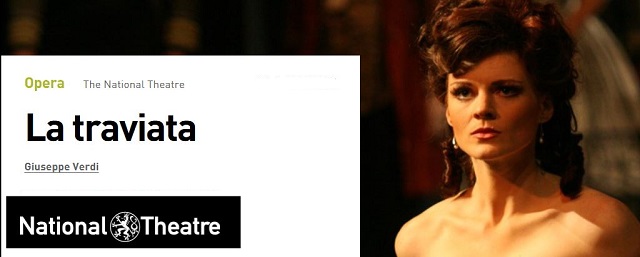
The operatic story loosely based on Dumas’s novel La Dame aux Camélias about the sick courtesan Violetta and her vain desire to extricate herself from the conventions of society has been tugging at audiences’ heartstrings for more than 150 years. Verdi’s moving music romantically idealises Violetta’s ill-fated love for Alfredo and addresses the spectator not only with its theatrical eff ectiveness but also, and primarily, profound and emotive lyrics.

The opera is staged in Italian original version. Czech and English surtitles are used in the performance.

Approximate running time, including intermissions: 2 hours, 40 minutes, two 20-minute intermissions.

Photos: Hana Smejkalová

GALLERY

PERFORMANCES

June 2016

  • 13 Monday  (canceled)
  • 29 Wednesday <!–RE–>

September 2016

  • 10Saturday <!–RE–>

October 2016

  • 04 Tuesday <!–RE–>
  • 18 Tuesday <!–RE–>
  • 31 Monday <!–RE–>

January 2017

  • 02 Monday <!–RE–>

February 2017

  • 19 Sunday

CAST

cast1

cast5


cast2 cast4


cast3


Posted in OPera | Tagged | Leave a comment

Le Nozze di Figaro in Norway

marriagetitle

logonorway

JUNE 11,-26 2016

The Marriage of Figaro has entertained audiences for well over 200 years. Mozart’s melodic inventiveness is limitless, the comedy is excellent and the strong emotions in the opera are still painfully recognizable. From the energetic overture to the gripping finale, The Marriage of Figaro draws a broad picture of human desire: from Cherubino’s naïve enthusiasm via Count Almaviva’s raw lust to the Countess’s painful resignation and forgiveness.
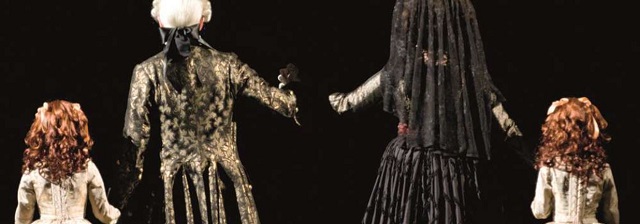
marriageNorskTitle

Figaro is the same character as the one we meet in Rossini’s The Barber of Seville (first performed 30 years after The Marriage of Figaro). Both are based on the plays by Pierre Beaumarchais. In Mozart’s opera, the cunning barber has fallen in love with Susanna and wants to marry her. But like everything else in Figaro’s life, the situation is fraught with complications. When Count Almaviva invokes his right to spend a last night with the young and beautiful bride, the bridegroom sees an opportunity to teach his master a lesson. The result is a bewildering assortment of complications, dangers, seductions and disguises.

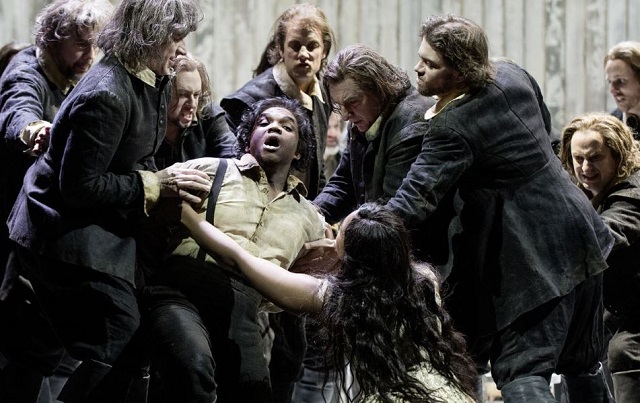
Thaddeus Strassberger’s production was a success with both audiences and critics when it premiered in January 2010, and again in 2013. The action and costumes are set against the backdrop of an 18th century Spanish estate, with bustling, fairytale sets.

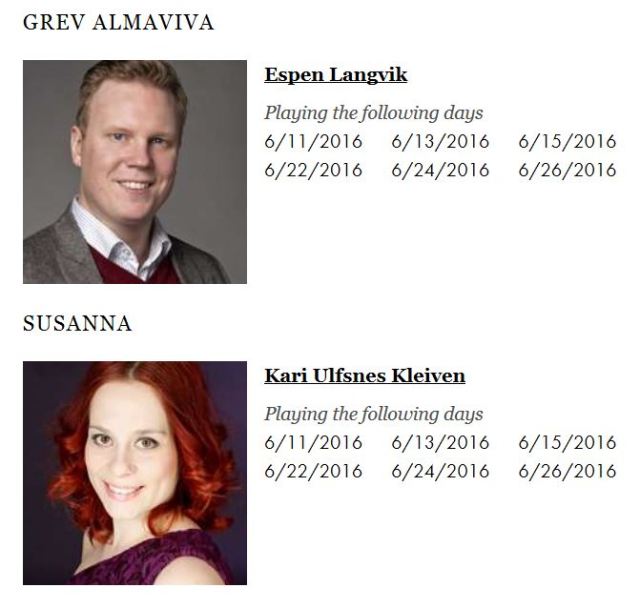
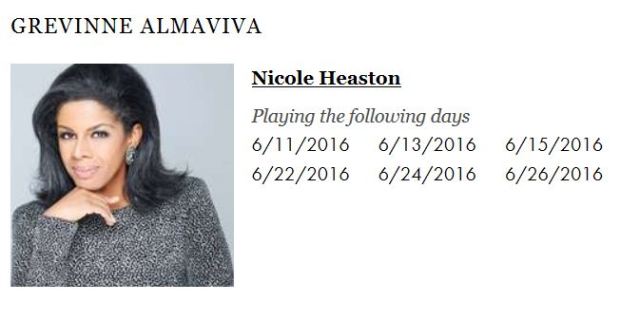
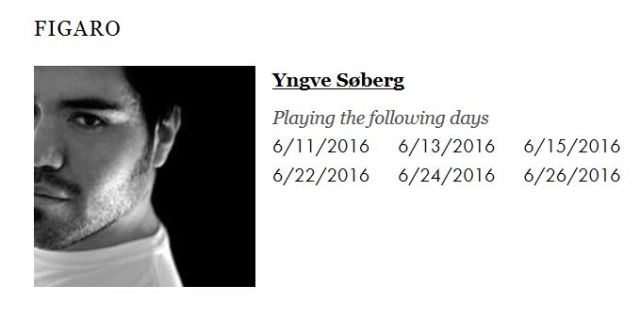
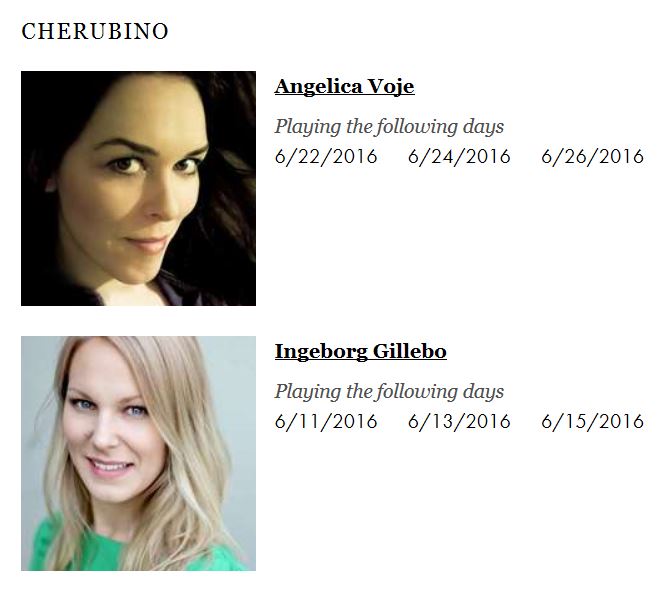
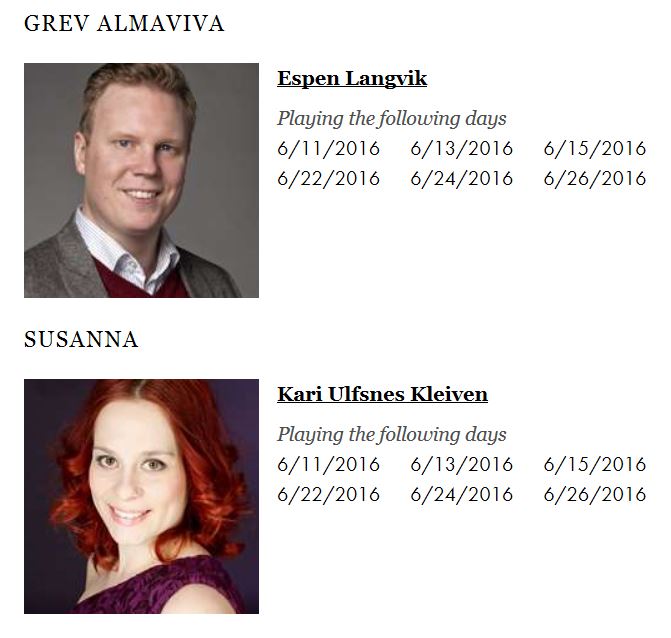
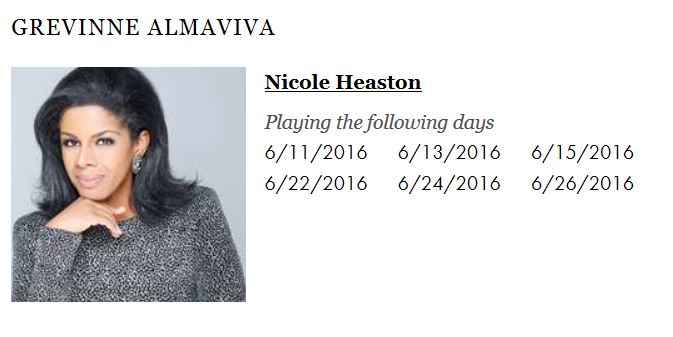
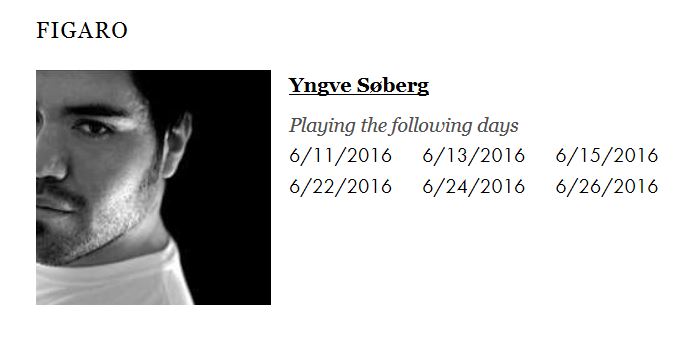
Once again we present an extremely strong cast, including Nicole Heaston, who charmed audiences in Alcina in spring 2014. “When she sings, the energy swirls around her and is flung out again across the audience in waves of sensuality and sorrow,” wrote the Morgenbladet critic at the time. As the heartsick Countess, she meets Audun Iversen in the role of the Count. We will also hear from Kari Ulfsnes Kleiven, Yngve Søberg and Ingeborg Gillebo.
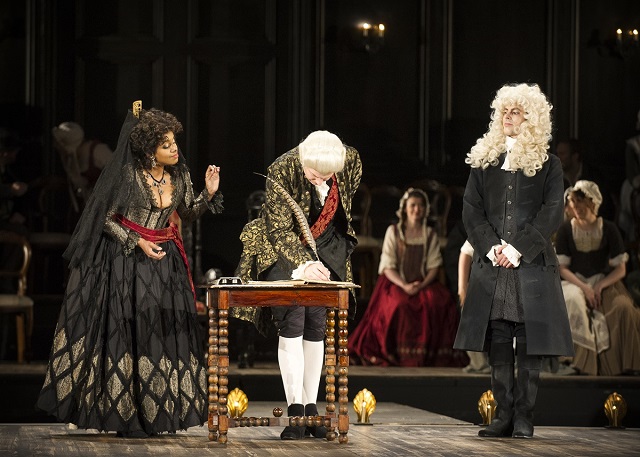
Regi: Thaddeus Strassberger, Dirigent: Rinaldo Alessandrini, Nicole Heaston as the Countand Countess Almavira

Director, Thaddeus Strassberger, Conductor: Rinaldo Alessandrini, Nicole Heaston as Countess Almavira

Voice of the revolution

The Marriage of Figaro was composed just two years after the outbreak of the French Revolution in 1789. The relationship between master and servant in the opera was political dynamite at the time. The 1784 Pierre Beaumarchais drama La folle journée, ou le Mariage de Figaro, on which the opera is based, was initially banned in Vienna. Placing nobleman and servant on an equal footing – even suggesting that a servant might be better than his master – was interpreted as a sharp criticism of the aristocracy. Lorenzo da Ponte, who wrote the libretto, thus had to dampen the political overtones. For example, Figaro’s lengthy monologue criticizing the hereditary rights of the upper class became a story about unfaithful women. This tension between master and servant is made plain in Strassberger’s production. The revolution and revolt are coming.
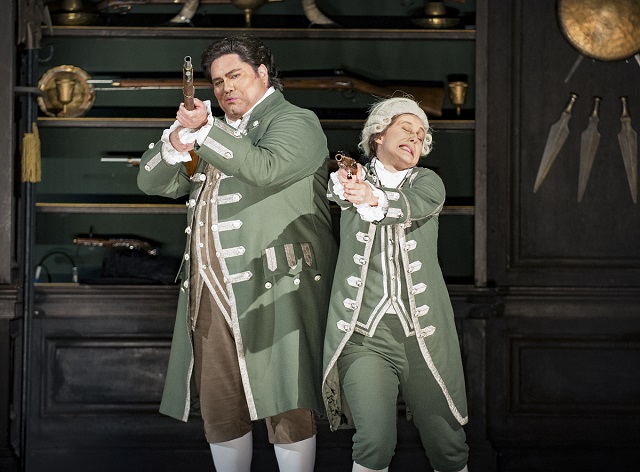
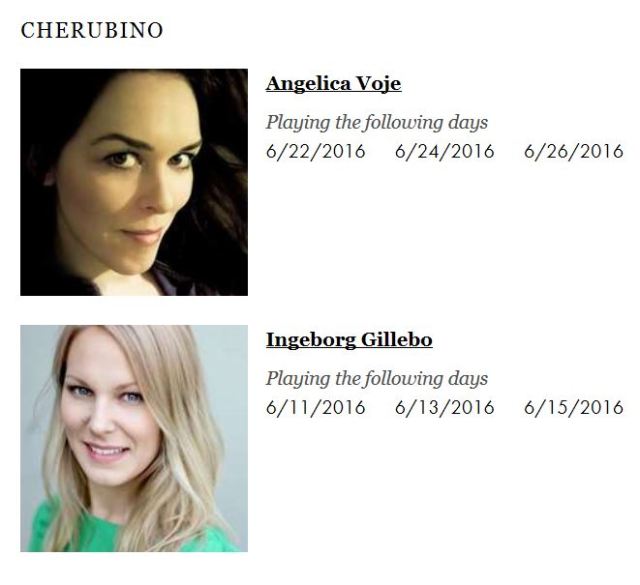
Regi: Thaddeus Strassberger, Dirigent: Rinaldo Alessandrini, Ingeborg Gillebo as Cherubino, Yngve Søberg as Figaro

Regi: Thaddeus Strassberger, Dirigent: Rinaldo Alessandrini, Ingeborg Gillebo as Cherubino, Yngve Søberg as Figaro

Original title Le nozze di Figaro

Music Wolfgang Amadeus Mozart

Libretto Lorenzo da Ponte

Conductor Rinaldo Alessandrini
Direction Thaddeus Strassberger
Set design and costumes Kevin Knight
Lighting design Bruno Poet

Cast

Figaro              Yngve Søberg
Susanna           Kari Ulfsnes Kleiven
Countess Almaviva       Nicole Heaston
Count Almaviva            Audun Iversen
Cherubino        Ingeborg Gillebo, Angelica Voje
Marcellina        Ingebjørg Kosmo
Bartolo             Ketil Hugaas
Basilio             Helge Rønning
Don Curzio       Petter W. Moen
Antonio            Øystein Skre
Barbarina         Vigdis Unsgård
Household Servants  Ingeborg Barstad, Désirée Baraula

The Norwegian National Opera Chorus, The Norwegian National Opera Orchestra / Performed in Italian with Norwegian and English subtitles / Free introduction one hour before the performance

Characters in Le nozze di Figaro

Count Almaviva
The head of a large feudal estate called Aguas Frescas. He «must be played with a great nobility, as well as charm and informality. His complete lack of any moral fiber should not make him any less a ‘perfect gentleman’ as far as his manners are concerned. In the bad old days it was by no means unusual for our betters to be very irresponsible when it came to adventures with young women. This role is perhaps more difficult to play today, as he must perform actions with which the audience can certainly never identify.» *

Countess Almaviva
His wife. Well-known from the play and opera Il Barbiere di Siviglia by the given name, Rosina, her fun-loving youth has given way to heartbreak in a marriage that is devoid of love and affection. «A prey to conflicting emotions, she must be very restrained in showing her feelings, and keep her anger well under control: above all else, her charmand innocence must be clear to the public. It is certainly one of the most difficult roles in the play.»*

Figaro
The Count’s faithful servant, and ultimately somehow, his competition. Previously in his role as the famous Barber, he was beholden to no one, but now is solely in the employ of the Count. The Count’s heartless pursuit of Susanna requires that Figaro conspire against his master. «It is impossible to over-emphasis how important it is for anyone playing this part to immerse himself absolutely in the character. If her were to see in it anything other than common sense, leavened with a sense of humor and a quick wit, or, worse be tempted to overplay it in any way, he would coarsen a role that has been described as a challenge to the talents of any actor capable of grasping its many subtleties and rising to its overall demands.»

Susanna
Maid to the Countess. She is a «clever and entertaining young woman, always laughing, but without the irreverence of the traditional cheeky maid in French comedy.»*

Marcellina
A member of the household, she formerly performed the duties now assumed by Susanna. She has been «demoted’ to the role of Governess for the Countand Countess twin daughters. She «is an intelligent woman, emotional by nature, but chastened by experience and her earlier mistakes.»*

Dr. Bartolo
A lawyer from Seville, who once was in love with Rosina, who is now the Countess Almaviva. Still angry at having lost his young lover, he helps Marcellina, his former mistress, attempt to win Figaro for her as a husband. The scandal is revealed and they discover that Figaro is their son.

Cherubino
A page in the Count’s household. A young teen, he is beginning to feel sexual stirrings; he is infatuated with many of the females on the estate, including the Countess, Susanna, Barbarina and even Marcellina.

Basilio
The Count’s Music Master. He has travelled the world, but in his role in the stifling household, he has intimate access to many people and acts as a court gossip monger.

Antonio
The chief gardener. He is also Susanna’s uncle as well as Barbarina’s father. «He should only be mildly drunk, and by the end, we should be barely aware of it.»

Don Curzio
The Notary of the district. However, in this role he is generally ineffective, failing to understand the cases that are put before him as well as the events that have taken place during the day.

Barbarina
Antonio’s youngest daughter, barely a teenager. Already at her tender age, she is caught in the net of the men around her, and ably maneuvers around them to her advantage.

Household Servants
The large household requires dozens of servants to support the family. Grooms, huntsmen, laundrymaids, chambermaids, housekeepers, cooks, scullery, musicians, entertainers, footman and pages work ceaselessly to provide comfort and pleasure to the Almaviva’s.

Peasants
An even larger number of serfs toil in the land, harvesting grapes, making wine, cultivating all sorts of agriculture and livestock, both for consumption of the family, and for selling at a profit for the benefit of Almaviva himself.

GALLERY

 SYNOPSIS

Act 1

Figaro well known throughout the region as the “Barber of Seville” and his young bride, Susanna, are to marry today. He is now the valet of Count Almaviva, and she the maid of his wife, Countess Rosina, and they are senior members of a sizable household staff. Susanna tells Figaro that the count has been trying to seduce her. Figaro, hurt and angered, plots to teach the Count a lesson. Dr. Bartolo arrives with his former servant and duenna of the Almaviva’s children, Marcellina. She is determined to be repaid an old loan made to Figaro. According to the contract Figaro must either repay her or else marry her. Marcellina accidentally confronts her younger rival Susanna and is further incensed. Interrupting Susanna’s busyday, the young page Cherubino enters. He wants Susanna to plead on his behalf with the Countessto reinstate him in the Count’s good graces—theCount has banished him after finding him with the gardener Antonio’s daughter, Barbarina. They hear the Count approaching, and Cherubino hides. The Countattempts to arrange a rendezvous with Susanna,and he, too, hides when Don Basilio, the music master at Aguas Frescas, arrives. As Basilio gossips with Susanna about Cherubino’s infatuation onthe Countess, the jealous Count reveals himself. Ashe tells how he found Cherubino with Barbarina, he discovers Cherubino in yet another compromising situation. Figaro has gathered the peasants from the estate to hail the Count’s decision to abolish his ancient right to deflower his female servants on the night of their wedding; he enters and begsthe Count to marry him to Susanna immediately.Using Cherubino as a distraction, the Count avoidsan instant wedding by instead ordering the young page to join his personal regiment in the army and summarily dismisses the peasants. Figaro paints a vivid portrait of how the gallant Cherubino’s life is soon to change.

Act 2

The Countess is heartbroken by her husband’srepeated infidelities. As Susanna dresses the Countess for the day, Figaro arrives to update the ladies on his scheme. He has sent the Count an anonymous note telling him that the Countess is expecting a lover while he is out hunting. Figaro hopes to keep the Count embroiled in this ruse to deflect his attention from Marcellina’s troublesome claim. Figaro also asks Susanna to arrange a rendezvous with the Count later on that evening in the garden. He plans for Cherubino, dressed as a girl, to go in Susanna’s place. The Count will be humiliated and forced to mend his ways. As Rosina and Susanna begin to disguise Cherubino, Susanna leaves the room for a moment. The Count arrives in a jealous fury, having read the anonymous note.He knocks on the bedroom door and finds it locked. A terrified Cherubino locks himself in the closet while the flustered Countess then unlocks her door for the Count. Susanna re-enters, unnoticed. The Countess refuses to unlock the closet, so the Count leaves, taking the Countess with him, in search of tools to break the lock. Susanna helps the page escape through the window, and then she hides in the closet, surprising both the Count and Countess when they find her there. Figaro arrives and tries to get everyone to come to the wedding festivities.When Antonio the gardener enters and claims someone has jumped out of the window, Figaro takes the blame. Marcellina bursts in with the notary Don Curzio, Bartolo and Basilio and demands hercase against Figaro be heard.

Act 3

As the Count tries to clear his head for the impromptu deliberations over Marcellina’s case against Figaro, the Countess alters Figaro’s plan: Susanna will ask the Count to meet her in the garden that evening, but the Countess herself will goin her place. The Count eagerly agrees to meet Susanna, but he hears her tell Figaro that they have already“won the case” and he is once again filled with suspicion. Cherubino is spirited away by Barbarina in an effort to avoid the Count for even a few hours longer. Rosina, alone in her chamber, laments that she is reduced to the petty plots of her servant; she desires only to be loved and adored again. Don Curzio, the notary, has determined that Figaro must either pay off the old debt or marry Marcellina. Figaro claims that, as the son of an aristocrat, he cannot marry without the consent of his parents, and since he was a foundling, he doesn’texpect to be able to find them. Hearing the story of his childhood abduction, Marcellina realizes that she is Figaro’s mother and reveals that his father is Dr. Bartolo. Susanna unexpectedly appears with perfect timing, bringing the money the Countess has given her to pay off Figaro’s debt. Enraged at seeing Figaro embrace Marcellina, she is placated when she understands the true situation. A double wedding is declared, so that Marcellina and Bartolomay legitimize their relationship and son as well.Antonio once again disrupts the plans. He informs the Count that Cherubino is indeed still at Aguas Frescas, against the Count’s previous orders.The Countess dictates a note for Susanna to give to the Count, specifying the location of their supposed rendezvous later that evening in the garden. During the wedding festivities, Susanna slips thisnote to the Count. The Count is to return a pin used to seal the note as an acknowledgment that he will meet her. He gives the pin to Barbarina to give to Susanna.

Act 4

Barbarina is looking both for Cherubino and for the pin the Count gave her. She tells Figaro what has happened, and he believes that Susanna plans to betray him. Crushed, he hides in the garden and plans his revenge. Susanna baits the trap and sings of her love for the Count, as the Countess transforms herself into the guise of Susanna. Their scenario to fool the Count is disrupted by the arrival of Cherubino. Figaro eventually realizes what is going on and gets even with Susanna by wooing her in her Countess disguise. Mistaking Susanna for his wife, the Count attempts to “expose” her, but when the real Countess appears, the Count is the one who must ask for forgiveness.

Main roles  
cast1 Cast2 cast3 cast4

Posted in OPera | Leave a comment

“Le Nozze di Figaro” at the Bayerische Staatsoper

nozze_title

bayerische_logoOpera buffa in four acts

Composer Wolfgang Amadeus Mozart · Libretto by Lorenzo da Ponte
In Italian with German surtitles

Saturday, 11. June 2016
07:00 pm – 10:40 pm
Nationaltheater

Duration est. 3 hours 40 minutes · 1 Interval between 1. + 2. Akt and 3. Akt (est. 08:45 pm – 09:15 pm )
OTHER PERFORMANCES
Tuesday June 14 · 06:30 PM · Nationaltheater
Saturday June 18,   07:00 PM · Nationaltheater
Sunday November 13, 06:00 PM · Nationaltheater
Wednesday November 16, 07:00 PM · Nationaltheater
Friday November 18 07:00 PM · Nationaltheater
Sunday November 20 06:00 PM · Nationaltheater

When the servants marry, the Count wants to have a little (more) fun in the bargain. He craves the first night with Susanna, the chambermaid. Figaro is not amused. The countess and Susanna make common cause. Double disguises and then some – and even more complications. Everybody wants everyone else – which doesn’t always pan out. Nobody could lust after anyone to more glorious music. Summary: men are different – and so are women!

Conductor Ivor Bolton

Production Dieter Dorn

Sets and costumes Jürgen Rose

Lights Max Keller

Dramaturgy Hans-Joachim Rückhäberle

Choir Master Stellario Fagone


Il Conte di Almaviva
Markus Eiche
La Contessa di Almaviva
Guanqun Yu
Cherubino
Anett Fritsch
Figaro
Ildebrando D’Arcangelo
Susanna
Tara Erraught
Bartolo
Alexander Tsymbalyuk
Marcellina
Heike Grötzinger
Basilio
Ulrich Reß
Don Curzio
Kevin Conners
Antonio
Peter Lobert
Barbarina
Leela Subramaniam
Mädchen Sopran Solo
Anna Rajah
Mädchen Mezzo Solo
Marzia Marzo
  • Bayerisches Staatsorchester
  • Chorus of the Bayerische Staatsoper

GALLERY:

SYNOPSIS
Act One

Count Almaviva lusts after Susanna, the bride-to-be of Figaro, his personal servant. With the help of bribes and sweet talk he hopes to get Susanna to grant him what he has officially renounced, namely his droit de seigneur. As he obviously does not intend to be satisfied with just the one night, however, the Count has allocated the young couple a room to which he has easy access. Figaro is completely preoccupied with the furnishings in this room while Susanna seeks to enlighten him as to the Count’s true motives. Figaro is confident that he will be more than equal to whatever situation arises, he has every faith in his own cunning and powers of intrigue. But the Count is not the only threat to his happiness: Marcellina believes that she is justified in hoping that Figaro will marry her. She holds a promissory note, signed by Figaro in return for some money she lent him which binds him to marry her if he cannot repay the money.
Dr. Bartolo, an advocate, is going to present Marcellina’s claim before the court. Further confusion is caused by Cherubino, the page, who seems to fall in love with every female he meets, with true adolescent enthusiasm. He has already poached on the Count’s preserves by paying court to Barbarina, the gardener’s daughter. As the Count has sacked him as a result of this, Cherubino asks Susanna to get the Countess to intercede on his behalf. Events happen in a rush: When the Count appears unexpectedly, Cherubino has to hide, and when Basilio, the music teacher, enters, the Count hides as well. When he realizes that Cherubino is also party to his wooing of Susanna, the Count presents him with an officer’s commission in order to get rid of him. In the meantime Figaro has set about putting his plan into action. He has summoned the Count’s female subjects to thank him for renouncing his droit de seigneur. Figaro is counting on the Count being so taken by surprise that he, Figaro, will be able to persuade him to have the marriage solemnized immediately. But the Count manages to delay the ceremony by promising Figaro a great celebration; he hopes that Marcellina’s claim will be settled.nozze7

Act Two

The Countess is very sad because she feels that she has lost her husband’s love and is prepared to go to almost any lengths to win him back. For this reason she agrees to Figaro’s plan to arouse the Count’s jealousy by sending him an anonymous letter. At the same time Susanna is to agree to meet the Count secretly, but Cherubino will turn up at the meeting-place instead, wearing Susanna’s wedding-dress.
Just as Cherubino is being dressed for his role, the Count returns early from hunting. His suspicions are aroused by the anonymous letter and he sees them confirmed by the fact that the door to the Countess’ rooms is locked. When the Countess lets him in and he hears a noise coming from her bedroom, the door of which is, however, also locked, everything seems clear – his wife is unfaithful to him! As the Countess refuses to give him the key he intends to open the door by brute force. He leaves the room, with the Countess, to fetch the necessary tools, and he locks the door behind him. Susanna, who has remained unobserved in an ante-room throughout all this, manages to change places with Cherubino. The page escapes by jumping out of the window.
When the Count and Countess return, she tells her husband the truth: that it is Cherubino who is in the room. But then Susanna emerges from the bedroom – to the great surprise of both the Count and his wife. The Countess keeps her wits about her and pretends that this is a deliberate surprise intended to teach the Count a lesson and punish him for his jealousy. Only with great difficulty does the Count manage to gain her forgiveness and restore peace and harmony. Unfortunately, however, Cherubino’s jump out of the window has not gone unnoticed. Antonio, the gardener, plans to sue the man who has destroyed his flowers. The commission papers found in the flower-bed implicate Cherubino, but Figaro, with the help of Susanna and the Countess, manages to take the blame himself.
The act ends tumultuously: Marcellina and her allies institute official proceedings against Figaro.nozze3

Act Three

A new intrigue is being planned, in which the Countess takes the initiative. Susanna is to promise to meet the Count, but it will be the Countess who turns up wearing Susanna’s wedding-dress.
The Count thinks he has finally achieved his heart’s desire but then realizes, as a result of something Susanna says, that he is to be deceived. He orders Don Curzio, the judge, to carry out the court’s ruling – Figaro must pay his debts or marry Marcellina.
When judgement is being pronounced in the court, all the complications are solved as if by magic. It transpires that Figaro is the son of Marcellina and Bartolo and was abducted by robbers when he was a baby. So now there will be a double wedding. Marcellina will marry Bartolo, Susanna her Figaro.
But the intrigue is not over yet. The Countess dictates to Susanna a letter to the Count, naming the place at which he is to meet her in the evening. The girls from the village come to pay homage to the Countess, among them Barbarina and Cherubino in disguise. The page is again discovered but is rescued by Barbarina, who uses her influence with the Count, who has made her several promises in return for her caresses.
During the wedding ceremony Susanna slips the letter to the Count. It is sealed with a pin and this time the Count trusts in the message it contains.nozze10

Act Four

Figaro accidently meets Barbarina, who is acting as the Count’s messenger and is to return the pin to Susanna to confirm their tryst. While Barbarina is looking for the pin, which she has mislaid, Figaro learns of the tryst. He has no knowledge of the intrigue and is beside himself with jealousy. He swears to have his revenge and be an example to all men whose wives have been unfaithful. He arranges for all concerned to come to the place where Susanna is to meet the Count.
The swapping of clothes works. Cherubino and Figaro think that the Countess is Susanna, as does the Count, who declares his love for her with great passion. Figaro is eavesdropping on the scene and rushes in, jealous. Susanna, disguised as the Countess, avails herself of this opportunity to approach Figaro, who then quickly sees through the disguise.
The Count catches the two of them and demands that the supposed adultress should be severely punished. But now the Countess reveals her true identity. The Count has to take back all his accusations, rather shamefacedly, in front of all the witness he has summoned, and admit his own guilt. The Countess forgives him and the celebrations can begin.

Translation: Susan Bollinger

© Bavarian State Opera

Posted in OPera | Tagged , , , , , , | Leave a comment

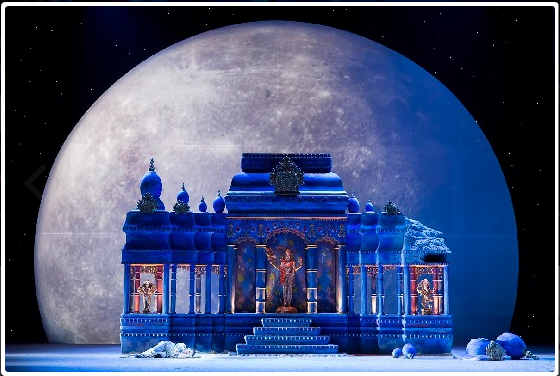
Les Pecheurs de Perles in Tel Aviv

logoisraeliopera

Les Pecheurs de Perles

Georges Bizet

Passionate love and true friendship are juxtaposed as Nadir and Zurga fight for the love of the priestess Leila.
Bizet’s exotic opera, set in Sri Lanka, is full with beguiling arias, duets and chorus numbers.

New Production | Sung in French | Duration: 2 hours and 30 minutes

Libretto: Eugene Cormon and Michel Carre

pecheurs1
PecheursSchedule

Conductor Steven Sloane
Ethan Schmeisser
Director Lotte de Beer
Set Designer Marouscha Levy
Costume Designer           Jorine van Beek
Lighting Designer Alex Brok
Video Designer Finn Ross

Among the soloists:

The Israeli Opera Chorus
Chorus Master : Ethan Schmeisser

The Opera Orchestra – The Israel Symphony Orchestra Rishon LeZion

English & Hebrew Surtitles
Translation : Israel Ouval

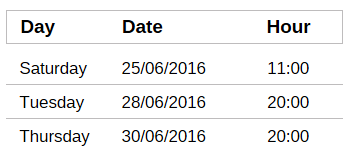
*TOWARDS OPENING – SAT, 25.6.16, 11:00
** PREMIÈRE – TUE 20:00 28.6.16

GALLERY (Photo copyright Israeli Opera)

SYNOPSIS
Act I
On the evening of the pearl fishers’ annual expedition in Ceylon, the people choose their leader. Zurga is elected. After many years, Nadir, a hunter, visit Zurga, his boyhood friend. As young men, the two were once in love with the same woman. Both swore not to pursue her so as not to endanger their friendship. Zurga sees a boat approaching: it must be the priestess whose task it is to keep the pearl fishers from harm during their expedition. The veiled priestess takes a vow of celibacy and loyalty for as long as she prays and sings for the pearl fishers on a rock.
Nadir and the priestess recognize each other: she is Leila, the woman the two men once fell in love with. Alone, Nadir sings of his love of Leila. However, his conscience plagues him because he has betrayed his friendship with Zurga. Nourabad, the high priest, brings Leila to the rock upon which she will sing to calm the sea. Nadir steals up to her and listens. Leila sings – but it is not clear whether her song n intended for the god or her beloved Nadir.

Act II
Nourabad leads Leila to a temple where she is to spend the night. Leila tells him a story of how once as a young girl she saved a fugitive from his enemies. As a sign of his gratitude, the fugitive made her a present of a necklace. Fearful of the night Leila yearns for the protective arms of Nadir. Nadir arrives but in order not to break her oath, Leila urges him to leave. Nadir stays and they confess of their love to each other.
Nourabad discovers the couple. Guards capture the fleeing Nadir and the tribe of the pearl fishers demands that the two lovers will be put to death. However, Zurga pardons them. At the command of the high priest, Leila removes her veil. Only now does Zurga recognize her as the woman he and Nadir once fell in love with. He immediately retracts his pardon. The two are to be executed.

Act III
Zurga is torn between anger and grief. He does not want to punish his friend and the woman of his dreams. Leila begs Zurga to let Nadir go and says that she is alone to blame for her breaking her oath. However, because this sacrifice is further proof of her deep love of Nadir, Zurga’s jealousy increases to a veritable fury and her rejects her pleadings.
Leila gives her necklace to one of the guards, asking him to take it to her mother after her execution. Zurga recognizes the necklace. In the dead of the night, preparations are under way to lead Nadir and Leila to the pyre. The lovers say their last farewells. Zurga cries out that a fire is raging in the camp and everyone rushes to the camp.
Zurga frees Nadir and Leila. He returns her necklace to her. Because she once saved his life, he now wishes to save hers. It was he himself who started the fire in the camp. They say goodbye to each other and Leila and Nadir escape. Zurga stays behind, alone, and waits for the revenge of the pearl fishers.

Posted in OPera | Tagged , , , | Leave a comment