Salome in Poland

salomeTitlepolandlogoMusic drama in one act
Libretto: Richard Strauss after Oscar Wilde
World premiere: 9 December 1905, Semperoper, Dresden
Premiere of this production: 23 October, National Theatre, Prague
Premiere at the Teatr Wielki – Polish National Opera: 22 March 2016
Co-production: National Theatre, Prague

In the original German with Polish surtitles.

22 March 2016 Tuesday 19:00 Moniuszko Auditorium

23 March 2016 Wednesday 19:00 Moniuszko Auditorium

24 March 2016 Thursday 19:00 Moniuszko Auditorium


Salome6

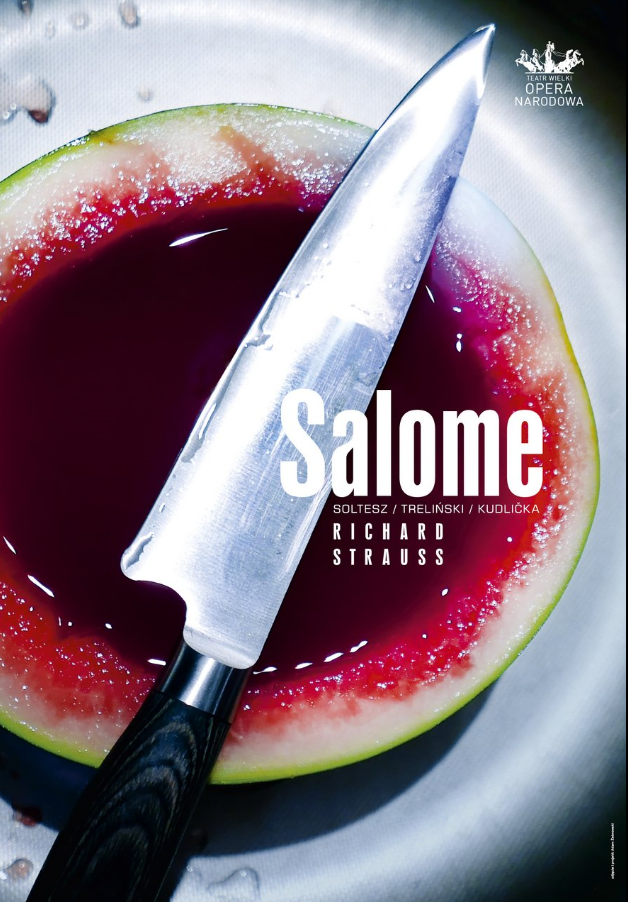
Salome, alongside Elektra, is considered to be one of the most powerful of Richard Strauss’s works. This completely modern staging explores the hidden family relations between a stepfather (Herod), his stepdaughter (Salome) and her powerlusting mother (Herodias). This family drama is at the same time a tragedy of faith, despair, fear and helplessness, in which the title character plays her game with the prophet Jochanaan, the elusive object of her obsessive desire — or perhaps just a voice, a hallucination, a phantasm imposing a powerful metaphysical anxiety upon reality?

The game takes place also between Salome and Herod, her perverse stepfather, living in constant fear of death and that which is final. The heroine, through her desire to capture the elusive, makes an absurd request: she wants the head of the prophet on a silver platter. In the staging this biblical drama is played out simultaneously in a wealthy bourgeois world and in a space between reality and fantasy.

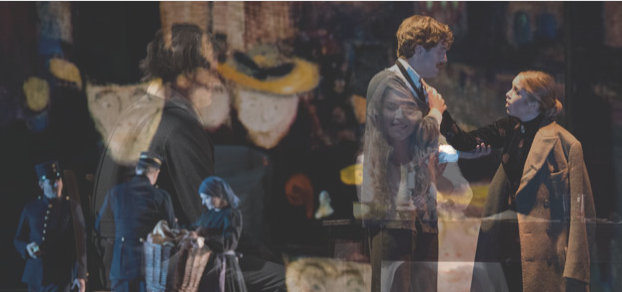
The modern fragmentary narrative — a trademark of Mariusz Treliński’s style — forms a series of subtle images and visions of a world only seemingly stable, over which hangs the threat visible in the first signs portending tragedy.

GALLERY (Photos Opera Narodowa)


CAST

Jacek Laszczkowski  Herod

Veronika Hajnová  Herodias

Erika Sunnegårdh Salome

Jacek Strauch  Jochanaan

Pavlo Tolstoy Narraboth

Marta Motkowicz  The Page of Herodias

Stefan Soltesz Conductor

  • Mariusz Treliński Director
  • Boris Kudlička Set designer
  • Marek Adamski Costume designer
  • Tomasz Wygoda Choreography
  • Piotr Gruszczyński  Literary consultant
  • Orchestra of the Teatr Wielki – Polish National Opera
    Dancers and mimes
Posted in OPera | Tagged , , , | Leave a comment

La Boheme at the Royal Opera in Stockholm

logooperan

Music Giacomo Puccini   Libretto by G. Giacosa / L. Illica

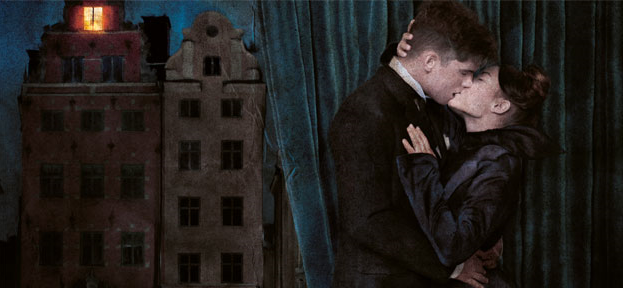
A young woman knocking on the door of a loft in the Old Town …

… And a young writer opens. Inspired by Edvard Munch’s colorful paintings, Hans Jaeger’s depiction of Christiania Bohemian and August Strindberg’s novel The Red Room sounds the famous tenor, director and conductor José Cura a Nordic light shine on Puccini’s masterpiece and moves La Bohème Paris to a fictitious Stockholm. The author Rodolfo will be August Strindberg, the painter Marcello is Edvard Munch, the philosopher Colline are Søren Kierkegaard, composer Schaunard will Edvard Grieg and cabaret singer Musetta gets Tulla Larsen. Familiar with the music and the libretto in this poignant, tragicomic drama creates José Cura is now a full-fledged Scandinavian Bohème for the Royal Opera.

boheme1

Taking inspiration from his own time as a poor student portrays Giacomo Puccini with warmth and passion some young dreamer’s life, bohemians of 1800s Paris. But the timeless story could take place anywhere.

Performance length Act I-II = 60 minutes / 30 minutes Pause / Act III-IV = 55 minutes. Total Performance length of about 2 hours 25 minutes.

Performances

  • Wednesday, April 13 19:00
  • Thursday, June 9 19:00
  • Saturday, June 11 15:00
  • Tuesday, June 14 19:00
    boheme2

    Cast

    Mimì
    Yana Kleyn Elin Rombo
    Musetta (Tulla Larsen)
    Sanna Gibbs Elin Rombo Marianne Hellgren Staykov
    Rodolfo (August Strindberg)
    Daniel Johansson Jonas Degerfeldt
    Marcello (Edvard Munch)
    Linus Börjesson
    Schaunard (Edvard Grieg)
    Jens Persson
    Coline (Soren Kierkegaard)
    John Erik Eleby
    Benoit
    Niklas Björling Rygert Magnus Kyhle
    Alcindore
    Thomas Bergström Anders Nyström
    Parpignol (Julbocken)
    Jon Nilsson Olof Lilja
    Conductor
    Daniele Callegari Benjamin Shwartz Tobias Ringborg

    The Royal Opera Chorus
    Children’s Choir from Adolf Fredrik’s Music School
    Royal Opera

    boheme3

    Press Quotes

    “Rarely have Puccini sounded so soft and just at the Royal Opera.” Aftonbladet

    “And then to flee from the worldly worries for a while in a strong performance, yes, it is a TERRIFIC pleasant experience” Eskilstuna-courier

    “La Bohème in the Scandinavian version is beautiful, stylish, touching, professional” Kulturbloggen

    “Nordic bohemians convinces with voice splendor.” SvD

    “… imaginative, with good humor and a lot of charm” SvD

    “… an elegant transfer from kvarterer in Paris to the old town … And it sounds great on Puccini’s opera under the direction of Daniele Callegari” Expressen

    “… A roaring success” Financial Times

    boheme4

    SYNOPSIS

    The first act

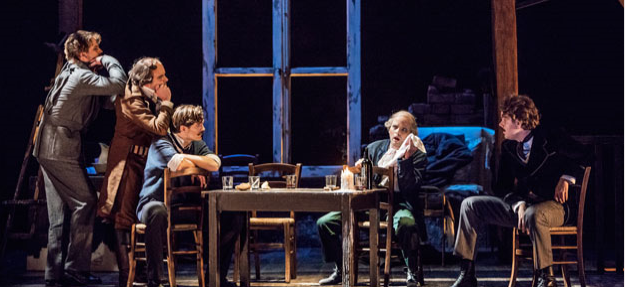
    Christmas Eve. It’s freezing in the attic where a young writer, August Strindberg and his friend, the painter Edvard Munch, live. At the piano is a promising young composer, Edvard Grieg, and composes. Munch struggling with the final details of a painting. His model is becoming impatient and demanding payment. But Munch has not a penny. August and Edward complains about the cold when suddenly the philosopher Colline, avid follower of Soren Kierkegaard, appears. The trio discusses the life and the weather when Grieg returns with food and drink. He has just been paid for private lessons to the son of a millionaire. When they raise their glasses for a toast enters the landlord in and require them to rent. The four young men manage to talk themselves out of the precarious situation. Colline / Søren, Grieg and Edvard leaves the wind to enjoy a little Christmas cheer on the town, August stops
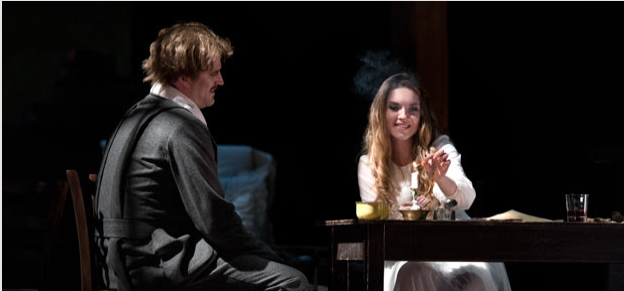
    to finish an article. But the author can not find the right inspiration. A light knock at the door distracts him, and a young woman he had never seen before appears.

    second Act

    Christmas Eve in the town square. Edward has just revealed their latest painting Old Town at sunset. The shops bulging with people, families crowded into the streets and vendors cry. Munch observe them, they all were cut by him, taken from his paintings, and he is very touched by seeing them alive. His friend, the writer Hans Jaeger, comes with him and praise his painting.

    At Berns succeed Edward’s friends get a table. Tulla arrives with a wealthy banker, Alcindoro. She has just quarreled with Edward and her plan is to make him insanely jealous. It works. She embarrass rich banker and reunited with Edward in a passionate kiss. Friends march out and leave it to the banker alone to pay the bill.

    boheme5

    third Act

    A year has passed. Edward and Tulla work for a brothel owner. He paints portraits and she entertains guests. Edvard Munch sketch of the painting Ash with Tulla and his sleeping friend August as models. Mimì arrives, she does not understand why August rejects her and she asks for Edward’s advice. When Edward pushes his friend August acknowledge him that he loves Mimì higher than any other on earth – but she is deathly ill and he is too poor to help her. Mimì hear August’s confession from a hiding place. She confronts August and suggests that they should go their separate ways so that he can continue to live their lives, but the August fall grieved together. While they bid farewell to each other resumes Edward and Tulla their quarreling.

    fourth Act

    In the attic, several months later, put Edward’s new painting The Scream mood. Edward mourn his Tulla and August its Mimì. While the painter portrays the author steps Grieg and Søren in, carrying a piece of bread and a herring. To cope with the desperation they play a little comedy, a feigned meal with the class they so often criticize, but in reality they would like to be a part of. Comedy change to feigned tragedy when one of them, offended by a comment, challenge to a duel. As the quarrel escalates rushing Tulla in. Mimì is seriously ill and can not get up the stairs. The friends are forced to brutally back to reality and realize that they can not help the terminally ill young woman.

    GALLERY ( Phtos by Royal Opera, Stokholm)

Posted in OPera | Tagged , | Leave a comment

La Cenerentola by Gioacchino Rossini in Israel

logoisraeliopera

La Cenerentola

Gioacchino Rossini

Will Cinderella win the prince’s love? Will the prince find the beautiful lady who ran away from his palace? The Magician Alidoro will make sure Cinderella’s stepsisters do not prevent the happy end of this magical fairy tale in Rossini’s sparkling coloratura version.

New Production | Sung in Italian | Duration: 3 hours

Cenerentola_Schedule

Libretto: Jacopo Ferretti
Conductor:            Daniel Cohen
Ethan Schmeisser


Directors, Choreographers, Costume,
Set & Lightning Designers:
  Cécile Roussat & Julien Lubeck

Among the soloists:

Cenerentola Analisa Stroppa
Na’ama Goldman
Ramiro Kenneth Tarver
Daniele Zanfardino
Dandini Christian Senn
Domenico Balzani
Don Magnifico Miklos Sebestyen
Radu Pintillie
Alidoro Ugo Guagliardo
Noah Briger
Clorinada Yael Levita
Tali Ketzef
Tisbe Anat Czarny
Shahar Lavi

The Israeli Opera Chorus
Chorus Master: Ethan Schmeisser
The Opera Orchestra – The Israel Symphony Orchestra Rishon LeZion

English & Hebrew Surtitles
Translation:  Israel Ouval

*TOWARDS OPENING SAT 12.3.16, 11:00
** PREMIÈRE  MON 21.3.1, 20:00

GALLERY 1 (Photos by Israeli Opera)

This slideshow requires JavaScript.


SYNOPSIS
Act I

Scene i: A room in Don Magnifico’s tumbledown house
As her two spoilt step-sisters, Clorinda and Tisbe, are locked in one of their habitual quarrels, Cenerentola (Angelina) is busy with the household chores. She sings of a king who was wise enough to discern the goodness and innocence of his bride to be. Alidoro, Don Ramiro’s tutor, arrives disguised as a beggar. The two sisters mock him and try to drive him out of the house, while Cenerentola offers him food and drink. Courtiers announce the imminent arrival of the Prince, Don Ramiro, who is to escort Magnifico’s daughters to a ball at the palace, during which the Prince will choose a bride.
The tumult arouses Magnifico, who proceeds to relate a strange dream, which he believes presages royal connections for his daughters and himself. Prince Ramiro enters disguised as his valet Dandini, for Alidoro has indicated to him that the woman worthy of being his bride is one of the Magnifico household. Cenerentola’s shock at the unexpected presence of a young stranger in the house causes her to drop the dishes she had been holding. The Prince’s eyes meet Cenerentola’s, and they immediately fall in love.
The “Prince” (Dandini in disguise) arrives, and the two sisters leave for the ball. Prince Ramiro and Dandini overhear Cenerentola pleading in vain with her father to allow her to attend the ball as well. Magnifico ruthlessly insults her while fawning on the Prince and his valet. Alidoro arrives and announces that he has information of a third daughter in the household, but Magnifico says that she is in fact dead.
Alidoro, disguised once again as a beggar, arrives to escort Cenerentola to the ball. He consoles her, saying that the Good Lord will not allow innocence to be downtrodden.

Scene ii: A room in Don Ramiro’s palace
“Prince” Dandini offers Magnifico the position of court vintner after the latter has sampled thirty barrels of wine with no apparent difficulty. Dandini and the Prince are mystified by Alidoro’s idea that one of the sisters would be a worthy bride for the Prince. Clorinda and Tisbe spot the “Prince”, and he offers them his “valet” as a husband. They are outraged, but their attention is soon diverted to a girl strangely resembling Cenerentola, who arrives accompanied by Alidoro. Dandini calls the company in to dinner. As the curtain descends confusion reigns supreme.

Act II

Scene i: A room in Don Ramiro’s palace
The banquet is over, and Magnifico muses over his future life as the Prince’s father-in-law. Cenerentola, tired of being pursued by “Prince” Dandini, tells him that she prefers his “valet”. The Prince reveals himself, but Cenerentola forbids him to follow her. If he truly loves her, she says, he must seek her after she leaves the court. Before leaving the ball, she gives Ramiro a bracelet that matches the one she always wears. The Prince is determined to seek out Cenerentola. Magnifico, meanwhile, confronts “Prince” Dandini, demanding a decision on which of his two daughters he intends to marry . Dandidi counsels patience, and then reveals to Magnifico that he is in fact the Prince’s valet. The bewildered Magnifico is enraged.

Scene ii: A room in Don Magnifico’s house
Cenerentola, dressed once more in rags, sings her old song of the wise king . Magnifico and his daughters return, ruminating over the girl at the ball who so resembled Cenerentola. A storm breaks, and the Prince’s carriage breaks down right outside Don Magnifico’s castle.The Prince enters and soon recognizes Cenerentola, arousing in the various parties present mixed feelings of joy and dismay. Cenerentola pleads with the Prince to forgive Magnifico and her step-sisters.

Scene iii: A hall in Don Ramiro’s palace
Goodness triumphant: The wedding of the Prince and Cenerentola.

GALLERY 2 (Photos by Israeli Opera)

Posted in OPera | Tagged , , , , , , , | Leave a comment

LUCIA DI LAMMERMOOR at the Teatro Regio in Parma

lucia_title_e

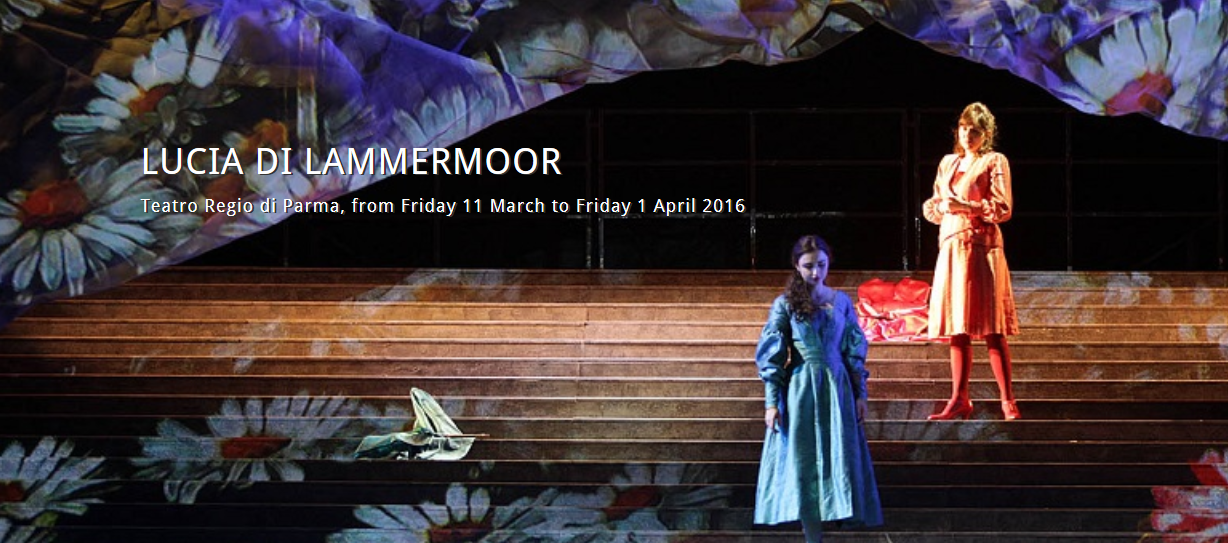
LUCIA DI LAMMERMOOR

Tragic drama in three acts. Libretto by SALVATORE CAMMARANO, from The Bride of Lammermoor by WALTER SCOTT.
Music by  GAETANO DONIZETTI
Revisione sull’autografo di Jesús López Cobos; Editore Casa Ricordi, Milano

Teatro Regio di Parma

Friday 11 March 2016, 8.00pm Opera Subscription A
Sunday 13 March 2016, 3.30pm Opera Subscription D
Wednesday 30 March 2016, 8.00pm Opera Subscription B
Friday 1 April 2016, 8.00pm Opera Subscription C

The performance lasts 2h 55′
Single Act  40′  –  Interval 20′  –  Act I 40′ –  Interval 20′ – Act II 55′

Characters Cast
Lord Enrico Ashton MARIO CASSI (11, 13)
FABIAN VELOZ (30, 1)
Miss Lucia, his sister EKATERINA BAKANOVA (11, 13, 30)
GILDA FIUME (1)
Sir Edgardo of Ravenswood GIUSEPPE GIPALI (11, 13)
ALESSANDRO SCOTTO DI LUZIO (30, 1)
Lord Arturo Bucklaw MATTEO DESOLE
Raimondo Bidebent, Lucia’s educator and confidant LUCA DALL’AMICO
Alisa, Lucia’s young lady ELENA TRAVERSI
Normanno, Chief Bodyguard of Ravenswood ROBERTO CARLI

lucia

Conductor
STEFANO RANZANI (11, 13)
SEBASTIANO ROLLI (30, 1)

Director
HENNING BROCKHAUS
recovery from VALENTINA ESCOBAR

Chorus Master
MARTINO FAGGIANI

Scenes
BENITO LEONORI
from an idea by JOSEF SVOBODA

Costumes
PATRICIA TOFFOLUTTI

Lights
HENNING BROCKHAUS

Choreography
VALENTINA ESCOBAR
ORCHESTRA REGIONALE DELL’EMILIA ROMAGNA

CORO DEL TEATRO REGIO DI PARMA
Production by Fondazione Pergolesi Spontini di Jesi

In coproduction with
Fondazione Teatro Comunale di Modena, Fondazione Teatri di Piacenza, Fondazione I Teatri di Reggio Emilia, Fondazione Teatro Regio di Parma, Teatro dell’Opera Giocosa di Savona

With Overtitles

Posted in OPera | Tagged | Leave a comment

Manon Lescaut at the Metropolitan Opera in NYC with Roberto Alagna and Kristine Opolais

metlogo
manonTitle

manon1

Soprano Kristine Opolais and tenor Roberto Alagna join forces in Puccini’s obsessive love story. Opolais sings the title role of the country girl who transforms herself into a Parisian temptress, while Alagna is the dashing student who desperately woos her. Director Richard Eyre places the action in occupied France in a film noir setting. “Desperate passion” is the phrase Puccini himself used to describe the opera that confirmed his position as the preeminent Italian opera composer of his day. Met Principal Conductor Fabio Luisi leads the stirring score.

Feb 12 – Mar 11

Sung in Italian
Met Titles In English, German, Italian, Spanish
Estimated Run Time: 2 hrs 58 mins

Production Sir Richard Eyre

Set Designer Rob Howell

Costume Designer Fotini Dimou

Lighting Designer Peter Mumford

Choreographer Sara Erde

SETTING

The first three acts of the opera take place in various locations in France, around the year 1720: the first in the town of Amiens, the second in a magnificent palace in Paris, and the third on the waterfront of the port city of Le Havre. The fourth act is set in a desolate location in the New World, an imaginary place described in the libretto as “a vast desert near the outskirts of New Orleans.” Richard Eyre’s new production moves the action to the 1940s.

manon_lescaut

CAST

manoncast1 manoncast2manoncast3

SYNOPSIS

World premiere: Teatro Regio, Turin, 1893. Met premiere: January 18, 1907.

Few operas have surpassed Manon Lescaut in the depiction of the urgency of young love. The French tale of a beautiful young woman destroyed by her conflicting needs for love and luxury had already inspired Massenet’s Manon (1884), a relatively new and immensely popular work at the time of Manon Lescaut’s premiere. Puccini made the story his own and infused it with a new level of frank emotion and a flood of melody.The opera was his first great success, leading George Bernard Shaw to name him “the successor to Verdi.”

ACT I France, the 1940s.

A square in Amiens. Edmondo, a songwriter, and his student companions flirt with some factory girls. His friend, des Grieux, also a student, stays apart from them. A coach arrives, bringing Geronte, a tax collector, and Lescaut, a soldier, who is accompanying his younger sister, Manon. Des Grieux falls in love with her at first sight, finds out that her father is sending her to a convent, and makes plans
to prevent this from happening. But Geronte, with Lescaut’s connivance, intends to abduct Manon. Edmondo overhears his plans and warns des Grieux, who escapes with Manon to Paris. Lescaut consoles Geronte by telling him that Manon will not stay long with a student and that he will bring her back to him.

ACT II A house in Paris.

Manon has left des Grieux and is living a life of luxury with Geronte. She’s bored and her brother promises to arrange for des Grieux to visit her. Some singers serenade Manon with a madrigal written by Geronte. Then she dances and sings for him and his friends. When they leave she tells Geronte that she will follow shortly, but des Grieux appears and Manon starts to seduce him. Geronte interrupts their lovemaking, chillingly threatens the two of them, and leaves, telling them he will return soon. Lescaut runs in, warning the lovers that Geronte is going to get Manon arrested and that she must escape. She delays, trying to collect her jewelry, but is arrested before she can escape. Intermezzo Imprisonment: The journey to Le Havre. The thoughts of des Grieux.

manon_lescaut_introduction

ACT III

Outside a prison in Le Havre by the harbor. Dawn. Des Grieux waits outside the prison where Manon is held. Lescaut bribes a sentry to allow his sister to spend time with
des Grieux, while he organizes a group to enable her escape. The effort fails, a shot is fired. Townspeople run in. The soldiers restore order and the captain of the ship processes Manon and the other prisoners—mostly prostitutes—before they are deported. In desperation des Grieux grabs Lecsaut’s weapon and threatens the captain, who faces him down. Des Grieux pleads with the captain to be allowed to sail with them as one of the crew.

ACT IV A desert.

Des Grieux and Manon are on the run. They are at the end of their strength, collapsing from thirst and exhaustion. Des Grieux leaves Manon, searching for water. When he returns, he finds her dying. In her last breath she says she loves him.

GALLERY (Photos Copyright by Metropolitan Opera)

Posted in OPera | Tagged , , , | Leave a comment

Madama Butterfly in Marseille

operamarseillelogo

Madama Butterfly

GIACOMO PUCCINI

Wednesday March 16th, 2016 > 8:00PM
Friday March 18th, 2016 > 8:00PM
Sunday March 20th, 2016 > 2:30PM
Tuesday March 22nd, 2016 > 8:00PM
Thursday March 24th, 2016 > 8:00PM

No one ever tires of Puccini and even less so of this Madame Butterfly, with a cast so outstanding it could ensure it was on the programme every year

Visu-MadamaButterfly


MADAMA BUTTERFLY

Opera in 3 acts
Libretto by Giuseppe GIACOSA and Luigi ILLICA
from the play by David BALESCO from the story by John Luther LONG
First performed in Milan, Teatro alla Scala, on February 17th 1904
Last performed at Marseille opera, on October 28th 2007
Coproduction Opéra de Marseille / Opéra National de Bordeaux

Conductor Lawrence FOSTER
Director Numa SADOUL
Scenic Designer Luc LONDIVEAU
Costume Designer Katia DUFLOT
Lighting Designer Philippe MOMBELLET

CAST

Cio-Cio San Svetla VASSILEVA
Suzuki Cornelia ONCIOIU
Kate Pinkerton Jennifer MICHEL

Pinkerton Teodor ILINCĂI
Sharpless Paulo SZOT
Goro Rodolphe BRIAND
The Bonze Jean-Marie DELPAS
Yamadori Camille TRESMONTANT
The Imperial Commissioner Mikhael PICCONE

Marseille Opera Orchestra and Chorus


Posted in OPera | Tagged , , | Leave a comment

Madame Butterfly at the Los Angeles Opera

laopera_logo

madameProduction new to LA.

A love that knows no boundaries goes horribly wrong in a fateful meeting of East and West. What begins as an idyllic liaison in an enchanting land of cherry blossoms turns into the wrenching tragedy of an abandoned bride forced to make an excruciating decision.

Puccini’s cherished music expresses the heartbreak of a naïve young woman who commits herself to a man unworthy of her loyalty. Soprano Ana María Martínez returns as the beloved geisha, one of her signature roles. “Ana María Martínez sang with a poignant vitality that brought forth both the teenage Butterfly’s youthful innocence and, later, her darkest despair. Martínez’s best moments coincided with Butterfly’s most desperate ones: the fragile quality to her singing in ‘Un bel dì’ underscored a deeply affecting, pitiful clinging to hope beyond all reason.” (Opera News)

Ana María Martínez is “Theatrical magic… A beautiful performance.” – The New York Times

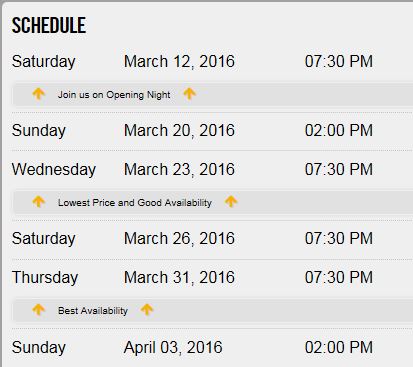
madame_schedule

Butterfly3pub

Cast

Creative Team

* LA Opera debut artist
+ Domingo-Colburn-Stein Young Artist Program member
++ Domingo-Colburn-Stein Young Artist Program alumnus

Gallery

Synopsis

ACT I
Outside a house in turn-of-the-century Nagasaki, Benjamin Franklin Pinkerton, an American naval officer, arranges with the marriage broker Goro to lease a residence for himself and his new bride Cio-Cio-San, also known as Butterfly. He is then introduced to Butterfly’s servants, one of whom is Suzuki. While talking to Sharpless, the American consul, Pinkerton reveals that he purchased his bride for 100 yen and that he can bow out of the marriage contract whenever he wishes. Sharpless tries to warn the officer that his teenage bride might really love him, but Pinkerton ignores the consul, drinking to the day when he will marry an American woman.

Butterfly arrives with friends and relatives, greeting Pinkerton and showing him her paltry belongings, including the dagger her father used to kill himself. She confides to Pinkerton that she secretly converted to Christianity the day before so that she could worship the same God as her husband, for whom she is willing to forget her own people.

During the wedding celebration, the Bonze, Butterflyʼs uncle, arrives. He has heard that Butterfly has renounced her religion, and he calls upon all of her relatives to renounce her. Pinkerton demands that they all leave, then comforts his new bride. As night falls, Butterfly rapturously confesses her love for Pinkerton. He leads her into the house.

ACT II
Three years have passed since Pinkerton sailed away for America. The devoted Butterfly tells Suzuki that one day soon they will see Pinkerton’s ship enter the harbor. Sharpless, who has learned that Pinkerton will soon arrive in Nagasaki with a new wife, tries to persuade Butterfly to marry his client Prince Yamadori, who hopes to marry her. She refuses to listen, insisting that she is already married. Furthermore, she shows the American consul the son that she has borne Pinkerton, convinced that her husband would never abandon her or his own child. The harbor cannon announces the arrival of Pinkerton’s ship, and an elated Butterfly prepares for his imminent arrival, waiting and watching for him all night with her son and Suzuki.

Morning comes and still Pinkerton has not returned. When Butterfly carries the sleeping child to bed, Suzuki sees Sharpless, Pinkerton and an American woman—his new wife, Kate—in the garden. Suddenly overwhelmed by remorse, Pinkerton leaves, unable to face the Japanese wife he had abandoned. While Kate asks Suzuki to explain to Butterfly that Pinkerton’s son would be better off in America, Butterfly awakens and emerges, seeing the strange woman in her garden. Sharpless tells her that the woman is Pinkerton’s wife. Distraught, Butterfly sends them away, telling them that Pinkerton should come for the child in half an hour. She retreats to the house and takes her father’s dagger. She is about to stab herself when Suzuki pushes the child into the room. Butterfly parts sorrowfully from her son and sends him outside to play; she then commits suicide. Pinkertonʼs voice is heard calling in the distance as Butterfly dies.

RUNNING TIME

Two hours and 45 minutes, including one intermission.

Posted in OPera | Tagged , , , , | Leave a comment

The Flying Dutchman in Poland

WagnerTitleRomantic opera in three acts
polandlogoLibretto: Richard Wagner after Heinrich Heine’s From the Memoirs of Herr von Schnabelewopski
World premiere: 2.01.1843, Semperoper, Dresden
Polish premiere: 6.02.1902, Teatr Miejski, Lviv
Premiere of this production: 16.03.2012, Teatr Wielki – Polish National Opera

In the original German with Polish surtitles

26 February 2016 Friday 19:00 Moniuszko Auditorium

28 February 2016 Sunday 18:00 Moniuszko Auditorium

01 March 2016 Tuesday 19:00 Moniuszko Auditorium

Wagner9

The first epoch-making opera by Richard Wagner, evidence of the incredible artistic and at the same time reformist genius of the composer. The myth behind the opera stems from the seventeenth century and has inspired many artists of various professions. Wagner encountered it through an ironic retelling by Heinrich Heine, not entirely devoid of misogynist references.

For Mariusz Treliński The Flying Dutchman is a score full of multidimensional and often shimmering meanings. Known for his penchant for lavish stagings, the artist, along with the set and light designers, built a very dark and surprisingly minimalist show. It is dominated by the colour black, a sign of the vampiric Dutchman wandering the world and of his spiritual abyss, a sign definitely overwhelming the white — a symbol of Senta, devoted to her eternal wanderer.

The show has a lasting effect, imprinting itself in one’s memory. But how could it be otherwise? Throughout almost the entire show the stage is literally flooded with water, bringing on associations with the mare tenebrarum concept. The sea of darkness and the unconscious is crossed in deafening silence by a ghost ship, and the depths of that sea serve as a background for the conflict of the darkest demons of the male psyche.

GALLERY (Photos Opera Narodowa)

CAST

Aleksander Teliga
Daland

  • Erika Sunnegårdh
    Senta
  • Daniel Kirch
    Erik
  • Anna Lubańska
    Mary
  • Mateusz Zajdel
    Steersman


CREDITS

Keri-Lynn WilsonConductor

  • Mariusz TrelińskiDirector
  • Boris KudličkaSet designer
  • Magdalena MusiałCostume designer

  • Tomasz WygodaChoreography
  • Felice Ross Lighting designer
  • Chorus and Orchestra of the Teatr Wielki – Polish National Opera
    Dancers and mimes
Posted in OPera | Tagged , , | Leave a comment

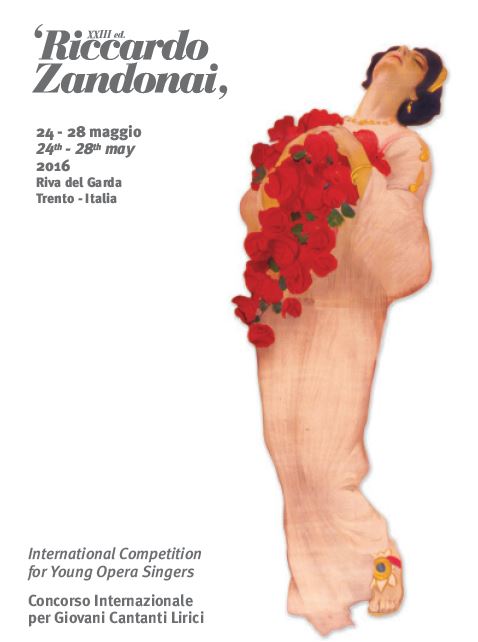
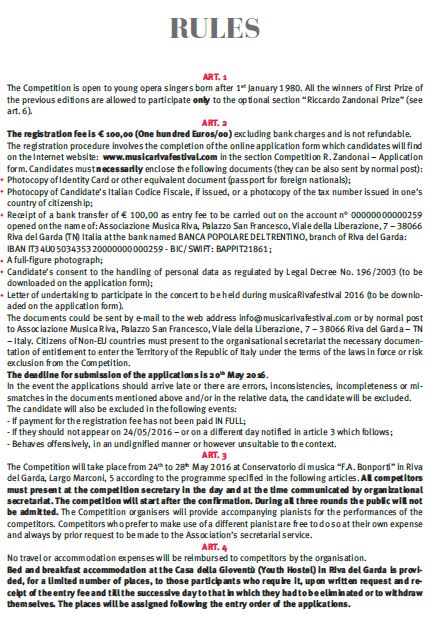
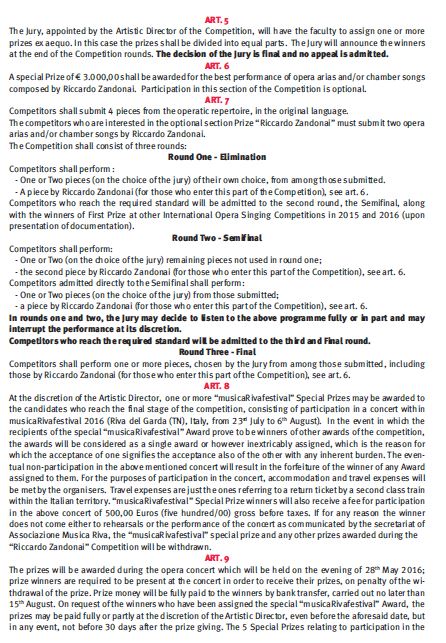
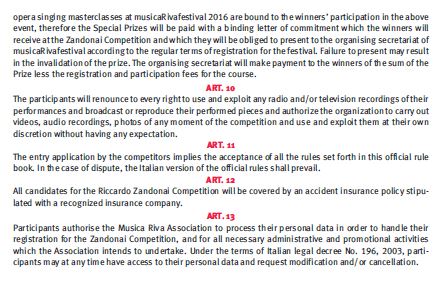
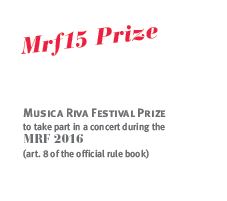
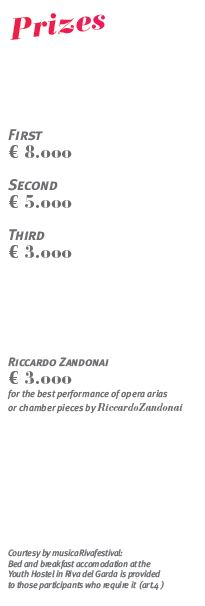
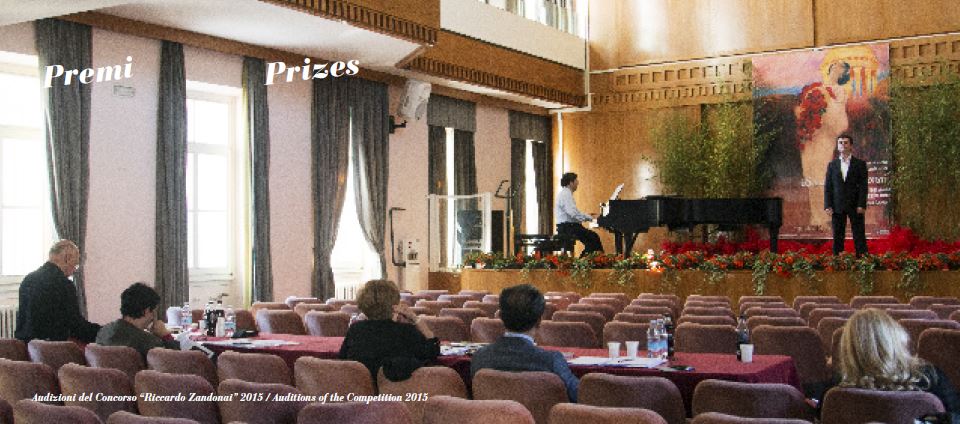
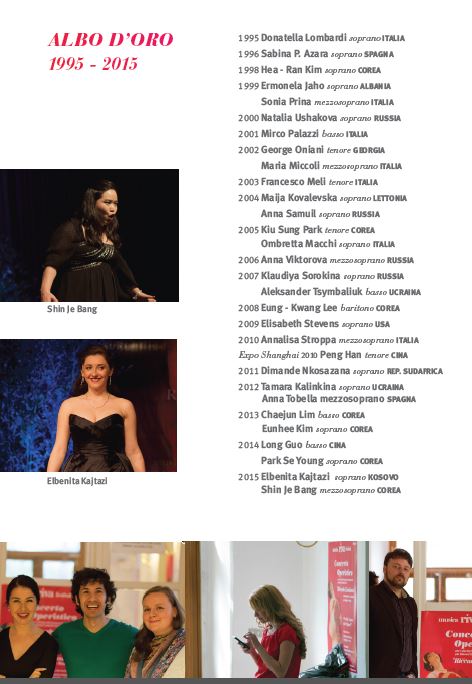
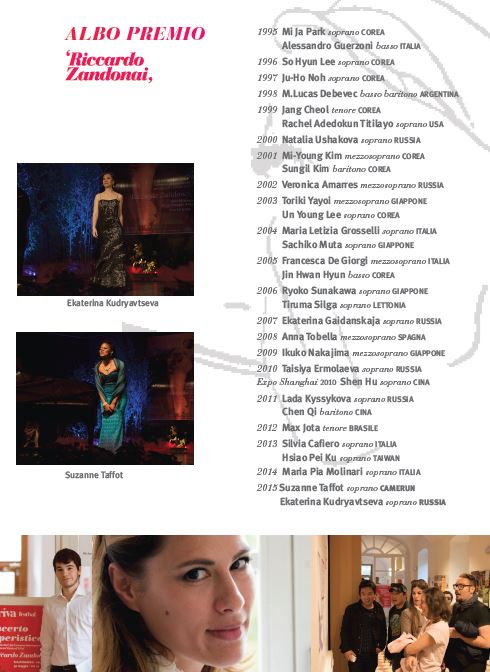
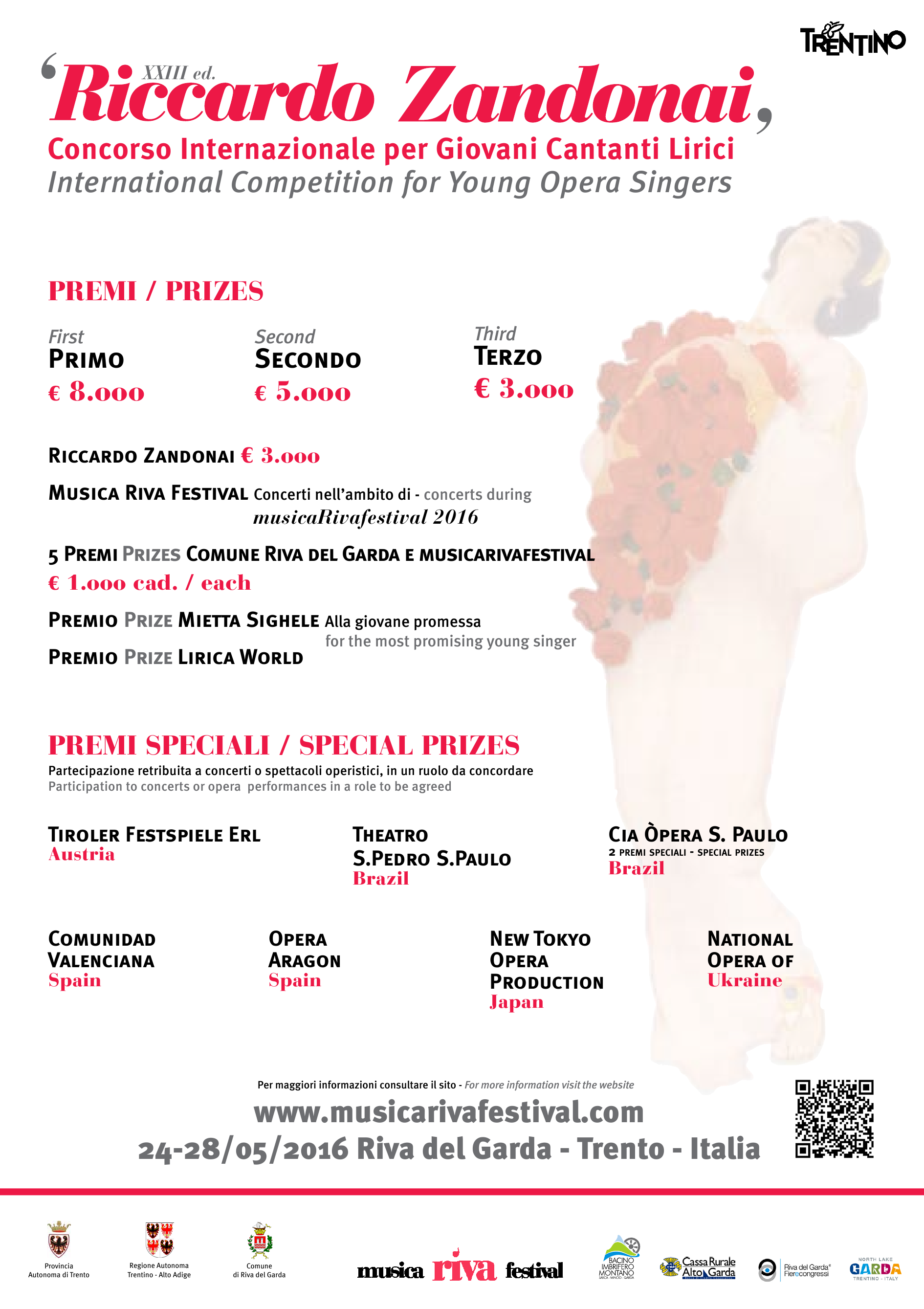
International Competition “Riccardo Zandonai” for Young Opera Singers

z1
zrules1

zrules2

zrules3z2z2e z3e


z4 z4e z5e


z6ez6az7a z7b z7c z7e


z8a z8b z8cz9a z10a zalbo1 zalbo2zclosingLOCANDINA RICCARDO ZANDONAI

Posted in Competition | Tagged | Leave a comment

It’s Rossini’s Birthday! WORLD-WIDE CELEBRATIONS

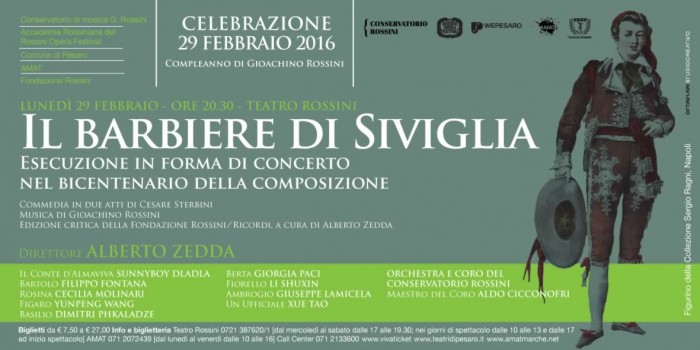
It’s Rossini’s Birthday! Zedda conducts The barber of Seville in Pesaro…


barbiere

The barber of Seville, Rossini’s most famous opera, was composed two hundred years ago, and on Monday 29th February, Gioachino Rossini’s birthday, Pesaro will be dedicating a concert performance of the opera to the memory of her most illustrious citizen. The performance, organized by the Conservatorio Rossini, will begin at 8.30 p.m. at the Teatro Rossini. (On that same day the Conservatory will be commencing its 134th academic year.)  The Rossini Opera Festival’s Accademia Rossiniana, the Town Council of Pesaro, AMAT and the Rossini Foundation are also involved in the organization of the event.  Alberto Zedda will conduct the Chorus and Orchestra of the Conservatorio Rossini.

barbiere180216_640x

Maestro Zedda, having dedicated much of his life to the study of Rossini’s music, was the first person to complain about the discrepancies between the scores generally used for performances of the Barber and Rossini’s autograph score.  The critical edition of the opera that he prepared, using  original methods that were later adopted by the Rossini Foundation for the publication of Rossini’s complete works, was so widely praised and adopted that it has become a foundation stone of the Rossini Renaissance that has transformed our ideas about Rossini and has led to the revival in the theatre of all his operatic works, largely forgotten, above all where the “serious” operas are concerned.  That Critical Edition, absolutely the first ever realized of any major Italian opera, has strongly influenced our way of preparing and performing operas in the bel canto repertoire.

Following in the spirit of Zedda’s work of teaching young singers,  the cast of the promised Barber will be drawn from some of the most brilliantly promising young singers heard in recent editions of the Accademia Rossiniana, an institution that he has directed from its foundation (1989) as part of the Rossini Opera Festival: Sunnyboy Dladla (Count Almaviva), Filippo Fontana (Bartolo), Cecilia Molinari (Rosina), Yunpeng Wang (Figaro), Dimitri Pkhaladze (Basilio).  They will be joined by some of the best pupils of the Conservatorio Rossini’s singing classes: Giorgia Paci (Berta), Li Shuxin (Fiorello), Giuseppe Lamicela (Ambrogio)  and Xue Tao (an Officer).

Founded in 1869 by the terms of Gioachino Rossini’s last will and testament, Pesaro’s Conservatory, named after him, began academic courses in 1882 and is one of the oldest and most respected.  Right from the beginning the school’s high artistic level has been guaranteed by the presence, in the direcotr’s chair, of some of the leading Italian composers of their day.  The first director was Carlo Pedrotti, an opera composer from Verona, who, in order to take on the new job, resigned his post as conductor of the Orchestra of the Teatro Regio, Turin, and persuaded some first-class teachers to follow him to Pesaro.  Later, other famous directors included Pietro Mascagni, Amilcare Zanella, Riccardo Zandonai, Lino Liviabella, Marcello Abbado.  Many of the school’s pupils have also, in recent years, distinguished themselves in the international world of music and have followed brilliant careers  bearing witness to the seriously high quality of the courses they studied.  Among the most historically significant pupils of the Conservatorio Rossini we may mention the soprano Renata Tebaldi, the tenor Mario Del Monaco and the composer Riz Ortolani.

WORLD-WIDE ROSSINI CELEBRATIONS

The ROF, in collaboration with Italian Cultural Institutes and the Casa Italiana Zerilli Marimò NYU, is organizing a series of events in honour of Rossini’s birthday.

istituto

IIC Los Angeles
29th  February, Happy Birthday Gioachino Rossini!
An introduction to the Rossini Opera Festival and a recital by the soprano Elisabetta Russo (a pupil of the 2004 Accademia Rossiniana) and baritone Roberto Perlas Gomez accompanied by Bryan Pezzone, piano. Introductory talk by Maestro Carlo Ponti of the Los Angeles Virtuosi Orchestra.

IIC Chicago
29th February, In Homage to Gioachino Rossini
The musicologists Jesse Rosenberg (Northwestern University) and Robert Kendrick (University of Chicago) talk about Rossini and the Rossini Opera Festival productions. Excerpts will be projected from La gazza ladra (2007, ROF / Dynamic), L’Italiana in Algeri (2013, ROF / Unitel Classica) and Il barbiere di Siviglia (2011, ROF).

New York, Casa Italiana Zerilli Marimò NYU
29th February, Happy Birthday Maestro Rossini!
Projection of L’Italiana in Algeri (2013, ROF / Unitel Classica).

IIC Istanbul
29th February, Rossini Concert – transcriptions and compositions in honour of Rossini
Eugenio Della Chiara, guitar
Presented by the Rossini Opera Festival

IIC Hamburg
29th February, Happy Birthday Gioachino!
Recital by Benjamin Popson, tenor, accompanied by Claudia Cecilia, piano. Introductory talk by Volker Wacker (Opernwerkstatt, Staatsoper Hamburg).

IIC Dublin
11 February, In Homage to Rossini
Projection of Il barbiere di Siviglia
Conducted by Claudio Abbado, production by Jean-Pierre Ponnelle, with Teresa Berganza, Luigi Alva, Enzo Dara, Paolo Montarsolo.

IIC Sydney
4 March, Celebration of Rossini’s Birthday
Projection of Il barbiere di Siviglia (2011, ROF).
Introductory talk by Maestro Robert Mitchell (Opera Australia).

Posted in Exhibits, Lectures, Music, OPera | Leave a comment