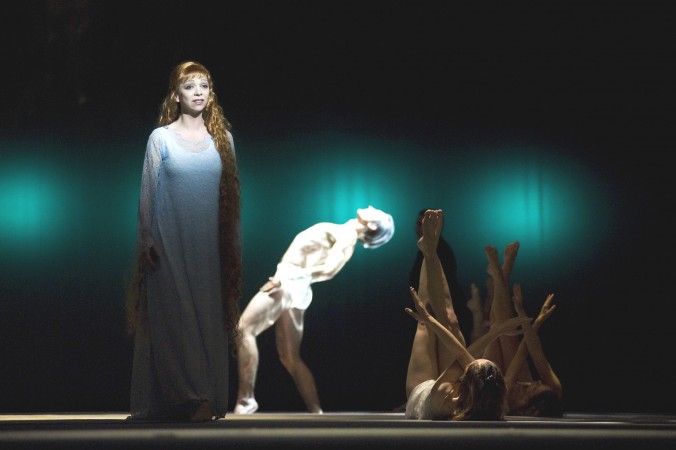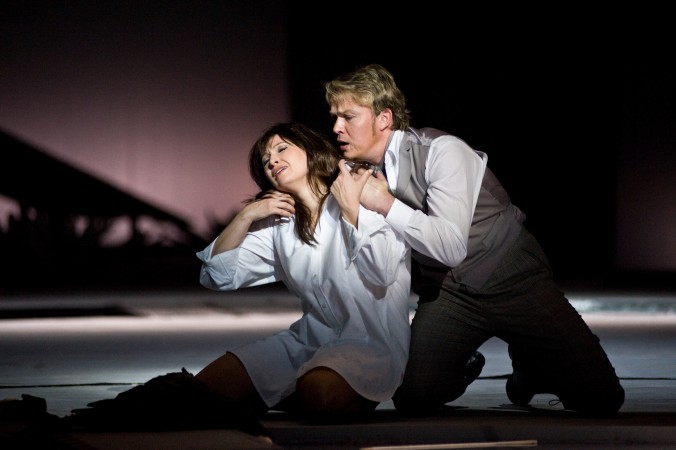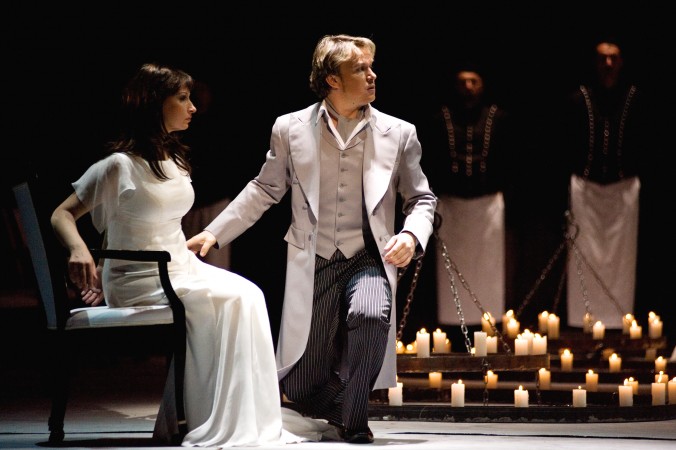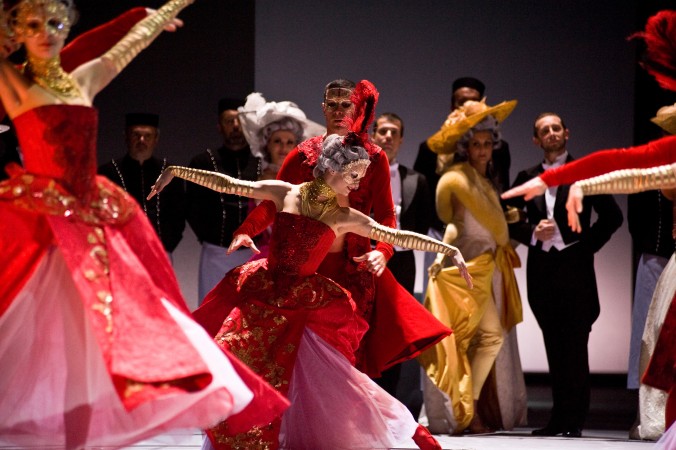
Rusalka in the Czech Republic

nationaltheatre

RusalkaLibretto: Jaroslav Kvapil
Musical preparation: Jakub Hrůša
Conductor: Zbyněk Müller
Stage director: Jiří Heřman
Sets: Jaroslav Bönisch
Costumes: Alexandra Grusková
Lights: Daniel Tesař
Chorus master: Pavel Vaněk
Choreography: Jan Kodet
Dramaturgy: Beno Blachut

National Theatre Orchestra

National Theatre Chorus

Ballet of the National Theatre Opera

Premiere: May 13, 2009rusalka-nd

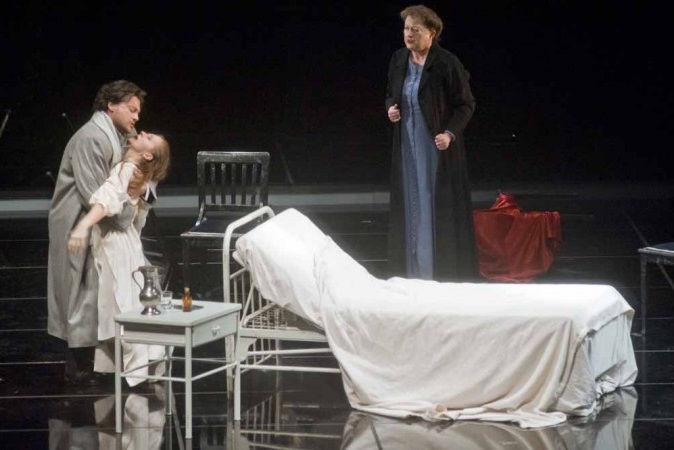
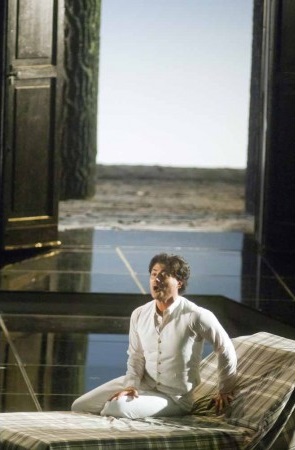
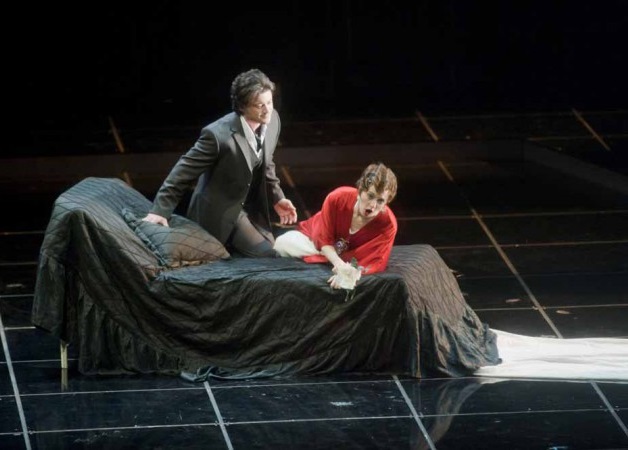
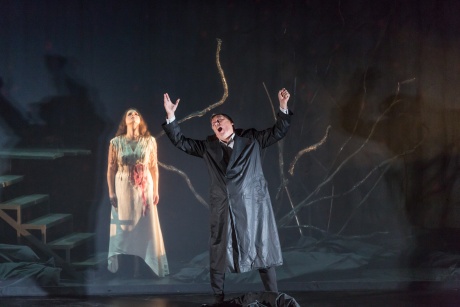
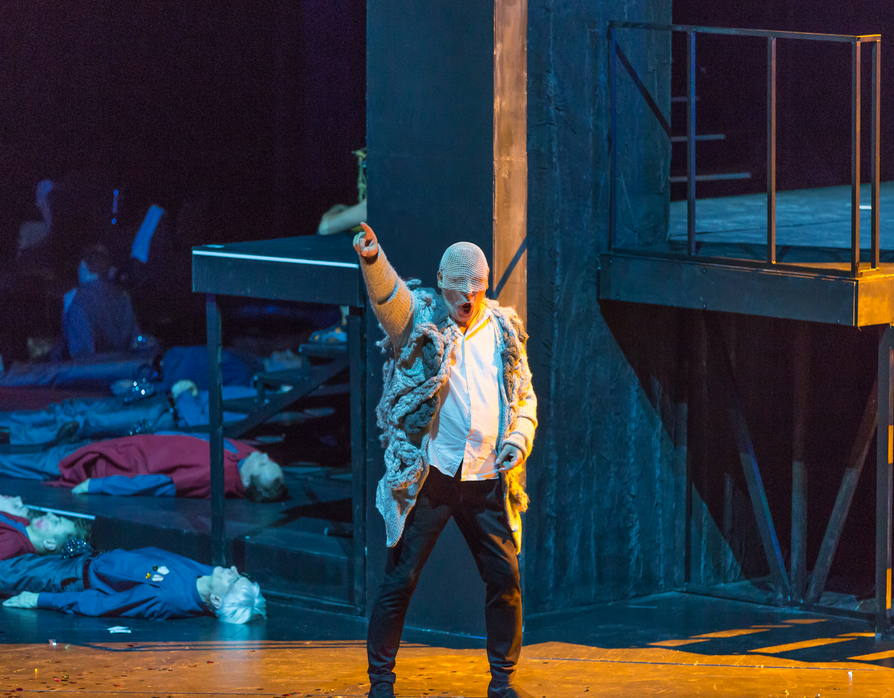
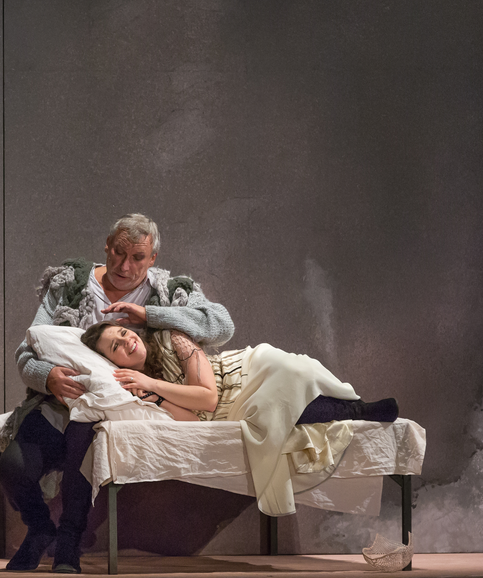
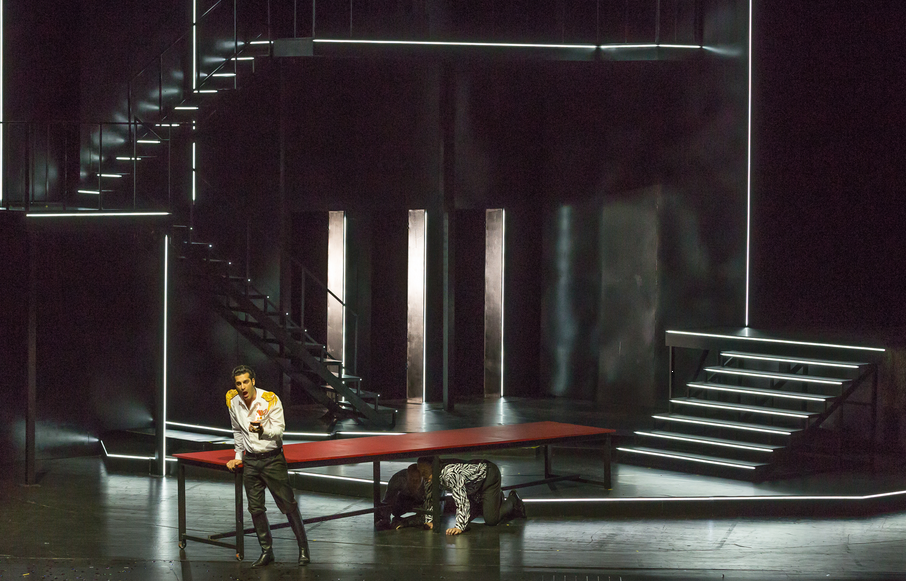
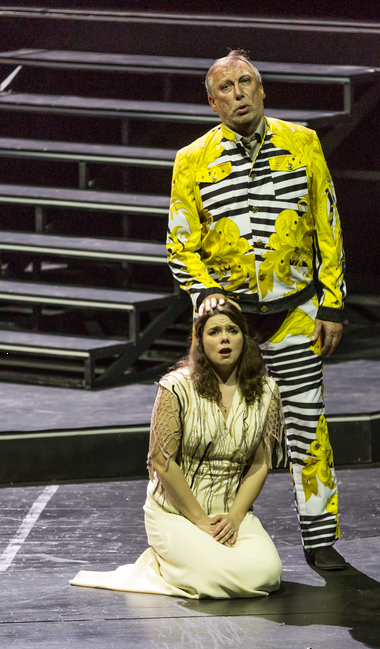
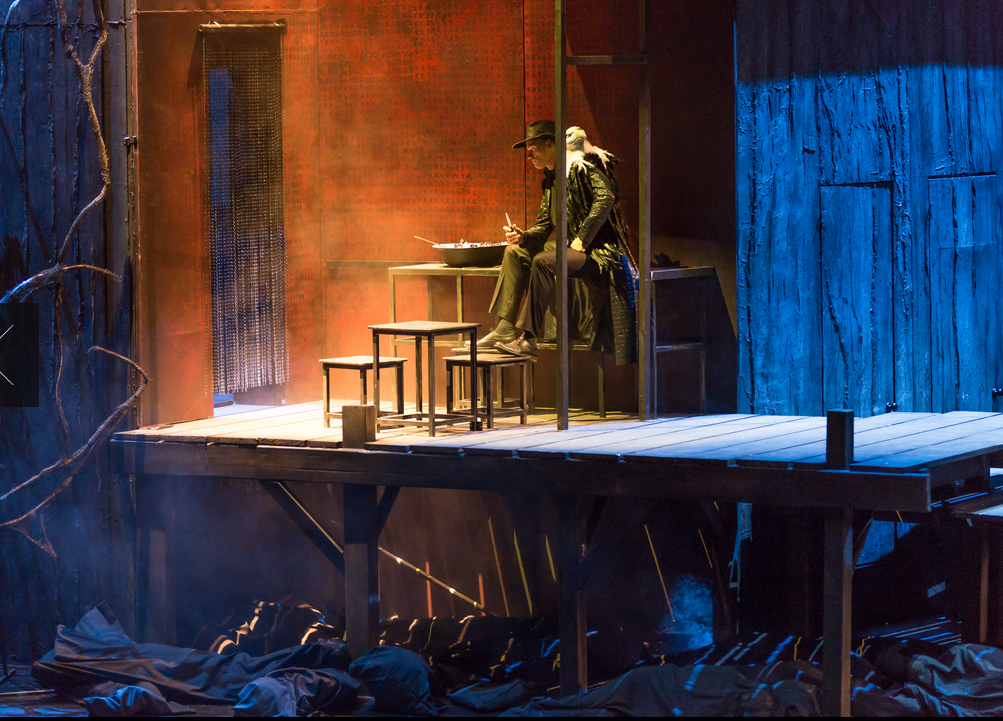
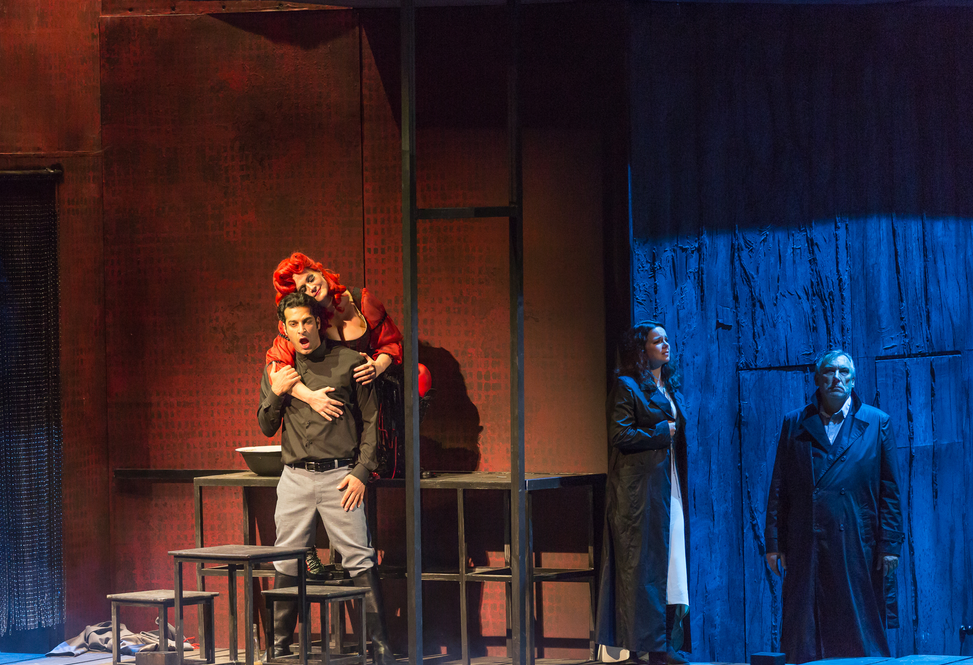
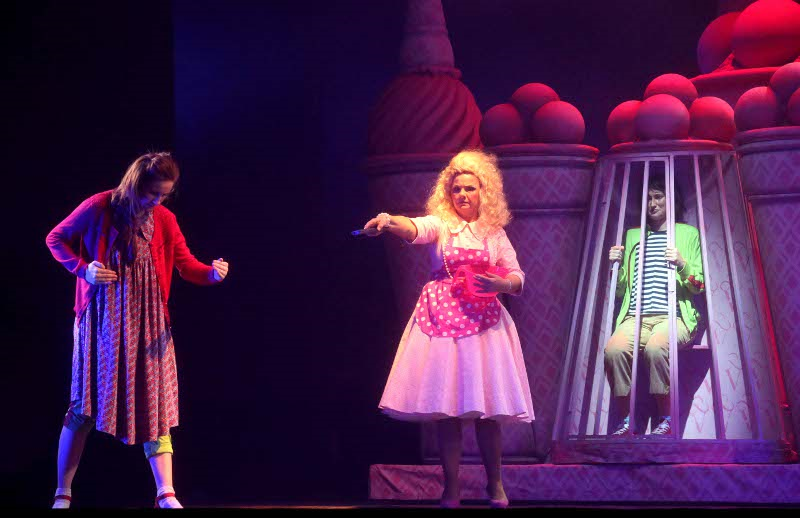
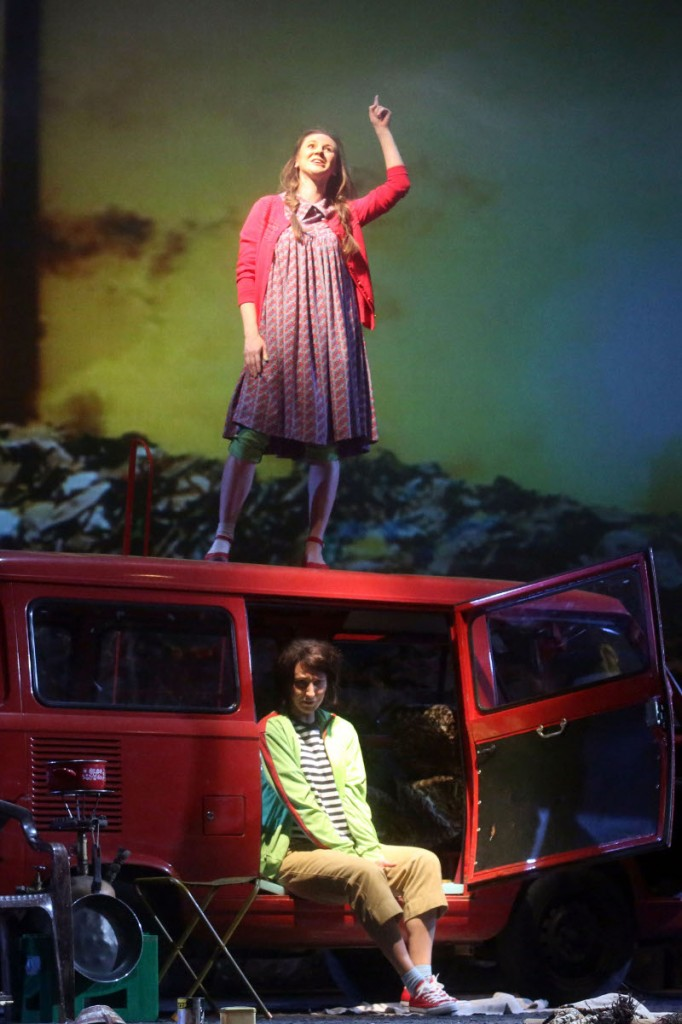
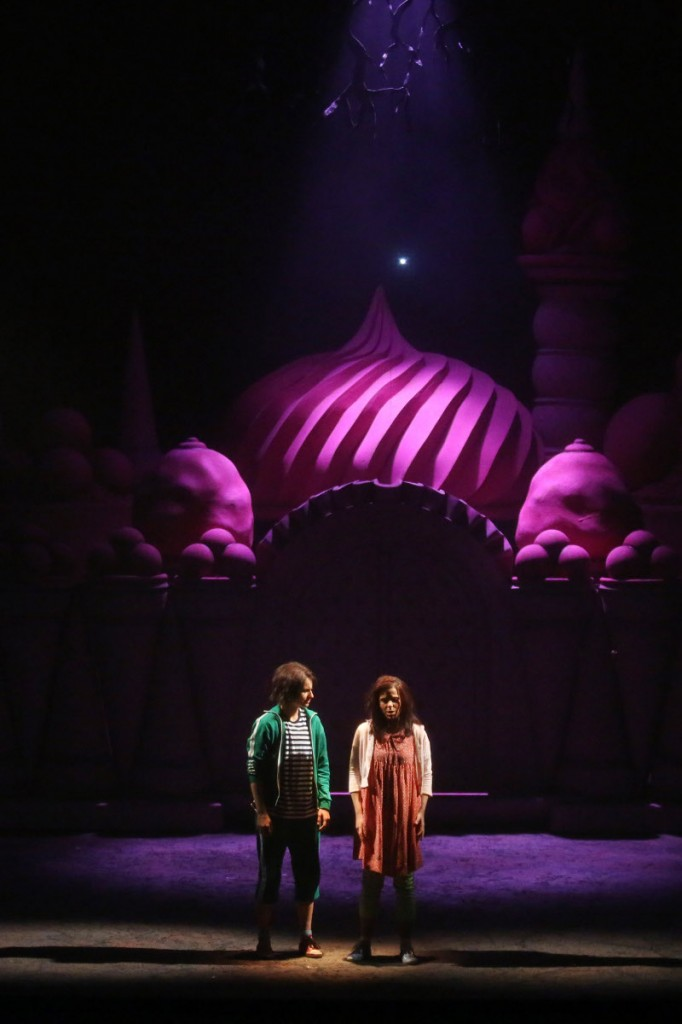
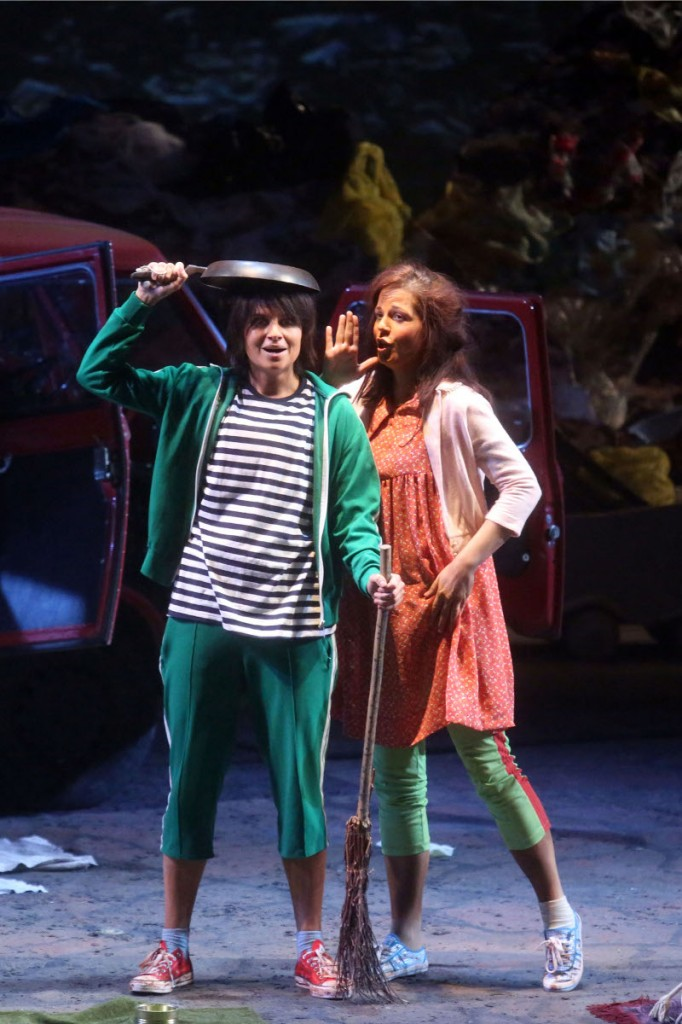
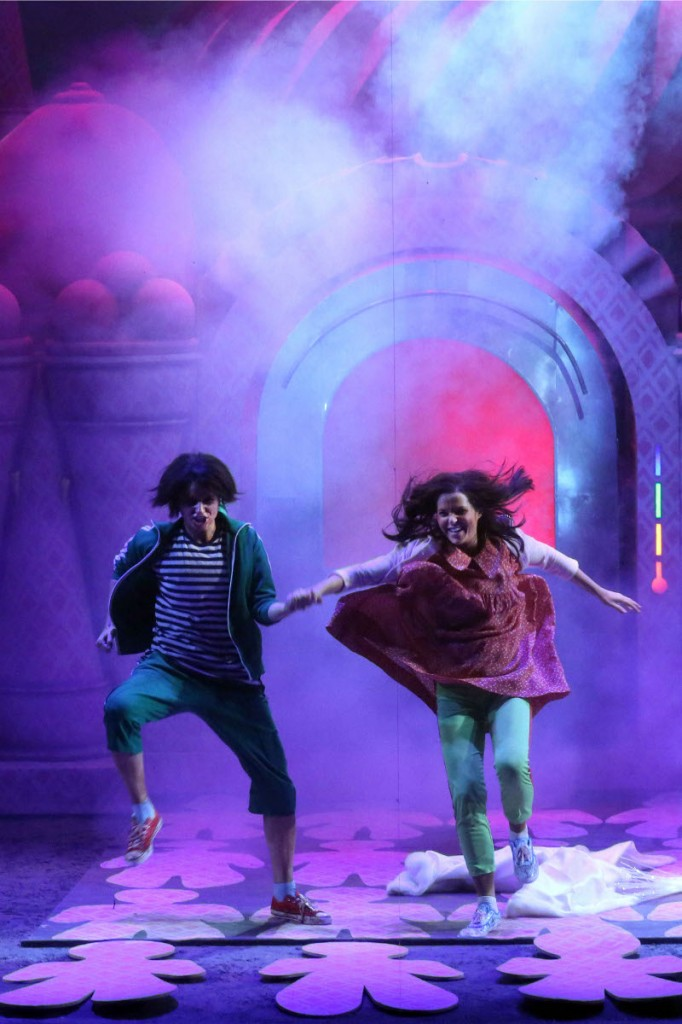
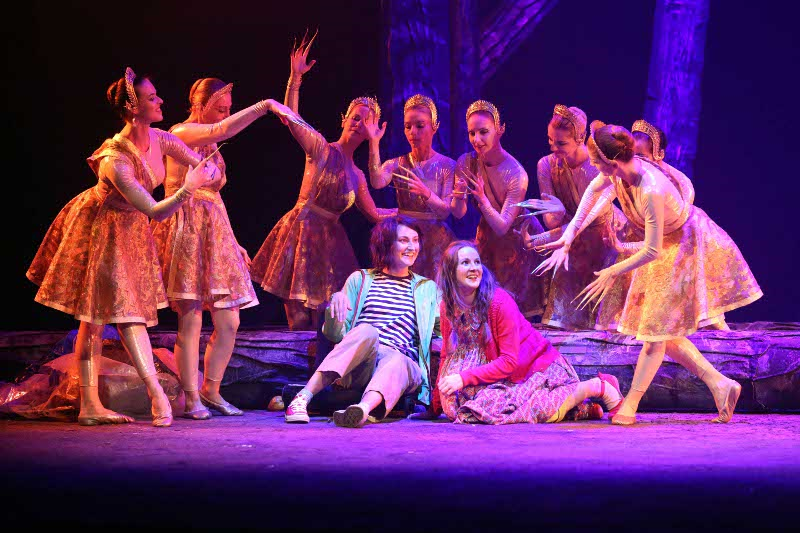
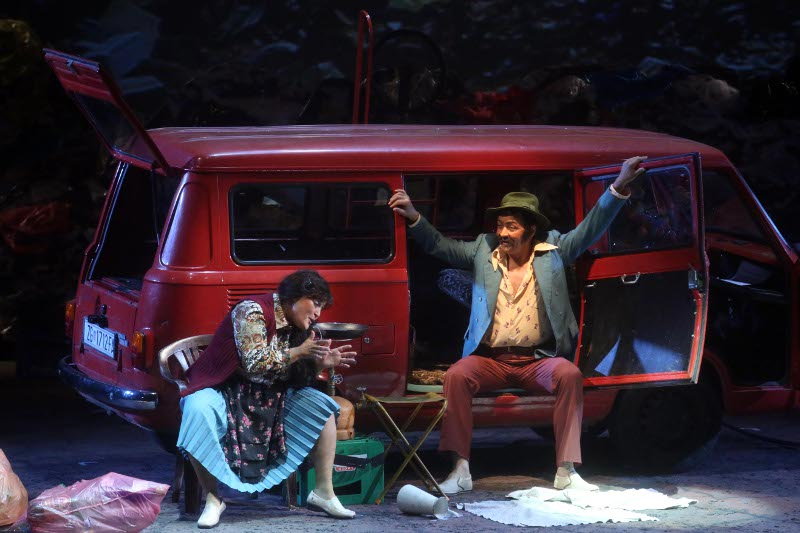
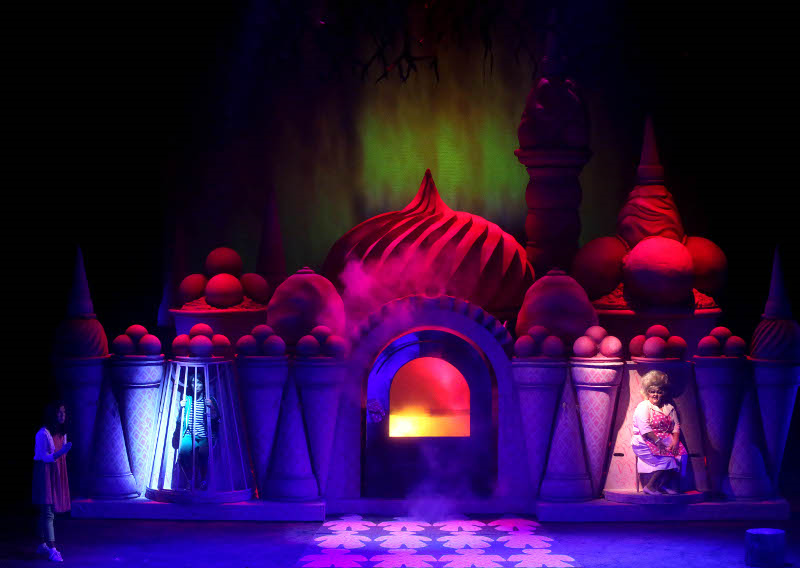
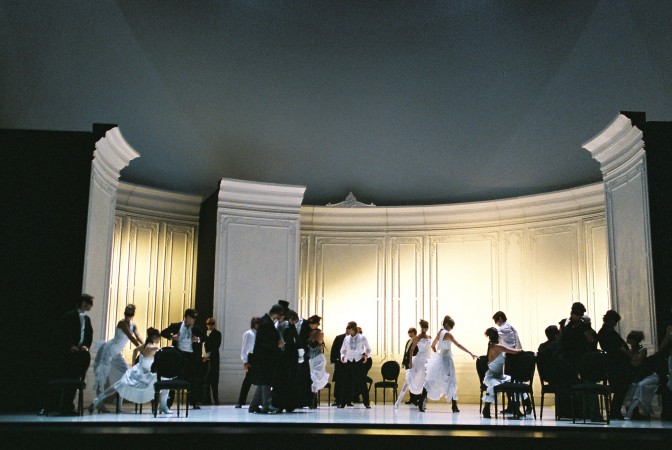
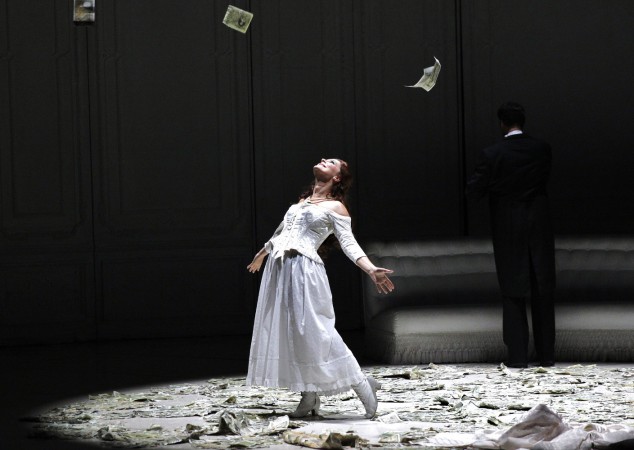
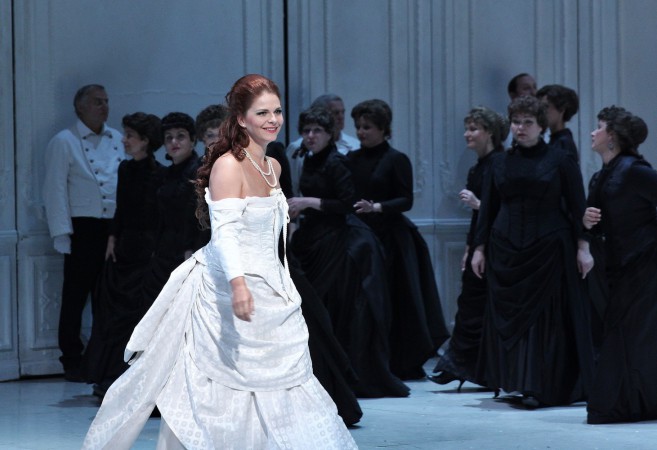
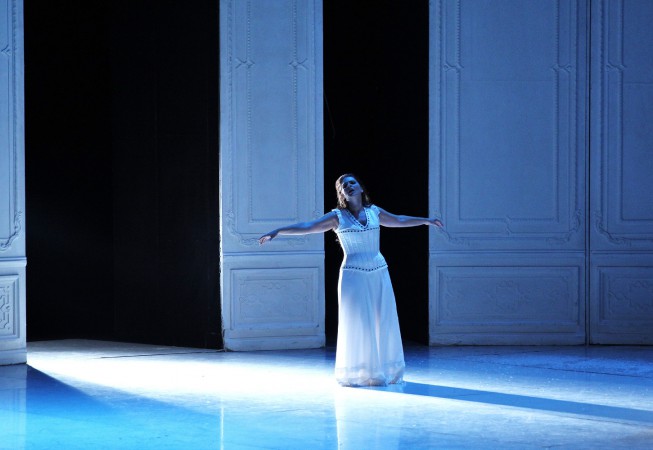
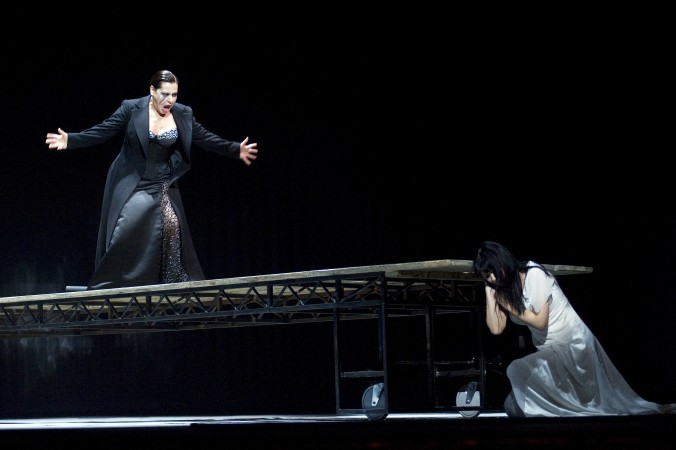
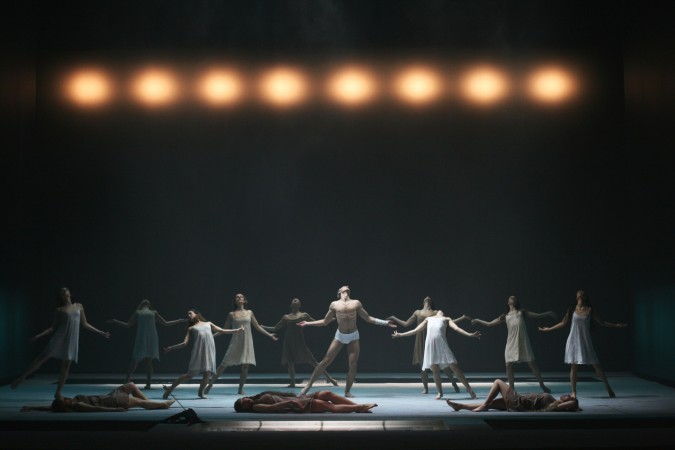
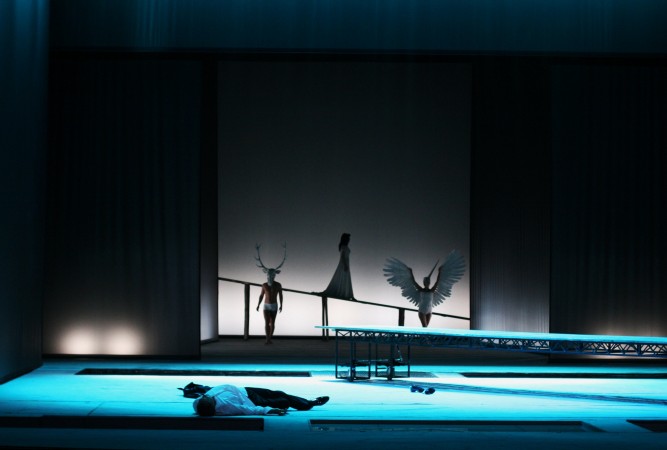
Dvořák’s Rusalka is a true gem of Czech opera, one that has won over audiences worldwide. The composer’s ardent melodies, both tender and dramatically extreme, his masterful work with musical motifs and full-blooded orchestration, as well as Jaroslav Kvapil’s fairy-tale libretto, evoking Erben’s immensely forcible ballads, make Rusalka a work of fascinating beauty addressing audiences of all ages. Rusalka is customary deemed a “mere” fairy-tale. To be sure, there is no doubt that the fantastic story and the characters of the nymphs, water goblin or the witch are of a fairy-tale nature, yet in its fairy-tale scenes Dvořák’s paramount operatic work bears an enciphered yet profound message about the fundamental order of powers, elements, energies and passions in the natural, therefore also human, world.rusalka-nd-1

Orchestra, Chorus and Ballet of the National Theatre Opera.

The opera is staged in Czech original version and English surtitles are used in the performance.

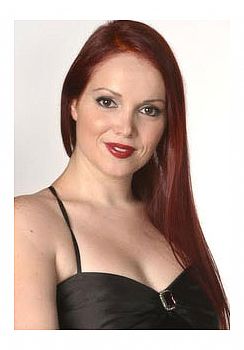
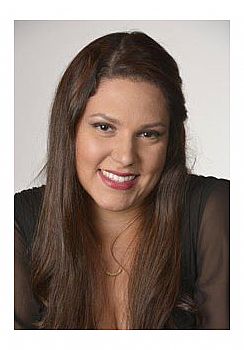
Photo: Hana Smejkalová, Petra Hajská and Petr Neubert

Duration of the performance: 3 hours and 10 minutes, 2 intermissions

PERFORMANCE DATES:
Thursday, 18 December 2014
Friday, 16 January 2015
Thursday, 12 February 2015
Thursday, 5 March 2015
Tuesday, 17 March 2015
Wednesday, 22 April 2015

rusalka-nd-2-1

CAST

Rusalka Dana Burešová

Prince Aleš Briscein

Walter Goblin Miloslav Podskalský

Witch, Foreign Princess Denisa Hamarová

First Wood Sprite Yukiko Šrejmová Kinjo

Second Wood Sprite Lucie Hájková

Third Wood Sprite Václava Krejčí Housková

Turnspit Michaela Šrůmová

Gamekeeper/Hunter František Zahradníček

rusalka-nd-4 rusalka-nd-5 rusalka-nd-6 rusalka-nd-7

rusalka-nd-8 rusalka-nd-9 rusalka-nd-10 rusalka-nd-11

The National Theatre

Ostrovní 1
112 30 Praha 1

Posted in OPera | Tagged , , , , | Leave a comment

The Israeli Opera presents “The Magic Flute” in Tel Aviv


israeli opera

The Magic Flute

Wolfgang Amadeus Mozart
Hebrew translation: Ehud Manor

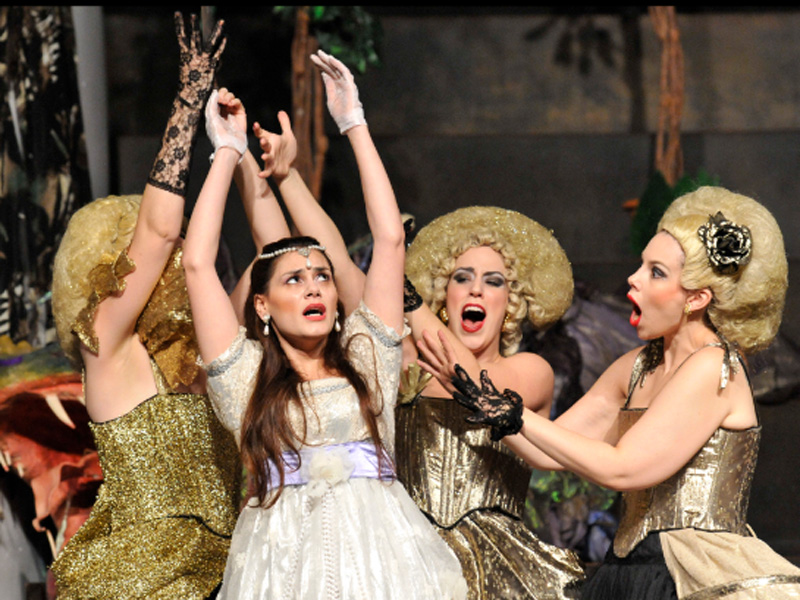
Papageno the bird catcher embarks on a perilous journey to find princess Pamina and return her to prince Tamino who lovers her and waits for her. On his journey he will encounter the Queen of the Night and her three ladies and at the end of the day will also find love. Mozart’s beloved opera in a special version for the entire family with colorful costumes.

halilahalilbhalilc

Original Director Niv Hoffman
Director Shirit Lee Weiss

CAST

Drori Eitan, tenor

Drori Eitan, tenor

Tamino

Eitan Drori, tenor, was born in Israel. He performed as a soloist with the Israel Chamber Orchestra, The Ramat Gan Orchestra, The Haifa Symphony Orchestra, the Israel Symphony Orchestra Rishon LeZion, The Raanana Symphonette Orchestra, The Herzliya Chamber Orchestra, the Jerusalem Baroque Orchestra, the Jerusalem Symphony Orchestra, the Israel Camerata and others. He performed in various local festivals including Kfar Bloom and Abu Gosh. He received the AICF, the Ronen, the IVAI and the Eli Leon scholarships. He performed Alfred in Die Fledermaus (J. Strauss) with the Israeli Opera Studio. Eitan Drori is a member of the Israeli Opera’s Meitar Opera Studio where his repertoire includes Tamino in Die Zauberflote, Don Ottavio in Don Giovanni, Ferrando in Cosi fan tutte (Mozart), Nemorino in L’elisir d’amore (Donizetti), Gaston in La traviata (Verdi) and other roles. At the Israeli Opera he performed Don Ottavio in Don Giovanni (Mozart) in Akko and the Judge in Un ballo in maschera (Verdi).
Kopel Liran, tenor

Kopel Liran, tenor

Tamino


Liran Kopel, tenor, was born in Israel. He studies at the Jerusalem Academy of Music and Dance. He performed with most leading vocal ensembles in Israel including the New Vocal Ensemble, the Moran Ensemble and the Israeli Opera Chorus. He performed as a soloist with the Israel Chamber Orchestra, the Raanana Symphonette Orchestra, the Ramat Gan Chamber Orchestra, the Abu Gosh Festival and others. His operatic repertoire includes Belfiore in La finta giardiniera (Mozart), Beppe in Rita (Donizetti) and Ramiro in La Cenerentola (Rossini). At the Israeli Opera he performed as Tamino in a community production of Die Zauberflote (Mozart).

Knaani Goni, soprano

Knaani Goni, soprano

Pamina

Goni Knaani, soprano, was born in Israel. She studied at the Buchman-Mehta School of Music at the Tel Aviv University. Her repertoire includes Donna Elvira in Don Giovanni (Mozart), Euridice in Orfeo ed Euridice (Gluck) and other roles. Her concert repertoire includes Psalm 42 (Mendelssohn), German Requiem (Brahms) and other works. She received scholarships and won competitions at the Buchman-Mehta School of Music Goni Knaani is a member of the Israeli Opera’s Meitar Opera Studio were her repertoire includes Gretel in Hansel and Gretel (Humperdinck), Susanna in Le nozze di Figaro, Pamina and the First Lady in Die Zauberflote, Donna Anna in Don Giovanni, Fiordiligi in Cosi fan tutte (Mozart) and other roles.
Polishook Yair, baritonePapageno Yair Polishook, baritone, was born in Israel. He graduated from the Jerusalem Academy of Music and Dance. He performs in concerts all over Israel including with the Israel Symphony Orchestra Rishon LeZion, the Jerusalem Baroque Orchestra, the Raanana Symphonette Orchestra and others. He performed Fiorello in Il barbiere di Siviglia (Rossini) with the Israel Philharmonic Orchestra and with the Israel Sinfonietta Beersheva, Aeneas in Dido & Aeneas (Purcell), Figaro in Le nozze di Figaro (Mozart), as well as in the operas The Cheater (Avidom) and The Bald Soprano (Israel Sharon). His liturgical repertoire includes Messiah (Handel), St. Matthew’s Passion (Bach), the Faure Requiem, Schonberg’s serenade Op. 24 and other works. He is a member of the Israeli Bach Soloists. Beside his singing career he studies conducting with maestro Avner Biron. He received the AICF, Ronen Foundation and Eli Leon scholarships. Yair Polishook is a member of the Israeli Opera’s Meitar Opera Studio where his repertoire includes Papageno in Die Zauberflote, Leporello in don Giovanni, Guglielmo in Cosi fan tutte (Mozart), Belcore in L’elisir d’amore (Donizetti) and other roles. At the Israeli Opera he performed Leporello in Don Giovanni (Mozart) in Akko, the Mad Hatter in Alice in Wonderland (Sebba), the Marchese in La traviata, Ceprano in Rigoletto (Verdi), Schlemil in Les Contes d’Hoffmann (Offenbach), the Notary in Don Pasquale (Donizetti) and others.
Ketzef Tali, sopranoPapagena

Tali Ketzef, soprano, was born in Israel. She studied at the Buchman-Mehta School of Music at the Tel Aviv University. Her repertoire includes Donna Elvira in Don Giovanni (Mozart), Euridice in Orfeo ed Euridice (Gluck) and other roles. Her concert repertoire includes Psalm 42 (Mendelssohn), German Requiem (Brahms) and other works. She received scholarships and won competitions at the Buchman-Mehta School of Music Goni Knaani is a member of the Israeli Opera’s Meitar Opera Studio were her repertoire includes Gretel in Hansel und Gretel (Humperdinck), Susanna in Le nozze di Figaro, Pamina and the First Lady in Die Zauberflote, Donna Anna in Don Giovanni, Fiordiligi in Cosi fan tutte (Mozart) and other roles.

Grestova Lilia, sopranoQueen of the Night Lilia Gretsova, soprano, was born in Russia and immigrated to Israel. She performed in many concerts throughout Israel including with the Jerusalem Symphony Orchestra, IBA, the Israel Symphony Orchestra Rishon LeZion, the Raanana Symphonette Orchestra and the Haifa Symphony Orchestra. Her wide concert repertoire includes Carmina Burana (Orff) and the Faure requiem. She has received scholarships from the AICF as well as the Berkovic, the Eli Leon and the Industrial-Commercial Club scholarships. Lilia Gretsova was a member of the Israeli Opera’s Opera Studio where her repertoire included the Queen of the Night and the First Lady in Die Zauberflote (Mozart), Rosalinde in Die Fledermaus (J. Strauss), Euridice in Orfeo ed Euridice (Gluck) and Gretel in Hansel und Gretel (Humperdinck). At the Israeli Opera she performed Mrs. Stoat in The Cunning Little Vixen (Janacek) and the Wailing Woman in The Child Dreams (Shohat). At the Israeli Opera she performed as the First Lady in Die Zauberflote (Mozart) and as Aksinia in Lady Macbeth of Mtsensk (Shostakovich). She also performs as the lead singer in the dance opus Rooster (Barak Marshall), a co production of the Israeli Opera and the Suzanne Della Center.
Gurtler Avigail, sopranoQueen of the Night Avigail Gurtler, soprano, was born in Israel. She graduated from the Jerusalem Academy of Music and Dance, where she studied with Miriam Meltzer and David Sebba. She performed in concerts all over Israel, including at the Abu Gosh Festival and the Jerusalem Arts Festival in varied repertoire including works by Pergolesi (Laudate Pueri), Beethoven (Mass in C), Mendelssohn (Psalm 42) and Haydn (Nelson Mass). During her studies she has performed the Queen of the Night in Die Zauberflote (Mozart). She is the winner of the Academy’s vocal competition for 2010, accompanied by the Israel Sinfonietta Beersheva. Avigail Gurtler is a member of the Israeli Opera’s Opera Studio where her repertoire includes the Queen of the Night in Die Zauberflote (Mozart), Gretel in Hansel und Gretel (Humperdinck), Adele in Die Fledermaus (J. Strauss), Susanna in Le nozze di Figaro (Mozart), Adina in L’elisir d’amore (Donizetti) and other roles. She performed Barbarina in Le nozze di Figaro (Mozart) in the Opera Studio production with the Israel Sinfonietta Beersheva as well as Adele in Die Fledermaus (J. Strauss) with the Jerusalem Symphony Orchestra, IBA. She performed Gretel in Hansel und Gretel (Humperdinck) with the Israel Sinfonietta Beersheva and Adina in L’elisir d’amore (Donizetti) with the Israel Chamber Orchestra. In 2012 she played Paggio in Rigoletto (Verdi). She performs in numerous Israeli Opera concerts. She performed the Queen of the Night in the Israeli Opera family production of Die Zauberflote (Mozart).
First Lady Goni Knaani
Shahar Lavi, Mezzo sopranoSecond Lady

Shahar Lavi, mezzo soprano, was born in Israel. She studied at the Buchman-Mehta School of Music at the Tel Aviv University. Her repertoire includes Cherubino in Le nozze di Figaro (Mozart), Orfeo in Orfeo ed Euridice (Gluck), Rosina in Il barbiere di Siviglia (Rossini) and other roles. Her concert repertoire includes Mozart’s requiem and Coronation Mass, the Bach Magnificat, Vivaldi’s Gloria and Rossini’s Petite Messes Solennelle. She received scholarships and won competitions at the Buchman-Mehta School of Music and also received the AICF, IVAI and Ronen scholarships. Shahar Lavi is a member of the Israeli Opera’s Meitar Opera Studio were her repertoire includes Hansel in Hansel und Gretel (Humperdinck), Cherubino in Le nozze di Figaro, Second Lady in Die Zauberflote (Mozart), the title role in La Cenerentola (Rossini) and other roles.

Nitzan Yogev-Alon, mezzo sopranoThird Lady Nitzan Yogev-Alon, mezzo soprano, was born in Israel. She studied at the Jerusalem Academy for Music and Dance as well as at the Mendelssohn Hochschule fur Musik und Theater in Leipzig. Her repertoire includes the Flower/Neighbor in L’absence (Sara Nemtsov) at the Munich Biennale, Zefka in The Dairy of the One Who Disappeared (Janacek) at the Kfar Bloom Festival and other roles. Her concert repertoire includes among others, the Mozart Requiem, Magnificat (Bach), Petite Messe Solennelle (Rossini), Magnificat (Vivaldi), Nelson Mass (Haydn) and many other works. She performed as a soloist with the Raanana Symphonette Orchestra and other orchestras. She received the Chabas scholarship for young promising singers. Nitzan Yogev is a members of the Israeli Opera’s Meitar Opera Studio where her repertoire includes the Witch in Hansel and Gretel (Humperdinck), Marcellina in Le nozze di Figaro and the Third Lady in Die Zauberflote (Mozart).
TUE 16.12.14 17:00
TUE 6.1.15 17:00
TUE 10.2.15 17:00
WED 4.3.15 10:30
SUN 5.4.15 10:30
TUE 14.4.15 17:00

Ticket Price: 30 Nis

Posted in OPera | Tagged , , | Leave a comment

Puccini’s “La Rondine” in Tel Aviv

israeli opera

La Rondine

Giacomo Puccini

Can romantic love be genuine and blossom? Puccini presents a touching love story about a boy and a girl who fall in love but are not able live happily ever after replete. with beautiful arias in his own personal magical style.

Libretto: Giuseppe Adami

rondinea

Conductor Frederic Chaslin
Eithan Schmeisser
Director Nicolas Joel
Revival Director Stephane Roche
Set Designer Ezio Frigerio
Costume Designer Franca Squarciapino
Lighting Designer Vinicio Cheli
revival lighting director Jacopo Pantani

Among the soloists

Magda Angela Gheorghiu
Aurelia Florian
Ira Bertman
Ruggero Zoran Todorovic
Avi Klemberg
Prunier Marius Brenciu
Luca Lombardo
Lisette Alla Vasilevitsky
Hila Baggio
Rambaldo Vladimir Braun
Yvette Shiri Hershkovitz
Bianca Efrat Ashkenazi
Suzy Shay Bloch
Gobin Eitan Drori
Perichaud Yair Polishook
Crebillon Anton Alexeev
Georgette Goni Knaani
Gabriella Tal Bergman
Lolette Nitzan Yogev-Alon
Young Man Liran Kopel
Rabonnier Anatoli Krasik
Butler Yair Polishook

The Israeli Opera Chorus
Chorus Master: Ethan Schmeisser
The Opera Orchestra – The Israel Symphony Orchestra Rishon LeZion

English & Hebrew Surtitles
Translation: Israel Ouval

New Production
Sung in Italian
Duration: approx. 3 hours

rondineb

Day Date Hour Back Stage Tours Opera Talkback
FRI 9.1.15 13:00
SAT 10.1.15 20:00
* MON 12.1.15 20:00
TUE 13.1.15 20:00 18:30 After the show
WED 14.1.15 20:00 18:30 After the show
FRI 16.1.15 13:00
SAT 17.1.15 20:00
SUN 18.1.15 20:00 18:30 After the show
MON 19.1.15 20:00 18:30
THU 22.1.15 20:00 After the show
FRI 23.1.15 13:00
SAT 24.1.15 20:00

* PREMIÈRE
** Towards Opening – SAT 3.1.15, 11:00
*** A pre-performance lecture (in Hebrew) is held one hour before every performance. Free admission for tickets holders.

ACT I

An elegant salon in Magda’s house in Paris

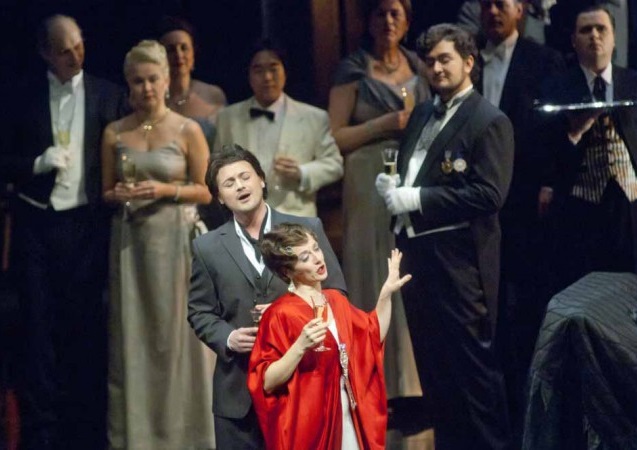
Magda, the mistress of the rich banker Rambaldo, is serving tea for her guests. Yvette. Bianca and Suzy laugh at the poet Prunier, who is holding forth about his theories of love. When he speaks approvingly of sentimental love, Magda’s maid Lisette tells him he does not know what he is talking about. Prunier is offended and Magda dismisses Lisette. Prunier insists that everyone is prey to romantic love; to prove his point he starts the story of his latest heroine, Doretta, who spurned a king’s ransom for love. When Prunier admits he does not know how to finish his song, Magda improvises a second verse, telling how Doretta lost her heart to a student. All the guests are charmed by her performance, Rambaldo so much so that he presents her with a pearl necklace.
Lisette announces a stranger who has been repeatedly inquiring for Rambaldo. Rambaldo asks Magda for permission to receive the son of an old school friend. Magda describes a youthful escapade she once had at Bullier’s, where she met a charming student with whom she had a delightful flirtation. The girls suggest Magda’s story to Prunier as the subject for one of his songs but he retorts that he prefers perverse heroines like Berenice and Salome.
Prunier takes the girls on one side to demonstrate his skills at palmistry. Lisette shows in the visitor. Ruggero Lastouc and Rambaldo reads a letter he has brought from his father. Meanwhile, Prunier, reading Magda’s palm, tells her she is like a swallow, eager to migrate towards the sun and true love. Ruggero, who has never been to Paris before, expresses his excitement at being in the city and Rambaldo calls on the others to suggest a suitable place of entertainment for the evening. Prunier advises Ruggero to go to bed. Lisette interrupts and recommends Bullier’s.
After Ruggero has left Magda chides tbe others for making fun of Ruggero. Her guests leave and Magda tells Lisette she will be staying in; but after a moment’s reflection she impulsively decides to go to Bullier’s and hurries off to change. Soon Lisette comes tiptoeing in, dressed up to go out; Prunier is waiting for her. He tells her he dislikes her hat, which is Magda’s, and Lisette goes to change it. They steal off together.

rondinec

ACT II

At Bullier’s
A pleasure-seeking crowd of students, artists and flower girls fills the place with animated chatter. Suddenly their attention is caught by Magda, who enters shyly. Some young men gather round her but she escapes them and hurries over to the table where Ruggero is sitting alone. She apologizes and explains that she will leave him as soon as the young men are no longer watching. Ruggero, who does not recognize her, gently urges her to stay and they chat amicably; she reminds him of the girls back home. Ruggero persuades her to dance. Soon the dance floor is crowded.
Prunier and Lisette appear. They are having an argument because of Prunier’s insistence on trying to turn her into a lady, and Lisette leaves him, angry. Magda and Ruggero return to their table. When Ruggero orders two beers, Magda is filled with memories of her earlier escapade. Ruggero asks her name and she replies ‘Paulette’ and writes it on the table; Ruggero signs his name beneath it. Magda teases him about his probable love affairs, to which he replies that if he were to fall in love it would be for ever. Their mutual attraction grows in intensity and soon they arc kissing.
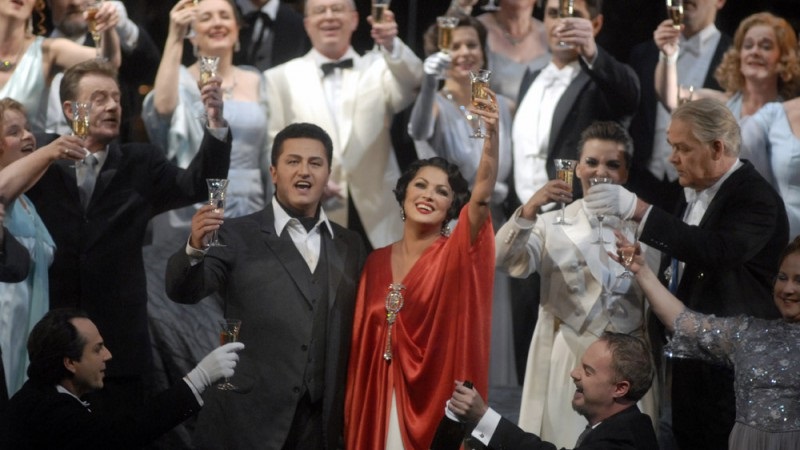
Lisette turns up again, now convinced that ‘Paulette’ is her mistress, a deduction that Prunier pretends not to believe. To prove his point he takes Lisette and introduces her, but Magda tries to preserve her disguise. The two couples sit at the same table and soon are toasting their love. Suddenly Prunier catches sight of Rambaldo. Upset, Magda begs Ruggero to leave her alone for a few minutes. When Rambaldo demands an explanation, she answers that he has seen it for himself and she has nothing to add. Rambaldo asks her to leave, but Magda refuses, swearing she loves Ruggero. Rambaldo bows. Magda is left alone. Ruggero joins her and the two stroll away.

ACT III
A hotel on the Riviera
For some months Magda and Ruggero have been leading an idyllic existence; they discuss their first meeting and their present happiness. Ruggero tells Magda that he has written to his mother, not just for money to pay their many debts but also for consent to his marriage to Magda. Knowing that her concealed past will make her unacceptable to Ruggero’s parents, Magda suffers as she listens to his description of wedded bliss in the bosom of his family. Ruggero goes off leaving Magda torn between her desire to tell Ruggero the truth and her wish to avoid hurting him.
Lisette and Prunier appear. Lisette is distraught because Prunier has tried to make her a music hall singer and her performance in Nice the before was a fiasco; the whistling of the audience still rings in her ears. When Magda sees them she welcomes Lisette back as her maid. Prunier gives Magda an oblique message from Rambaldo, who will be happy to take her back on any terms. Lisette goes off to resume her duties and Prunier leaves after finding out what time Lisette will be free that evening.
Ruggero returns with his mother’s letter, which he shows Magda. She reads about Ruggero’s mother’s hopes that her son has chosen a virtuous woman who will be a worthy mother of his children. Unable to keep silent any longer, Magda reveals her past, telling the stunned Ruggero that she can never be his wife. Ruggero protests and begs her not to abandon him. She tells him he must return home. Ruggero collapses while the heartbroken Magda leaves him.

Posted in OPera | Tagged , , , , | Leave a comment

Wagner’s “Der Fliegende Holländer” in Tokyo

newDer fliegende Holländer

Music by Richard WAGNER
Opera in 3 acts
Sung in German with Japanese surtitles
Opera Palace

January 18, 21, 25, 31   2:00 PM
January 28, 7:00 PM

Hollander

WAGNER almost experienced a shipwreck, which inspired him to write this opera early in his career based on a modern English legend about a Dutch ship captain who is doomed to sail the oceans forever as punishment for his blasphemy. The story tells how the love of the young maiden, Senta, saves the cursed Dutch captain. Salvation through love and self-sacrifice became a common theme in all of WAGNER’s works thereafter. Matthias von STEGMANN’s production was first presented in 2007, staged again in 2012, and here again for the third time.

Thomas Johannes MAYER and Ricarda MERBETH, playing the two main roles, are both seasoned singers performing regularly at the Bayreuth Music Festival. Daniel KIRCH is Erik, a difficult role to play, and Rafal SIWEK sings as Daland. SIWEK is also to appear in Don Carlo as Filippo II. New Artistic Director, IIMORI Taijiro, will be conducting.

Staff

Iimori Taijiro

IIMORI Taijiro

Conductor IIMORI Taijiro

Production Matthias Von STEGMANN

Scenery Design HORIO Yukio

Matthias Von STEGMANN

Matthias Von STEGMANN

Costume Design HIBINO Kodue

Lighting Design ISONO Mutsumi

Cast

Rafal SIWEK

Rafal SIWEK

Daland Rafal SIWEK


Ricarda MERBETH

Ricarda MERBETH

Senta Ricarda MERBETH


Daniel KIRCH

Daniel KIRCH

Erik Daniel KIRCH


TAKEMOTO Setsuko

TAKEMOTO Setsuko

Mary TAKEMOTO Setsuko


MOCHIZUKI Tetsuya

MOCHIZUKI Tetsuya

Steuermann MOCHIZUKI Tetsuya


Thomas Johannes MAYER

Thomas Johannes MAYER

Holländer Thomas Johannes MAYER


Chorus New National Theatre Chorus

Orchestra Tokyo Symphony Orchestra

Posted in OPera | Tagged , , | Leave a comment

“Nabucco” in Poland with great historical costumes

polandlogoNABUCCO

Giuseppe Verdi

nabucco1

Sun 6:00pm January 4, 2015
Moniuszko Auditorium

Opera in four acts
Libretto: Temistocle Solera after the drama by Auguste Aniceta-Bourgeois and Francis Cornue
World premiere: Regio Teatro alla Scala, Milano, 9/03/1842
Warsaw premiere: 25/02/1854, Teatr Wielki, Warsaw
Premiere of this production: 26/06/1992
Original language version with Polish surtitles

duration: 3 hrs, including: 2 intermissions

Nabucco2

Conductor: Andriy Yurkevych
Direction: Marek Weiss
Set Design: Andrzej Kreutz Majewski
Costumes: Jacek Majewski
Choreography: Emil Wesołowski
Chorus Master: Bogdan Gola
Lights: Stanisław Zięba
Soloists, Chorus and Orchestra of Polish National Opera, Polish National Ballet

Photo: Marek Górecki
Poster for the production, designed by Wiktor Sadowski

Nabucco3

Cast:

Nabucco – Mikołaj Zalasiński
Fenena – Anna Lubańska
Ismaele – Tomasz Kuk
Zaccaria – Aleksander Teliga
Abigaille – Lilla Lee
High Priest – Mieczysław Milun
Abdallo – Łukasz Załęski
Anna – Monika Świostek

Nabucco4

An amazing work by a 29-year-old, only third on the long list of Verdi’s operatic achievements, and not even counted among his greatest accomplishments. Though it is a piece strongly reliant on the model of Italian bel canto, which Verdi with his brilliant intuition was soon to overcome, Nabucco is only less popular than three huge hits by this composer: La Traviata, Rigoletto and Aida, while coming a very high 18th on the list of the world’s most often staged operas (according to Operabase).

Nabucco5This massive success of Nabucco practically stems from one, just four-minute fragment – the most famous chorus in opera’s history – “Va, pensiero”. Intoned against the background of a conventionally simplified orchestral accompaniment, thanks to its moving melody that is sung – unusually for a chorus, though extremely symbolic – in one voice (in unison), this song of Hebrew slaves quickly became the unofficial anthem of the Italians. Marek Weiss’s clever staging, embedded in a hieratic space created by the greatest talent in the history of Polish opera design, the late Andrzej Kreutz Majewski, has been performed in Warsaw for over 22 years and invariably draws crowds of admirers hungry for beautiful singing backed by equally attractive tableaux.

nabucco6

Synopsis

Time: 587 BC
Place: Jerusalem and Babylon

Act 1: Jerusalem

‘Thus saith the Lord, Behold, I shall deliver this city into the hand of the King of Babylon, and he will burn it with fire’ (Jeremiah 21:10)

Interior of the Temple of Solomon

The Israelites pray as the Babylonian army advances on their city (Gli arredi festivi giù cadano infranti / “Throw down and destroy all festive decorations”). The High Priest Zaccaria tells the people not to despair but to trust in God (D’Egitto là su i lidi / “On the shores of Egypt He saved the life of Moses”). The presence of a hostage, Fenena, younger daughter of Nabucco, King of Babylon, may yet secure peace (Come notte a sol fulgente / “Like darkness before the sun”). Zaccaria entrusts Fenena to Ismaele, nephew of the King of Jerusalem and a former envoy to Babylon. Left alone, Fenena and Ismaele recall how they fell in love when Ismaele was held prisoner by the Babylonians, and how Fenena helped him to escape to Israel. Nabucco’s supposed elder daughter, Abigaille, enters the temple with Babylonian soldiers in disguise. She, too, loves Ismaele. Discovering the lovers, she threatens Ismaele: if he does not give up Fenena, Abigaille will accuse her of treason. If Ismaele returns Abigaille’s love, however, Abigaille will petition Nabucco on the Israelites’ behalf. Ismaele tells Abigaille that he cannot love her and she vows revenge. Nabucco enters with his warriors (Viva Nabucco / “Long live Nabucco”). Zaccaria defies him, threatening to kill Fenena if Nabucco attacks the temple. Ismaele intervenes to save Fenena, which removes any impediment from Nabucco destroying the temple. He orders this, while Zaccaria and the Israelites curse Ismaele as a traitor.Nabucco7

Act 2: The Impious One

‘Behold, the whirlwind of the Lord goeth forth, it shall fall upon the head of the wicked’ (Jeremiah 30:23)

Scene 1: Royal apartments in Babylon

Nabucco has appointed Fenena regent and guardian of the Israelite prisoners, while he continues the battle against the Israelites. Abigaille has discovered a document that proves she is not Nabucco’s real daughter, but the daughter of slaves. She reflects bitterly on Nabucco’s refusal to allow her to play a role in the war with the Israelites and recalls past happiness (Anch’io dischiuso un giorno / “I too once opened my heart to happiness”). The High Priest of Baal informs Abigaille that Fenena has released the Israelite captives. He plans for Abigaille to become ruler of Babylon, and with this intention has spread the rumour that Nabucco has died in battle. Abigaille determines to seize the throne (Salgo già del trono aurato / “I already ascend the [bloodstained] seat of the golden throne”).
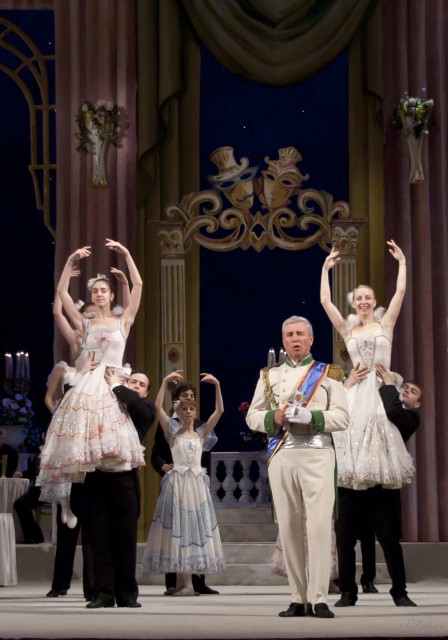
Scene 2: A room in the palace

Zaccaria reads over the Tablets of Law (Vieni, o Levita / “Come, oh Levite! [Bring me the tables of the law]”), then goes to summon Fenena. A group of Levites accuse Ismaele of treachery. Zaccaria returns with Fenena and his sister Anna. Anna tells the Levites that Fenena has converted to Judaism, and urges them to forgive Ismaele. Abdallo, a soldier, announces the death of Nabucco and warns of the rebellion instigated by Abigaille. Abigaille enters with the High Priest of Baal and demands the crown from Fenena. Unexpectedly, Nabucco himself enters; pushing through the crowd, he seizes the crown and declares himself not only king of the Babylonians but also their god. The high priest Zaccaria curses him and warns of divine vengeance; an incensed Nabucco in turn orders the death of the Israelites. Fenena reveals to him that she has embraced the Jewish religion and will share the Israelites’ fate. Nabucco is furious and repeats his conviction that he is now divine (Non son più re, son dio / “I am no longer King! I am God!”). There is a crash of thunder and Nabucco promptly loses his senses. The crown falls from his head and is picked up by Abigaille, who pronounces herself ruler of the Babylonians.nabucco8

Act 3: The Prophecy

‘Therefore the wild beasts of the desert with the wild beasts of the islands shall dwell there, and the owls shall dwell therein’. (Jeremiah 50:39)

Scene 1: The Hanging Gardens of Babylon

Abigaille is now Queen of Babylon. The High Priest of Baal presents her with the death warrant for the Israelites, as well as for Fenena. Nabucco, still insane, tries to reclaim the throne without success. Though his consent to the death warrant is no longer necessary, Abigaille tricks him into signing it. When Nabucco learns that he has consigned his (true) daughter to death, he is overcome with grief and anger. He tells Abigaille that he is not in fact her father and searches for the document evidencing her true origins as a slave. Abigaille mocks him, produces the document and tears it up. Realizing his powerlessness, Nabucco pleads for Fenena’s life (Oh di qual onta aggravasi questo mio crin canuto / “Oh, what shame must my old head suffer”). Abigaille is unmoved and orders Nabucco to leave her.
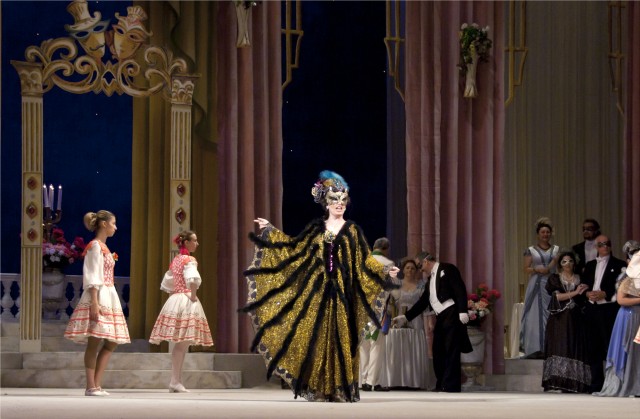
Scene 2: The banks of the River Euphrates
The Israelites long for their homeland (Va pensiero, sull’ali dorate / “Fly thought on golden wings; [Fly and settle on the slopes and hills]”). The high priest Zaccaria once again exhorts them to have faith: God will destroy Babylon. The Israelites are inspired by his words.Nabucco9

Act 4: The Broken Idol

‘Bel is confounded, Merodach is broken pieces; her idols are confounded, her images are broken in pieces.’ (Jeremiah 50:2)

Scene 1: The royal apartments, Babylon

Nabucco awakens, still confused and raving. He sees Fenena in chains being taken to her death. In despair, he prays to the God of the Hebrews. He asks for forgiveness, and promises to rebuild the temple in Jerusalem and convert to Judaism if his prayers are answered (Dio di Giuda / “God of Judah! [The altar, your sacred Temple, shall rise again]”). Miraculously, his strength and reason are immediately restored. Abdallo and loyal soldiers enter to release him. Nabucco resolves to rescue Fenena and the Israelites as well as to punish the traitors.Nabucco10

Scene 2: The Hanging Gardens of Babylon

Fenena and the Israelite prisoners are led in to be sacrificed (Va! La palma del martirio / “Go, win the palm of martyrdom”). Fenena serenely prepares for death. Nabucco rushes in with Abdallo and other soldiers. He declares that he will rebuild the Temple of Jerusalem and worship the God of the Israelites, ordering the destruction of the idol of Baal. At his word, the idol falls to the ground of its own accord and shatters into pieces. Nabucco tells the Israelites that they are now free and all join in praise of Jehovah. Zaccaria proclaims Nabucco the servant of God and king of kings. Abigaille enters, supported by soldiers. She has poisoned herself. She begs forgiveness of Fenena, prays for God’s mercy and dies.

Posted in OPera | Tagged , , , , | Leave a comment

“The Magic Flute” in Berlin

deutsche

Presents:

magic4The Magic Flute

Wolfgang Amadeus Mozart (1756 – 1791)

Opera in two acts
Libretto by Emanuel Schikaneder
First performed on 30. September, 1791 in Vienna
Premiered at the Deutsche Oper Berlin on 24. September, 1991

In German with German and English surtitles

Photo credits: The Magic Flute © 2013, Bettina Stößmagic10magic6magic8

3 hrs / 1 interval

magic3

Cast

Conductor Moritz Gnann
Director Günter Krämer
Stage-design, Costume-design Andreas Reinhardt
Choir Conductor Thomas Richter
Sarastro Tobias Kehrer
Tamino Matthew Newlin
Speaker Stephen Bronk
1st priest Carlton Ford
2nd priest Jörg Schörner
Queen of the Night Nina Minasyan
Pamina Heidi Stober
1st lady Adriane Queiroz
2nd lady Stephanie Lauricella
3rd lady Ronnita Miller
Papagena Alexandra Hutton
Papageno Simon Pauly
Monostatos Burkhard Ulrich
1st armoured man Paul Kaufmann
2nd armoured man Albert Pesendorfer
Three boys Solisten des Tölzer Knabenchores
Chorus Chor der Deutschen Oper Berlin
Orchestra Orchester der Deutschen Oper Berlin

magic7

Information

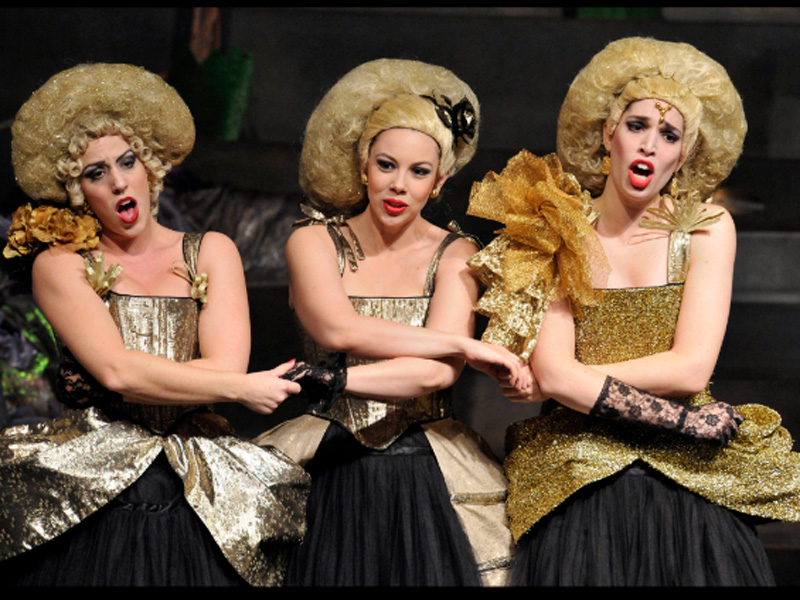
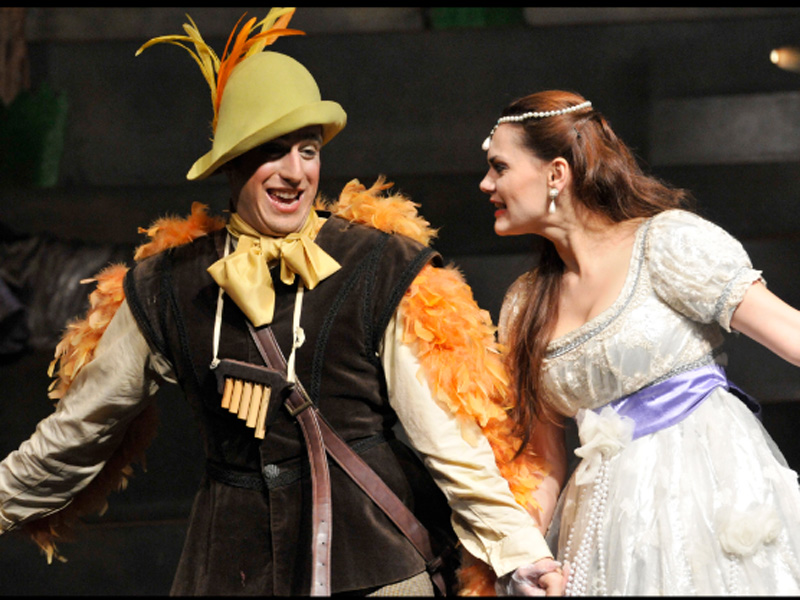
magic2Prince Tamino is menaced by a wild dragon. At the last moment he is saved by three mysterious women, who have been sent by the Queen of the Night. When the bird catcher Papageno appears and boasts of his heroic deed as dragon slayer, the three ladies punish him. They present the Prince with a picture of Pamina, the Queen’s daughter, who has been imprisoned by Sarastro, Regent of the Sun Temple. Tamino falls in love with her. The Queen appears in person and orders him to join forces with Papageno to save Pamina. They give Tamino a magic flute for protection and the reluctant Pagageno receives a glockenspiel of magical chimes. Led by three boys, the two heroes begin their journey to Sarastro’s castle. Tamino is twice prevented from entering by the gatekeepers. At the third attempt they inform him that Sarastro is nothing like the cruel tyrant that the Queen of the Night has made him out to be. Papageno finds Pamina and tries to escape with her.

magic1He is able to stall her guard Monostatos with the help of the chimes, but the appearance of Sarastro puts an end to all attempts to flee. Papageno, Pamina and Tamino are compelled to stay in Sarastro’s temple and submit to a series of life-threatening trials. First of all they have to learn to be silent, which is especially difficult for Papageno. When an old woman passes, Papageno cannot restrain himself and asks her what her name is. She disappears in a clap of thunder. Papageno consoles himself with the food that is so miraculously served to them. Tamino keeps silent, playing on his flute. Pamina appears, in deep despair that Tamino is no longer talking to her. Her mother has already entreated her in vain to murder Sarastro. When she decides to end her life the three boys seize her dagger and lead her to Tamino. Protected by the flute, both of them pass the ordeals of fire and water, and have now successfully completed all the trials. Meanwhile Papageno, in his great loneliness, conjures up the old woman again and promises to marry her, »if there’s nothing better to be had«.

magic5All of a sudden she is transformed into a beautiful young girl, but their time has not yet come and she is taken from him again. In his despair he decides to end his life, but the three boys remind him of the magic chimes. Their tinkling brings back Papagena, and the reunion sets them both dreaming of a happy future together. The other pair is happy, too: Tamino and Pamina are inducted into the Society of the Enlightened, which celebrates the ideals of Nature, Wisdom and Reason. Only for the Queen of the Night does the story take a turn for the worse: when she attempts to enter the temple along with her entourage she is devoured by the spirits of darkness.

Mozart’s MAGIC FLUTE is the most frequently performed opera in the German-speaking world. This variegated masterpiece straddling Viennese popular theatre, fairytale, myth and the mystery of freemasonry is a puzzle even today: did Mozart and his librettist Schikaneder switch horses in mid-stream, changing allegiance from the Queen of the Night to Sarastro? Should one not distrust the holier-than-thou world of the priests and an ideology that divides the world into good and evil? Are there not traces, even, of discrepancies between text and music, as many a Mozart expert has suggested? Whatever the facts of the matter, it is the music that smooths the contradictions of the plot, elevating them to a worldly realism. The music does not denounce the characters but rather confers on the conflicts an existential dimension. Without this dimension the opera would come over as an irrational fairytale.

Supported by Förderkreis der Deutschen Oper Berlin e.V. and Deutschen Philips Unternehmen

magic9magic11magic12magic13magic14

Posted in OPera | Leave a comment

The Barber of Seville in Norway

logonorwayDecember 21.–February 20

The Barber of Seville

Following two seasons of great success in the Second House, The Barber of Seville is now coming to the Main House.
Performed in Italian/ Texted in Norwegian and English
3 hours / 1 intermission

barber6Gioachino Rossini’s classic comic opera is about who will win the young Rosina. Will Count Almaviva succeed, or will she end up with the elderly Doctor Bartolo, who has locked her in?
In this version, the story is told from Rosina’s point of view. Director François De Carpentries and set designer Karine Van Hercke use her diary as a visual and conceptual starting point, in which the maiden’s storm of feelings are broken down, reflected and expressed. We become part of a game that is entertaining and infectiously funny, but also vulnerable and confused: the game of a young woman who is on a journey of becoming.
The young, sought-after soprano Pretty Yende makes her debut in the role of Rosina in Oslo. Next season she will reprise the role at venues such as the Metropolitan Opera in New York.
Free introduction one hour before the performance

    • Original title: Il barbiere di Siviglia
    • Music : Gioacchino Rossini
    • Libretto : Cesare Sterbini
    • Conductor : Enrique Mazzola, Rune Bergmann
    • Direction : François De Carpentries
    • Set design and costumes : Karine Van Hercke
    • Cast : The Opera Chorus, The Opera Orchestra

CAST

figaroEspen Langvik as Figaro


rosinaPretty Yende as Rosina

Playing the following days

12/21/2014
12/27/2014
12/31/2014
1/3/2015
1/7/2015
1/10/2015
1/13/2015
1/16/2015


rosina2Lina Johnson as Rosina

Playing the following days

1/5/2015
2/2/2015
2/4/2015
2/18/2015
2/20/2015


Tuomas_KatajalaTuomas Katajala as Count Almaviva


Marco_Filippo_RomanoMarco Filippo Romano as Dr. Bartolo


Melis_JaatinenMelis Jaatinen as Berta


Jens-Erik-AasboeJens-Erik Aasbø as Don Basilio


SYNOPSIS

Act 1

At night, Count Almaviva brings a band of musicians to serenadeRosina, pupil of Dr. Bartolo, who keeps the girl confined in his house.When Rosina fails to answer his song, the count pays the players, andthey leave. At the sound of Figaro’s voice, Almaviva steps away as thebarber bounds in, boasting of his busy life as the neighborhood factotum.

Figaro, though currently in Bartolo’s employ, encounters Almaviva and promises to help him win Rosina: for a suitable reward. No sooner has Bartolo left the house to arrange his own marriage with Rosina then Almaviva launches into a second serenade, calling himself «Lindoro», a poor creature who can offer only love. Figaro suggests Almaviva disguise himself as a drunken soldier billeted to Bartolo’s house. Almaviva is delighted by the love he will conquer, Figaro by the money he will get.barber1

Alone in the house, Rosina muses on the voice that has touched her heart and resolves to outwit Bartolo. Figaro joins her, but they leave on hearing footsteps. Bartolo enters complaining about Figaro, upsetting the house. Then the music master Don Basilio enters and tells him that Almaviva is a rival for Rosina’s hand and advises slandering the nobleman’s reputation. Bartolo agrees, but Figaro overhears them. Warning Rosina that Bartolo plans to marry her himself the very next day, the barber promises to deliver a note she has written to «Lindoro».barber3

Rosina, alone with Bartolo, undergoes an interrogation, thenlistens to his boast that he is far too clever to be tricked. Berta, the housekeeper, answers violent knocking at the door, returning withAlmaviva disguised as a drunken soldier in search of lodging. While arguing with Bartolo, Almaviva manages to slip a love letter to Rosina. But when Bartolo demands to see the letter, the girl substitutes a laundry list. Figaro dashes in to warn that their hubbub has attracteda crowd. Police arrive to silence the disturbance. As an officer is aboutto arrest him, Almaviva whispers his identity and is released. Rosina, Berta, Bartolo and Basilio are stupefied by everything that is happening. But Almaviva assaults Bartolo and the police officers sends the mall to the madhouse for examination.barber2

Act 2

Bartolo receives a young music teacher, «Don Alonso» (again Almavivain disguise), who claims to be a substitute for the ailing Basilio. Rosina enters, recognizes her suitor and begins her singing lessonas Bartolo dozes in his chair. Figaro arrives to shave the doctor andmanages to steal the key to the balcony window. Basilio now comesin, looking the picture of health; bribed by Almaviva, he feigns illnessand departs. Figaro shaves Bartolo while Almaviva and Rosina plan their elopement that night. They are overheard by the doctor, who drives Figaro and Almaviva from the house and Rosina to her room, then sends again for Basilio. Berta, unnerved by all the confusion, complains she is going mad. Bartolo then tricks Rosina into believing «Lindoro» is really a flunky of Almaviva.barber4

Rosina weeps about hear broken dream. After a thunderstorm, Almaviva arrives with Figaro and climbs through a balcony windowto abduct Rosina. At first the girl rebuffs «Lindoro», but when heexplains that he and Almaviva are one and the same, she falls intohis arms. Figaro urges haste, but before they can leave, their ladder is taken away. Basilio enters with the notary. Though summoned to wed Rosina and Bartolo, the official marries her instead to Almaviva, who bribes Basilio. Rushing in too late, Bartolo finds the lovers already wed.The old man accepts the situation, when he realizes he was fooled and Figaro tells the moral of the tale: Every attempt to stop love is a useless precaution.

barber5

Posted in OPera | Tagged , , | Leave a comment

Anna Bolena at the Lyric Opera of Chicago

bolena

lyricDecember 6, 2014-January 16, 2015

New Production
by Gaetano Donizetti
In Italian with projected English texts
Approximate running time: 3hrs, 18 min

Doomed queen…tour-de-force drama!

Anne Boleyn may be Queen of England, but she doesn’t stand a chance. Henry VIII wants her gone — with Jane Seymour taking her place on the throne and in his bed. And Henry’s minions do the dirty work, finding “proof” of Anne’s infidelities.

Donizetti exploits all of the glories of the human voice in this bel canto gem and trailblazes with a theatricality that hadn’t been seen in opera before. Listen to vocal fireworks and watch one of opera’s most gripping confrontations: the Queen rages when she finally discovers that Jane is her arch rival, and Jane is haunted by guilt — desperate to marry the King, yet knowing that she’s the reason he’ll send Anne to the scaffold.

Maria Callas and Joan Sutherland made this opera famous—and today Sondra Radvanovsky makes it her own.

Lyric Opera coproduction generously made possible by The Monument Trust (UK) and the Donna Van Eekeren Foundation.

Coproduction of Lyric Opera of Chicago and Minnesota Operabolena1

cast2

CAST

Radvanovsky_Bolena270Anne Boleyn Sondra Radvanovsky

“Dazzling Sondra Radvanovsky tears into the taxing role of the Queen…sending an electric current through the music and effectively conveying Anne’s pride and vulnerability.” Baltimore Sun – See more at:


Barton_Bolena270(2)Jane Seymour Jamie Barton

Dmitri Hvorostovsky won the hugely prestigious BBC Cardiff Singer of the World competition…and so did Jamie Barton. “With her plush, impassioned voice, she’s on opera’s fast track!” Chicago Tribune


Relyea_Bolena270Henry VIII John Relyea

King Henry must be menacing, manipulative, and suave. John Relyea’s “magnificent black velvet cloak of a voice wraps itself around everything in sight.” The Times, London


Hymel_Bolena270Percy Bryan Hymel

This dashing young tenor takes on the role of Percy in his Lyric debut! “Bryan Hymel has the best high notes in the business.” Philadelphia Inquirer


Kelley-OConnor-270x190Smeton Kelley O’Connor

Kelley O’Connor has “dark, lustrous vocal tone and an arresting command of melodic phrase. Her moments in the spotlight left a listener wanting more.” San Francisco Chronicle


synopsisBolena

bolena2

Posted in OPera | Tagged , , , , , | Leave a comment

The Dialogues of the Carmelites in Stockolm

logooperanThe Dialogues of the Carmelites

Monday, December 15 19:00

Freedom, equality, sisterhood!

dialogue

The opera is based on actual events during the French Revolution when the sixteen nuns in a convent was sentenced to death because they continued to practice their religion despite the current ban. Spirituality and materialism are here set against one another – and everyone must suddenly choose a side. Director Johanna Garpe takes on Francis Poulenc’s opera from 1957 and challenges the watchwords of liberty, equality head on. How is our standing in Europe today in relation to these words? Where do we stand in relation to the words in Europe today? Am I prepared to defend everyone’s right to freedom if I do not actually support those in question? Or even think about them?

Karmelitsystrarna_fst2

Music Francis Poulenc
Text Georges Bernanos / Emmet Lavery
Conductor Thomas Søndergård
Director Johanna Garpe
Set Design Per A Jonsson
costumes and masks Nina Sandström
Lighting Thorsten Dahn
Dramaturg Katarina Aronsson
Choreographer Hakan MayerKarmelitsystrarna_fst3

CAST
Marquis de la Force Fredrik Zetterström

Blanche de la Force Elin Rombo

Chevalier de la Force Jonas Degerfeldt

Mme de Crossy, old prioress Marianne Eklöf

Mme Lidoine, new prioress Lena Nordin

Mother Marie Susann Végh

Sister Constance Marianne Hellgren Staykov

Susanna SternMother Jeanne Agneta Lundgren

Karmelitsystrarna_fst5

Confessor Klas Hedlund

The jailer John Erik Eleby

The officer Kristian FlorFirst

Commissioner Magnus Kyhle Andre

Commissioner Lennart Forsé Thierry

butler Jan Sörberg Javelinot

doctors Mikael Magnell Johan Lilja

A servant Madeleine Barringer

Conductor Thomas Søndergård

The Royal Opera Chorus
Royal Opera OrchestraKarmelitsystrarna_fst4

Press Quotes

“Made with great feeling in every moment and get the music to shimmer” DN

“Brilliant vocal efforts” SvD

“Garpes personal trainer is phenomenal” SR Kulturnytt

Karmelitsystrarna_fst6

Royal Opera
PO Box 160 94
103 22 STOCKHOLM

Karmelitsystrarna_fst7

Posted in OPera | Tagged , , , , | Leave a comment

Il barbiere di Siviglia in Slovakia

logo-sndGioacchino Rossini

Il barbiere di Siviglia

Comic opera in two acts in the Italian language

Author of photos: Anton Sládek, 2013

barbiere1

Thursday 18. December 2014 – 19:00

Thursday 5. March 2015 – 19:00
Friday 27. March 2015 – 19:00
Thursday 16. April 2015 – 19:00
Wednesday 6. May 2015 – 19:00

Premières: 8 and 9 February 2013 Historical Building

barbiere2

Conductors: Rastislav Štúr
Directed by: Roman Polák
Set : Pavel Borák
Costumes : Peter Čanecký
Choreography : Stanislava Vlčeková
Chorusmaster: Pavol Procházka

barbiere3

Almaviva: Juraj Hollý
Bartolo: Jozef Benci
Rosina: Štěpánka Pučálková
Figaro: Pavol Remenár
Basilio: Peter Mikuláš
Berta: Katarína Flórová
Fiorello: František Ďuriač
Captain: Ivan Ožvát
Ambrogio: Roman Krško
Inspizient: Ivan Martinka
Souffleuse: Lucia Korená

Gioachino Rossini as a well-known gourmand used to exaggerate a bit when claiming: “The mouth is a much more sensitive organ that the ear.” He exaggerated as usual and he laughed. In spite of his mastery as a cook, and we would not allow us to hesitate about it, our opera stage is interested first of all in his composition mastery. The composer has been ‘mixing’ Italian bel canto with his extraordinary invention and the special sense of humour in his own original way.

Running time: 2 hrs 45 mins one interval

barbiere5

Synopsis

Place: Seville, SpainTime: 18th century

Act 1

The square in front of Bartolo’s house

In a public square outside Bartolo’s house a band of musicians and a poor student named Lindoro are serenading, to no avail, the window of Rosina (“Ecco, ridente in cielo”; “There, laughing in the sky”). Lindoro, who is really the young Count Almaviva in disguise, hopes to make the beautiful Rosina love him for himself—not his money. Almaviva pays off the musicians who then depart, leaving him to brood alone. Rosina is the young ward of the grumpy, elderly Bartolo and she is allowed very little freedom because Bartolo plans to marry her, and her not inconsiderable dowry, himself – once she is of age.

Figaro approaches singing (Aria: “Largo al factotum della città”; “Make way for the factotum of the city”). Since Figaro used to be a servant of the Count, the Count asks him for assistance in helping him meet Rosina, offering him money should he be successful in arranging this. (Duet: “All’idea di quel metallo”; “At the idea of that metal”). Figaro advises the Count to disguise himself as a drunken soldier, ordered to be billeted with Bartolo, so as to gain entrance to the house. For this suggestion, Figaro is richly rewarded. barbiere7

A room in Bartolo’s house with four doors

The scene begins with Rosina’s cavatina, “Una voce poco fa” (“A voice a little while ago”).
Knowing the Count only as Lindoro, Rosina writes to him. As she is leaving the room, Bartolo and Basilio enter. Bartolo is suspicious of the Count, and Basilio advises that he be put out of the way by creating false rumours about him (this aria, “La calunnia è un venticello” – “Calumny is a little breeze” – is almost always sung a tone lower than the original D major).

When the two have gone, Rosina and Figaro enter. The latter asks Rosina to write a few encouraging words to Lindoro, which she has actually already written. (Duet: “Dunque io son…tu non m’inganni?”; “Then I’m the one…you’re not fooling me?”). Although surprised by Bartolo, Rosina manages to fool him, but he remains suspicious. (Aria: “A un dottor della mia sorte”; “To a doctor of my class”).

As Berta, the Bartolo housekeeper, attempts to leave the house, she is met by the Count disguised as an intoxicated soldier. In fear of the drunken man, she rushes to Bartolo for protection and he tries to remove the supposed soldier, but does not succeed. The Count manages to have a quick word with Rosina, whispering that he is Lindoro and passing her a letter. The watching Bartolo is suspicious and demands to know what is in the piece of paper in Rosina’s hands, but she fools him by handing over her laundry list. Bartolo and the Count start arguing and, when Basilio, Figaro and Berta appear, the noise attracts the attention of the Officer of the Watch and his men. Bartolo believes that the Count has been arrested, but Almaviva only has to whisper his name to the officer and is released right away. Bartolo and Basilio are astounded, and Rosina makes sport of them. (Finale: “Fredda ed immobile, come una statua”; “Cold and still, just like a statue”).

barbiere8

Act 2

A room in Bartolo’s house with a piano

Almaviva again appears at the doctor’s house, this time disguised as a singing tutor and pretending to act as substitute for the supposedly ailing Basilio, Rosina’s regular singing teacher. Initially, Bartolo is suspicious, but does allow Almaviva to enter when the Count gives him Rosina’s letter. He describes his plan to discredit Lindoro whom he believes to be one of the Count’s servants, intent on pursuing women for his master. Figaro arrives to shave Bartolo. Bartolo demurs, but Figaro makes such a scene he agrees, but in order not to leave the supposed music master alone with Rosina, the doctor has Figaro shave him right there in the music room. When Basilio suddenly appears, he is bribed by a full purse from Almaviva and persuaded to leave again, with much discussion of how ill he looks. (Quintet: “Don Basilio! – Cosa veggo!”; “Don Basilio! – What do I see?”). Figaro begins to shave Bartolo, but Bartolo overhears the lovers conspiring. He drives everybody away.barbiere9

The scene returns to the location of act 1 with a grill looking out onto the square. Bartolo orders Basilio to have the notary ready to marry him to Rosina that evening. He also explains his plot to come between the lovers. Basilio leaves and Rosina arrives. Bartolo shows Rosina the letter she wrote to “Lindoro”, and persuades her that this is evidence that Lindoro is merely a flunky of Almaviva. Rosina believes him and agrees to marry him.barbiere10

The stage remains empty while the music creates a thunder storm to indicate the passage of time. The Count and Figaro climb up a ladder to the balcony and enter the room through a window. Rosina shows Almaviva the letter and expresses her feelings of betrayal and heartbreak. Almaviva reveals his identity and the two reconcile. While Almaviva and Rosina are enraptured by one another, Figaro keeps urging them to leave. Two people are heard approaching the front door, and attempting to leave by way of the ladder, they realize it has been removed. The two are Basilio and the notary and Basilio is given the choice of accepting a bribe and being a witness or receiving two bullets in the head (an easy choice, he says). He and Figaro witness the signatures to a marriage contract between the Count and Rosina. Bartolo barges in, but is too late. The befuddled Bartolo (who was the one who had removed the ladder) is pacified by being allowed to retain Rosina’s dowry.

Posted in OPera | Tagged , , , , | Leave a comment