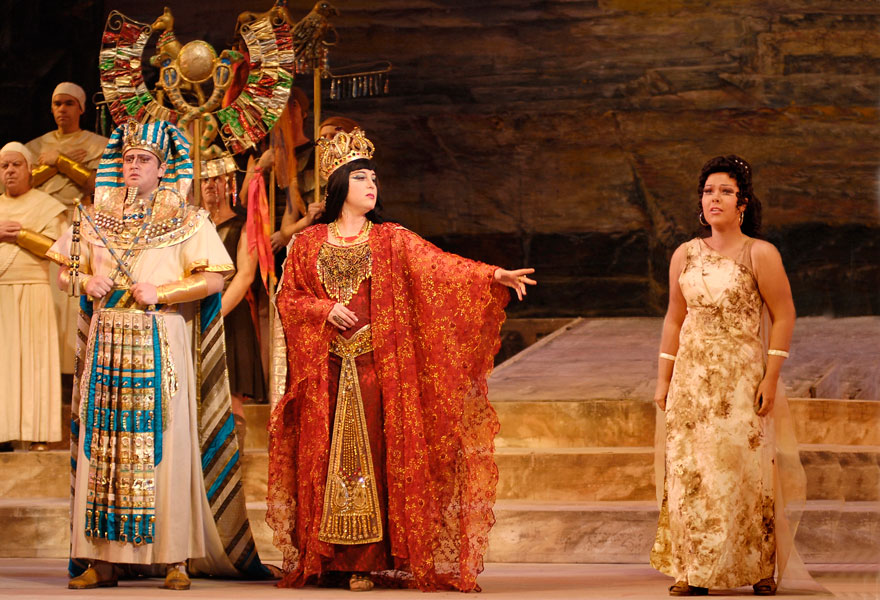
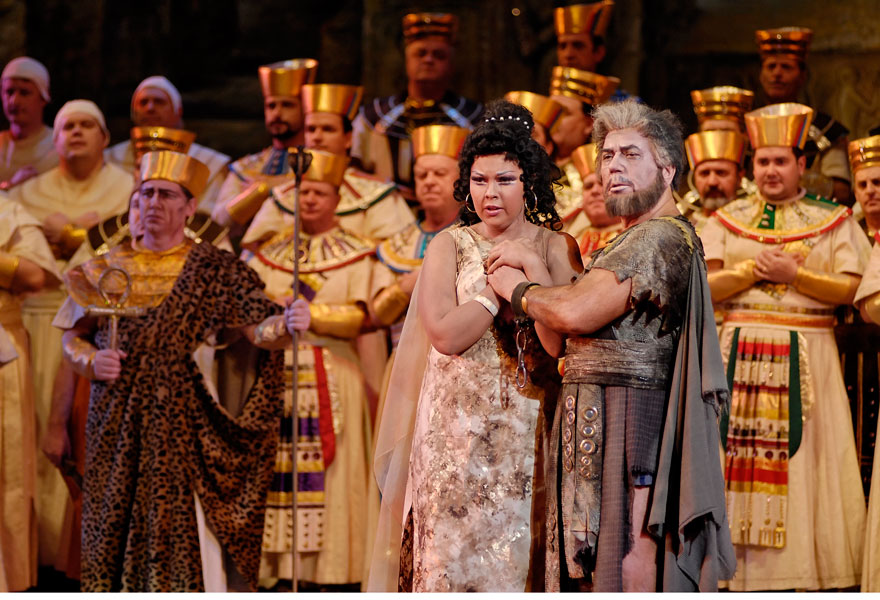
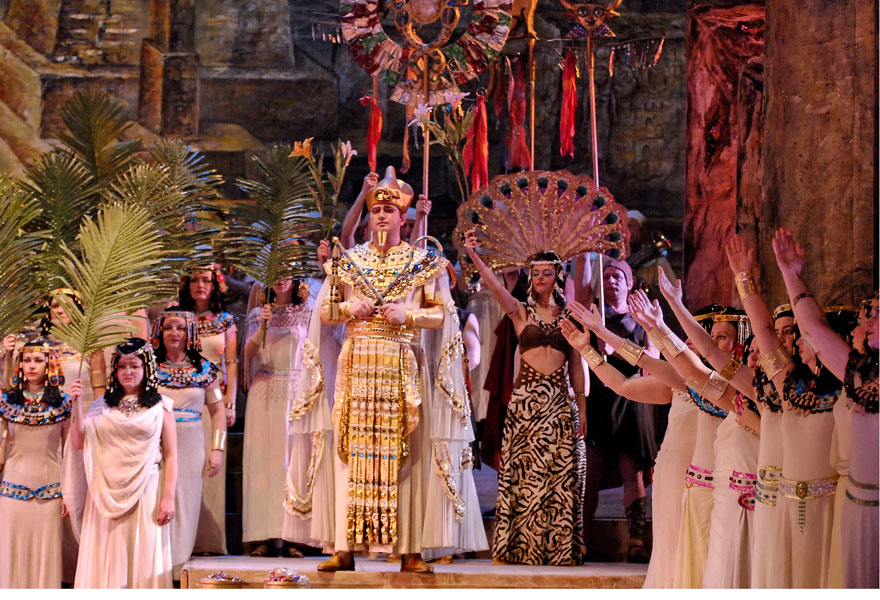
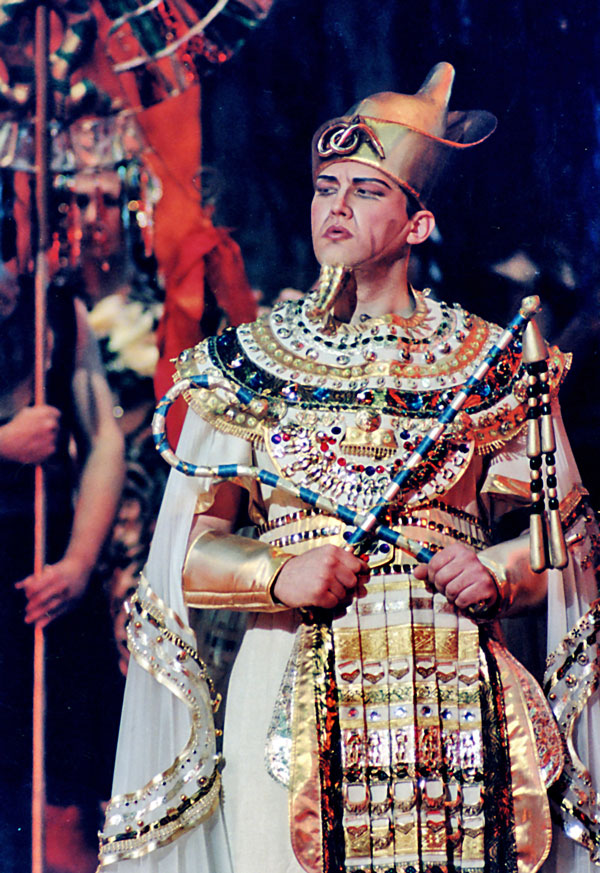
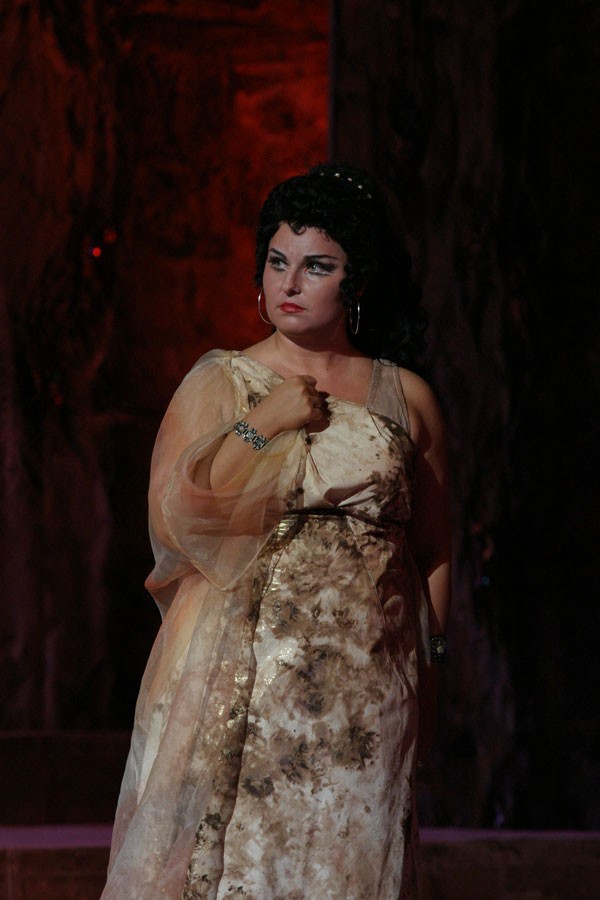
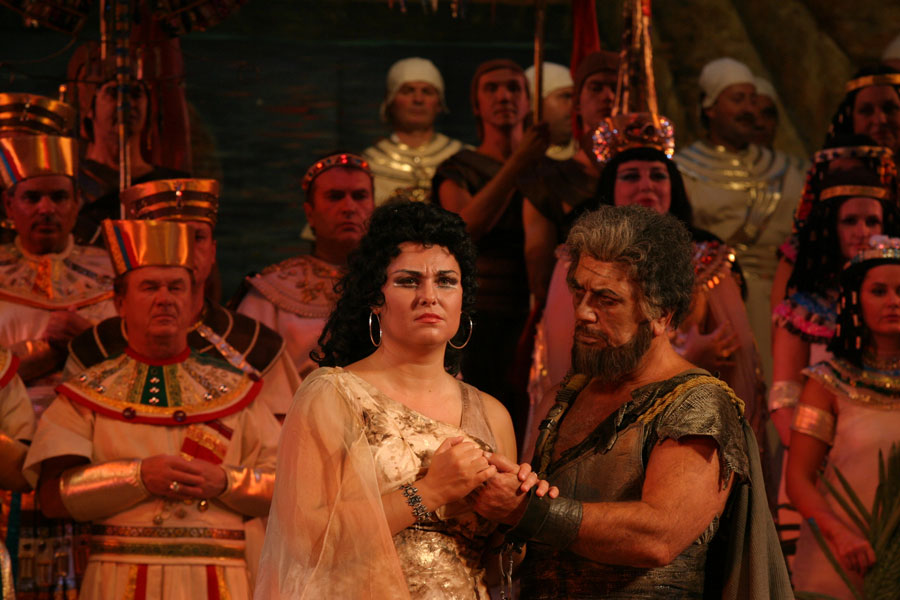
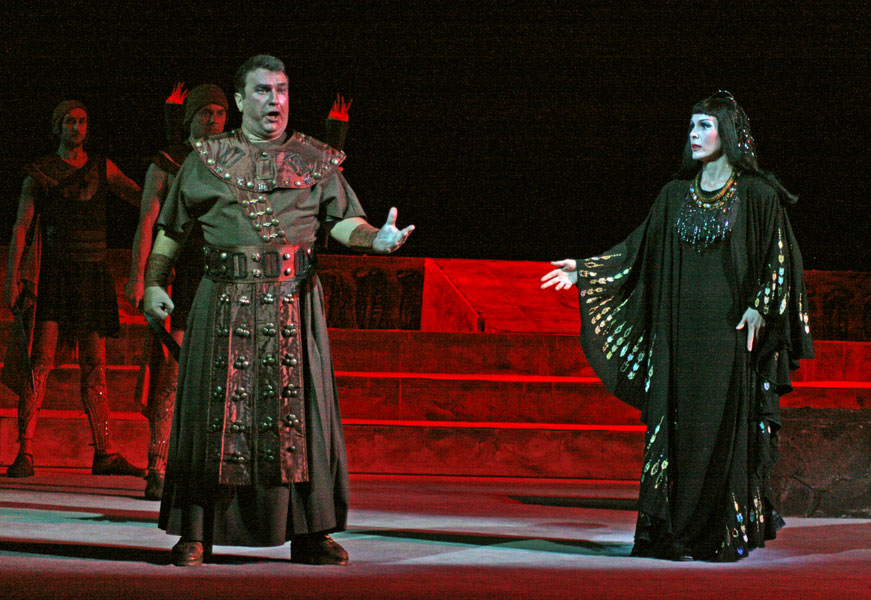
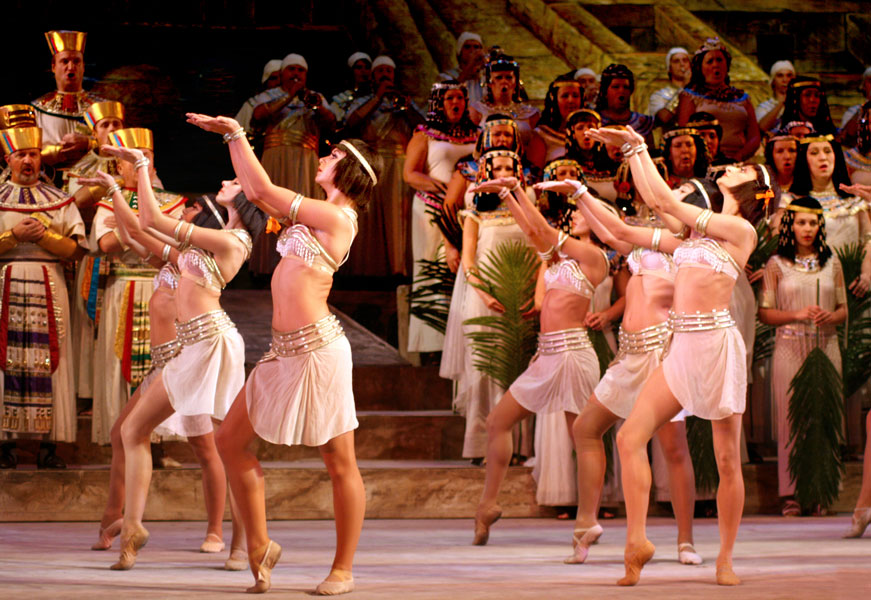
Ukranian National Opera Presents:
Giuseppe Verdi’s
Aida
Opera in 4 acts
Saturday, October 12, 2013
Beginning 19:00 Ending 22:05
Address of the theatre:
Kyiv, 01034, Volodymyrska st., 50
Ukraine

UKRAINE NATIONAL OPERA PRESENTS:


Ukranian National Opera Presents:Starting time: 19:00
Ending time: 21:35
Address of the theatre:
Kyiv, 01034, Volodymyrska st., 50
Ukraine


The Norwegian National Opera & Ballet presents
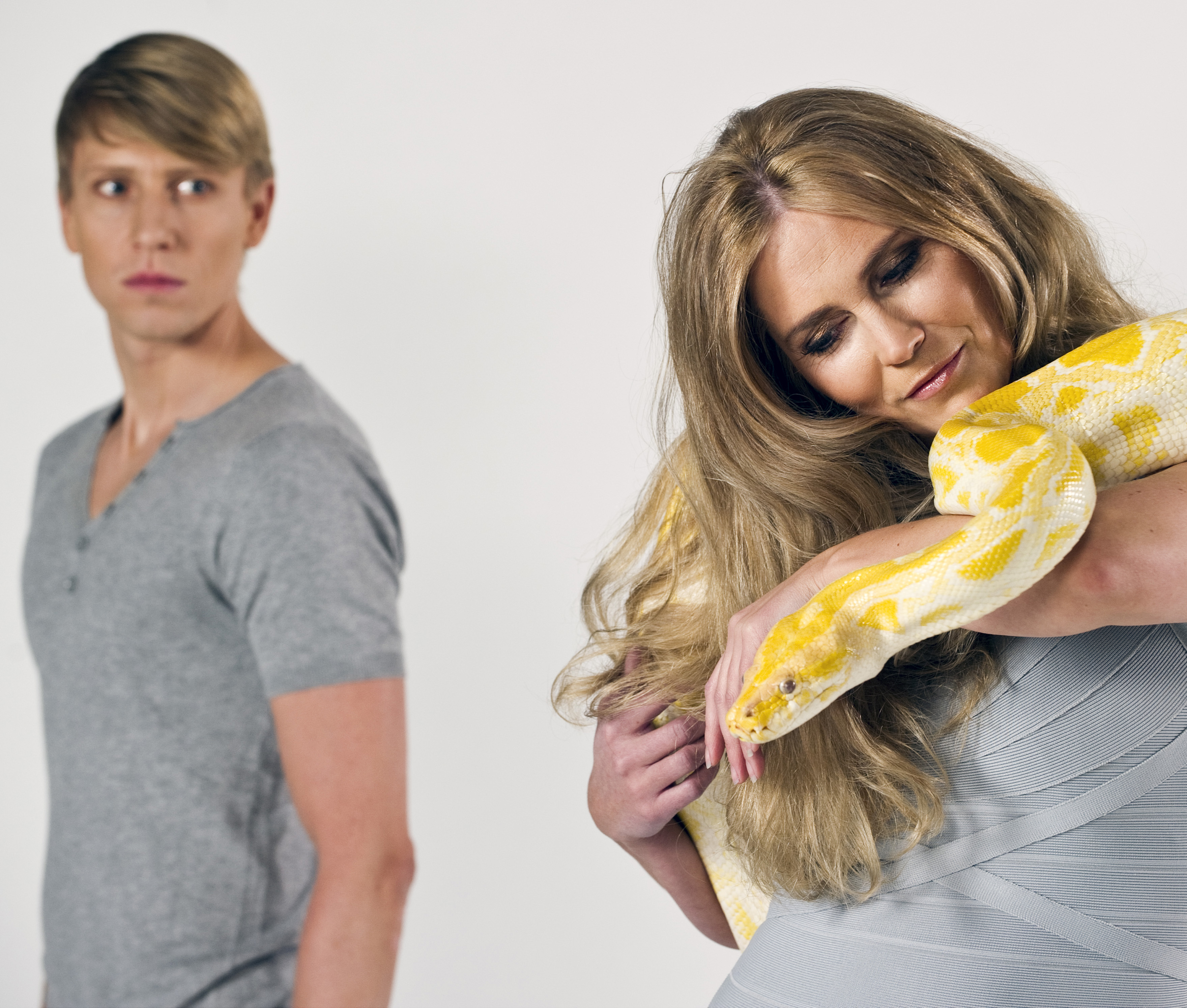
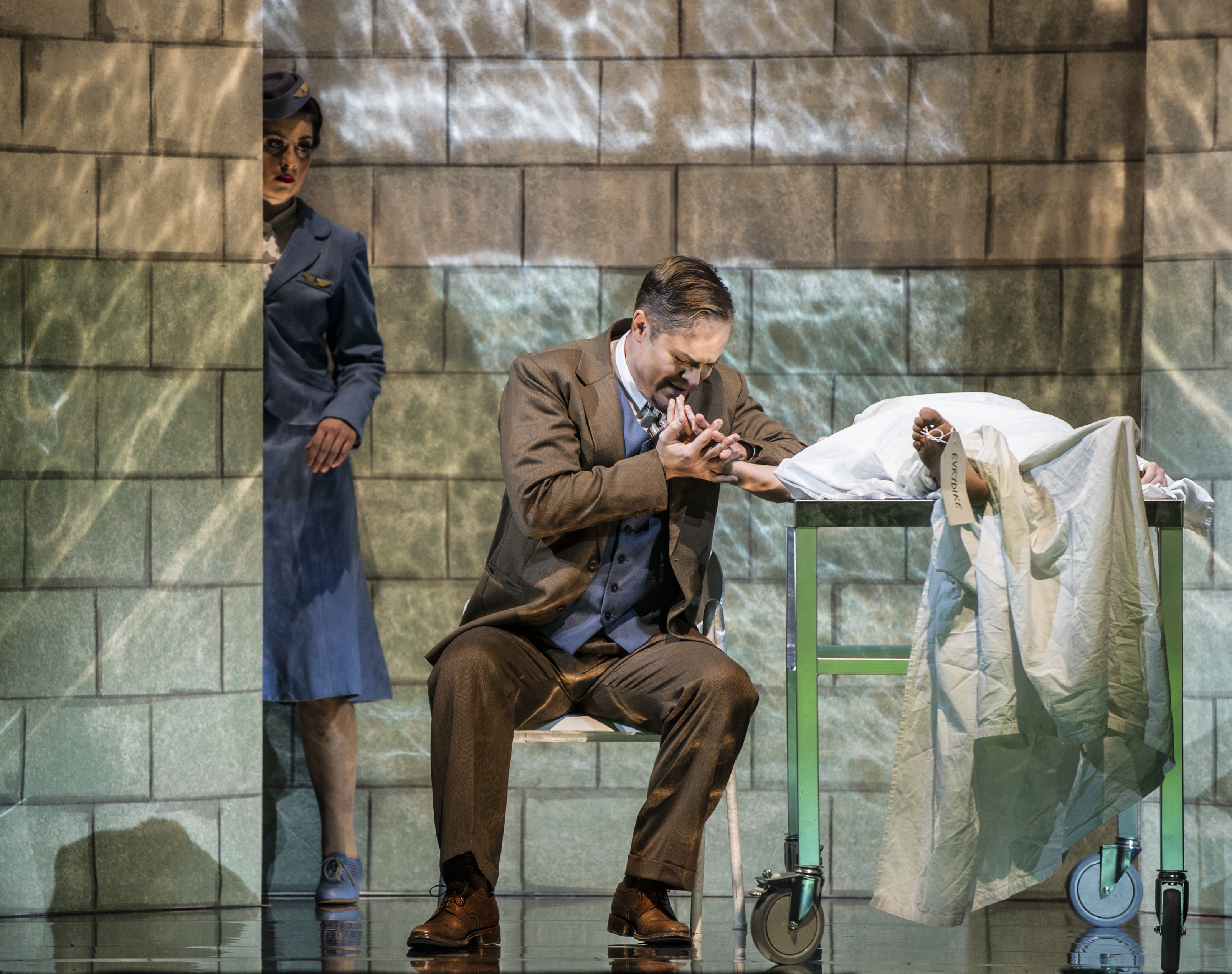
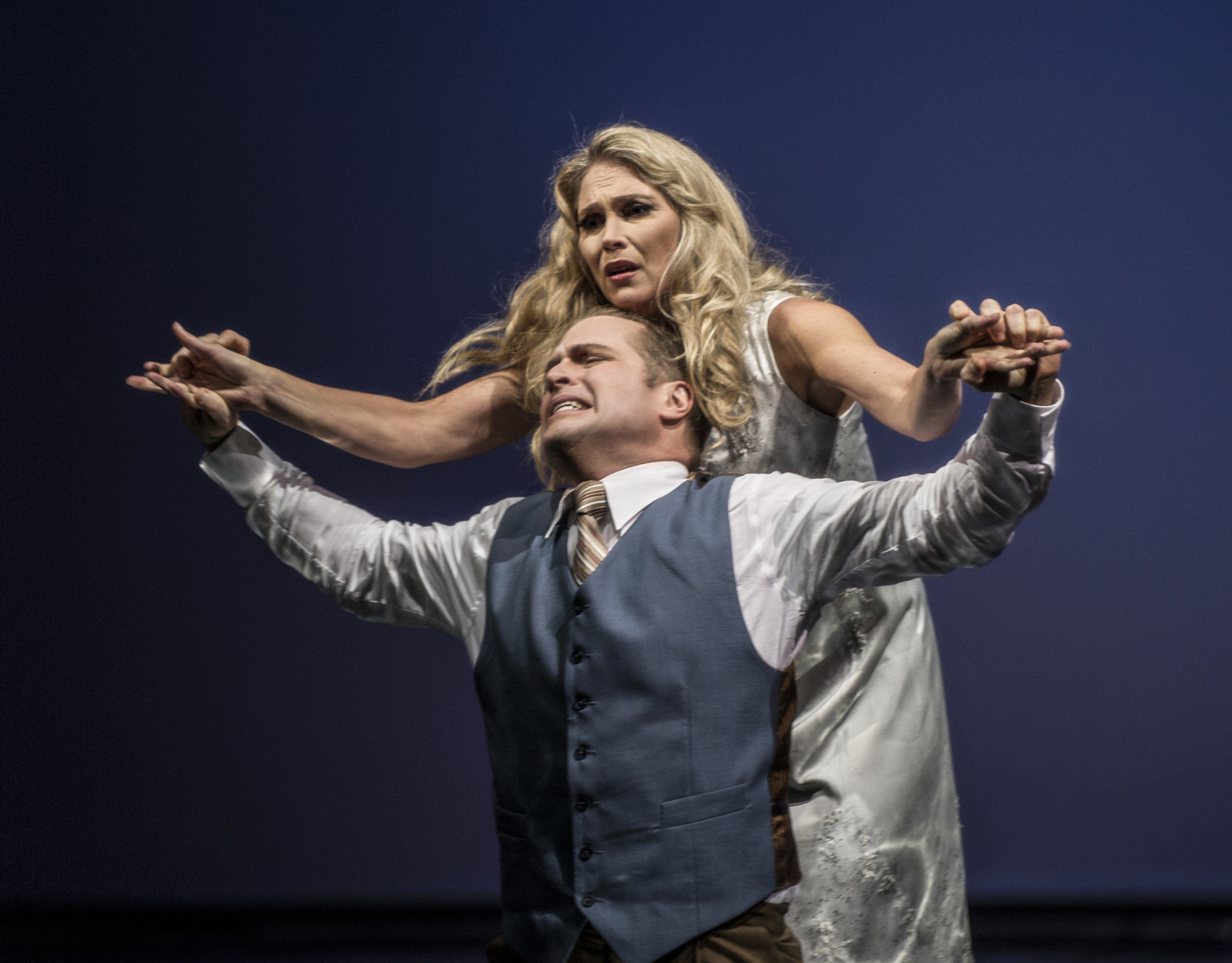
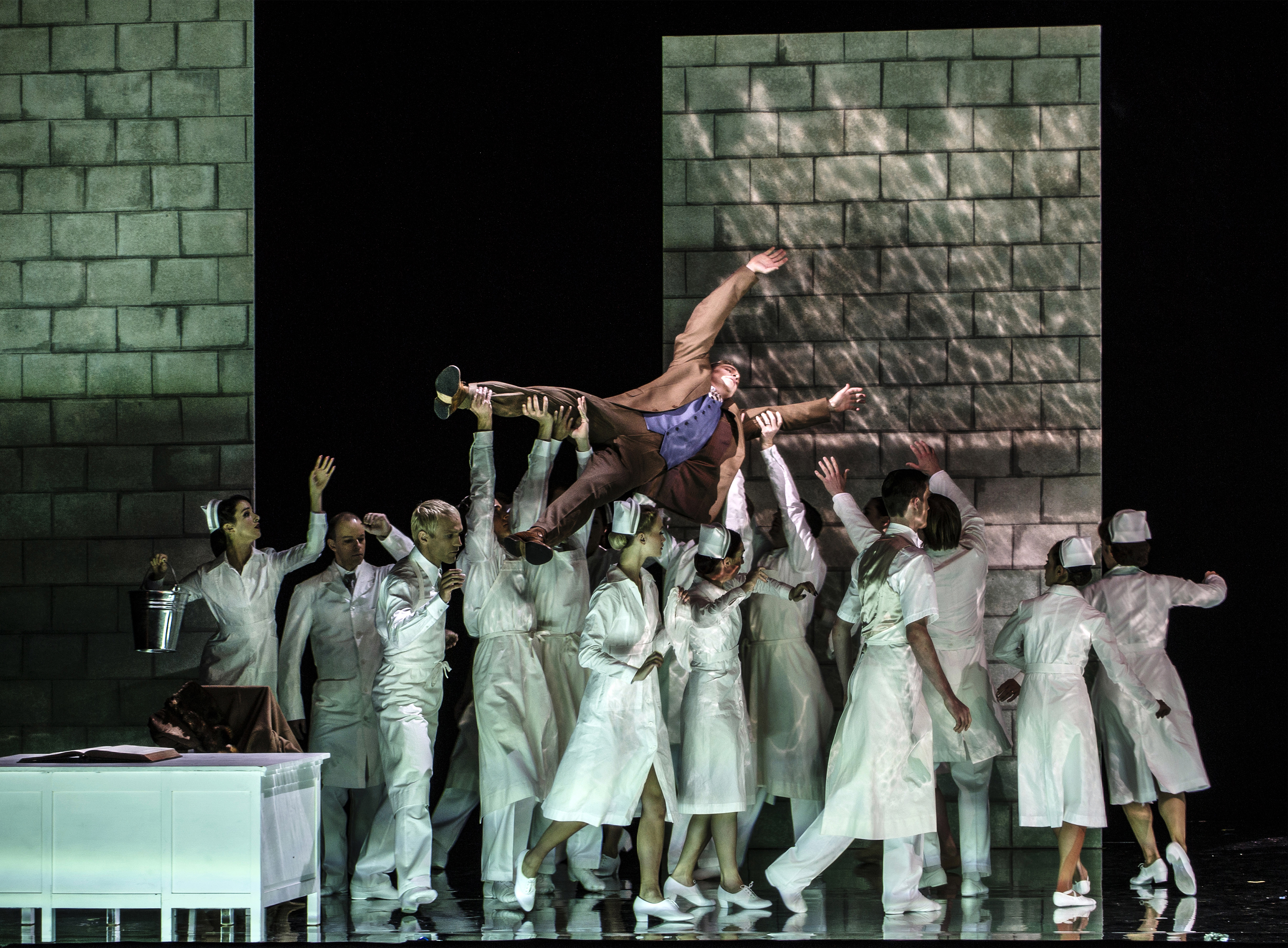
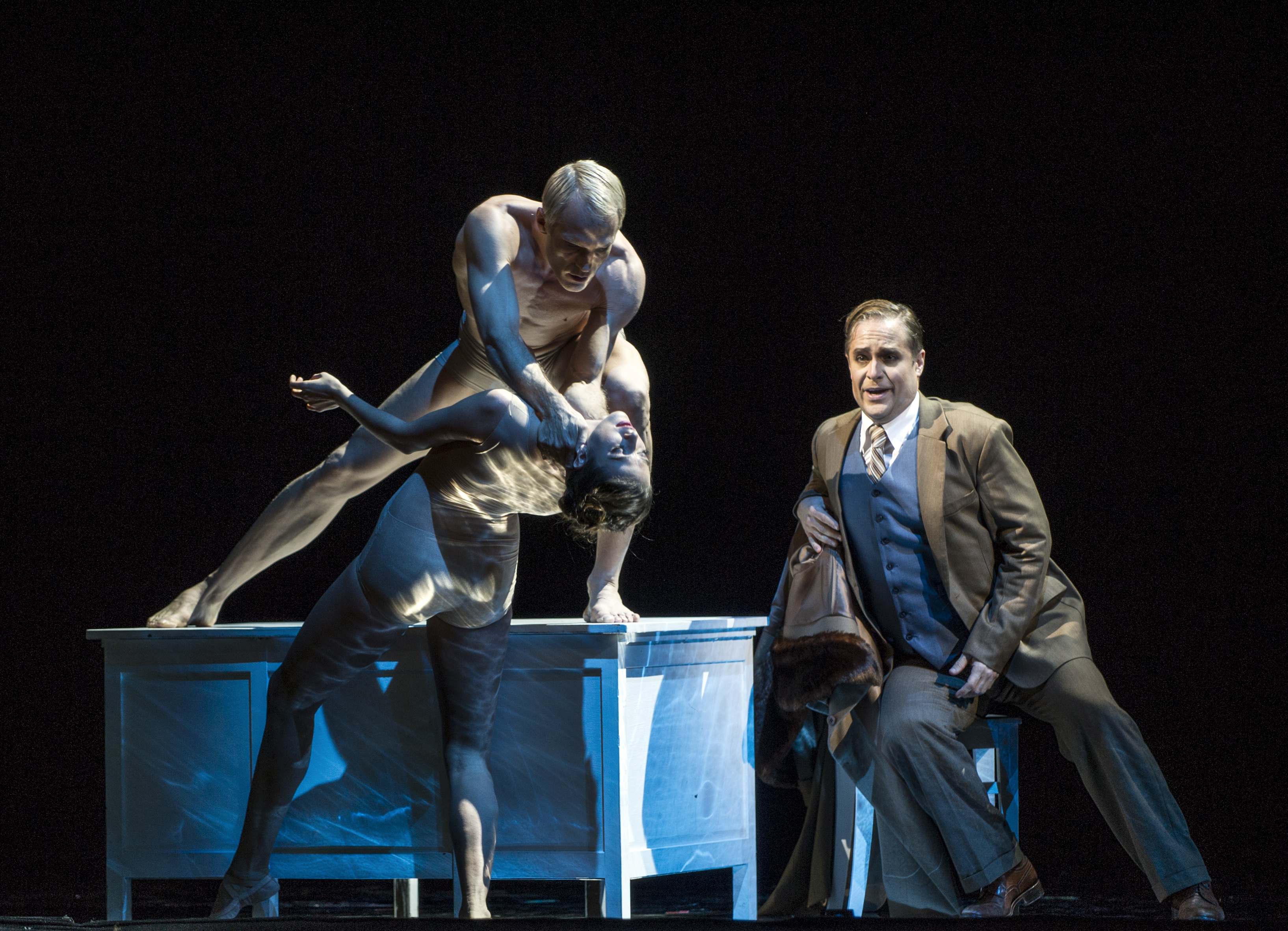
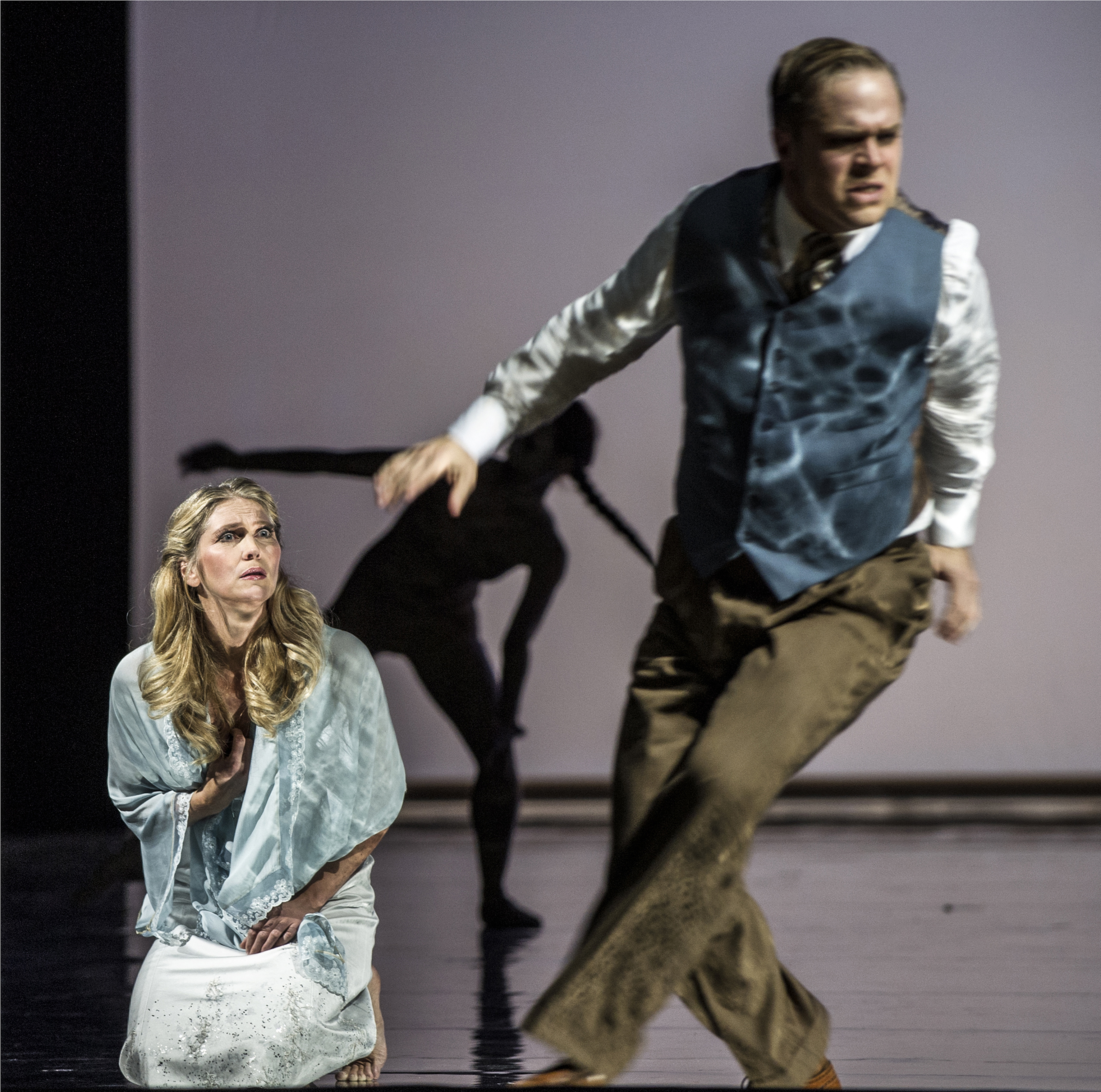
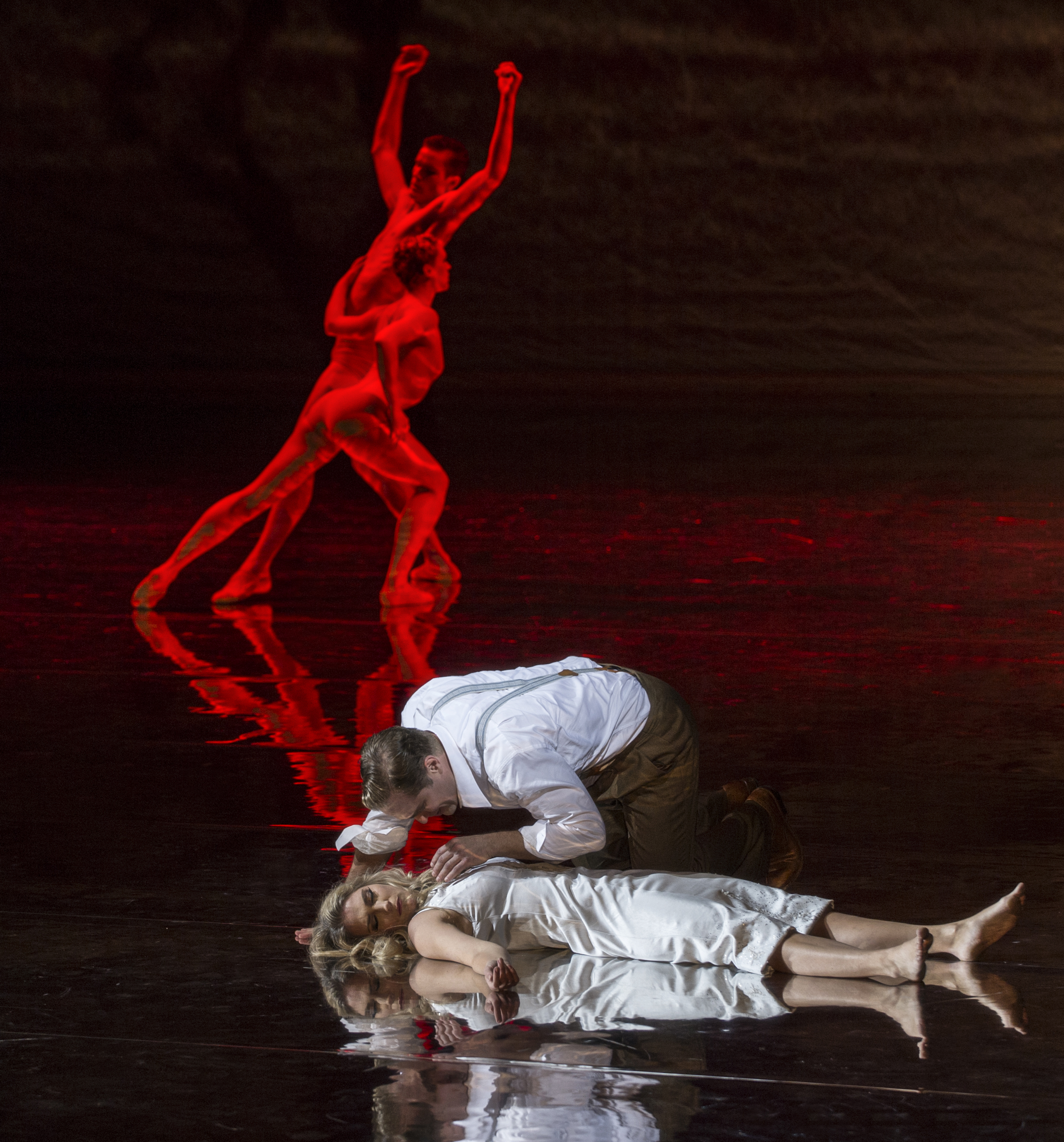
Christoph Willibald Gluck has gone down in music history as one of opera’s great reformers. Gluck felt that music theatre in his day had become too distant from its original concept. Superficial effects and circus-like entertainment were in the way of the interplay between text and music. He wished to return opera to its original ideals. His first opera in this new style was Orpheus and Eurydice.

The myth of Orpheus, who journeys to the underworld to save his beloved Eurydice, is about love and the transcending power of the music. Gluck illustrates Orpheus’ journey and his encounter with angry Furies and Blessed Spirits, with music that is free of effects yet which arouses strong feelings. It is pure and balanced, with dark and light, simpleness and pathos in perfect equilibrium.
This is the first time in a long time that we are able to present a coproduction between the Norwegian National Opera and the Norwegian National Ballet. House choreographer Jo Strømgren has directed, choreographed and done the scenography, and contra-tenor Lawrence Zazzo sings the role of Orpheus. Audiences can also look forward to hearing once again conductor Rinaldo Alessandrini.

The Opera Balet Ljubljana Presents: Giuseppe Verdi’s| 3 October 2013 | 19:30 | SNG Opera in balet Ljubljana | |
| 15 November 2013 | 19:30 | SNG Opera in balet Ljubljana | |
| 27 November 2013 | 19:30 | SNG Opera in balet Ljubljana | |
| 29 November 2013 | 18:00 | SNG Opera in balet Ljubljana | |
| 14 December 2013 | 19:30 | SNG Opera in balet Ljubljana | |
| 16 December 2013 | 19:30 | SNG Opera in balet Ljubljana | |
| 16 January 2014 | 19:30 | SNG Opera in balet Ljubljana | |
| 18 January 2014 | 19:30 | SNG Opera in balet Ljubljana | |
| 28 February 2014 | 19:30 | SNG Opera in balet Ljubljana | |
| 29 March 2014 | 19:30 | SNG Opera in balet Ljubljana |
In March 1850, the Venetian La Fenice commissioned Verdi to compose an opera seria that would be performed during the Carnival, in 1851. The composer gladly accepted the commission, since the two of his operas – Ernani and Atilla – were already successfully premiered at this renowned theatre. He occupied himself with the choice of topic for quite some time and finally opted for Hugo’s Le roi s’amuse, as he found it one of the greatest plays of its time and the creation, worthy of Shakespeare himself. He was particularly allured by Hugo’s dramaturgy with sharp, romantic contrasts, turbulent conflicts of passion, zealous love of freedom as well as exciting and dynamic development of action. Although the theatre’s direction accepted the suggested theme, it did have its doubts, mainly due to the stormy reactions, caused by Hugo’s source material on the occasion of its first staging in Paris, in 1832. Even Verdi was concerned, but the poet Francesco Maria Piave assured him of the opposite and wrote the entire libretto after the composer’s draft that was at first entitled as La maledizione (The Curse). Then the Austrian censorship banned the opera’s performance under this title due to its alleged immorality and obscenity. However, since the composer had already set a significant part of the play to the music, he could not afford the additional loss of time that would be necessary for the acquisition of a new topic. The obedient and flexible Piave set himself to some remaking, with which, however, the composer did not agree. After a series of complications the senior police officer Martello wisely proposed some alterations, which would comply with the demands of the censorship on the one hand and would not considerably affect the essence of the opera’s dramatic concept on the other. Thus the French King was replaced with the unknown Duke of Mantua, the court jester was named Rigoletto and some other characters also obtained new names so that the premiere, held in Venice on 11th March 1851, could see its triumph at last. The first performance was soon followed by its repetitions as on the other Italian stages as well as abroad – among other in Vienna, in 1852 and in Ljubljana, in 1855. The audience in Paris saw it only two years later, since its staging was initially opposed to by Hugo himself, who soon became a zealous fan of this Verdi’s masterpiece. And it was indeed with it that the thirty eight years old composer reached his artistic maturity. With its heartbreaking and uniform drama Rigoletto certainly outperforms the other pieces from Verdi’s middle creative period. In his collection of works this opera announced a period, in which the composer’s works were marked by greater musical consistency and stronger individual character in comparison to any of the operas, composed by his Italian predecessors. Verdi’s melodics became even warmer and more distinctive, and although dominated by melodious element, the orchestra that convincingly created the mood and deepened the psychological background, was increasingly obtaining a more important role as well. Detlef Soelter, who has successfully revived on our stage Verdi’s Nabucco and also took part in the staging of the Monteverdi’s L’Orfeo, produced by the Ljubljana’s three artistic academies, is coming back to direct yet another staging of the Verdi’s famous operas.
Premiere on October 19th 2013
The Icelandic Opera stages Georges Bizet’s Carmen this year, with a premiere at Harpa Concert Hall on October 19th.
In leading roles are Hanna Dóra Sturludóttir/ Sesselja Kristjánsdóttir as Carmen, Kolbeinn Jón Ketilsson/Garðar Thór Cortes as Don José, Hrólfur Sæmundsson/Kristján Jóhannesson as Escamillo.
The conductor is Guðmundur Óli Gunnarsson, the director is Jamie Hayes, the set designer is Will Bowen, costumes are designed by Helga I. Stefánsdóttir and the choreographer is Lára Stefánsdóttir. The Icelandic Opera Choir, an Icelandic children Choir and Orchestra will furthermore participate in the production.
A tota
l of six performances of Carmen will take place at Harpa Concert Hall; on Saturday October 19th (premiere), Saturday October 25th, Saturday November 2nd, Sunday November 10th, Saturday November 16th and Saturday November 23th. All performances start at 8 pm. Tickets go on sale at www.harpa.is
| The Icelandic Opera – P.O. Box 1416 – 121 Reykjavik – ICELAND | ||
“Un ballo in maschera” at the Swedish Royal OperaAt the castle an attack on Gustav, the king, is planned. But he ignores the warnings about a conspiracy. The king is possessed by a desperate and destructive passion to Amelia, the wife of his adviser and friend Anckarström. With the threat of death hanging over his head he goes to meet his beloved. In a cold and dark wintery Sweden a masquerade filled with betrayal, political intrigue and a yearning for something completely different takes place.
Verdi’s opera Un ballo in maschera was inspired by a historical event, the murder of Sweden’s king Gustav III. The opera was written in the mid-1800s and because of the political atmosphere in Europe and the Italian theater censorship Verdi and his lyricist Somma was forced to rewrite the libretto and place the opera in Boston. Here the director Tobias Theorell has opted for the Italian version after Scribes’ Gustave III ou Le bal Masqué “.
Music Giuseppe Verdi
Libretto Antonio Somma after a text by Eugène Scribe
Direction Tobias Theorell
Scenography Magdalena Åberg
Lights Ellen Ruge
Coreography Roine Söderlundh
Playwright Katarina Aronsson
CAST
Gustav Klas Hedlund
Anckarström* Vladislav Sulimsky
Amelia Lena Nordin
Ulrica Katarina Leoson
Oscar Marianne Hellgren Staykov
Christian Carl Ackerfeldt
Count Ribbing Johan Edholm
Count Horn Lennart Forsén
A Bishop Magnus Kyhle
Director Keri-Lynn Wilson
COSI` FAN TUTTEFrom October 22 to November 13, 2013
Thus Do They All , or The School for Lovers . When Da Ponte and Mozart teach us, the lesson, however graceful, is harsh and cruel. In this game of masks and deception, the rules are entangled and everybody loses.
Thus do they all or The School for Lovers. When Lorenzo da Ponte is the teacher, the lesson is harsh and cruel, even if Mozart cannot resist tempering the implacable demonstration with musical grace. Before the cynical gaze of a pair of meddling manipulators, two brothers and two sisters become caught up in the alchemy of desire. Here we have pretend soldiers, false Albanians, a fake doctor, a counterfeit lawyer and above all, false friends! Can one really expect the heart to remain steadfast and love to be eternal? In this game of masks and deception with its labyrinthine rules, there can be no winners! Amid the vertiginous polyphony of this concerto for six voices, reminiscent of Marivaux at his most abstract and Musset at his least indulgent, Michael SchØnwandt leads his disciples along the path towards enlightenment.
The composer
Wolfgang Amadeus Mozart was born in Salzburg on 27 January 1756, and died in Vienna on 5 December 1791.
A child prodigy (he took his first harpsichord lessons at the age of four and started composing when he was six), Mozart soon became famous thanks to the many tours organised by his father, Leopold, who was also his teacher and mentor. Despite his short life, he is one of the most prolific composers in the history of music. In the field of opera, after his early works (La Finta semplice, Mitridate re di Ponto, Lucio Silla and La Finta giardiniera, among others), it was with Idomeneo (1781) that he truly asserted his personality. Die Entführung aus dem Serail, the following year, was his first mature work and heralded his later masterpieces : Le Nozze di Figaro in 1786, Don Giovanni in 1787, Così fan tutte in 1789. His last opera, La Clemenza di Tito, was a return to opera seria.
The work
Così fan tutte was commissioned from Mozart at the beginning of September 1789 by the emperor Joseph II who, according to legend, chose the subject himself: a news story which was then the talk of the town.
The commission could not have come at a better time for the composer who was experiencing both psychological and financial difficulties. Lorenzo da Ponte, with whom Mozart had written his two previous operas, thereby creating modern opera (opera where the orchestra no longer simply accompanies the singers but brings out the deeper psychology of the characters), was once more entrusted with the libretto. Così fan tutte is an opera which, like La Clemenza di Tito, was greatly misunderstood. For many years it was considered merely as a romantic comedy, frivolous banter for which the composer had written charming but superficial music. While it is true that da Ponte’s libretto, after the audacity of Le Nozze de Figaro and Don Giovanni, might seem conventional, it is clever, well constructed and theatrical. With his sensual, spirited and passionate music, Mozart poses fundamental questions about love and brings to the libretto surprising psychological depth and an underlying seriousness not present in the original farce.
The first performance
Così fan tutte was first performed at the Burgtheater in Vienna on 26 January 1790. The first production in France was given at the Théâtre des Italiens in Paris on 28 January 1809.
The work entered the repertoire at the Opéra-Comique in 1920, in a French version, with André Messager as conductor. It was not until 1963 that the Opéra-Comique put on the work in its original version, in a production for the Aix-en-Provence festival. Mozart’s opera was first given at the Palais Garnier on 17 May 1974, in a production by Jean-Pierre Ponnelle (who was also responsible for scenery and costumes), with Josef Krips conducting (alternating with Serge Baudo), and Margaret Price (Fiordiligi), Jane Berbié (Dorabella), Tom Krause (Guglielmo), Ryland Davies (Ferrando), Teresa Stratas/Danièle Perriers (Despina), Gabriel Bacquier (Don Alfonso). Several different casts alternated in this production up until 1980. Così fan tutte returned to the Opéra Comique on 17 April 1982 in a Jean-Claude Auvray production, with scenery and costumes by Bernard Arnould, Gustav Kuhn at the rostrum, and sung by Felicity Lott, Alicia Nafé, Dale Duesing, Eberhard Büchner, Hildegard Heichele and Richard Van Allan. The opera was back at the Palais Garnier in March 1996 in a production staged by Ezio Toffolutti and conducted by Jeffrey Tate with Susan Chilcott/Emily Magee, Susan Graham, Simon Keenlyside, Rainer Trost, Eirian James and William Shimell in the main roles. In 2005, a new production staged by Patrice Chéreau was presented, with Erin Wall, Elina Garanca, Stéphane Degout, Shawn Mathey, Barbara Bonney and Ruggero Raimondi. It is Ezio Toffolutti’s production, revived in 1998 (with Melanie Diener, Angelika Kirschlager, Russel Braun, Bruce Ford, Anna Maria Panzarella, William Shimell), 2000 (with Barbara Frittoli, Katarina Karnéus, Russell Braun, Michael Shade, Nuccia Focile, Rolando Panerai), 2003 (with Anja Harteros, Enkelejda Shkosa, Russell Braun, Roberto Sacca, Maria Bayo and Alessandro Corbelli) and 2011 (with Elza van den Heever, Karine Deshayes, Paulo Szot and Matthew Polenzani) which is being performed this season.
| Michael Schonwandt | Conductor |
| Ezio Toffolutti | Stage director, sets and costumes |
| André Diot | Lighting |
| Alessandro Di Stefano | Chorus master |
Myrto Papatanasiu Fiordiligi
Stéphanie d’Oustrac Dorabella
Dmitry Korchak Ferrando
David Bizic Guglielmo
Lorenzo Regazzo Don Alfonso
Bernarda Bobro Despina
Paris Opera Orchestra and Chorus
Tiziano Thomas Dossena, Author & Editor
Di Raffaele Pisani
A memoir by Cav. Gilda Battaglia Rorro Baldassari